Superior Temperature Management and System Protection
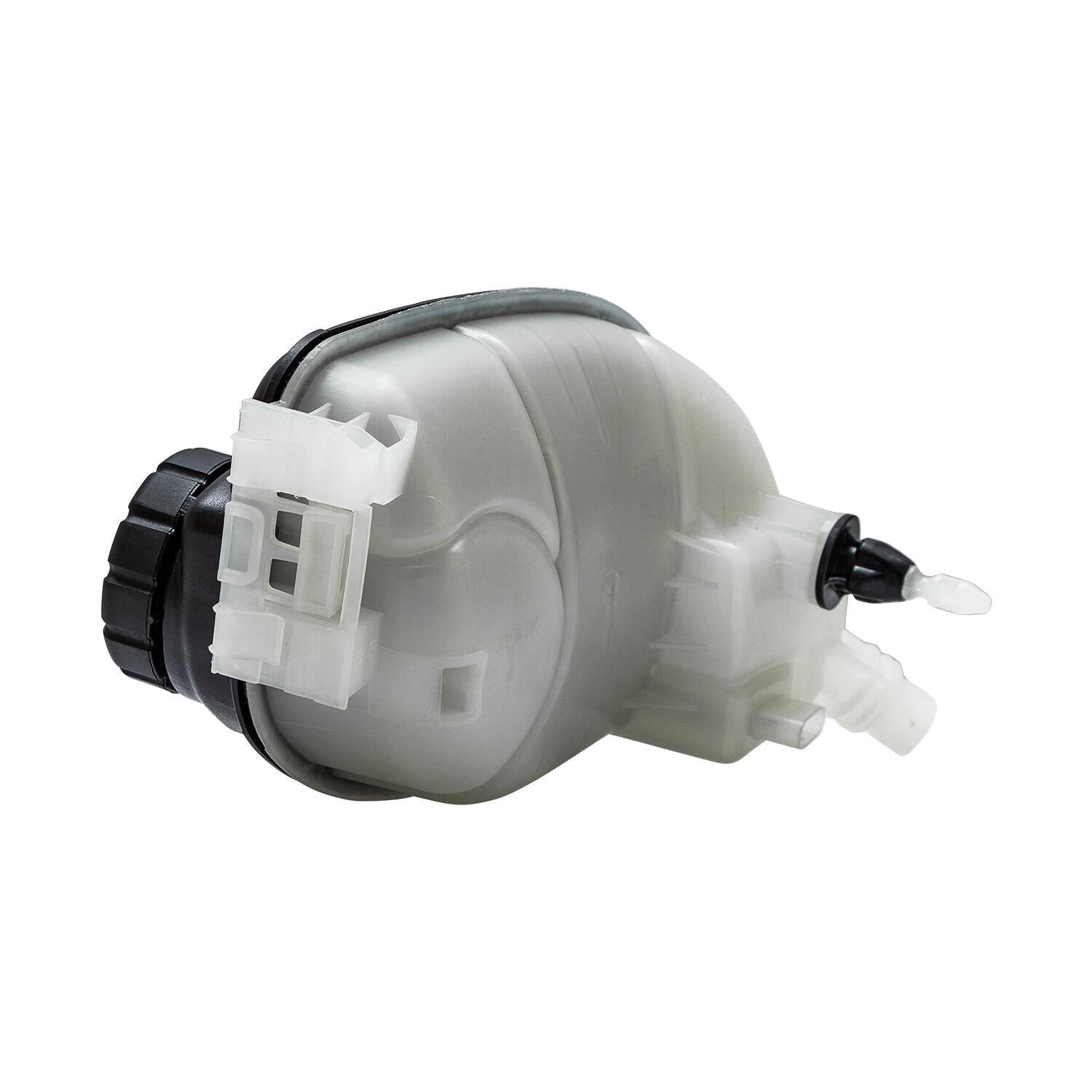
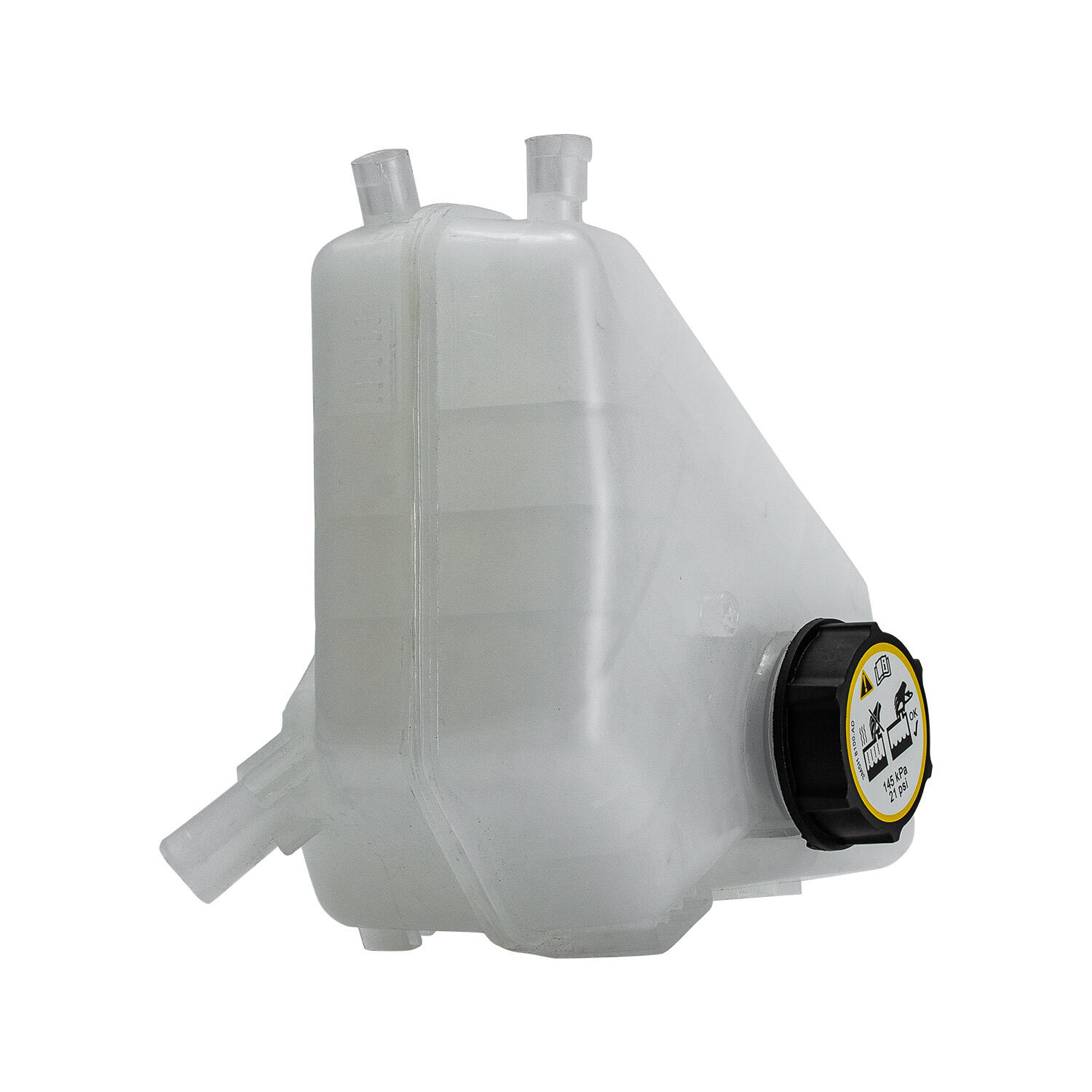
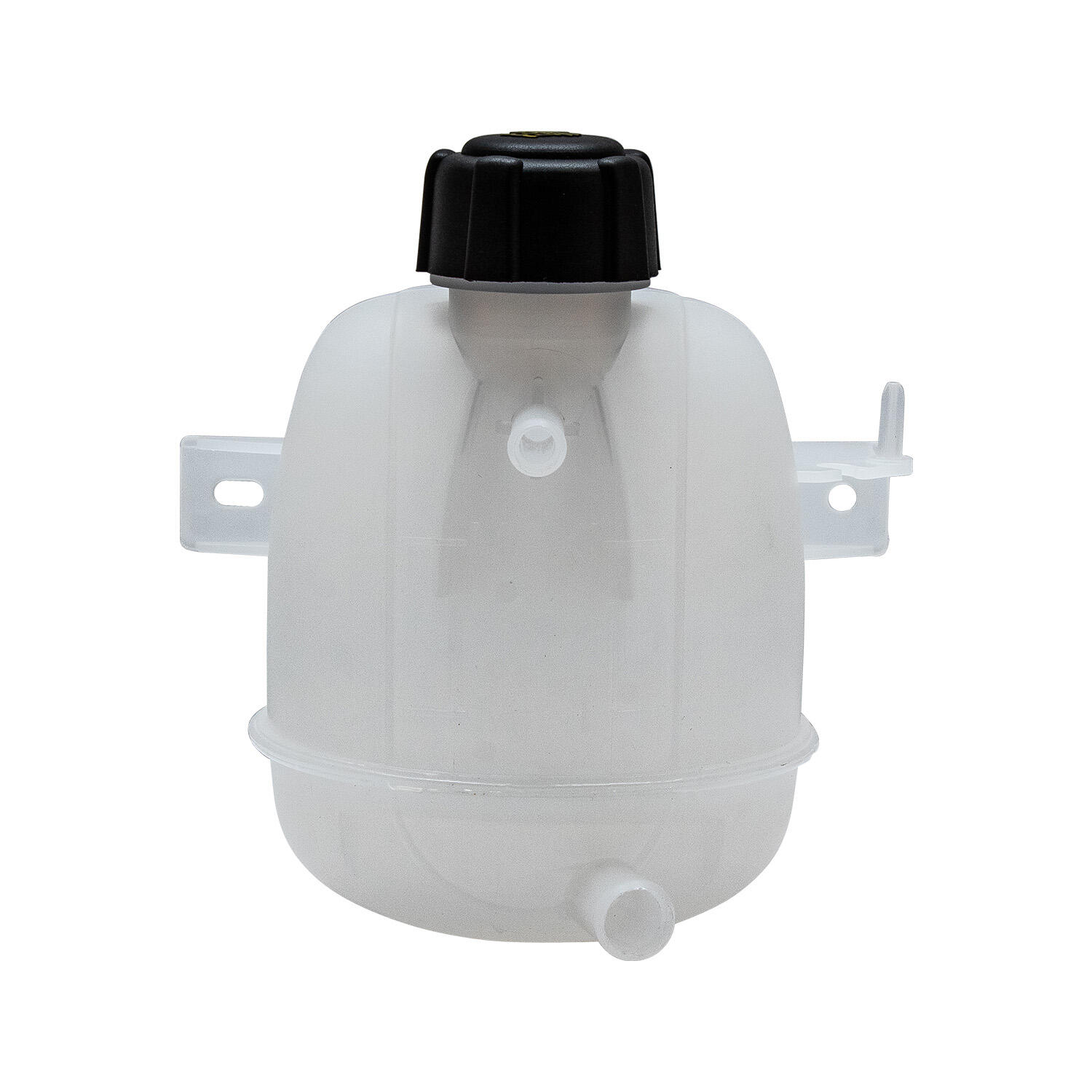
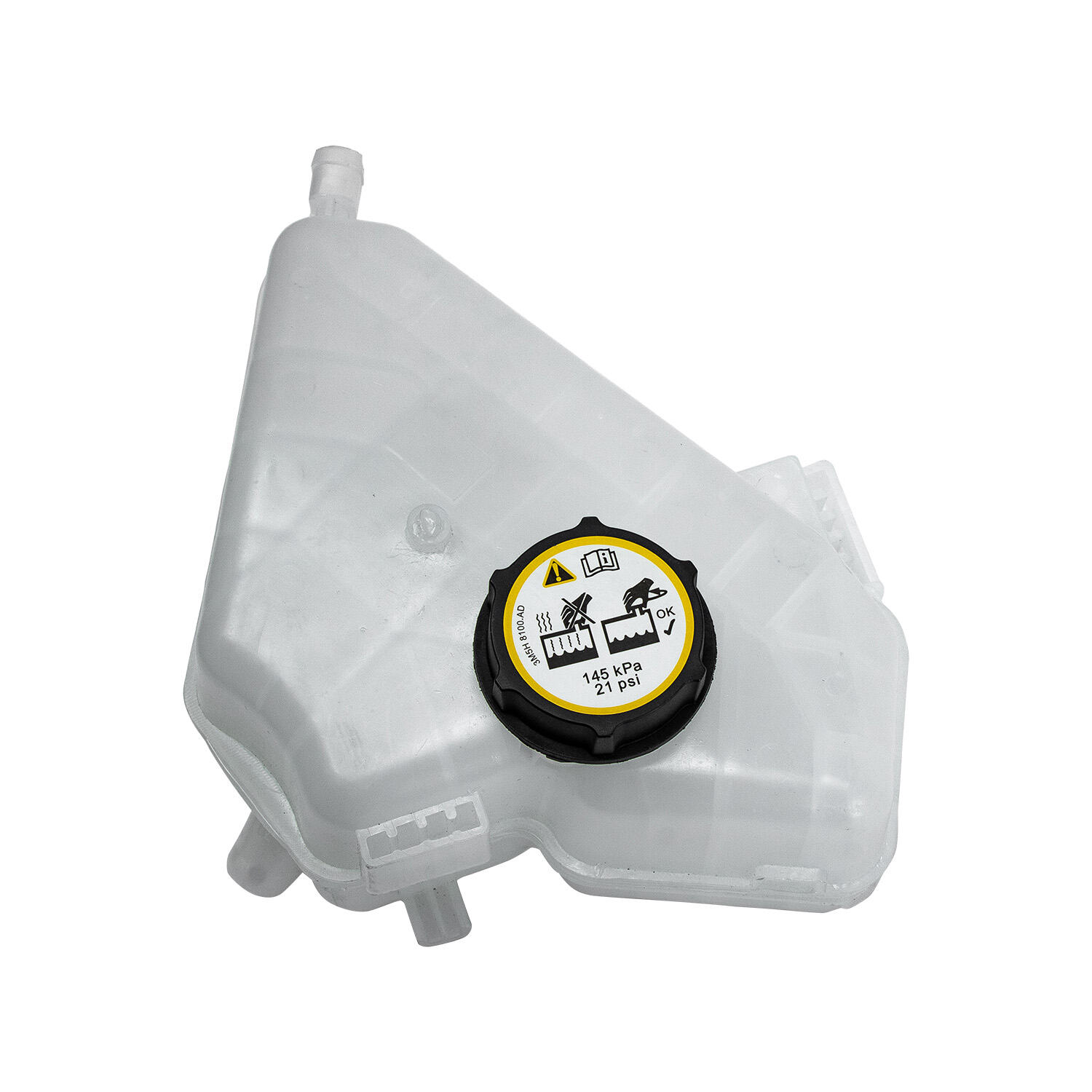
The universal coolant expansion tank excels at managing the complex thermal dynamics within modern engine cooling systems, providing critical protection against the damaging effects of temperature extremes. As engines operate, coolant temperatures can swing dramatically from cold starts to full operating temperature and back again, causing the fluid to expand and contract significantly. Without an adequate expansion reservoir, this thermal cycling creates dangerous pressure spikes that stress radiator seams, deteriorate hoses, and compromise gasket seals throughout the cooling system. The universal coolant expansion tank addresses this challenge by offering a dedicated volume where expanding coolant can safely displace without generating excessive pressure. The pressurized cap assembly maintains system pressure at optimal levels, typically around 15 PSI, which elevates the coolant boiling point to approximately 265 degrees Fahrenheit compared to 212 degrees at atmospheric pressure. This higher boiling point provides a crucial safety margin that prevents coolant vaporization even under severe operating conditions like towing heavy loads, climbing steep grades, or driving in extreme heat. When coolant boils and turns to steam, it loses its heat transfer capability, creating hot spots that can warp cylinder heads, crack engine blocks, or cause head gasket failures costing thousands to repair. The universal coolant expansion tank prevents these catastrophic scenarios by maintaining liquid coolant throughout the system. Additionally, the tank's design incorporates overflow provisions that safely vent excess pressure if temperatures exceed normal parameters, protecting expensive components while alerting the driver to potential problems. The transparent construction of quality universal coolant expansion tank products enables visual monitoring of coolant condition, allowing users to detect contamination, degradation, or loss before performance suffers. This proactive approach to cooling system maintenance prevents the gradual efficiency loss that occurs when coolant becomes depleted or contaminated with rust, scale, or oil. By maintaining optimal coolant levels and condition, the universal coolant expansion tank ensures consistent heat transfer from engine components to the radiator, where thermal energy dissipates into the atmosphere. This reliable temperature management protects not only the engine but also transmission coolers, oil coolers, and other heat exchangers integrated into modern cooling systems, making the universal coolant expansion tank a cornerstone component for overall vehicle reliability and longevity.