Durability and Long-Term Reliability Under Extreme Conditions
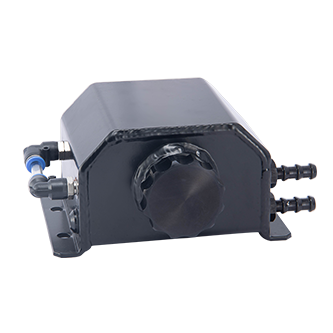
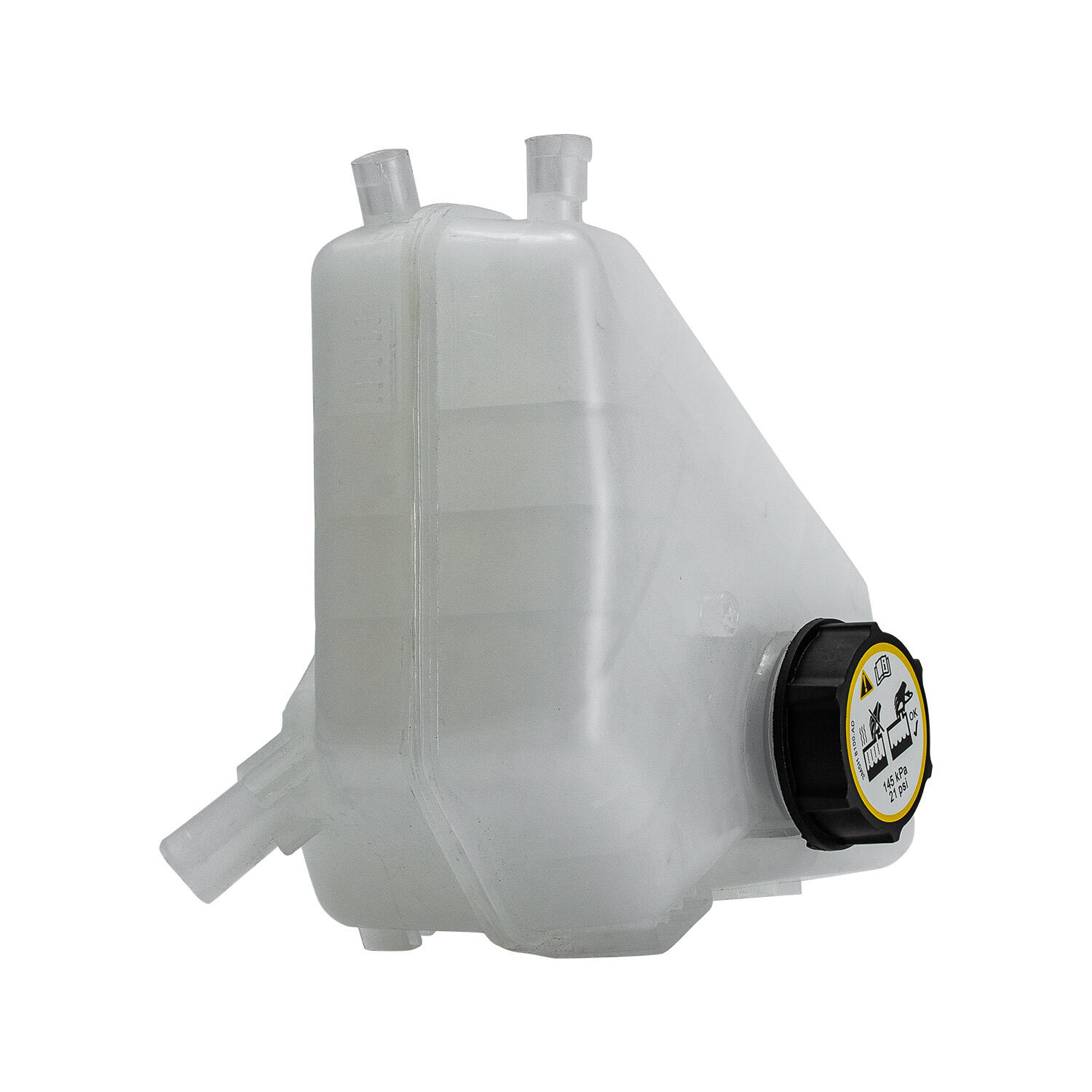
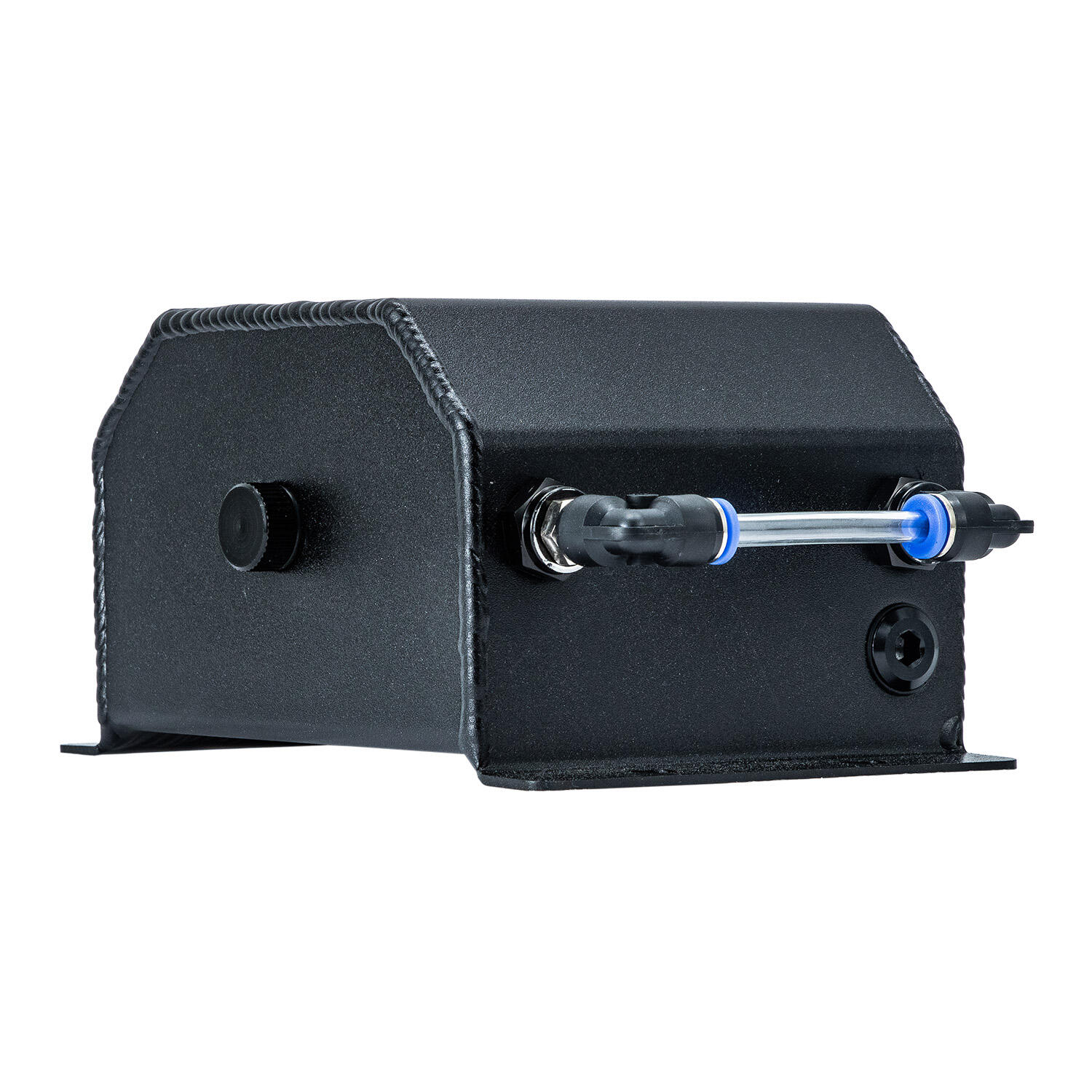
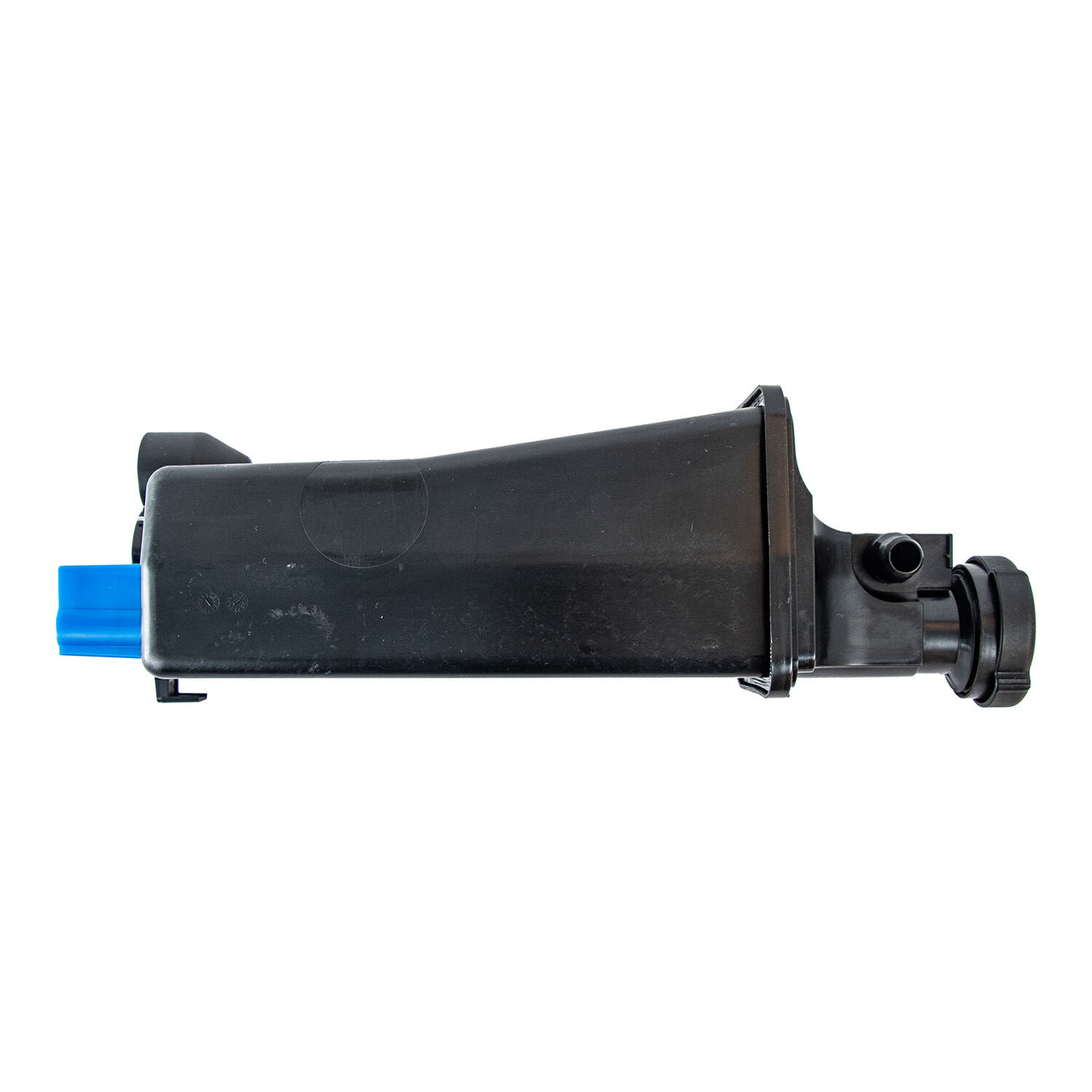
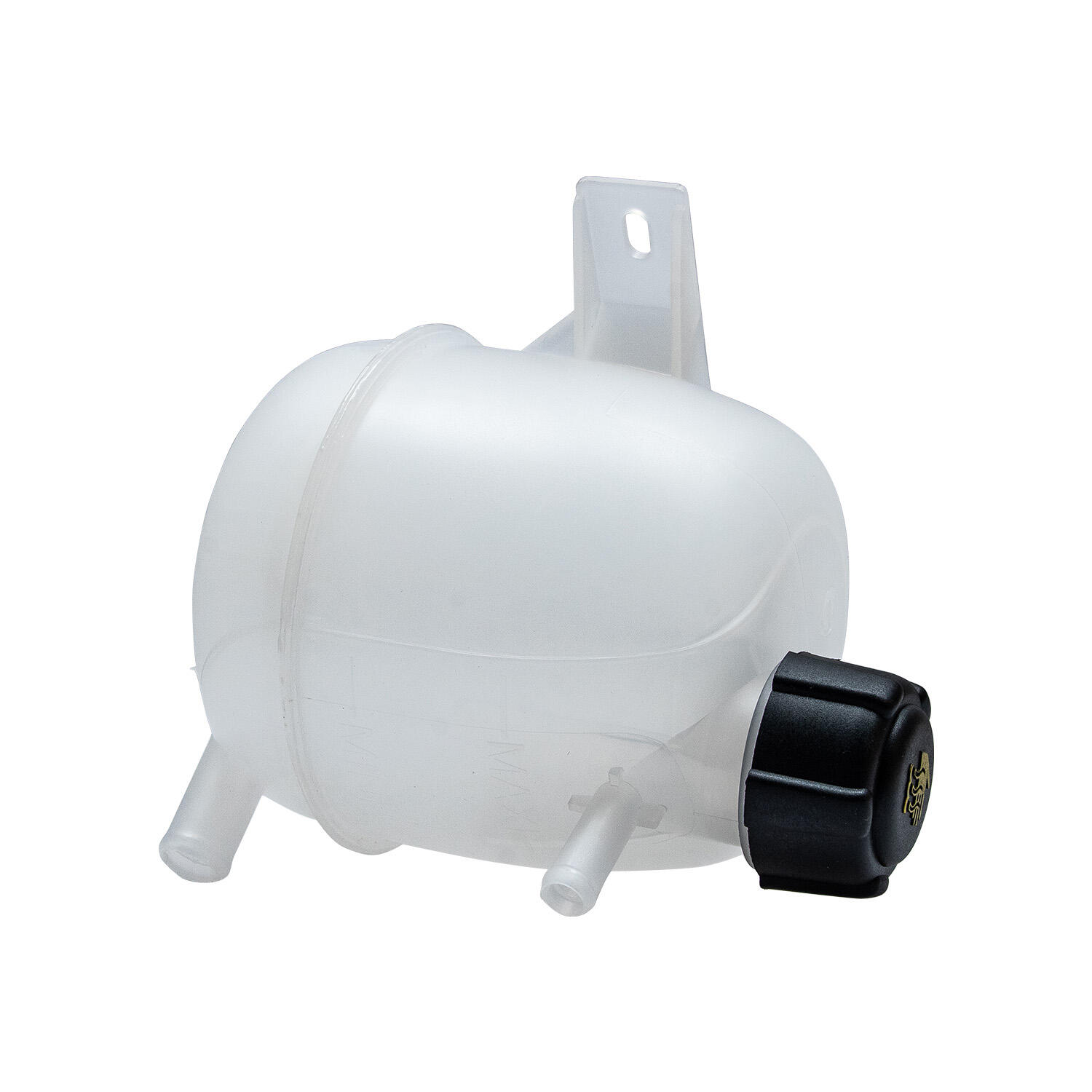
The universal radiator overflow tank demonstrates exceptional durability through advanced material selection and robust construction techniques that withstand the punishing environment of modern engine bays. Cooling systems operate under extreme conditions that challenge component integrity, including temperature swings from below freezing to over two hundred degrees Fahrenheit, exposure to corrosive coolant additives, constant pressure cycling, and vibration from engine operation and road conditions. Inferior overflow tanks manufactured from substandard materials quickly succumb to these stresses, developing cracks, leaks, and structural failures that compromise cooling system performance and lead to costly repairs. Quality universal radiator overflow tanks utilize high-grade engineering thermoplastics such as polyethylene or polypropylene that offer superior resistance to thermal stress, chemical attack, and mechanical fatigue. These materials maintain their molecular structure and physical properties across the full temperature range encountered in automotive applications, preventing the brittleness that causes cold-weather cracking or the softening that leads to hot-weather deformation. The plastic formulations incorporate UV stabilizers that protect against sunlight degradation, ensuring the tank retains its strength and appearance even when mounted in exposed locations. Wall thickness is carefully optimized to provide adequate strength without excessive weight, typically ranging from two to three millimeters depending on tank size and intended application. This thickness delivers the structural rigidity needed to maintain shape under pressure while allowing sufficient flexibility to absorb vibration and impact without fracturing. Reinforcement ribs molded into the tank body add stiffness at critical stress points, particularly around mounting bosses and port locations where concentrated loads could otherwise cause failure. The manufacturing process employs precision molding techniques that eliminate weak points, thin spots, and internal voids that compromise structural integrity. Seamless one-piece construction avoids the potential leak paths associated with welded or bonded assemblies, providing inherent reliability that lasts for years. Port fittings are typically molded integrally with the tank body rather than pressed or threaded into place, creating robust connections that resist loosening, cracking, or separation under thermal cycling and vibration. The universal radiator overflow tank's durability extends to its resistance against common coolant formulations, including traditional ethylene glycol, extended-life organic acid technology, and hybrid organic acid technology mixtures. These coolants contain various additives, inhibitors, and pH modifiers that can attack incompatible materials, but quality overflow tanks are formulated to resist chemical degradation from all approved coolant types. This chemical resistance ensures the tank maintains its integrity throughout the coolant's service life, typically three to five years or longer depending on the specific formulation. Long-term reliability translates directly to reduced maintenance costs and improved vehicle uptime, as a durable universal radiator overflow tank eliminates the need for premature replacement and prevents the cascading failures that occur when cooling system components fail unexpectedly.