Extends Cooling System Component Life Through Pressure Regulation
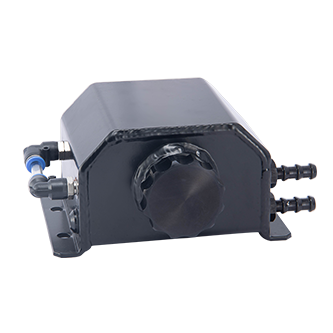
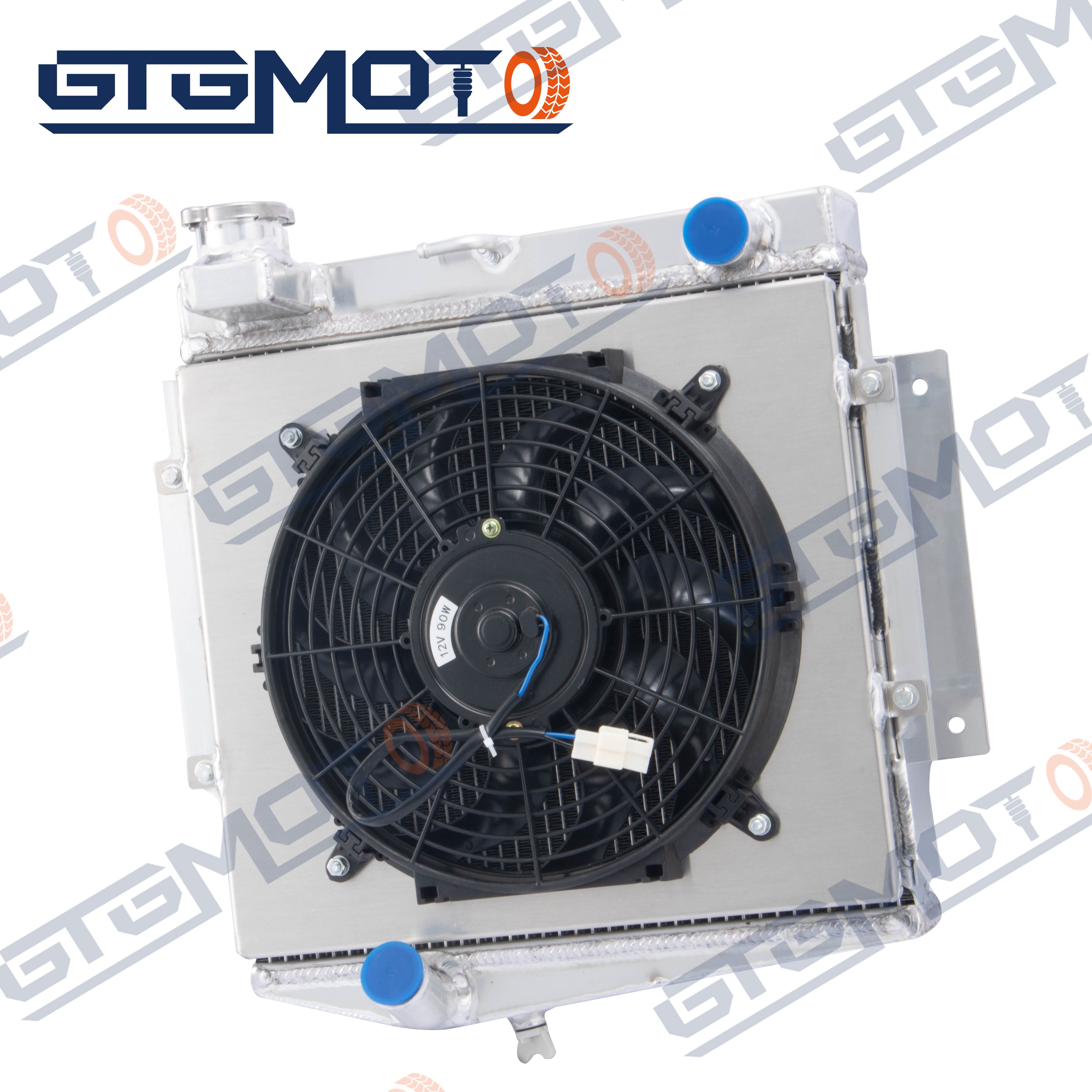
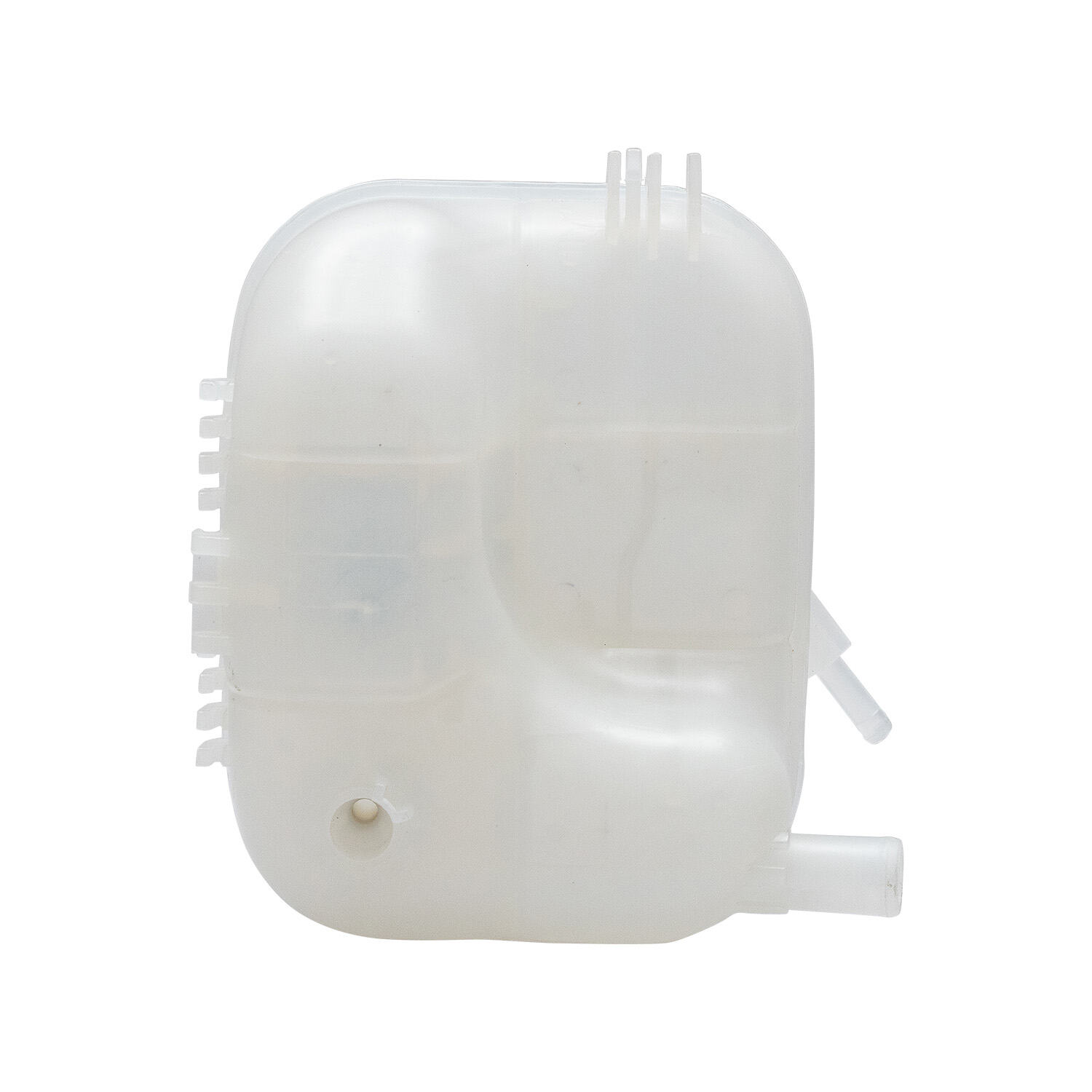
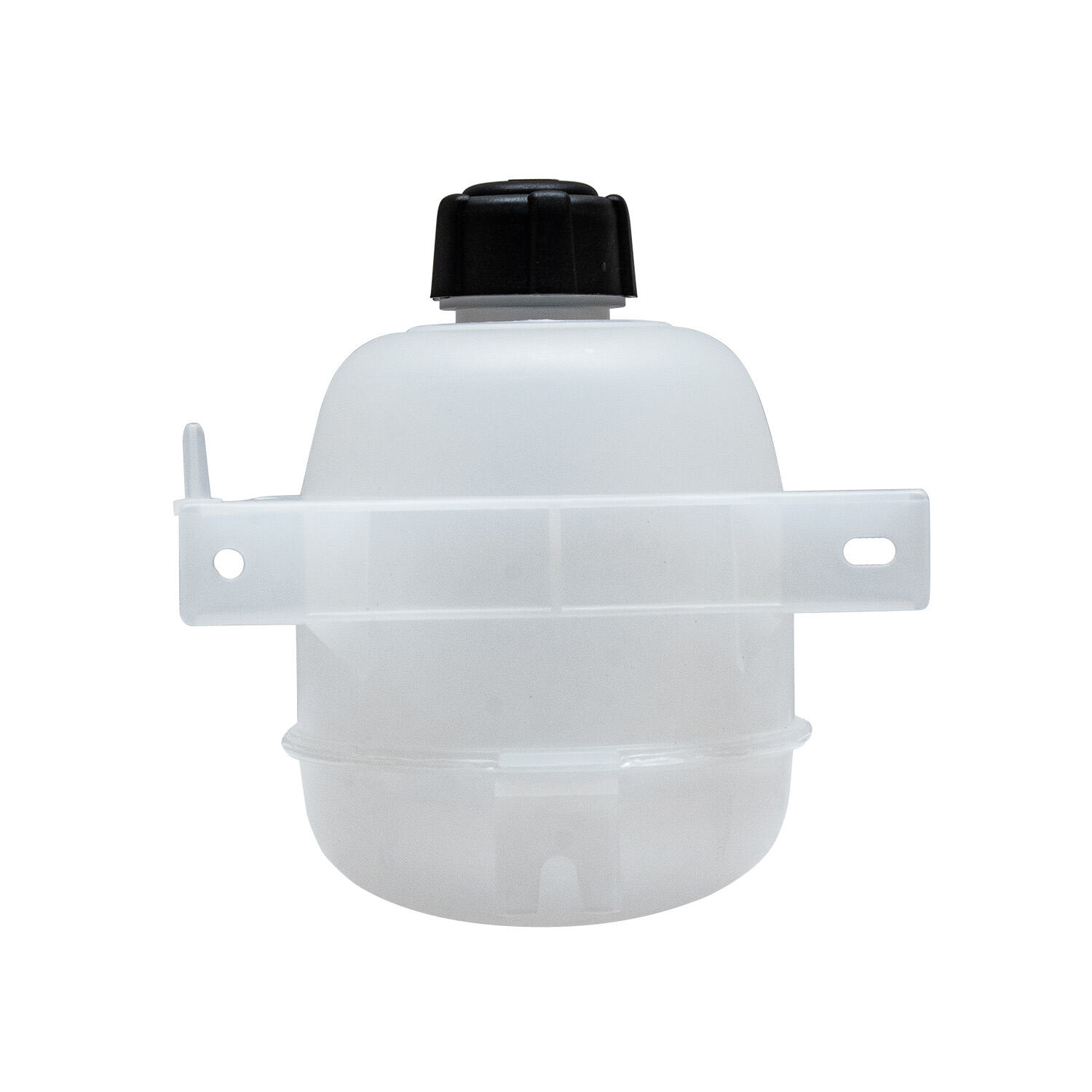
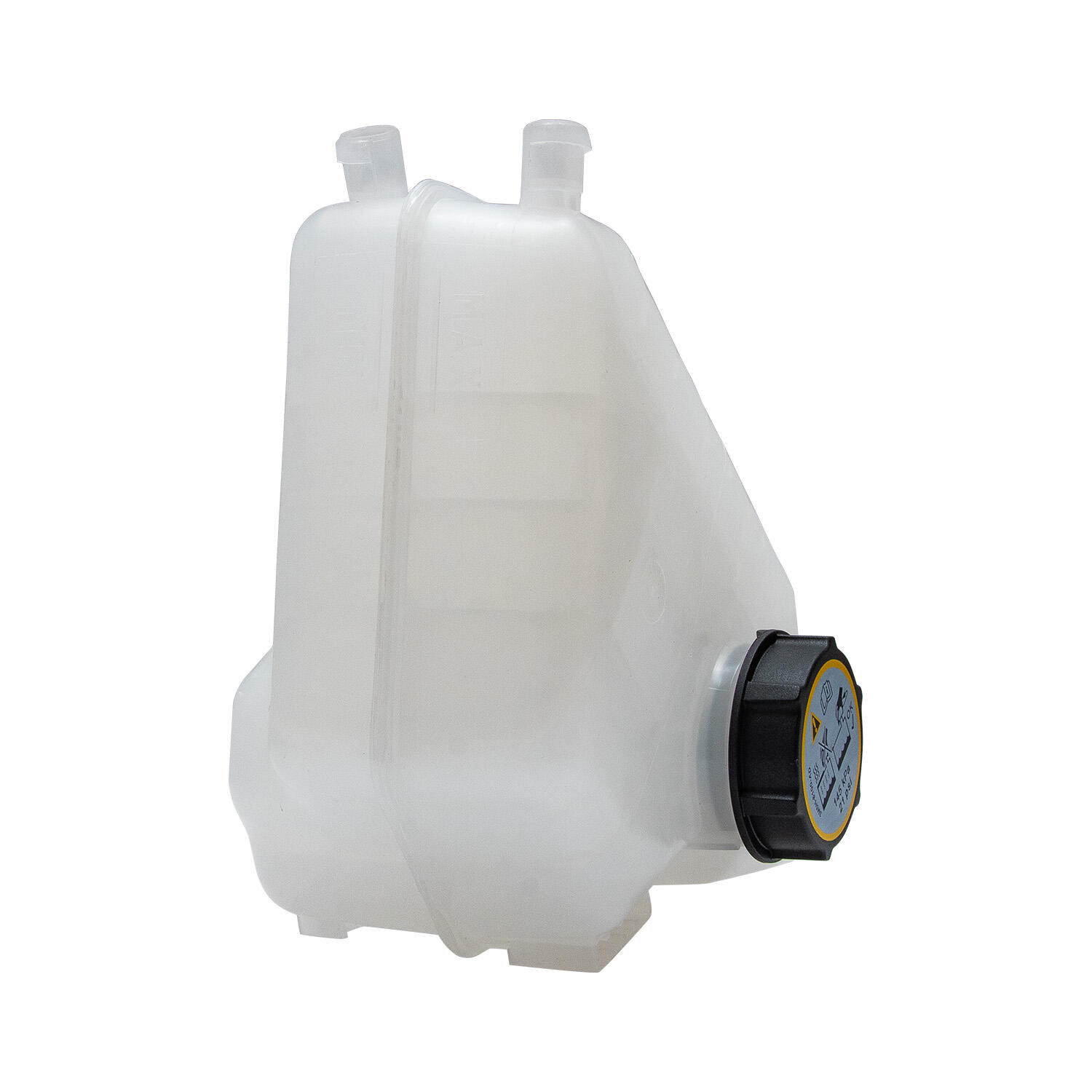
An auto radiator overflow tank plays a vital role in extending the service life of every component in your vehicle's cooling system through precise pressure regulation and contamination prevention. Modern cooling systems operate under pressure by design, typically maintaining 13 to 16 PSI during normal operation. This pressurization serves a critical purpose by raising the coolant's boiling point from 212 degrees Fahrenheit at sea level to approximately 240 to 265 degrees Fahrenheit, depending on the specific pressure rating and coolant mixture. The higher boiling point allows engines to run hotter, which improves combustion efficiency, reduces emissions, and increases power output. However, maintaining consistent pressure requires a properly functioning overflow tank working in concert with the radiator cap. When pressure exceeds the cap's rating, the overflow tank receives the excess coolant, preventing pressure spikes that could rupture hoses, blow out core plugs, or damage the radiator itself. Conversely, when the system cools and contracts, the overflow tank supplies coolant to prevent vacuum formation that could collapse hoses or draw air into the system through microscopic leaks. This pressure stabilization reduces stress on rubber hoses, which deteriorate faster when subjected to extreme pressure fluctuations. Radiator and heater core tubes also benefit from stable pressure, as excessive pressure can cause tube expansion that leads to leaks at crimped joints or soldered seams. The water pump seal faces particular vulnerability to pressure variations, as the seal must maintain contact between rotating and stationary surfaces while accommodating thermal expansion and pressure changes. Stable pressure extends seal life significantly, delaying the need for water pump replacement. The overflow tank also prevents air from entering the cooling system, which causes multiple problems beyond reduced cooling efficiency. Air pockets promote corrosion by introducing oxygen that reacts with metal surfaces, forming rust and scale deposits that restrict coolant flow and reduce heat transfer. These deposits accumulate in narrow passages, eventually blocking flow to critical areas. Air in the system also allows localized boiling at hot spots, creating steam pockets that provide virtually no cooling capacity. The overflow tank's design includes features that separate air from coolant, allowing air to vent while retaining liquid. Quality tanks incorporate baffles or internal structures that calm turbulent coolant flow, promoting air separation and preventing foam formation that reduces cooling effectiveness.