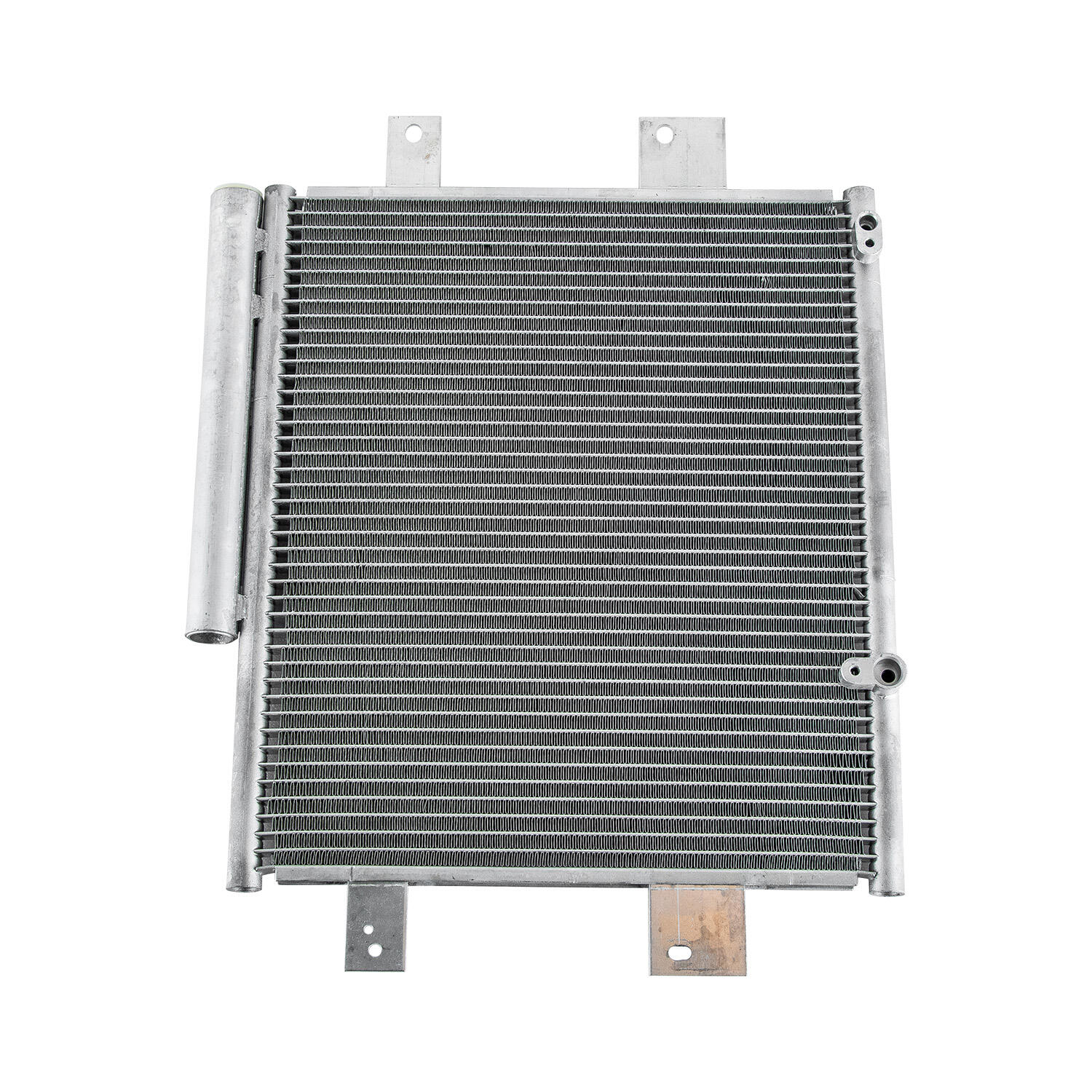
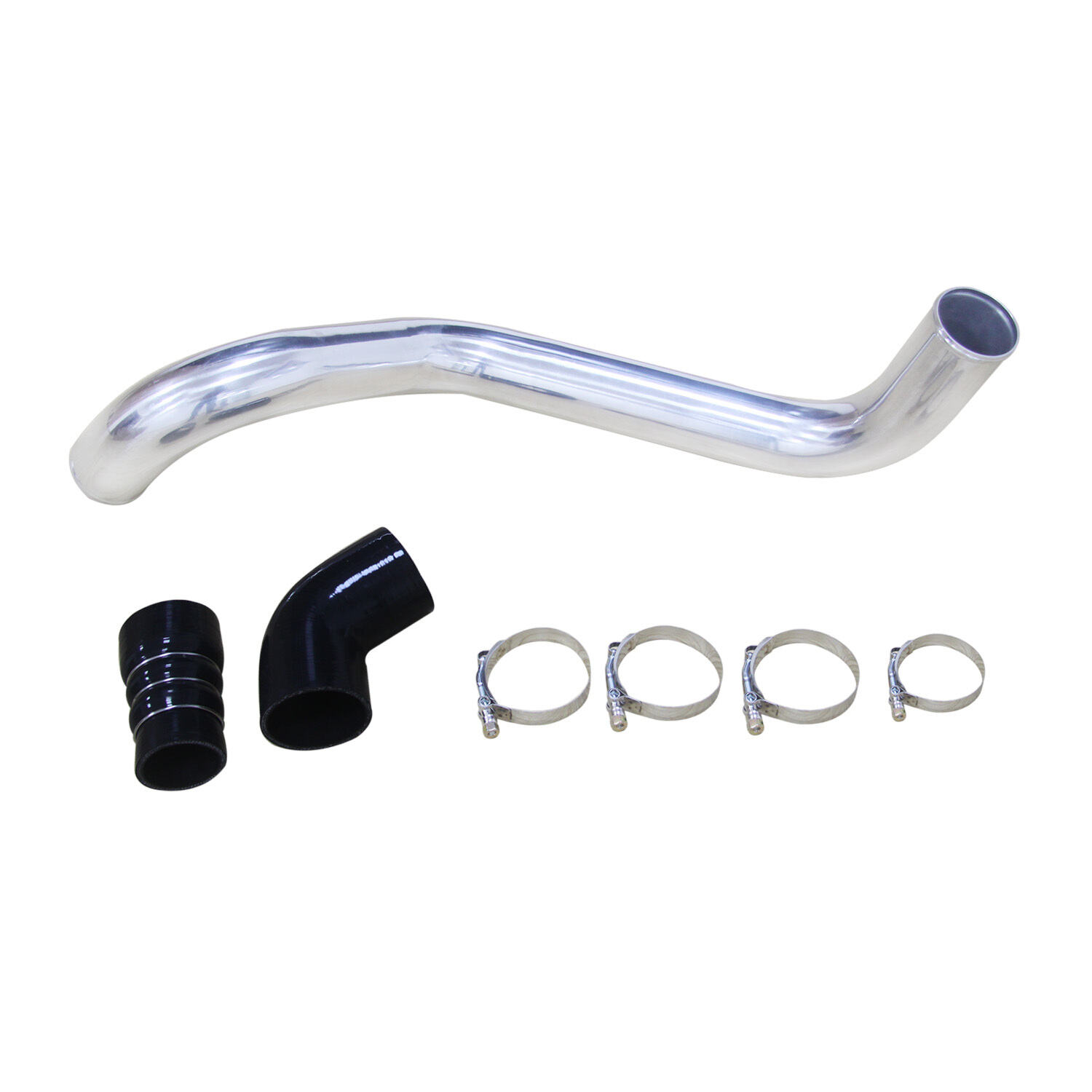
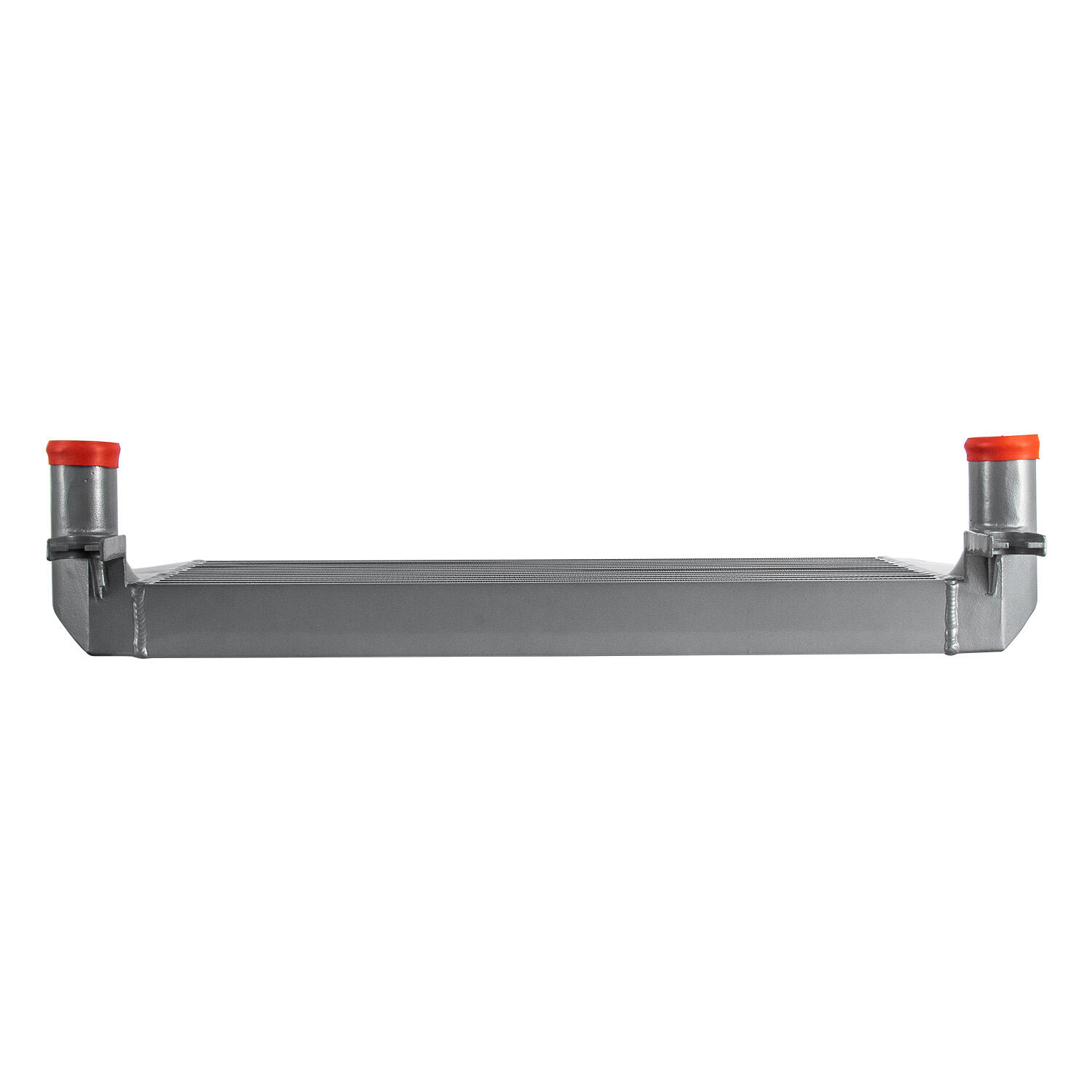
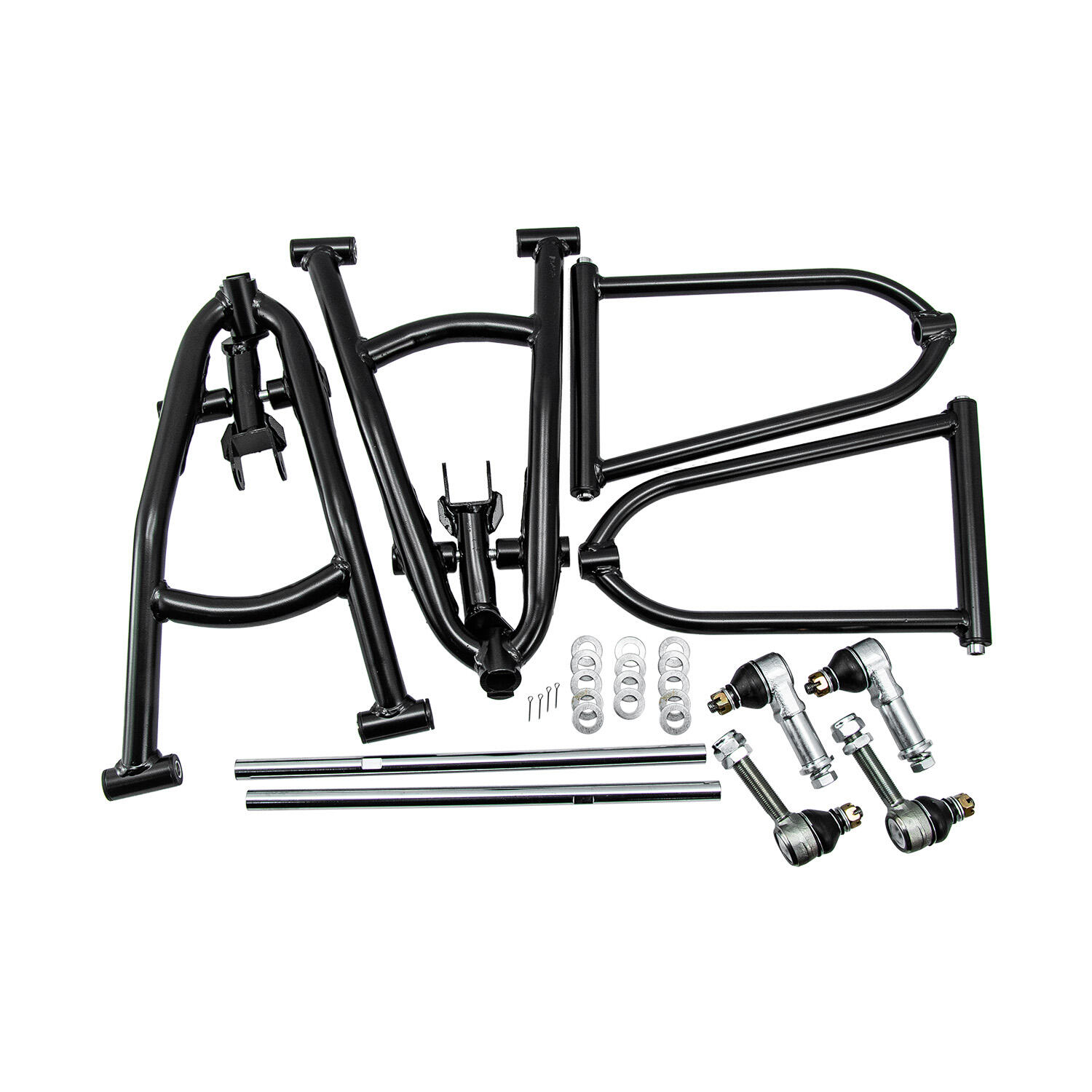
Radiator Expansion Tank: Essential Cooling System Component for Engine Protection and Performance

All Categories

Get a Free Quote

Our representative will contact you soon.
Email
Name
Company Name
WhatsApp
Message
0/1000

radiator expansion tank

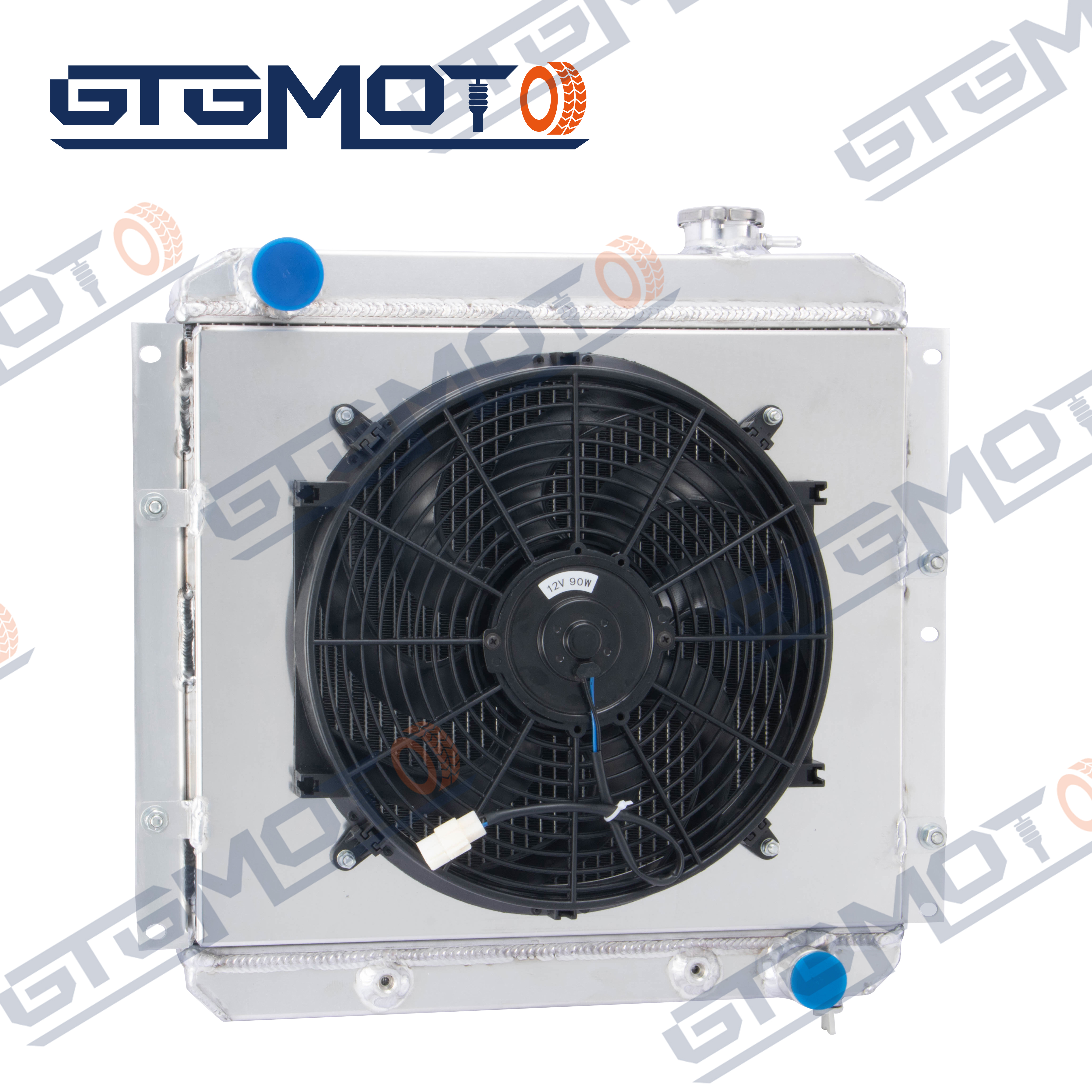
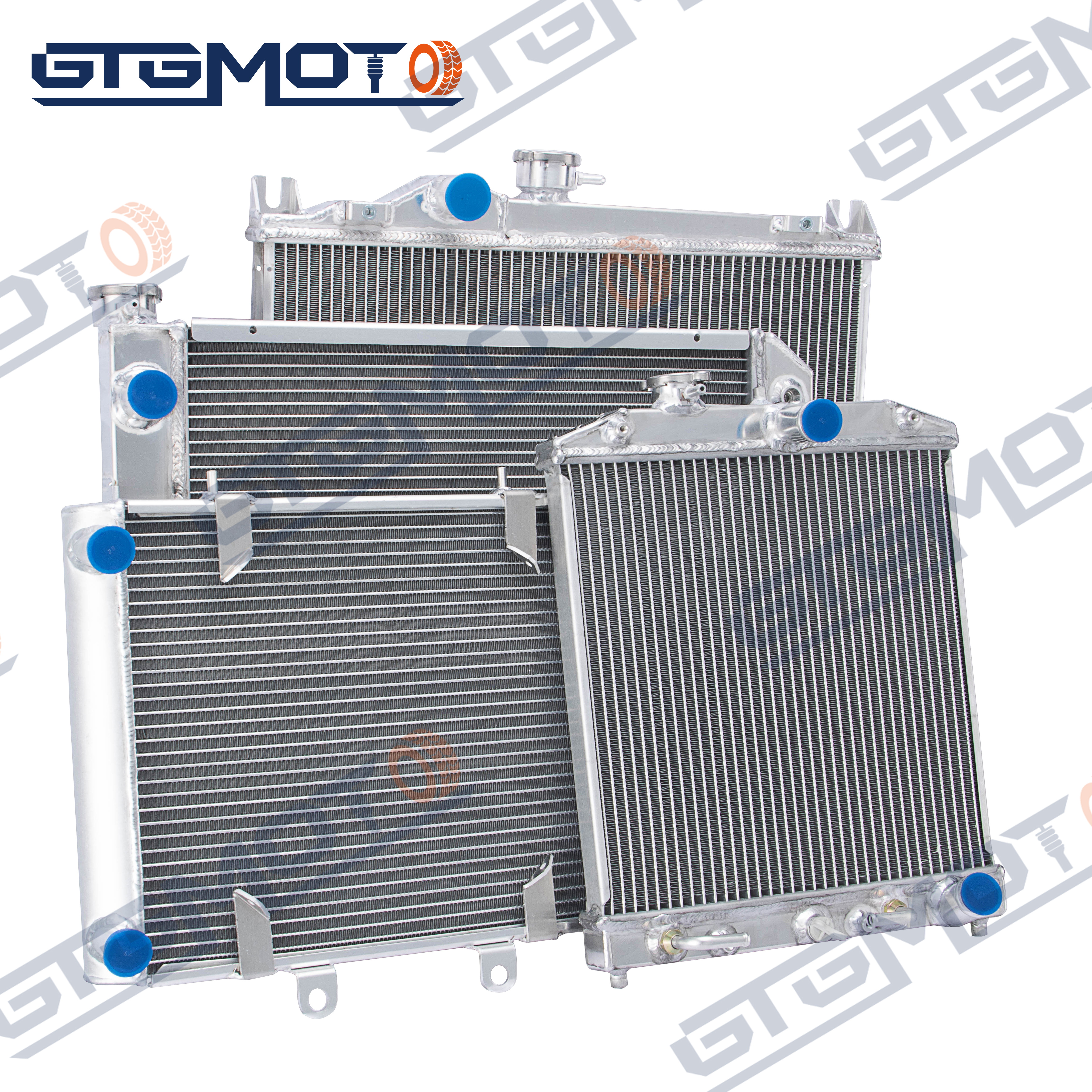
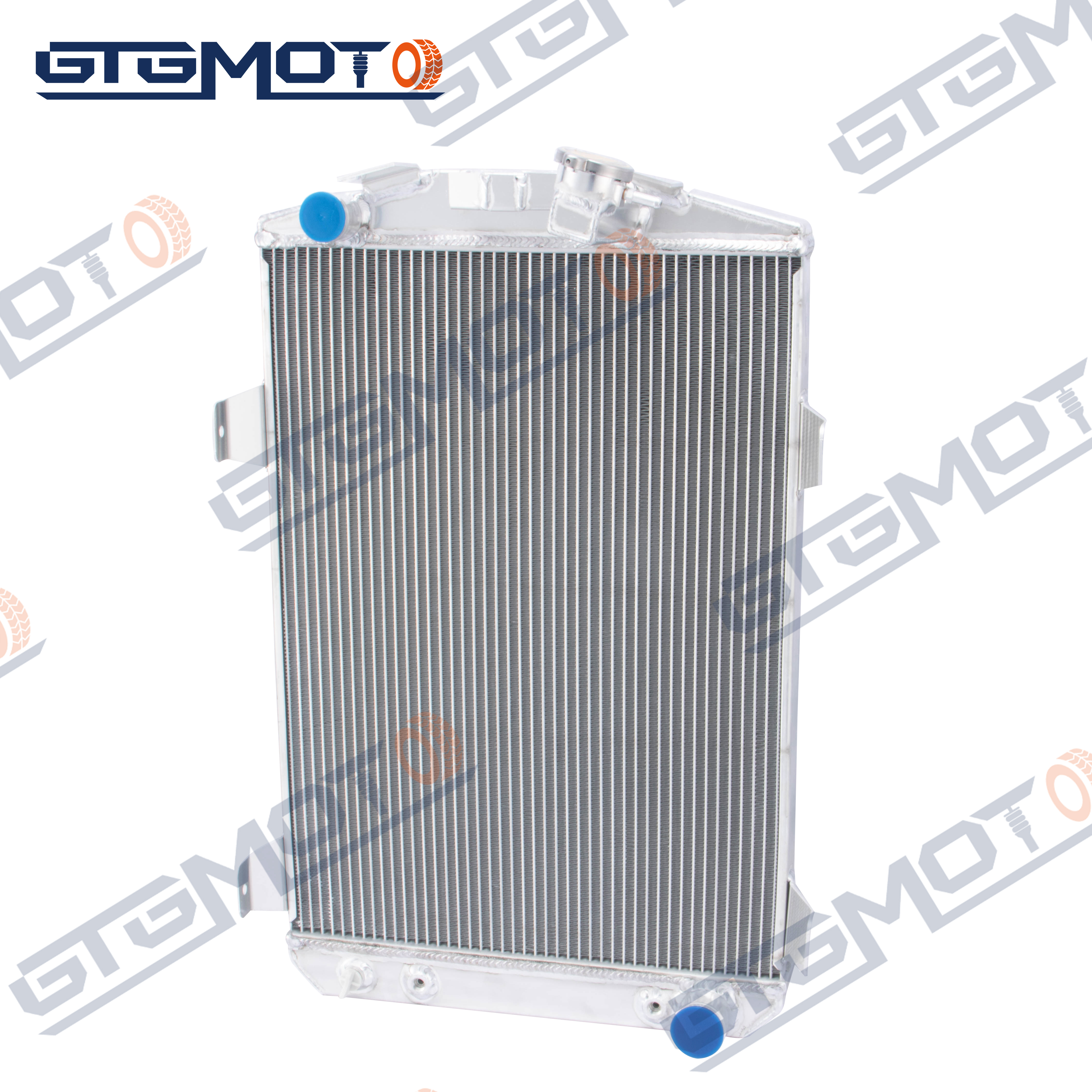
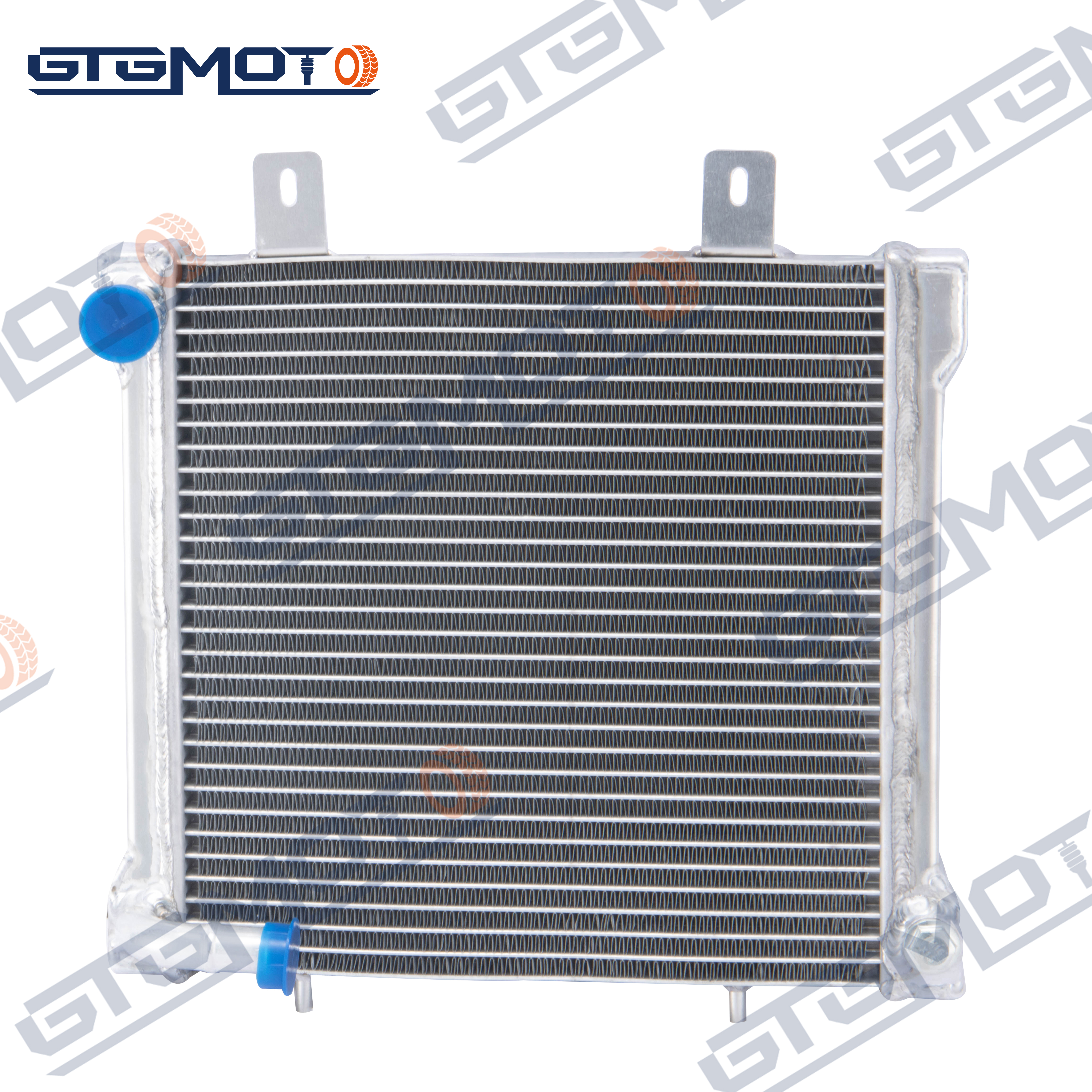
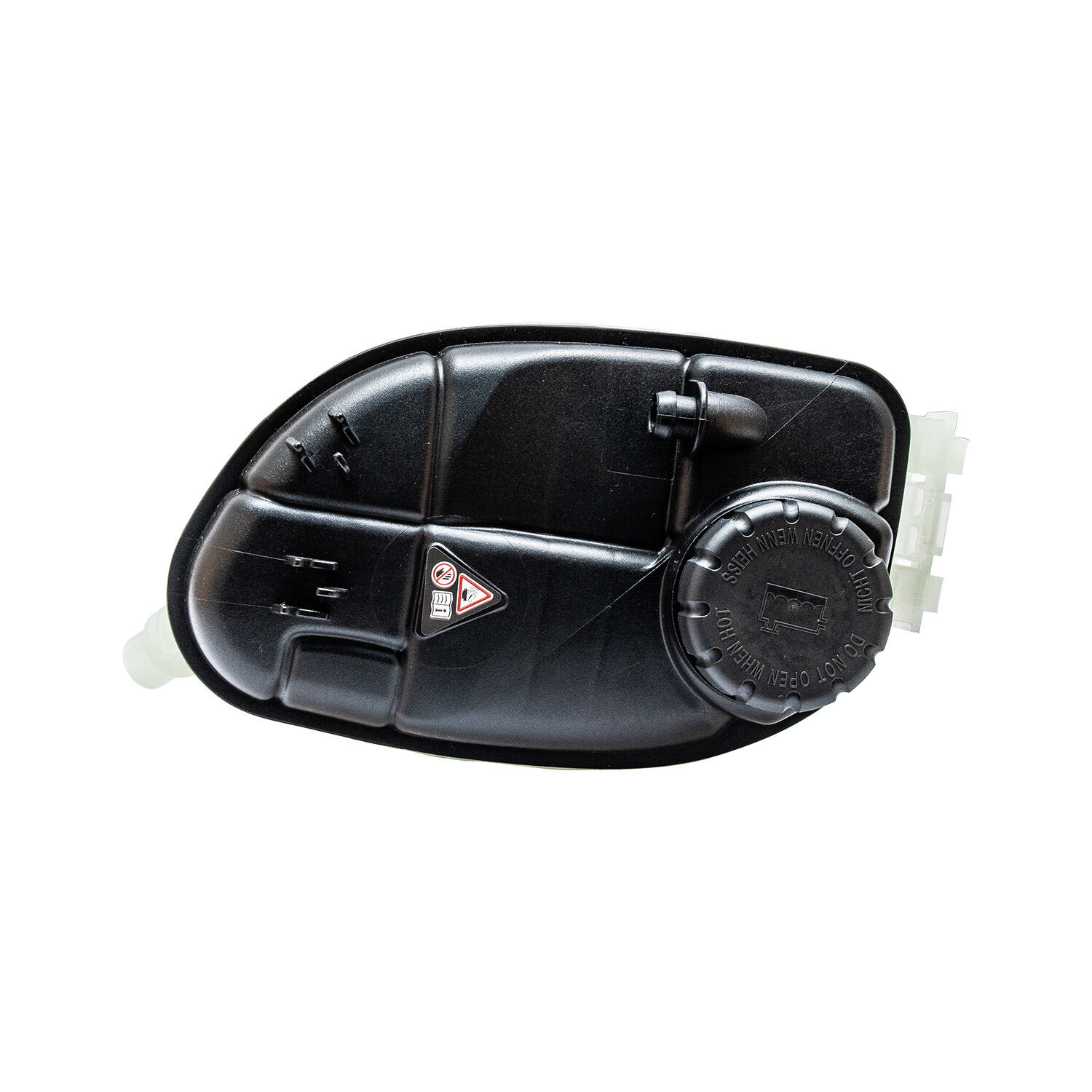
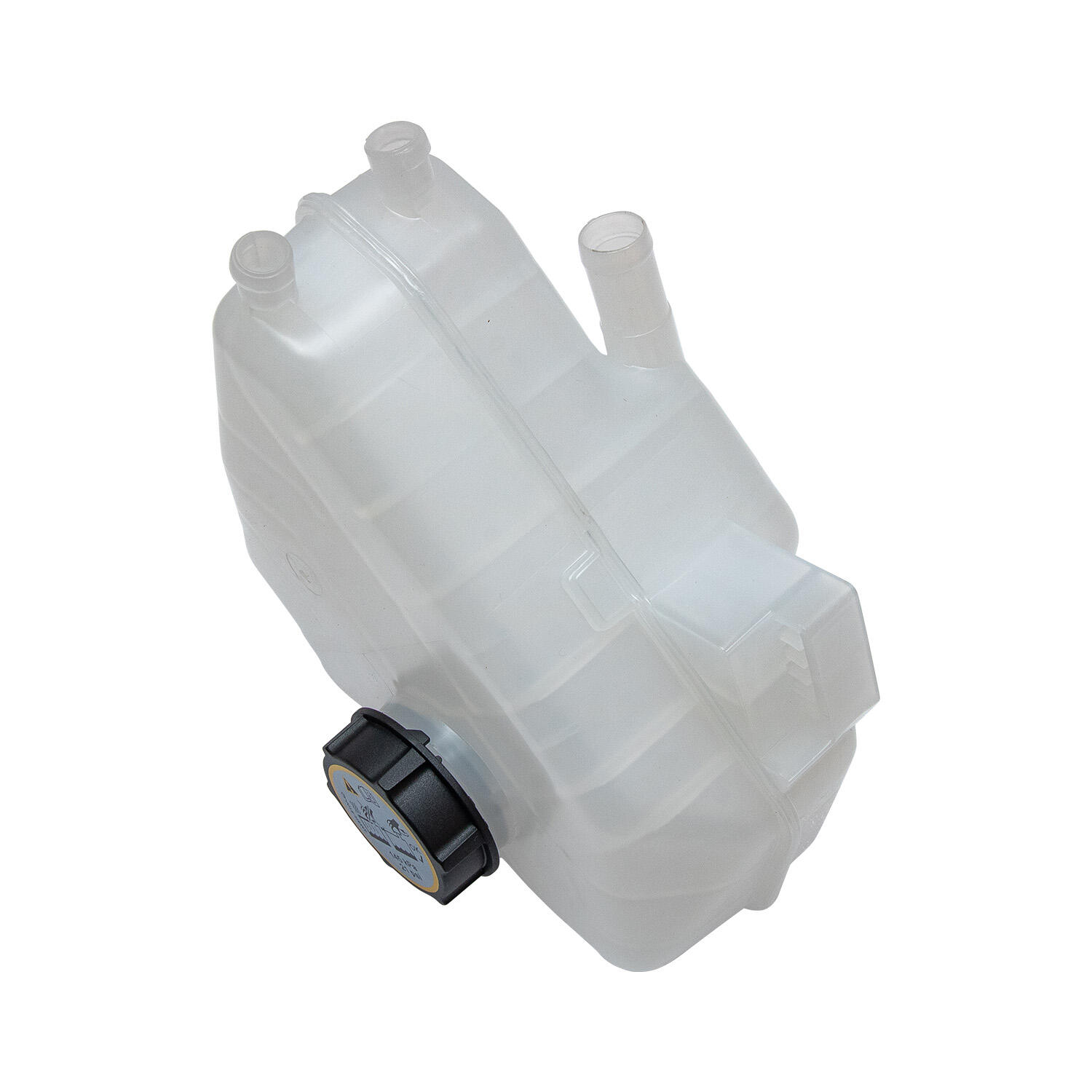
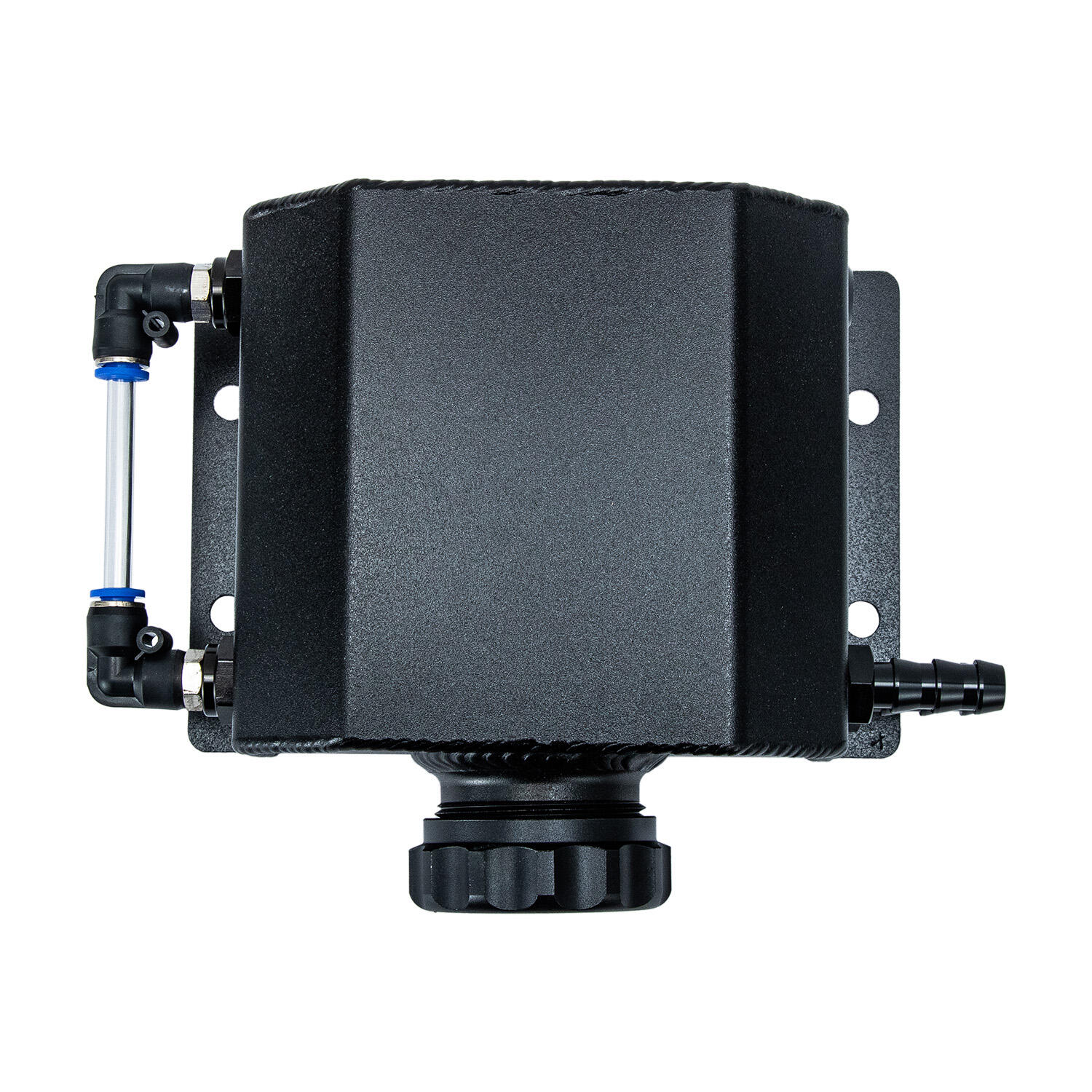
A radiator expansion tank serves as a critical component in modern cooling systems, designed to accommodate the natural expansion and contraction of coolant as it cycles through temperature changes. When your engine operates, the coolant heats up and expands, increasing in volume by several percentage points. Without a proper expansion tank, this pressure buildup could damage hoses, crack the radiator, or cause coolant to spray out dangerously. The radiator expansion tank provides a safe reservoir where excess coolant can flow when hot and return from when the system cools down. This pressurized container typically features a translucent or semi-transparent body that allows you to monitor coolant levels at a glance, along with minimum and maximum fill lines for easy reference. The cap assembly incorporates a pressure relief valve calibrated to your vehicle's specifications, usually between 13 to 18 PSI, which maintains optimal system pressure while preventing over-pressurization. Modern radiator expansion tanks are engineered from high-grade plastics or reinforced polymers that resist heat degradation, chemical corrosion from coolant additives, and physical stress from constant pressure cycling. The internal design often includes baffles or chambers that reduce coolant sloshing during vehicle movement, preventing aeration and foam formation that could compromise cooling efficiency. Connection points are precisely molded to ensure leak-free integration with radiator hoses and overflow tubes. Many expansion tanks also incorporate a degassing feature that allows trapped air bubbles to escape from the cooling system, maintaining consistent coolant circulation and heat transfer. This component plays an essential role in protecting your engine from overheating damage, extending the lifespan of cooling system components, and maintaining stable operating temperatures across varying driving conditions and ambient temperatures.

New Product Releases

The radiator expansion tank delivers multiple practical benefits that directly impact your vehicle's performance, reliability, and maintenance costs. First and foremost, it protects your engine from catastrophic overheating by maintaining consistent coolant levels throughout the entire cooling circuit. When coolant expands during operation, the expansion tank captures this overflow rather than allowing it to escape onto the ground, which means you retain the full volume of coolant needed for effective heat dissipation. This closed-loop system significantly reduces coolant loss compared to older overflow designs, saving you money on frequent top-ups and reducing environmental impact from spilled antifreeze. The pressurized design elevates the boiling point of your coolant mixture, typically raising it from 212 degrees Fahrenheit at atmospheric pressure to approximately 265 degrees Fahrenheit at 15 PSI. This higher boiling threshold provides a crucial safety margin during demanding conditions like towing, climbing steep grades, or driving in hot weather, preventing vapor lock and maintaining efficient heat transfer when you need it most. The transparent construction allows you to perform quick visual inspections without removing any caps or components, enabling you to catch potential problems like slow leaks or contamination before they escalate into expensive repairs. You can easily spot changes in coolant color that might indicate rust, oil contamination, or degraded antifreeze, prompting timely maintenance. The radiator expansion tank also simplifies the bleeding process when servicing your cooling system, as the elevated position and degassing features help purge trapped air more effectively than traditional radiator cap systems. This ensures optimal coolant circulation from the first start after service, preventing hot spots and uneven cooling. The durable construction resists cracking and brittleness even after years of heat cycling, unlike older metal tanks that could rust or corrode. Modern materials maintain their structural integrity and sealing properties across temperature extremes from sub-zero winter conditions to scorching summer heat. Installation and replacement are straightforward, typically requiring only basic hand tools and minimal mechanical knowledge, which reduces labor costs if you need service. The standardized design means replacement parts are widely available and competitively priced. By maintaining proper system pressure and coolant volume, the radiator expansion tank indirectly extends the life of your water pump, thermostat, heater core, and radiator itself, as these components operate under optimal conditions rather than experiencing stress from pressure fluctuations or inadequate coolant flow.

Practical Tips

What materials affect durability in universal intercooler bulk orders?

30

Mar

What materials affect durability in universal intercooler bulk orders?

When procuring universal intercooler bulk orders for commercial applications, material selection serves as the fundamental determinant of long-term durability and operational reliability. The materials used in intercooler construction directly influe...
View More
How do OEM buyers select intercooler tubes for bulk production?

21

Apr

How do OEM buyers select intercooler tubes for bulk production?

When OEM manufacturers face the challenge of selecting intercooler tube components for bulk production runs, the decision involves far more complexity than standard aftermarket purchases. The procurement process requires balancing technical specifica...
View More
How are intercooler tubes customized for different engine platforms?

21

Apr

How are intercooler tubes customized for different engine platforms?

Engine platform diversity in modern automotive manufacturing requires highly specialized cooling solutions, particularly when it comes to forced induction systems. Intercooler tubes serve as critical pathways for compressed air between turbochargers ...
View More
Top 5 Signs Your Control Arms Need Replacement

26

May

Top 5 Signs Your Control Arms Need Replacement

Control arms are critical suspension components that connect your vehicle's frame to the steering knuckle and wheel assembly, allowing your wheels to move up and down while maintaining proper alignment. These hardworking parts endure constant stress ...
View More

Get a Free Quote

Our representative will contact you soon.
Email
Name
Company Name
WhatsApp
Message
0/1000

radiator expansion tank

Pressure Management and Boiling Point Elevation

Pressure Management and Boiling Point Elevation

The radiator expansion tank's pressure management capability represents one of its most valuable engineering features, directly influencing cooling system performance and engine protection. When sealed and functioning correctly, the expansion tank maintains system pressure typically between 13 and 18 PSI, depending on your vehicle's specifications. This pressurization fundamentally changes the physical properties of the coolant mixture, raising its boiling point substantially above what it would be at normal atmospheric pressure. Under standard conditions, a 50-50 mixture of water and ethylene glycol antifreeze boils at approximately 223 degrees Fahrenheit, but when pressurized to 15 PSI, that same mixture won't boil until it reaches roughly 265 degrees Fahrenheit. This 40-plus degree safety margin proves critical during high-stress driving situations. When you're towing a heavy trailer up a mountain pass on a hot summer day, your engine generates significantly more heat than during normal cruising. Without adequate pressure in the cooling system, localized hot spots could cause the coolant to boil, creating steam pockets that block circulation and prevent heat transfer. The radiator expansion tank prevents this scenario by maintaining consistent pressure throughout the system, ensuring the coolant remains in liquid form even when temperatures spike. The pressure cap assembly incorporates precisely calibrated springs and seals that open at the designated pressure threshold, venting excess pressure safely into the expansion tank rather than allowing it to burst hoses or blow gaskets. This pressure relief function protects vulnerable components while maintaining optimal operating conditions. Equally important is the vacuum valve feature found in quality expansion tank caps, which opens when the system cools and contracts, drawing coolant back from the expansion tank reservoir rather than pulling in outside air. This prevents air pockets from forming in the cooling system, which could cause erratic temperature readings, reduced heater performance, and accelerated corrosion from oxygen exposure. The consistent pressure maintenance also ensures uniform coolant flow through all passages, including narrow channels in the engine block and cylinder head where heat concentration is highest. Modern radiator expansion tanks achieve this pressure management through robust construction that withstands constant cycling between hot and cold states without developing stress cracks or seal failures that would compromise system integrity.
Coolant Volume Management and Loss Prevention

Coolant Volume Management and Loss Prevention

The radiator expansion tank excels at managing coolant volume fluctuations that occur naturally during every drive cycle, preventing waste and ensuring your cooling system always contains the precise amount of fluid needed for optimal performance. Coolant expands significantly when heated, with typical expansion rates ranging from 6 to 10 percent of total system volume as temperatures rise from ambient to full operating temperature. In a system holding 12 quarts of coolant, this expansion could displace nearly a full quart of fluid. Without a proper expansion tank, this excess volume would either create dangerous over-pressure conditions or escape through overflow tubes onto the ground, representing both an environmental hazard and a maintenance headache. The radiator expansion tank solves this problem elegantly by providing a dedicated reservoir that captures expanded coolant during heating and returns it to the main system during cooling. The tank's capacity is carefully sized to accommodate the maximum expected expansion for your specific vehicle, with additional reserve capacity to handle variations in ambient temperature and driving conditions. The translucent or semi-transparent construction allows you to monitor coolant levels without opening the system, and clearly marked minimum and maximum lines indicate the proper fill range for cold and hot conditions. This visibility enables proactive maintenance, as you can spot gradual level drops that might indicate a small leak developing somewhere in the system, allowing you to address the issue before it leaves you stranded with an overheated engine. The closed-loop design means coolant circulates between the radiator and expansion tank without exposure to outside air, which reduces oxidation and extends coolant life by preventing contamination from dust, debris, or moisture. This sealed environment also maintains the precise concentration of corrosion inhibitors and anti-freeze additives that protect your cooling system components from rust, scale buildup, and freeze damage. The radiator expansion tank's position in the system, typically mounted at a high point in the engine bay, facilitates natural air purging as bubbles rise to the top and escape through the cap's degassing features. Some advanced designs incorporate internal baffles that separate air from coolant more efficiently, ensuring that only liquid coolant circulates through the engine while trapped air vents safely. This air elimination is crucial because even small air pockets can create hot spots, reduce heater output, and cause inaccurate temperature gauge readings that might mask developing problems.
Durability and Maintenance Accessibility

Durability and Maintenance Accessibility

Modern radiator expansion tanks are engineered for exceptional durability and user-friendly maintenance, combining advanced materials science with practical design features that simplify ownership and reduce long-term costs. The construction typically employs high-grade engineering plastics such as reinforced nylon, polypropylene, or specialized polymer blends that offer superior resistance to the harsh conditions inside an engine bay. These materials withstand continuous exposure to temperatures ranging from below freezing to over 250 degrees Fahrenheit without becoming brittle, cracking, or losing structural integrity. Unlike older metal expansion tanks that could rust, corrode, or develop pinhole leaks from chemical reactions with coolant additives, modern plastic tanks remain chemically inert and maintain their sealing properties throughout their service life. The material selection also provides excellent impact resistance, protecting against damage from road debris, minor collisions, or accidental contact during other maintenance procedures. The molded construction eliminates seams and welds that could become weak points, creating a monolithic structure that distributes stress evenly across the entire tank body. Reinforcement ribs and strategic thickness variations in high-stress areas further enhance durability without adding unnecessary weight or bulk. The transparent or translucent body material serves a dual purpose, providing structural strength while allowing visual inspection of coolant condition and level. You can quickly assess whether the coolant appears clean and properly colored or shows signs of contamination like rust particles, oil emulsion, or sediment buildup that would indicate problems requiring attention. The cap assembly represents a critical wear component, and quality radiator expansion tanks feature caps with robust spring mechanisms, durable rubber seals, and corrosion-resistant metal components that maintain proper pressure ratings through hundreds of heat cycles. Many manufacturers design caps with safety features like tethered attachments that prevent loss and warning labels that remind users to allow the system to cool before opening. Replacement caps are widely available and inexpensive, making it easy to maintain proper system function with minimal investment. The mounting system typically uses simple brackets with rubber isolation bushings that absorb vibration and allow slight movement without creating stress on connection points. Hose connections are precisely molded with barbed or stepped profiles that ensure secure attachment and leak-free sealing when combined with proper clamps. The elevated mounting position makes the radiator expansion tank easily accessible for inspection and service, usually requiring no special tools or disassembly of surrounding components. This accessibility encourages regular monitoring and timely maintenance, helping you catch small issues before they become major problems. When replacement becomes necessary due to age or damage, the installation process is straightforward enough for DIY enthusiasts while remaining quick and economical for professional service. The widespread availability of replacement radiator expansion tanks across multiple price points ensures you can find options that fit your budget and quality requirements, from economy replacements to premium OEM-equivalent units.

Get a Quote Get a Quote Email Email WhatsApp WhatsApp WeChat WeChat
WeChat
TopTop

Get a Free Quote

Our representative will contact you soon.
Email
Name
Company Name
WhatsApp
Message
0/1000

Get a Free Quote

Our representative will contact you soon.
Email
Name
Company Name
WhatsApp
Message
0/1000

Get a Free Quote

Our representative will contact you soon.
Email
Name
Company Name
WhatsApp
Message
0/1000