
 EN
EN
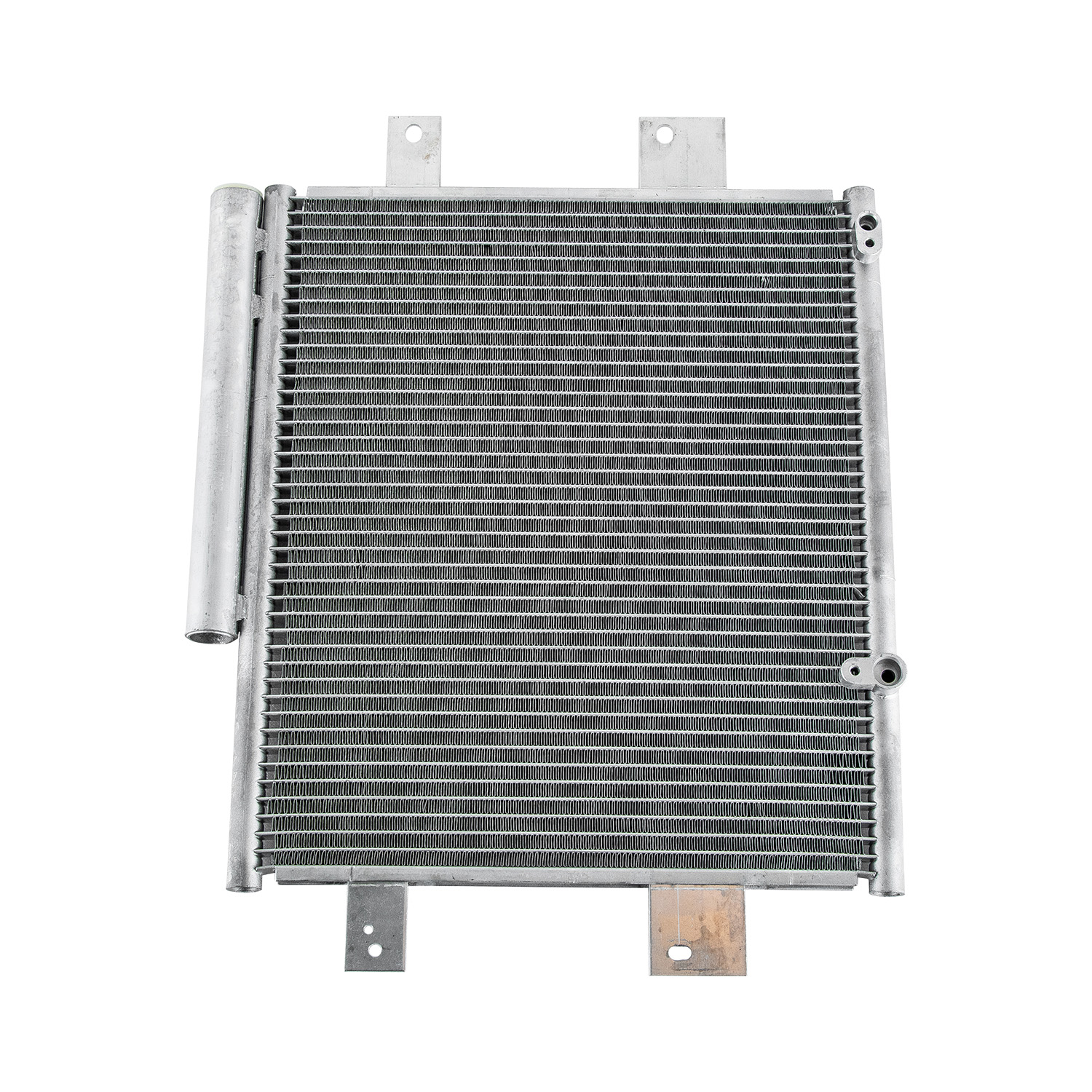
When procuring universal intercooler bulk orders for commercial applications, material selection serves as the fundamental determinant of long-term durability and operational reliability. The materials used in intercooler construction directly influence thermal efficiency, corrosion resistance, and mechanical integrity under varying operational stresses, making this consideration critical for bulk purchasing decisions.
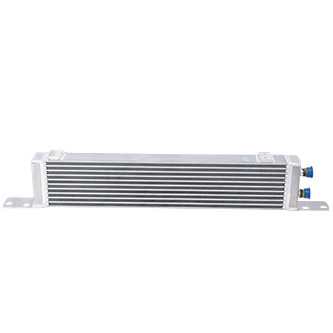
Understanding the material characteristics that affect durability becomes essential when evaluating suppliers for universal intercooler bulk orders, as the chosen materials will determine maintenance costs, replacement intervals, and overall system performance across multiple installations. Different material compositions offer varying degrees of thermal conductivity, structural strength, and environmental resistance that directly impact the total cost of ownership.
Core Material Properties Affecting Intercooler Longevity
Aluminum Alloy Specifications and Performance
Aluminum remains the predominant material choice for universal intercooler bulk orders due to its exceptional thermal conductivity properties and favorable strength-to-weight ratio. The specific aluminum alloy composition significantly influences durability outcomes, with 6061-T6 and 3003-H14 alloys offering superior corrosion resistance and structural integrity under thermal cycling conditions.
The aluminum's thermal expansion characteristics play a crucial role in joint integrity and long-term reliability. When evaluating universal intercooler bulk orders, procurement teams should verify that suppliers utilize aluminum alloys with controlled thermal expansion coefficients to minimize stress concentration at welded joints and mounting points during temperature fluctuations.
Surface treatment processes applied to aluminum cores affect durability substantially. Anodizing, powder coating, or specialized protective coatings enhance corrosion resistance and extend service life, particularly in harsh environmental conditions where salt exposure or chemical contamination may occur.
Steel Construction Elements and Durability Factors
Steel components within intercooler assemblies, including mounting brackets, end tanks, and reinforcement structures, require careful material specification to ensure compatibility with aluminum cores while providing adequate structural support. Galvanized or stainless steel options offer enhanced corrosion resistance compared to standard carbon steel alternatives.
The dissimilar metal interface between aluminum and steel components creates potential galvanic corrosion concerns that must be addressed through proper isolation techniques and protective coatings. Universal intercooler bulk orders should specify anti-corrosion treatments at all aluminum-steel interfaces to prevent premature failure due to electrochemical reactions.
Steel end tank construction provides superior pressure resistance compared to plastic alternatives, making this material choice critical for high-boost applications where durability under pressure cycling becomes paramount for long-term reliability.
Manufacturing Process Impact on Material Durability
Welding Quality and Joint Integrity
The welding processes used in intercooler fabrication directly influence the durability of material joints under thermal and pressure stresses. TIG welding typically provides superior joint quality compared to MIG welding for critical pressure-bearing joints, resulting in enhanced long-term reliability for universal intercooler bulk orders subjected to demanding operational conditions.
Heat-affected zone characteristics created during welding processes influence the metallurgical properties of adjacent base materials. Controlled heat input and post-weld heat treatment procedures help maintain optimal material properties and minimize residual stress concentrations that could lead to premature cracking or failure.
Inspection protocols for weld quality verification become critical when evaluating suppliers for universal intercooler bulk orders. Non-destructive testing methods, including pressure testing and radiographic inspection, help ensure weld integrity meets durability requirements for bulk procurement applications.
Heat Treatment and Material Conditioning
Post-fabrication heat treatment processes significantly influence the mechanical properties and durability characteristics of intercooler materials. Stress relief annealing helps eliminate residual manufacturing stresses that could contribute to premature failure under operational loading conditions.
Age hardening treatments for aluminum components can enhance strength properties while maintaining thermal conductivity, providing improved durability for universal intercooler bulk orders intended for high-stress applications where mechanical integrity becomes critical for long-term performance.
Temperature cycling exposure during manufacturing quality control processes helps identify potential material weaknesses before product delivery, ensuring that bulk orders meet durability specifications for extended service life expectations.
Environmental Resistance Factors
Corrosion Protection and Surface Treatments
Environmental exposure conditions significantly influence material durability requirements for universal intercooler bulk orders, particularly in marine, industrial, or high-humidity applications where corrosion acceleration becomes a primary concern. Surface treatment selection must align with anticipated exposure conditions to ensure adequate protection.
Electrolytic corrosion potential between dissimilar metals requires careful consideration when specifying universal intercooler bulk orders for applications involving multiple material combinations. Proper insulation and protective barrier application help prevent galvanic corrosion that could compromise structural integrity over time.
Chemical compatibility with coolant formulations and environmental contaminants affects long-term material stability. Universal intercooler bulk orders should specify materials proven compatible with anticipated chemical exposure conditions to prevent degradation or premature failure due to chemical attack.
Temperature Cycling Resistance
Thermal fatigue resistance becomes critical for intercooler materials subjected to repeated heating and cooling cycles during normal operation. Materials with low thermal expansion coefficients and high fatigue resistance provide enhanced durability for universal intercooler bulk orders in applications with frequent temperature variations.
Differential thermal expansion between core materials and housing components creates mechanical stress concentrations that must be accommodated through proper design and material selection. Universal intercooler bulk orders should incorporate thermal expansion compensation features to prevent stress-induced failures.
Creep resistance at elevated temperatures ensures dimensional stability and joint integrity over extended service periods, particularly important for universal intercooler bulk orders intended for continuous high-temperature operation in industrial applications.
Quality Verification and Testing Standards
Material Certification Requirements
Material traceability and certification documentation provide essential quality assurance for universal intercooler bulk orders, ensuring that specified materials meet required mechanical properties and chemical composition standards. Third-party material certification helps verify compliance with durability specifications.
Mechanical property testing results, including tensile strength, yield strength, and elongation characteristics, provide quantitative measures of material suitability for intended applications. Universal intercooler bulk orders should include material test certificates documenting compliance with specified property requirements.
Chemical composition analysis ensures that materials meet specified alloy requirements and contamination limits that could affect long-term durability performance. Spectroscopic analysis results should accompany universal intercooler bulk orders to verify material compliance with procurement specifications.
Performance Validation Testing
Pressure testing protocols verify the structural integrity of completed intercooler assemblies under specified operating conditions. Universal intercooler bulk orders should undergo systematic pressure testing to ensure durability under maximum anticipated operating pressures with appropriate safety factors.
Thermal cycling testing simulates operational temperature variations to identify potential failure modes related to thermal stress and material fatigue. Extended thermal cycling validation helps ensure that universal intercooler bulk orders will maintain integrity throughout expected service life.
Corrosion resistance testing using salt spray or accelerated environmental exposure protocols provides quantitative data on material durability under specified environmental conditions. These test results help validate material selection decisions for universal intercooler bulk orders intended for challenging operational environments.
FAQ
Which aluminum alloy provides the best durability for universal intercooler bulk orders?
The 6061-T6 aluminum alloy typically offers the best combination of thermal conductivity, corrosion resistance, and mechanical strength for universal intercooler bulk orders. This alloy provides excellent weldability and maintains structural integrity under thermal cycling conditions while offering superior durability compared to lower-grade aluminum alternatives.
How do surface treatments affect the longevity of intercooler materials?
Surface treatments significantly extend intercooler material longevity by providing enhanced corrosion protection and environmental resistance. Anodizing, powder coating, or specialized protective coatings can increase service life by 200-300% in corrosive environments compared to untreated materials, making surface treatment specification critical for universal intercooler bulk orders in demanding applications.
What material testing should be required for bulk intercooler orders?
Essential material testing for universal intercooler bulk orders should include chemical composition verification, mechanical property testing, pressure testing at 1.5 times operating pressure, thermal cycling validation, and corrosion resistance evaluation. These tests ensure materials meet durability requirements and provide documentation for quality assurance and warranty coverage.
How does welding quality impact intercooler durability?
Welding quality directly determines joint integrity and long-term durability, with poor welding being the primary cause of premature intercooler failure. High-quality TIG welding with proper heat treatment provides superior joint strength and fatigue resistance compared to lower-quality welding processes, making welding specification critical for universal intercooler bulk orders requiring extended service life.