
 EN
EN
When procuring universal intercoolers for automotive applications, understanding the critical specifications that directly impact performance, fitment, and long-term reliability becomes paramount for making informed purchasing decisions. The selection process involves evaluating multiple technical parameters that determine whether a universal intercooler will meet specific engine requirements and installation constraints while delivering optimal thermal efficiency.
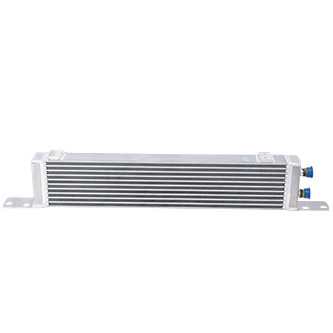
Successful universal intercooler procurement requires careful analysis of core dimensions, thermal capacity, pressure ratings, and compatibility factors that align with intended applications. These specifications collectively determine the unit's effectiveness in reducing intake air temperatures, supporting power output goals, and ensuring reliable operation under varying operating conditions across different vehicle platforms.
Physical Dimensions and Core Architecture
Core Size and Volume Considerations
The core dimensions of a universal intercooler represent the most fundamental specification affecting both performance potential and installation feasibility. Core width, height, and depth measurements directly influence the internal air volume available for heat exchange, with larger cores generally providing greater thermal capacity. However, the relationship between size and performance is not linear, as airflow characteristics and pressure drop considerations also play crucial roles in overall effectiveness.
When evaluating core dimensions for universal intercooler applications, consideration must be given to available mounting space, clearance requirements, and weight distribution implications. The core volume specification indicates the total internal air capacity, which correlates with the unit's ability to maintain consistent intake temperatures under varying load conditions. Larger core volumes provide more thermal mass and improved temperature stability during transient operating conditions.
Core thickness specifications affect both cooling efficiency and pressure drop characteristics, requiring careful balance between thermal performance and airflow restriction. Thicker cores provide more surface area for heat exchange but may create excessive backpressure in high-flow applications, making this dimension particularly critical in universal intercooler selection for performance-oriented installations.
Fin Density and Surface Area Specifications
Fin density measurements, typically expressed in fins per inch, determine the total heat transfer surface area available within the core assembly. Higher fin density increases surface area for improved thermal efficiency but also creates greater airflow resistance, requiring optimization based on available airflow and pressure drop tolerances. This specification directly impacts the intercooler's ability to extract heat from compressed intake air effectively.
The total surface area specification combines fin density with core dimensions to provide an overall measure of heat exchange capacity. Universal intercoolers with optimized fin configurations balance surface area maximization with airflow preservation, ensuring effective heat transfer without creating excessive restriction that could limit engine performance or increase turbocharger workload.
Surface area calculations also consider fin material thickness and geometry, as these factors influence both structural integrity and thermal conductivity. Thinner fins provide more surface area within a given core volume but may be more susceptible to damage from debris or pressure fluctuations, making durability considerations important in universal intercooler specification evaluation.
Thermal Performance and Flow Characteristics
Heat Transfer Efficiency Ratings
Heat transfer efficiency specifications quantify a universal intercooler's ability to remove thermal energy from compressed intake air under standardized test conditions. These ratings typically include temperature drop measurements across specific flow rates and ambient conditions, providing comparative data for evaluating cooling effectiveness. Efficiency ratings help predict real-world performance under various operating scenarios and load conditions.
Thermal efficiency specifications often include both steady-state and transient performance data, reflecting the unit's behavior under constant load conditions versus dynamic operating situations. Universal intercoolers with superior transient response maintain more consistent intake temperatures during rapid acceleration or varying boost levels, contributing to more predictable engine performance and reduced knock tendency.
Heat rejection capacity specifications indicate the total thermal energy that can be transferred from intake air to ambient conditions under maximum flow scenarios. This specification helps determine whether a universal intercooler can handle the thermal loads generated by specific engine configurations and boost levels without experiencing thermal saturation that would compromise cooling effectiveness.
Pressure Drop and Flow Resistance
Pressure drop specifications measure the resistance created by airflow through the universal intercooler core, typically expressed in pressure units across specific flow rates. Lower pressure drop values indicate less restriction to airflow, reducing the workload on turbocharging systems and preserving engine volumetric efficiency. This specification becomes increasingly critical in high-performance applications where airflow demands are substantial.
Flow capacity specifications define the maximum airflow rate that can pass through the universal intercooler while maintaining acceptable pressure drop levels. These measurements help ensure compatibility with engine airflow requirements and turbocharger output characteristics, preventing bottlenecks that could limit power production or create excessive backpressure conditions.
Pressure rating specifications indicate the maximum operating pressure that the universal intercooler can safely withstand without structural failure or performance degradation. These ratings must exceed the maximum boost pressures expected in the target application, including safety margins for pressure spikes or overpressure conditions that may occur during aggressive tuning or system malfunctions.
Construction Materials and Durability Specifications
Core Material Composition
Core material specifications define the alloy composition and manufacturing processes used in universal intercooler construction, directly affecting thermal conductivity, corrosion resistance, and structural durability. Aluminum alloys are commonly specified for their excellent thermal properties and weight characteristics, with specific alloy designations indicating performance and longevity expectations under various operating conditions.
Material thickness specifications for tubes, fins, and tanks determine structural integrity and pressure handling capabilities while influencing overall weight and thermal mass characteristics. Thicker materials provide greater durability and pressure resistance but increase weight and may slightly reduce thermal responsiveness, requiring optimization based on application requirements and installation constraints.
Surface treatment and coating specifications enhance corrosion resistance and improve thermal properties in universal intercooler applications. These treatments may include anodizing, powder coating, or specialized surface preparations that protect against environmental exposure while maintaining optimal heat transfer characteristics throughout the unit's service life.
Joint and Sealing Specifications
Welding and joint specifications determine the structural integrity and pressure sealing capabilities of universal intercooler assemblies. TIG welding specifications, bead penetration requirements, and joint configuration details ensure reliable containment of pressurized air while maintaining structural strength under thermal cycling and vibration conditions typical of automotive applications.
Gasket and sealing specifications define the materials and configurations used for removable connections and mounting interfaces. High-quality sealing specifications prevent air leaks that could compromise system efficiency while ensuring reliable operation under varying temperature and pressure conditions encountered in diverse installation environments.
Tank construction specifications detail the design and manufacturing requirements for air distribution chambers that connect the core to inlet and outlet piping systems. Proper tank specifications ensure even air distribution across the core face while providing adequate structural support for mounting and connection loads in universal intercooler installations.
Inlet and Outlet Configuration Requirements
Port Size and Location Specifications
Inlet and outlet port specifications define the diameter, location, and orientation of connection points that interface with the vehicle's intake system. Port sizing must accommodate the airflow requirements while maintaining compatibility with existing piping or requiring minimal modification for installation. Standard port sizes facilitate connection to common piping systems and reduce installation complexity in universal intercooler applications.
Port location specifications determine the routing requirements and clearance needs for intake piping connections. Universal intercoolers with flexible port positioning options provide greater installation versatility across different vehicle platforms, while specific port orientations may optimize airflow characteristics or simplify piping layouts in certain applications.
Connection method specifications detail the interface requirements between the universal intercooler and intake system components. These may include threaded connections, clamp-type interfaces, or welded assemblies, each offering different advantages in terms of serviceability, sealing reliability, and installation requirements depending on the specific application needs.
Airflow Path Optimization
Internal airflow path specifications describe the routing and distribution characteristics within the universal intercooler assembly. Optimized airflow paths minimize turbulence and pressure losses while ensuring even air distribution across the entire core face for maximum thermal efficiency. Path design specifications directly influence cooling effectiveness and pressure drop characteristics.
Plenum design specifications detail the construction and sizing of air distribution chambers that transition airflow between inlet ports and the core assembly. Proper plenum specifications ensure smooth airflow transitions and even distribution while minimizing pressure losses that could compromise overall system efficiency in universal intercooler installations.
Flow straightening specifications may include vanes, screens, or other flow conditioning elements that improve airflow uniformity through the core assembly. These features enhance thermal efficiency by ensuring consistent air velocities across the heat exchange surfaces while reducing localized pressure variations that could create uneven cooling patterns.
Mounting and Installation Specifications
Bracket and Support Requirements
Mounting bracket specifications define the attachment methods and load distribution requirements for secure universal intercooler installation. These specifications include bracket material, thickness, and configuration details that ensure adequate support under operational loads, vibration, and thermal expansion conditions. Proper mounting specifications prevent stress concentration and ensure long-term reliability.
Support point specifications indicate the number, location, and load capacity requirements for mounting interfaces. Universal intercoolers with multiple support points distribute loads more effectively and provide greater installation flexibility, allowing adaptation to various chassis configurations and mounting locations without compromising structural integrity.
Vibration isolation specifications may include rubber bushings, damping materials, or flexible mounting arrangements that reduce transmission of engine vibrations while maintaining secure attachment. These specifications become particularly important in performance applications where engine modifications may increase vibration levels that could affect universal intercooler durability.
Clearance and Fitment Considerations
Clearance specifications define the minimum space requirements around the universal intercooler for proper operation, maintenance access, and thermal management. These specifications include clearances for airflow, service access, and thermal expansion while considering interference with surrounding components or chassis structures that could affect installation feasibility.
Fitment specifications detail the dimensional tolerances and adjustment ranges available in universal intercooler installations. Flexible fitment specifications accommodate variations in mounting locations and chassis configurations, while precise fitment requirements may optimize performance or appearance in specific applications where exact positioning is critical.
Ground clearance specifications ensure adequate protection from road debris and damage while maintaining optimal cooling airflow. Universal intercoolers with appropriate ground clearance specifications provide durability in varied driving conditions while preserving thermal performance through proper positioning relative to ambient airflow sources.
FAQ
What core dimensions should be prioritized when selecting a universal intercooler for high-performance applications?
Core width and height dimensions should be maximized within available space constraints to provide greater heat exchange surface area, while core thickness should be optimized to balance thermal capacity with acceptable pressure drop levels. The total core volume specification directly correlates with thermal stability under varying load conditions, making it a critical factor for performance applications requiring consistent intake temperatures.
How do pressure drop specifications affect universal intercooler selection for turbocharged engines?
Pressure drop specifications must be minimized to reduce turbocharger workload and preserve engine volumetric efficiency, with acceptable levels typically under 1-2 PSI at maximum airflow rates. Higher pressure drops force the turbocharger to work harder to maintain boost levels, potentially reducing efficiency and increasing heat generation, making low-restriction universal intercooler designs preferable for performance applications.
Which material specifications provide the best balance of thermal performance and durability in universal intercooler construction?
Aluminum alloy specifications with high thermal conductivity ratings provide optimal heat transfer characteristics while maintaining acceptable weight and corrosion resistance for most applications. Alloy compositions with good weldability and structural strength ensure long-term durability, while surface treatments like anodizing enhance corrosion protection without compromising thermal performance in universal intercooler applications.
What inlet and outlet specifications are most important for universal intercooler compatibility?
Port diameter specifications should match or slightly exceed the intake system flow requirements to avoid restriction, while port location and orientation specifications must accommodate existing piping layouts or allow reasonable modification for installation. Standard port sizes like 2.5-inch or 3-inch diameters provide compatibility with common piping systems, reducing installation complexity and connection requirements in universal intercooler applications.
Table of Contents
- Physical Dimensions and Core Architecture
- Thermal Performance and Flow Characteristics
- Construction Materials and Durability Specifications
- Inlet and Outlet Configuration Requirements
- Mounting and Installation Specifications
-
FAQ
- What core dimensions should be prioritized when selecting a universal intercooler for high-performance applications?
- How do pressure drop specifications affect universal intercooler selection for turbocharged engines?
- Which material specifications provide the best balance of thermal performance and durability in universal intercooler construction?
- What inlet and outlet specifications are most important for universal intercooler compatibility?