
 EN
EN
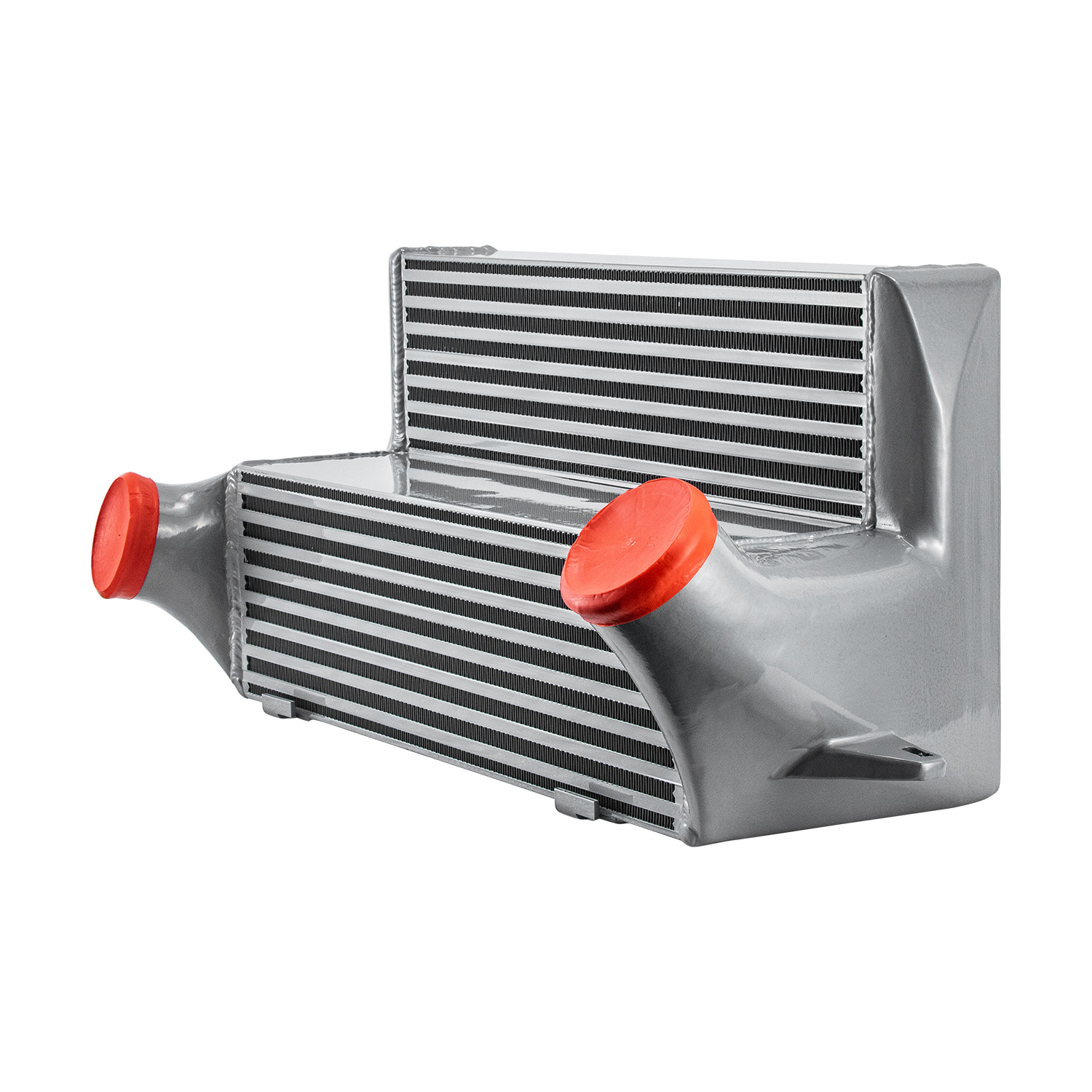
When sourcing universal intercoolers for automotive applications, compatibility verification stands as the most critical step that determines project success or failure. Unlike vehicle-specific intercooler units that come with predetermined fitment specifications, universal intercoolers require buyers to conduct thorough technical assessments to ensure proper integration with existing cooling systems, mounting configurations, and performance requirements.
The complexity of intercooler compatibility verification extends beyond simple dimensional matching, encompassing thermal capacity calculations, pressure drop analysis, flow rate assessments, and structural mounting considerations. Professional buyers employ systematic verification methodologies that combine technical specifications analysis with practical installation constraints to minimize procurement risks and ensure optimal cooling performance in their specific applications.
Physical Dimension and Mounting Configuration Verification
Core Dimensional Analysis Requirements
Buyers begin intercooler compatibility verification by conducting comprehensive dimensional analysis that encompasses core length, width, thickness, and overall unit dimensions including end tank configurations. The intercooler core dimensions must fit within available space constraints while maintaining adequate clearance for airflow, vibration absorption, and thermal expansion during operation.
Critical dimensional measurements include inlet and outlet pipe diameters, center-to-center spacing, and pipe orientation angles that must align with existing charge pipe routing. Buyers verify that universal intercooler mounting provisions accommodate their specific chassis mounting points, bracket configurations, and structural support requirements without requiring extensive fabrication work.
Advanced buyers utilize 3D modeling software or physical templates to simulate intercooler placement within engine bay constraints, checking for interference with radiators, fans, air conditioning components, and other cooling system elements. This dimensional verification process prevents costly installation delays and ensures proper airflow patterns around the intercooler core.
Mounting Hardware and Structural Integration
Universal intercooler mounting verification requires buyers to assess available mounting points, bracket compatibility, and structural load distribution capabilities. The intercooler mounting system must handle static weight loads, dynamic vibration forces, and thermal stress cycles without compromising unit integrity or chassis attachment points.
Buyers evaluate mounting bracket materials, thickness specifications, and attachment methods to ensure long-term durability under operational conditions. The mounting configuration must provide secure intercooler positioning while allowing for controlled movement during thermal expansion and contraction cycles that occur during engine operation.
Professional verification includes assessment of mounting hardware accessibility for installation and future maintenance requirements. Buyers confirm that intercooler mounting locations provide adequate service access while maintaining proper ground clearance and protection from road debris impacts.
Thermal Performance and Flow Capacity Assessment
Heat Transfer Efficiency Calculations
Intercooler thermal performance verification requires buyers to calculate heat transfer requirements based on engine displacement, boost pressure levels, and target charge air temperature reductions. The universal intercooler must provide sufficient cooling capacity to handle maximum heat loads while maintaining acceptable pressure drop characteristics across the operating range.
Buyers analyze intercooler core construction including fin density, tube configuration, and heat transfer surface area to determine cooling efficiency ratings. The intercooler thermal capacity must exceed peak heat rejection requirements with adequate safety margins to account for varying ambient conditions and engine load scenarios.
Advanced thermal analysis includes intercooler effectiveness calculations that consider airside and charge-side heat transfer coefficients, flow velocities, and temperature differential impacts on cooling performance. Buyers verify that intercooler thermal characteristics align with their specific performance targets and operating environment conditions.
Pressure Drop and Flow Rate Verification
Charge air flow verification encompasses intercooler pressure drop analysis across the expected flow rate range to ensure minimal impact on turbocharger efficiency and overall engine performance. Buyers calculate acceptable pressure drop limits based on turbocharger specifications and target boost pressure levels.
The intercooler internal flow path design, including end tank configuration and core tube arrangement, directly influences pressure drop characteristics and flow distribution uniformity. Buyers assess intercooler flow capacity ratings against their engine's maximum charge air flow requirements to prevent flow restrictions that could limit power output.
Professional buyers conduct computational fluid dynamics analysis or reference validated test data to verify intercooler flow characteristics under various operating conditions. This analysis ensures that intercooler selection provides optimal balance between cooling effectiveness and minimal pressure loss across the operational envelope.
Piping Interface and Connection Compatibility
Inlet and Outlet Pipe Specifications
Intercooler piping interface verification focuses on inlet and outlet pipe diameters, connection methods, and routing compatibility with existing charge pipe systems. Buyers must ensure that intercooler connections match their turbocharger outlet dimensions and throttle body inlet requirements without creating flow restrictions or turbulence.
Connection interface types including welded bungs, threaded fittings, or clamp-on connections must align with existing piping infrastructure and installation capabilities. The intercooler pipe orientation and positioning must accommodate charge pipe routing while maintaining smooth flow transitions and minimal bend radii.
Buyers verify that intercooler connection specifications support their required flow velocities and pressure ratings while providing reliable sealing under boost pressure conditions. The piping interface design must prevent charge air leakage and maintain consistent flow distribution across the intercooler core area.
Charge Pipe Routing and Integration
Comprehensive intercooler compatibility verification includes charge pipe routing analysis to ensure smooth integration with existing turbocharger and intake system components. Buyers assess available routing paths, clearance requirements, and connection accessibility while minimizing charge pipe length and bend complexity.
The intercooler positioning must support efficient charge pipe layouts that minimize pressure drops, heat soak effects, and installation complexity. Buyers evaluate intercooler inlet and outlet orientations to determine optimal pipe routing that avoids interference with engine accessories, cooling system components, and chassis structures.
Professional installation planning includes verification of charge pipe support requirements, expansion joint needs, and vibration isolation considerations that affect long-term system reliability. Buyers ensure that intercooler integration supports proper charge pipe installation without creating stress concentrations or fatigue points.
Airflow and Cooling System Integration
Airside Flow Requirements and Positioning
Intercooler airside cooling verification requires buyers to assess available airflow sources, ducting requirements, and positioning strategies that maximize cooling air delivery across the intercooler core surface. The intercooler location must provide adequate airflow access while avoiding recirculation zones and hot air ingestion from other heat exchangers.
Buyers analyze intercooler positioning relative to radiators, oil coolers, and air conditioning condensers to prevent airflow interference and heat exchange conflicts. The intercooler installation must optimize cooling air utilization while maintaining proper airflow distribution across all cooling system components.
Advanced airflow verification includes analysis of intercooler frontal area, core density, and airside pressure drop characteristics that influence cooling fan requirements and overall cooling system efficiency. Buyers ensure that intercooler selection supports adequate cooling performance without overloading existing cooling fans or requiring additional airflow enhancement.
Cooling System Balance and Heat Management
Intercooler integration with existing cooling systems requires buyers to verify thermal balance and heat rejection capacity across all heat exchangers in the cooling stack. The intercooler addition must not compromise radiator cooling effectiveness or create excessive heat buildup that affects engine operating temperatures.
Buyers assess intercooler heat rejection rates and airflow requirements to determine cooling system impacts and potential modification needs. The intercooler positioning and sizing must support overall cooling system balance while maintaining adequate cooling margins under peak load conditions.
Professional cooling system analysis includes verification of coolant flow rates, fan capacity requirements, and thermal management strategies that accommodate intercooler heat loads. Buyers ensure that intercooler installation supports reliable cooling performance across varying operating conditions and ambient temperatures.
FAQ
What are the most critical measurements buyers need when verifying intercooler compatibility?
The most critical measurements include overall intercooler dimensions, core thickness, inlet and outlet pipe diameters, mounting hole spacing, and clearance requirements. Buyers must also measure available installation space, existing pipe routing, and airflow access to ensure proper fitment and performance.
How do buyers determine if an intercooler provides adequate cooling capacity for their application?
Buyers calculate cooling requirements based on engine displacement, turbocharger specifications, target boost levels, and desired charge air temperature reductions. They compare these requirements against intercooler heat transfer ratings, core surface area, and thermal effectiveness specifications to verify adequate cooling capacity.
What piping modifications are typically required when installing universal intercoolers?
Universal intercooler installations often require custom charge pipe fabrication to connect turbocharger outlets to intercooler inlets and intercooler outlets to throttle body inlets. Modifications may include pipe diameter changes, routing adjustments, mounting bracket fabrication, and connection method adaptations.
How can buyers verify that intercooler installation won't negatively impact other cooling system components?
Buyers conduct cooling system analysis including airflow modeling, heat load calculations, and thermal balance verification to ensure intercooler addition doesn't compromise radiator performance or overload cooling fans. They assess mounting positions, airflow patterns, and heat exchanger spacing to maintain proper cooling system operation.
Table of Contents
- Physical Dimension and Mounting Configuration Verification
- Thermal Performance and Flow Capacity Assessment
- Piping Interface and Connection Compatibility
- Airflow and Cooling System Integration
-
FAQ
- What are the most critical measurements buyers need when verifying intercooler compatibility?
- How do buyers determine if an intercooler provides adequate cooling capacity for their application?
- What piping modifications are typically required when installing universal intercoolers?
- How can buyers verify that intercooler installation won't negatively impact other cooling system components?