
 EN
EN
Selecting the right universal intercooler suppliers is a critical decision that can significantly impact import businesses, product quality, and customer satisfaction. Importers face numerous challenges when evaluating potential suppliers, from verifying manufacturing capabilities to ensuring consistent quality standards across different product lines. The complexity of the universal intercooler market, combined with varying international regulations and quality requirements, makes supplier selection a strategic business decision that requires careful analysis and due diligence.
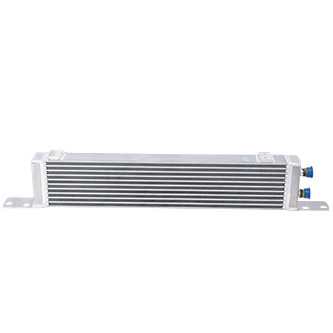
The automotive aftermarket demands reliable universal intercooler suppliers who can deliver consistent performance across diverse vehicle applications. Import businesses must evaluate multiple factors simultaneously, including manufacturing quality, supply chain reliability, technical expertise, and regulatory compliance. Understanding what to check when selecting these suppliers helps importers minimize risks, ensure product quality, and build sustainable business relationships that support long-term growth in competitive markets.
Manufacturing Capabilities and Quality Standards
Production Facility Assessment
When evaluating universal intercooler suppliers, importers should conduct thorough assessments of manufacturing facilities to ensure adequate production capabilities. Modern intercooler manufacturing requires specialized equipment, including aluminum welding stations, pressure testing systems, and quality control laboratories. Suppliers should demonstrate clean production environments, organized workflow processes, and proper material handling procedures that minimize contamination and defects during manufacturing.
Production capacity evaluation helps importers understand whether suppliers can meet volume requirements consistently. Universal intercooler suppliers should provide detailed information about daily production rates, peak capacity capabilities, and scalability options for increased demand. Facility tours, either virtual or in-person, allow importers to verify claimed capabilities and assess the supplier's commitment to maintaining modern manufacturing standards.
Equipment age and maintenance programs indicate long-term reliability potential. Suppliers using outdated machinery may struggle with consistency and efficiency, while those investing in modern equipment demonstrate commitment to quality improvement. Regular maintenance schedules, equipment replacement planning, and technology upgrade investments show suppliers' dedication to maintaining competitive manufacturing capabilities.
Quality Control Systems
Comprehensive quality control systems separate reliable universal intercooler suppliers from those that may cause import problems. Effective suppliers implement multi-stage inspection processes, including incoming material verification, in-process quality checks, and final product testing. These systems should include pressure testing, dimensional verification, and visual inspections that ensure each intercooler meets specified performance standards.
Documentation systems prove crucial for traceability and problem resolution. Quality suppliers maintain detailed records of material sources, production parameters, test results, and inspection findings for each product batch. This documentation enables rapid problem identification and resolution when quality issues arise, protecting importers from extended customer service problems and warranty claims.
Third-party certifications provide independent validation of quality systems. ISO 9001 certification indicates systematic approach to quality management, while automotive-specific standards like TS 16949 demonstrate understanding of industry requirements. Universal intercooler suppliers with relevant certifications typically maintain more consistent quality levels and show greater commitment to continuous improvement processes.
Technical Expertise and Product Development
Engineering Capabilities
Technical expertise significantly impacts the quality and performance of universal intercoolers, making engineering capabilities essential evaluation criteria for importers. Suppliers should employ qualified engineers with automotive cooling system experience, thermal management knowledge, and materials science understanding. Strong engineering teams can optimize designs for specific applications, troubleshoot performance issues, and develop custom solutions when standard products don't meet requirements.
Design validation processes demonstrate supplier competence in developing reliable products. Effective universal intercooler suppliers use computational fluid dynamics analysis, thermal modeling, and prototype testing to verify performance before mass production. These processes help identify potential problems early, reduce development costs, and ensure products meet performance expectations across various operating conditions.
Materials expertise influences product durability and performance consistency. Suppliers should understand aluminum alloy properties, brazing techniques, and corrosion resistance requirements for different climates and applications. Knowledge of material selection criteria, supplier qualification processes, and quality control procedures for raw materials indicates sophisticated technical capabilities that support reliable product development.
Innovation and Adaptation
Market responsiveness helps universal intercooler suppliers stay competitive and meet evolving customer needs. Suppliers should demonstrate ability to adapt designs for new vehicle models, incorporate performance improvements, and respond to changing market requirements. This flexibility becomes particularly important for importers serving diverse markets with varying performance expectations and regulatory requirements.
Research and development investments indicate long-term viability and innovation potential. Suppliers allocating resources to product improvement, manufacturing process optimization, and technology advancement typically maintain competitive advantages over time. These investments often result in better products, improved manufacturing efficiency, and enhanced customer satisfaction for import businesses.
Collaboration willingness shows supplier commitment to partnership relationships rather than transactional interactions. Universal intercooler suppliers who engage in joint product development, share technical knowledge, and provide application support help importers succeed in competitive markets. This collaborative approach often leads to customized solutions, improved product performance, and stronger business relationships.
Supply Chain Management and Reliability
Raw Material Sourcing
Material sourcing strategies directly impact product quality, cost stability, and delivery reliability for universal intercooler suppliers. Importers should evaluate supplier relationships with aluminum providers, core manufacturers, and other component sources to understand supply chain stability. Suppliers with diversified sourcing options typically maintain better cost control and avoid disruptions when individual suppliers experience problems.
Quality control of incoming materials prevents downstream problems and ensures consistent product performance. Reliable suppliers implement incoming inspection procedures, maintain approved vendor lists, and regularly audit material sources for quality compliance. These practices help prevent defective materials from entering production processes and reduce the likelihood of quality problems in finished products.
Inventory management capabilities affect delivery reliability and cost efficiency. Universal intercooler suppliers should maintain appropriate raw material inventory levels to support consistent production schedules while minimizing carrying costs. Effective inventory systems include demand forecasting, safety stock calculations, and supplier performance tracking that optimize material availability and cost management.
Production Planning and Logistics
Production scheduling flexibility helps suppliers respond to changing demand patterns and urgent requirements. Importers benefit from working with universal intercooler suppliers who can adjust production priorities, accommodate rush orders, and maintain delivery commitments despite market fluctuations. This flexibility requires sophisticated planning systems and cross-trained workforce capabilities that enable rapid production adjustments.
Shipping and logistics coordination affects total landed costs and delivery reliability for import operations. Suppliers should understand international shipping requirements, packaging standards, and documentation procedures that facilitate smooth customs clearance and delivery. Experience with export procedures, freight forwarder relationships, and shipping optimization helps minimize delays and additional costs.
Communication systems ensure importers receive timely updates about production status, shipping schedules, and potential delays. Effective suppliers maintain regular communication channels, provide proactive notifications about schedule changes, and respond quickly to inquiries. These communication practices help importers manage inventory levels, customer expectations, and business planning more effectively.
Compliance and Regulatory Considerations
International Standards Adherence
Regulatory compliance becomes increasingly important as international trade regulations evolve and enforcement intensifies. Universal intercooler suppliers must understand and comply with relevant automotive standards, environmental regulations, and safety requirements in target markets. Non-compliance can result in shipment delays, additional costs, and potential legal liability for import businesses.
Testing and certification capabilities demonstrate supplier commitment to meeting international standards. Suppliers should maintain or have access to testing facilities that can verify product performance, safety characteristics, and environmental compliance. Proper certification documentation facilitates customs clearance and helps importers demonstrate compliance with local regulations.
Documentation accuracy and completeness prevent customs delays and compliance issues. Reliable suppliers provide accurate product descriptions, material certifications, country of origin documentation, and other required paperwork in proper formats. Attention to documentation details reduces the risk of shipment holds, additional inspections, and regulatory complications that can disrupt import operations.
Environmental and Safety Compliance
Environmental regulations affect material selection, manufacturing processes, and product lifecycle considerations for universal intercooler suppliers. Suppliers should demonstrate understanding of relevant environmental standards, including material restrictions, recycling requirements, and manufacturing emission limits. Compliance with these regulations helps importers avoid regulatory problems and supports sustainable business practices.
Workplace safety programs indicate supplier commitment to ethical manufacturing practices and operational stability. Suppliers with comprehensive safety programs typically maintain better employee relationships, experience fewer production disruptions, and demonstrate social responsibility that supports positive brand associations for import businesses.
Continuous compliance monitoring helps suppliers maintain regulatory adherence over time. Universal intercooler suppliers should implement systems for tracking regulatory changes, updating procedures as needed, and maintaining compliance documentation. These systems help prevent compliance lapses that could affect product availability and import operations.
Financial Stability and Business Practices
Financial Health Assessment
Financial stability evaluation helps importers assess the long-term viability of potential universal intercooler suppliers and minimize business risks. Suppliers experiencing financial difficulties may struggle to maintain quality standards, meet delivery commitments, or invest in necessary improvements. Financial health indicators include revenue stability, profitability trends, debt levels, and cash flow management capabilities.
Credit references and banking relationships provide insights into supplier financial management and payment reliability. Established suppliers should be able to provide credit references from other customers, supplier payment history, and banking relationship information that demonstrates financial responsibility. These references help importers assess the likelihood of supplier financial problems affecting business operations.
Investment in business growth indicates supplier confidence and long-term planning capabilities. Universal intercooler suppliers making investments in facility improvements, equipment upgrades, and market expansion typically demonstrate stronger financial positions and commitment to business development. These investments often translate to improved capabilities and better service for import customers.
Business Ethics and Practices
Ethical business practices affect supplier relationships, regulatory compliance, and brand reputation for import businesses. Suppliers should demonstrate transparent communication, fair dealing policies, and ethical manufacturing practices that align with importer values and customer expectations. Ethical suppliers typically maintain better long-term relationships and avoid problems that could affect business operations.
Intellectual property respect protects importers from legal complications and ensures product authenticity. Universal intercooler suppliers should demonstrate understanding of intellectual property rights, avoid unauthorized copying, and maintain proper licensing agreements when applicable. Suppliers with clear IP policies help importers avoid legal risks and maintain customer trust.
Contract terms and payment policies reflect supplier business practices and relationship approaches. Fair and reasonable contract terms indicate supplier confidence in their capabilities and commitment to partnership relationships. universal intercooler suppliers offering reasonable payment terms and flexible contract options typically provide better partnership experiences for import businesses.
FAQ
How can importers verify the manufacturing capabilities of universal intercooler suppliers?
Importers can verify manufacturing capabilities through facility audits, production capacity documentation, equipment lists, and quality system certifications. Request detailed information about daily production rates, quality control processes, and testing capabilities. Virtual or in-person facility tours provide direct observation of manufacturing operations, while third-party audit reports offer independent verification of claimed capabilities.
What quality certifications should reliable universal intercooler suppliers possess?
Reliable suppliers should hold ISO 9001 quality management certification and preferably automotive-specific standards like TS 16949. Additional relevant certifications include environmental management standards, safety certifications, and product-specific testing certifications. These certifications demonstrate systematic approaches to quality control, continuous improvement, and regulatory compliance that benefit import operations.
How important is supplier financial stability when selecting universal intercooler suppliers?
Financial stability is crucial because financially unstable suppliers may struggle to maintain quality standards, meet delivery commitments, or continue operations during economic downturns. Evaluate supplier financial health through credit references, revenue stability, investment patterns, and business growth indicators. Financially stable suppliers provide more reliable partnerships and reduce business risks for import operations.
What should importers expect regarding communication and customer service from universal intercooler suppliers?
Importers should expect regular communication updates, responsive inquiry handling, proactive problem notification, and professional customer service. Reliable suppliers provide production status updates, shipping notifications, and technical support when needed. Clear communication channels, designated contact persons, and established response timeframes help ensure smooth business relationships and effective problem resolution when issues arise.
Table of Contents
- Manufacturing Capabilities and Quality Standards
- Technical Expertise and Product Development
- Supply Chain Management and Reliability
- Compliance and Regulatory Considerations
- Financial Stability and Business Practices
-
FAQ
- How can importers verify the manufacturing capabilities of universal intercooler suppliers?
- What quality certifications should reliable universal intercooler suppliers possess?
- How important is supplier financial stability when selecting universal intercooler suppliers?
- What should importers expect regarding communication and customer service from universal intercooler suppliers?