
 EN
EN
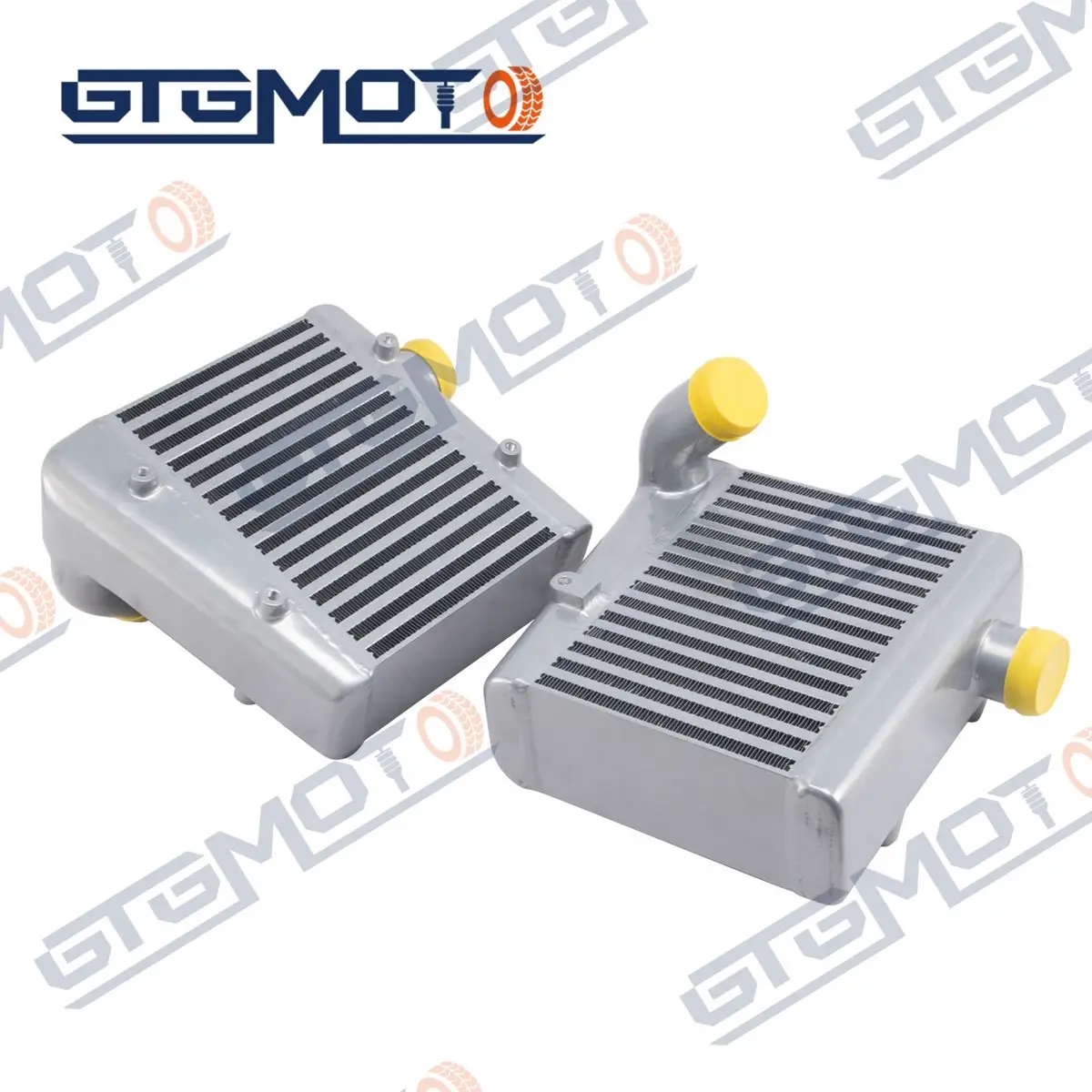
The core design of an aluminium intercooler represents the most critical factor determining cooling efficiency in turbocharged and supercharged engines. Modern automotive applications demand precise understanding of how different core configurations impact thermal performance, pressure drop characteristics, and overall system effectiveness. Engineering teams across the automotive industry recognize that selecting the optimal core design directly influences engine power output, fuel efficiency, and component longevity.
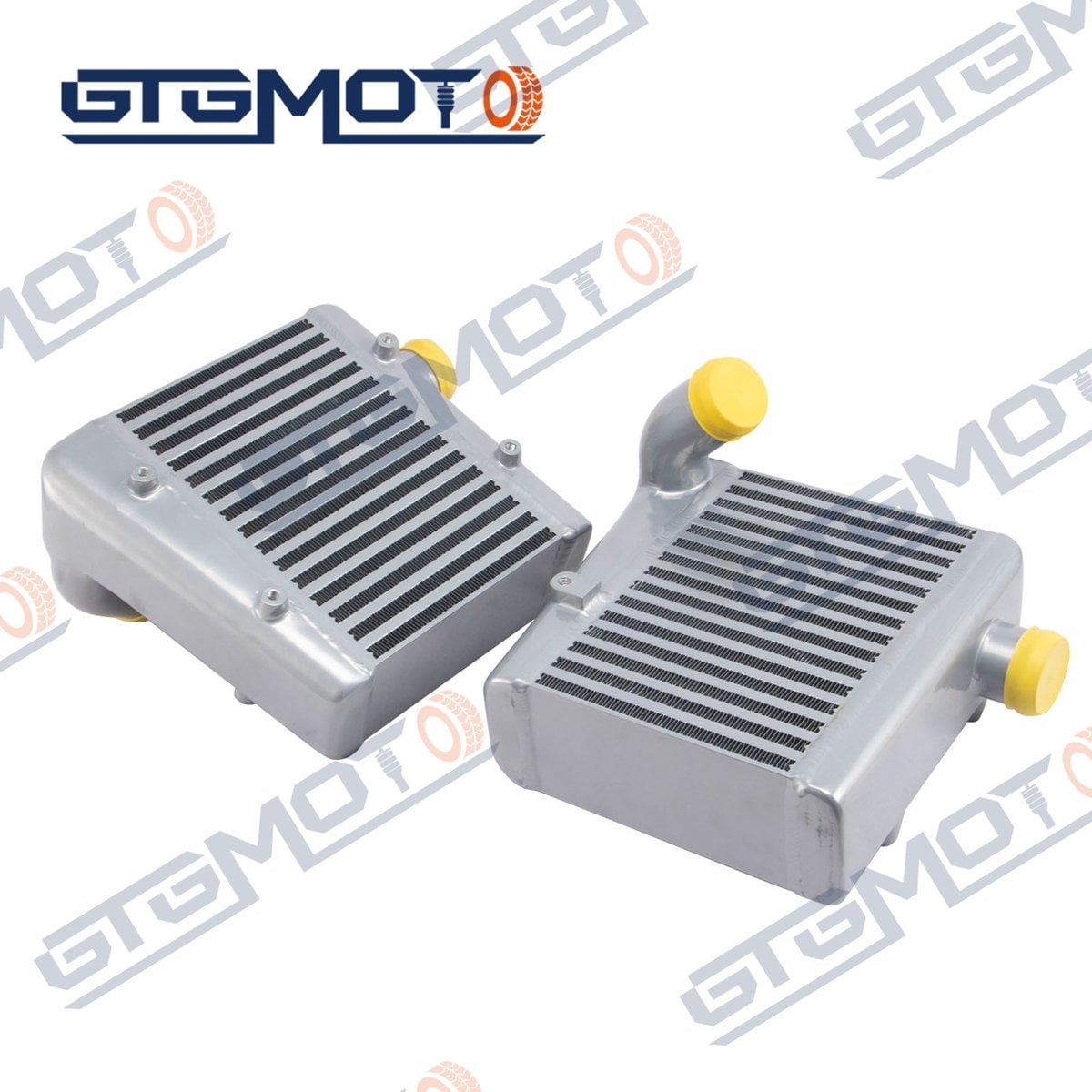
Understanding which specific core design elements affect cooling efficiency requires examining the fundamental heat transfer mechanisms within aluminium intercooler systems. The core serves as the primary heat exchange surface where compressed intake air transfers thermal energy to the ambient cooling medium, whether air or liquid coolant. Different core architectures create varying levels of turbulence, contact surface area, and flow resistance, each contributing to the overall thermal performance equation that determines real-world cooling effectiveness.
Fin Configuration and Heat Transfer Surface Design
Straight Fin versus Wavy Fin Patterns
Straight fin designs in aluminium intercooler cores provide predictable airflow patterns and relatively low pressure drop characteristics. These configurations feature parallel fins running perpendicular to the airflow direction, creating consistent cooling air channels throughout the core depth. The uniform geometry allows for straightforward manufacturing processes and reliable performance predictions, making straight fins popular in cost-sensitive applications where moderate cooling efficiency meets design requirements.
Wavy fin patterns significantly enhance heat transfer coefficients compared to straight fin alternatives by introducing controlled turbulence within the airflow. The undulating surface geometry breaks up boundary layer formation, forcing continuous mixing of the cooling air stream and improving thermal contact between the air and fin surfaces. This increased turbulence comes with higher pressure drop penalties, requiring careful balance between enhanced cooling performance and acceptable flow restriction in the overall aluminium intercooler system design.
Advanced wavy fin designs incorporate optimized wave amplitude and frequency parameters to maximize heat transfer enhancement while minimizing pressure drop increases. Engineering analysis shows that properly designed wavy fins can improve heat transfer coefficients by 15-25% compared to straight fin configurations, though this improvement typically requires 10-20% higher fan power to overcome the increased airflow resistance through the core assembly.
Louvered Fin Technology and Boundary Layer Control
Louvered fin technology represents the most sophisticated approach to maximizing heat transfer surface effectiveness in aluminium intercooler applications. These designs feature precisely positioned cuts and bends in the fin material that redirect portions of the airflow through the fin thickness, creating multiple boundary layer restart points and dramatically increasing the effective heat transfer surface area available for thermal exchange.
The louver angle, spacing, and depth parameters directly control the balance between heat transfer enhancement and pressure drop characteristics in louvered fin designs. Shallow louver angles provide moderate heat transfer improvements with minimal pressure penalties, while aggressive louver configurations can double or triple the effective heat transfer coefficient at the cost of significantly increased flow resistance through the aluminium intercooler core assembly.
Manufacturing precision becomes critical in louvered fin production, as dimensional variations in louver geometry directly impact thermal performance consistency across the entire core surface. Advanced stamping and forming techniques ensure uniform louver characteristics throughout large-scale production runs, maintaining the designed heat transfer performance while controlling manufacturing costs for commercial aluminium intercooler applications.
Core Tube Design and Internal Flow Optimization
Tube Cross-Section Geometry Effects
Round tube designs in aluminium intercooler cores offer excellent structural strength and uniform pressure distribution, making them suitable for high-pressure boost applications. The circular cross-section provides natural stress distribution under internal pressure loading while maintaining consistent wall thickness around the entire tube circumference. However, round tubes typically provide lower heat transfer surface area per unit volume compared to alternative geometries, limiting their thermal efficiency potential in space-constrained installations.
Flat tube configurations maximize the heat transfer surface area exposed to the external cooling airflow while maintaining acceptable structural integrity for moderate pressure applications. These designs create larger external surface areas per tube compared to round alternatives, improving the thermal contact between the compressed intake air and the external cooling medium. The reduced tube height also allows for increased fin density within the same core thickness, further enhancing the overall heat transfer capability of the aluminium intercooler assembly.
Oval and racetrack tube shapes represent compromise solutions that balance the structural advantages of round tubes with the enhanced surface area benefits of flat tube designs. These intermediate geometries provide improved heat transfer compared to round tubes while maintaining better pressure handling capability than flat tube alternatives, making them suitable for applications requiring both high thermal performance and elevated boost pressure operation.
Internal Tube Enhancement Features
Smooth-bore tubes in aluminium intercooler designs minimize pressure drop through the core assembly while providing predictable flow characteristics for system design calculations. The uniform internal surface creates minimal flow disturbance, reducing pumping losses and maintaining intake air pressure for optimal engine performance. However, the smooth internal surfaces limit heat transfer enhancement opportunities, requiring larger core sizes to achieve equivalent cooling performance compared to enhanced tube designs.
Micro-fin internal surfaces significantly improve heat transfer coefficients by increasing the effective surface area in contact with the flowing intake air. These enhancement features create controlled turbulence and boundary layer disruption within the tube, promoting better thermal mixing and heat transfer to the tube walls. The increased internal surface area can improve cooling effectiveness by 20-40% compared to smooth-bore alternatives, though careful design optimization prevents excessive pressure drop increases that would compromise overall system efficiency.
Twisted tube designs introduce helical flow patterns that enhance mixing and heat transfer while maintaining acceptable pressure drop characteristics. The spiral flow path increases the residence time of the intake air within the aluminium intercooler core, providing more thermal contact opportunity between the hot compressed air and the cooling tube surfaces. This enhanced contact time, combined with the improved mixing from the helical flow pattern, can provide substantial cooling performance improvements in compact core designs.
Core Depth and Flow Path Optimization
Single-Pass versus Multi-Pass Configurations
Single-pass core designs route the intake air straight through the aluminium intercooler in one direction, providing the lowest pressure drop characteristics and simplest manufacturing requirements. These configurations work well for applications where space constraints limit core depth and where moderate cooling requirements can be met with straightforward flow paths. The single-pass approach minimizes complex internal ducting and reduces potential leak points, improving long-term reliability in demanding automotive environments.
Multi-pass configurations force the intake air to make multiple passes through different sections of the core assembly, dramatically increasing the thermal contact time between the hot compressed air and the cooling surfaces. These designs can include U-turn sections, serpentine flow paths, or parallel-series combinations that optimize both heat transfer and pressure drop characteristics. The extended flow path length provides more cooling opportunity within the same external core dimensions, making multi-pass designs attractive for high-performance applications where maximum cooling efficiency justifies the increased complexity.
Cross-flow and counter-flow arrangements in multi-pass aluminium intercooler designs optimize the thermal effectiveness by controlling the temperature differential between the intake air and cooling medium throughout the heat exchange process. Counter-flow configurations provide the highest theoretical thermal effectiveness, while cross-flow designs offer manufacturing simplicity and uniform temperature distribution across the core face area.
Core Thickness and Thermal Performance Balance
Thin core designs minimize the overall package size and reduce the pressure drop through the intake air path, making them suitable for applications with strict space constraints or low-boost pressure systems. However, the limited core depth restricts the available heat transfer surface area and reduces the thermal contact time between the intake air and cooling surfaces. These limitations typically require larger core face areas to achieve adequate cooling performance, creating packaging challenges in compact engine compartments.
Thick core configurations maximize the heat transfer surface area within a given core face area, providing excellent cooling efficiency for high-performance aluminium intercooler applications. The increased core depth allows for more fin surface area and longer thermal contact time, dramatically improving the cooling effectiveness per unit of core face area. However, thick cores create higher pressure drops and require more powerful cooling fans to maintain adequate airflow through the external cooling circuit.
Optimal core thickness selection requires careful analysis of the specific application requirements, including available packaging space, boost pressure levels, cooling air availability, and acceptable pressure drop limits. Advanced thermal modeling helps determine the ideal thickness that maximizes cooling performance while maintaining acceptable pressure drop characteristics for the complete aluminium intercooler system integration.
Material Properties and Thermal Conductivity Factors
Aluminium Alloy Selection and Thermal Performance
Pure aluminium provides excellent thermal conductivity characteristics but lacks the mechanical strength required for high-pressure aluminium intercooler applications. The soft material properties make pure aluminium unsuitable for automotive applications where vibration, pressure cycling, and thermal expansion stresses demand stronger materials. However, the high thermal conductivity of pure aluminium serves as the baseline for evaluating thermal performance in practical alloy selections.
6061 and 6063 aluminium alloys represent the most common material choices for aluminium intercooler manufacturing, providing an excellent balance between thermal conductivity, mechanical strength, and manufacturing workability. These alloys maintain approximately 60-70% of pure aluminium's thermal conductivity while offering sufficient strength for typical automotive pressure requirements. The good formability and weldability of these alloys support cost-effective manufacturing processes for large-scale production applications.
High-strength aluminium alloys such as 7075 provide superior mechanical properties for extreme high-boost applications but sacrifice some thermal conductivity compared to 6000-series alternatives. The reduced thermal conductivity can impact overall cooling efficiency, requiring careful engineering analysis to determine whether the mechanical property improvements justify the thermal performance trade-offs in specific aluminium intercooler applications.
Surface Treatment and Heat Transfer Enhancement
Natural aluminium oxide formation provides basic corrosion protection and acceptable heat transfer characteristics for standard aluminium intercooler applications. The thin oxide layer forms naturally in atmospheric conditions and creates a stable surface that resists further corrosion while maintaining good thermal contact with both the internal intake air and external cooling medium. However, the natural oxide surface provides limited opportunities for heat transfer enhancement beyond the base material properties.
Anodized surface treatments can significantly improve both corrosion resistance and heat transfer characteristics through controlled oxide layer formation. The anodizing process creates a thicker, more uniform oxide layer with enhanced surface area compared to natural oxide formation. Advanced anodizing techniques can incorporate micro-textures or enhanced surface geometries that improve heat transfer coefficients while maintaining the corrosion protection benefits of the oxide layer formation.
Specialized surface coatings and treatments offer additional opportunities for heat transfer enhancement in high-performance aluminium intercooler applications. These treatments can include hydrophilic coatings that improve condensate drainage, thermal barrier coatings that optimize temperature distribution, or micro-structured surfaces that enhance turbulence and heat transfer coefficients throughout the core assembly.
FAQ
How does fin density affect aluminium intercooler cooling efficiency?
Higher fin density increases the total heat transfer surface area within the core, improving cooling capacity, but also increases airflow resistance through the external cooling circuit. The optimal fin density balances maximum heat transfer surface area with acceptable pressure drop characteristics, typically ranging from 8-14 fins per inch depending on the specific application requirements and available cooling airflow.
What core tube arrangement provides the best thermal performance?
Multi-pass configurations with counter-flow arrangements typically provide the highest thermal effectiveness by maximizing the temperature differential between intake air and cooling medium throughout the heat exchange process. However, single-pass designs may be more suitable for applications where low pressure drop requirements outweigh maximum cooling efficiency needs.
Does core material thickness significantly impact cooling performance?
Core material thickness has minimal direct impact on cooling performance since aluminium's high thermal conductivity easily conducts heat through typical wall thicknesses. However, thicker materials provide better structural integrity for high-pressure applications and improved durability under thermal cycling conditions, indirectly supporting long-term cooling performance reliability.
How do louvered fins compare to straight fins in real-world applications?
Louvered fins typically provide 40-60% better heat transfer coefficients compared to straight fins but require 15-30% more fan power to overcome increased airflow resistance. The performance advantage makes louvered fins worthwhile in most applications where adequate cooling airflow is available, particularly in high-performance or compact packaging situations where maximum cooling efficiency is essential.