
 EN
EN
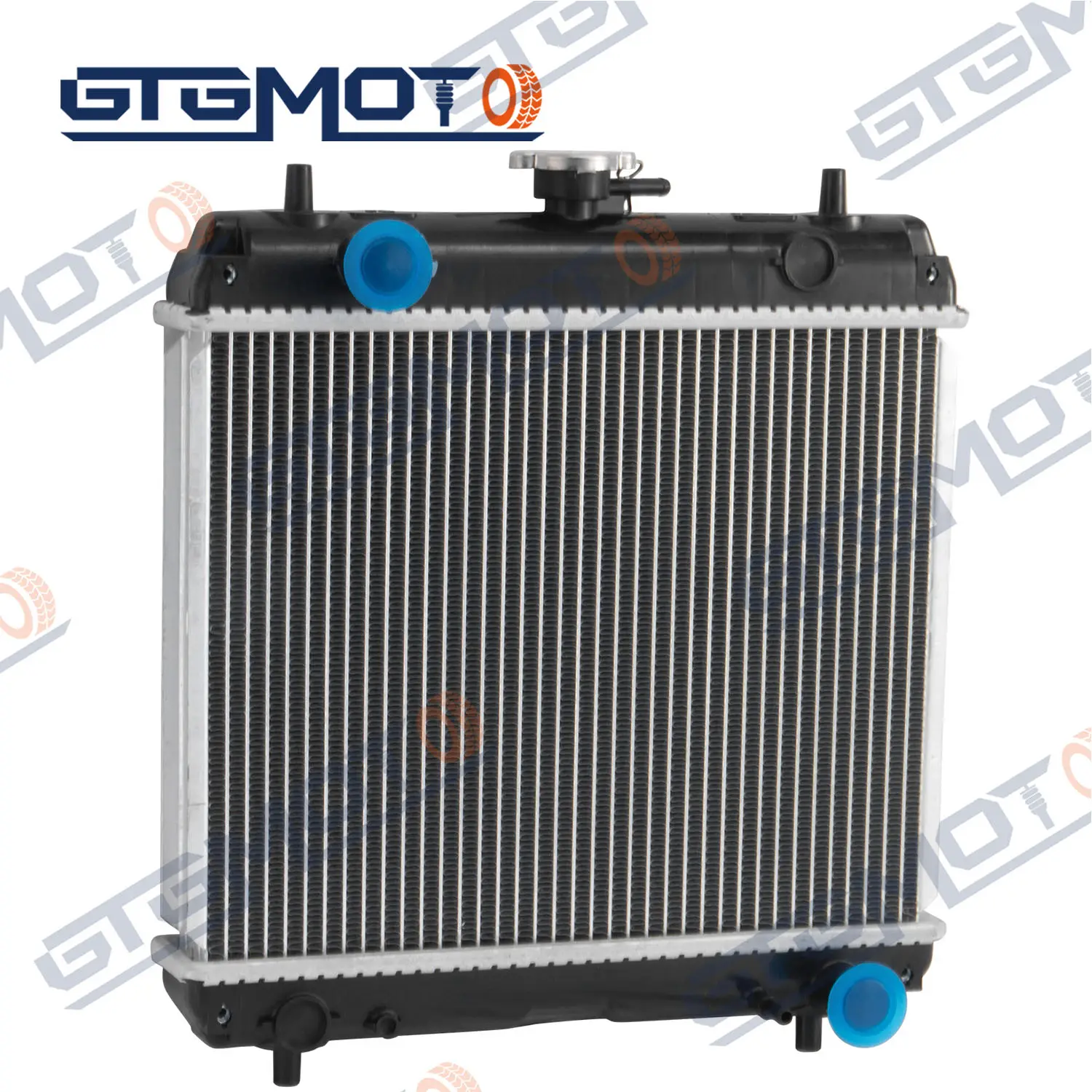
Customizing aluminium intercoolers for different engine setups requires precise engineering to match thermal performance, airflow characteristics, and physical dimensions to specific engine requirements. Modern turbocharged and supercharged engines demand tailored cooling solutions that optimize charge air temperature reduction while maintaining proper flow dynamics throughout the intake system.
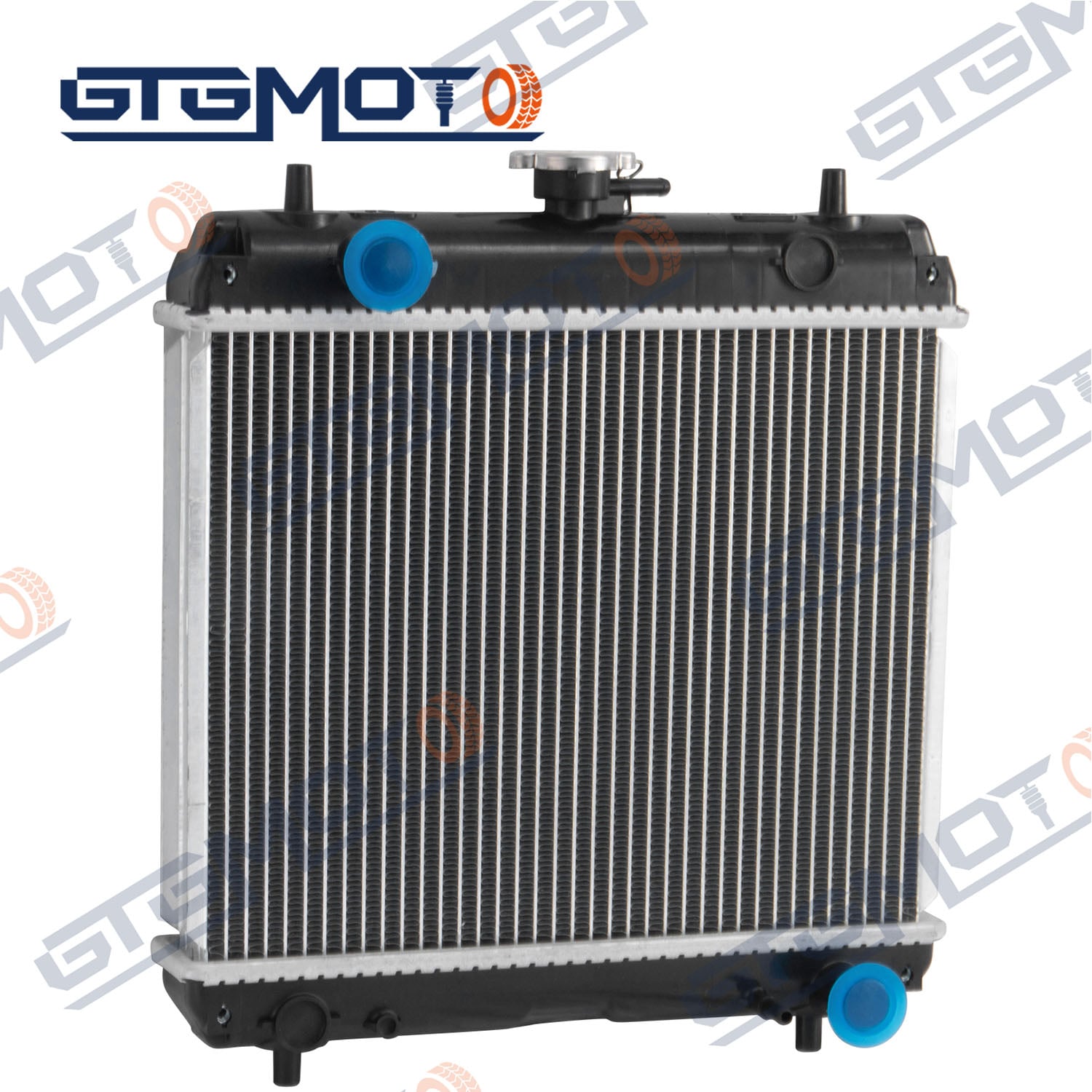
The customization process involves analyzing engine displacement, boost pressure levels, airflow volumes, and installation constraints to create aluminium intercoolers that deliver optimal thermal efficiency. Engineers must consider factors such as core sizing, end tank configuration, inlet and outlet positioning, and mounting provisions to ensure seamless integration with existing engine bay components and piping systems.
Core Design Parameters for Engine-Specific Customization
Heat Exchange Capacity Calculations
Determining the appropriate heat exchange capacity for aluminium intercoolers begins with analyzing the engine's compressed air temperature and volume requirements. Engineers calculate the thermal load based on boost pressure levels, air mass flow rates, and target temperature reduction goals. Higher displacement engines with aggressive boost levels require larger core volumes and enhanced fin density to achieve effective charge air cooling.
The heat rejection calculations also factor in ambient temperature conditions and vehicle operating scenarios. Racing applications demand maximum cooling efficiency under extreme conditions, while street-driven vehicles require balanced performance that maintains effectiveness across varying ambient temperatures. These requirements directly influence core thickness, tube count, and fin configuration in custom aluminium intercoolers.
Thermal modeling software helps engineers optimize heat exchanger design by simulating airflow patterns and temperature distributions throughout the core. This analysis ensures that aluminium intercoolers achieve uniform cooling across all tubes while minimizing pressure drop that could reduce engine performance.
Airflow Volume Matching
Matching airflow volume capacity to engine requirements involves calculating the compressed air mass flow at various RPM ranges and boost levels. Turbocharged engines produce different airflow characteristics compared to supercharged setups, requiring customized aluminium intercoolers with appropriate internal flow distribution. The core design must handle peak airflow without creating excessive restriction or turbulence.
Flow velocity optimization ensures that air moves through the core at speeds that maximize heat transfer while maintaining laminar flow characteristics. Too high velocities create pressure drop penalties, while insufficient velocity reduces cooling effectiveness. Custom aluminium intercoolers achieve this balance through precise tube sizing and internal baffle arrangements.
End tank design plays a crucial role in airflow distribution, with custom shapes and internal features directing compressed air evenly across the entire core face. This ensures that all sections of the aluminium intercoolers contribute effectively to temperature reduction rather than creating hot spots or flow bypassing.
Physical Integration and Mounting Considerations
Dimensional Constraints and Packaging
Engine bay packaging constraints significantly influence how aluminium intercoolers are customized for specific vehicle applications. Available space between the front bumper and engine, along with clearances around suspension components, exhaust manifolds, and accessory drives, determines maximum core dimensions and overall unit configuration. Custom designs must work within these physical limitations while maximizing cooling surface area.
Front-mount installations require aluminium intercoolers designed to fit behind existing grille openings and crash structures. Side-mount configurations demand cores shaped to utilize available space alongside the engine while maintaining access for maintenance. Top-mount designs need compact cores that clear hood clearances and engine covers.
Weight distribution considerations also affect customization decisions, as aluminium intercoolers must be positioned to maintain proper vehicle balance. Racing applications may prioritize lower mounting positions to improve center of gravity, while street applications focus on ease of installation and service access.
Inlet and Outlet Configuration
Custom inlet and outlet positioning ensures optimal connection to existing or modified intake piping systems. The angle, diameter, and location of these connections must align with turbocharger or supercharger outlet positions and throttle body inlet requirements. Aluminium intercoolers often require custom end tank designs to achieve proper flow angles and minimize piping complexity.
Pipe diameter transitions within the end tanks help match different connection sizes throughout the intake system. Smooth radius bends and gradual diameter changes reduce pressure losses while maintaining even flow distribution across the core face. These custom features ensure that aluminium intercoolers integrate seamlessly with both stock and aftermarket intake components.
Some applications require multiple inlet or outlet configurations to accommodate twin-turbo setups or complex manifold arrangements. Custom aluminium intercoolers can incorporate dual-flow designs or specialized internal separations to handle these unique requirements effectively.
Performance Optimization Strategies
Fin Design and Core Construction
Fin design optimization allows aluminium intercoolers to achieve maximum heat transfer efficiency for specific operating conditions. Different fin patterns, densities, and configurations provide varying heat transfer characteristics suited to different engine applications. High-performance engines benefit from aggressive fin designs that maximize surface area, while milder applications may prioritize reduced pressure drop.
Core construction techniques affect both thermal performance and durability. Brazed aluminum construction provides excellent thermal conductivity and strength for high-boost applications. The tube and fin arrangement can be customized to create optimal flow passages that balance heat transfer effectiveness with pressure drop characteristics specific to each engine setup.
Advanced manufacturing techniques enable the creation of complex internal geometries that enhance mixing and heat transfer within aluminium intercoolers. Turbulence generators, flow directors, and enhanced fin surfaces can be incorporated into custom designs to achieve superior cooling performance under specific operating conditions.
Pressure Drop Management
Managing pressure drop across aluminium intercoolers requires balancing cooling effectiveness with flow restriction. Custom designs optimize core geometry to minimize pressure losses while maintaining adequate heat transfer. This involves selecting appropriate tube diameters, fin spacing, and overall core dimensions that match the engine's airflow characteristics and boost pressure levels.
Computational fluid dynamics modeling helps engineers predict and minimize pressure drop in custom aluminium intercoolers. Flow analysis reveals areas of restriction or turbulence that can be addressed through design modifications. The goal is achieving target temperature reduction while minimizing the parasitic losses that reduce engine power output.
End tank design significantly influences overall pressure drop, as poor inlet and outlet configurations can create flow restrictions even with an efficient core. Custom aluminium intercoolers incorporate optimized end tank shapes that promote smooth flow transitions and even distribution across the core face.
Application-Specific Design Variations
Street Performance Applications
Street performance applications require aluminium intercoolers that balance cooling effectiveness with everyday drivability considerations. These custom designs prioritize consistent performance across varying ambient temperatures and driving conditions while maintaining reasonable pressure drop characteristics. The emphasis is on reliable, long-term operation rather than maximum cooling capacity.
Durability features become critical for street-driven aluminium intercoolers, including reinforced mounting provisions, vibration resistance, and corrosion protection. Custom designs incorporate features that ensure reliable operation over extended mileage while maintaining cooling effectiveness. Weather sealing and debris protection may also be integrated into the design.
Installation convenience influences customization decisions for street applications, with designs that minimize modification requirements and maintain access to routine maintenance items. Custom aluminium intercoolers for street use often include provisions for stock mounting points and electrical connections to simplify installation processes.
Racing and Competition Applications
Racing applications demand maximum cooling effectiveness from aluminium intercoolers, often at the expense of other considerations such as cost, weight, or installation complexity. Custom designs for competition use prioritize absolute thermal performance and can incorporate exotic materials, aggressive fin designs, and oversized cores that might not be practical for street applications.
Weight reduction becomes a priority in racing applications, leading to custom aluminium intercoolers with optimized wall thicknesses, strategic material removal, and lightweight mounting systems. Every component is analyzed for weight savings opportunities while maintaining structural integrity under racing conditions.
Rapid heat dissipation capabilities distinguish racing aluminium intercoolers from street versions. Custom designs may incorporate features such as enhanced external fin surfaces, integrated heat sinks, or specialized coatings that improve thermal radiation. These modifications help maintain consistent performance during sustained high-load operation typical in racing environments.
FAQ
What factors determine the core size for custom aluminium intercoolers?
Core size for custom aluminium intercoolers is determined by engine displacement, maximum boost pressure, airflow volume requirements, and available installation space. Engineers calculate the required heat exchange surface area based on thermal load and target temperature reduction, then optimize core dimensions to fit within physical constraints while achieving performance goals.
How do end tank designs affect aluminium intercooler performance?
End tank designs significantly impact aluminium intercooler performance by controlling airflow distribution and pressure drop characteristics. Custom end tanks ensure even flow across the entire core face, minimize turbulence, and provide smooth transitions between piping connections and the heat exchanger core. Poor end tank design can create flow restrictions and hot spots that reduce cooling effectiveness.
Can aluminium intercoolers be customized for twin-turbo applications?
Yes, aluminium intercoolers can be customized for twin-turbo applications through specialized end tank configurations, dual-flow internal arrangements, or separate core sections for each turbocharger. Custom designs ensure balanced flow distribution and optimal cooling for both turbocharger outputs while maintaining packaging efficiency within the available engine bay space.
What manufacturing processes enable aluminium intercooler customization?
Aluminium intercooler customization utilizes advanced manufacturing processes including precision tube forming, custom fin stamping, CAD-controlled end tank fabrication, and vacuum brazing assembly. These processes enable the creation of complex geometries, custom mounting provisions, and optimized internal flow paths that match specific engine requirements and installation constraints.