
 EN
EN
Original Equipment Manufacturer (OEM) specifications serve as the foundational blueprint that fundamentally shapes hub bearing procurement practices across the automotive industry. These detailed technical requirements establish precise parameters for dimensional tolerances, load ratings, material compositions, and performance characteristics that procurement teams must navigate when sourcing hub bearing assemblies. Understanding how OEM specifications influence procurement decisions becomes critical for automotive manufacturers, aftermarket suppliers, and fleet operators who must balance cost efficiency with quality assurance while maintaining strict adherence to vehicle safety standards.
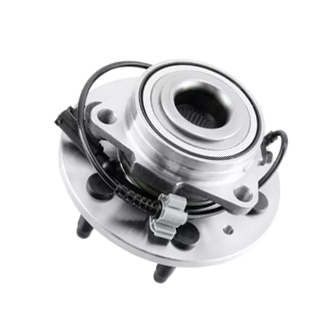
The complexity of modern hub bearing procurement extends far beyond simple part number matching, as OEM specifications encompass intricate engineering requirements that directly impact vehicle performance, warranty compliance, and regulatory approval. Procurement professionals must interpret multi-layered specification documents that define everything from seal configurations to bearing cage materials, while simultaneously coordinating with quality assurance teams to ensure supplier capabilities align with these exacting standards. This comprehensive approach to specification-driven procurement has evolved into a sophisticated discipline that requires deep technical knowledge and strategic supplier relationship management.
OEM Specification Framework and Procurement Decision Making
Technical Parameter Translation in Sourcing Strategies
OEM specifications establish a comprehensive framework that procurement teams must translate into actionable sourcing strategies when acquiring hub bearing components. These specifications typically include dimensional drawings with tight tolerances, material certification requirements, and performance testing protocols that directly influence supplier selection criteria. Procurement professionals analyze these technical parameters to develop request for quotation (RFQ) documents that accurately communicate OEM requirements while allowing suppliers to demonstrate their manufacturing capabilities and quality control processes.
The translation process involves converting engineering specifications into commercial terms that suppliers can evaluate and price accordingly. Hub bearing specifications often include complex metallurgical requirements for inner and outer races, specific grease formulations for extended service life, and seal designs that meet particular environmental protection standards. Procurement teams must ensure that supplier proposals address each specification element while maintaining cost competitiveness and delivery schedule compliance.
Quality assurance requirements embedded within OEM specifications create additional procurement considerations that extend beyond initial part approval. Suppliers must demonstrate ongoing capability to meet statistical process control requirements, maintain traceability documentation, and participate in continuous improvement initiatives. These quality-focused specification elements influence long-term supplier relationships and often determine the total cost of ownership for hub bearing assemblies throughout their service life.
Specification Compliance and Supplier Qualification
Supplier qualification processes are fundamentally shaped by OEM specification requirements that establish minimum capability thresholds for hub bearing manufacturing. These specifications define production equipment requirements, quality management system standards, and testing facility capabilities that suppliers must possess to participate in the procurement process. Qualification audits evaluate supplier facilities against specification-defined criteria, ensuring that manufacturing processes can consistently produce hub bearing components that meet all technical requirements.
The specification compliance evaluation extends beyond manufacturing capabilities to encompass supply chain management, environmental regulations, and corporate governance standards. OEM specifications increasingly include sustainability requirements, conflict mineral compliance, and social responsibility criteria that influence supplier selection decisions. Procurement teams must evaluate potential suppliers against these comprehensive specification frameworks while considering regional sourcing strategies and risk mitigation requirements.
Documentation requirements specified by OEMs create structured processes for supplier performance monitoring and continuous improvement initiatives. Hub bearing suppliers must maintain detailed records of material certifications, process control data, and test results that demonstrate ongoing compliance with specification requirements. This documentation framework enables procurement teams to implement performance-based contracts and establish metrics-driven supplier relationships that support long-term quality objectives.
Material and Performance Requirements Impact on Sourcing
Metallurgical Specifications and Supplier Capabilities
OEM metallurgical specifications for hub bearing components establish precise requirements for steel grades, heat treatment processes, and surface finish characteristics that directly influence supplier selection and procurement costs. These specifications typically define specific alloy compositions for bearing races and rolling elements, hardness requirements after heat treatment, and surface roughness parameters that affect bearing performance and service life. Procurement teams must evaluate supplier metallurgical capabilities against these detailed requirements while considering the impact on manufacturing costs and delivery schedules.
Heat treatment specifications represent particularly critical procurement considerations, as they require specialized furnace equipment, atmosphere control systems, and quality testing capabilities that not all suppliers possess. Hub bearing manufacturers must demonstrate their ability to achieve specified hardness profiles, maintain dimensional stability during thermal processing, and provide statistical documentation of process control. These metallurgical requirements often limit the supplier pool and influence geographic sourcing strategies for procurement teams.
Surface treatment specifications, including coating requirements and corrosion resistance standards, add complexity to the procurement process by requiring specialized processing capabilities and extended quality validation procedures. Suppliers must invest in specific surface treatment equipment and develop expertise in coating application techniques that meet OEM durability requirements. Procurement teams must evaluate these capability investments when assessing supplier quotations and long-term partnership potential.
Performance Testing and Validation Requirements
OEM performance testing specifications establish comprehensive validation protocols that suppliers must execute to demonstrate hub bearing compliance with functional requirements. These testing specifications typically include endurance testing under specified load conditions, temperature cycling protocols, and contamination resistance evaluations that require sophisticated laboratory equipment and testing expertise. Procurement teams must verify supplier testing capabilities and review validation data to ensure specification compliance before approving new sources.
Fatigue life testing specifications require suppliers to conduct extended durability evaluations using standardized test procedures that simulate real-world operating conditions. Hub bearing suppliers must maintain testing facilities capable of applying precise radial and axial loads while monitoring temperature, vibration, and torque parameters throughout extended test cycles. These testing requirements represent significant investments in equipment and expertise that influence supplier pricing and procurement decision making.
Environmental testing specifications address hub bearing performance under extreme temperature conditions, contamination exposure, and moisture ingress scenarios that affect supplier design and manufacturing approaches. Suppliers must demonstrate their ability to conduct salt spray testing, thermal shock evaluations, and seal integrity assessments that validate component performance across specified operating ranges. Procurement teams must evaluate supplier testing data and facility capabilities to ensure comprehensive specification compliance.
Quality Standards and Certification Requirements
Quality Management System Integration
OEM quality management system requirements establish comprehensive frameworks that hub bearing suppliers must implement to participate in the procurement process. These specifications typically mandate certification to automotive quality standards such as IATF 16949, which requires suppliers to demonstrate systematic approaches to quality planning, process control, and continuous improvement. Procurement teams must verify supplier certifications and evaluate quality system maturity when making sourcing decisions.
Statistical process control requirements embedded within OEM specifications require suppliers to implement comprehensive data collection and analysis systems for hub bearing manufacturing processes. Suppliers must demonstrate their ability to monitor critical process parameters, identify process variations, and implement corrective actions that maintain specification compliance. These quality system requirements influence supplier selection criteria and often determine long-term partnership viability.
Traceability specifications require suppliers to maintain detailed documentation that connects raw materials to finished hub bearing components through all manufacturing processes. This documentation framework enables rapid response to quality issues and supports warranty claim investigations. Procurement teams must evaluate supplier traceability capabilities and information management systems to ensure compliance with OEM requirements.
Certification and Approval Processes
Part approval processes defined by OEM specifications establish structured procedures that suppliers must complete before hub bearing components can be released for production use. These approval processes typically include initial sample submission, capability studies, and production trial evaluations that demonstrate supplier readiness to meet specification requirements. Procurement teams must coordinate these approval activities while managing timeline pressures and cost considerations.
First article inspection requirements specified by OEMs require suppliers to conduct comprehensive dimensional and functional evaluations of initial production samples. Hub bearing suppliers must demonstrate their ability to measure all specification parameters using calibrated equipment and provide statistical documentation of process capability. These inspection requirements often extend procurement timelines but ensure specification compliance from production startup.
Ongoing certification maintenance requirements establish procedures for periodic re-qualification and continuous monitoring of supplier performance against OEM specifications. Suppliers must participate in regular audits, provide updated capability documentation, and demonstrate continuous improvement initiatives. Procurement teams must manage these certification maintenance activities while evaluating supplier performance and addressing any compliance issues that arise.
Cost Implications and Budget Planning
Specification-Driven Cost Analysis
OEM specifications directly influence hub bearing procurement costs through their impact on material requirements, manufacturing complexity, and quality assurance activities. Detailed specifications often require premium materials, specialized processing equipment, and extensive testing procedures that increase supplier costs and ultimately affect procurement budgets. Procurement teams must conduct comprehensive cost analysis that considers both initial part prices and total cost of ownership implications when evaluating supplier proposals against specification requirements.
Tolerance specifications represent particularly significant cost drivers, as tighter dimensional requirements typically require more sophisticated manufacturing equipment and increased inspection activities. Hub bearing suppliers must invest in precision machining capabilities, advanced measuring equipment, and enhanced process control systems to meet demanding tolerance specifications. These capability requirements translate into higher part costs that procurement teams must balance against quality and performance benefits.
Testing and validation specifications add substantial costs to the procurement process through their requirements for specialized equipment, extended evaluation periods, and comprehensive documentation. Suppliers must allocate resources for endurance testing, environmental evaluations, and statistical analysis activities that support specification compliance. Procurement teams must factor these testing costs into their budget planning while ensuring adequate supplier margins for sustainable partnerships.
Long-term Investment and Partnership Considerations
OEM specifications often require suppliers to make significant capital investments in manufacturing equipment, testing facilities, and quality management systems that influence long-term procurement relationships. Hub bearing suppliers must evaluate the business case for these investments based on projected volume commitments and specification stability over time. Procurement teams must consider supplier investment requirements when developing sourcing strategies and contract terms that support mutual business objectives.
Specification change management processes established by OEMs create ongoing cost implications that procurement teams must anticipate and manage throughout product lifecycles. Changes to hub bearing specifications can require supplier tooling modifications, process adjustments, and additional validation activities that generate unexpected costs. Procurement contracts must include provisions for managing specification changes while maintaining cost predictability and supplier viability.
Volume forecasting accuracy becomes critical for cost management when suppliers must make specification-driven investments in dedicated manufacturing capabilities. Hub bearing suppliers often require minimum volume commitments to justify investments in specialized equipment and quality systems. Procurement teams must develop accurate demand forecasts and flexible contract structures that balance cost optimization with volume uncertainty.
Supply Chain Risk Management
Specification Complexity and Supplier Dependency
Complex OEM specifications for hub bearing components can create supply chain vulnerabilities by limiting the number of qualified suppliers capable of meeting all technical requirements. Highly specialized specifications may result in single-source dependencies that increase procurement risk and reduce negotiating leverage. Procurement teams must balance specification requirements with supply chain resilience by developing multiple supplier sources and maintaining alternative sourcing strategies.
Supplier capability development becomes essential for managing specification-related risks, as hub bearing manufacturers must continuously invest in technology and expertise to maintain compliance with evolving OEM requirements. Procurement teams must support supplier development initiatives through technical collaboration, volume commitments, and long-term partnership agreements that encourage necessary investments in capability enhancement.
Geographic distribution of specification-compliant suppliers influences supply chain risk profiles and procurement strategy development. Concentration of qualified hub bearing suppliers in specific regions can create vulnerability to natural disasters, political instability, or trade disruptions. Procurement teams must evaluate geographic diversification opportunities while ensuring specification compliance across all supplier locations.
Quality Risk Mitigation Strategies
OEM specifications establish quality requirements that procurement teams must monitor continuously to prevent field failures and warranty claims. Hub bearing quality issues can result in vehicle recalls, customer dissatisfaction, and significant financial exposure that extends far beyond initial procurement costs. Risk mitigation strategies must include supplier performance monitoring, incoming inspection protocols, and rapid response procedures for quality issues.
Supplier audit programs based on OEM specifications provide systematic approaches for identifying and addressing quality risks before they impact production or customer satisfaction. Regular audits evaluate supplier compliance with specification requirements, assess process control effectiveness, and identify opportunities for improvement. Procurement teams must maintain audit schedules and follow-up procedures that ensure continuous specification compliance.
Contingency planning for specification-related supply disruptions requires procurement teams to maintain alternative sourcing options and emergency response procedures. Hub bearing supply disruptions can halt vehicle production and create significant financial impacts that require rapid resolution. Contingency plans must include pre-qualified backup suppliers, expedited approval processes, and alternative logistics arrangements that minimize disruption duration.
FAQ
How do OEM specifications differ from industry standards for hub bearing procurement?
OEM specifications are typically more stringent and detailed than general industry standards, incorporating specific performance requirements, material specifications, and quality protocols tailored to particular vehicle applications. While industry standards provide baseline requirements, OEM specifications add vehicle-specific parameters such as load ratings, environmental conditions, and integration requirements that reflect the unique operating conditions of specific automotive platforms. Procurement teams must ensure suppliers can meet both industry standards and the additional OEM-specific requirements.
What happens when suppliers cannot meet all OEM specification requirements?
When suppliers cannot meet complete OEM specification requirements, procurement teams typically work with engineering departments to evaluate potential deviations and determine their impact on vehicle performance and safety. This process may involve specification waivers, alternative design solutions, or supplier development programs to achieve compliance. In some cases, procurement teams may need to source from alternative suppliers or work with OEMs to modify specifications based on manufacturing feasibility and cost considerations.
How do changing OEM specifications affect long-term procurement contracts?
Changing OEM specifications can significantly impact long-term procurement contracts by requiring suppliers to modify manufacturing processes, update quality systems, or invest in new equipment capabilities. Most procurement contracts include change management clauses that define procedures for handling specification modifications, including cost adjustments, timeline extensions, and validation requirements. Procurement teams must negotiate contract terms that balance the need for specification flexibility with cost predictability and supplier viability.
What role does supplier location play in meeting OEM specifications for hub bearings?
Supplier location affects the ability to meet OEM specifications through its influence on material availability, manufacturing capabilities, quality infrastructure, and logistics requirements. Some regions may have limited access to specified materials or lack the industrial infrastructure needed for complex hub bearing manufacturing processes. Additionally, proximity to OEM facilities can impact collaboration effectiveness, response times for quality issues, and transportation costs that affect total procurement economics while maintaining specification compliance.
Table of Contents
- OEM Specification Framework and Procurement Decision Making
- Material and Performance Requirements Impact on Sourcing
- Quality Standards and Certification Requirements
- Cost Implications and Budget Planning
- Supply Chain Risk Management
-
FAQ
- How do OEM specifications differ from industry standards for hub bearing procurement?
- What happens when suppliers cannot meet all OEM specification requirements?
- How do changing OEM specifications affect long-term procurement contracts?
- What role does supplier location play in meeting OEM specifications for hub bearings?