
 EN
EN
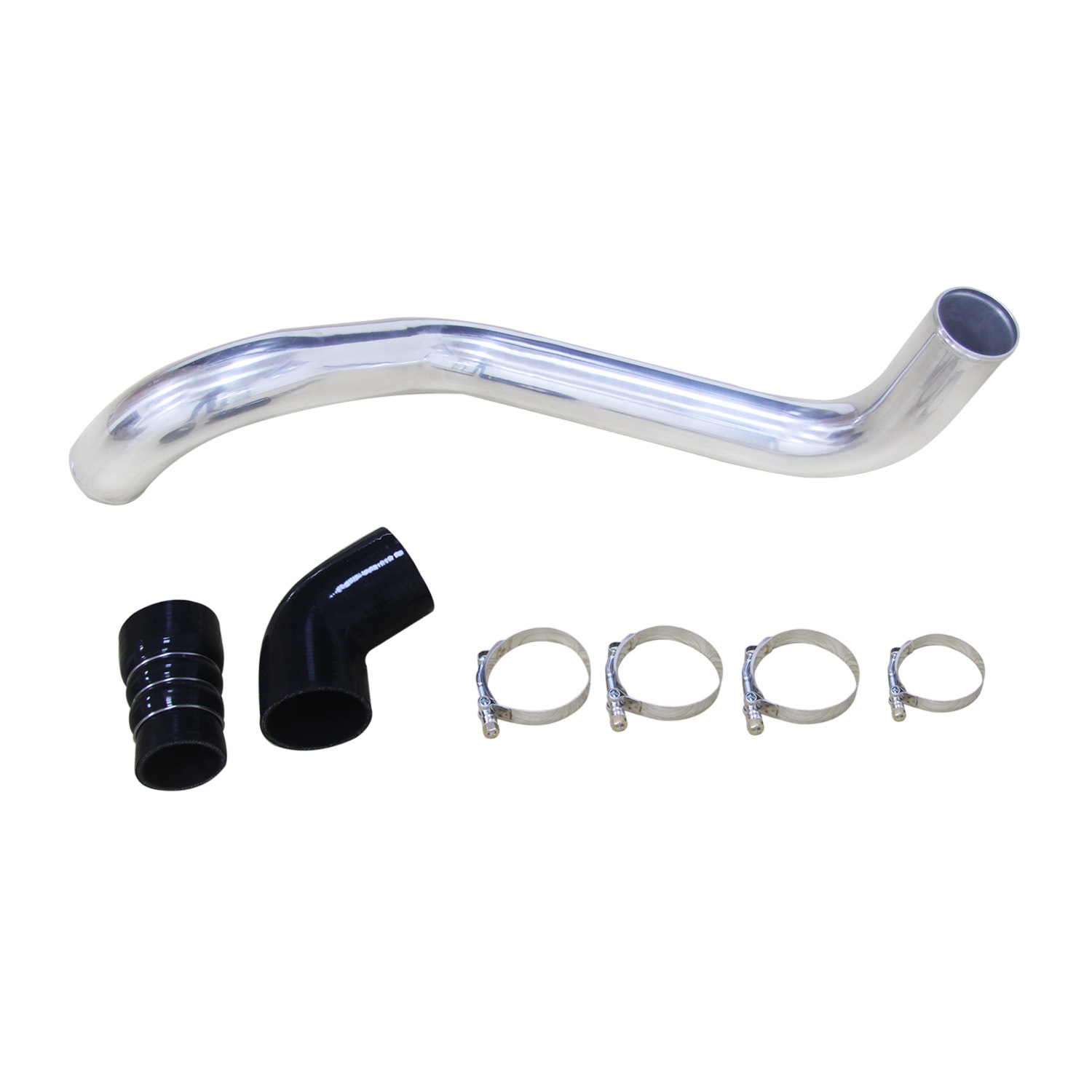
When OEM manufacturers face the challenge of selecting intercooler tube components for bulk production runs, the decision involves far more complexity than standard aftermarket purchases. The procurement process requires balancing technical specifications, supplier capabilities, quality assurance protocols, and cost optimization across thousands or even millions of units. Understanding how OEM buyers navigate this selection process reveals the intricate considerations that separate successful bulk production from costly manufacturing setbacks.
The OEM selection methodology for intercooler tube procurement differs fundamentally from standard purchasing approaches due to the scale, quality demands, and long-term supply chain implications. OEM buyers must evaluate not just the immediate technical fit, but also the supplier's capacity for consistent delivery, quality control systems, and ability to maintain specifications across extended production cycles. This comprehensive evaluation framework ensures that the chosen intercooler tube supplier can support the demanding requirements of automotive mass production while maintaining the reliability standards that end consumers expect.
Technical Specification Requirements for OEM Intercooler Tube Selection
Material Composition and Performance Standards
OEM buyers prioritize intercooler tube materials that can withstand the extreme thermal and pressure cycling inherent in turbocharged engine applications. The selection process begins with evaluating silicone compounds, reinforcement layers, and fabric structures that maintain flexibility while resisting degradation over the vehicle's intended lifespan. High-grade silicone formulations with specific shore hardness ratings ensure that the intercooler tube maintains its sealing properties and structural integrity under continuous thermal stress ranging from sub-zero temperatures to engine bay heat exceeding 200 degrees Celsius.
The reinforcement architecture within each intercooler tube becomes critical for OEM applications where failure rates must remain below statistical tolerances. Multi-layer polyester or aramid fiber reinforcement provides the necessary burst pressure resistance while maintaining the flexibility required for engine movement and vibration absorption. OEM buyers conduct extensive testing protocols that simulate years of real-world conditions, ensuring that the selected intercooler tube design can withstand pressure spikes, thermal cycling, and mechanical stress without compromising the turbocharging system's efficiency.
Dimensional Accuracy and Tolerance Management
Precision manufacturing requirements for OEM intercooler tube applications demand tolerances measured in fractions of millimeters across critical dimensions. The selection process involves detailed evaluation of supplier capabilities to maintain consistent inner diameter, wall thickness, and overall length specifications across large production volumes. Dimensional consistency directly impacts the intercooler tube's ability to maintain proper boost pressure, prevent air leaks, and ensure reliable connection to turbocharger outlets and intercooler inlets throughout the vehicle's service life.
OEM buyers assess supplier quality control systems that can detect and prevent dimensional variations before they impact production lines. Advanced measurement systems, statistical process control, and batch tracking capabilities become essential criteria when evaluating intercooler tube suppliers for bulk procurement. The selected supplier must demonstrate capability to produce thousands of units with identical specifications, ensuring that each intercooler tube will integrate seamlessly into the automated assembly processes that define modern automotive manufacturing.
Supplier Evaluation and Qualification Processes
Production Capacity Assessment
The evaluation of supplier production capacity extends beyond simple volume numbers to encompass the ability to scale intercooler tube manufacturing while maintaining quality standards. OEM buyers analyze production equipment capabilities, raw material supply chains, and workforce stability to ensure that suppliers can meet demand spikes during peak production periods. The assessment includes evaluation of backup production facilities, equipment redundancy, and supply chain risk mitigation strategies that protect against disruptions that could halt OEM assembly lines.
Manufacturing flexibility becomes equally important as raw capacity when OEM buyers evaluate intercooler tube suppliers for bulk production contracts. The selected supplier must demonstrate ability to accommodate design modifications, implement engineering changes, and adapt production schedules to match OEM manufacturing rhythms. This flexibility requirement extends to the supplier's ability to maintain buffer inventory, respond to demand fluctuations, and coordinate delivery schedules that align with just-in-time manufacturing principles while avoiding costly production line stoppages.
Quality Management System Compliance
OEM buyers require intercooler tube suppliers to maintain quality management systems that meet or exceed automotive industry standards such as ISO/TS 16949 and IATF 16949. These certification requirements ensure that suppliers have implemented systematic approaches to quality control, continuous improvement, and risk management that align with OEM expectations. The quality management evaluation includes assessment of supplier audit systems, corrective action processes, and statistical quality control measures that prevent defective intercooler tube units from reaching OEM assembly facilities.
Traceability requirements for OEM intercooler tube procurement demand comprehensive documentation systems that can track individual components through the entire supply chain. Suppliers must demonstrate ability to maintain detailed records of raw material sources, production parameters, quality test results, and delivery documentation for each production batch. This traceability capability enables rapid response to quality issues, supports warranty claim investigations, and provides the documentation necessary for regulatory compliance in global automotive markets.
Cost Optimization Strategies in Bulk Procurement
Total Cost of Ownership Analysis
OEM buyers approach intercooler tube procurement decisions using total cost of ownership models that extend far beyond initial unit pricing. The analysis encompasses supplier development costs, quality control expenses, logistics coordination, and potential warranty claim impacts that could affect long-term profitability. Understanding the complete cost structure allows OEM buyers to make informed decisions that optimize both immediate procurement budgets and long-term manufacturing economics.
Risk-adjusted cost modeling helps OEM buyers quantify the financial impact of potential supplier performance issues on intercooler tube procurement decisions. This modeling includes assessment of supply disruption costs, quality failure expenses, and alternative sourcing expenses that could arise during the production lifecycle. The selected intercooler tube supplier must demonstrate not only competitive pricing but also the operational stability that minimizes these risk-related costs over the contract duration.
Volume-Based Pricing Negotiations
Bulk procurement advantages for intercooler tube purchasing require sophisticated negotiation strategies that balance volume commitments with pricing flexibility. OEM buyers structure contracts with tiered pricing that reflects economies of scale while maintaining options for volume adjustments based on market demand fluctuations. These negotiations often include provisions for raw material cost pass-through, exchange rate adjustments, and performance-based pricing incentives that align supplier interests with OEM objectives.
Long-term contracting strategies for intercooler tube procurement typically span multiple vehicle model years, requiring pricing structures that account for inflation, technology improvements, and market evolution. OEM buyers negotiate contract terms that provide pricing stability while incentivizing continuous improvement in product quality, delivery performance, and cost reduction initiatives. The negotiation process balances supplier profitability requirements with OEM cost objectives, creating partnerships that support mutual success over extended contract periods.
Supply Chain Integration and Logistics Coordination
Delivery Schedule Synchronization
Integrating intercooler tube deliveries with OEM production schedules requires precise coordination between supplier manufacturing cycles and assembly line requirements. OEM buyers establish delivery windows measured in hours rather than days, ensuring that intercooler tube inventory arrives exactly when needed for production without creating excess storage costs or supply shortages. This synchronization demands sophisticated forecasting systems, communication protocols, and contingency planning that can adapt to production schedule changes while maintaining optimal inventory levels.
The logistics coordination for bulk intercooler tube procurement extends to packaging specifications, transportation methods, and receiving protocols that minimize handling costs and prevent product damage. OEM buyers work with suppliers to optimize packaging configurations that maximize transportation efficiency while protecting intercooler tube integrity during shipping and storage. These logistics considerations often influence supplier selection decisions, as transportation costs and delivery reliability can significantly impact total procurement expenses.
Inventory Management Optimization
Balancing inventory carrying costs with production continuity risks requires sophisticated planning models for intercooler tube procurement in bulk quantities. OEM buyers implement vendor-managed inventory systems, consignment arrangements, and just-in-sequence delivery programs that minimize working capital requirements while ensuring production line continuity. These inventory optimization strategies often involve shared forecasting systems and collaborative planning processes that improve accuracy while reducing safety stock requirements.
Buffer stock strategies for intercooler tube procurement must account for supplier lead times, demand variability, and potential supply disruptions while minimizing inventory carrying costs. OEM buyers analyze historical consumption patterns, seasonal demand variations, and supply chain risk factors to determine optimal stock levels that balance service level requirements with inventory investment objectives. The inventory management approach often influences supplier selection criteria, favoring suppliers who can support flexible inventory arrangements that reduce OEM working capital requirements.
FAQ
What quality certifications do OEM buyers require from intercooler tube suppliers?
OEM buyers typically require intercooler tube suppliers to maintain IATF 16949 certification, which demonstrates compliance with automotive quality management system requirements. Additional certifications may include ISO 14001 for environmental management, OHSAS 18001 for occupational health and safety, and specific customer quality requirements that vary by OEM. The certification requirements ensure that suppliers have implemented systematic quality control processes, continuous improvement programs, and risk management systems that meet automotive industry standards.
How do OEM buyers evaluate intercooler tube supplier financial stability?
Financial stability assessment for intercooler tube suppliers includes analysis of credit ratings, financial statements, cash flow patterns, and debt-to-equity ratios to ensure long-term viability. OEM buyers often require suppliers to maintain minimum financial performance metrics, provide financial guarantees, or establish contingency funding arrangements that protect against supply disruptions due to financial distress. The evaluation process may include third-party financial assessments and ongoing monitoring throughout the contract period.
What testing protocols do OEMs require for intercooler tube validation?
OEM validation testing for intercooler tube applications typically includes burst pressure testing, thermal cycling, ozone resistance, compression set, and accelerated aging protocols that simulate years of real-world conditions. The testing requirements may also include vibration resistance, chemical compatibility, and dimensional stability verification under extreme temperature conditions. Suppliers must demonstrate compliance with specific test standards and provide detailed test documentation for each production batch.
How do OEM buyers handle intercooler tube design changes during production?
Design change management for intercooler tube components requires formal engineering change processes that include impact assessment, validation testing, cost analysis, and implementation timeline coordination. OEM buyers work with suppliers to minimize production disruptions while ensuring that design improvements are implemented efficiently. The change management process typically includes supplier notification requirements, sample approval procedures, and phased implementation schedules that maintain production continuity while incorporating necessary modifications.
Table of Contents
- Technical Specification Requirements for OEM Intercooler Tube Selection
- Supplier Evaluation and Qualification Processes
- Cost Optimization Strategies in Bulk Procurement
- Supply Chain Integration and Logistics Coordination
-
FAQ
- What quality certifications do OEM buyers require from intercooler tube suppliers?
- How do OEM buyers evaluate intercooler tube supplier financial stability?
- What testing protocols do OEMs require for intercooler tube validation?
- How do OEM buyers handle intercooler tube design changes during production?