
 EN
EN
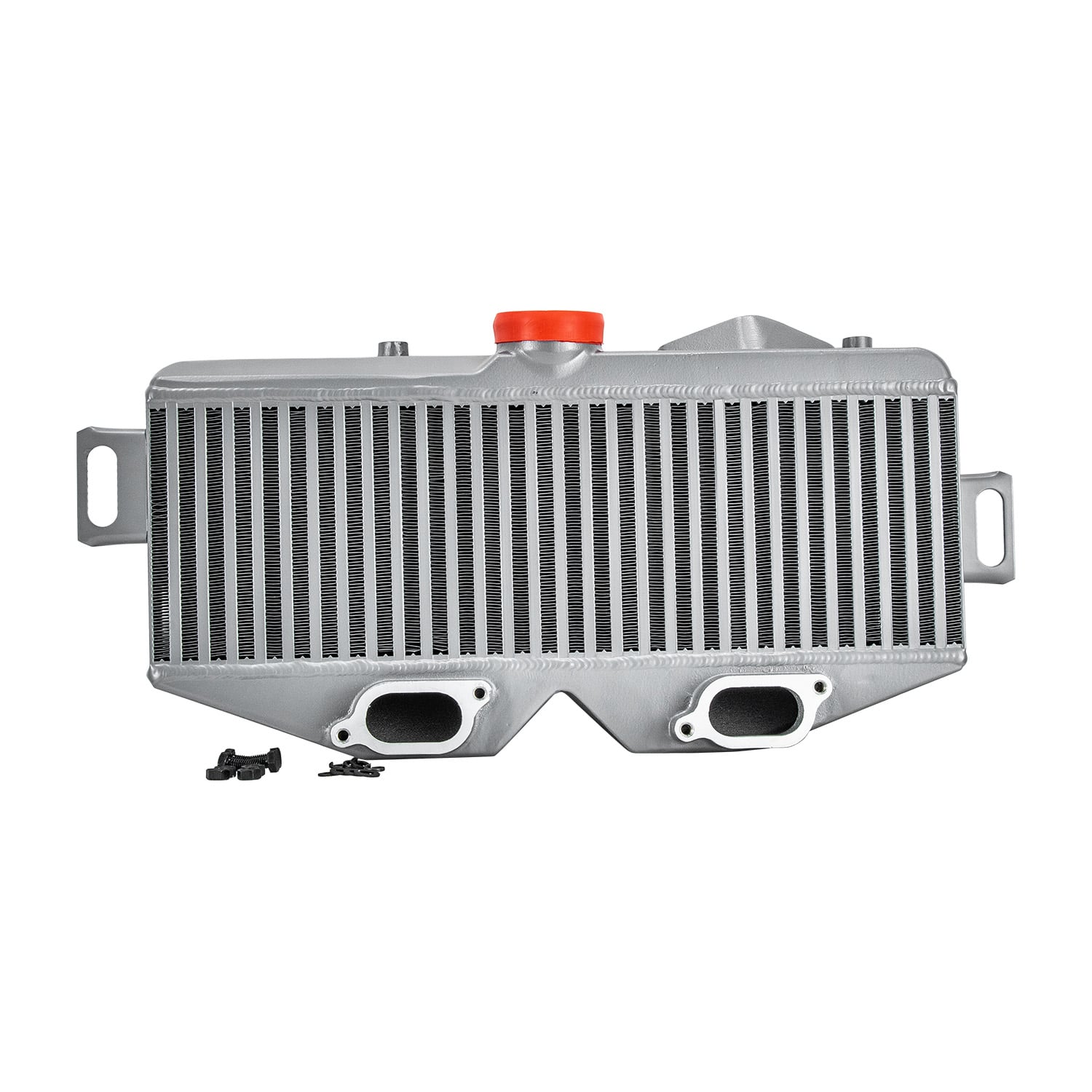
Manufacturing facilities employ rigorous testing protocols to ensure aluminium intercoolers deliver consistent performance across production batches. These comprehensive evaluation procedures combine thermal analysis, pressure testing, and flow rate measurements to validate that each intercooler meets precise engineering specifications. The testing process encompasses multiple stages, from incoming raw material inspection to final product validation, ensuring that every aluminium intercooler maintains optimal heat exchange efficiency and structural integrity.
Factory testing methodologies for aluminium intercoolers have evolved significantly with advancing measurement technologies and quality control standards. Modern manufacturing facilities implement automated testing systems that can evaluate hundreds of units per day while maintaining measurement accuracy within tight tolerances. These systematic approaches help manufacturers identify performance variations early in the production cycle, preventing defective aluminium intercoolers from reaching end customers and maintaining brand reputation in competitive automotive markets.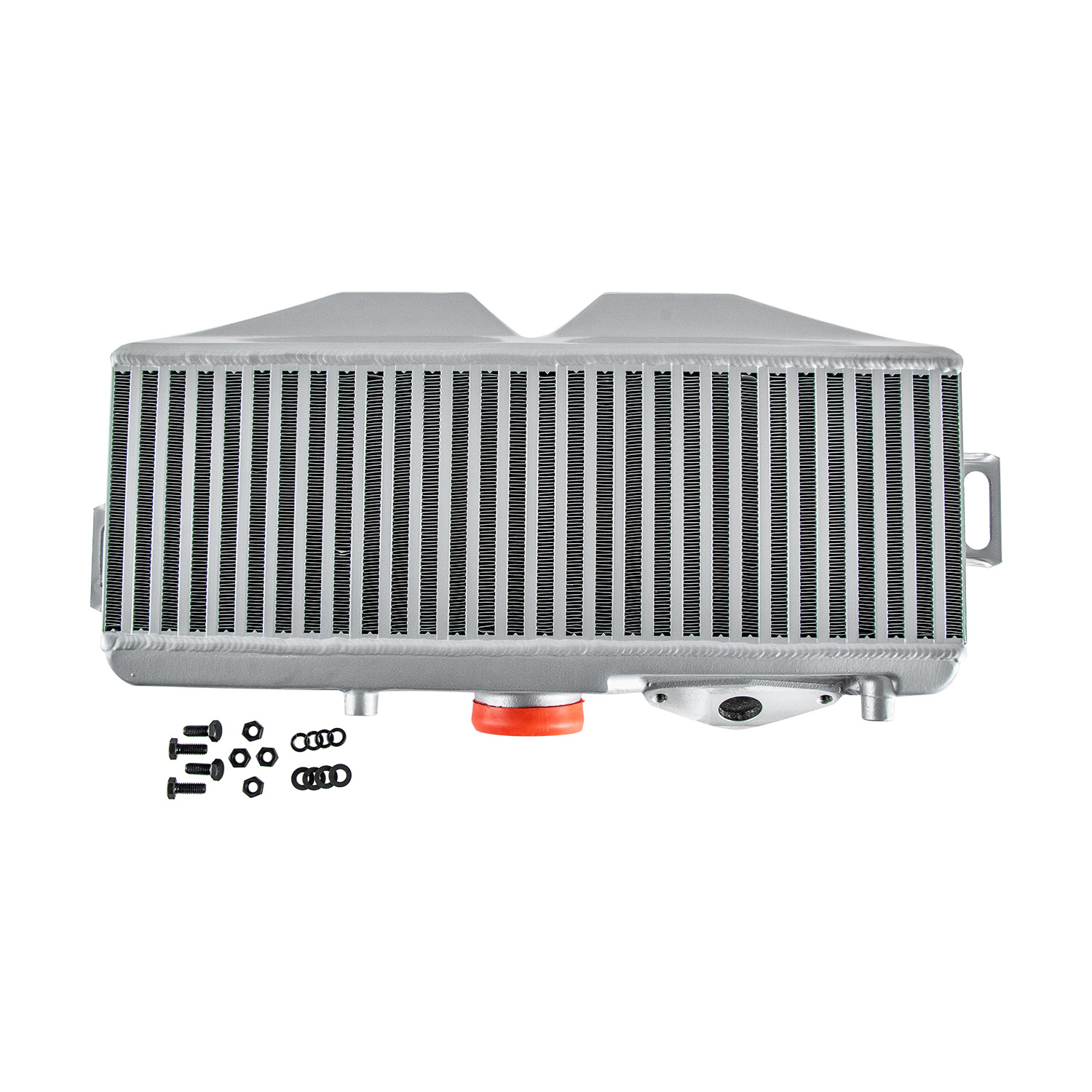
Core Testing Infrastructure and Equipment Setup
Thermal Chamber Configuration
Professional testing facilities utilize specialized thermal chambers designed specifically for evaluating aluminium intercoolers under controlled temperature conditions. These chambers can simulate operating temperatures ranging from -40°C to 150°C, allowing engineers to assess how aluminium intercoolers respond to extreme thermal cycling. The chamber design incorporates precise temperature sensors, humidity controls, and airflow management systems that replicate real-world automotive operating conditions with exceptional accuracy.
Advanced thermal chambers feature programmable temperature profiles that can simulate rapid heating and cooling cycles typical of turbocharged engine operations. This capability enables manufacturers to evaluate the thermal expansion characteristics of aluminium intercoolers and verify that the aluminum construction maintains dimensional stability throughout temperature fluctuations. The testing protocol includes extended duration cycles to assess long-term thermal fatigue resistance.
Flow Measurement Systems
Sophisticated flow measurement equipment forms the backbone of aluminium intercooler performance testing. These systems employ precision flow meters capable of measuring air volume flow rates with accuracy levels exceeding 99.5%. The measurement setup includes upstream and downstream pressure sensors that monitor pressure drop characteristics across the intercooler core, providing critical data about flow restriction and efficiency performance.
Modern flow testing systems incorporate computerized data acquisition platforms that continuously monitor multiple parameters simultaneously. Engineers can track flow velocity distribution across the entire intercooler face area, identifying any flow channeling or dead zones that might compromise cooling effectiveness. This comprehensive flow analysis ensures that aluminium intercoolers maintain uniform air distribution patterns essential for consistent thermal performance.
Pressure Testing and Structural Validation Procedures
Hydrostatic Pressure Testing
Hydrostatic pressure testing represents a fundamental validation procedure for aluminium intercoolers, verifying structural integrity under operating pressures. Testing facilities employ specialized pressure testing equipment capable of generating pressures up to 150 PSI, well above typical automotive boost pressure levels. The testing protocol involves gradually increasing pressure while monitoring for any signs of deformation, leakage, or structural failure in the aluminum construction.
During hydrostatic testing, engineers carefully monitor pressure decay rates to identify micro-leaks that might not be visible during visual inspection. The aluminum intercooler core undergoes sustained pressure exposure for predetermined time periods, typically ranging from 30 minutes to several hours depending on application requirements. This extended pressure exposure helps identify potential failure points that might develop during extended service life.
Burst Pressure Evaluation
Burst pressure testing determines the ultimate pressure capacity of aluminium intercoolers by gradually increasing pressure until structural failure occurs. This destructive testing method provides crucial safety margin data, ensuring that production units can withstand pressure spikes significantly higher than normal operating conditions. Manufacturers typically require burst pressures at least 300% above maximum operating pressure to provide adequate safety factors.
The burst testing process involves carefully controlled pressure increases while high-speed cameras record the failure mechanism. Engineers analyze the failure patterns to optimize aluminum alloy selection, welding techniques, and core construction methods. This analysis helps improve future designs and manufacturing processes to enhance the overall reliability of aluminium intercoolers in demanding automotive applications.
Thermal Performance Analysis and Heat Transfer Validation
Heat Exchange Efficiency Measurement
Heat exchange efficiency testing forms the core performance validation process for aluminium intercoolers, measuring the actual cooling capacity under controlled conditions. Testing systems circulate heated air through the intercooler while monitoring inlet and outlet temperatures with high-precision sensors. Engineers calculate the temperature drop percentage and compare results against design specifications to verify that each unit meets performance targets.
Advanced testing protocols include variable flow rate testing to assess how aluminium intercoolers perform across different operating conditions. The testing equipment can simulate various engine load conditions by adjusting airflow rates and inlet temperatures. This comprehensive approach ensures that production units maintain consistent cooling performance across the entire operating envelope typical of modern turbocharged engines.
Thermal Response Time Analysis
Thermal response time testing evaluates how quickly aluminium intercoolers respond to changing heat load conditions. Engineers monitor the time required for the intercooler to reach thermal equilibrium when subjected to sudden temperature changes. This analysis provides important data about transient thermal behavior, particularly relevant for automotive applications where engine load conditions change rapidly during driving.
The testing process involves exposing aluminium intercoolers to step changes in inlet air temperature while continuously monitoring outlet temperatures. Data acquisition systems record temperature profiles with millisecond precision, enabling detailed analysis of thermal lag characteristics. This information helps validate that the aluminum construction provides optimal thermal conductivity for responsive temperature control in turbocharged engine applications.
Quality Control Protocols and Statistical Analysis
Statistical Process Control Implementation
Manufacturing facilities implement statistical process control methodologies to monitor aluminium intercooler performance consistency across production runs. These systems track key performance metrics including pressure drop, thermal efficiency, and dimensional accuracy using control charts that identify trends and variations before they impact product quality. Engineers establish control limits based on design specifications and continuously monitor process capability indices.
Advanced quality control systems employ real-time data analysis to detect process drift and initiate corrective actions automatically. The monitoring system tracks performance parameters from multiple aluminium intercoolers simultaneously, building comprehensive databases that enable predictive quality management. This proactive approach helps maintain consistent performance standards while minimizing waste from defective units.
Batch Validation and Sampling Strategies
Production facilities employ systematic sampling strategies to validate aluminium intercooler performance across manufacturing batches. Quality engineers select representative samples using statistical sampling methods that ensure adequate coverage of process variables while optimizing testing efficiency. The sampling protocol typically includes units from the beginning, middle, and end of each production run to capture any process drift effects.
Batch validation testing includes comprehensive performance verification of selected aluminium intercoolers using the complete test suite. Engineers analyze the test results to calculate process capability metrics and verify that the entire batch meets performance specifications. Any batch showing significant performance variation undergoes additional testing or potential rework to ensure consistent quality delivery to customers.
Advanced Testing Technologies and Future Developments
Computational Fluid Dynamics Validation
Modern manufacturing facilities increasingly employ computational fluid dynamics simulation to complement physical testing of aluminium intercoolers. These advanced modeling systems predict airflow patterns, pressure distributions, and heat transfer characteristics with remarkable accuracy. Engineers compare CFD predictions with actual test results to validate both the simulation models and the physical performance of production units.
CFD analysis enables detailed examination of flow phenomena that are difficult to measure directly during physical testing. Engineers can visualize air velocity distributions throughout the intercooler core and identify potential optimization opportunities for enhanced performance. This combined approach of simulation and physical testing provides comprehensive validation of aluminium intercooler performance consistency.
Automated Testing System Integration
Automated testing systems represent the future of aluminium intercooler performance validation, offering improved consistency and throughput compared to manual testing methods. These systems incorporate robotic handling equipment, automated measurement devices, and integrated data management platforms that reduce human error while increasing testing efficiency. Advanced automation enables 24-hour testing operations with minimal supervision requirements.
Next-generation automated systems feature machine learning algorithms that analyze historical test data to optimize testing protocols and predict potential quality issues. These intelligent systems can adjust testing parameters automatically based on process feedback and continuously improve measurement accuracy. The integration of artificial intelligence helps maintain consistent performance validation standards while adapting to evolving manufacturing requirements for aluminium intercoolers.
FAQ
What specific pressure levels are used during factory testing of aluminium intercoolers?
Factory testing typically employs pressures ranging from 25 PSI for basic leak testing up to 150 PSI for comprehensive structural validation. Burst testing may reach pressures of 200-300 PSI to determine ultimate failure points. These pressure levels ensure that aluminium intercoolers can safely handle boost pressures encountered in high-performance turbocharged applications with adequate safety margins.
How long does the complete testing process take for each aluminium intercooler?
Complete performance testing for individual aluminium intercoolers typically requires 2-4 hours including thermal cycling, pressure testing, and flow rate validation. However, automated testing systems can process multiple units simultaneously, reducing per-unit testing time to approximately 30-45 minutes. Extended durability testing may require several days of cycling to validate long-term performance consistency.
What temperature ranges are used to validate thermal performance of aluminium intercoolers?
Thermal performance testing covers operating temperatures from -40°C to 150°C to simulate extreme automotive operating conditions. Standard testing protocols typically focus on the 20°C to 100°C range where most aluminium intercoolers operate during normal engine operation. Thermal cycling tests may include rapid temperature changes of 50°C or more to validate thermal shock resistance of the aluminum construction.
How do manufacturers ensure consistency between different production batches of aluminium intercoolers?
Manufacturers employ statistical sampling methods combined with comprehensive batch testing to ensure consistency across production runs. Control charts track key performance metrics including pressure drop, thermal efficiency, and structural integrity measurements. Any batch showing performance variation outside established control limits undergoes 100% testing or rework to maintain consistent quality standards for all aluminium intercoolers shipped to customers.
Table of Contents
- Core Testing Infrastructure and Equipment Setup
- Pressure Testing and Structural Validation Procedures
- Thermal Performance Analysis and Heat Transfer Validation
- Quality Control Protocols and Statistical Analysis
- Advanced Testing Technologies and Future Developments
-
FAQ
- What specific pressure levels are used during factory testing of aluminium intercoolers?
- How long does the complete testing process take for each aluminium intercooler?
- What temperature ranges are used to validate thermal performance of aluminium intercoolers?
- How do manufacturers ensure consistency between different production batches of aluminium intercoolers?