
 EN
EN
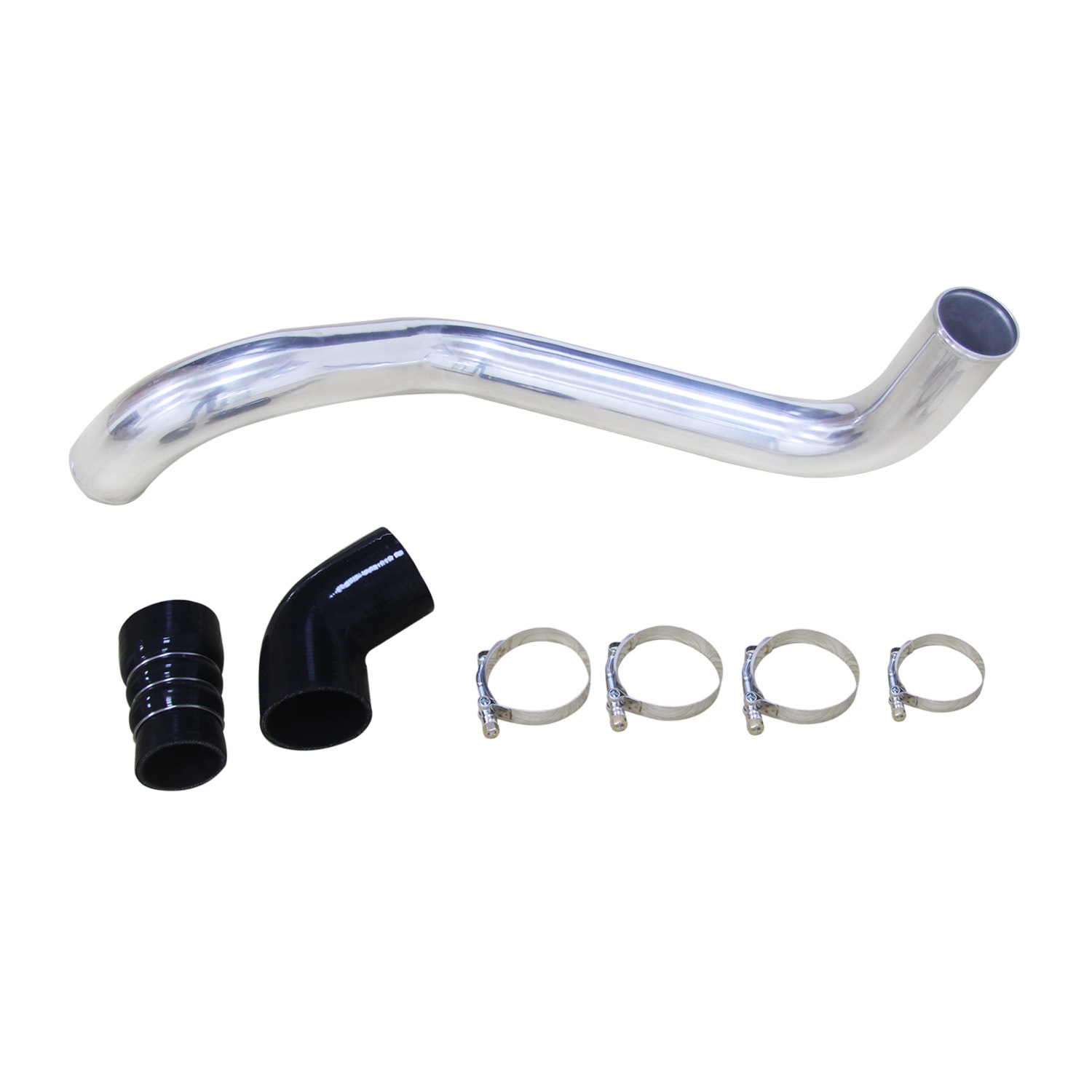
The material composition of intercooler tubes directly determines their operational lifespan, thermal performance, and resistance to extreme automotive environments. Understanding which materials impact intercooler tube durability becomes critical when selecting components for high-performance engines, turbocharged systems, and demanding industrial applications where heat cycling, pressure fluctuations, and corrosive conditions challenge component integrity.
Material selection for intercooler tube construction involves complex engineering considerations that balance thermal conductivity, structural strength, corrosion resistance, and manufacturing cost. The choice between aluminum alloys, copper-based materials, stainless steel variants, and specialized composite materials significantly influences how effectively an intercooler tube manages heat transfer while withstanding repetitive thermal expansion, vibration stress, and chemical exposure from engine fluids and environmental contaminants.
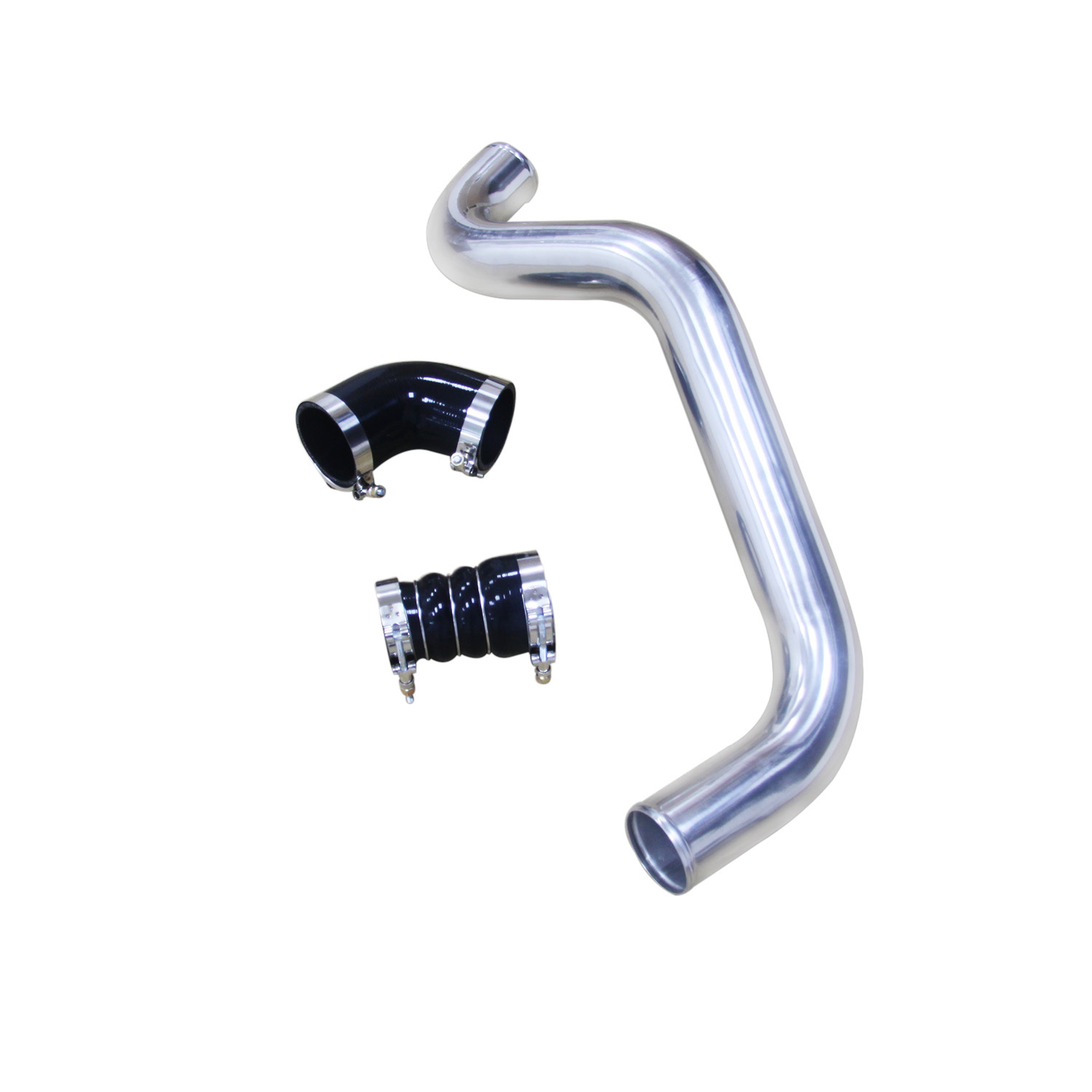
Aluminum Alloy Materials and Durability Factors
6061 and 6063 Aluminum Alloy Properties
The 6061 aluminum alloy represents the most common material choice for intercooler tube construction due to its excellent balance of strength, corrosion resistance, and thermal conductivity. This alloy contains magnesium and silicon as primary alloying elements, providing structural integrity while maintaining lightweight characteristics essential for automotive applications. The material exhibits tensile strength ranging from 290 to 310 MPa, making it suitable for pressurized cooling systems where intercooler tube assemblies experience internal pressures up to 2.5 bar during turbocharger operation.
The 6063 aluminum variant offers enhanced extrudability and surface finish quality, making it particularly valuable for complex intercooler tube geometries requiring precise dimensional control. This alloy demonstrates superior weldability compared to other aluminum grades, enabling manufacturers to create seamless joints between intercooler tube sections without compromising structural integrity. The thermal conductivity of 6063 aluminum reaches approximately 200 W/m·K, facilitating efficient heat dissipation from compressed air flowing through the intercooler tube network.
Heat Treatment Impact on Aluminum Durability
The T6 temper condition significantly enhances aluminum intercooler tube durability by optimizing grain structure and precipitation hardening characteristics. Heat-treated aluminum alloys demonstrate improved fatigue resistance under cyclic loading conditions, extending operational life when intercooler tube assemblies experience repetitive pressure fluctuations during engine operation. The aging process creates fine precipitates that strengthen the aluminum matrix while maintaining ductility necessary for thermal expansion accommodation.
Proper heat treatment protocols ensure intercooler tube materials achieve optimal hardness levels between 85-95 HB, providing resistance to impact damage and vibration-induced stress cracking. The controlled cooling rates during heat treatment prevent residual stress accumulation that could compromise long-term durability when intercooler tube components undergo thermal cycling between ambient temperatures and operating conditions exceeding 150°C.
Copper-Based Materials for Enhanced Heat Resistance
Pure Copper Thermal Performance Characteristics
Pure copper delivers exceptional thermal conductivity at 401 W/m·K, making it the premium choice for intercooler tube applications where maximum heat transfer efficiency takes priority over weight considerations. The superior thermal properties enable more compact intercooler tube designs while maintaining equivalent cooling performance, particularly beneficial in space-constrained engine compartments where packaging restrictions limit intercooler sizing options.
Copper intercooler tube construction provides inherent antimicrobial properties that resist bacterial growth and organic contamination within cooling circuits. This characteristic proves valuable in industrial applications where intercooler tube systems operate in contaminated environments or experience extended service intervals without maintenance. The material's natural oxidation creates a protective patina that enhances corrosion resistance while maintaining thermal conductivity performance throughout the operational lifecycle.
Copper Alloy Variants and Strength Enhancement
Brass and bronze alloys offer improved mechanical strength compared to pure copper while retaining favorable thermal characteristics for intercooler tube applications. The addition of zinc in brass compositions creates materials with tensile strengths reaching 400 MPa, enabling thinner wall sections that reduce weight while maintaining structural integrity under operating pressures. These copper-zinc alloys demonstrate excellent machinability for complex intercooler tube geometries requiring precise tolerances and smooth internal surfaces.
Phosphor bronze variants incorporate tin and phosphorus additions that enhance spring properties and fatigue resistance, making them suitable for intercooler tube components experiencing significant vibration loads. The improved elastic characteristics prevent stress concentration at connection points where intercooler tube assemblies interface with turbocharger outlets and engine intake manifolds, reducing the likelihood of fatigue failure at critical stress concentration points.
Stainless Steel Applications and Corrosion Resistance
316 Stainless Steel for Harsh Environments
The 316 stainless steel grade provides superior corrosion resistance for intercooler tube applications exposed to marine environments, chemical processing atmospheres, or high-humidity conditions where standard aluminum alloys may experience accelerated degradation. The molybdenum content in 316 stainless steel enhances resistance to chloride-induced pitting and crevice corrosion, extending service life when intercooler tube systems operate in coastal regions or industrial environments with aggressive atmospheric conditions.
Stainless steel intercooler tube construction maintains dimensional stability across extreme temperature ranges, preventing thermal distortion that could compromise sealing interfaces or airflow characteristics. The low thermal expansion coefficient compared to aluminum reduces stress on mounting points and connection hardware when intercooler tube assemblies experience rapid temperature changes during engine startup and shutdown cycles.
Duplex Stainless Steel for High-Strength Applications
Duplex stainless steel grades combine the corrosion resistance of austenitic stainless steels with the strength characteristics of ferritic compositions, creating materials ideally suited for high-pressure intercooler tube applications. These alloys achieve tensile strengths exceeding 700 MPa while maintaining excellent toughness at sub-zero temperatures, enabling intercooler tube designs capable of withstanding extreme operating conditions in arctic environments or high-altitude applications.
The dual-phase microstructure of duplex stainless steels provides exceptional resistance to stress corrosion cracking, a failure mode that can affect intercooler tube materials exposed to residual stresses combined with corrosive environments. This characteristic proves particularly valuable in marine diesel applications where intercooler tube systems must withstand both mechanical stress and saltwater exposure throughout extended operational periods.
Composite and Advanced Material Technologies
Carbon Fiber Reinforced Polymer Solutions
Carbon fiber reinforced polymer composites offer unique advantages for specialized intercooler tube applications requiring minimum weight combined with high strength-to-weight ratios. These advanced materials provide exceptional vibration damping characteristics that reduce noise transmission while maintaining structural integrity under dynamic loading conditions. The directional strength properties of carbon fiber reinforcement enable optimized intercooler tube designs that place reinforcement fibers along primary stress directions.
Polymer matrix materials in composite intercooler tube construction resist chemical attack from coolant additives, fuel vapors, and cleaning solvents that may degrade metallic components over time. The non-conductive nature of composite materials eliminates galvanic corrosion concerns when intercooler tube assemblies interface with dissimilar metals in complex cooling system architectures, extending overall system reliability and reducing maintenance requirements.
Ceramic Coating Applications for Metal Substrates
Thermal barrier ceramic coatings applied to aluminum or steel intercooler tube substrates provide enhanced heat resistance while maintaining the structural properties of the base material. These coatings create insulative barriers that protect underlying metal from thermal cycling damage while providing smooth internal surfaces that reduce pressure drop and improve airflow characteristics through intercooler tube passages.
Advanced ceramic coating formulations incorporate nanostructured particles that enhance adhesion and thermal shock resistance, preventing coating delamination when intercooler tube surfaces experience rapid temperature transitions. The chemical inertness of ceramic coatings provides protection against corrosive combustion byproducts and atmospheric contaminants that may penetrate intercooler tube systems during normal operation or maintenance procedures.
Material Selection Criteria for Specific Applications
Automotive Performance Requirements
High-performance automotive applications demand intercooler tube materials that balance thermal conductivity, weight reduction, and cost-effectiveness while withstanding repetitive thermal cycling between ambient and elevated operating temperatures. Aluminum alloys typically provide the optimal compromise for most automotive intercooler tube installations, offering adequate thermal performance at reasonable cost with proven durability in production vehicle applications.
Racing and motorsport applications may justify premium materials like copper alloys or specialized stainless steel grades where maximum thermal performance outweighs cost considerations. The severe operating conditions in competitive automotive environments require intercooler tube materials capable of withstanding sustained high temperatures, aggressive cooling system pressures, and potential impact damage from track debris or contact with other vehicles.
Industrial and Marine Applications
Industrial engines and marine propulsion systems present unique challenges for intercooler tube material selection due to extended operating periods, limited maintenance access, and exposure to corrosive environments. Stainless steel grades provide enhanced durability for these applications, particularly in marine environments where saltwater exposure accelerates corrosion of aluminum components and conventional protective coatings may prove inadequate.
Heavy-duty industrial applications requiring continuous operation at elevated temperatures benefit from copper-based intercooler tube materials that maintain thermal performance throughout extended service intervals. The superior thermal conductivity enables more compact intercooler designs while providing thermal margin that prevents performance degradation when cooling system maintenance intervals extend beyond automotive standards due to operational constraints or remote installation locations.
FAQ
What aluminum alloy provides the best balance of durability and cost for intercooler tube construction?
The 6061-T6 aluminum alloy offers the optimal balance of mechanical strength, corrosion resistance, thermal conductivity, and manufacturing cost for most intercooler tube applications. This alloy provides tensile strength around 310 MPa with excellent weldability and thermal conductivity of approximately 167 W/m·K, making it suitable for both automotive and light industrial applications while maintaining reasonable material costs.
How does material thickness affect intercooler tube durability and heat resistance?
Material thickness directly impacts both structural integrity and thermal performance of intercooler tube assemblies. Thicker walls provide greater resistance to pressure-induced stress and impact damage but reduce heat transfer efficiency due to increased thermal resistance. Optimal wall thickness typically ranges from 1.5mm to 3.0mm depending on operating pressure, material choice, and thermal performance requirements, with thinner sections favored for maximum heat transfer when structural requirements permit.
Can composite materials match the thermal performance of traditional metal intercooler tubes?
Current composite materials cannot match the thermal conductivity of aluminum or copper intercooler tube constructions, with most polymer-based composites exhibiting thermal conductivity values below 5 W/m·K compared to 167-401 W/m·K for metallic materials. However, composites offer advantages in corrosion resistance, vibration damping, and weight reduction that may justify their use in specialized applications where thermal performance requirements can accommodate reduced conductivity.
Which material provides the longest service life in high-temperature intercooler tube applications?
Stainless steel grades, particularly 316 or duplex variants, provide the longest service life in high-temperature intercooler tube applications due to their superior oxidation resistance and dimensional stability at elevated temperatures. These materials maintain structural integrity and resist thermal degradation at temperatures exceeding 200°C, while aluminum alloys may experience strength reduction and accelerated oxidation at sustained high temperatures, making stainless steel the preferred choice for extreme thermal environments.
Table of Contents
- Aluminum Alloy Materials and Durability Factors
- Copper-Based Materials for Enhanced Heat Resistance
- Stainless Steel Applications and Corrosion Resistance
- Composite and Advanced Material Technologies
- Material Selection Criteria for Specific Applications
-
FAQ
- What aluminum alloy provides the best balance of durability and cost for intercooler tube construction?
- How does material thickness affect intercooler tube durability and heat resistance?
- Can composite materials match the thermal performance of traditional metal intercooler tubes?
- Which material provides the longest service life in high-temperature intercooler tube applications?