Superior Material Engineering and Longevity
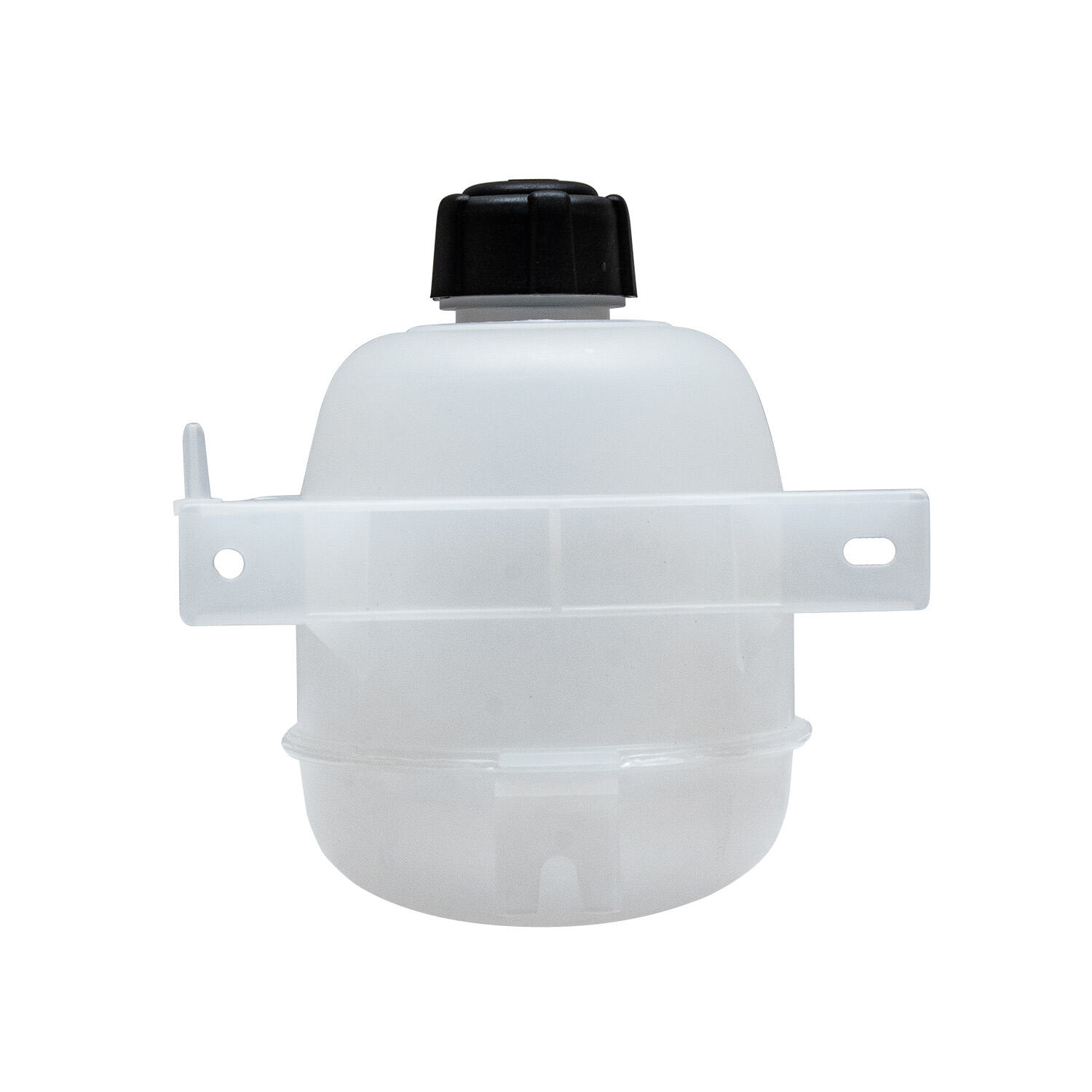
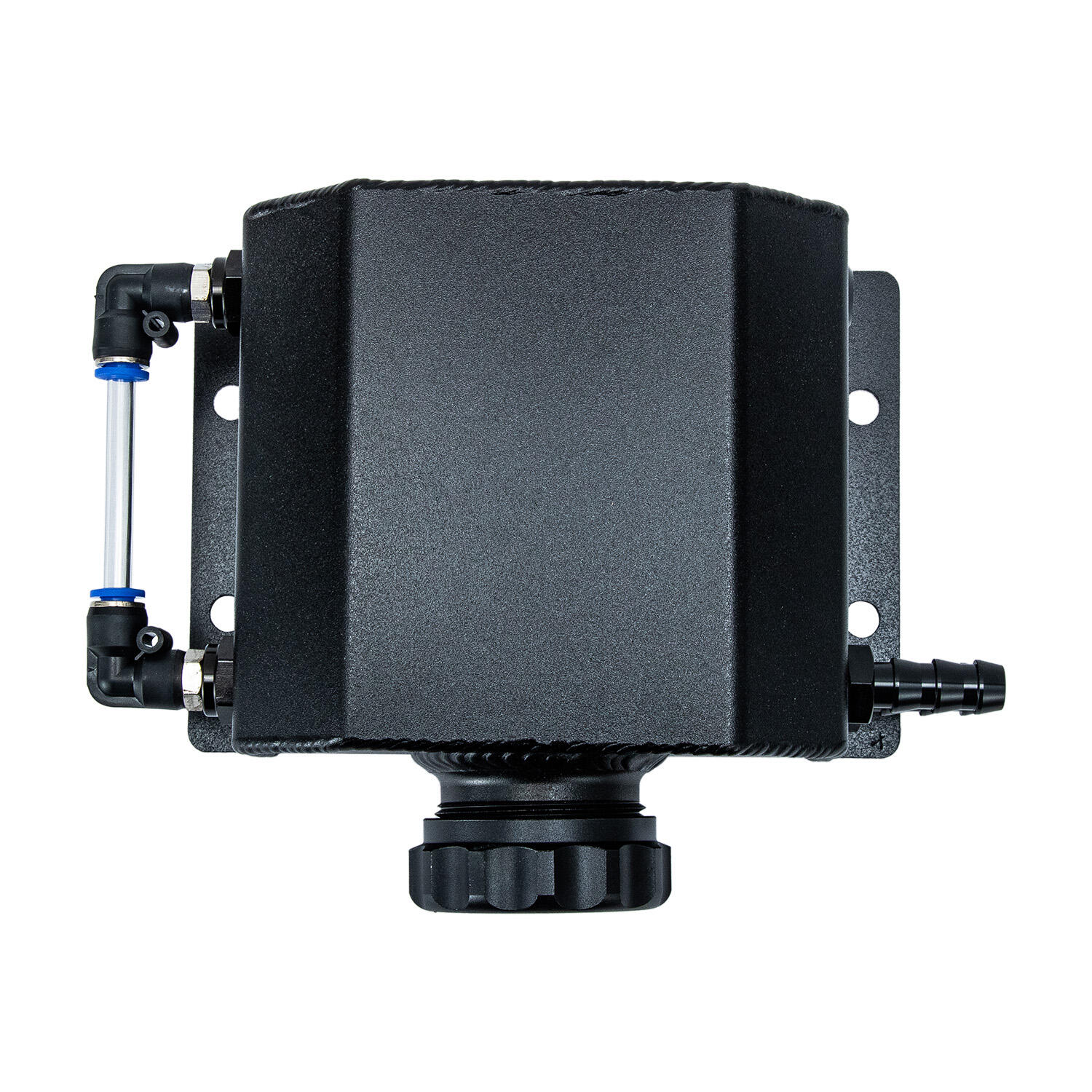
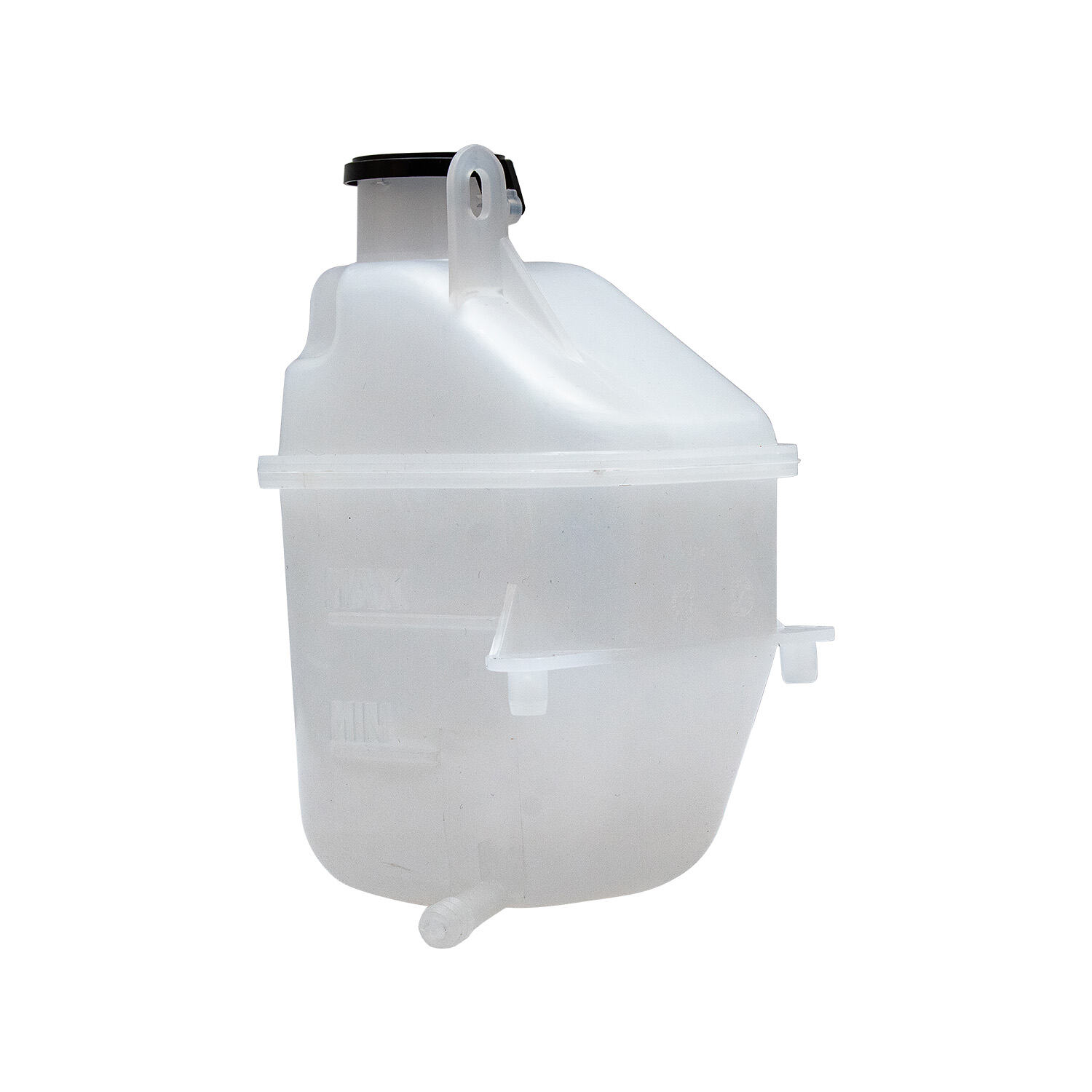
The universal radiator expansion tank benefits from advanced material science and engineering innovations that deliver exceptional durability, chemical resistance, and long-term reliability under demanding operating conditions. Modern expansion tanks utilize high-performance thermoplastics such as glass-filled nylon, reinforced polypropylene, or specialized polymer blends specifically formulated to withstand the harsh environment inside an engine bay. These materials offer distinct advantages over the metal expansion tanks found in older vehicles, which were prone to rust, corrosion, and electrolysis damage that could contaminate the cooling system with metal particles and debris. The polymer construction of universal radiator expansion tanks provides inherent corrosion resistance, eliminating rust-related failures and extending service life significantly compared to metal alternatives. Chemical resistance represents a critical performance characteristic, as the expansion tank must withstand continuous exposure to coolant formulations containing ethylene glycol or propylene glycol base fluids, corrosion inhibitors, anti-foaming agents, and various additives. Quality universal radiator expansion tanks resist degradation from these chemicals, maintaining structural integrity and preventing the material breakdown that can lead to cracks, leaks, or catastrophic failure. Temperature resistance is equally important, as expansion tanks experience extreme thermal cycling from cold ambient temperatures during startup to operating temperatures exceeding two hundred degrees Fahrenheit. The materials used in universal radiator expansion tanks maintain dimensional stability across this temperature range, preventing warping, shrinkage, or expansion that could compromise sealing surfaces or mounting integrity. UV resistance protects tanks mounted in exposed locations from degradation caused by sunlight exposure, preventing the brittleness and discoloration that can affect inferior plastics. The manufacturing process for quality universal radiator expansion tanks employs precision injection molding techniques that create uniform wall thickness, eliminate weak points, and ensure consistent quality across production runs. Reinforcement ribs molded into the tank structure provide additional strength in high-stress areas without adding excessive weight or bulk. The translucent or semi-transparent nature of the material serves a functional purpose beyond aesthetics, allowing visual inspection of coolant level and condition without opening the system, facilitating proactive maintenance and early problem detection. Quality control measures during manufacturing include pressure testing, dimensional verification, and material certification to ensure each universal radiator expansion tank meets or exceeds industry standards for performance and safety. The longevity of these tanks translates to reduced replacement frequency, lower lifetime costs, and fewer service interruptions compared to inferior alternatives. Many universal radiator expansion tanks carry warranties ranging from one to three years, reflecting manufacturer confidence in material quality and construction integrity, providing you with peace of mind and protection against premature failure.