
 EN
EN
Hub bearings serve as critical components in automotive wheel assemblies, enabling smooth rotation while supporting the vehicle's weight. However, the engineering requirements and design specifications for hub bearings vary dramatically between passenger cars and heavy-duty commercial vehicles. These differences stem from the vastly different operating conditions, load requirements, and performance expectations each vehicle category demands.
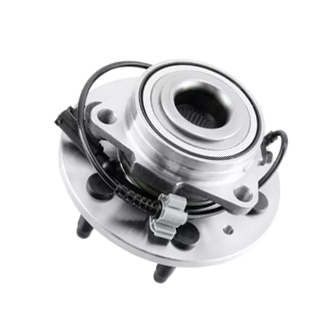
Understanding these distinctions is essential for automotive professionals, fleet managers, and vehicle owners who need to make informed decisions about bearing selection, maintenance schedules, and replacement strategies. The fundamental differences between passenger and heavy-duty hub bearings encompass load capacity, construction materials, sealing systems, lubrication requirements, and overall durability expectations. Each of these factors directly impacts vehicle performance, maintenance costs, and operational reliability.
Load Capacity and Structural Design Differences
Weight Distribution Requirements
Passenger vehicle hub bearings typically handle axle loads ranging from 1,000 to 2,500 pounds per wheel, depending on vehicle size and configuration. These bearings are designed with precision tolerances to ensure smooth operation under normal driving conditions, including city traffic, highway cruising, and moderate acceleration forces. The bearing races and rolling elements are sized proportionally to accommodate these predictable load patterns without excessive material usage.
Heavy-duty vehicle hub bearings, conversely, must support axle loads that can exceed 20,000 pounds per wheel in commercial trucking applications. This dramatic increase in load capacity requires substantially larger bearing assemblies with thicker races, larger rolling elements, and reinforced cage structures. The engineering approach prioritizes maximum load-bearing capacity over weight optimization, resulting in hub bearings that can weigh several times more than their passenger vehicle counterparts.
Dynamic Loading Considerations
The dynamic forces experienced by passenger vehicle hub bearings are relatively predictable and moderate. These bearings encounter cornering forces during turns, braking loads during deceleration, and acceleration forces during speed changes. The bearing design accommodates these forces through optimized internal geometry and material selection that balances performance with cost effectiveness.
Heavy-duty applications subject hub bearings to extreme dynamic loading scenarios including sudden directional changes with heavy cargo, emergency braking with full loads, and sustained high-speed operation under maximum weight conditions. These bearings must maintain structural integrity and smooth operation despite shock loads that can momentarily exceed static load ratings by significant margins. The internal design incorporates additional safety factors and robust construction to handle these demanding conditions.
Material Composition and Manufacturing Standards
Steel Grade Requirements
Passenger vehicle hub bearings utilize high-quality bearing steel grades that provide adequate hardness and wear resistance for typical automotive applications. The steel composition is optimized to achieve the necessary surface hardness through heat treatment while maintaining core toughness to prevent brittleness. Common steel grades include SAE 52100 and similar alloys that offer excellent fatigue resistance under moderate load cycling.
Heavy-duty hub bearings require premium steel grades with enhanced chemical composition and stricter manufacturing controls. These bearings often incorporate advanced steel alloys with improved carbide distribution, higher cleanliness levels, and superior fatigue life characteristics. The material selection process considers extended service intervals, extreme operating temperatures, and the economic impact of premature bearing failure in commercial operations.
Surface Treatment Technologies
Surface treatments for passenger vehicle hub bearings focus on providing adequate corrosion protection and maintaining smooth surface finishes for optimal performance. Standard treatments include conventional heat treatment processes, basic corrosion-resistant coatings, and precision grinding to achieve required surface roughness specifications. These treatments are cost-effective solutions that meet the performance expectations of typical automotive applications.
Heavy-duty hub bearings often incorporate advanced surface treatment technologies including specialized coatings, enhanced heat treatment processes, and precision surface finishing techniques. These treatments may include phosphating for improved lubrication retention, specialized anti-corrosion coatings for harsh environmental conditions, and superfinishing processes that reduce friction and extend bearing life. The additional processing costs are justified by the extended service intervals and reduced maintenance requirements in commercial applications.
Sealing System Design and Environmental Protection
Contamination Prevention Strategies
Passenger vehicle hub bearings employ sealing systems designed to prevent contamination from road debris, moisture, and typical automotive environmental conditions. These seals balance protection effectiveness with cost considerations, using elastomeric materials and contact seal designs that provide adequate sealing for normal driving conditions. The seal design considers factors such as wheel well protection, typical splash exposure, and moderate temperature variations.
Heavy-duty vehicle sealing systems must provide superior protection against extreme contamination scenarios including off-road operation, industrial environments, and extended exposure to harsh weather conditions. These bearings often feature multiple sealing barriers, advanced seal materials with enhanced chemical resistance, and labyrinth seal designs that provide non-contact protection. The sealing system design prioritizes long-term contamination exclusion over initial cost considerations.
Lubrication Retention Capabilities
The lubrication retention requirements for passenger vehicle hub bearings align with typical maintenance intervals and moderate operating temperatures. Seal designs focus on preventing lubricant loss during normal operation while allowing for reasonable maintenance accessibility. The balance between sealing effectiveness and service convenience influences the overall seal configuration and material selection.
Heavy-duty applications require hub bearings with exceptional lubrication retention capabilities to support extended maintenance intervals and continuous operation under demanding conditions. These sealing systems incorporate advanced materials and designs that maintain effectiveness despite temperature cycling, pressure variations, and extended service periods. The superior lubrication retention directly impacts bearing life and reduces total cost of ownership in commercial applications.
Maintenance Requirements and Service Intervals
Scheduled Maintenance Protocols
Passenger vehicle hub bearings are typically designed as sealed, maintenance-free units that operate throughout the vehicle's expected service life without requiring periodic lubrication or adjustment. The maintenance approach focuses on condition monitoring through routine inspections and replacement upon failure or during major service events. This maintenance philosophy aligns with consumer expectations for convenience and minimal ongoing maintenance requirements.
Heavy-duty vehicle hub bearings often require scheduled maintenance including periodic lubrication, adjustment procedures, and systematic inspection protocols. The maintenance intervals are determined by operating conditions, load factors, and manufacturer specifications that may range from thousands to tens of thousands of miles. Proper maintenance execution directly impacts bearing performance and service life, making maintenance protocol adherence critical for operational success.
Diagnostic and Monitoring Approaches
Diagnostic approaches for passenger vehicle hub bearings rely primarily on audible indicators, vibration symptoms, and visual inspection during routine service. Mechanics and vehicle owners typically identify bearing problems through noise complaints, wheel wobble, or visible damage during tire service. The diagnostic process emphasizes practical, cost-effective identification methods that align with typical automotive service capabilities.
Heavy-duty applications often incorporate sophisticated diagnostic and monitoring systems including vibration analysis, temperature monitoring, and predictive maintenance technologies. These monitoring approaches enable early detection of bearing degradation before catastrophic failure, reducing downtime costs and improving fleet reliability. Advanced diagnostic tools justify their cost through reduced maintenance expenses and improved operational efficiency in commercial applications.
Performance Specifications and Testing Standards
Speed and Temperature Ratings
Passenger vehicle hub bearings are rated for maximum speeds that accommodate typical highway driving with reasonable safety margins. Temperature ratings consider normal automotive operating environments including moderate climate variations and typical brake system heat transfer. The performance specifications balance adequate safety margins with cost-effective design approaches that meet consumer vehicle requirements.
Heavy-duty hub bearings must meet more demanding speed and temperature specifications that account for sustained high-speed operation, extreme ambient conditions, and elevated temperatures from heavy braking applications. These bearings often require higher speed ratings to accommodate long-distance trucking and specialized applications such as emergency vehicles or military equipment. Temperature ratings must consider extreme environmental conditions and sustained high-load operation scenarios.
Fatigue Life and Durability Testing
Durability testing for passenger vehicle hub bearings follows standardized automotive test protocols that simulate typical consumer driving patterns over expected vehicle lifespans. Test procedures consider normal load cycles, moderate environmental conditions, and representative maintenance practices. The testing approach validates bearing performance under conditions that reflect actual consumer usage patterns and warranty expectations.
Heavy-duty bearing testing protocols incorporate extended fatigue testing, extreme load cycling, and accelerated life testing that simulates years of commercial operation in compressed timeframes. These comprehensive test programs validate bearing performance under worst-case scenarios and provide data for maintenance interval recommendations. The testing investment reflects the critical importance of bearing reliability in commercial operations where failure costs significantly exceed bearing replacement costs.
FAQ
Can passenger vehicle hub bearings be used in light commercial applications?
While passenger vehicle hub bearings might physically fit some light commercial applications, they are not recommended due to inadequate load capacity and durability specifications. Light commercial vehicles typically operate under higher load conditions and more demanding service cycles that exceed passenger vehicle bearing design parameters. Using undersized bearings can result in premature failure, safety concerns, and increased maintenance costs that outweigh any initial cost savings.
How do maintenance costs compare between passenger and heavy-duty hub bearings?
Heavy-duty hub bearings typically have higher initial costs but may offer better total cost of ownership due to longer service intervals and rebuildable designs. Passenger vehicle bearings are generally less expensive initially but require complete replacement upon failure. The total maintenance cost comparison depends on factors including labor rates, downtime costs, and specific application requirements. Fleet operators often find that investing in higher-quality bearings reduces long-term maintenance expenses.
Are there hybrid bearing designs that work for both applications?
Some manufacturers offer intermediate bearing designs that bridge the gap between passenger and light heavy-duty applications, but true dual-purpose bearings are uncommon due to conflicting design requirements. These hybrid designs typically sacrifice some optimization in both directions to achieve broader application compatibility. For most applications, purpose-designed bearings provide better performance and value than compromise solutions that attempt to serve multiple market segments.
What factors determine when to upgrade from passenger to heavy-duty hub bearings?
The decision to upgrade depends on factors including increased load requirements, extended service intervals, harsh operating environments, and total cost of ownership considerations. Vehicles that experience frequent bearing failures with passenger-grade components, operate in severe service conditions, or require extended maintenance intervals may benefit from heavy-duty bearing upgrades. Professional consultation with bearing specialists can help determine whether upgrading provides sufficient benefits to justify the increased initial investment.
Table of Contents
- Load Capacity and Structural Design Differences
- Material Composition and Manufacturing Standards
- Sealing System Design and Environmental Protection
- Maintenance Requirements and Service Intervals
- Performance Specifications and Testing Standards
-
FAQ
- Can passenger vehicle hub bearings be used in light commercial applications?
- How do maintenance costs compare between passenger and heavy-duty hub bearings?
- Are there hybrid bearing designs that work for both applications?
- What factors determine when to upgrade from passenger to heavy-duty hub bearings?