
 EN
EN
When procurement teams evaluate hub bearings for fleets, they face critical decisions that directly impact vehicle uptime, maintenance costs, and operational efficiency. Fleet managers understand that selecting the wrong bearing components can lead to premature failures, unexpected downtime, and costly roadside repairs that disrupt delivery schedules and damage customer relationships. The complexity of modern fleet operations demands a strategic approach to component selection that goes beyond simply choosing the lowest-priced option.
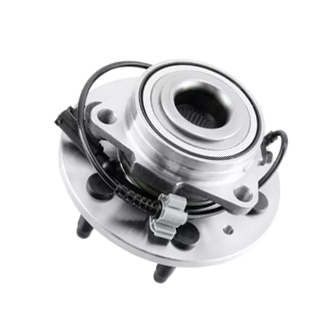
Professional procurement teams must evaluate multiple technical, operational, and financial factors when sourcing hub bearings for fleets. These components serve as the foundation of wheel assembly performance, supporting massive loads while enabling smooth rotation under extreme operating conditions. Understanding the specific requirements for fleet applications, from load capacity and durability to service intervals and replacement procedures, enables procurement professionals to make informed decisions that optimize total cost of ownership and minimize operational disruptions.
Technical Specifications Critical for Fleet Operations
Load Rating and Capacity Requirements
Fleet vehicles typically operate under significantly higher load conditions compared to passenger vehicles, making load rating evaluation essential for procurement teams selecting hub bearings for fleets. Dynamic load ratings indicate the bearing's ability to handle rotating loads during normal operation, while static load ratings determine capacity when vehicles are stationary or moving at very low speeds. Commercial fleet applications often require bearings that can handle continuous loads exceeding 80% of their rated capacity without premature wear or failure.
Procurement teams should verify that selected bearings meet or exceed the original equipment manufacturer specifications for their specific vehicle models and applications. Heavy-duty fleet operations, including delivery trucks, service vehicles, and commercial vans, generate substantially higher radial and axial loads than standard automotive applications. These enhanced load requirements directly influence bearing selection criteria and long-term performance expectations.
Understanding the relationship between vehicle gross weight, payload capacity, and bearing load ratings helps procurement professionals avoid under-specification that could result in premature failures. Fleet-specific hub bearings for fleets often feature enhanced load ratings that provide safety margins for demanding commercial applications where vehicles regularly operate at or near maximum weight limits.
Sealing Technology and Environmental Protection
Effective sealing systems represent a critical consideration for procurement teams evaluating hub bearings for fleets operating in diverse environmental conditions. Fleet vehicles encounter road salt, moisture, dust, and debris that can compromise bearing performance if inadequate sealing allows contaminant ingress. Advanced sealing technologies, including multi-lip seals and labyrinth configurations, provide superior protection against environmental hazards that commonly affect commercial vehicle operations.
Triple-sealed bearing assemblies offer enhanced protection for fleet applications where vehicles regularly encounter harsh operating environments. These advanced sealing systems prevent grease loss while blocking water, dirt, and chemical contaminants from entering the bearing assembly. Procurement teams should prioritize bearing designs that incorporate redundant sealing systems to ensure reliable performance across varied operational conditions.
Temperature resistance becomes particularly important for fleet operations involving frequent braking, high-speed highway travel, or operation in extreme climates. Quality sealing materials maintain effectiveness across wide temperature ranges, ensuring consistent protection throughout the bearing's service life. Procurement professionals should evaluate seal material specifications to verify compatibility with expected operating temperature ranges and environmental exposure conditions.
Quality Standards and Manufacturing Certifications
Industry Quality Certifications
Procurement teams must verify that selected hub bearings for fleets meet recognized industry quality standards and manufacturing certifications that ensure consistent performance and reliability. ISO/TS 16949 certification indicates that manufacturers follow automotive industry quality management standards specifically designed for safety-critical components. This certification requirement becomes essential for fleet applications where bearing failures can result in vehicle accidents, cargo damage, or significant operational disruptions.
Original Equipment Manufacturer approval represents another critical quality indicator that procurement teams should prioritize when selecting fleet bearing components. OEM-approved bearings undergo extensive testing and validation processes that verify performance characteristics, dimensional accuracy, and material properties meet strict automotive industry requirements. These approval processes provide assurance that selected components will perform reliably in their intended applications.
Quality certifications also encompass material specifications, heat treatment processes, and dimensional tolerances that directly impact bearing performance and service life. Procurement professionals should request certification documentation that verifies compliance with relevant industry standards and material specifications. This documentation becomes valuable for warranty claims, quality audits, and regulatory compliance requirements that affect fleet operations.
Testing and Validation Procedures
Comprehensive testing protocols ensure that hub bearings for fleets will perform reliably under demanding commercial vehicle operating conditions. Endurance testing simulates extended service life under controlled conditions, providing data about expected performance characteristics and potential failure modes. Procurement teams should inquire about testing procedures that manufacturers use to validate bearing performance and establish service life expectations.
Vibration and noise testing becomes particularly important for fleet applications where driver comfort and vehicle refinement affect operational efficiency. Excessive bearing noise or vibration can indicate quality issues that may lead to premature failure or component damage. Professional testing protocols measure these performance characteristics under controlled conditions to ensure consistent quality across production batches.
Environmental testing verifies bearing performance under extreme temperature, moisture, and contamination conditions that fleet vehicles commonly encounter. Salt spray testing, thermal cycling, and contamination resistance testing provide valuable data about bearing durability in harsh operating environments. Procurement teams should prioritize suppliers who conduct comprehensive environmental testing and provide detailed performance data for their bearing products.
Cost Analysis and Total Ownership Considerations
Initial Purchase Price versus Long-term Value
While initial purchase price represents an obvious consideration, procurement teams must evaluate the total cost of ownership when selecting hub bearings for fleets to make financially sound decisions. Premium bearing products often provide superior durability, extended service intervals, and reduced maintenance requirements that offset higher initial costs through improved operational efficiency. Fleet operations benefit significantly from components that minimize unscheduled maintenance and extend service intervals.
Labor costs associated with bearing replacement can exceed component costs, particularly for fleet vehicles that require professional installation or generate significant downtime during maintenance procedures. High-quality bearings that provide extended service life reduce the frequency of replacement procedures, minimizing associated labor costs and vehicle downtime. Procurement professionals should calculate total replacement costs, including labor, downtime, and associated expenses, when comparing bearing options.
Warranty coverage and failure protection represent additional cost factors that procurement teams should evaluate when selecting fleet bearing components. Extended warranty periods indicate manufacturer confidence in product quality while providing financial protection against premature failures. Comprehensive warranty coverage can significantly impact total cost of ownership, particularly for large fleet operations where bearing failures could affect multiple vehicles.
Maintenance Schedule Integration
Effective procurement decisions consider how selected hub bearings for fleets integrate with existing maintenance schedules and service interval requirements. Bearings with service intervals that align with other scheduled maintenance procedures enable efficient service planning and reduce overall maintenance costs. Fleet managers prefer components that allow consolidated maintenance procedures rather than requiring separate service appointments.
Predictable service intervals enable fleet operations to plan maintenance procedures in advance, minimizing operational disruptions and optimizing maintenance facility utilization. Quality bearings provide consistent performance characteristics that allow accurate service interval planning based on mileage, operating hours, or calendar intervals. This predictability becomes essential for large fleet operations that must coordinate maintenance across multiple vehicles and service locations.
Maintenance complexity also affects total cost of ownership, as bearings requiring specialized tools or procedures generate higher service costs. Fleet-friendly bearing designs facilitate efficient replacement procedures using standard tools and equipment commonly available in commercial maintenance facilities. Procurement teams should evaluate installation requirements and service complexity when comparing bearing options for fleet applications.
Supplier Evaluation and Partnership Considerations
Supply Chain Reliability and Availability
Procurement teams must assess supplier reliability and product availability when selecting hub bearings for fleets to ensure consistent component supply for ongoing operations. Fleet operations cannot afford extended downtime waiting for replacement parts, making supplier reliability a critical selection factor. Suppliers with robust distribution networks and inventory management systems provide the responsiveness that fleet operations require for urgent replacement needs.
Geographic distribution capabilities affect supplier suitability for multi-location fleet operations that require consistent parts availability across different regions. National or regional suppliers with multiple distribution points provide faster delivery times and reduced logistics costs compared to suppliers with limited geographic coverage. Procurement professionals should evaluate supplier distribution networks to ensure adequate coverage for their operational territories.
Inventory management practices directly impact parts availability during critical replacement situations. Suppliers who maintain adequate safety stock levels and utilize demand forecasting systems provide more reliable parts availability than suppliers with minimal inventory investments. Procurement teams should inquire about supplier inventory policies and availability guarantees, particularly for high-volume fleet applications requiring consistent parts supply.
Technical Support and Application Guidance
Technical support capabilities represent a valuable supplier attribute that procurement teams should evaluate when selecting hub bearings for fleets. Experienced suppliers provide application guidance, installation support, and troubleshooting assistance that helps fleet operations optimize bearing performance and service life. This technical expertise becomes particularly valuable for complex fleet applications or when implementing new bearing technologies.
Application engineering support helps ensure that selected bearings meet specific fleet requirements and operating conditions. Knowledgeable suppliers can recommend optimal bearing configurations for specific vehicle types, operating environments, and service requirements. This expertise helps procurement teams avoid specification errors that could result in premature failures or performance issues.
Training and educational resources provided by suppliers enhance maintenance team capabilities and promote proper bearing installation and service procedures. Comprehensive technical documentation, installation guides, and training programs help ensure that fleet maintenance personnel follow best practices that optimize bearing performance and service life. Procurement teams should prioritize suppliers who invest in customer education and technical support resources.
FAQ
How often should fleet hub bearings be inspected and replaced?
Fleet hub bearings should be inspected during routine maintenance intervals, typically every 12,000 to 15,000 miles for commercial applications. Replace bearings when inspection reveals excessive play, noise, or heat generation, or according to manufacturer recommendations. High-mileage fleet vehicles may require more frequent inspection intervals to prevent unexpected failures. Hub bearings for fleets with proper maintenance typically provide 100,000 to 150,000 miles of service life under normal operating conditions.
What are the most common signs of failing hub bearings in fleet vehicles?
Common signs of failing hub bearings include grinding or rumbling noises during vehicle operation, excessive wheel play when checking for looseness, and abnormal tire wear patterns. Drivers may notice increased road noise, vibration through the steering wheel, or pulling to one side during braking. Fleet maintenance teams should investigate any unusual noise or handling characteristics promptly, as bearing failures can result in wheel separation and serious safety hazards.
Should fleet managers standardize on one bearing brand across their entire fleet?
Fleet managers benefit from standardizing on proven bearing suppliers that meet quality requirements and provide consistent availability. However, complete standardization on a single brand may not be optimal due to vehicle diversity within fleets and varying application requirements. Focus on establishing relationships with two to three qualified suppliers who can provide comprehensive coverage for different vehicle types while maintaining consistent quality standards and technical support capabilities.
How do environmental conditions affect hub bearing selection for fleet operations?
Environmental conditions significantly impact bearing selection, with factors including temperature extremes, moisture exposure, road salt, and dust affecting bearing performance and service life. Fleet vehicles operating in harsh environments require bearings with enhanced sealing systems, corrosion-resistant materials, and temperature-stable lubricants. Procurement teams should specify environmental protection requirements based on their specific operating conditions and select bearings designed for those applications.
Table of Contents
- Technical Specifications Critical for Fleet Operations
- Quality Standards and Manufacturing Certifications
- Cost Analysis and Total Ownership Considerations
- Supplier Evaluation and Partnership Considerations
-
FAQ
- How often should fleet hub bearings be inspected and replaced?
- What are the most common signs of failing hub bearings in fleet vehicles?
- Should fleet managers standardize on one bearing brand across their entire fleet?
- How do environmental conditions affect hub bearing selection for fleet operations?