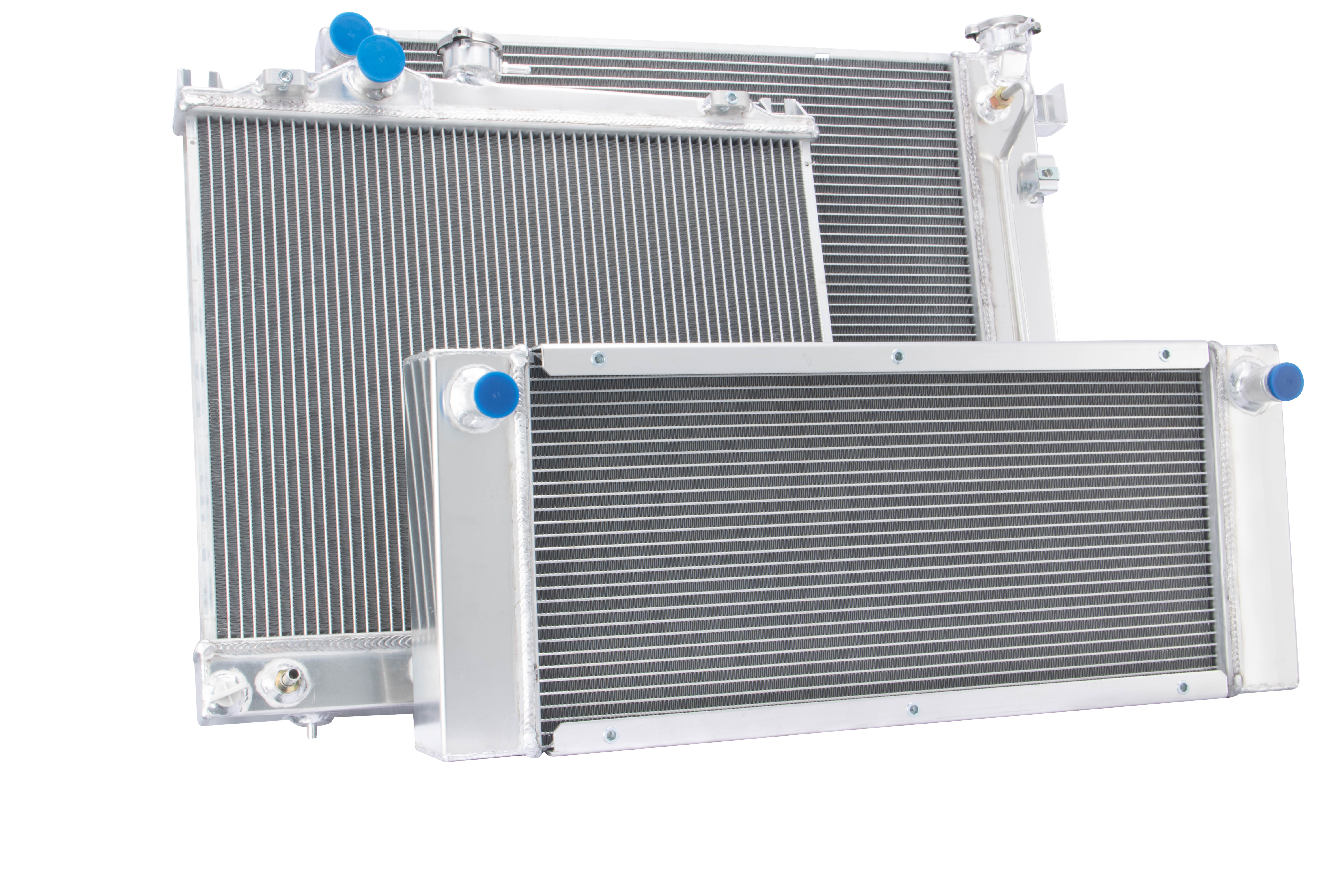
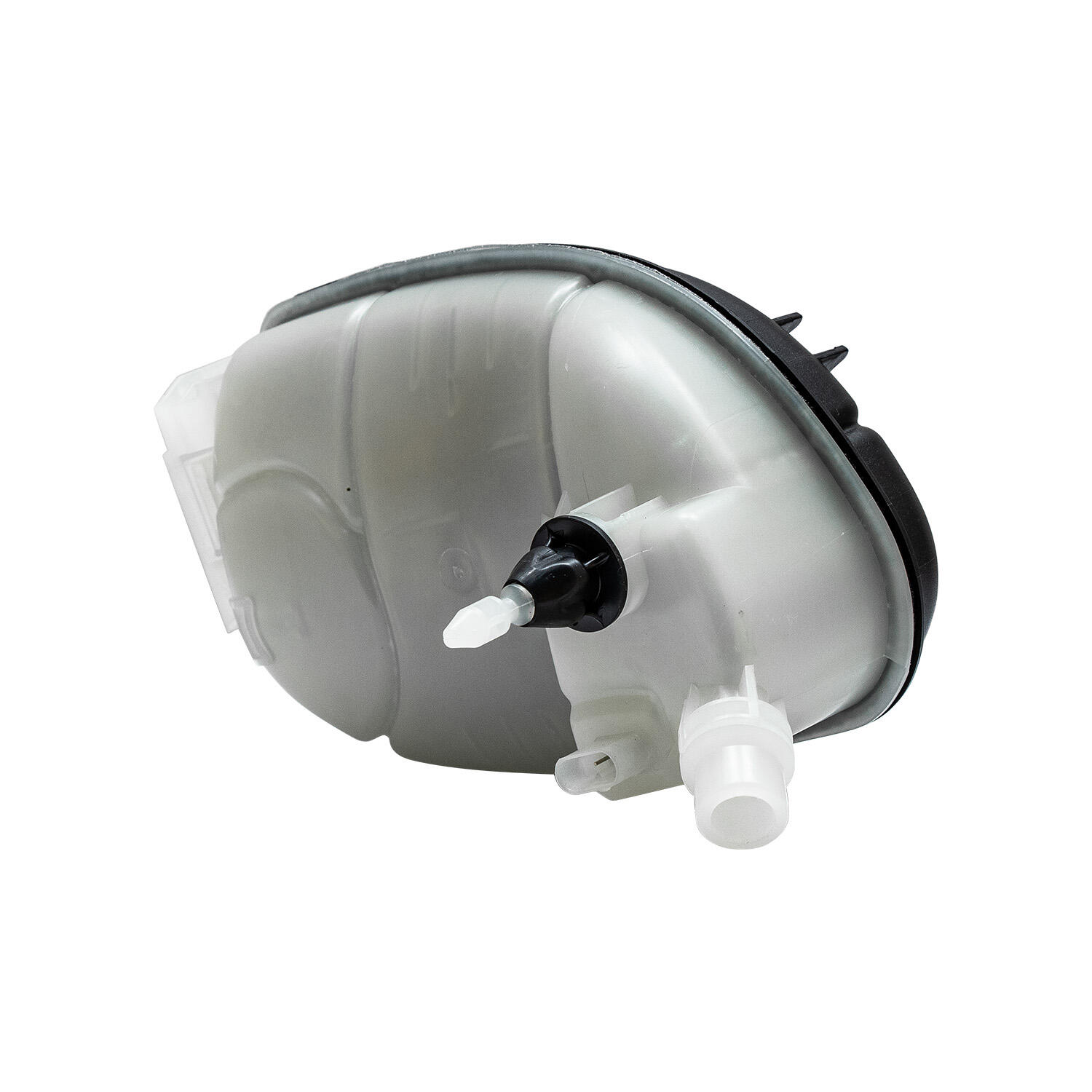
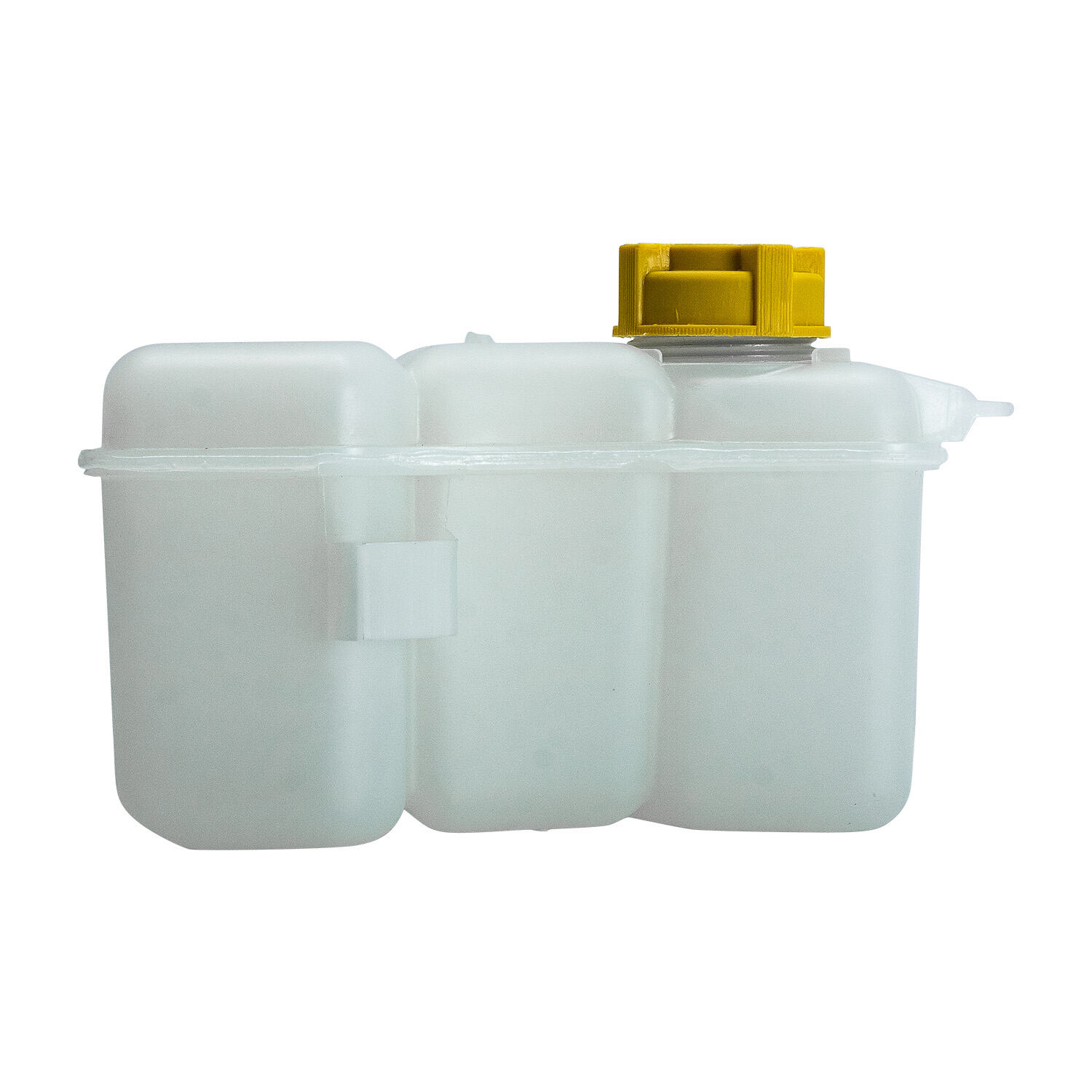
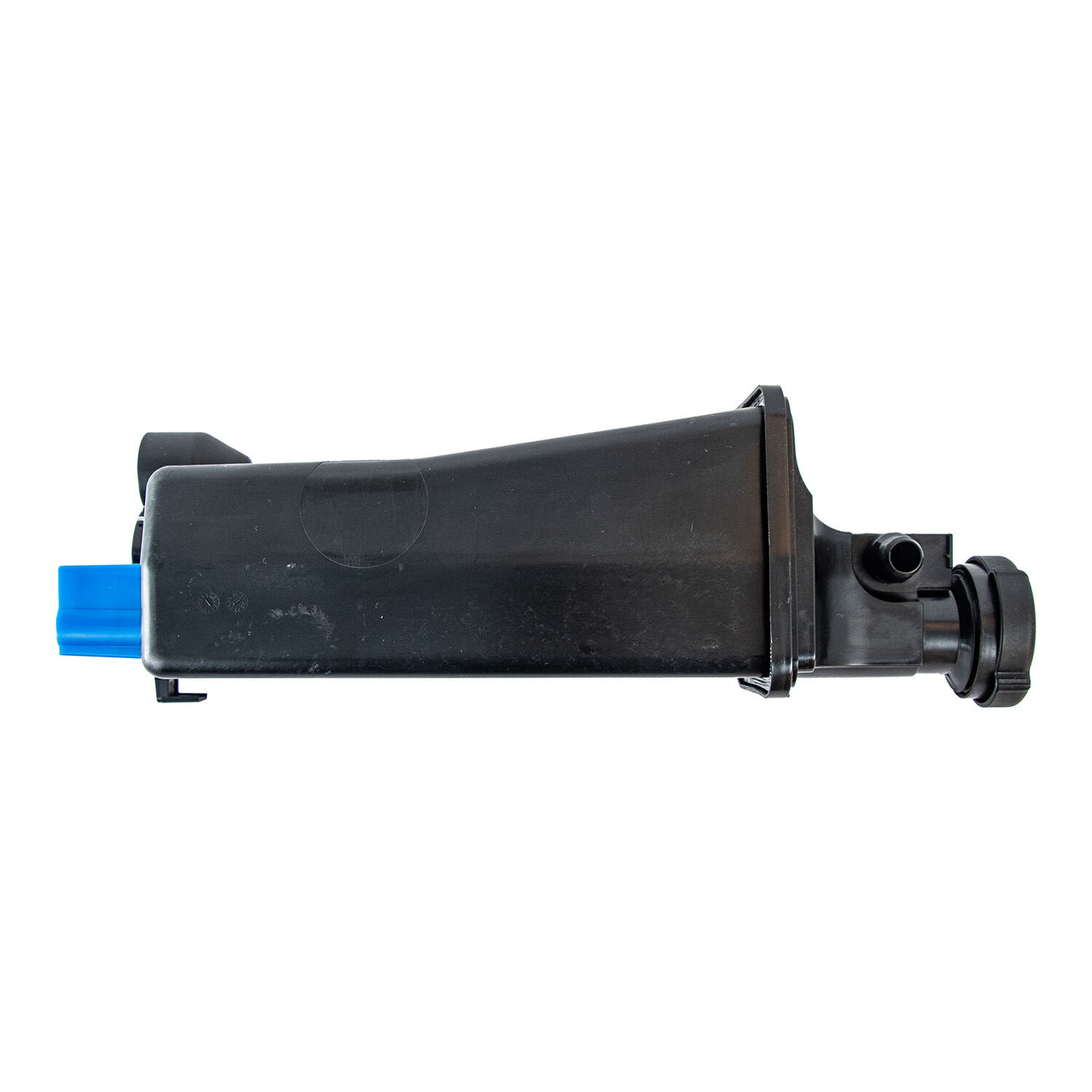
Premium Aluminium Overflow Tank - Superior Cooling System Performance and Durability

All Categories

Get a Free Quote

Our representative will contact you soon.
Email
Name
Company Name
WhatsApp
Message
0/1000

aluminium overflow tank

An aluminium overflow tank serves as a critical component in vehicle cooling systems, designed to manage excess coolant fluid that expands when heated during engine operation. This specialized reservoir captures overflow coolant that would otherwise be lost, allowing it to return to the radiator once temperatures decrease and the system contracts. The aluminium overflow tank functions as both a safety mechanism and an efficiency enhancer, preventing coolant loss while maintaining optimal operating temperatures. Modern aluminium overflow tanks feature precision-engineered construction that withstands high temperatures and pressure fluctuations inherent in automotive cooling systems. The tank connects directly to the radiator through a pressure-release valve system, automatically regulating fluid levels as thermal conditions change. When coolant heats up and expands beyond the radiator's capacity, the overflow valve opens, directing excess fluid into the aluminium overflow tank where it remains safely stored. As the engine cools and coolant contracts, a vacuum effect draws the stored fluid back into the radiator, maintaining consistent coolant levels without manual intervention. The aluminium construction offers superior heat dissipation compared to plastic alternatives, helping to cool the overflow coolant more rapidly and improve overall system efficiency. These tanks typically include transparent or translucent level indicators, allowing operators to monitor coolant levels at a glance without opening the system. The aluminium overflow tank design incorporates mounting brackets and secure fittings that ensure stable installation even under demanding driving conditions. Advanced models feature internal baffles that prevent fluid sloshing during vehicle movement, reducing stress on connections and minimizing the risk of leaks. The tank's capacity is carefully calculated to accommodate the specific expansion volume of the cooling system it serves, ensuring adequate reserve capacity without unnecessary bulk. Aluminium overflow tanks have become standard equipment in performance vehicles, racing applications, and heavy-duty machinery where reliable cooling system operation is essential for preventing engine damage and maintaining consistent performance under extreme conditions.

New Product Releases

The aluminium overflow tank delivers substantial benefits that directly impact vehicle performance, maintenance costs, and operational reliability. First and foremost, aluminium construction provides exceptional durability that outlasts plastic alternatives by significant margins. Unlike plastic tanks that become brittle over time due to heat cycling and UV exposure, aluminium maintains its structural integrity throughout the vehicle's lifespan, eliminating the need for periodic replacement and reducing long-term maintenance expenses. The material's natural resistance to corrosion ensures that the tank remains functional even in harsh environments where road salt, chemicals, and extreme temperatures would degrade lesser materials. This longevity translates into real cost savings for vehicle owners who would otherwise face recurring replacement costs associated with inferior tank materials. The superior thermal conductivity of aluminium actively contributes to cooling system efficiency by dissipating heat from the overflow coolant more effectively than plastic containers. This enhanced heat transfer helps the entire cooling system recover more quickly after high-temperature operation, reducing thermal stress on engine components and extending engine life. Vehicle owners benefit from improved temperature stability, which translates to more consistent performance and reduced risk of overheating incidents that can cause catastrophic engine damage. The lightweight nature of aluminium provides another practical advantage, as these tanks add minimal weight to the vehicle while delivering maximum strength. This weight efficiency matters particularly in performance applications where every pound affects acceleration, handling, and fuel economy. The aluminium overflow tank's resistance to pressure fluctuations ensures reliable operation even when cooling systems experience extreme conditions during spirited driving or heavy load operation. The material does not expand, warp, or deform under pressure like plastic alternatives, maintaining secure connections and preventing leaks that could lead to coolant loss and engine overheating. Installation simplicity represents another key advantage, as aluminium tanks typically feature standardized mounting points and connection fittings that integrate seamlessly with existing cooling system components. Vehicle owners can upgrade from plastic to aluminium tanks without extensive modifications, making the transition straightforward and cost-effective. The professional appearance of polished or anodized aluminium adds aesthetic value to engine bays, appealing to enthusiasts who value both function and form. Maintenance requirements remain minimal, as aluminium surfaces resist buildup and contamination that can affect plastic tanks over time. A simple visual inspection suffices to verify tank condition, and the material's transparency to certain inspection methods allows for non-invasive integrity checks. The environmental benefits of aluminium should not be overlooked, as the material is infinitely recyclable without loss of properties, making aluminium overflow tanks a more sustainable choice compared to plastic alternatives that often end up in landfills. These combined advantages make the aluminium overflow tank an intelligent investment for anyone seeking reliable, long-lasting cooling system performance with minimal maintenance demands and maximum operational confidence.

Latest News

How do hub bearings differ between passenger and heavy-duty vehicles?

30

Mar

How do hub bearings differ between passenger and heavy-duty vehicles?

Hub bearings serve as critical components in automotive wheel assemblies, enabling smooth rotation while supporting the vehicle's weight. However, the engineering requirements and design specifications for hub bearings vary dramatically between passe...
View More
How are intercooler tubes customized for different engine platforms?

21

Apr

How are intercooler tubes customized for different engine platforms?

Engine platform diversity in modern automotive manufacturing requires highly specialized cooling solutions, particularly when it comes to forced induction systems. Intercooler tubes serve as critical pathways for compressed air between turbochargers ...
View More
Top 5 Signs Your Control Arms Need Replacement

26

May

Top 5 Signs Your Control Arms Need Replacement

Control arms are critical suspension components that connect your vehicle's frame to the steering knuckle and wheel assembly, allowing your wheels to move up and down while maintaining proper alignment. These hardworking parts endure constant stress ...
View More
How Long Do Control Arms Really Last?

26

May

How Long Do Control Arms Really Last?

When vehicle owners notice unusual steering behavior, excessive tire wear, or unsettling clunking noises during turns, worn control arms often emerge as the underlying culprit. Understanding the actual lifespan of control arms requires examining mult...
View More

Get a Free Quote

Our representative will contact you soon.
Email
Name
Company Name
WhatsApp
Message
0/1000

aluminium overflow tank

Unmatched Durability and Longevity in Demanding Conditions

Unmatched Durability and Longevity in Demanding Conditions

The aluminium overflow tank stands apart from conventional cooling system components through its exceptional durability that withstands the harshest operating conditions without degradation. This remarkable longevity stems from aluminium's inherent material properties that resist the common failure modes plaguing plastic tanks. When exposed to repeated heat cycles that occur during normal vehicle operation, plastic tanks gradually lose their molecular structure, becoming brittle and prone to cracking at stress points. The aluminium overflow tank experiences no such degradation, maintaining its original strength and flexibility throughout decades of service. This durability proves especially valuable in performance applications where cooling systems regularly experience extreme temperature swings that would quickly destroy lesser materials. Racing teams and performance enthusiasts rely on aluminium overflow tanks specifically because they need components that will not fail during critical moments when engine temperatures spike during competition. The material's resistance to impact damage provides additional peace of mind, as aluminium tanks can withstand road debris strikes and minor collisions that would shatter plastic alternatives. This impact resistance matters particularly for off-road vehicles and work trucks that operate in environments where the cooling system faces constant exposure to rocks, branches, and other hazards. The aluminium overflow tank's corrosion resistance ensures reliable operation even in coastal regions where salt air accelerates deterioration of lesser materials, and in northern climates where road salt creates a corrosive environment that attacks vulnerable components. Unlike steel tanks that rust or plastic tanks that degrade under UV exposure, aluminium forms a protective oxide layer that actually strengthens over time, providing self-healing protection against environmental damage. This natural corrosion resistance eliminates the need for protective coatings or treatments that add cost and require periodic renewal. Vehicle owners benefit from this durability through reduced maintenance schedules and elimination of unexpected failures that could leave them stranded with overheating engines. The financial advantages extend beyond simple replacement cost savings, as the aluminium overflow tank's reliability prevents the cascading damage that occurs when cooling system failures lead to engine overheating. A failed plastic tank can result in thousands of dollars in engine repairs, while the aluminium alternative provides insurance against such catastrophic outcomes through its unwavering reliability under all operating conditions.
Superior Heat Management for Optimal Cooling Performance

Superior Heat Management for Optimal Cooling Performance

The aluminium overflow tank transforms cooling system efficiency through its superior thermal management capabilities that actively contribute to temperature regulation rather than simply storing excess coolant. Aluminium's thermal conductivity exceeds that of plastic by orders of magnitude, allowing the tank to function as an auxiliary heat exchanger that helps dissipate thermal energy from overflow coolant before it returns to the radiator. This heat dissipation capability becomes particularly valuable during sustained high-load operation when cooling systems work at maximum capacity to manage engine temperatures. The aluminium overflow tank acts as a thermal buffer, absorbing heat from hot overflow coolant and radiating it to the surrounding air through its external surfaces. This cooling effect reduces the temperature of coolant returning to the radiator, improving overall system efficiency and helping maintain stable operating temperatures even under demanding conditions. Performance vehicles benefit enormously from this enhanced thermal management, as consistent temperatures enable optimal engine tuning and prevent the power loss associated with heat-induced timing retardation and fuel enrichment. The tank's ability to cool overflow coolant rapidly also reduces recovery time after high-temperature events, allowing the cooling system to return to normal operating parameters more quickly than systems using plastic tanks that provide no thermal benefit. This rapid recovery matters in racing applications where drivers need maximum performance immediately after cool-down periods, and in commercial applications where equipment must return to service quickly to maintain productivity. The aluminium overflow tank's thermal properties also help prevent localized hot spots within the cooling system that can lead to premature component failure and reduced coolant effectiveness. By maintaining more uniform temperatures throughout the system, the tank contributes to extended coolant life and reduced maintenance requirements. The material's high melting point provides an additional safety margin, as aluminium tanks can withstand extreme temperature excursions that would melt plastic alternatives, preventing catastrophic failures during emergency situations when cooling systems may temporarily exceed normal operating parameters. Vehicle owners gain peace of mind knowing their aluminium overflow tank will continue functioning even if other cooling system components fail temporarily, providing crucial time to safely shut down the engine before damage occurs. The thermal efficiency of aluminium construction also contributes to faster warm-up times in cold weather, as the tank does not act as a thermal insulator that slows the entire system's temperature rise. This faster warm-up reduces engine wear during cold starts and improves cabin heating performance, delivering comfort benefits alongside the performance and reliability advantages that make aluminium overflow tanks the preferred choice for discerning vehicle owners.
Professional Engineering and Precision Manufacturing Excellence

Professional Engineering and Precision Manufacturing Excellence

The aluminium overflow tank represents the pinnacle of cooling system component engineering, incorporating advanced manufacturing techniques and precision design elements that ensure flawless operation throughout its service life. Modern aluminium overflow tanks utilize computer-aided design and finite element analysis to optimize every aspect of their construction, from wall thickness distribution to internal baffle placement and mounting point reinforcement. This engineering rigor produces tanks that maximize strength while minimizing weight, achieving optimal performance characteristics that plastic molding processes cannot match. The precision welding or seamless construction techniques employed in aluminium tank manufacturing create joints and seams that exceed the strength of the base material, eliminating weak points that could fail under pressure or vibration. This manufacturing excellence ensures that aluminium overflow tanks can safely contain pressurized coolant without risk of rupture or leakage, even when cooling systems experience pressure spikes during extreme operating conditions. The tanks feature precisely machined connection ports that create perfect seals with standard fittings, preventing the weeping and seepage common with plastic tanks whose molded threads often lack the dimensional accuracy needed for reliable sealing. Internal baffles incorporated into aluminium overflow tank designs prevent fluid sloshing that can stress connections and create pressure fluctuations within the cooling system. These baffles are strategically positioned based on fluid dynamics analysis to minimize turbulence while allowing free flow during filling and draining operations. The result is a tank that maintains stable internal conditions regardless of vehicle motion, protecting connections and preventing the fatigue failures that occur when components experience constant stress cycling. Mounting provisions integrated into aluminium overflow tanks reflect careful consideration of installation requirements and operational stresses. Reinforced mounting tabs distribute loads across wide areas, preventing stress concentration that could lead to cracking or deformation. The tanks accommodate thermal expansion through design features that allow controlled movement without compromising mounting security, ensuring that connections remain tight and leak-free throughout temperature cycles. Surface finishing options for aluminium overflow tanks range from natural mill finish to polished, anodized, or powder-coated surfaces that provide both aesthetic appeal and additional protection. Anodizing creates a hard, durable surface layer that resists scratching and enhances corrosion resistance, while powder coating offers color options that allow the tank to complement engine bay aesthetics. These finishing options add no significant cost but deliver substantial value through improved appearance and enhanced durability. The precision manufacturing of aluminium overflow tanks extends to capacity calibration, with tanks designed to provide exact reserve volumes calculated for specific cooling system requirements. This precision ensures optimal performance without excess bulk, allowing efficient packaging in crowded engine compartments while maintaining adequate capacity for all operating conditions.

Get a Quote Get a Quote Email Email WhatsApp WhatsApp WeChat WeChat
WeChat
TopTop

Get a Free Quote

Our representative will contact you soon.
Email
Name
Company Name
WhatsApp
Message
0/1000

Get a Free Quote

Our representative will contact you soon.
Email
Name
Company Name
WhatsApp
Message
0/1000

Get a Free Quote

Our representative will contact you soon.
Email
Name
Company Name
WhatsApp
Message
0/1000