Premium Radiator Reservoir Tank - Advanced Cooling System Solutions

All Categories

Get a Free Quote

Our representative will contact you soon.
Email
Name
Company Name
WhatsApp
Message
0/1000

radiator reservoir tank

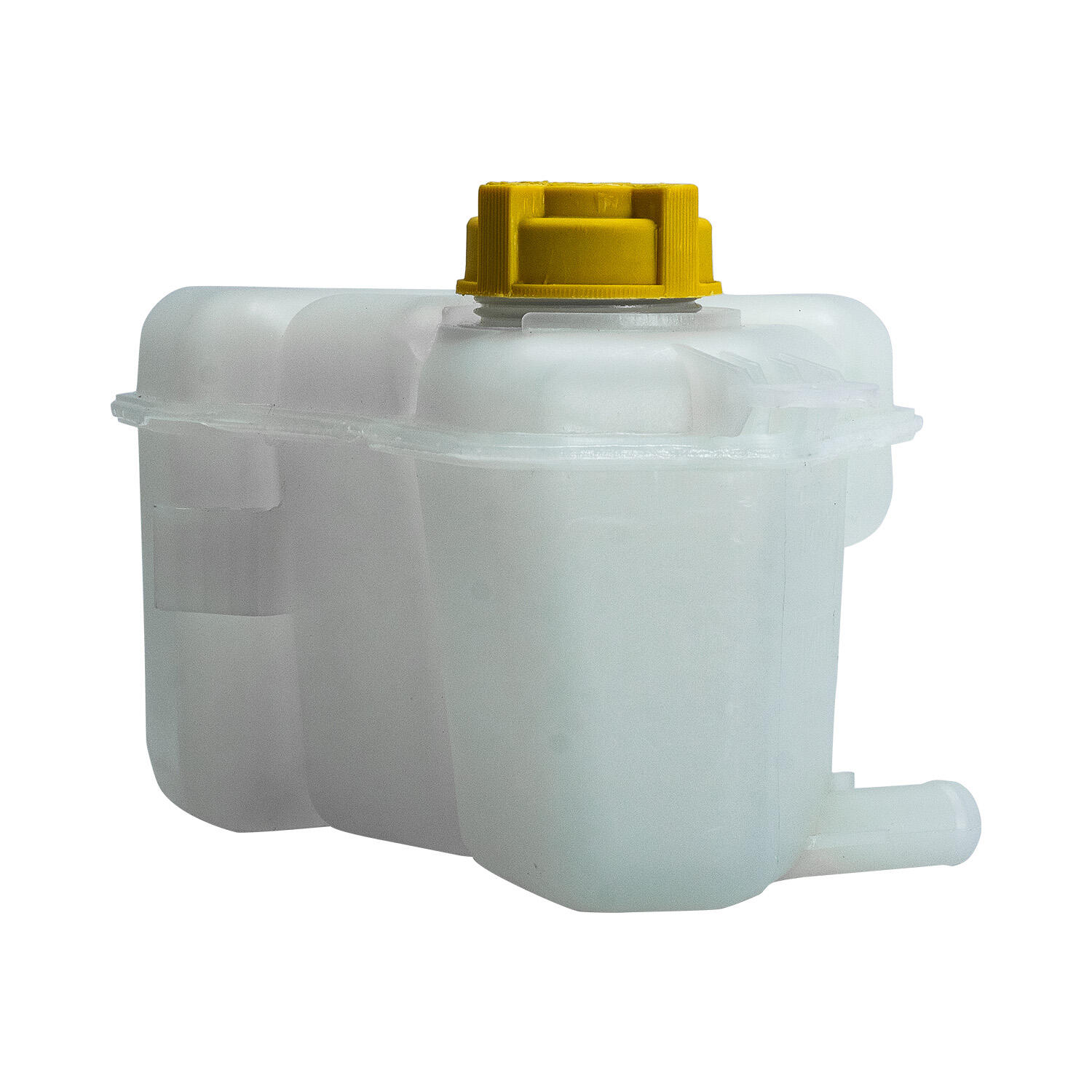
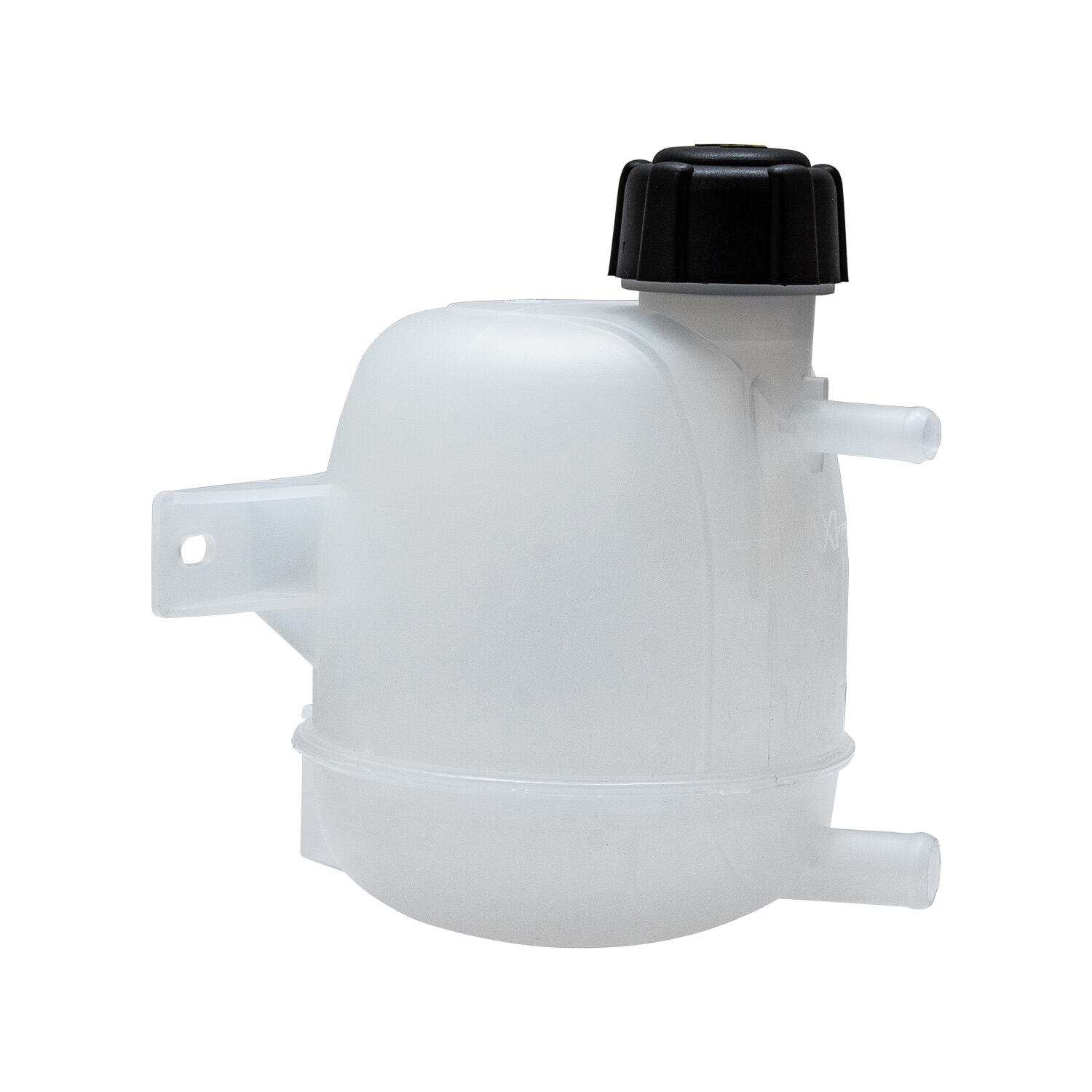
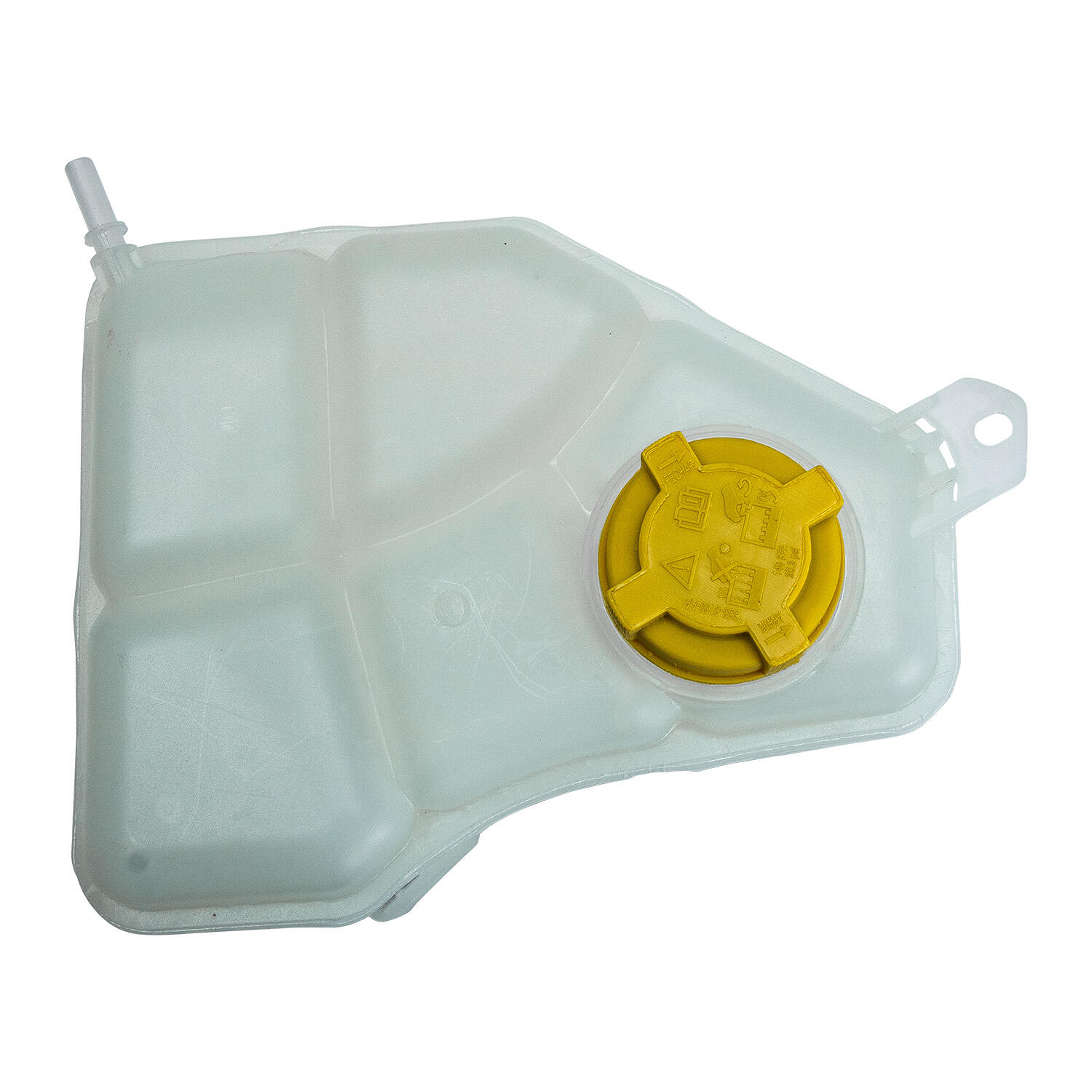
The radiator reservoir tank serves as a critical component in automotive cooling systems, functioning as an expansion chamber that manages coolant levels and pressure fluctuations during engine operation. This essential vessel, also known as a coolant overflow tank or expansion tank, maintains optimal fluid circulation throughout the engine's thermal management system. The radiator reservoir tank operates by collecting excess coolant that expands when heated, preventing overflow and maintaining consistent pressure within the cooling circuit. When the engine cools down, the tank returns stored coolant back to the radiator, ensuring continuous protection against overheating. Modern radiator reservoir tanks incorporate advanced materials such as high-temperature resistant plastics and reinforced polymers that withstand extreme thermal cycling. These containers feature transparent or translucent walls that allow visual monitoring of coolant levels, with clearly marked minimum and maximum fill lines for easy maintenance. The tank's design includes specialized inlet and outlet connections that integrate seamlessly with radiator hoses and overflow tubes. Advanced models incorporate pressure relief valves and venting systems that regulate internal pressure while preventing contamination from external debris. The radiator reservoir tank's strategic positioning within the engine bay ensures proper gravity-fed coolant return and optimal heat dissipation. Quality tanks feature corrosion-resistant materials that maintain structural integrity despite exposure to various coolant chemistries and temperature extremes. The internal design often includes baffles or chambers that minimize coolant sloshing during vehicle movement, maintaining stable fluid levels. Many radiator reservoir tanks incorporate mounting brackets and secure attachment points that resist vibration and mechanical stress. The tank's capacity varies based on engine size and cooling system requirements, typically ranging from one to three liters for most automotive applications.

Popular Products

The radiator reservoir tank delivers numerous practical benefits that enhance vehicle reliability and reduce maintenance costs for drivers and fleet operators. This essential component prevents coolant loss by capturing expanding fluid that would otherwise overflow and waste expensive coolant chemicals. Vehicle owners save money on frequent coolant replacements while protecting their engines from potentially catastrophic overheating damage. The transparent design of most radiator reservoir tanks allows drivers to monitor coolant levels without opening the radiator cap, eliminating exposure to dangerous hot pressurized coolant. This safety feature reduces the risk of burns and injuries during routine maintenance checks. The tank's expansion and contraction cycle maintains consistent pressure within the cooling system, optimizing heat transfer efficiency and extending radiator life. Mechanics appreciate how radiator reservoir tanks simplify cooling system diagnostics by providing visible indicators of coolant condition and level fluctuations. The reservoir's ability to store excess coolant prevents air pockets from forming in the cooling system, which could cause hot spots and engine damage. Modern radiator reservoir tanks feature durable construction that resists cracking, warping, and chemical degradation from various coolant formulations. The tank's design accommodates thermal expansion without creating excessive pressure that could damage radiator seals or hoses. Fleet managers benefit from reduced downtime and maintenance costs when vehicles are equipped with quality radiator reservoir tanks that maintain optimal cooling performance. The component's standardized connections and mounting systems facilitate quick replacements during routine maintenance or emergency repairs. Environmental benefits include reduced coolant waste and contamination, as the tank prevents spillage that could harm local ecosystems. The radiator reservoir tank's ability to maintain proper coolant circulation helps engines operate at optimal temperatures, improving fuel efficiency and reducing emissions. Professional technicians value how these tanks provide consistent performance across different operating conditions, from stop-and-go city driving to highway cruising. The long service life of quality radiator reservoir tanks provides excellent value for vehicle owners, often lasting the entire vehicle lifetime with minimal maintenance requirements.

Tips And Tricks

How Control Arm Technology is Evolving for 2025 SUVs

27

Aug

How Control Arm Technology is Evolving for 2025 SUVs

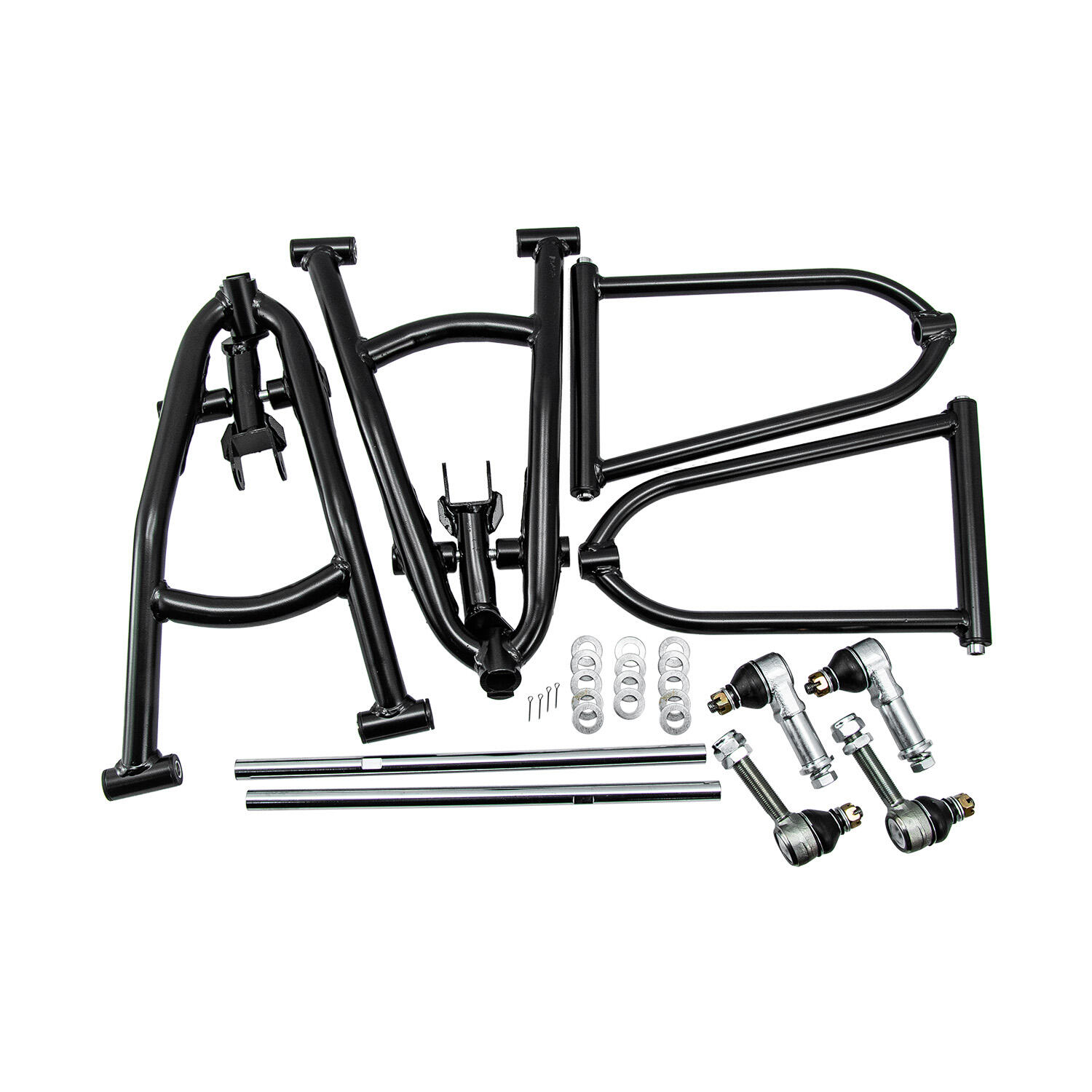
Next-Generation Suspension Innovations Reshape SUV Performance The automotive industry stands at the cusp of a revolutionary transformation in suspension systems, with control arm technology leading the charge. As 2025 approaches, SUV manufacturers a...
View More
Intercooler Maintenance Guide for 2025 High-Performance Models

19

Oct

Intercooler Maintenance Guide for 2025 High-Performance Models

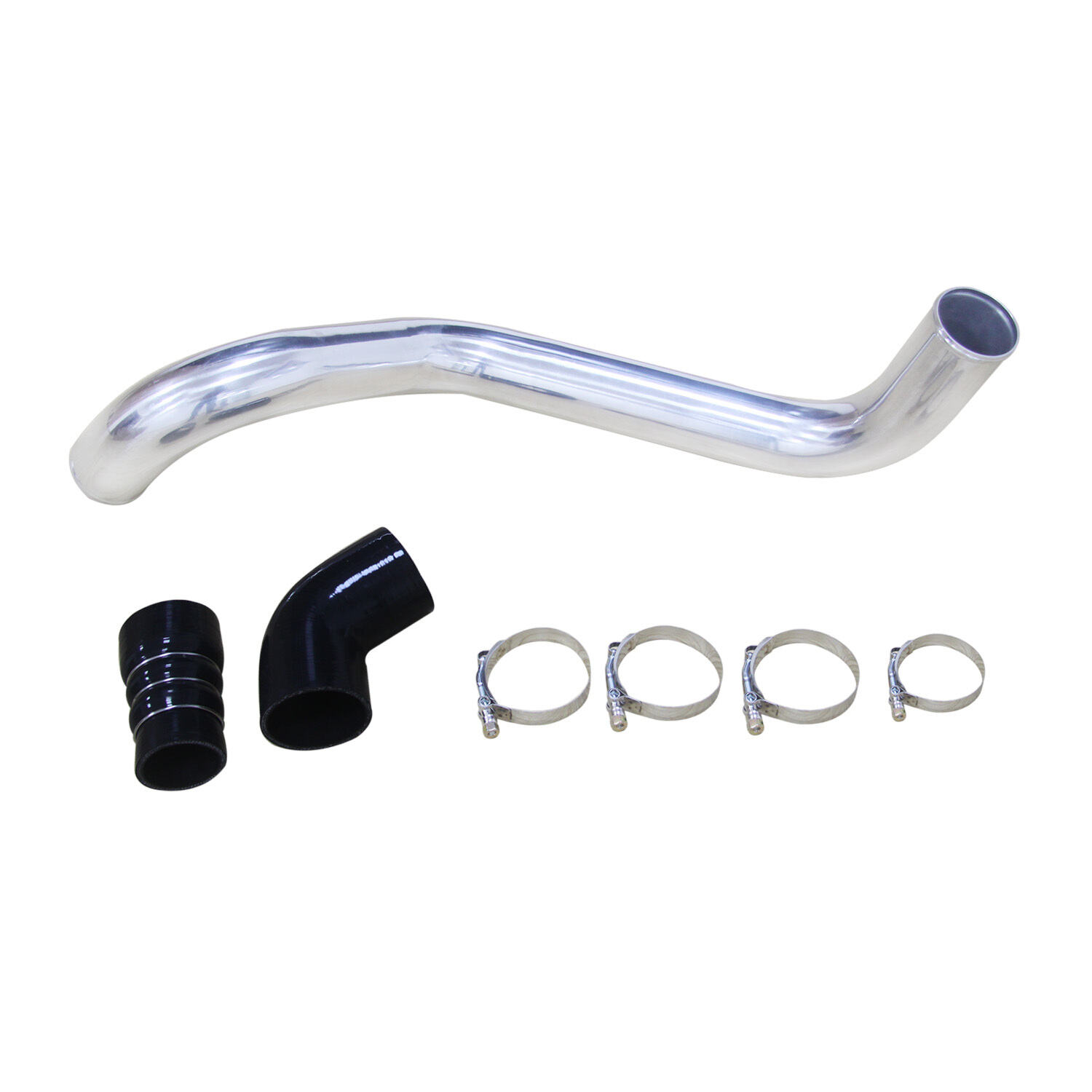
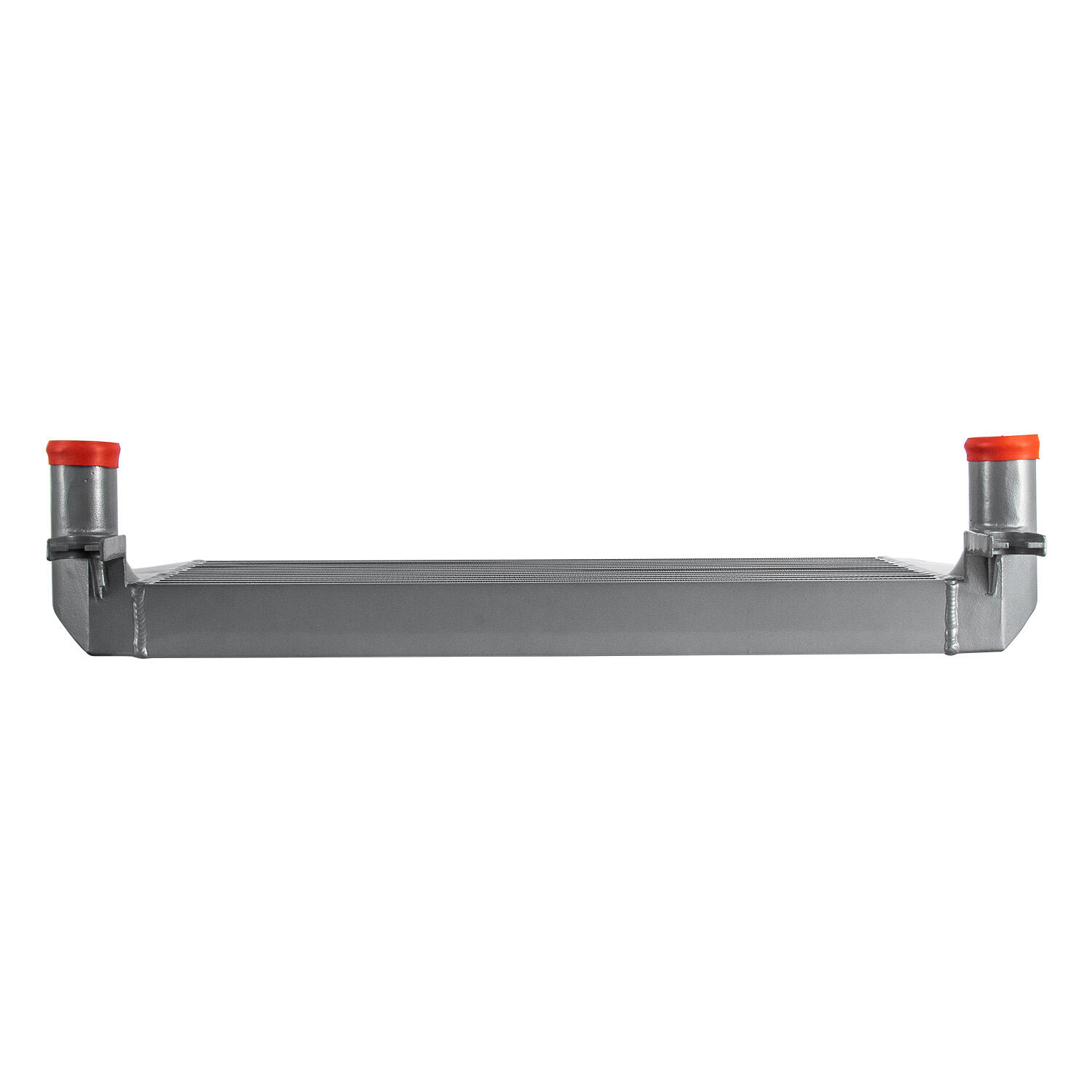
Mastering Modern Intercooler Care for Peak Engine Performance The evolution of high-performance vehicles continues to push the boundaries of engineering excellence, and at the heart of these powerful machines lies a critical component - the intercool...
View More
Preventing Intercooler Tube Leaks in 2025 Vehicle Models

19

Oct

Preventing Intercooler Tube Leaks in 2025 Vehicle Models

Understanding the Critical Role of Intercooler Systems in Modern Vehicles The automotive industry continues to evolve with advanced technologies, and the intercooler system remains a crucial component in maintaining optimal engine performance. As we ...
View More
What are common installation challenges with AC condensers in service garages?

27

Jan

What are common installation challenges with AC condensers in service garages?

Installing an ac condenser in service garages presents numerous technical challenges that automotive technicians must navigate with precision and expertise. These critical cooling system components require careful handling, proper tools, and extensiv...
View More

Get a Free Quote

Our representative will contact you soon.
Email
Name
Company Name
WhatsApp
Message
0/1000

radiator reservoir tank

Advanced Thermal Management and Pressure Control

Advanced Thermal Management and Pressure Control

The radiator reservoir tank excels in thermal management through sophisticated pressure control mechanisms that adapt to varying engine operating conditions. This critical component utilizes engineered pressure relief systems that automatically regulate internal pressure as coolant temperatures fluctuate throughout normal driving cycles. The tank's advanced design incorporates multi-stage pressure regulation that prevents excessive buildup while maintaining optimal system pressure for efficient heat transfer. During engine warm-up periods, the radiator reservoir tank accommodates rapid coolant expansion without creating dangerous pressure spikes that could damage sensitive cooling system components. The internal pressure management system ensures consistent coolant flow rates that optimize heat dissipation across all engine operating temperatures. Professional engineers design these tanks with precise pressure thresholds that activate relief mechanisms only when necessary, preventing coolant loss during normal thermal cycling. The sophisticated venting system within the radiator reservoir tank prevents vacuum formation during cooldown phases, ensuring proper coolant return flow to the radiator. This pressure control technology extends the service life of radiator seals, hoses, and gaskets by eliminating harmful pressure fluctuations that cause premature component failure. The tank's thermal management capabilities include specialized materials that resist expansion and contraction stress, maintaining structural integrity across thousands of heating and cooling cycles. Advanced radiator reservoir tanks feature integrated temperature sensors and monitoring capabilities that provide real-time feedback to engine management systems. The pressure control mechanisms work seamlessly with modern engine designs, supporting efficient operation in both urban stop-and-go traffic and sustained highway driving conditions.
Superior Durability and Material Engineering

Superior Durability and Material Engineering

The radiator reservoir tank demonstrates exceptional durability through advanced material engineering that withstands harsh automotive operating environments. Manufacturers utilize high-performance thermoplastics and composite materials that resist chemical degradation from various coolant formulations, including traditional ethylene glycol and modern organic acid technology coolants. The tank's molecular structure incorporates UV-resistant compounds that prevent deterioration from prolonged sun exposure in engine compartments. Advanced manufacturing processes create seamless tank construction that eliminates weak points where cracks typically develop in inferior products. The radiator reservoir tank's material composition includes reinforcement fibers that provide superior tensile strength while maintaining flexibility during thermal expansion cycles. Quality control testing subjects these tanks to accelerated aging protocols that simulate years of real-world operation, ensuring consistent performance throughout their service life. The chemical resistance properties of modern radiator reservoir tanks prevent corrosion and contamination that could compromise cooling system effectiveness. Specialized surface treatments on tank interiors create smooth, non-reactive surfaces that maintain coolant purity and prevent sediment accumulation. The robust mounting systems integrated into radiator reservoir tanks utilize reinforced attachment points that withstand engine vibration and road shock without loosening or failing. Advanced material formulations resist temperature extremes from sub-zero winter conditions to extreme summer heat, maintaining structural integrity across all climatic conditions. The tank's design incorporates stress distribution features that prevent crack propagation from impact damage or mounting stress. Quality radiator reservoir tanks undergo rigorous pressure testing that exceeds automotive industry standards, ensuring reliable performance under extreme operating conditions. The material engineering advances result in tanks that maintain transparency and flexibility throughout their operational life, providing consistent visual monitoring capabilities for vehicle owners and maintenance professionals.
Comprehensive System Integration and Maintenance Benefits

Comprehensive System Integration and Maintenance Benefits

The radiator reservoir tank provides comprehensive system integration that enhances overall cooling system performance while delivering significant maintenance benefits for vehicle owners and service professionals. This essential component integrates seamlessly with modern cooling system designs through standardized connections and mounting configurations that ensure proper fitment across diverse vehicle applications. The tank's strategic positioning within the cooling circuit optimizes coolant flow patterns and heat dissipation efficiency throughout the entire thermal management system. Advanced radiator reservoir tanks feature multiple connection points that accommodate various hose routing configurations, providing flexibility for different engine bay layouts and cooling system designs. The integration capabilities extend to electronic monitoring systems that track coolant levels and temperatures, providing early warning indicators for potential cooling system issues. Maintenance professionals appreciate how radiator reservoir tanks simplify cooling system service procedures by providing easy access for coolant level checks and fluid changes. The transparent tank design eliminates guesswork during maintenance inspections, allowing technicians to quickly assess coolant condition and identify potential contamination or degradation issues. The tank's removable cap design facilitates easy coolant addition and system bleeding procedures, reducing service time and labor costs for routine maintenance. Quality radiator reservoir tanks include graduated level markings that provide precise fluid measurement capabilities for accurate coolant mixture ratios and system capacity calculations. The component's modular design enables quick replacement during routine maintenance without requiring extensive cooling system disassembly or specialized tools. Fleet maintenance operations benefit from standardized radiator reservoir tank designs that reduce parts inventory requirements and streamline service procedures across multiple vehicle types. The tank's self-contained operation reduces the need for frequent cooling system maintenance by automatically managing coolant levels and preventing air intrusion that could compromise system performance. Professional service centers value how these tanks provide visual diagnostics that help identify cooling system problems before they result in costly engine damage or unexpected vehicle downtime.
Get a Quote Get a Quote Email Email WhatsApp WhatsApp WeChat WeChat
WeChat
TopTop

Get a Free Quote

Our representative will contact you soon.
Email
Name
Company Name
WhatsApp
Message
0/1000

Get a Free Quote

Our representative will contact you soon.
Email
Name
Company Name
WhatsApp
Message
0/1000

Get a Free Quote

Our representative will contact you soon.
Email
Name
Company Name
WhatsApp
Message
0/1000