Transparent Construction for Effortless Maintenance Monitoring
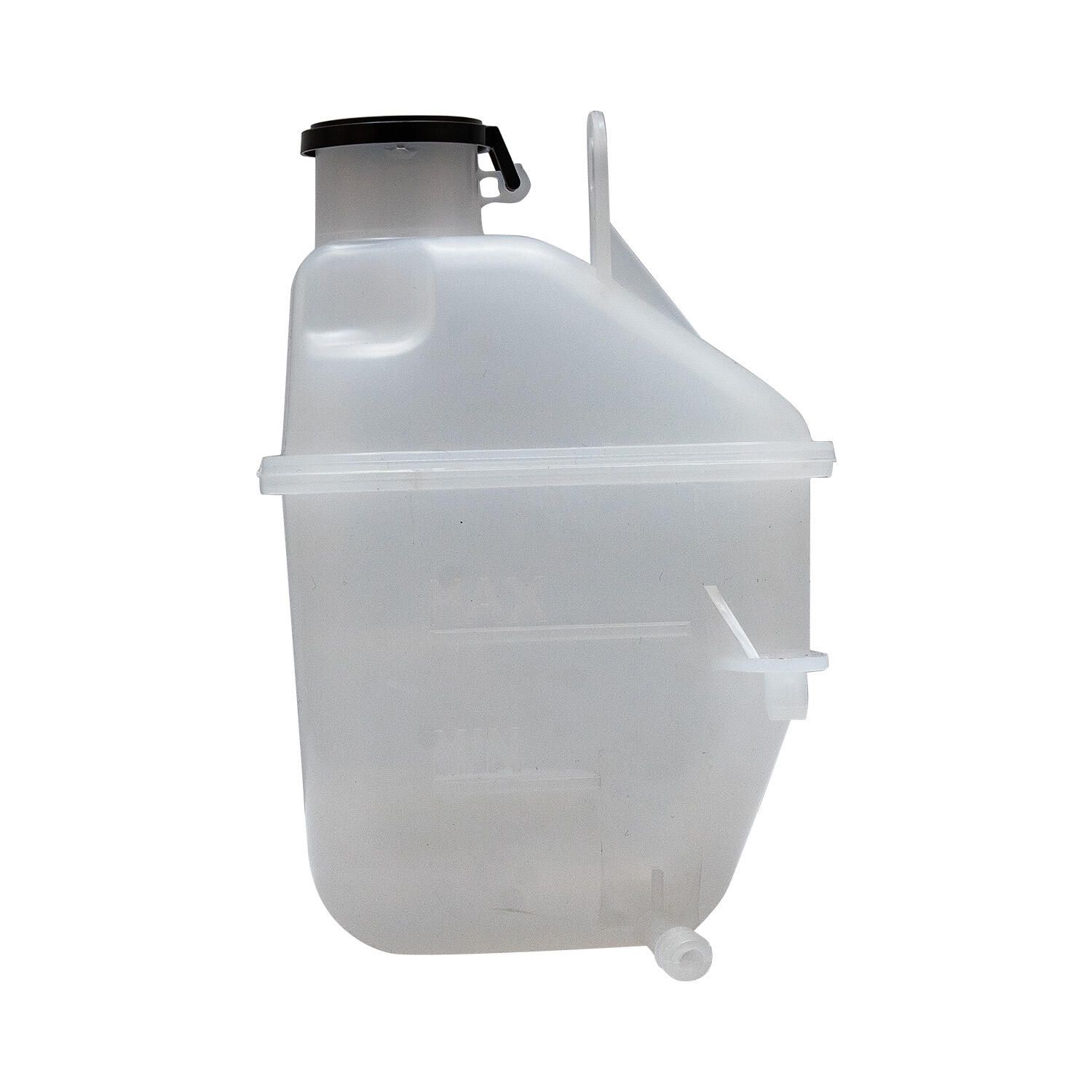
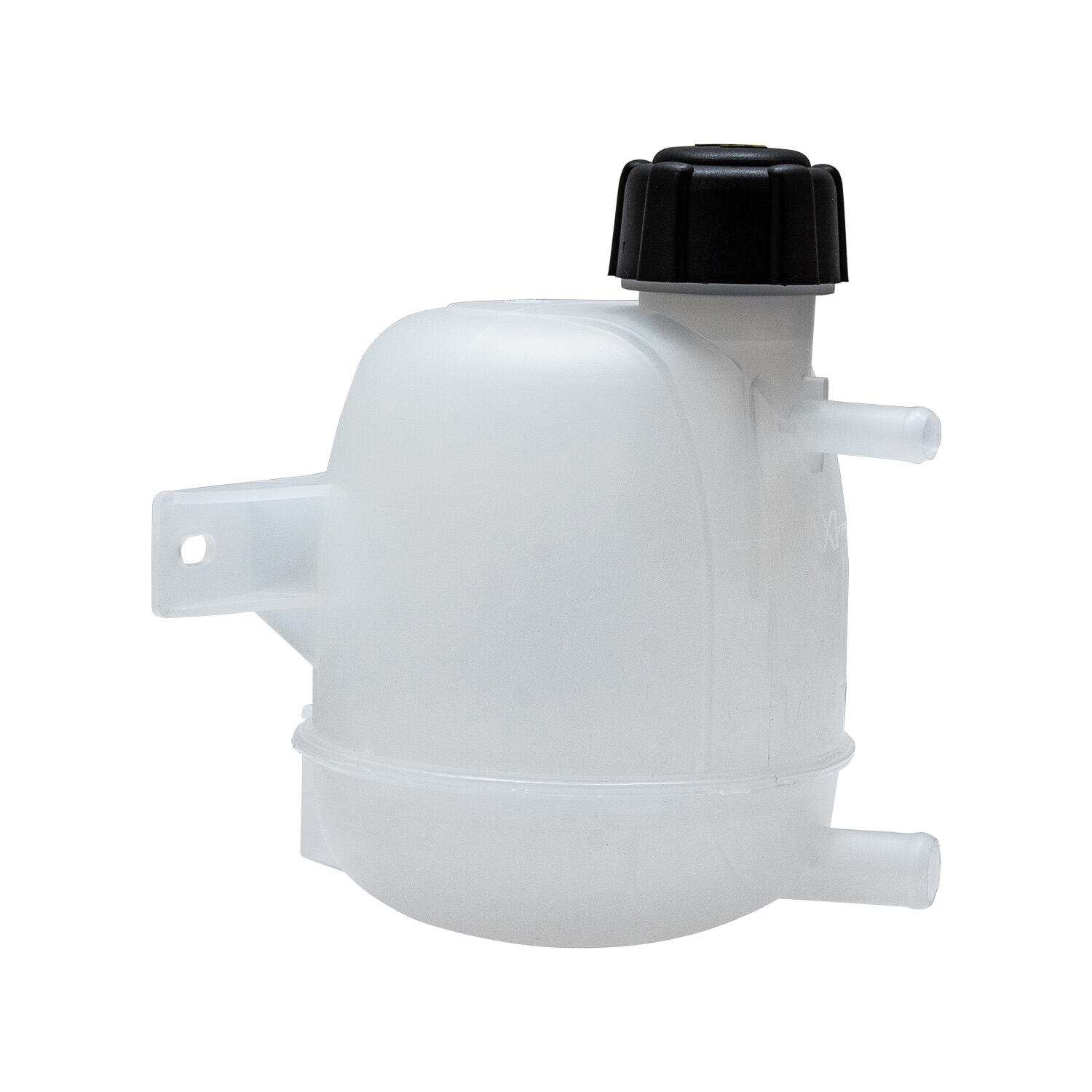
The transparent or translucent construction material used in quality car radiator overflow tank manufacturing delivers practical advantages that simplify vehicle maintenance and help you catch potential problems before they become expensive repairs. Unlike opaque metal tanks used in older vehicles, modern see-through designs allow instant visual assessment of both coolant quantity and condition without removing any caps or using special tools. This seemingly simple feature provides multiple layers of benefit for vehicle owners. When you pop your hood for routine checks, you can immediately verify that coolant levels fall between the minimum and maximum marks clearly molded into the car radiator overflow tank body. This quick inspection takes mere seconds and requires no physical contact with hot components, eliminating burn risks associated with removing radiator caps on warm engines. The transparency also enables you to assess coolant color and clarity, which reveals important information about cooling system health. Fresh coolant typically appears bright green, orange, pink, or yellow depending on the formulation, with a clean, translucent quality. As coolant ages and accumulates contaminants, it darkens and becomes murky, signaling the need for a flush and replacement. Rust particles appear as brown sediment, while oil contamination creates a milky appearance, both indicating serious problems requiring immediate attention. The car radiator overflow tank transparent design lets you spot these warning signs during regular inspections, potentially saving you from catastrophic engine damage. The material science behind modern overflow tanks balances transparency with durability, utilizing advanced polymers that resist UV degradation, chemical attack from coolant additives, and thermal stress from constant heating and cooling cycles. These engineered plastics maintain their clarity for years without yellowing or becoming brittle, ensuring long-term visibility for maintenance purposes. The molded fill level markings on the car radiator overflow tank remain permanently visible, unlike painted or sticker indicators that can fade or peel over time. Many premium tanks incorporate raised or recessed markings that you can feel by touch, providing accessibility for visually impaired individuals or inspections in low-light conditions. This user-friendly design philosophy extends to cap placement and hose routing, with manufacturers positioning components for maximum accessibility within crowded engine bays. The transparent car radiator overflow tank essentially functions as a diagnostic window into your cooling system, empowering you to take proactive maintenance actions based on visual evidence rather than guesswork or arbitrary service intervals.