Pressure Management and System Protection
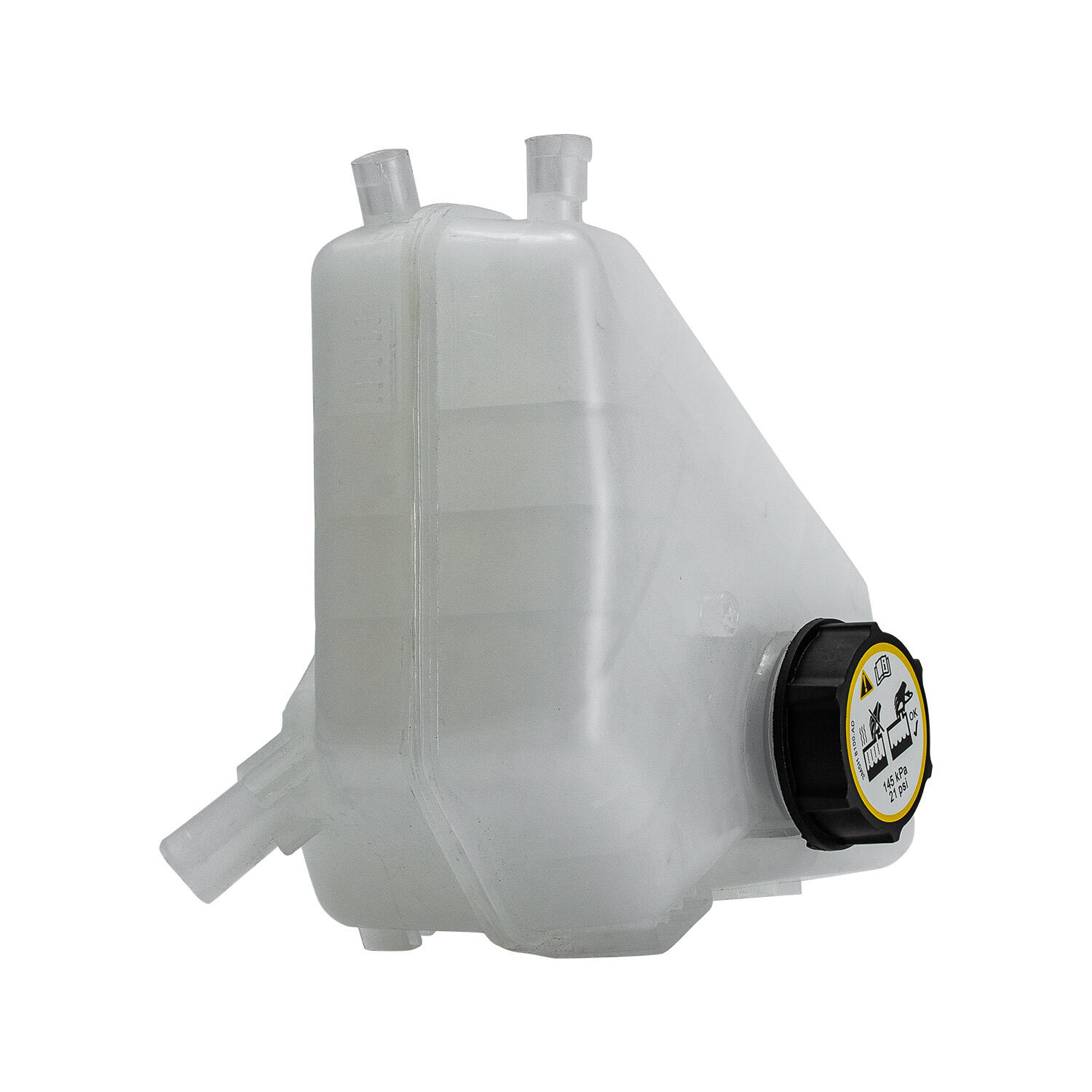
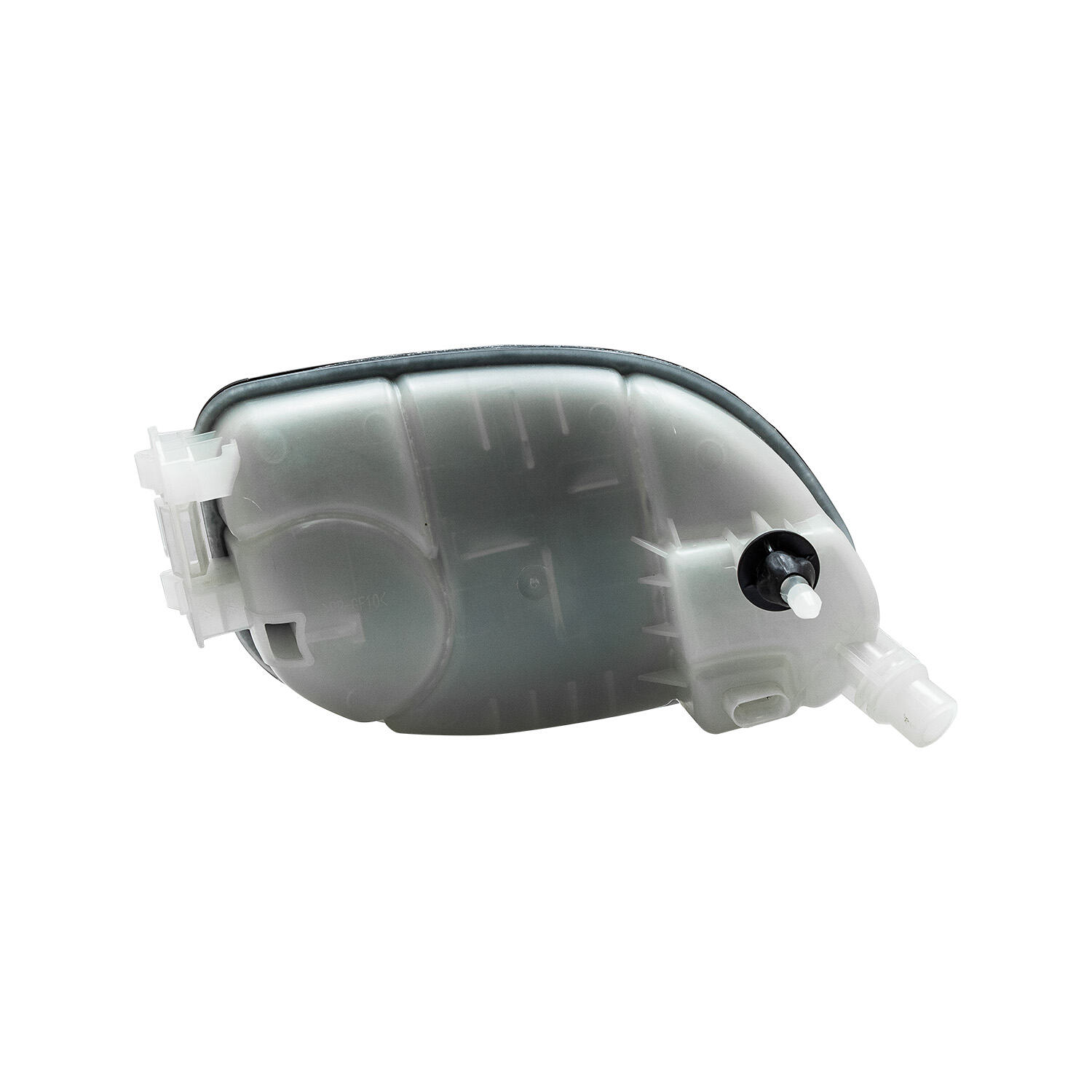
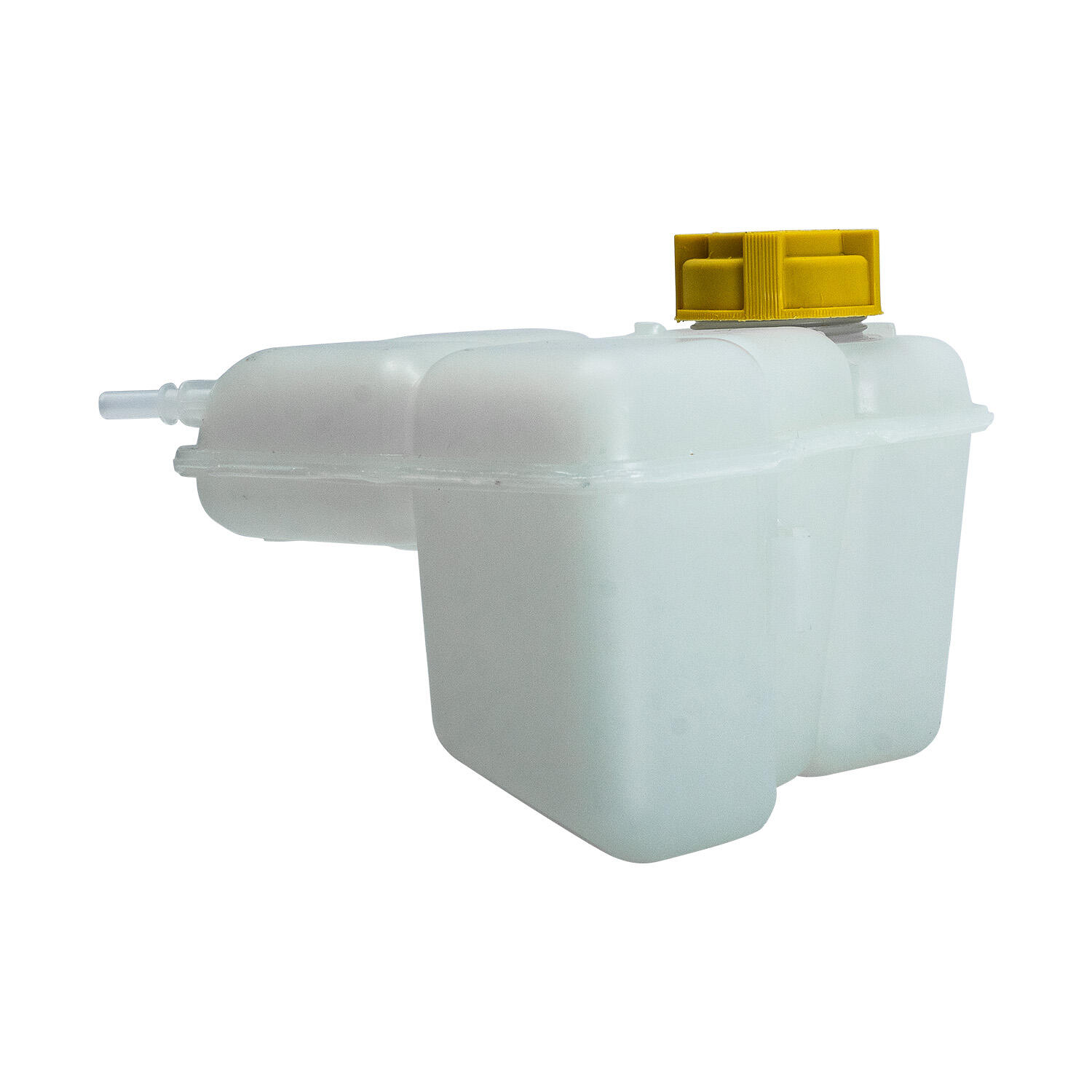
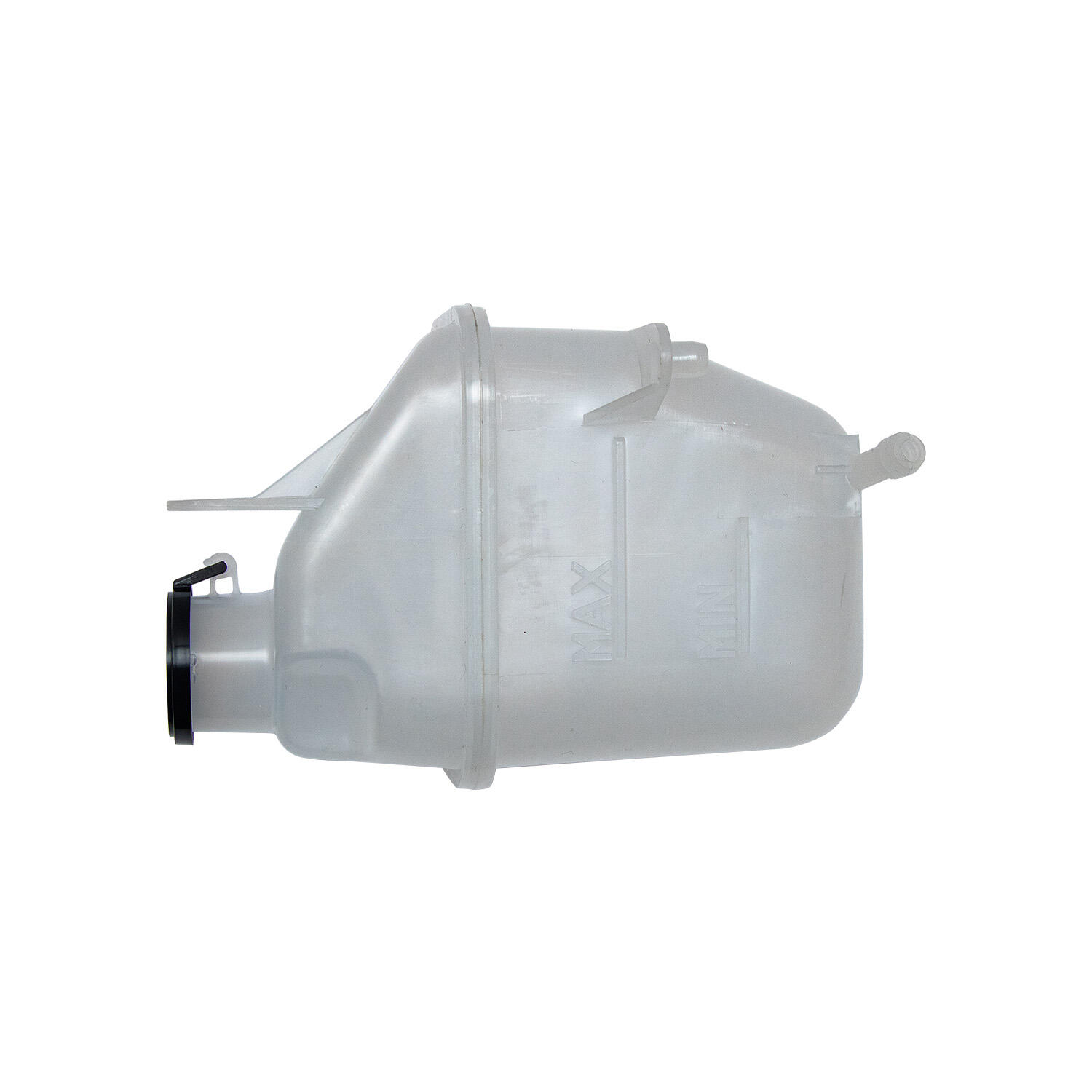
The radiator reserve tank functions as the primary pressure control center for your vehicle's entire cooling system, a role that directly prevents expensive component failures and extends system lifespan. When coolant heats up inside your engine, it expands significantly, creating pressure that must go somewhere to avoid damaging hoses, gaskets, and the radiator itself. The reserve tank accepts this expanding coolant through a connecting hose, providing a safe expansion chamber that accommodates volume changes without stressing other components. The specialized cap on the radiator reserve tank contains precision-engineered valves that open at specific pressure thresholds, typically between 13 and 16 PSI depending on your vehicle's requirements. When system pressure exceeds this threshold, the valve opens slightly to release pressure into the atmosphere, preventing dangerous buildup that could rupture hoses or blow out gaskets. Conversely, when the engine cools and coolant contracts, creating negative pressure that could collapse hoses, the cap valve opens in the opposite direction to admit air and equalize pressure. This bidirectional pressure regulation happens automatically throughout every drive cycle, protecting your investment without requiring any action on your part. The radiator reserve tank also serves as a buffer against pressure spikes that occur during sudden temperature changes, such as when you turn off a hot engine or when the thermostat opens suddenly. These rapid pressure fluctuations can stress cooling system components over time, leading to premature failure of radiator seams, hose connections, and water pump seals. By absorbing these pressure variations, the reserve tank acts like a shock absorber for your cooling system, smoothing out the stress cycles that cause fatigue damage. The tank's volume capacity is carefully calculated to handle the maximum expansion your cooling system will experience, ensuring adequate space exists even under extreme operating conditions like mountain driving or heavy towing. Quality radiator reserve tank designs incorporate reinforced construction at stress points where mounting brackets attach and where hoses connect, preventing cracks that could compromise the pressure containment function. The material selection for modern tanks focuses on plastics that maintain flexibility across wide temperature ranges, from freezing winter conditions to summer engine bay heat exceeding 200 degrees Fahrenheit. This flexibility prevents the brittleness that causes older tanks to crack and fail.