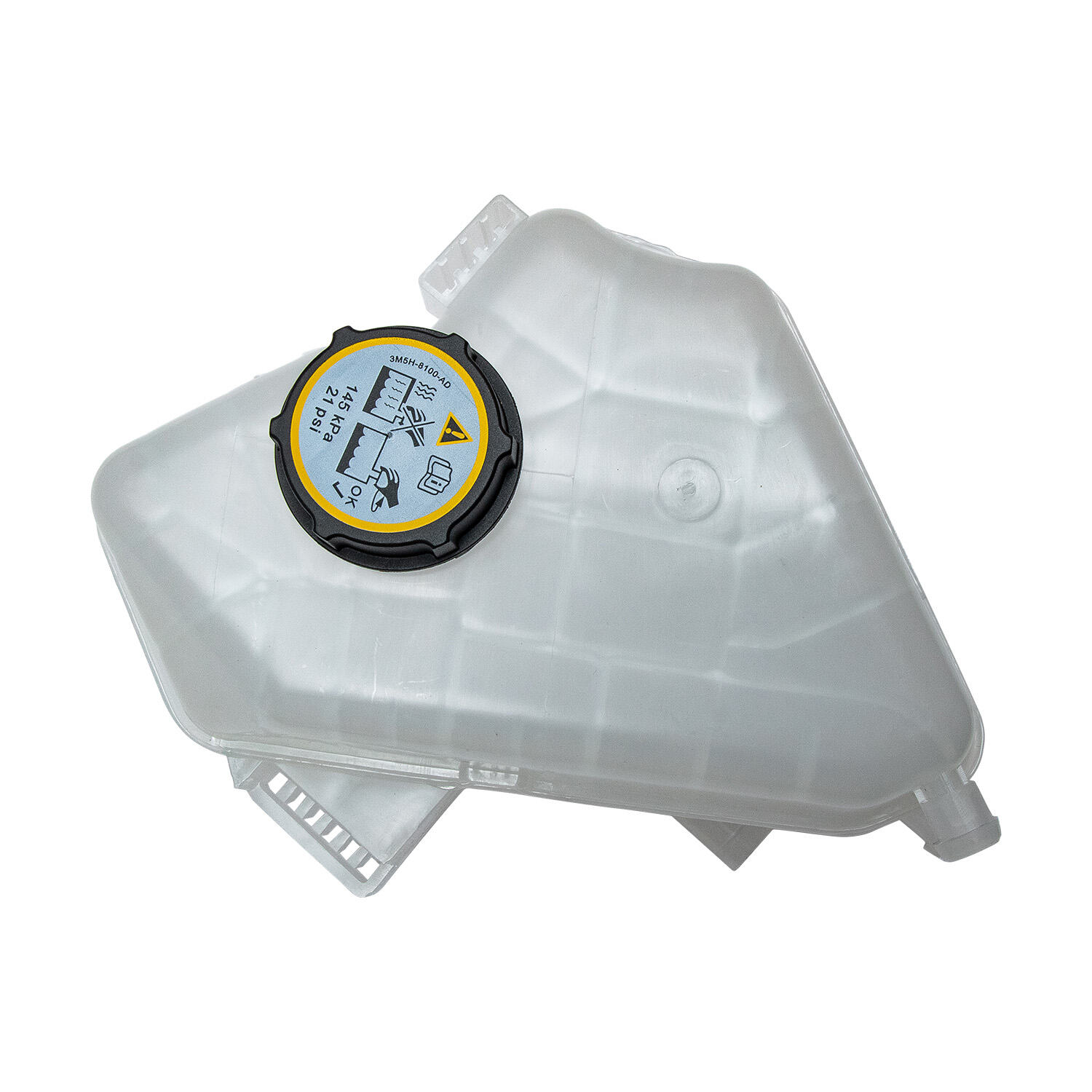
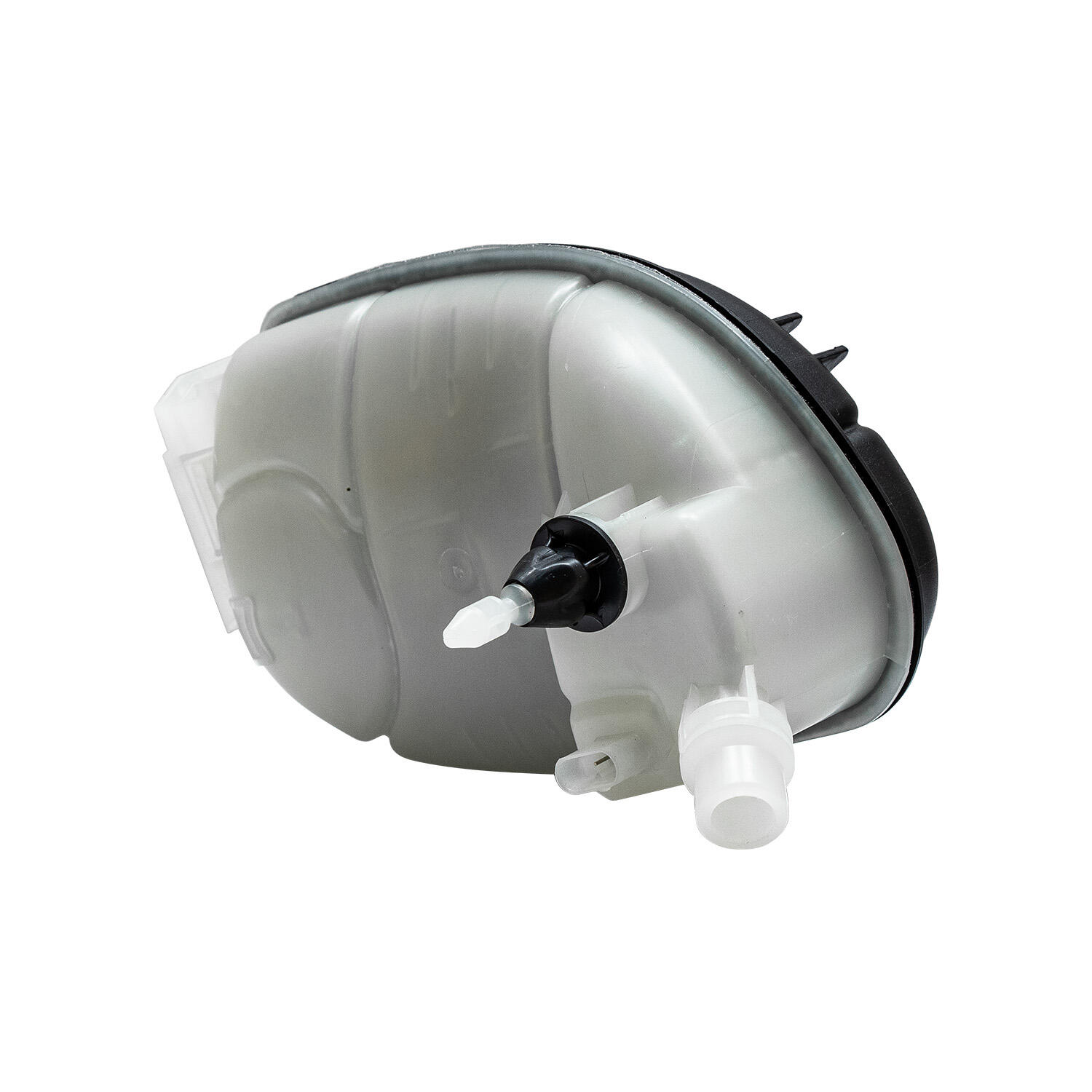
Precision Engineering for Perfect Integration
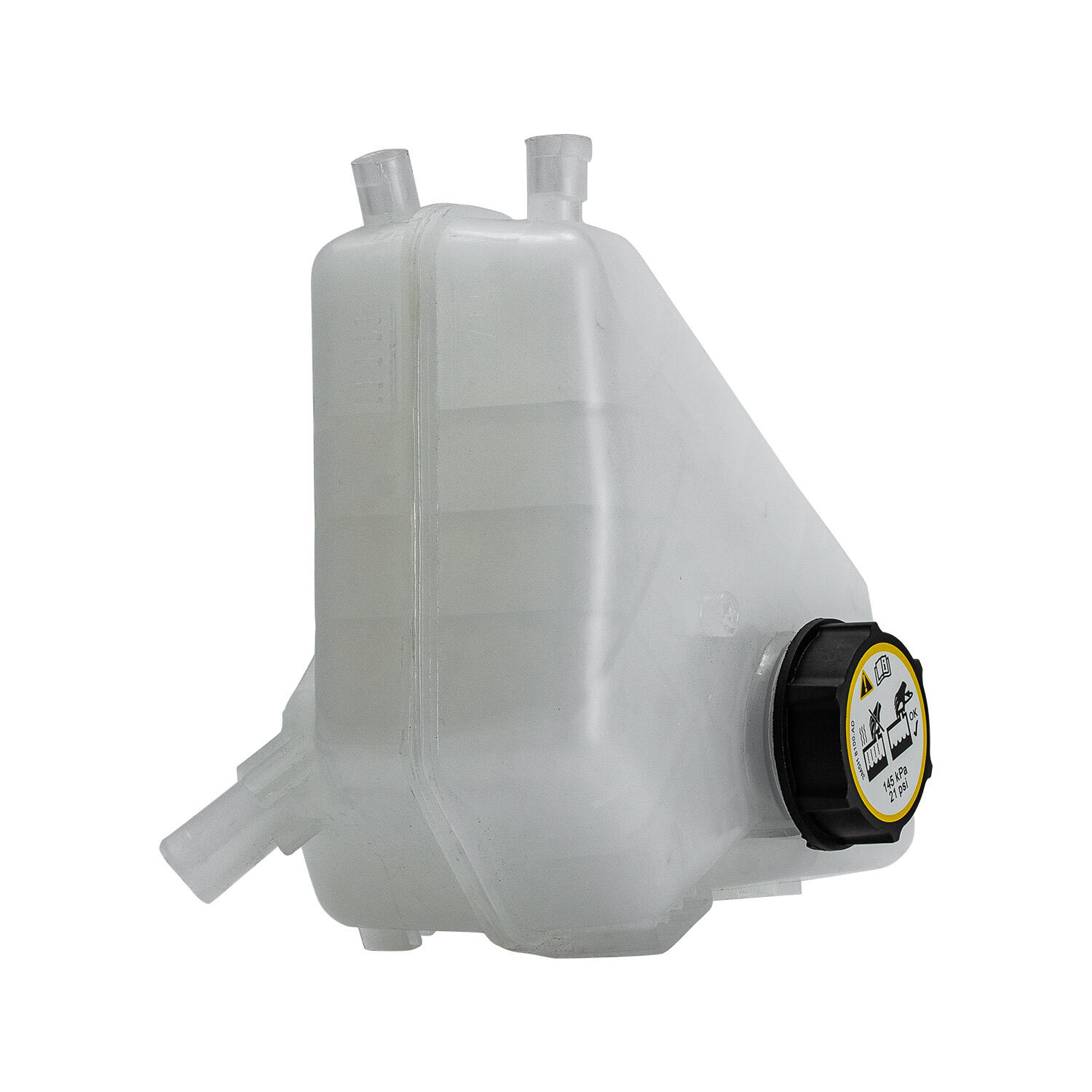
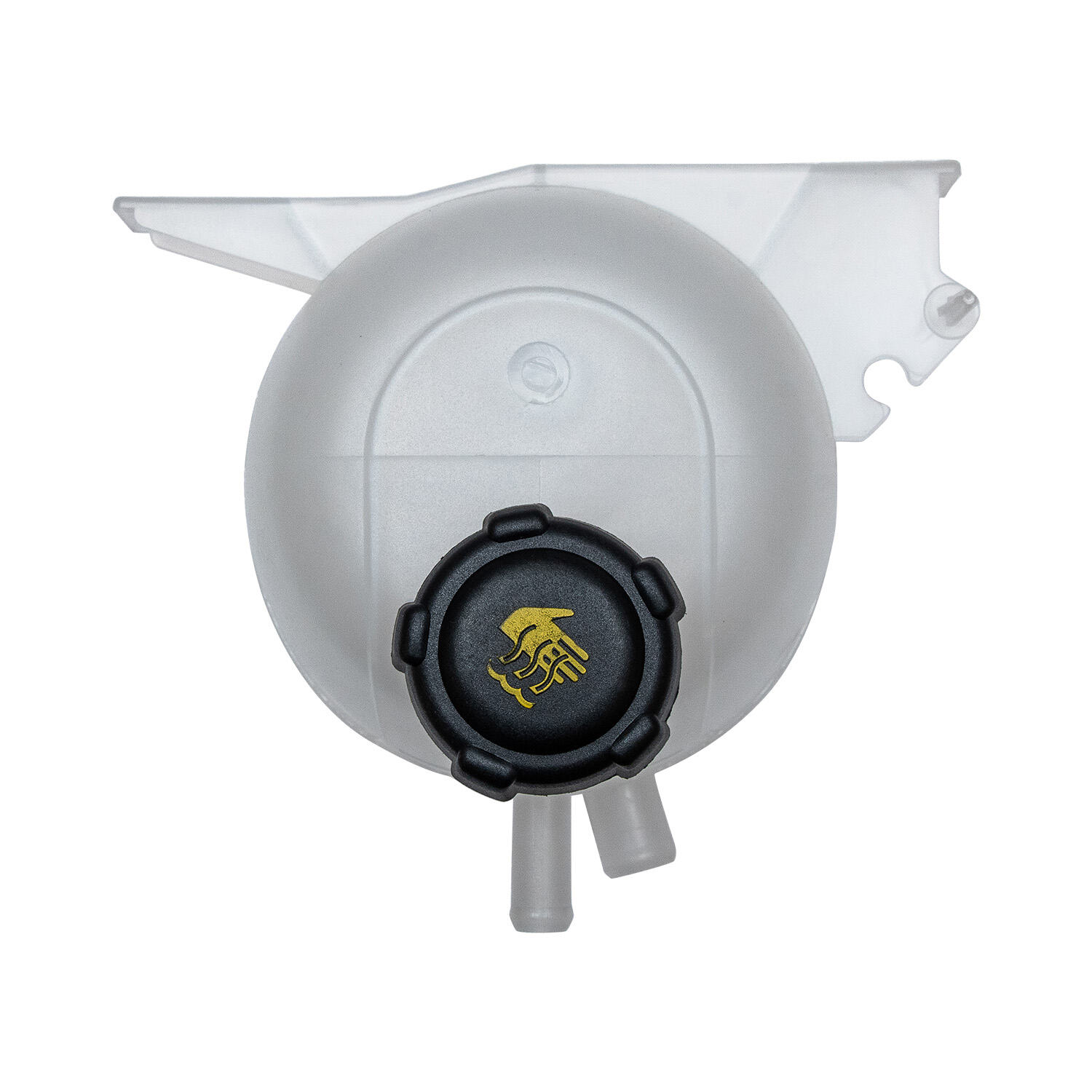
The precision engineering behind a custom coolant overflow tank represents a fundamental departure from one-size-fits-all solutions, delivering integration that transforms both functionality and appearance. When you invest in a custom coolant overflow tank, you receive a component manufactured to exact measurements derived from your specific vehicle's dimensions, mounting points, and spatial constraints. This meticulous approach begins with detailed assessment of available space, considering not only the primary installation area but also clearance for hoses, electrical components, and maintenance access. Engineers account for heat sources, vibration patterns, and potential interference with other systems, ensuring the custom coolant overflow tank occupies its designated space without compromise. The manufacturing process employs advanced techniques such as computer-aided design, precision welding, and CNC machining to achieve tolerances measured in fractions of millimeters. This level of accuracy ensures mounting brackets align perfectly with existing holes or reinforced areas, eliminating the stress concentrations that occur when forcing ill-fitting parts into place. Inlet and outlet ports are positioned to minimize hose routing complexity, reducing the number of bends and connections that could become failure points. The result is an installation process that proceeds smoothly, often requiring fewer tools and less time than adapting a generic tank. Beyond physical fitment, precision engineering optimizes the internal design of the custom coolant overflow tank for maximum efficiency. Strategically placed baffles control fluid movement, preventing the sloshing that can introduce air into the cooling system during acceleration, braking, or cornering. The internal volume is calculated to provide adequate reserve capacity for your engine's specific coolant expansion characteristics, accounting for factors like displacement, typical operating temperatures, and intended use patterns. This scientific approach to capacity planning ensures the tank neither runs dry during extended high-temperature operation nor wastes space with excessive unused volume. The connection interfaces on a precision-engineered custom coolant overflow tank utilize fittings sized and threaded to match your cooling system's existing components, eliminating the need for adapters that introduce potential leak points. Hose barbs are designed with appropriate diameter and length to ensure secure connections without requiring excessive clamp pressure that could damage hoses over time. Pressure relief and vacuum valve specifications match your radiator cap's ratings, maintaining proper system pressure throughout the temperature cycle. This attention to compatibility details prevents the cascade of small problems that often plague installations using mismatched components. Quality control in precision engineering extends throughout the manufacturing process, with each custom coolant overflow tank undergoing pressure testing, dimensional verification, and visual inspection before shipment. This rigorous validation ensures the component you receive meets the exact specifications promised, eliminating the disappointment and wasted time associated with defective or incorrectly manufactured parts. The confidence that comes from knowing your custom coolant overflow tank will fit correctly the first time represents significant value, particularly for professional installers working under time constraints or enthusiasts tackling complex builds with limited opportunities for trial and error.