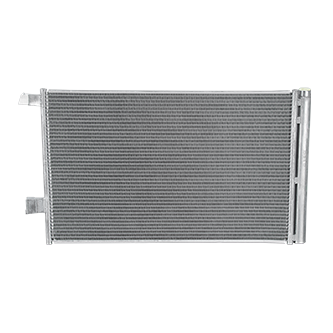
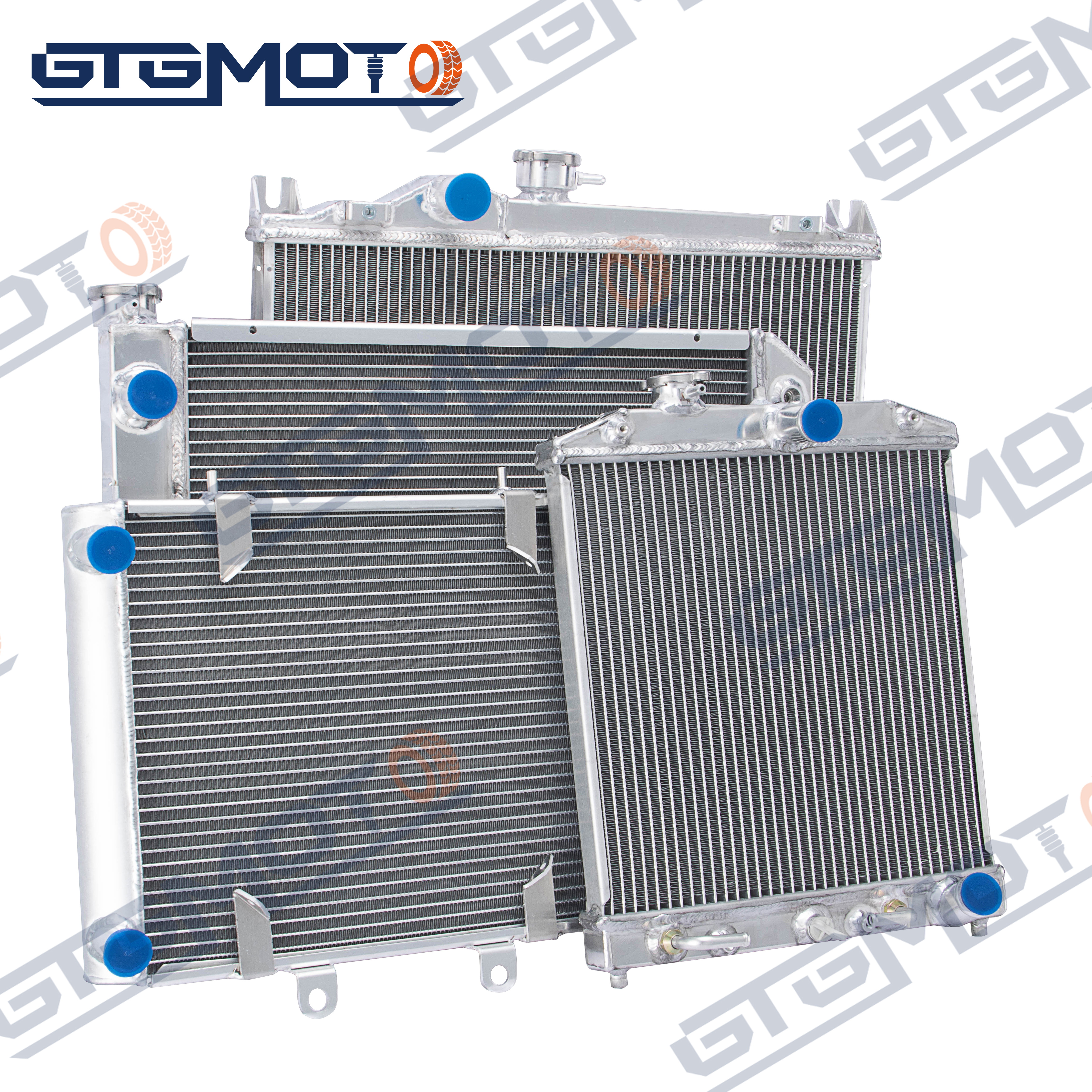
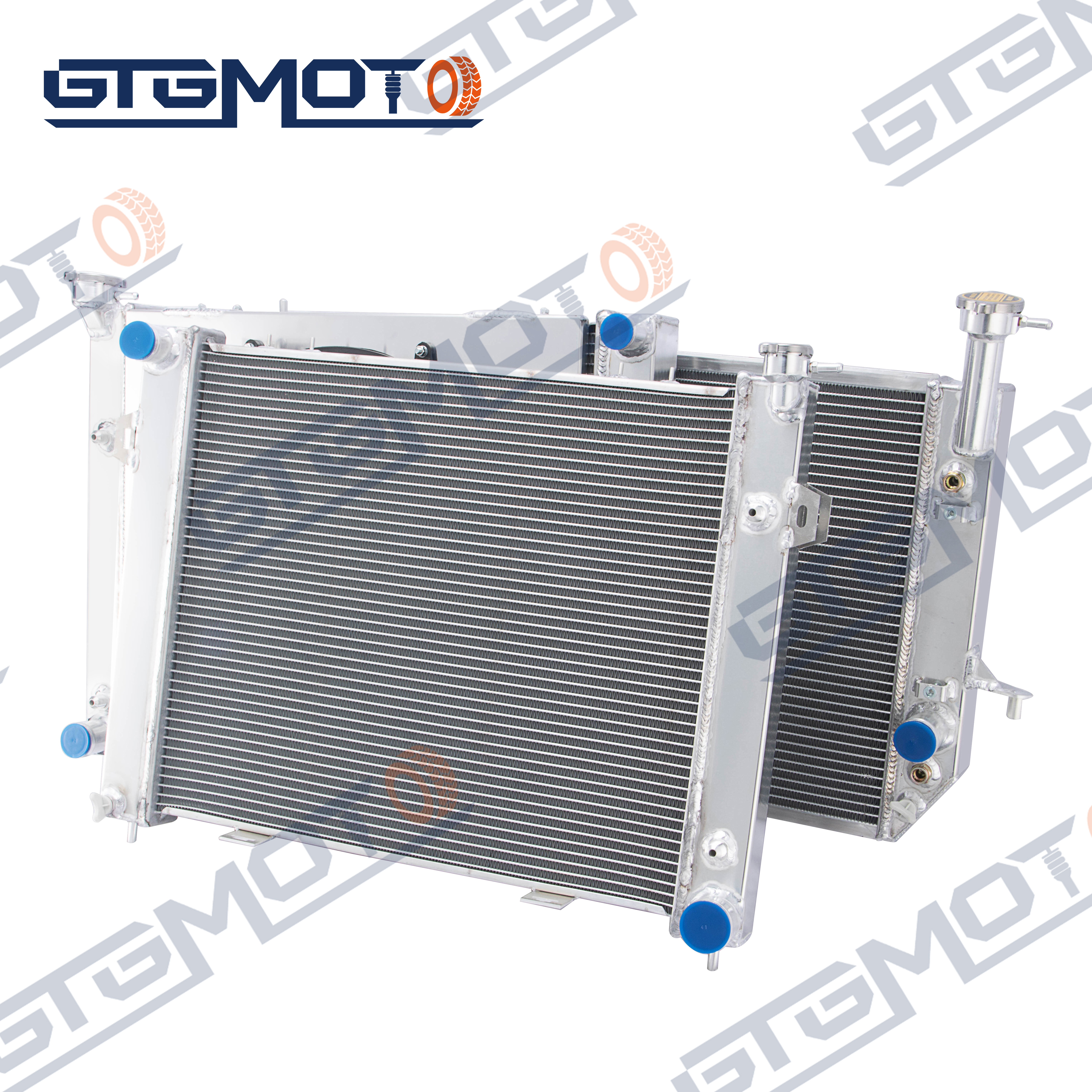
four-row aluminum radiator
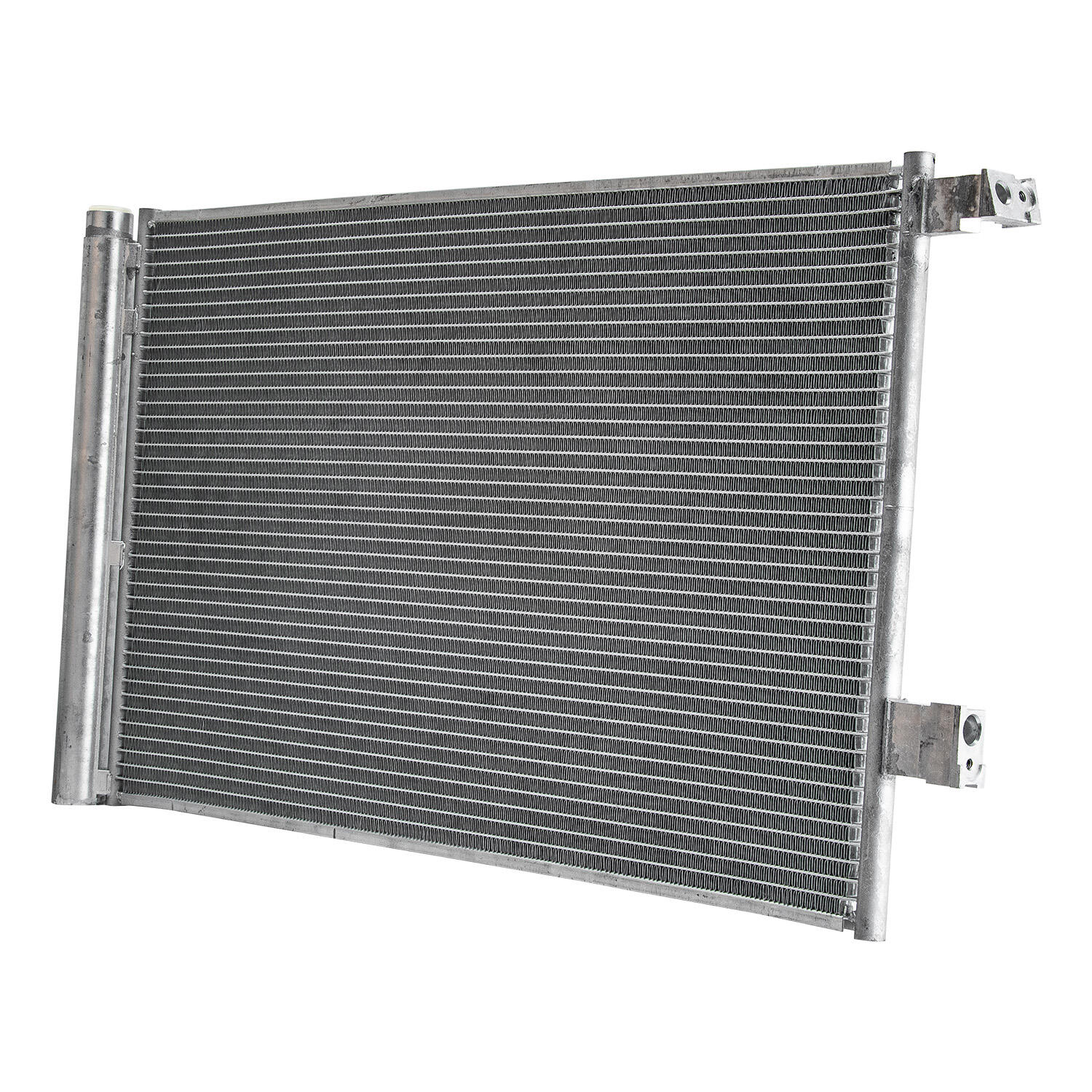
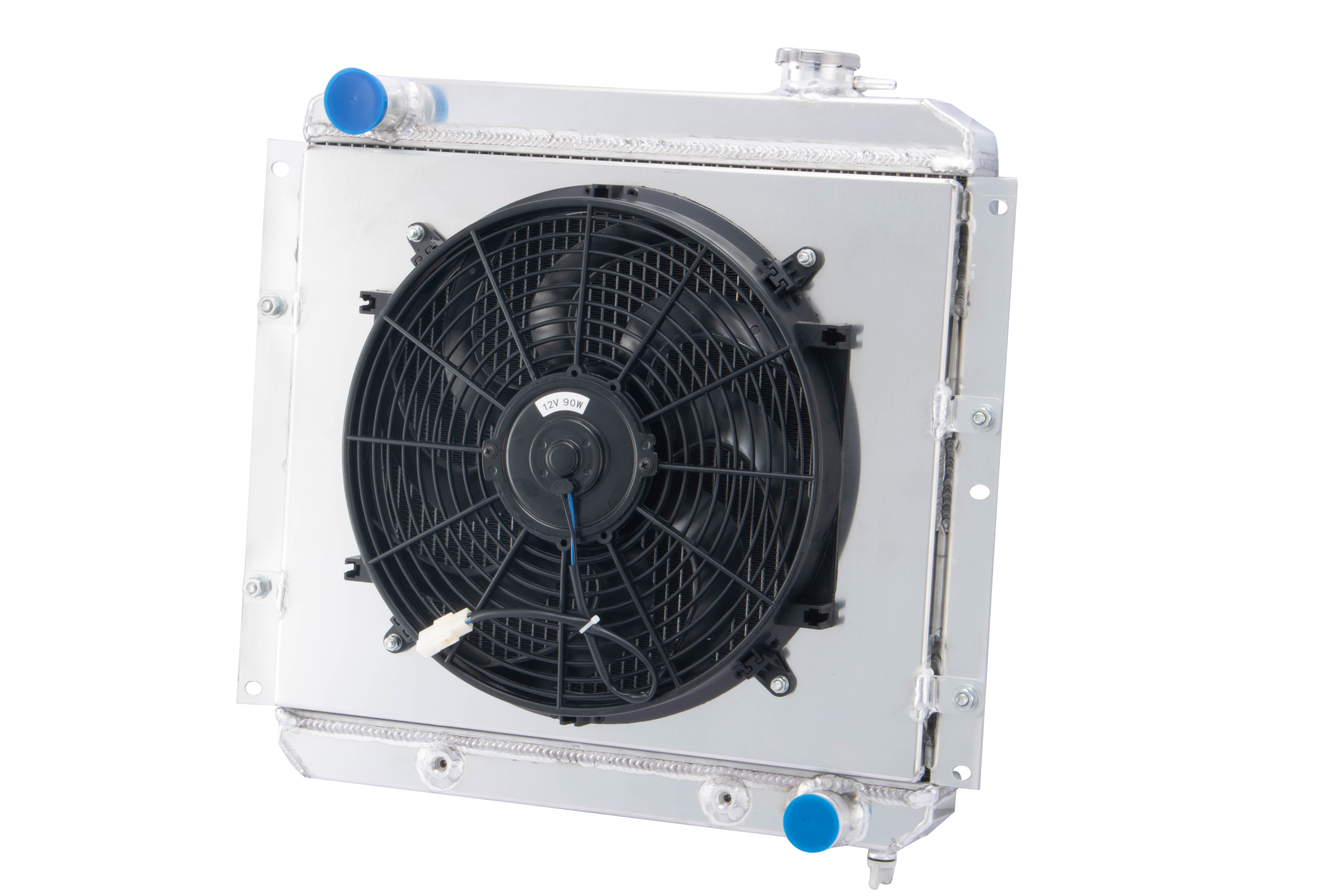
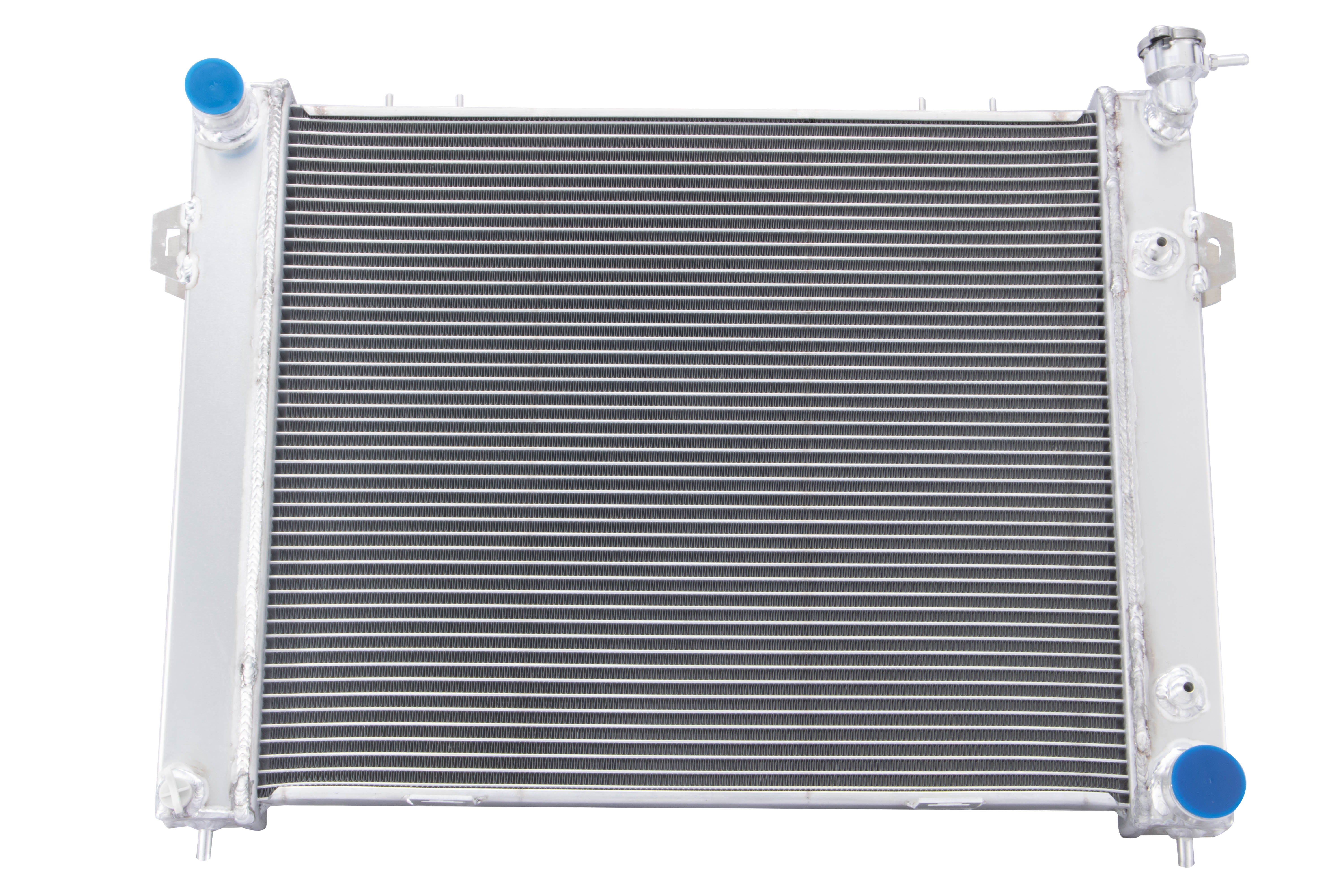
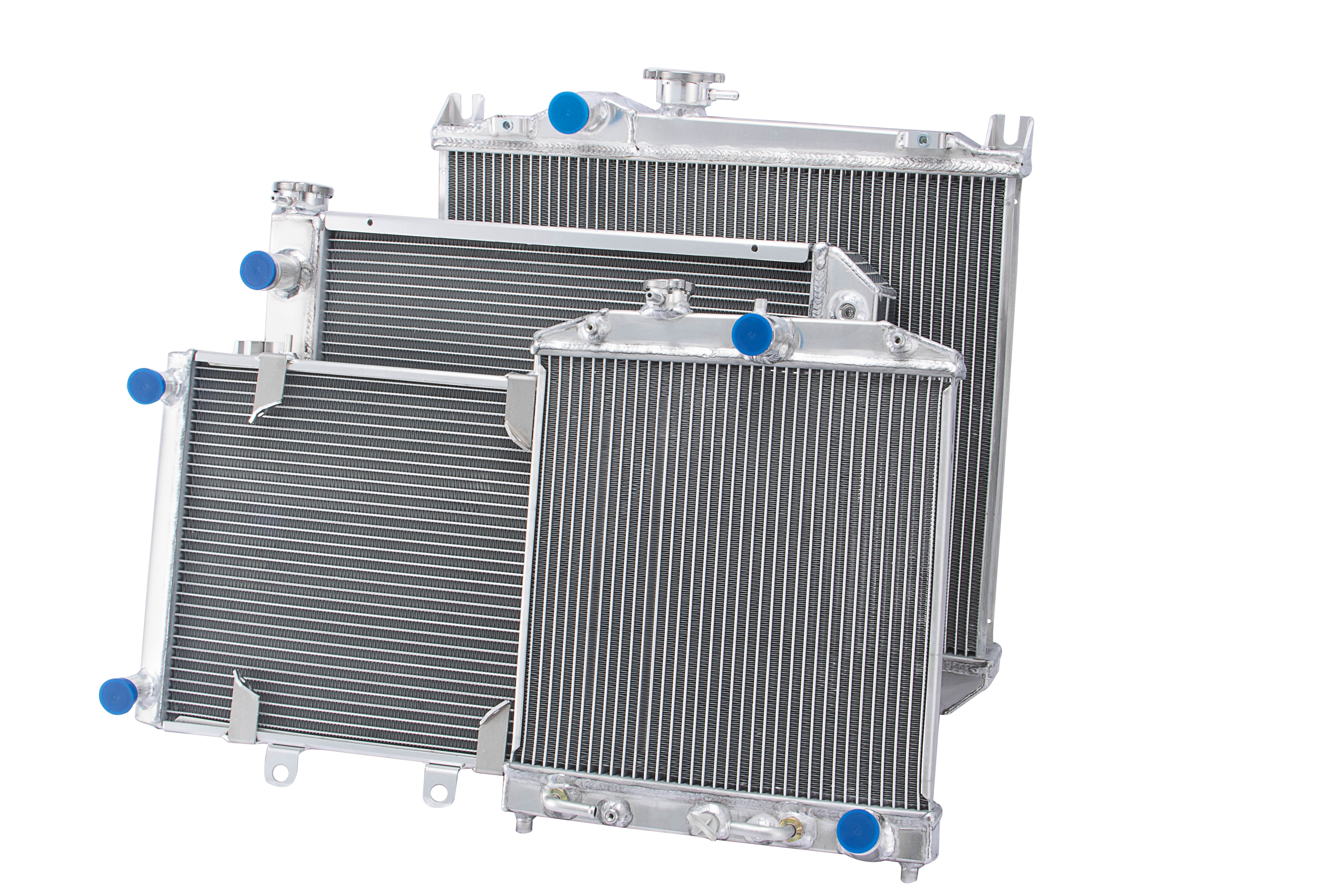
A four-row aluminum radiator represents an advanced cooling solution engineered to deliver superior heat dissipation performance for high-demand applications. This specialized radiator features four parallel rows of aluminum tubes through which coolant flows, creating an expanded surface area that dramatically enhances thermal transfer efficiency. The aluminum construction provides an optimal balance of lightweight durability and excellent thermal conductivity, making it ideal for vehicles requiring robust cooling capabilities. The four-row design multiplies the cooling capacity compared to standard single or dual-row configurations, allowing the system to handle significantly higher heat loads without compromising engine performance. Each row functions as an independent cooling channel, working in concert to extract heat from the circulating coolant before returning it to the engine block. The aluminum fins positioned between the tubes further amplify heat dissipation by increasing contact with ambient air flowing through the radiator core. This configuration proves particularly valuable in performance vehicles, heavy-duty trucks, racing applications, and modified engines that generate substantial thermal output. The technological features include precision-welded aluminum tanks that resist corrosion and maintain structural integrity under pressure, along with optimized tube spacing that maximizes airflow while maintaining mechanical strength. Modern four-row aluminum radiators incorporate advanced manufacturing techniques such as vacuum brazing, which creates seamless joints that eliminate potential leak points and enhance overall reliability. The applications span automotive performance upgrades, industrial machinery cooling, agricultural equipment, marine engines, and motorsports where consistent temperature regulation directly impacts operational efficiency and longevity. Installation typically requires minimal modification to existing mounting points, though the increased thickness may necessitate consideration of fan clearance and shroud compatibility. The four-row aluminum radiator stands as a premium cooling solution that addresses the thermal management challenges faced by demanding applications.