Custom Aluminum Car Radiator - High-Performance Cooling Solutions for Every Vehicle

All Categories

Get a Free Quote

Our representative will contact you soon.
Email
Name
Company Name
WhatsApp
Message
0/1000

custom aluminum car radiator

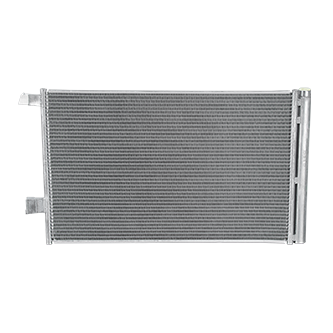
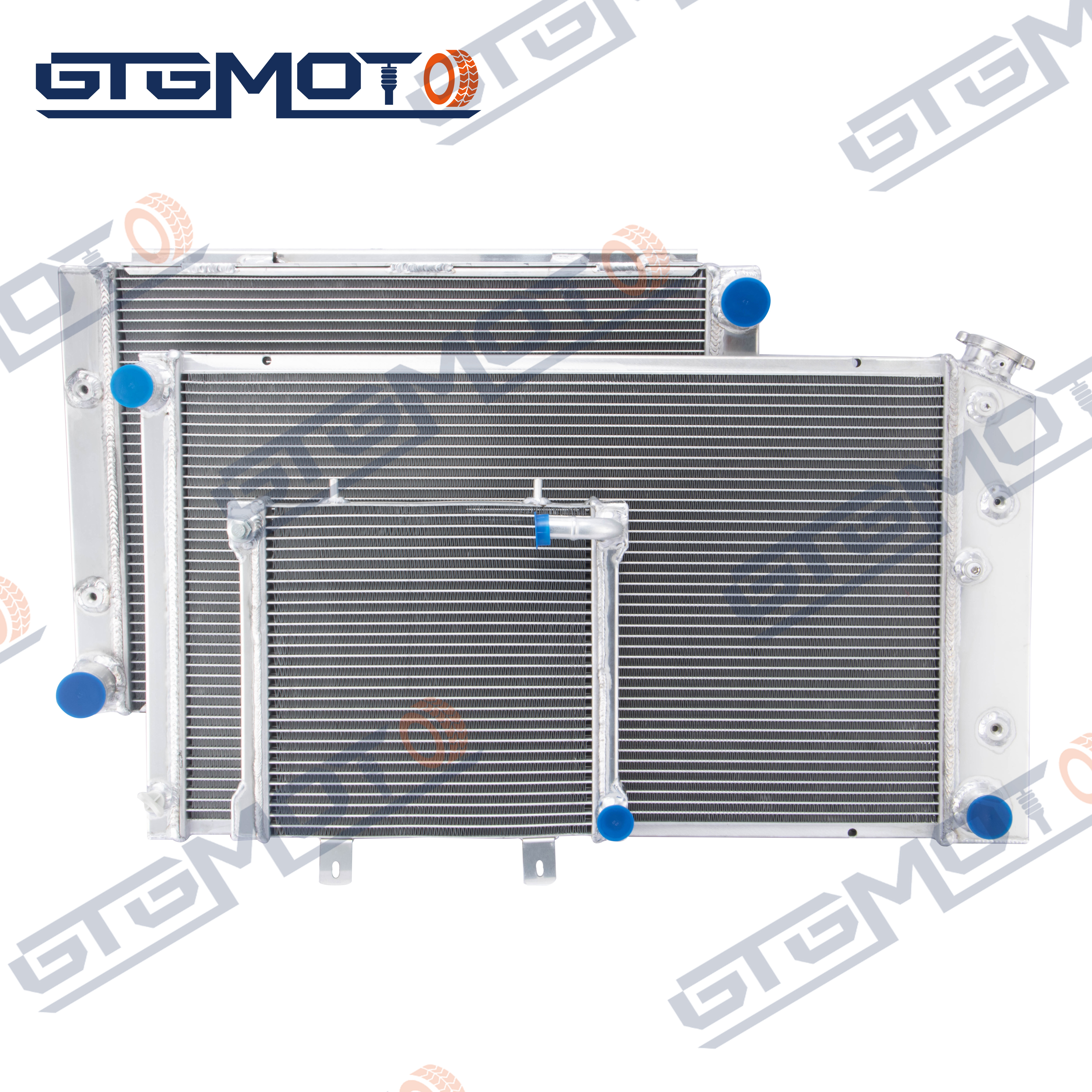
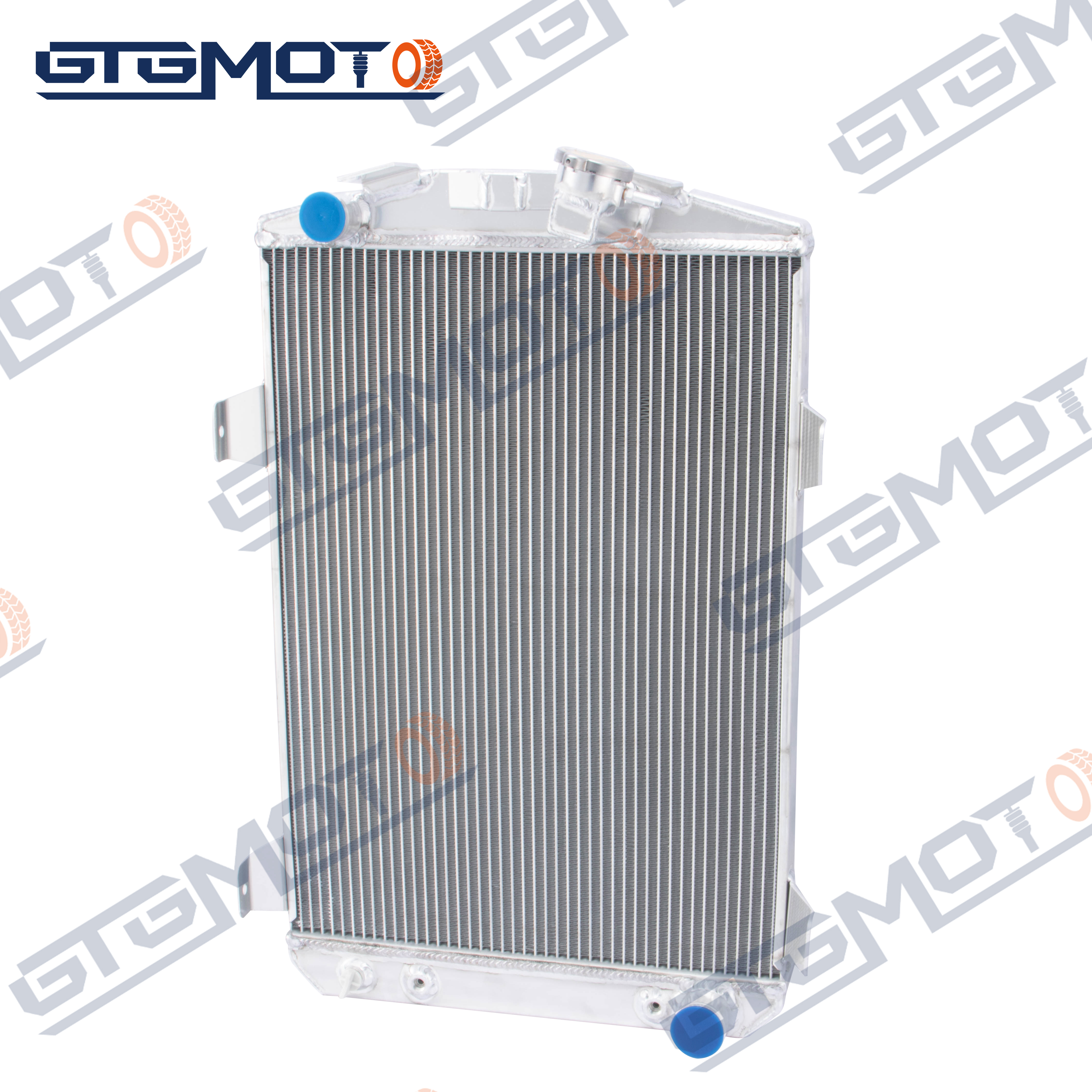
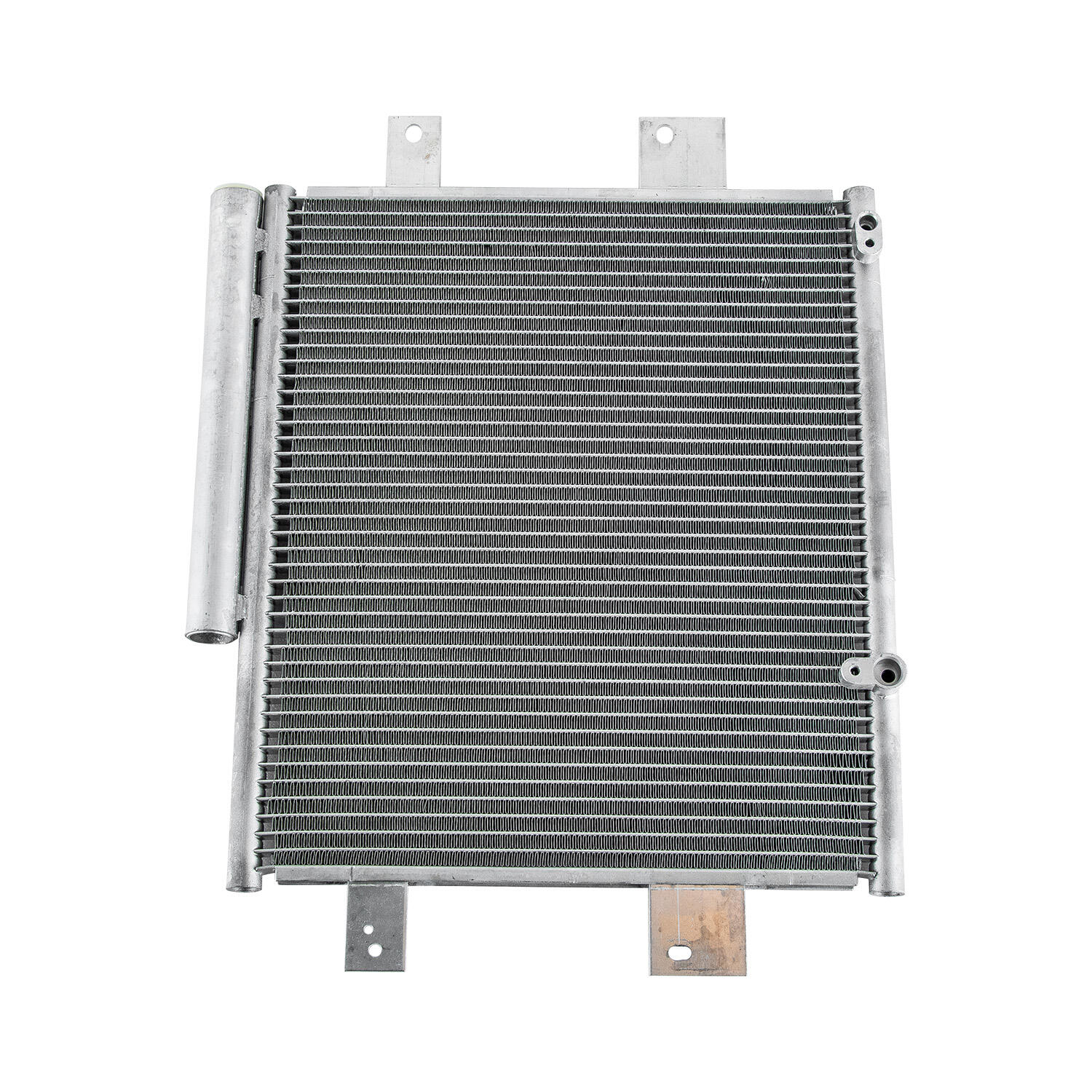
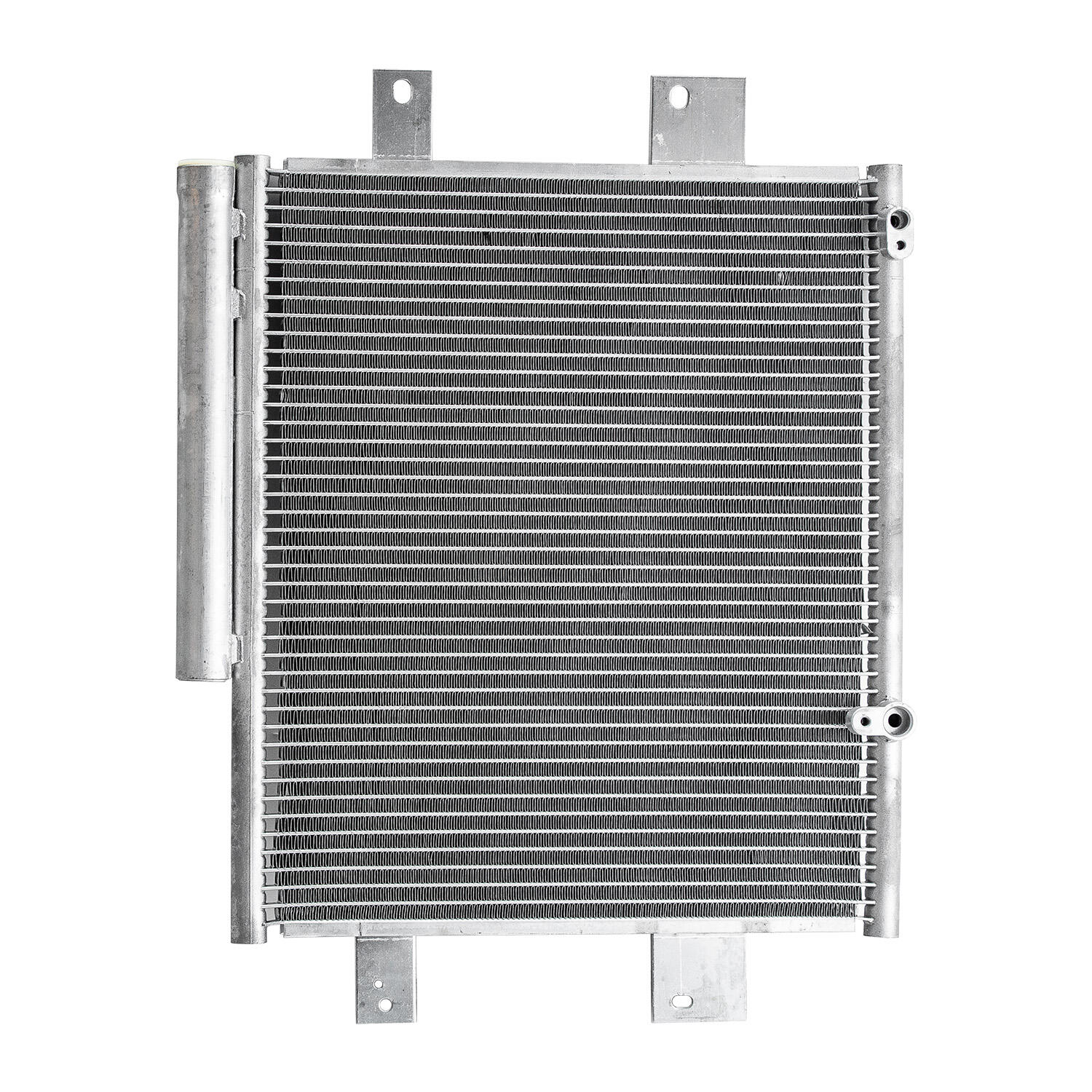
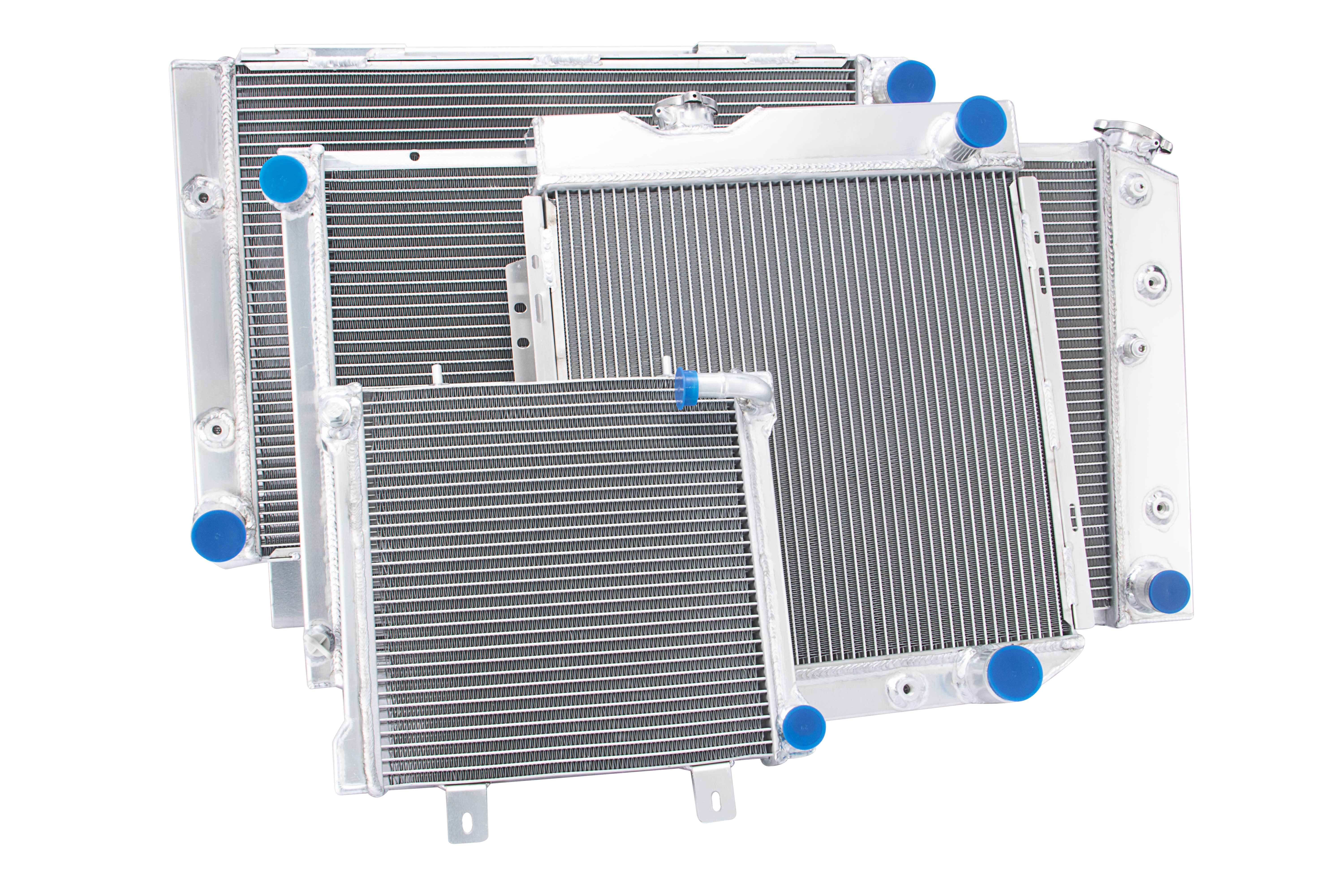
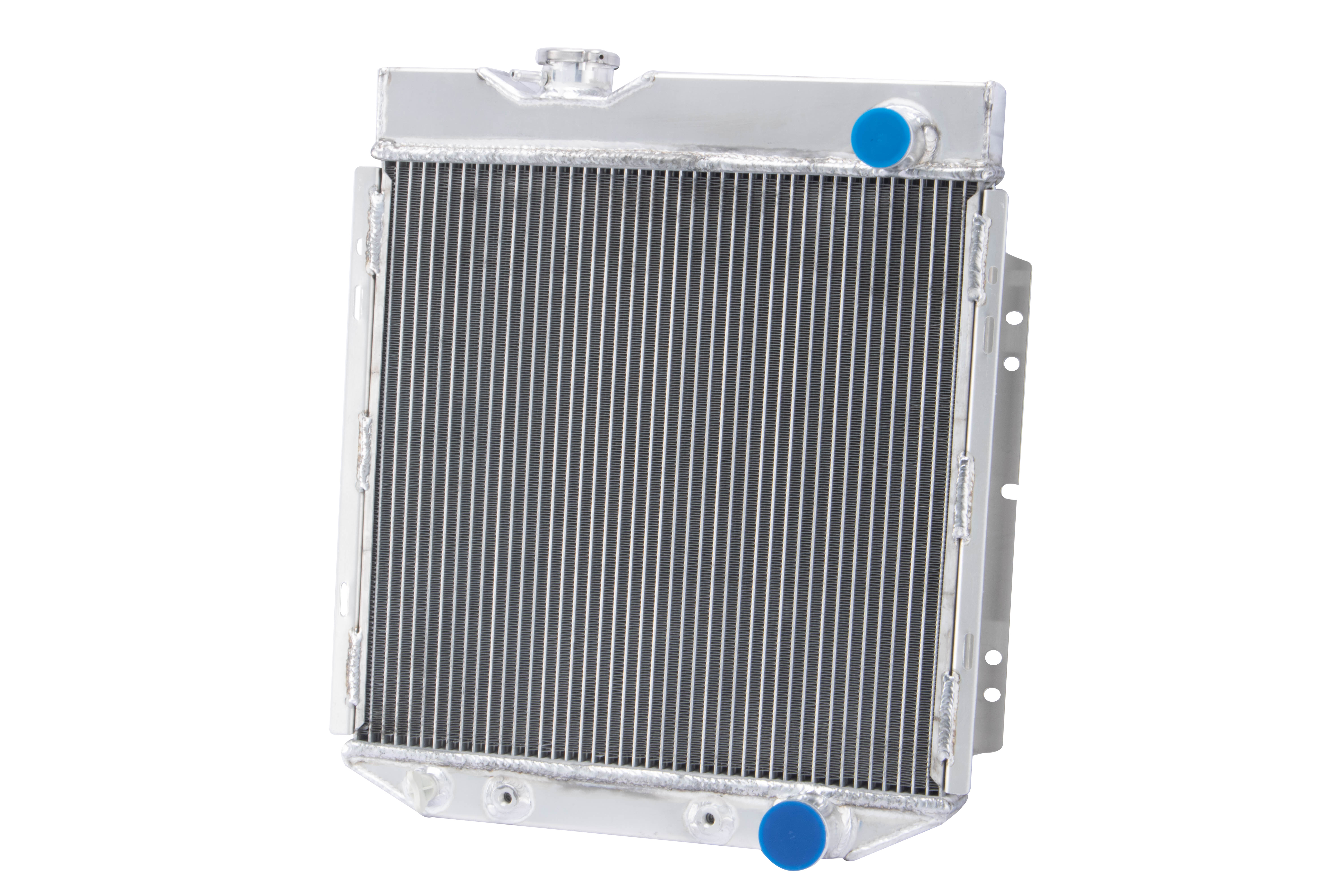
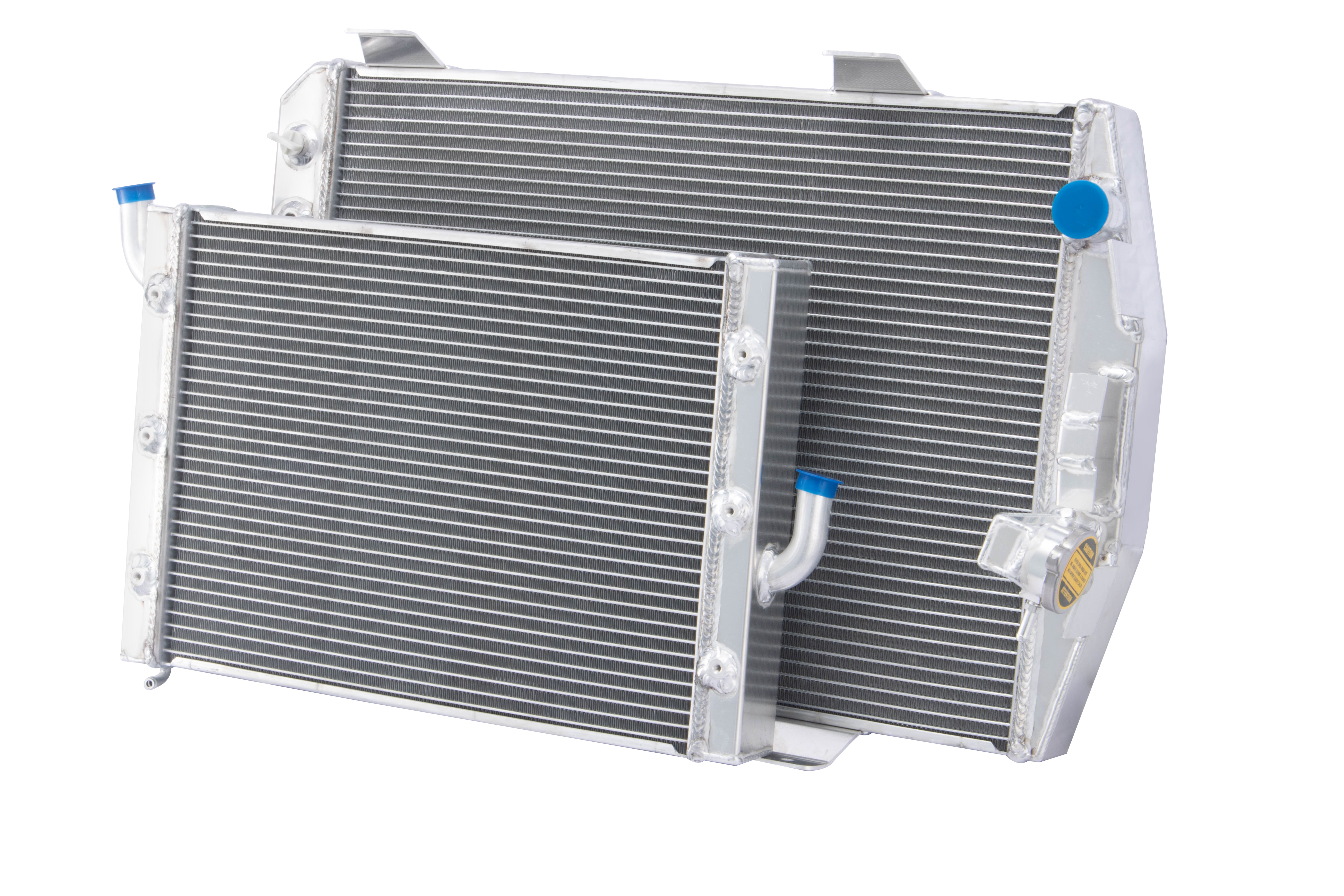
A custom aluminum car radiator represents a specialized cooling solution engineered to manage engine temperatures with precision and efficiency. This critical component serves as the heart of your vehicle's thermal management system, designed to dissipate heat generated during combustion and prevent engine overheating. Unlike standard radiators, a custom aluminum car radiator is tailored to meet specific performance requirements, vehicle configurations, and driving conditions. The primary function involves circulating coolant through a network of tubes and fins, where heat transfers from the hot liquid to the surrounding air. Aluminum construction offers superior thermal conductivity compared to traditional materials, enabling faster heat dissipation and more effective temperature regulation. The custom aspect means each radiator can be manufactured with precise dimensions, core thickness, tank configurations, and inlet-outlet placements to match unique engine bays and performance goals. Technological features include advanced tube designs such as multi-pass configurations that increase coolant residence time within the core, brazed construction methods that eliminate potential leak points, and optimized fin density that maximizes surface area for heat exchange. Modern custom aluminum car radiators often incorporate features like integrated transmission coolers, adjustable mounting brackets, and compatibility with electric fan systems. Applications span across various automotive sectors including performance racing, classic car restoration, heavy-duty trucks, off-road vehicles, and modified street cars. Racing enthusiasts choose custom aluminum car radiators for their lightweight properties and enhanced cooling capacity under extreme conditions. Restoration projects benefit from custom fabrication that replicates original specifications while upgrading to modern materials. Commercial vehicles operating under constant loads require robust cooling solutions that custom aluminum car radiators provide. The versatility of aluminum allows manufacturers to create radiators for virtually any application, from compact sports cars to large industrial vehicles, ensuring optimal thermal management regardless of operating environment or performance demands.

Popular Products

Choosing a custom aluminum car radiator delivers tangible benefits that directly impact your vehicle's performance, longevity, and reliability. The weight advantage stands out immediately, as aluminum radiators typically weigh 40 to 50 percent less than copper-brass alternatives, reducing overall vehicle weight and improving fuel efficiency. This weight reduction becomes particularly valuable in performance applications where every pound affects acceleration, handling, and braking dynamics. The superior heat transfer properties of aluminum mean your engine maintains optimal operating temperatures even under demanding conditions like towing, racing, or driving in hot climates. Better temperature control translates to consistent engine performance, reduced wear on internal components, and extended engine life. Durability represents another significant advantage, as aluminum resists corrosion more effectively than traditional materials, especially when exposed to modern coolant formulations. The custom fabrication process ensures perfect fitment, eliminating the frustration of universal radiators that require modification or compromise on cooling efficiency. You get exact mounting points, proper hose connections, and clearance for accessories without cutting, bending, or adapting. Increased cooling capacity comes from the ability to specify core thickness, tube count, and fin density based on your specific needs rather than accepting off-the-shelf limitations. This customization means you can build a cooling system that matches your engine's heat output, whether you're running a stock motor or a high-performance build generating significantly more thermal energy. The brazing construction method used in quality custom aluminum car radiators creates stronger joints than soldered connections, reducing the risk of leaks and failures. Maintenance becomes simpler because aluminum radiators clean more easily and resist buildup that can clog cooling passages. The material's flexibility allows for repairs through welding if damage occurs, whereas copper-brass radiators often require complete replacement. Cost-effectiveness emerges over time through reduced maintenance needs, improved fuel economy from weight savings, and prevention of expensive engine damage caused by overheating. Performance gains become noticeable in vehicles that previously struggled with temperature management, as the custom aluminum car radiator provides the thermal capacity that was missing. The aesthetic appeal of polished aluminum adds visual interest to engine bays, particularly in show cars and custom builds where appearance matters alongside function. Environmental considerations favor aluminum due to its recyclability and the reduced energy consumption from lighter vehicle weight. The combination of these practical advantages makes a custom aluminum car radiator a smart investment for anyone serious about vehicle performance and reliability.

Latest News

What materials affect durability in universal intercooler bulk orders?

30

Mar

What materials affect durability in universal intercooler bulk orders?

When procuring universal intercooler bulk orders for commercial applications, material selection serves as the fundamental determinant of long-term durability and operational reliability. The materials used in intercooler construction directly influe...
View More
Which core designs affect aluminium intercooler cooling efficiency?

30

Mar

Which core designs affect aluminium intercooler cooling efficiency?

The core design of an aluminium intercooler represents the most critical factor determining cooling efficiency in turbocharged and supercharged engines. Modern automotive applications demand precise understanding of how different core configurations ...
View More
What material grades matter in aluminium intercooler manufacturing?

21

Apr

What material grades matter in aluminium intercooler manufacturing?

The choice of material grades in aluminium intercooler manufacturing directly impacts performance, durability, and cost-effectiveness. Unlike generic heat exchangers, automotive intercoolers must withstand extreme temperature variations, pressure cyc...
View More
Control Arms: OEM vs Aftermarket Comparison

26

May

Control Arms: OEM vs Aftermarket Comparison

Control arms are critical suspension components that connect the wheel hub and steering knuckle to the vehicle's chassis, enabling proper wheel alignment, suspension travel, and handling stability. When replacement becomes necessary due to wear, dama...
View More

Get a Free Quote

Our representative will contact you soon.
Email
Name
Company Name
WhatsApp
Message
0/1000

custom aluminum car radiator

Precision Engineering for Perfect Fitment and Maximum Efficiency

Precision Engineering for Perfect Fitment and Maximum Efficiency

The precision engineering behind a custom aluminum car radiator sets it apart from generic cooling solutions by delivering exact specifications tailored to your vehicle's unique requirements. This meticulous approach begins with detailed measurements of your engine bay, accounting for every obstruction, mounting point, and clearance requirement that affects radiator placement. Engineers consider factors like fan shroud compatibility, hose routing angles, transmission cooler integration, and accessory clearances to create a radiator that installs seamlessly without modification. The custom fabrication process allows for non-standard dimensions that accommodate modified engine swaps, custom chassis builds, or vehicles where original radiators are no longer available. This level of precision eliminates the common problems associated with universal radiators, such as inadequate cooling capacity, interference with other components, or the need for makeshift mounting solutions that compromise structural integrity. The engineering extends to internal design, where tube layout, coolant flow paths, and core construction are optimized for your specific application. Multi-pass designs can be incorporated to increase the time coolant spends within the radiator core, enhancing heat transfer efficiency. Tube diameter and wall thickness are selected based on coolant flow requirements and pressure ratings needed for your cooling system. Fin density and design receive careful consideration, balancing maximum surface area for heat dissipation against airflow resistance that could reduce cooling effectiveness. The custom aluminum car radiator engineering process also addresses thermal expansion characteristics, ensuring that the radiator maintains structural integrity across the full range of operating temperatures from cold starts to maximum heat conditions. Inlet and outlet positioning can be customized to align perfectly with existing hoses or to optimize coolant flow patterns through the engine block. Tank design receives attention for both functional and aesthetic purposes, with options for side tanks, top-bottom configurations, or specialized shapes that fit unusual spaces. The precision engineering approach means you receive a cooling solution that performs exactly as needed without compromise, delivering the thermal management capacity your engine requires while fitting your vehicle as if it were designed specifically for that application, because it was.

Superior Thermal Performance Through Advanced Aluminum Technology

Superior Thermal Performance Through Advanced Aluminum Technology

The superior thermal performance of a custom aluminum car radiator stems from the inherent properties of aluminum combined with advanced manufacturing techniques that maximize heat dissipation capabilities. Aluminum possesses thermal conductivity approximately twice that of copper, meaning heat transfers more rapidly from the coolant through the radiator material to the surrounding air. This fundamental advantage becomes amplified through modern radiator core designs that increase surface area and optimize airflow patterns. The tube and fin construction used in custom aluminum car radiators creates thousands of contact points where heat exchange occurs, with each fin acting as a heat sink that pulls thermal energy away from the coolant-filled tubes. Advanced brazing techniques join these components at the molecular level, creating seamless thermal pathways without the resistance that mechanical connections introduce. The result is a radiator that can dissipate significantly more heat per square inch than traditional designs, allowing for more compact dimensions without sacrificing cooling capacity or enabling dramatically increased performance in the same physical space. Custom fabrication permits the selection of optimal core thickness for your application, with thicker cores providing more cooling capacity for high-output engines while thinner profiles suit space-constrained installations. The aluminum construction also responds more quickly to temperature changes, allowing the cooling system to react faster when engine load increases suddenly, such as during acceleration or when climbing grades. This responsiveness prevents temperature spikes that can cause engine damage or trigger protective measures that reduce performance. The material's light weight reduces the thermal mass of the radiator itself, meaning less energy is wasted heating the radiator structure and more cooling capacity is available for the engine. Modern custom aluminum car radiators often incorporate features like turbulators within tubes that create controlled turbulence in coolant flow, disrupting the boundary layer that forms along tube walls and impedes heat transfer. These internal enhancements, combined with external fin designs optimized through computational fluid dynamics, create cooling efficiency that exceeds what older radiator technologies can achieve. The thermal performance advantage translates directly to real-world benefits including lower operating temperatures, increased power output from denser air-fuel mixtures in cooler engines, extended component life from reduced thermal stress, and greater reliability under extreme conditions where inferior radiators would fail to maintain safe temperatures.
Long-Term Durability and Corrosion Resistance for Lasting Value

Long-Term Durability and Corrosion Resistance for Lasting Value

The long-term durability and corrosion resistance of a custom aluminum car radiator provide lasting value that extends far beyond the initial installation, making it a sound investment for vehicle owners who prioritize reliability and longevity. Aluminum's natural resistance to corrosion comes from the protective oxide layer that forms on its surface when exposed to air, creating a barrier that prevents further oxidation and degradation. This characteristic becomes particularly important in automotive cooling systems where the radiator constantly contacts water-based coolants, various chemical additives, and environmental contaminants that would rapidly corrode less resistant materials. Modern coolant formulations, especially those containing organic acid technology, work synergistically with aluminum rather than attacking it as they do with older copper-brass radiators, extending service life significantly. The brazing construction method used in quality custom aluminum car radiators creates joints stronger than the base material itself, eliminating the weak points where traditional soldered radiators often develop leaks as they age. This robust construction withstands the thermal cycling that occurs every time your vehicle operates, expanding when hot and contracting when cool without developing stress cracks or separation at joint interfaces. The structural integrity of a custom aluminum car radiator also provides resistance to physical damage from road debris, vibration, and the minor impacts that occur during normal vehicle operation and maintenance. Unlike plastic-tanked radiators that become brittle with age and crack from minor stress, aluminum maintains its mechanical properties throughout its service life. The material's ductility allows it to absorb impacts that would shatter more rigid materials, often sustaining only cosmetic damage rather than catastrophic failure. Repairability adds another dimension to the durability advantage, as aluminum can be welded by skilled technicians if damage does occur, whereas many modern radiators require complete replacement even for minor damage. The corrosion resistance extends to the external surfaces as well, where aluminum resists rust and degradation from road salt, moisture, and environmental exposure that would destroy steel components. This external durability maintains both function and appearance over years of service, particularly important for show vehicles and restorations where aesthetics matter. The long service life of a custom aluminum car radiator means fewer replacements over your vehicle's lifetime, reducing long-term ownership costs and the environmental impact of manufacturing and disposing of multiple radiators. Quality custom aluminum car radiators often outlast the vehicles they're installed in, providing reliable cooling performance for decades when properly maintained with appropriate coolant and periodic system flushing.
Get a Quote Get a Quote Email Email WhatsApp WhatsApp WeChat WeChat
WeChat
TopTop

Get a Free Quote

Our representative will contact you soon.
Email
Name
Company Name
WhatsApp
Message
0/1000

Get a Free Quote

Our representative will contact you soon.
Email
Name
Company Name
WhatsApp
Message
0/1000

Get a Free Quote

Our representative will contact you soon.
Email
Name
Company Name
WhatsApp
Message
0/1000