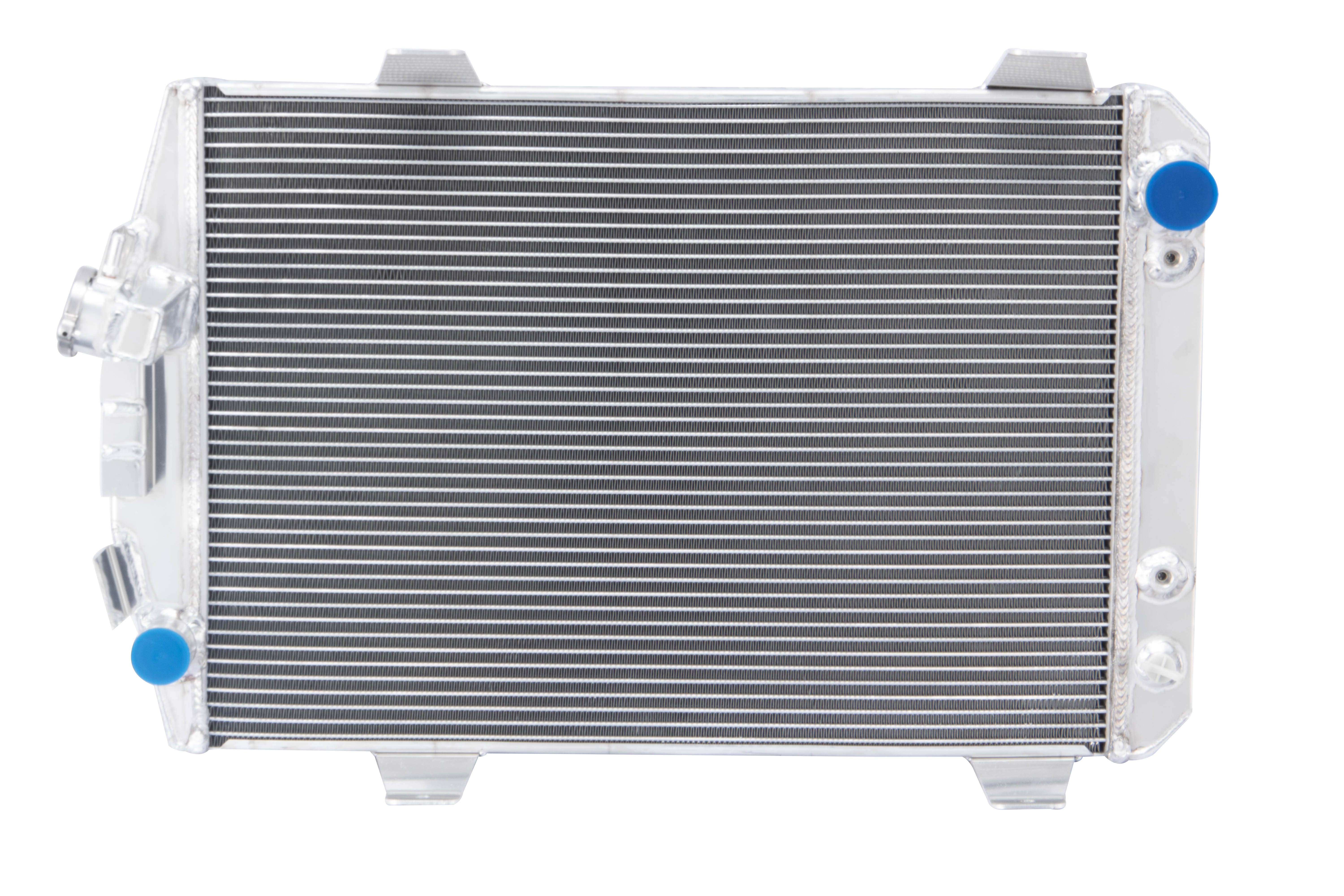
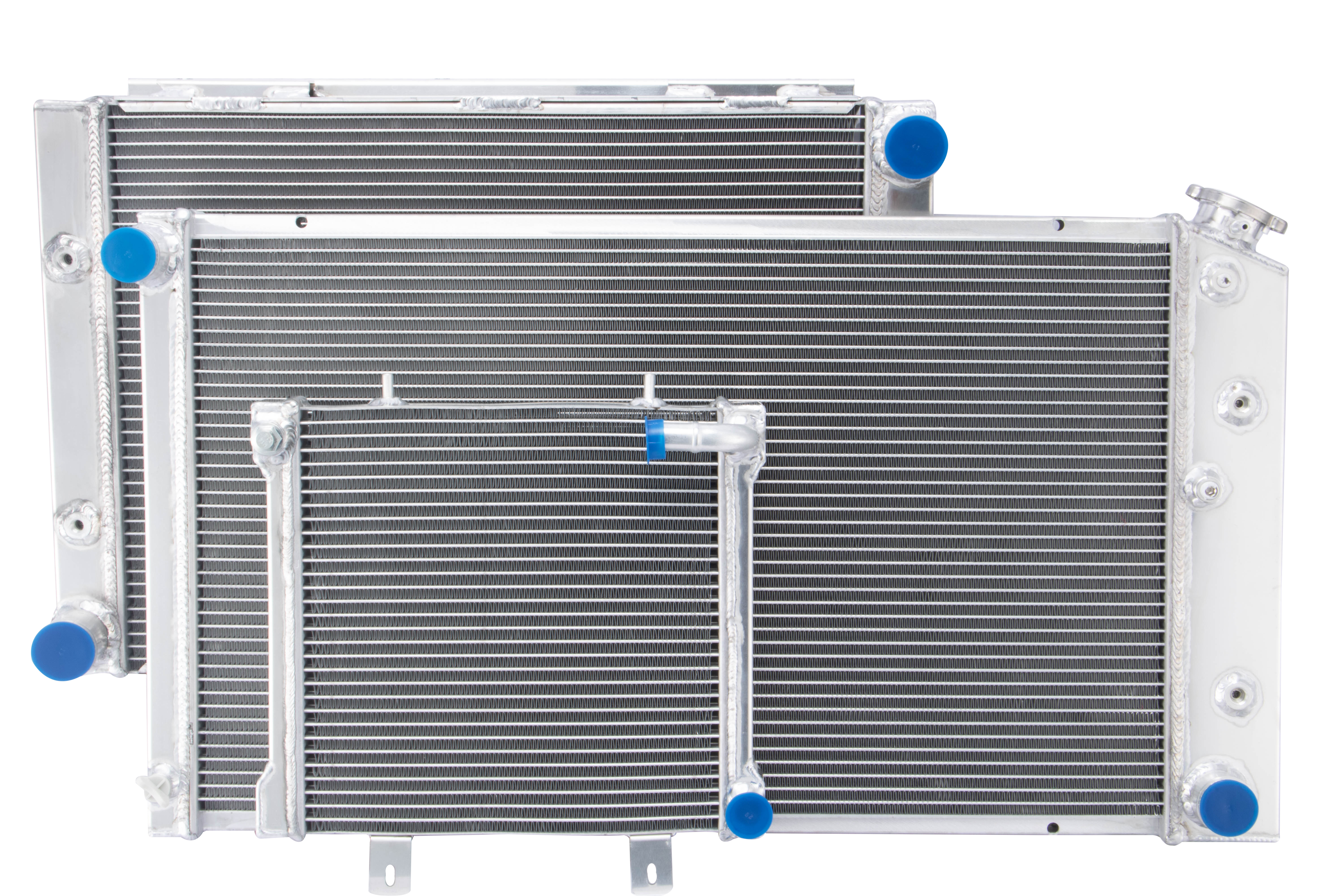
Versatile Performance Solution for Modified and High-Output Engines
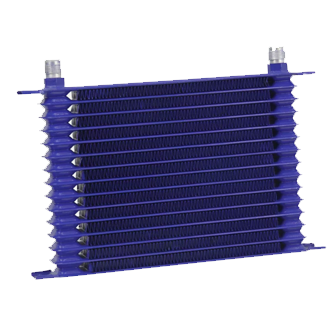
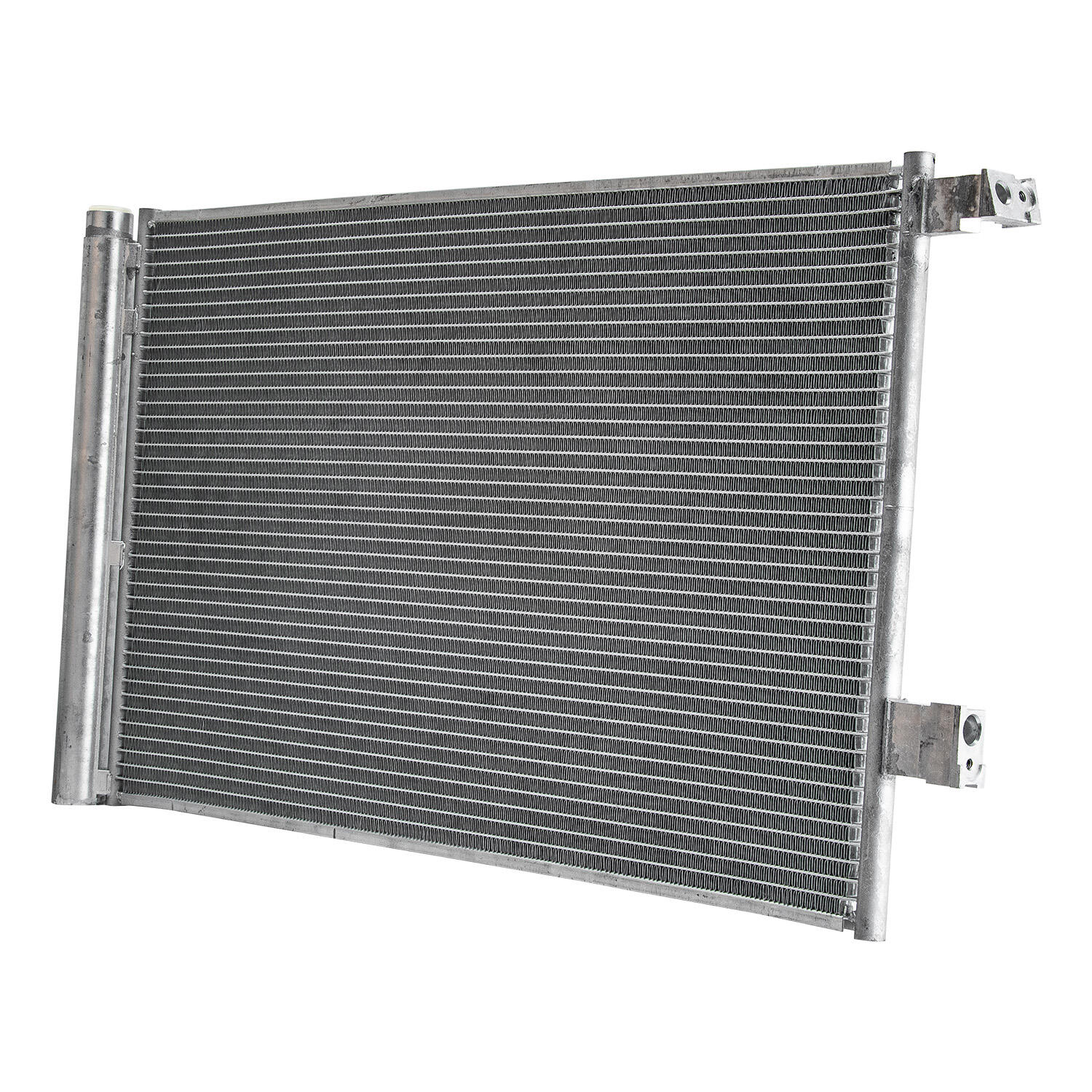
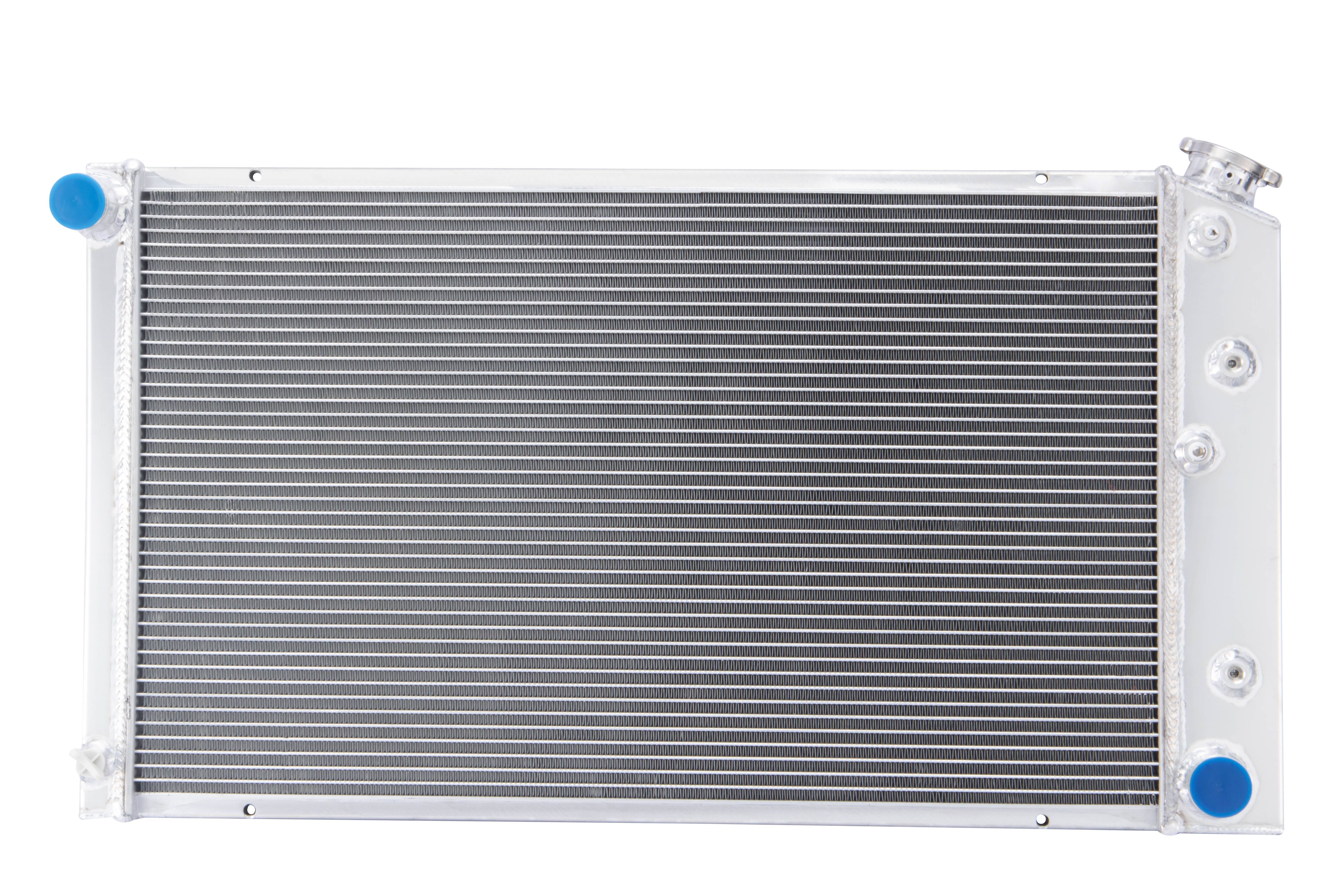
The three-row radiator core serves as the ultimate cooling solution for modified engines and high-performance applications where standard radiators simply cannot meet increased thermal demands. Engine modifications that boost power output invariably generate additional heat that must be efficiently removed to prevent damage and maintain reliability. Whether you have installed forced induction systems like turbochargers or superchargers, increased displacement through stroker kits, or simply optimized tuning for maximum horsepower, the three-row radiator core provides the thermal management capacity necessary to support these performance enhancements without compromise. The cooling headroom offered by this advanced design means you can push your engine harder and longer without constantly monitoring temperature gauges or backing off throttle to prevent overheating. Racing applications particularly benefit from the three-row radiator core because competitive driving subjects cooling systems to extreme stress that reveals any weakness in thermal management. Track sessions involve sustained high-RPM operation, maximum load conditions, and minimal airflow during slow-speed corners, creating a perfect storm of heat generation that overwhelms inadequate radiators. The three-row radiator core handles these demanding scenarios with ease, maintaining stable coolant temperatures lap after lap while competitors struggle with heat-related power loss or mechanical failures. Professional racing teams recognize that consistent engine temperatures translate directly to predictable performance and reduced risk of costly engine damage during competition. The three-row radiator core also accommodates the specific cooling challenges presented by different engine configurations and fuel types. Diesel engines generate different thermal profiles than gasoline engines, with higher coolant temperatures and more sustained heat loads during operation. Similarly, engines running alternative fuels or racing fuels may produce different combustion temperatures that affect cooling requirements. The generous capacity of the three-row radiator core provides flexibility to handle these variations without requiring custom solutions or complicated system modifications. Installation versatility represents another advantage for enthusiasts working with modified vehicles, as the three-row radiator core typically fits within the same mounting points and connections as original equipment, simplifying the upgrade process. This direct-fit capability means you gain substantial cooling improvements without fabricating custom brackets, relocating components, or modifying the vehicle structure. The three-row radiator core integrates seamlessly with existing cooling system components including water pumps, thermostats, and hoses, allowing you to focus on enjoying improved performance rather than troubleshooting compatibility issues.