Superior Construction Quality for Long-Term Reliability and Performance
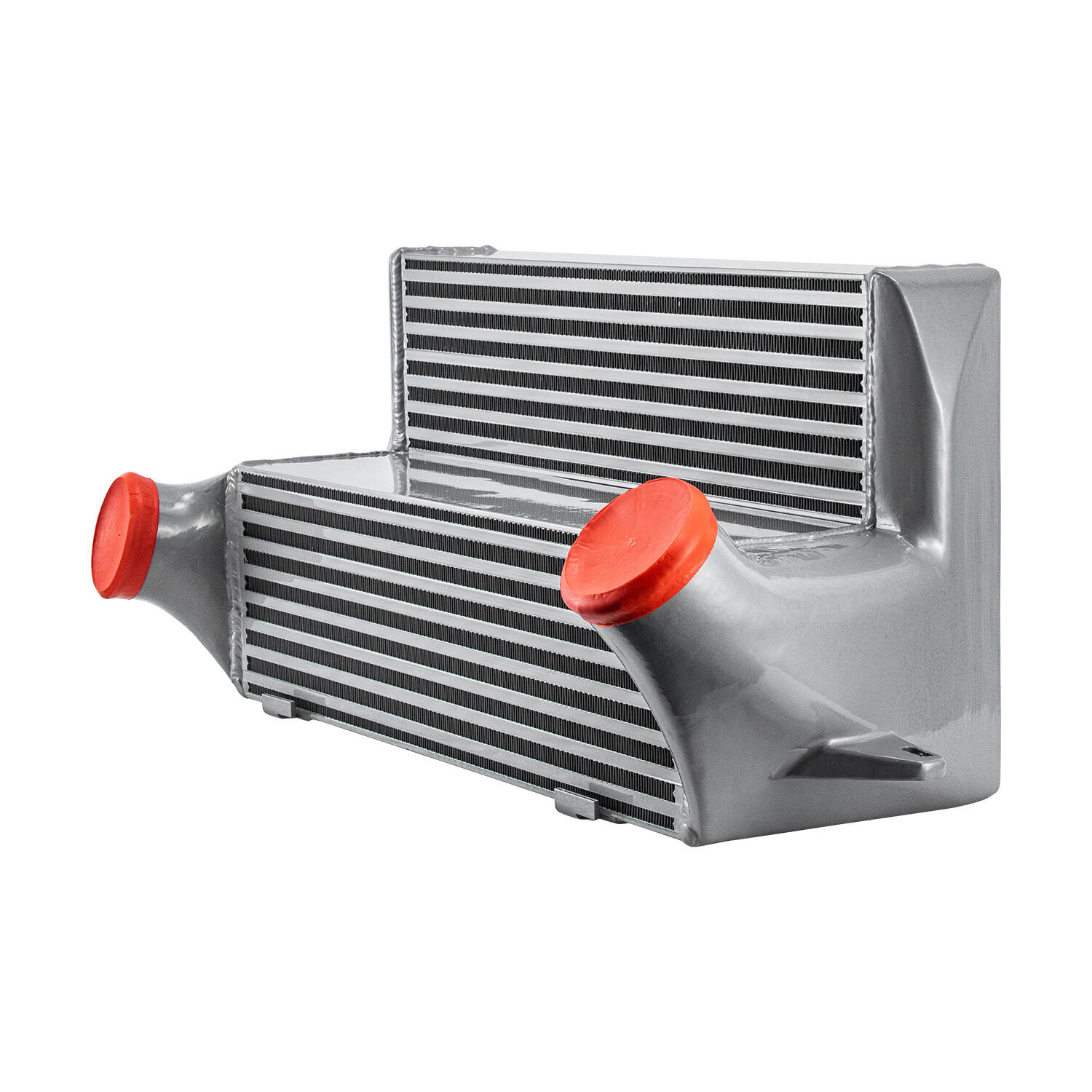
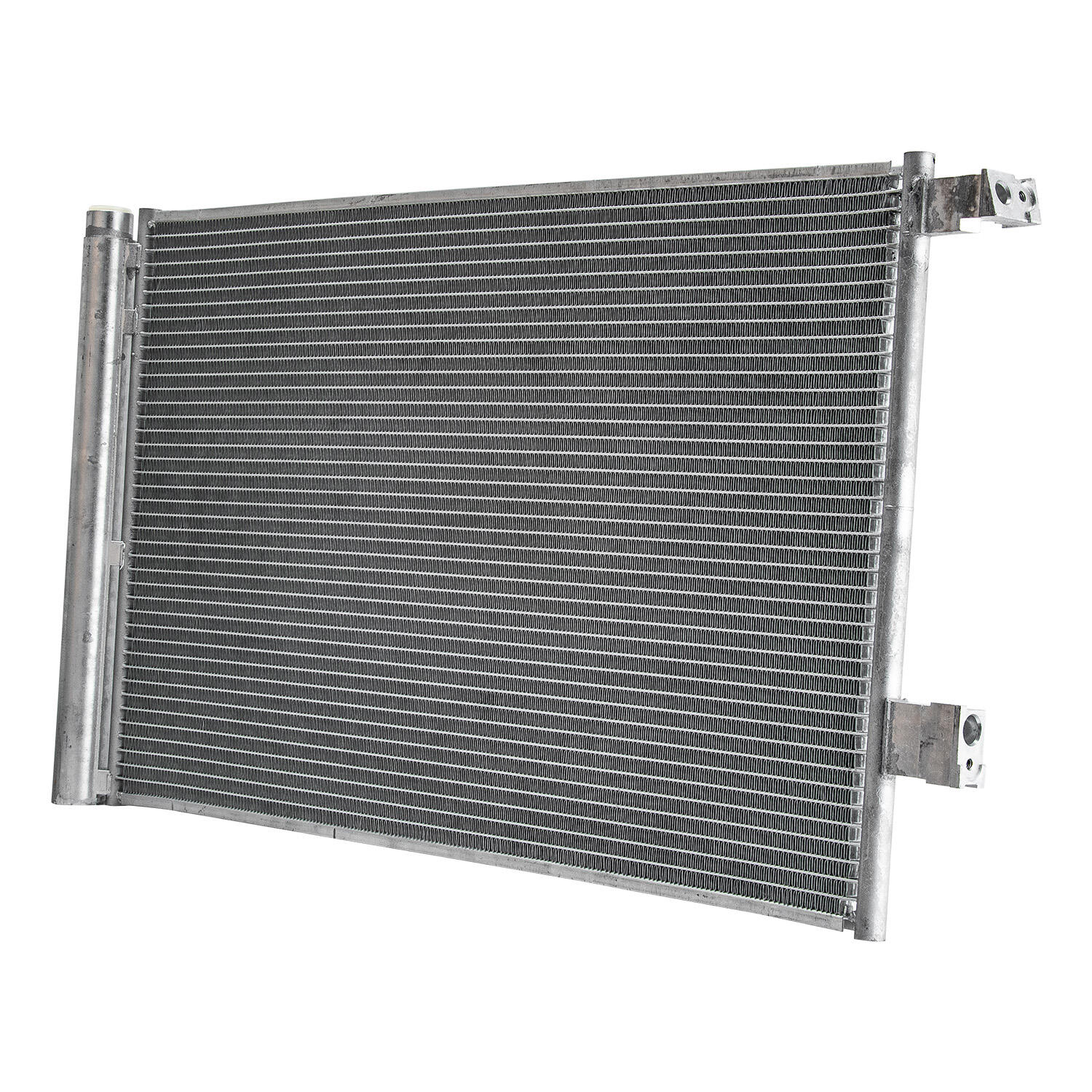
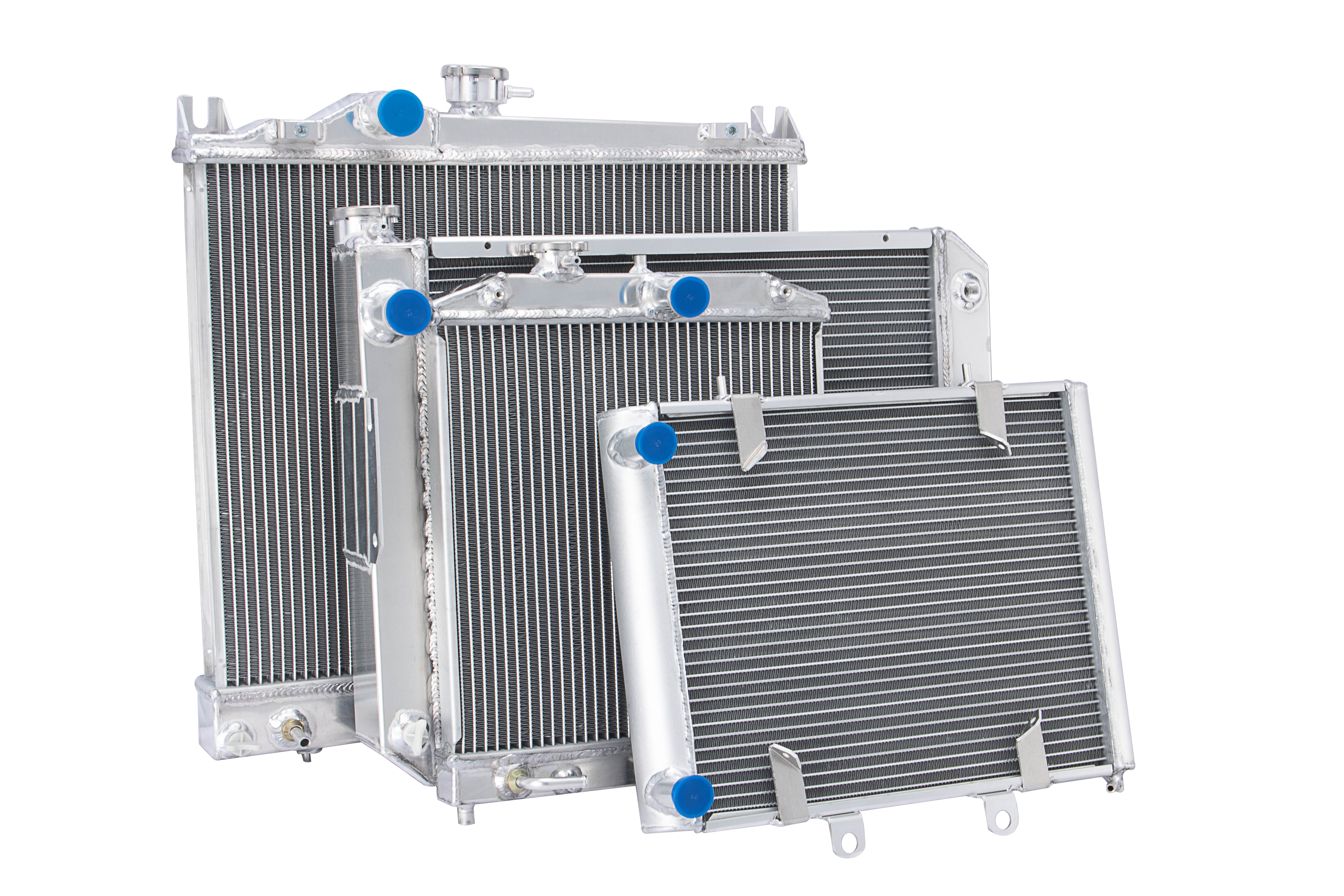
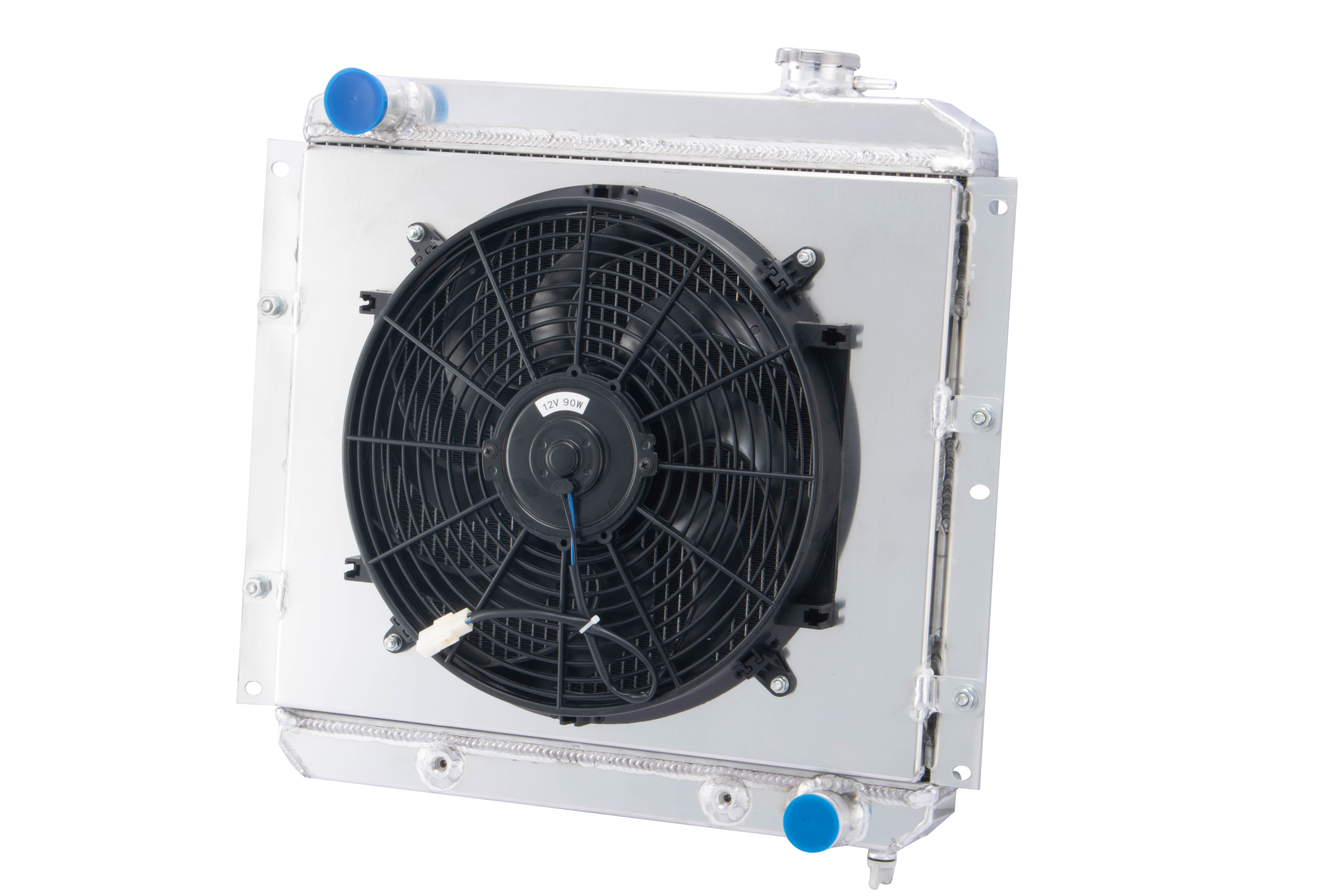
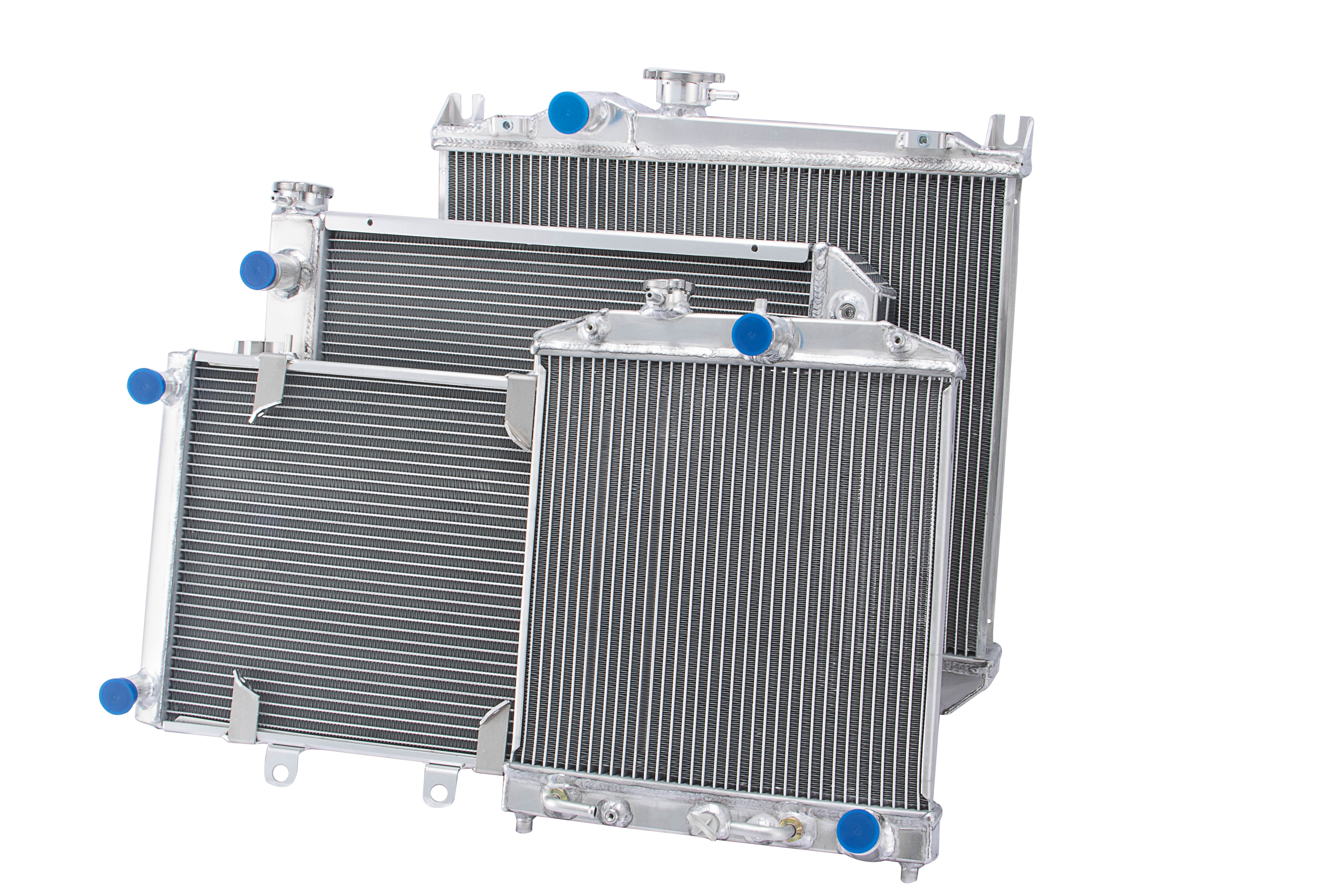
The universal four-row radiator sets itself apart through premium construction methods and material selection that ensure dependable operation throughout years of demanding service. The core construction typically employs aircraft-grade aluminum alloy, chosen for its exceptional thermal conductivity, light weight, and resistance to corrosion in the harsh environment of engine coolant and road exposure. The aluminum tubes are manufactured with precise wall thickness tolerances that balance strength against weight and thermal efficiency, with thicker walls in high-stress areas and optimized thickness elsewhere to maximize heat transfer. The tube-to-header joints represent critical structural points where leaks commonly develop in inferior radiators, and the universal four-row radiator addresses this vulnerability through advanced joining techniques such as vacuum brazing or TIG welding. Vacuum brazing creates metallurgical bonds between tubes, fins, and headers in a controlled atmosphere furnace, producing joints stronger than the base materials themselves and eliminating the potential for separation under thermal cycling or vibration. TIG welding provides similar strength with the added benefit of visual inspection capability, allowing quality control verification of each joint. The header tanks are constructed from cast or fabricated aluminum with reinforced mounting bosses and thick walls that resist deformation under the 15-20 PSI pressures typical in modern cooling systems. Many universal four-row radiators incorporate baffles or flow directors within the header tanks that distribute coolant evenly across all tube rows, preventing channeling where coolant takes the path of least resistance and leaves some tubes underutilized. The fin construction uses thin aluminum sheets formed into corrugated or louvered patterns that maximize surface area while maintaining structural rigidity, and these fins are mechanically bonded to the tubes through expansion or brazing processes that ensure permanent contact for efficient heat conduction. Protective coatings are often applied to external surfaces, including powder coating or anodizing that resists corrosion from road salt, chemicals, and environmental exposure while providing an attractive finish. The universal four-row radiator undergoes rigorous pressure testing during manufacturing, with each unit subjected to hydrostatic testing at pressures exceeding normal operating conditions to verify integrity before shipping. This quality assurance process identifies any manufacturing defects or weak points that could lead to premature failure, ensuring that only fully functional radiators reach customers. The combination of premium materials, advanced manufacturing techniques, and thorough quality control results in a cooling component that delivers consistent performance throughout its service life, maintaining its cooling efficiency even after years of exposure to temperature extremes, pressure fluctuations, and vibration that would degrade lesser radiators.