Environmental Sustainability and Economic Value Throughout the Product Lifecycle
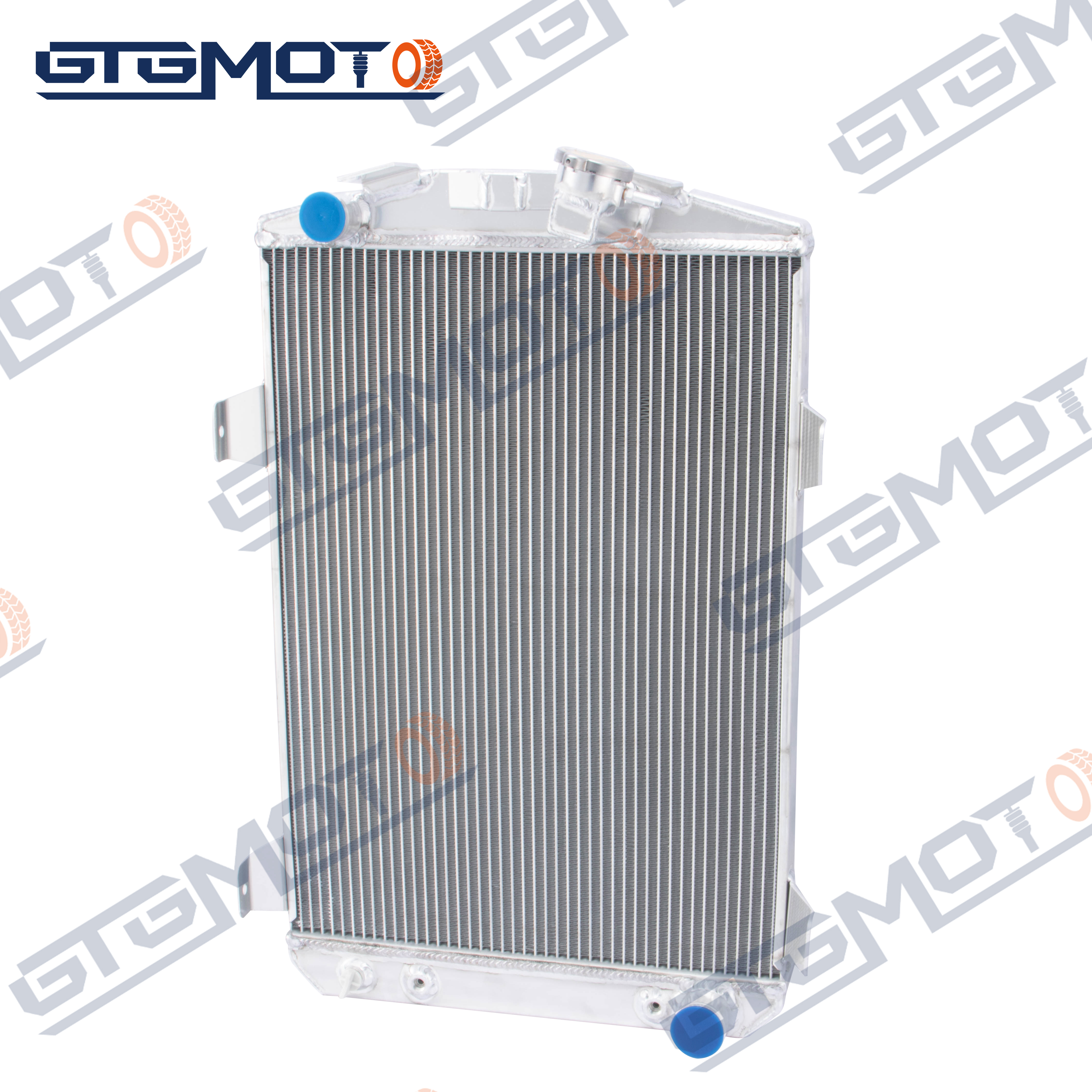
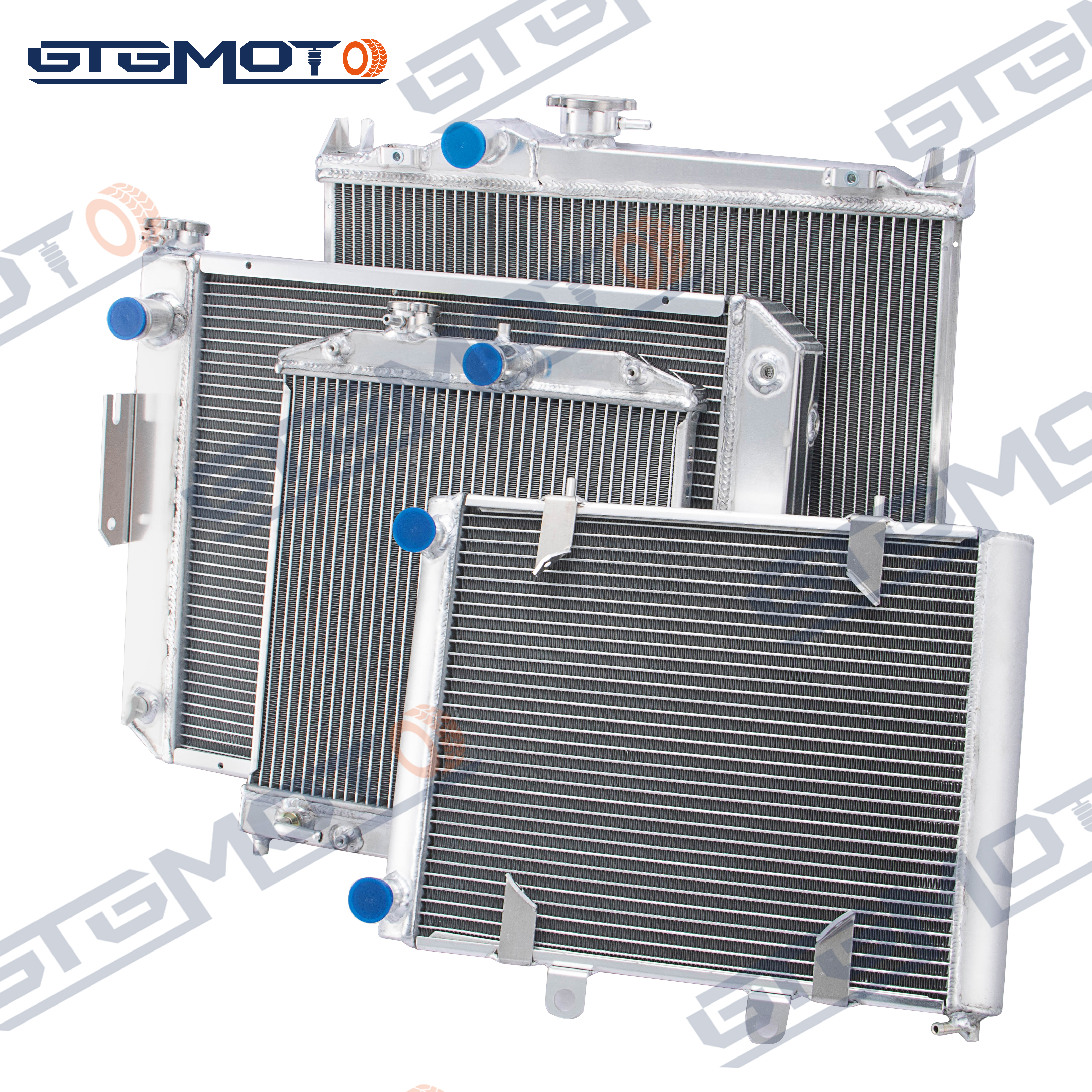
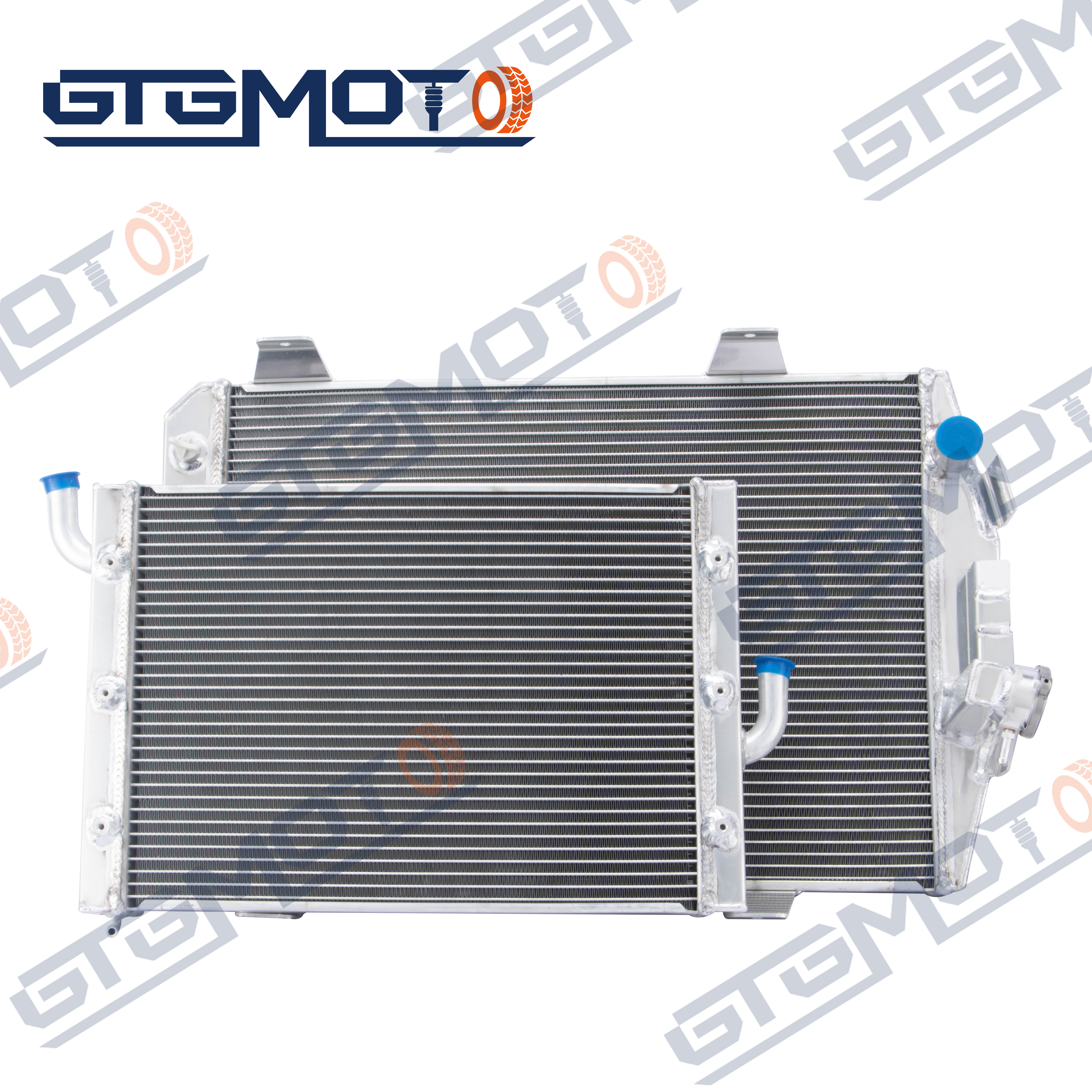
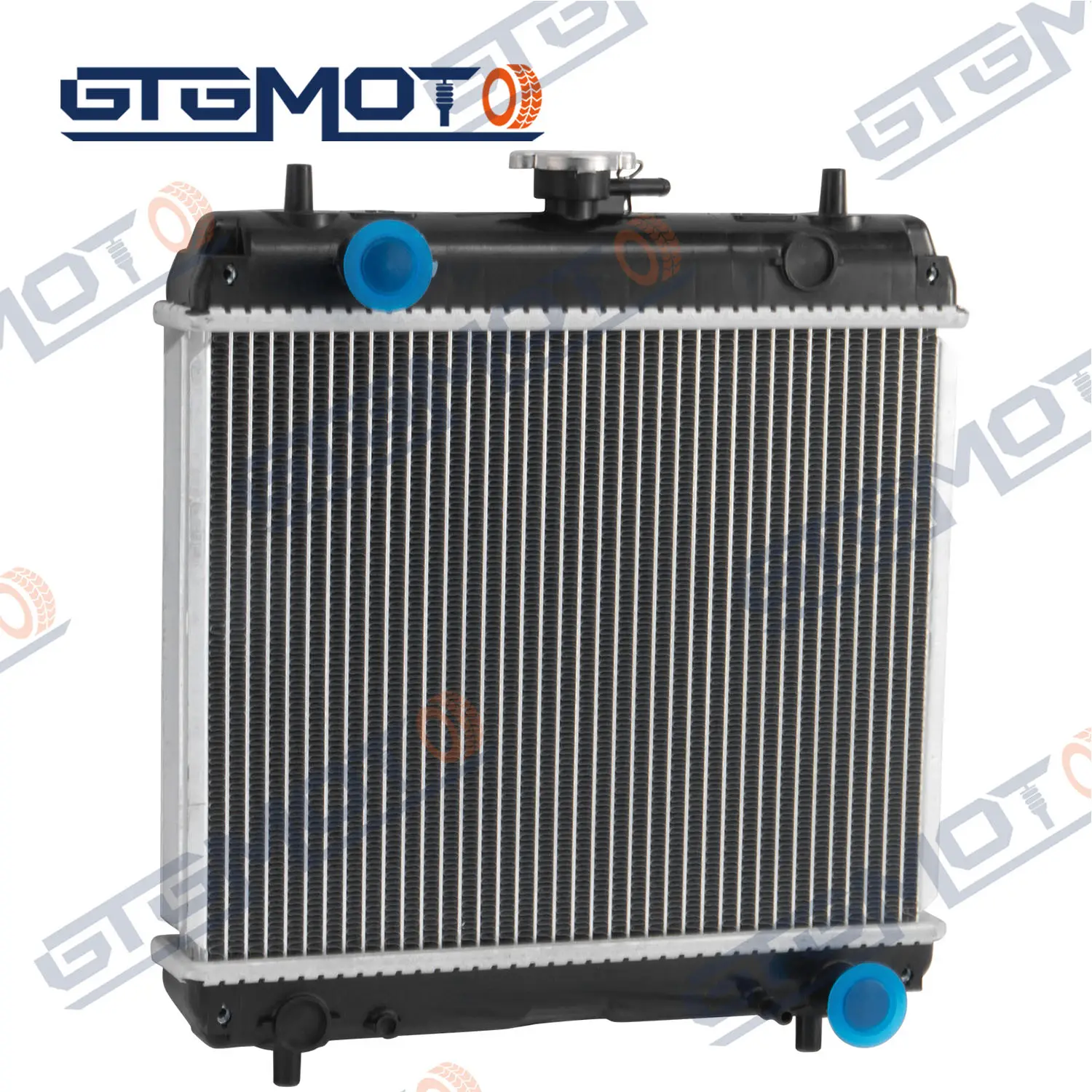
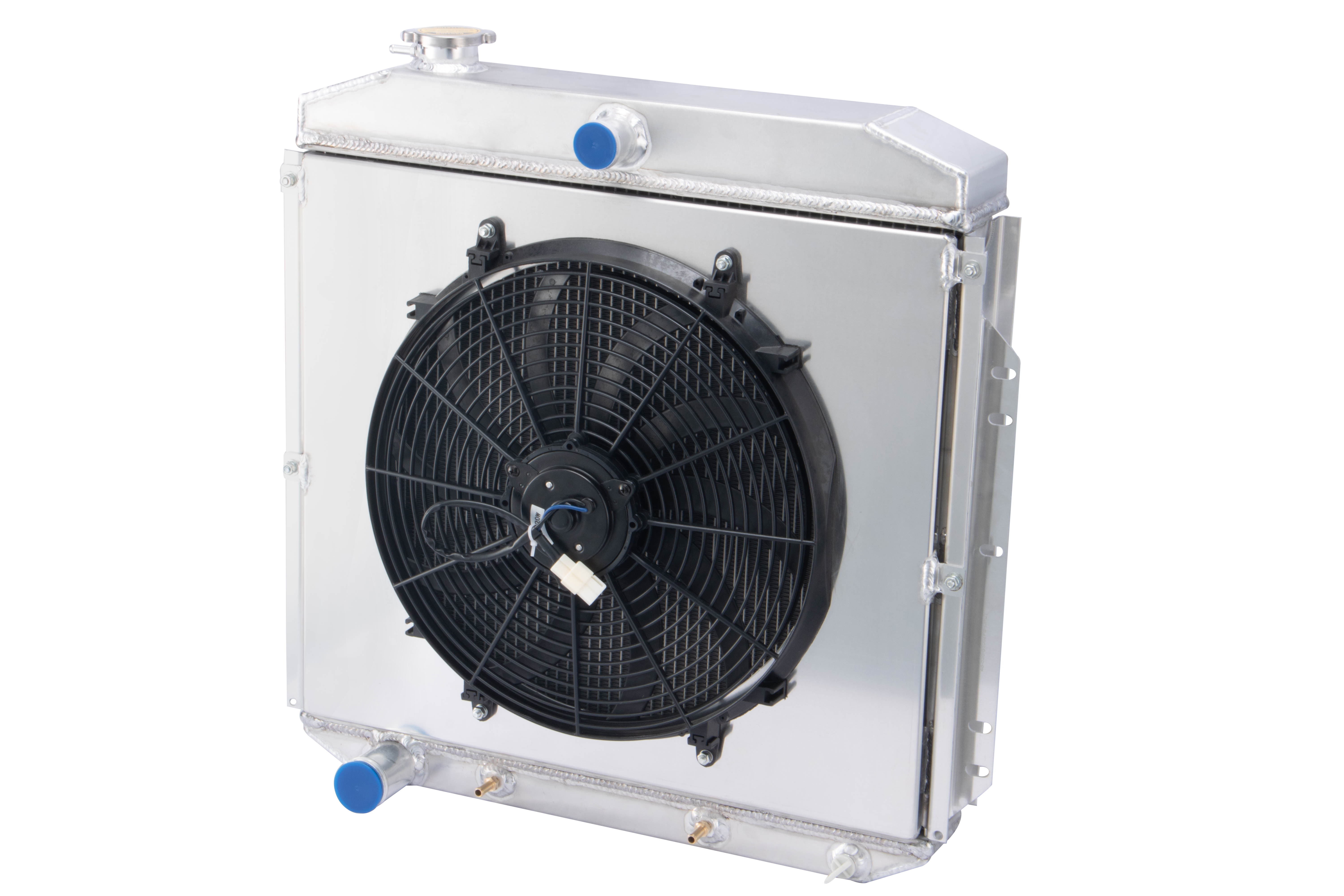
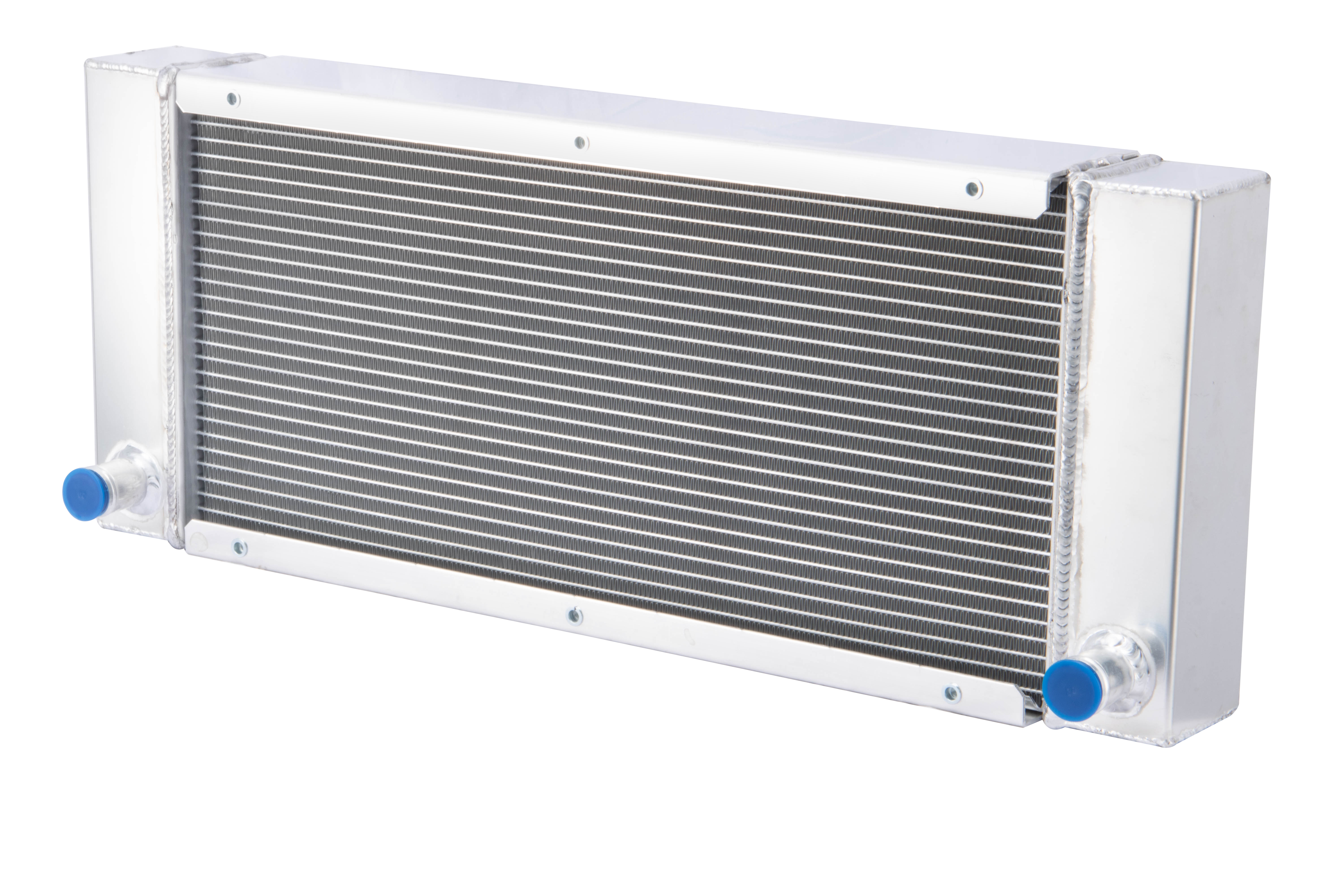
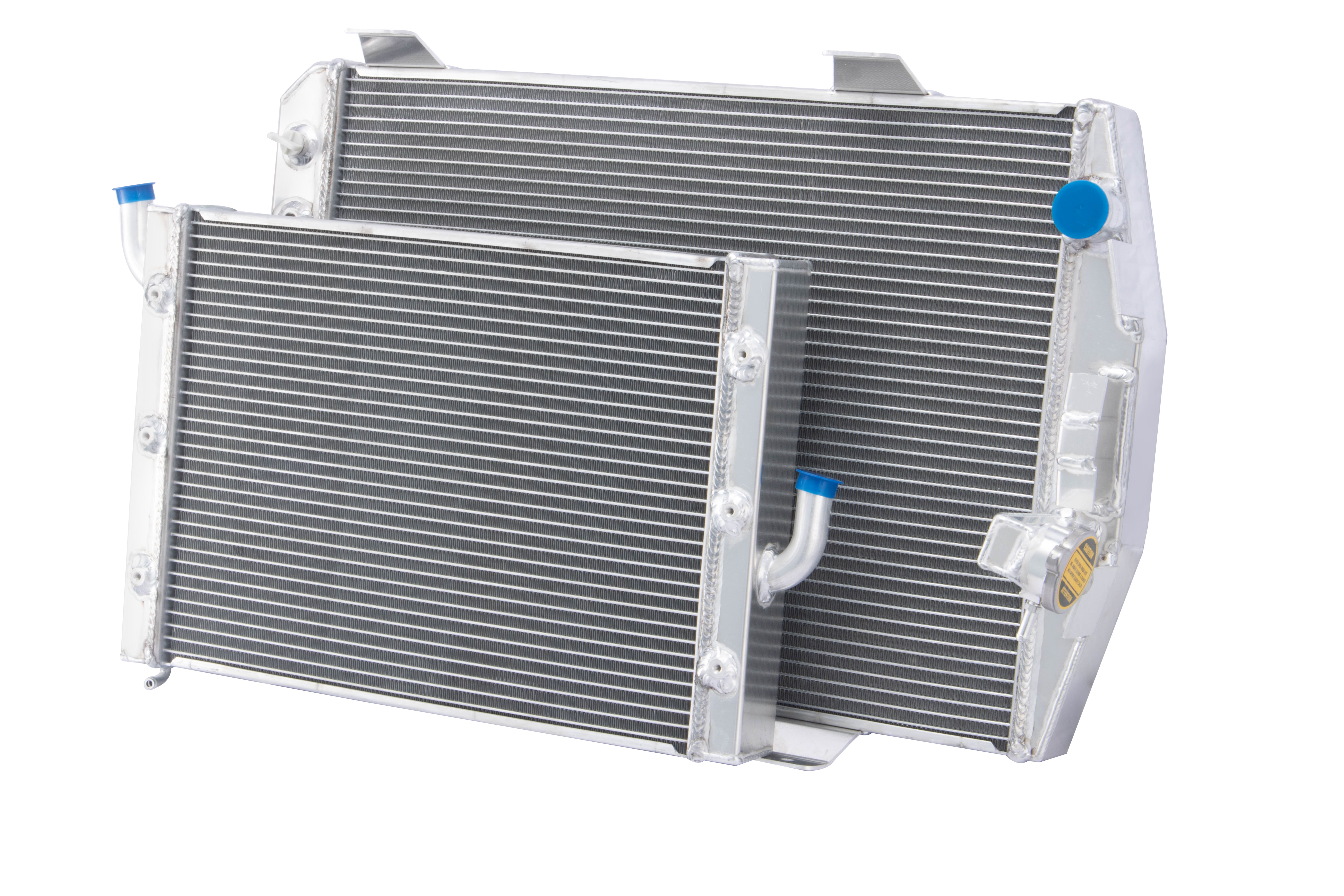
The aluminum car radiator represents a responsible choice for environmentally conscious consumers and fleet operators seeking to minimize their ecological footprint while maximizing economic returns. Aluminum's status as one of the most recyclable materials on earth means that radiators reaching end-of-life can be melted down and reformed into new products with minimal energy input compared to primary aluminum production from bauxite ore. This recyclability creates a closed-loop material cycle that conserves natural resources and reduces mining impacts, as recycled aluminum requires only five percent of the energy needed to produce virgin material. The lightweight construction of aluminum radiators contributes to improved vehicle fuel efficiency throughout the operational lifetime, as every pound of weight reduction translates to measurable decreases in fuel consumption over thousands of miles. This efficiency gain compounds over years of ownership, resulting in significant cost savings and reduced carbon emissions compared to heavier cooling system alternatives. The manufacturing process for aluminum car radiators generates less waste than traditional copper-brass production, as modern fabrication techniques achieve high material utilization rates with minimal scrap generation. What scrap does occur during production flows directly back into the recycling stream, ensuring virtually zero material waste in responsible manufacturing facilities. The extended service life of aluminum radiators reduces the frequency of replacement, decreasing the environmental burden associated with manufacturing, transportation, and disposal of cooling system components. Fewer replacements also mean reduced packaging waste, lower transportation emissions, and decreased demand on landfill capacity. The aluminum car radiator's compatibility with extended-life coolants reduces the frequency of coolant changes, minimizing the volume of used antifreeze requiring disposal or recycling. This compatibility stems from aluminum's resistance to the corrosion and scaling that can occur with traditional coolants, allowing modern formulations to remain effective for five years or 150,000 miles. Economic value extends beyond initial purchase price to encompass total cost of ownership, including installation labor, maintenance requirements, and replacement frequency. The aluminum car radiator's reliability reduces unexpected repair costs and vehicle downtime, particularly valuable for commercial fleets where every hour of operation generates revenue. The resale value of vehicles equipped with aluminum cooling systems may benefit from the perception of modern, well-maintained mechanical systems that appeal to informed buyers. Insurance costs might decrease slightly due to reduced fire risk, as efficient cooling systems prevent overheating situations that could lead to engine fires. The standardization of aluminum radiator designs across the automotive industry ensures wide availability of replacement parts and competitive pricing through multiple suppliers. Performance consistency throughout the service life means that cooling capacity does not degrade significantly over time, maintaining engine protection and efficiency without requiring upgrades or modifications. The aluminum car radiator's contribution to overall vehicle reliability enhances owner satisfaction and brand loyalty, creating intangible value that extends beyond purely financial considerations.