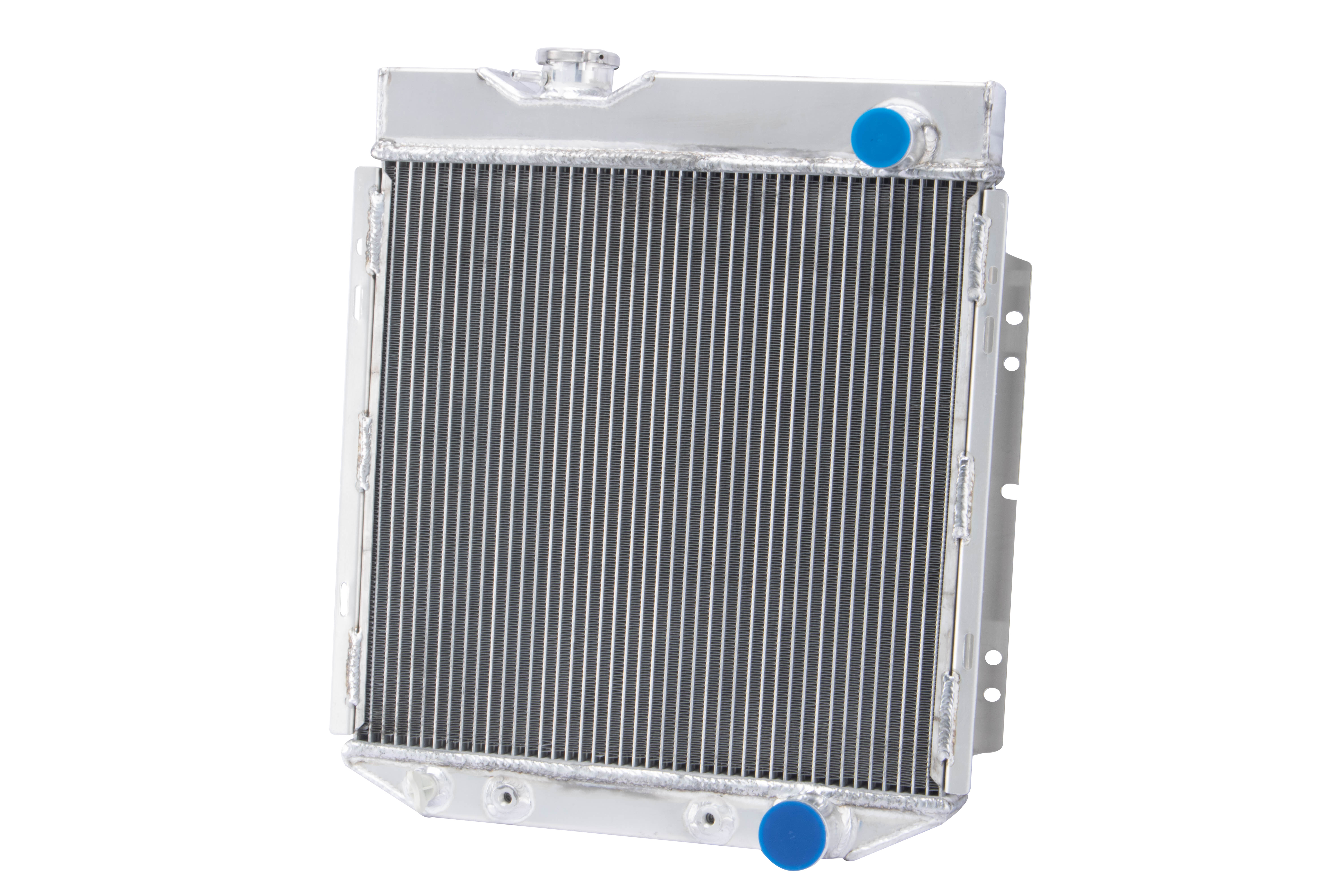
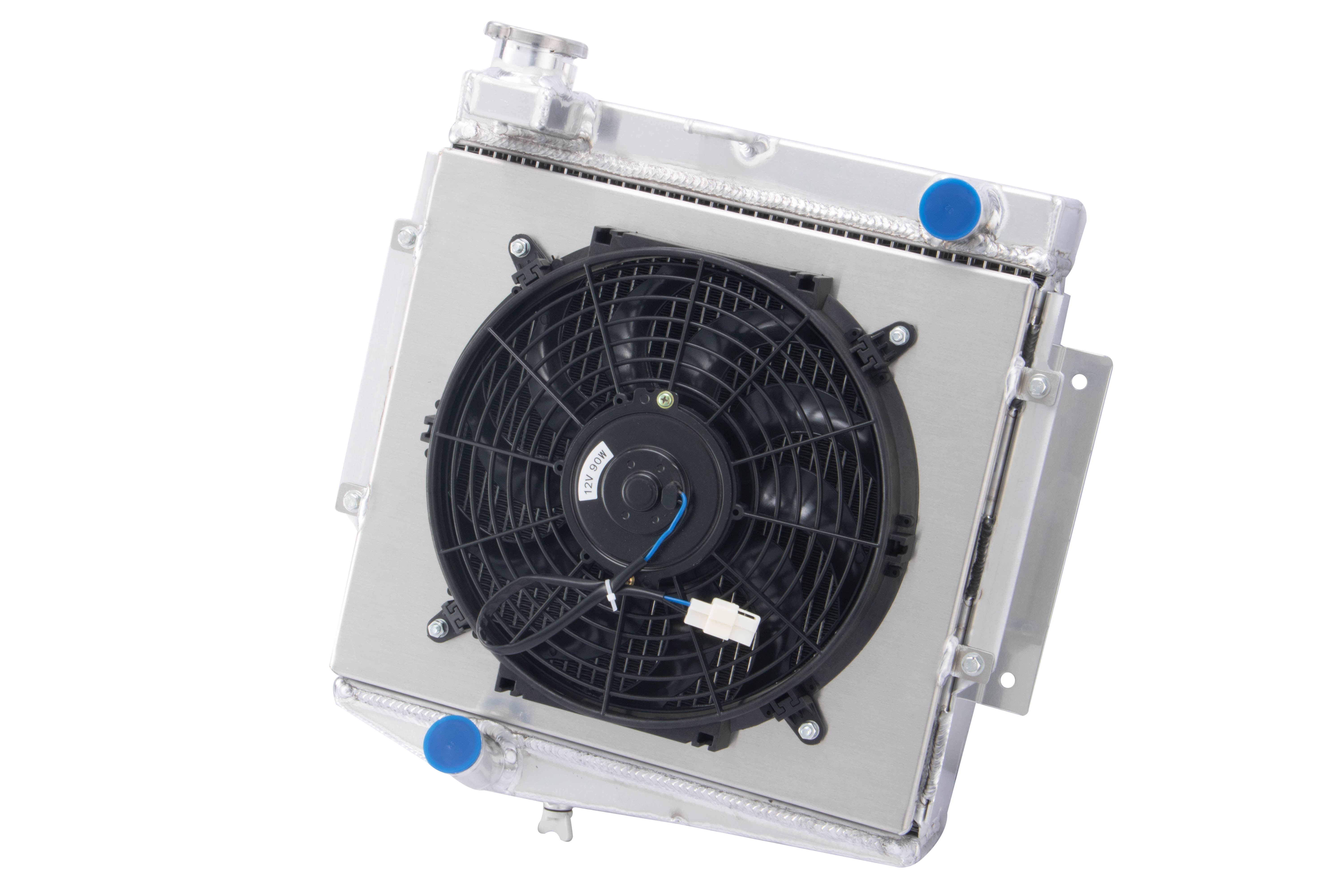
Lightweight Aluminum Construction With Superior Thermal Properties
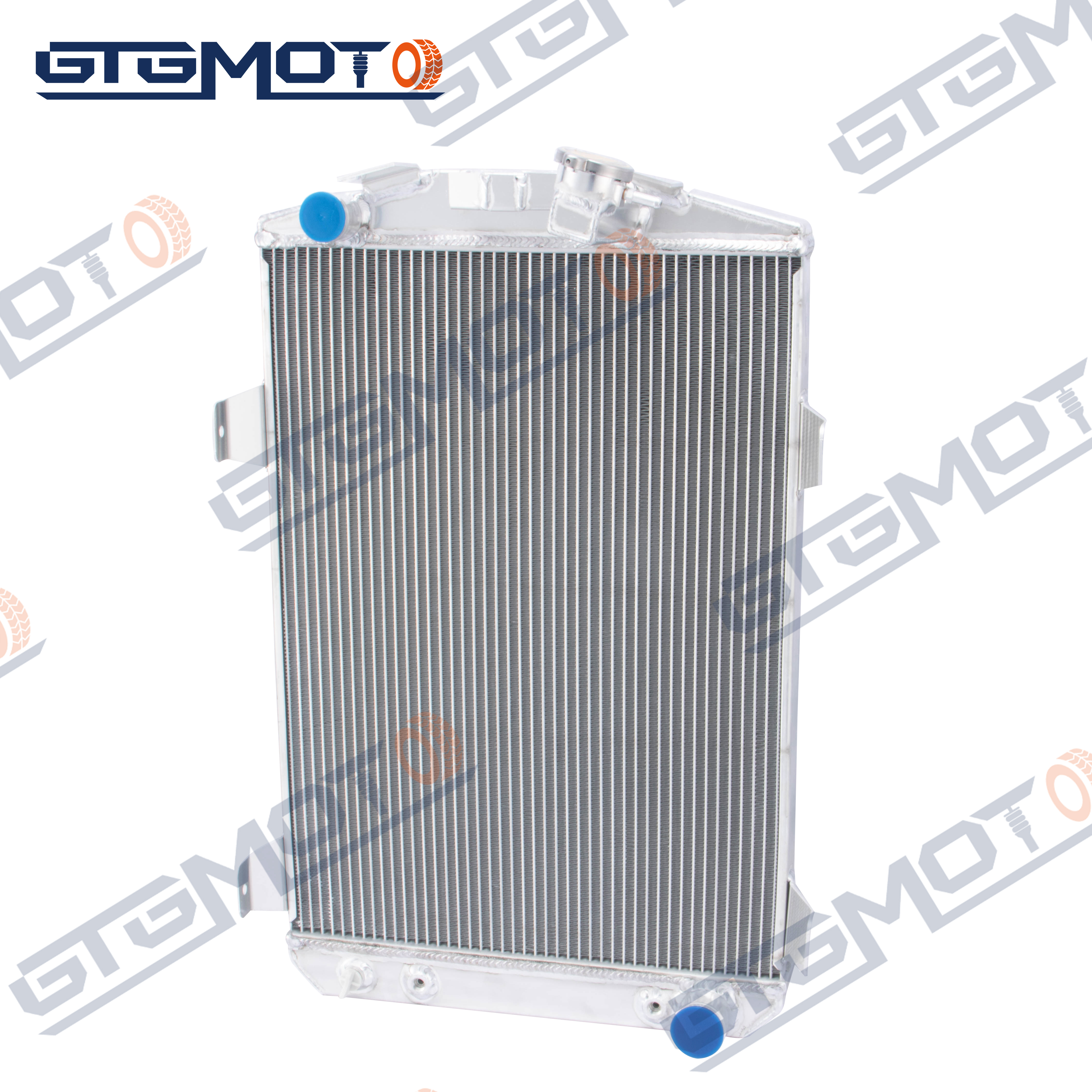
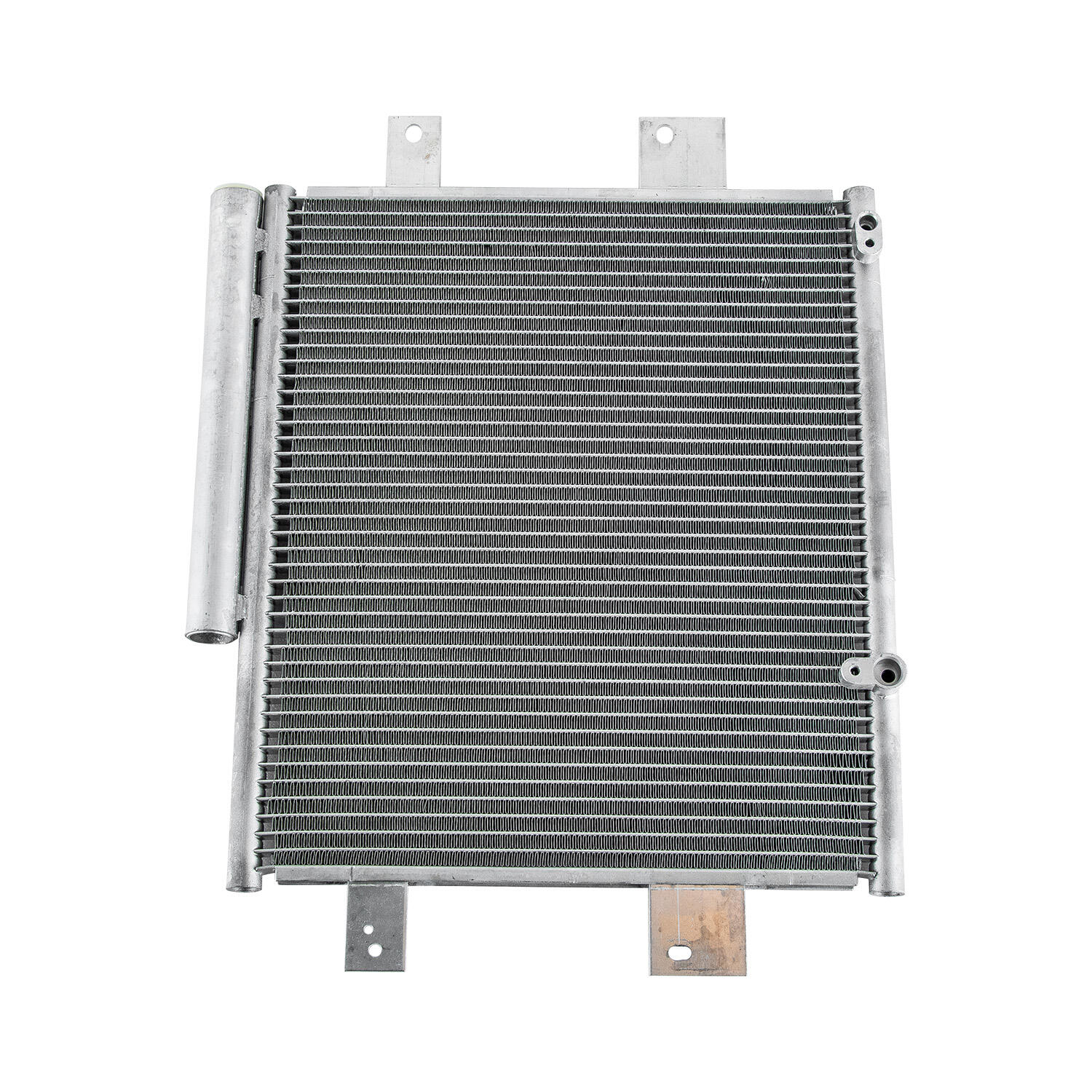
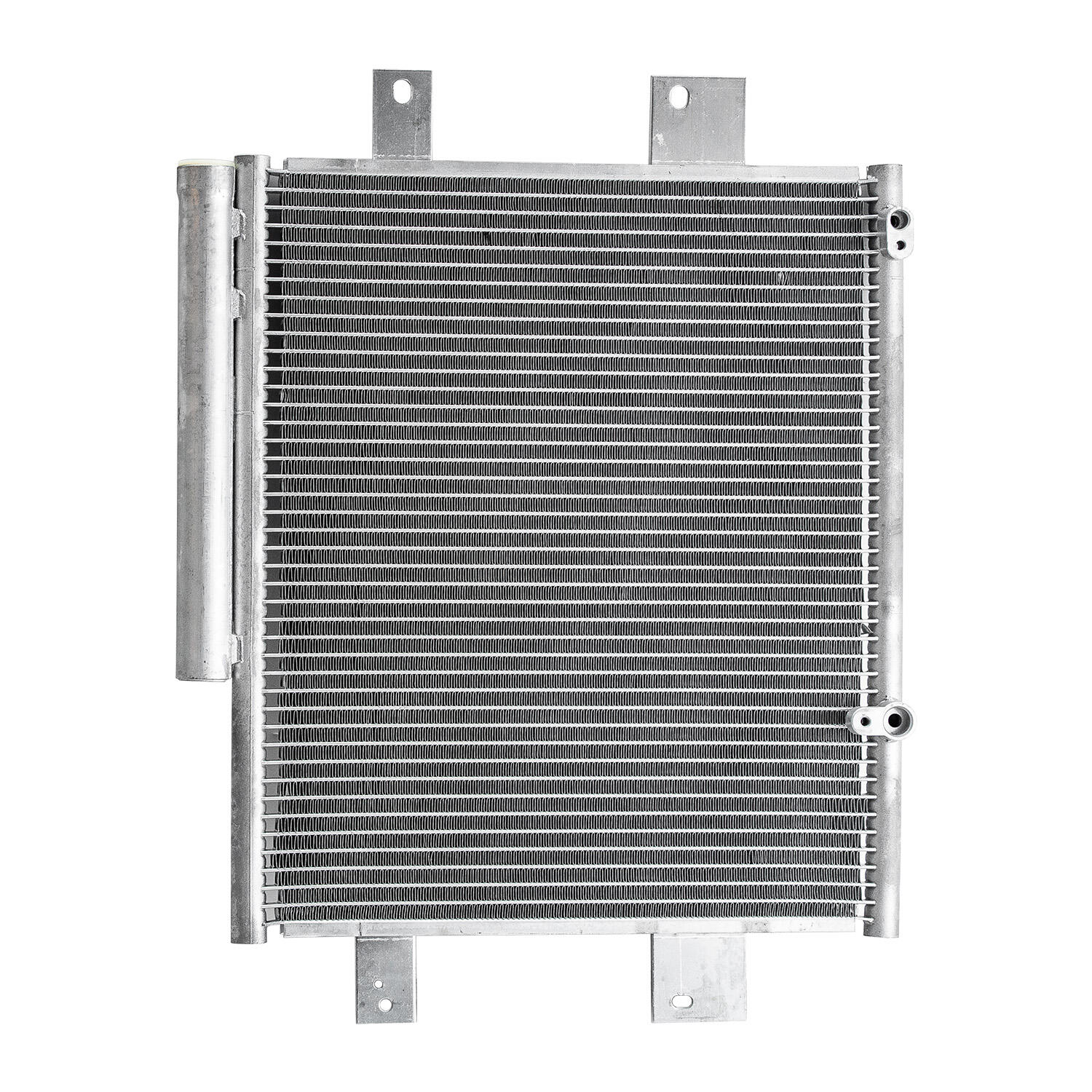
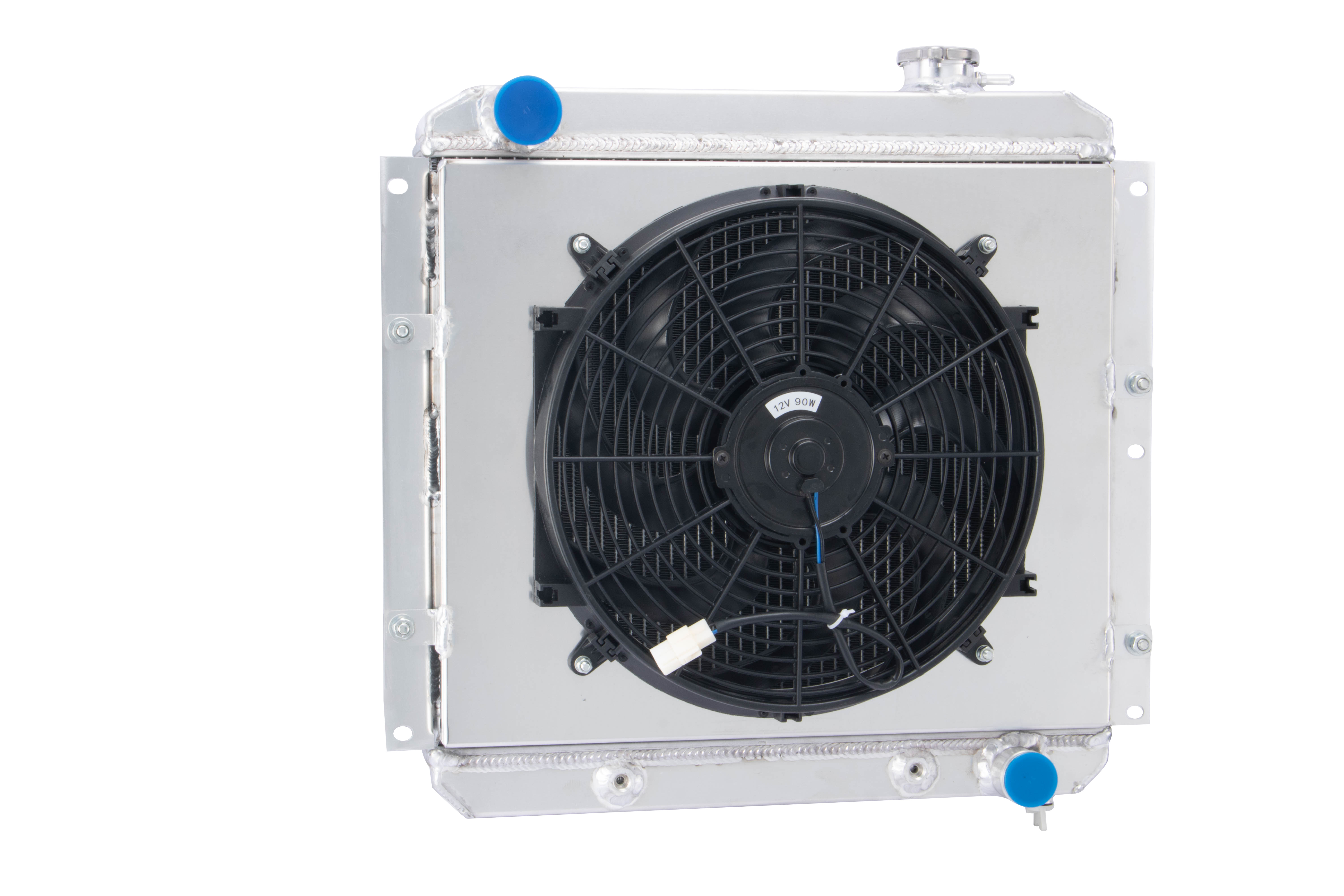
The material selection for the aluminum three-row radiator reflects decades of engineering evolution and represents the optimal balance between weight, thermal performance, durability, and manufacturing efficiency. Aluminum alloys used in modern radiator construction possess thermal conductivity ratings that rival copper while offering density characteristics that result in components weighing 40 to 50 percent less than equivalent copper-brass designs. This weight reduction matters significantly in performance applications where every pound affects acceleration, braking, and handling dynamics. The aluminum three-row radiator typically weighs between 8 and 15 pounds depending on size, compared to 20 to 30 pounds for traditional radiators of similar capacity. Beyond the weight advantage, aluminum demonstrates exceptional resistance to corrosion in automotive cooling system environments, particularly when modern coolant formulations containing corrosion inhibitors are used according to manufacturer specifications. The aluminum three-row radiator maintains its structural integrity and thermal performance throughout extended service intervals without the internal scaling and deterioration that plague older radiator technologies. Manufacturing processes for aluminum radiators have advanced to include vacuum brazing techniques that create molecular bonds between tubes, fins, and tanks without requiring additional fasteners or solder materials that could fail under thermal stress. This construction method results in an aluminum three-row radiator that functions as a single unified structure capable of withstanding pressure spikes, vibration, and thermal cycling without developing leaks at connection points. The material properties of aluminum also allow for thinner wall sections in the tubes and fins compared to other materials, maximizing the internal volume available for coolant flow while minimizing the material blocking airflow through the core. The aluminum three-row radiator benefits from the metal's excellent formability, enabling manufacturers to create complex fin geometries and tube shapes that optimize heat transfer characteristics. Aluminum's natural oxide layer provides additional protection against environmental degradation, ensuring the external surfaces resist damage from road salt, chemicals, and atmospheric exposure. The combination of light weight, superior thermal conductivity, corrosion resistance, and structural durability makes aluminum the ideal material choice for high-performance cooling applications where the aluminum three-row radiator must deliver consistent results under demanding conditions while contributing minimal weight to the vehicle.