Advanced Welding Techniques Ensure Structural Integrity
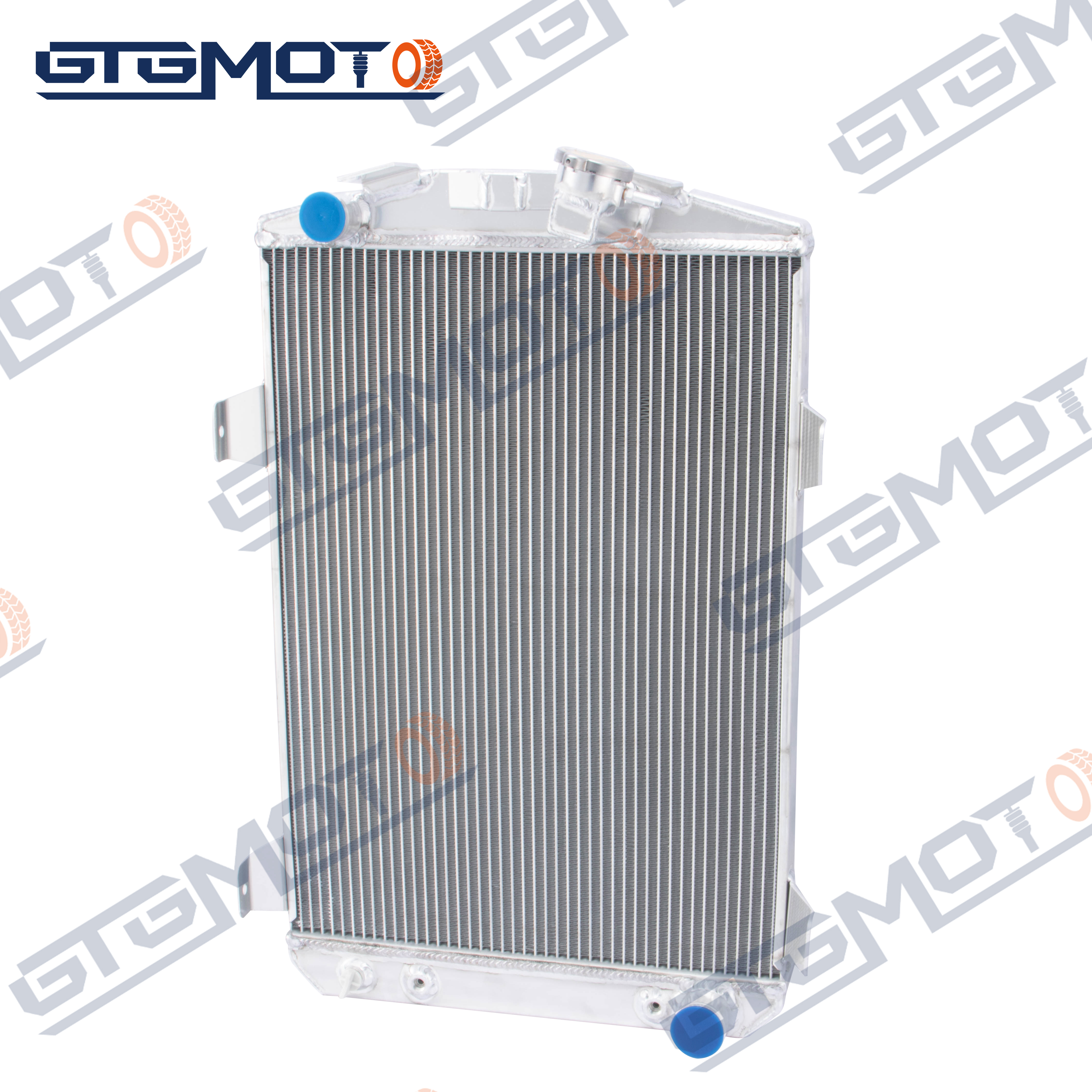
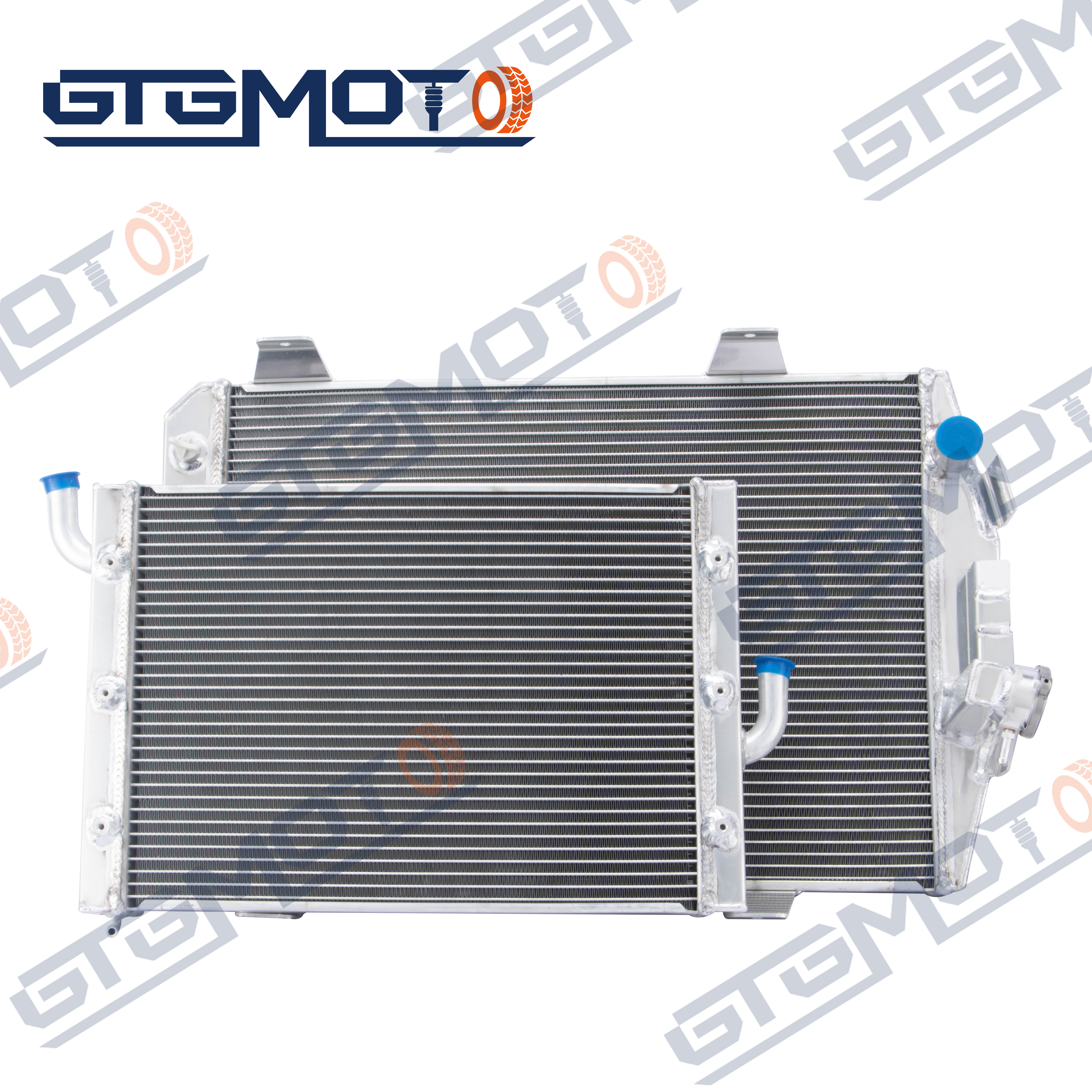
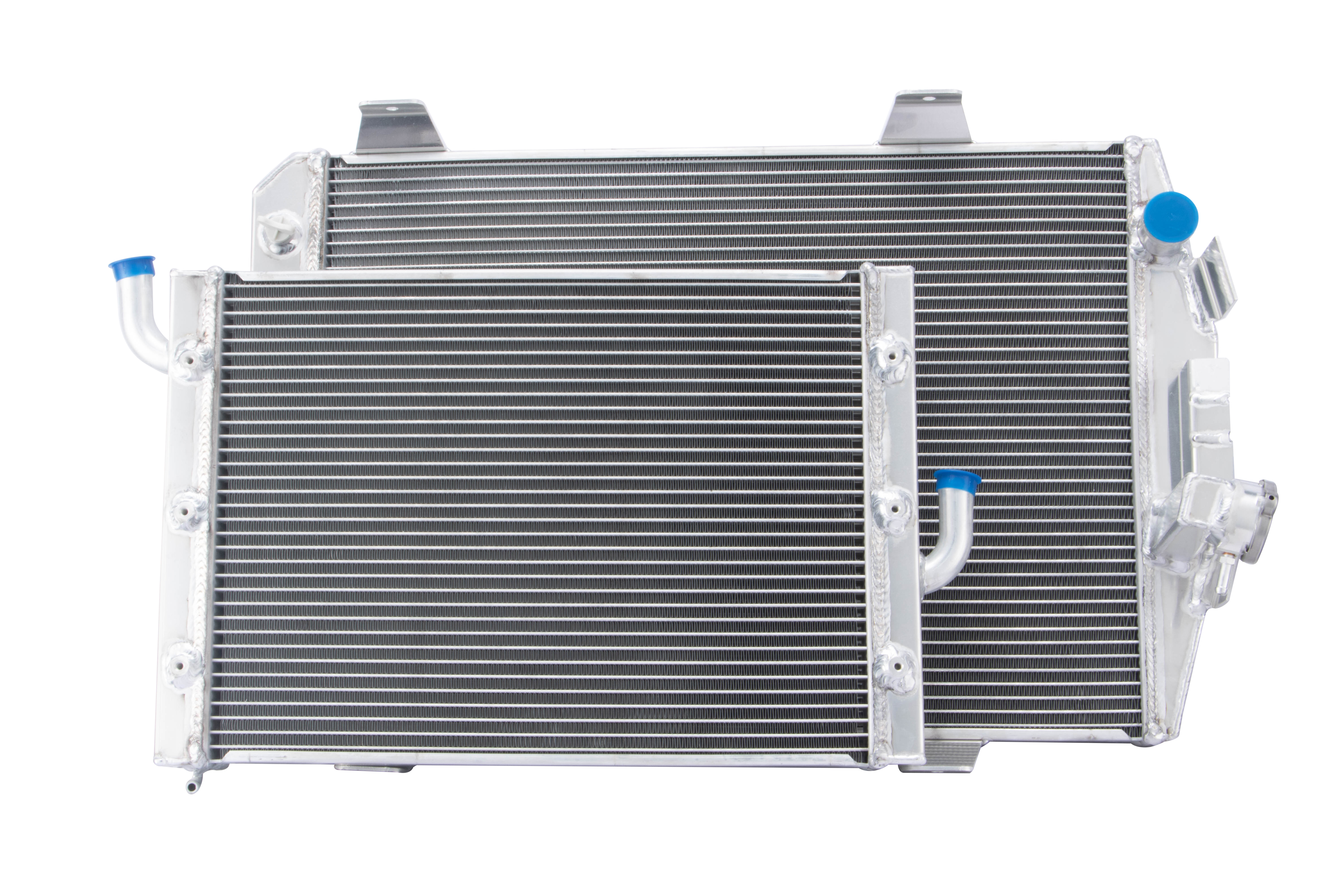
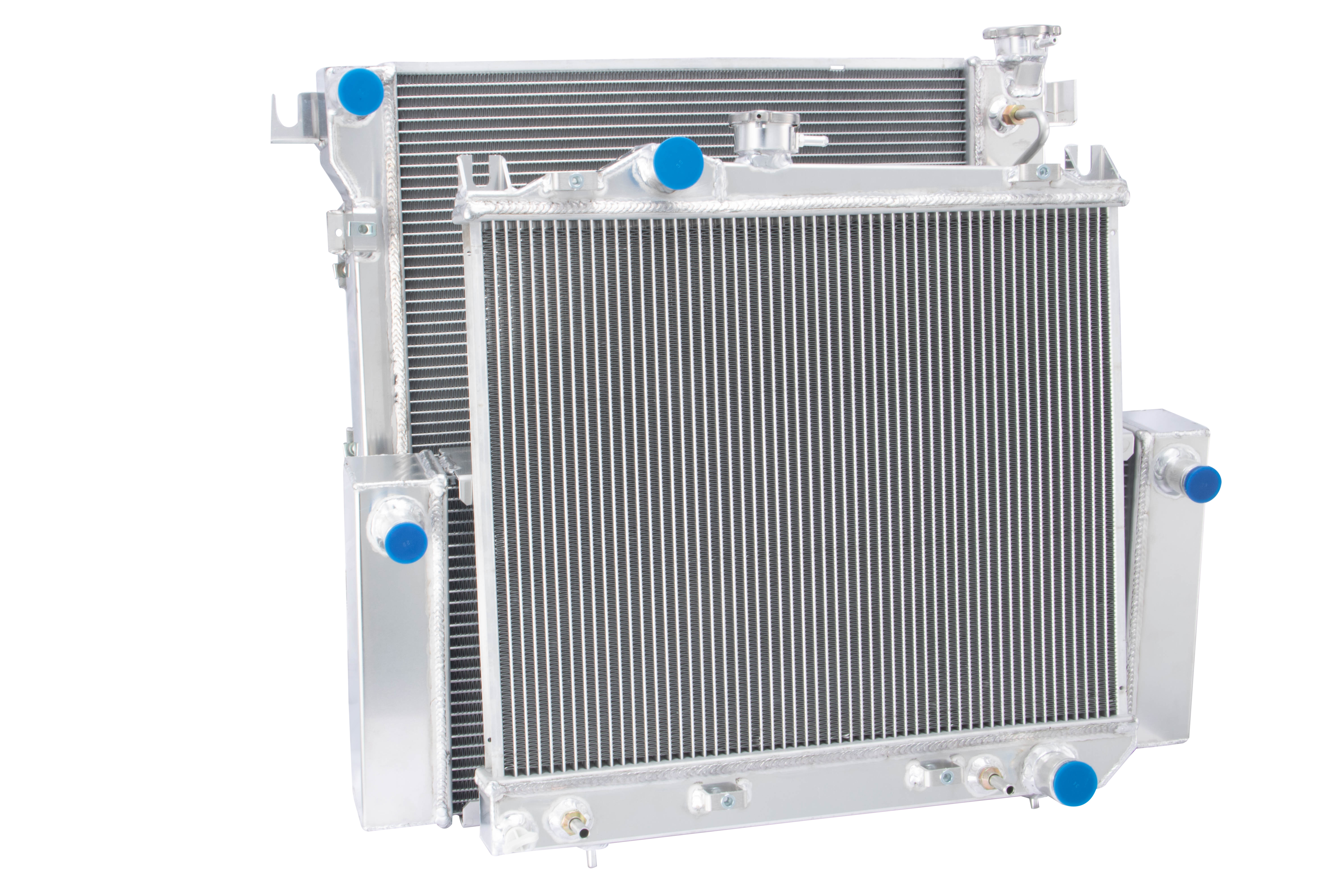
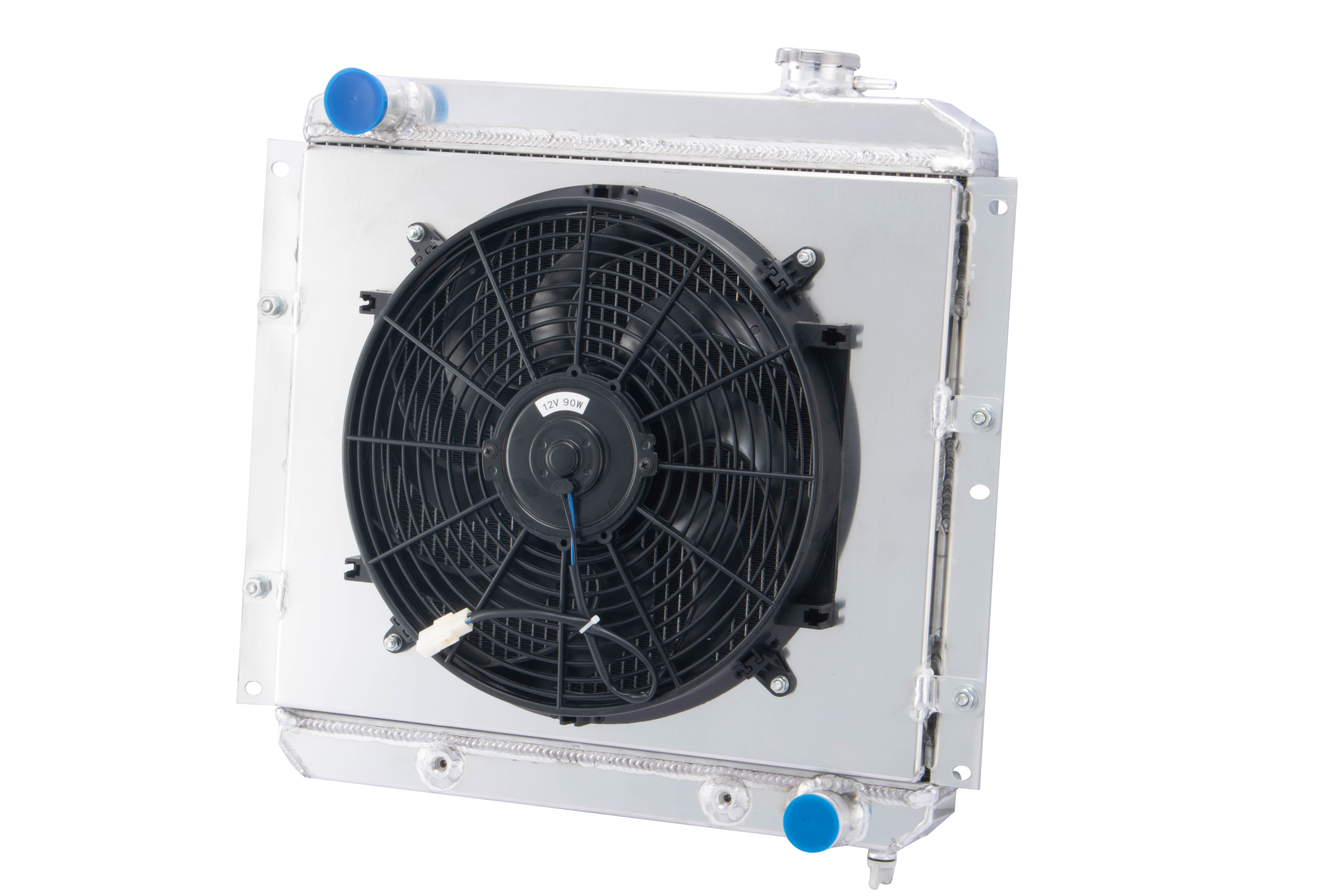
The cornerstone of professional aluminum radiator repair lies in the application of advanced welding techniques that restore structural integrity while maintaining the thermal properties essential for effective heat dissipation. TIG welding, or Tungsten Inert Gas welding, represents the gold standard for aluminum radiator repair because it produces clean, precise welds with minimal heat distortion and excellent penetration characteristics. This welding method uses a non-consumable tungsten electrode to create the arc while feeding aluminum filler rod into the weld pool, all protected by an inert gas shield that prevents oxidation and contamination. The controlled heat input of TIG welding proves critical when working with thin-walled aluminum radiator components, as excessive heat can warp delicate fins, distort tank shapes, or compromise the metallurgical structure of the base material. Skilled technicians adjust amperage, travel speed, and filler rod composition based on the specific aluminum alloy being repaired, ensuring compatibility and optimal weld strength. The repair process begins with thorough cleaning of the damaged area using wire brushes, chemical cleaners, or abrasive methods to remove oxidation, oil, coolant residue, and other contaminants that would compromise weld quality. Technicians then carefully prepare the joint geometry, sometimes beveling edges or creating V-grooves to ensure complete penetration and fusion throughout the repair zone. During welding, precise control of the heat-affected zone minimizes thermal stress and prevents the creation of new cracks or weak points adjacent to the repair. Post-weld treatment may include stress-relieving procedures, surface finishing to restore smooth contours, and protective coating application to prevent future corrosion. The welding techniques used in aluminum radiator repair can address various damage types including split seams, cracked tanks, punctured tubes, and separated joints between dissimilar components. For radiators with extensive damage, technicians may perform multiple weld repairs in strategic sequences, allowing each weld to cool properly before proceeding to prevent cumulative heat buildup that could cause warping. Quality welding in aluminum radiator repair creates joints that match or exceed the strength of the original construction, ensuring the repaired radiator can withstand normal operating pressures and thermal cycling without failure. The expertise required for aluminum radiator repair welding extends beyond basic welding skills to include understanding of aluminum metallurgy, thermal management, and the specific stress patterns that radiators experience during operation.