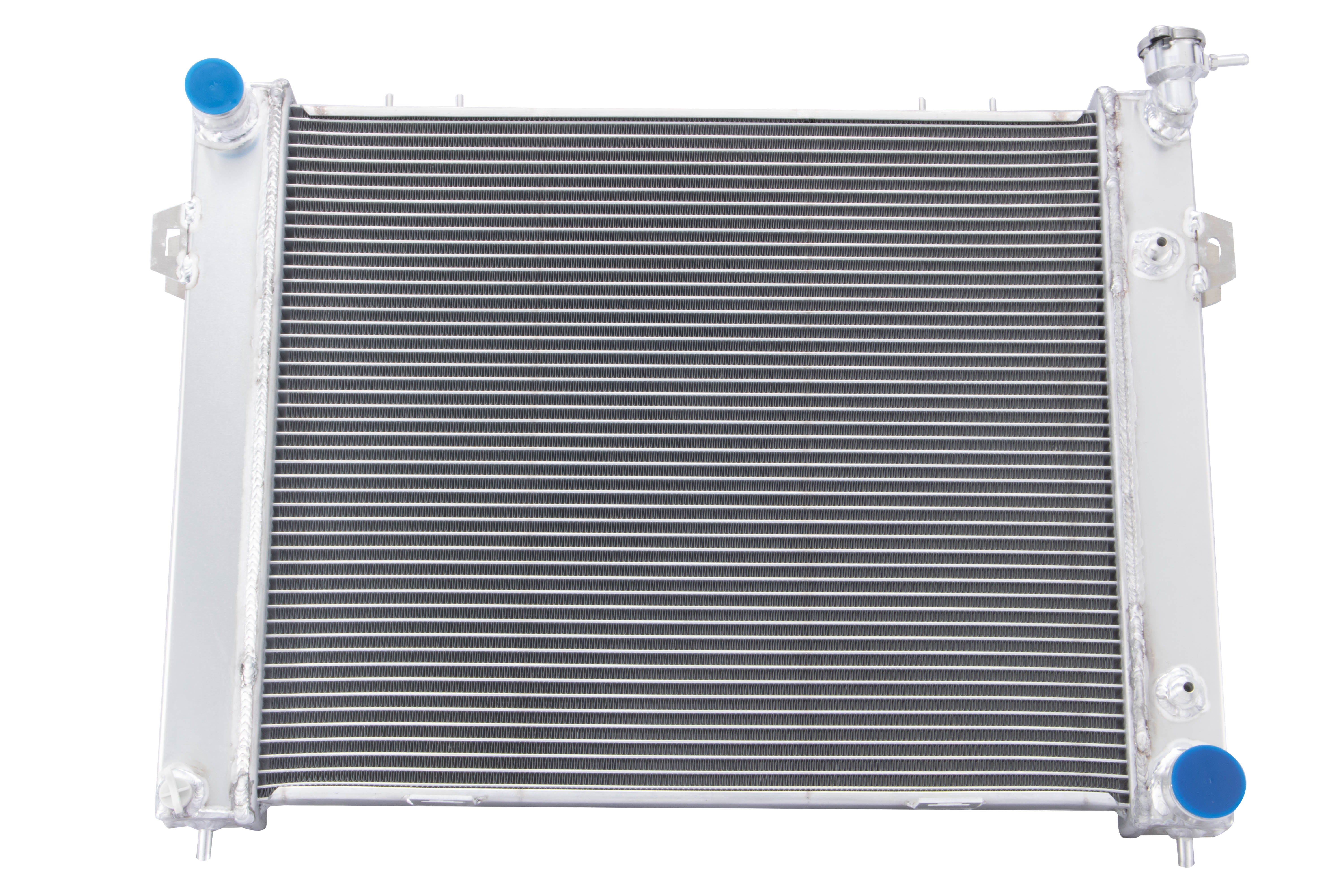
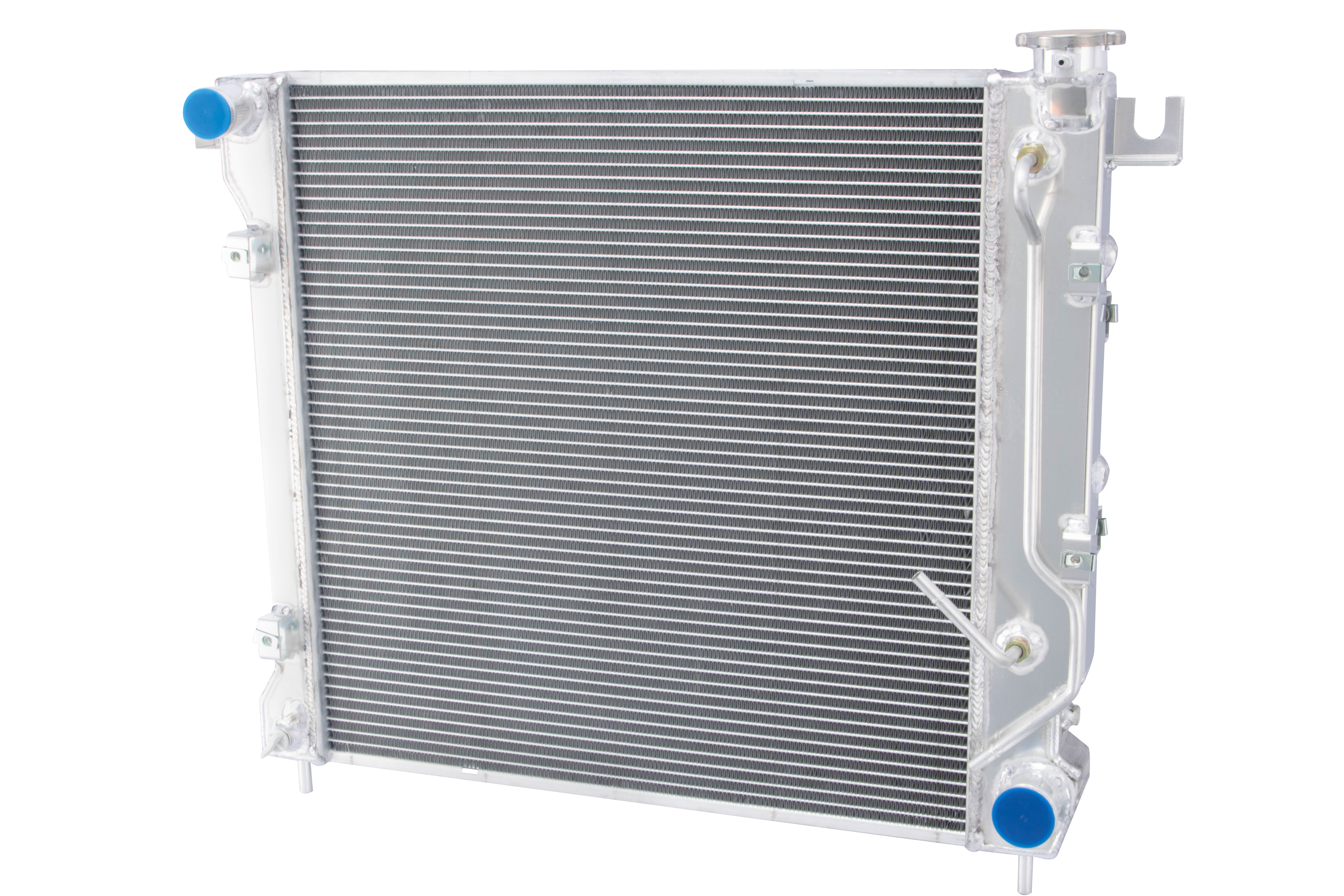
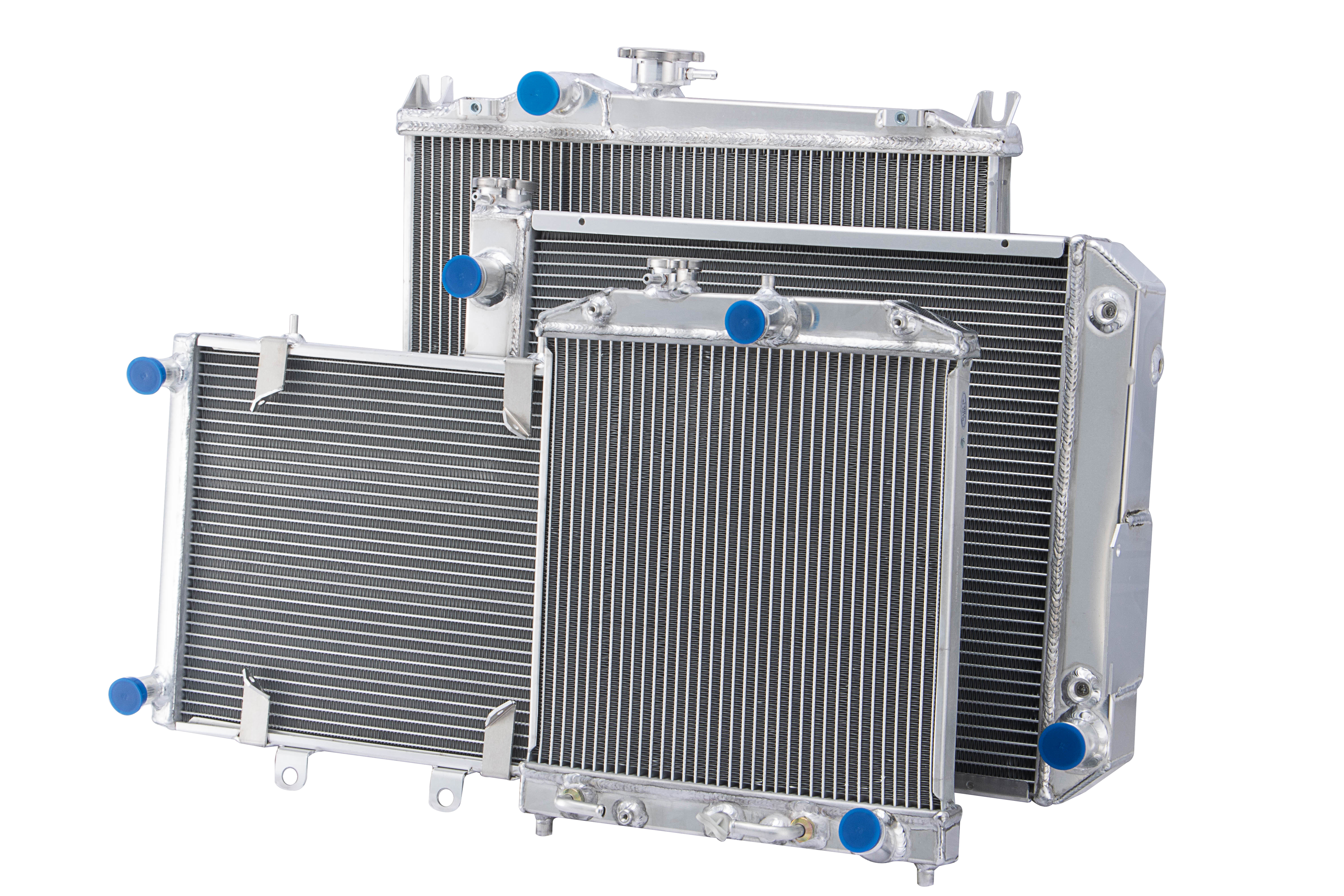
alloy radiator
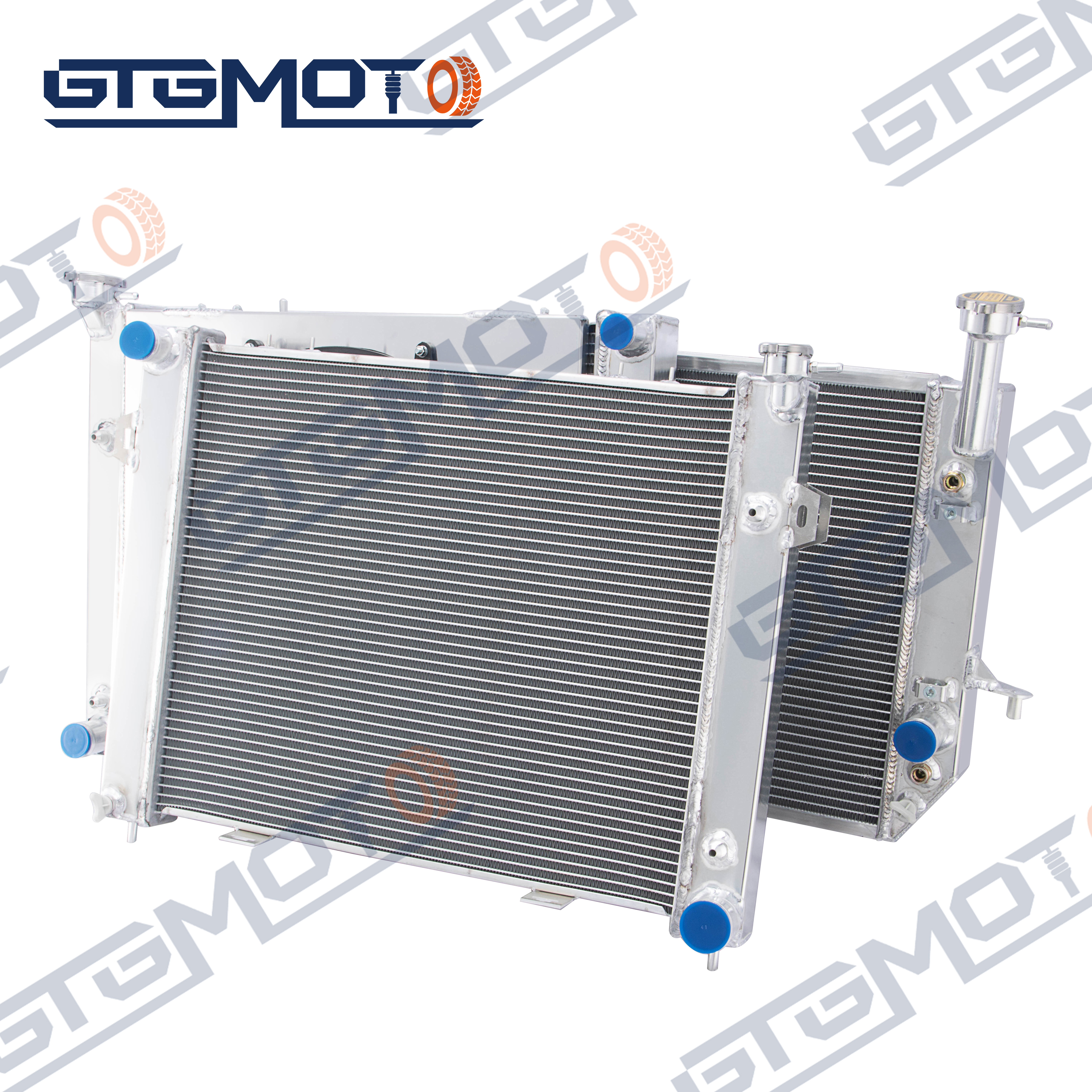
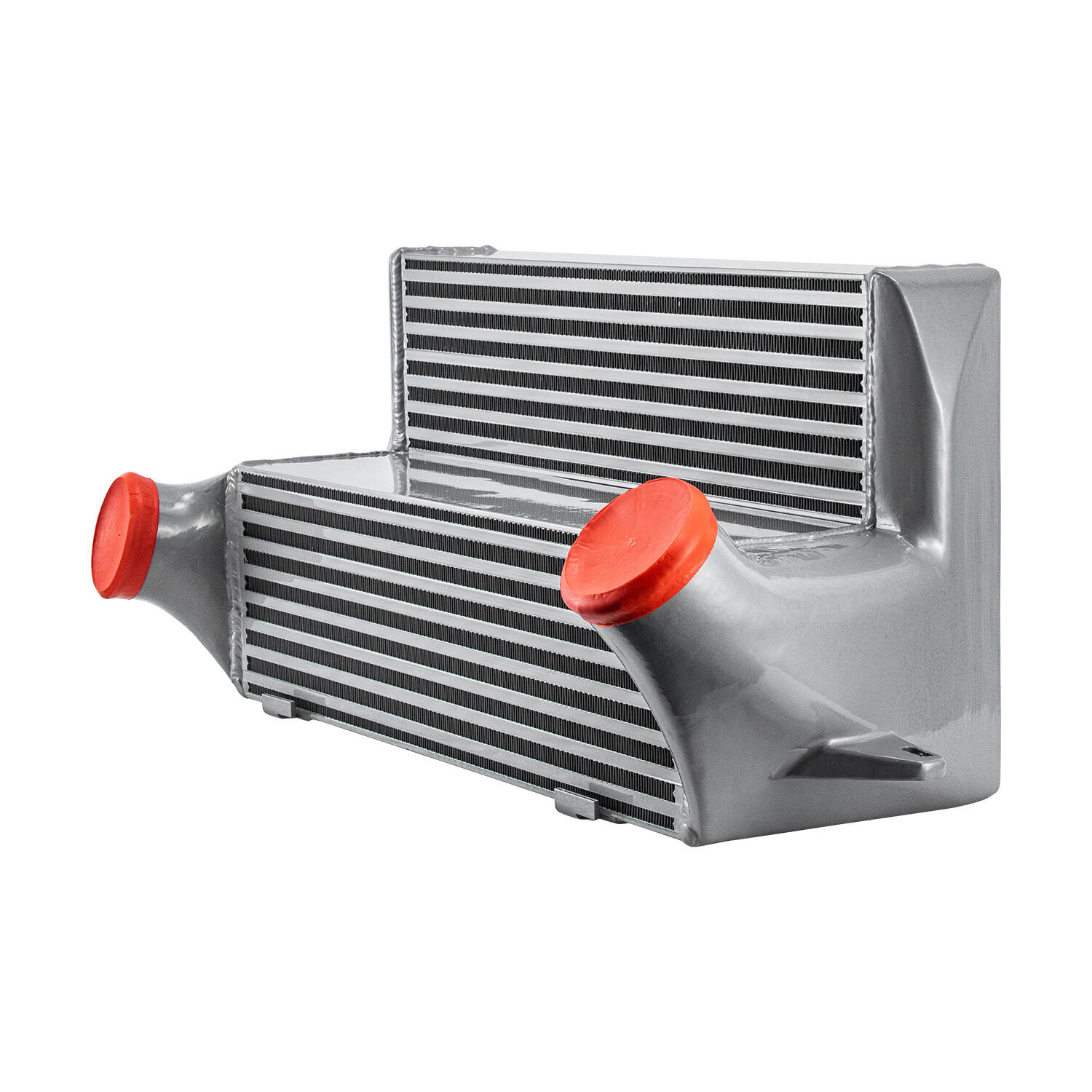
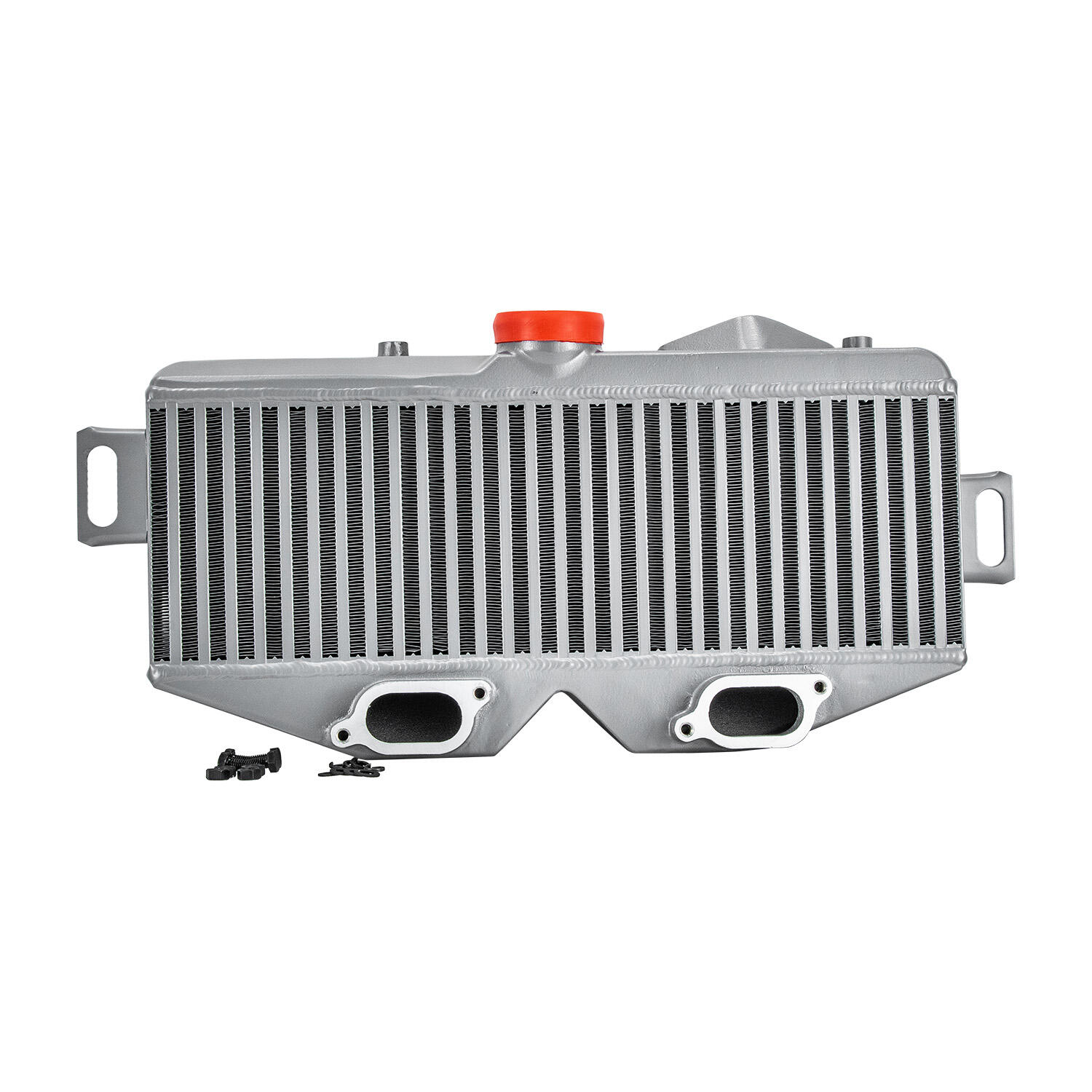
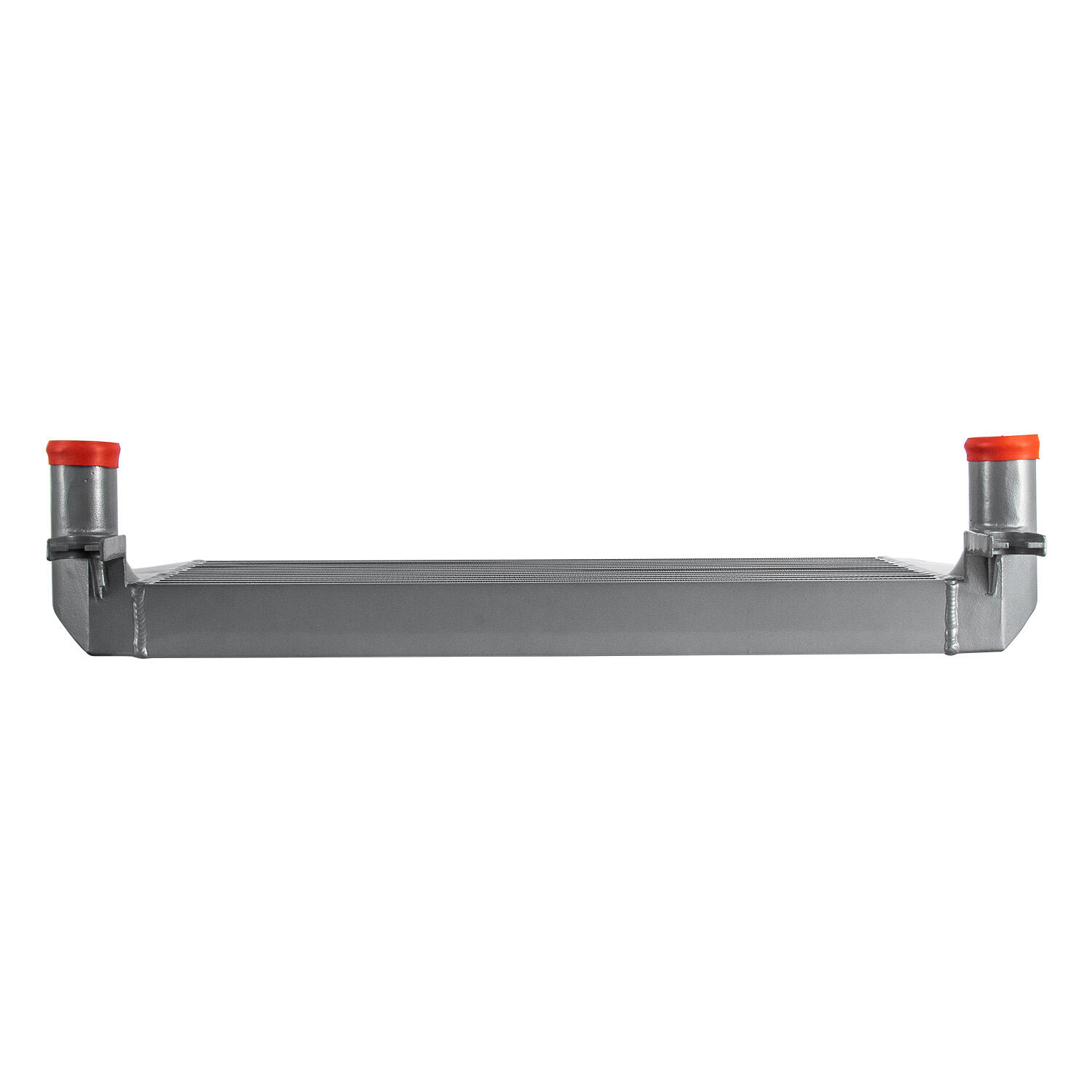
An alloy radiator represents a modern cooling solution engineered from lightweight metal combinations, primarily aluminum or aluminum-magnesium blends, designed to dissipate heat efficiently in automotive, industrial, and HVAC applications. This cooling component functions by transferring thermal energy from hot fluids circulating through its core to the surrounding air, maintaining optimal operating temperatures for engines, machinery, and climate control systems. The alloy radiator consists of multiple thin tubes running between two tanks, with fins attached to increase surface area for maximum heat exchange. As hot coolant flows through these tubes, air passing over the finned surface absorbs the heat, cooling the fluid before it returns to the engine or system. The aluminum construction offers exceptional thermal conductivity, allowing rapid heat transfer while maintaining structural integrity under high-pressure conditions. Modern alloy radiators incorporate advanced manufacturing techniques including brazed construction, where all components are fused together in a controlled furnace environment, creating leak-proof joints and eliminating the need for rubber gaskets that deteriorate over time. The technological evolution of alloy radiators has introduced features such as multi-louvered fins that create turbulence in airflow, enhancing cooling efficiency by up to thirty percent compared to traditional designs. These radiators serve critical roles in passenger vehicles, commercial trucks, racing applications, industrial generators, construction equipment, and stationary power systems. The versatility of alloy radiator designs allows customization for specific thermal management requirements, with variations in core thickness, tube configuration, and fin density tailored to different cooling demands. Performance vehicles benefit from high-capacity alloy radiators that handle extreme heat loads during sustained high-speed operation, while everyday applications rely on standard configurations that balance efficiency with cost-effectiveness. The adoption of alloy radiators has become industry standard across automotive manufacturing due to their superior performance characteristics and manufacturing advantages over traditional copper-brass alternatives.