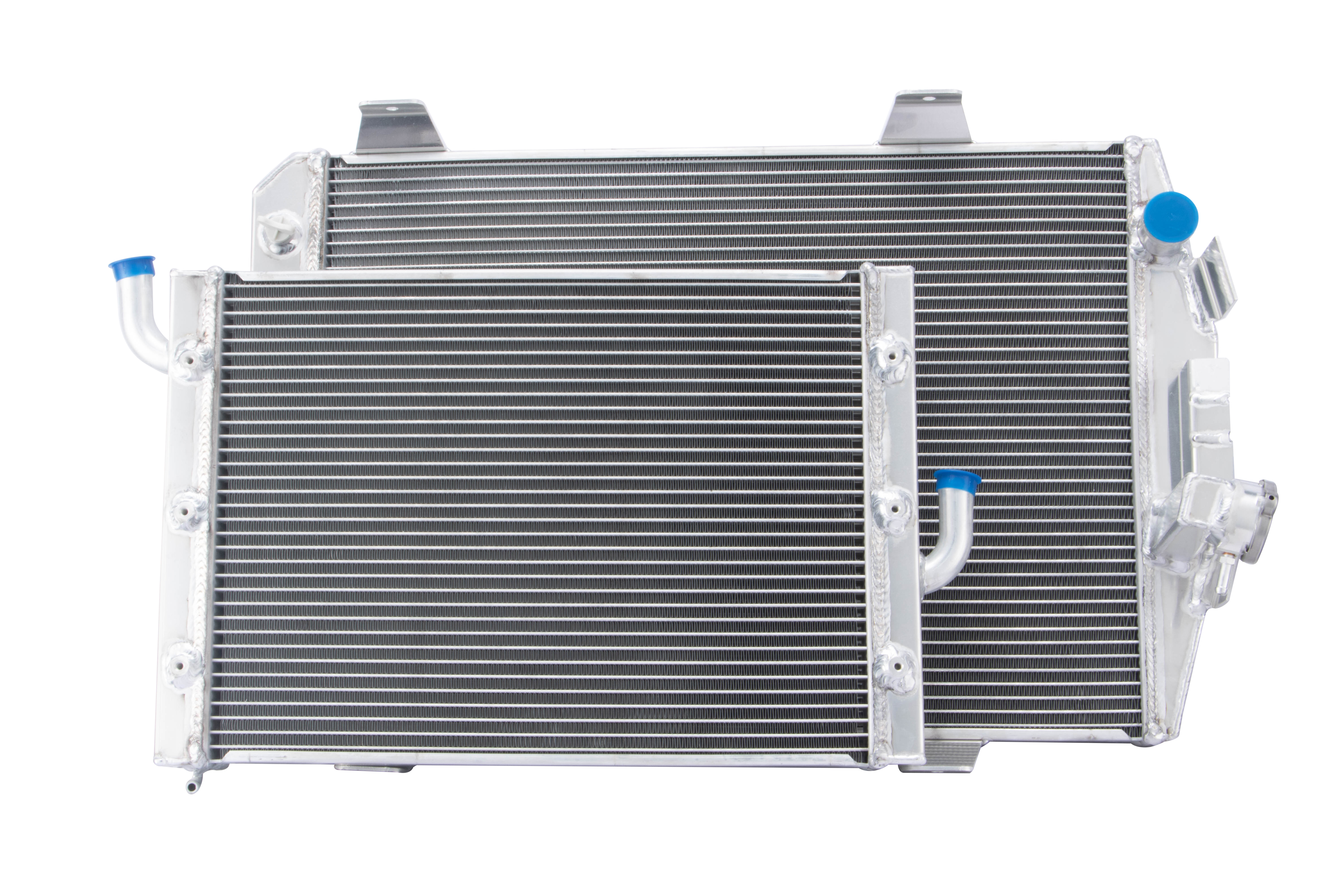
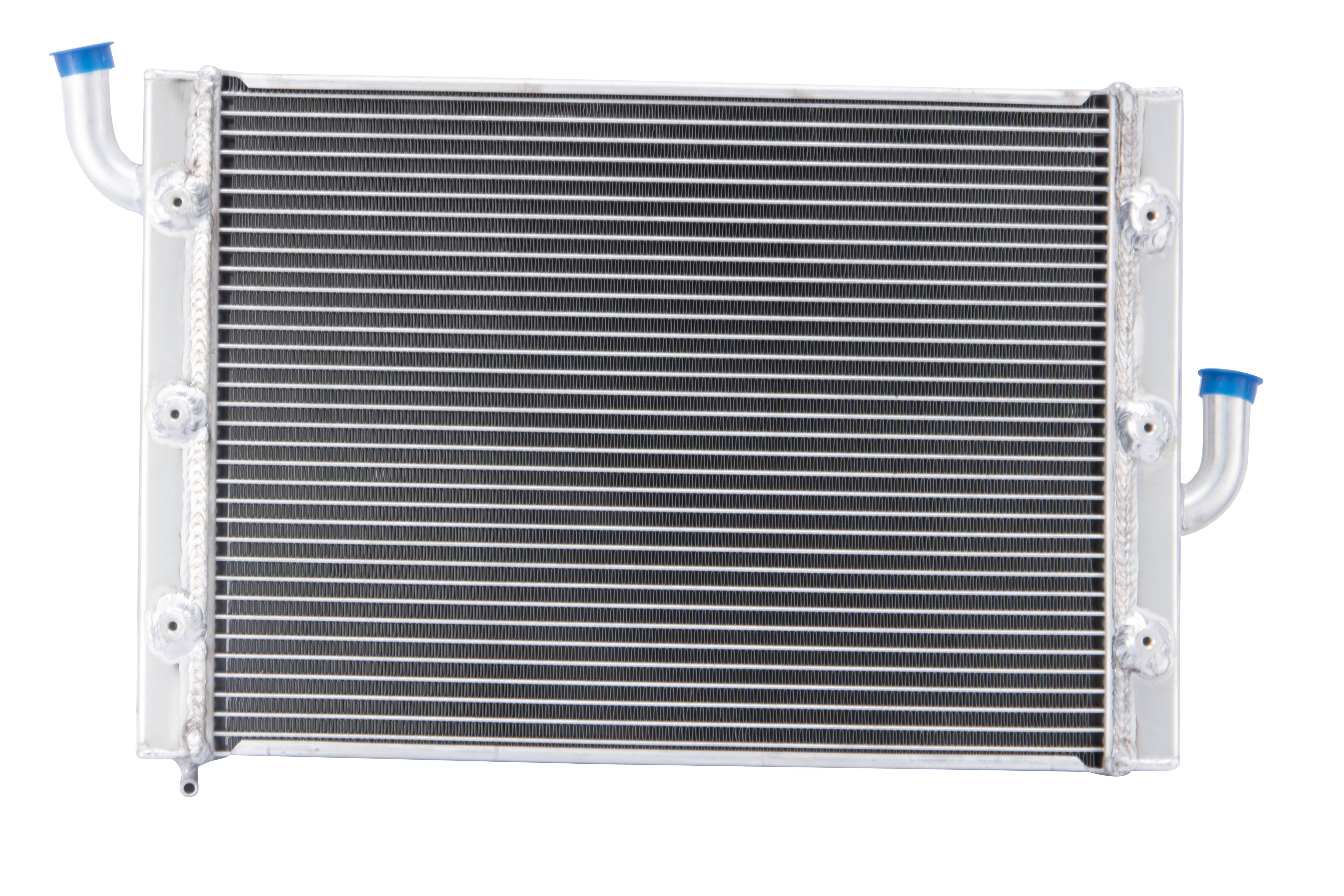
Premium Aluminum Radiators for Classic Cars - Superior Cooling Performance & Lightweight Design

All Categories

Get a Free Quote

Our representative will contact you soon.
Email
Name
Company Name
WhatsApp
Message
0/1000

aluminum radiator for classic cars

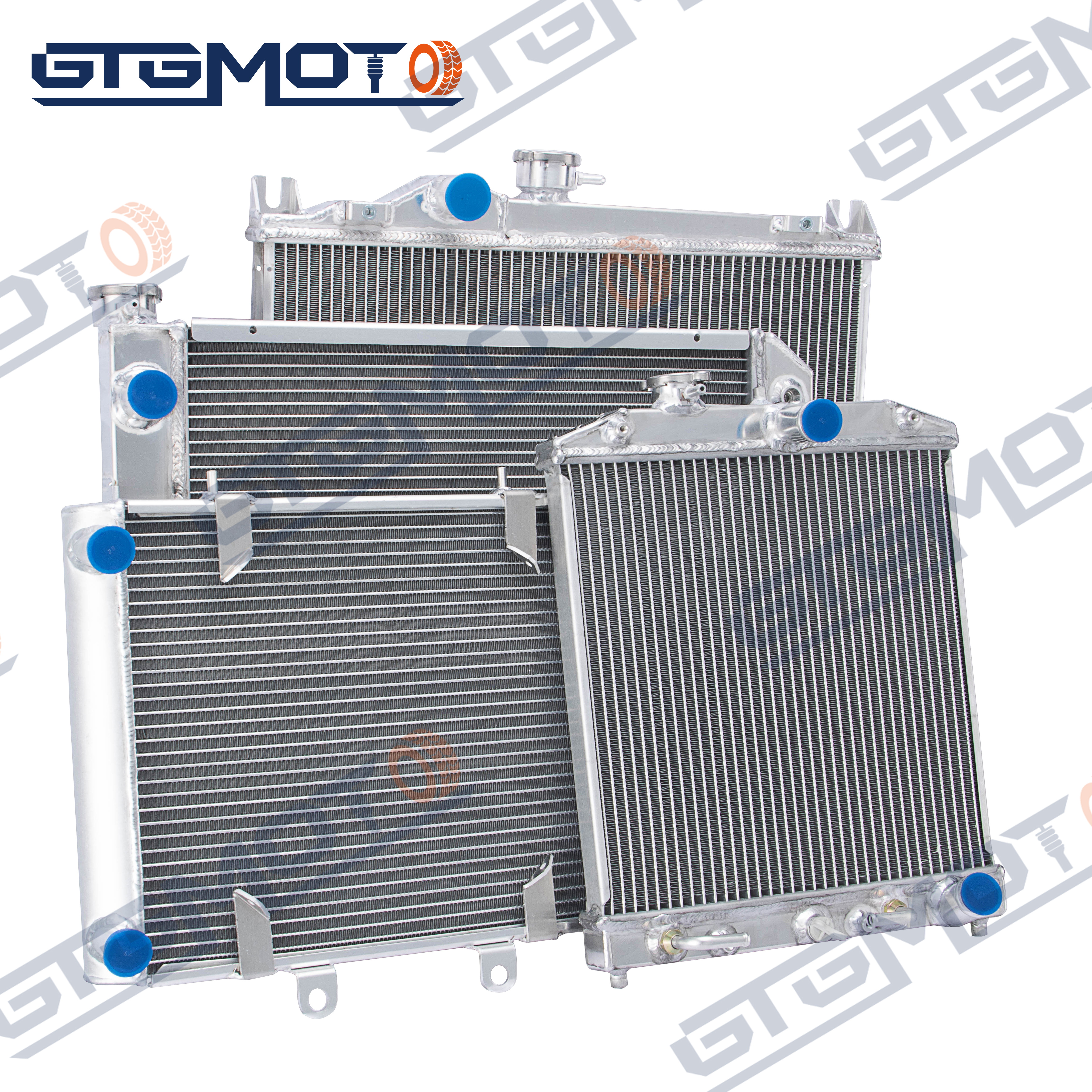
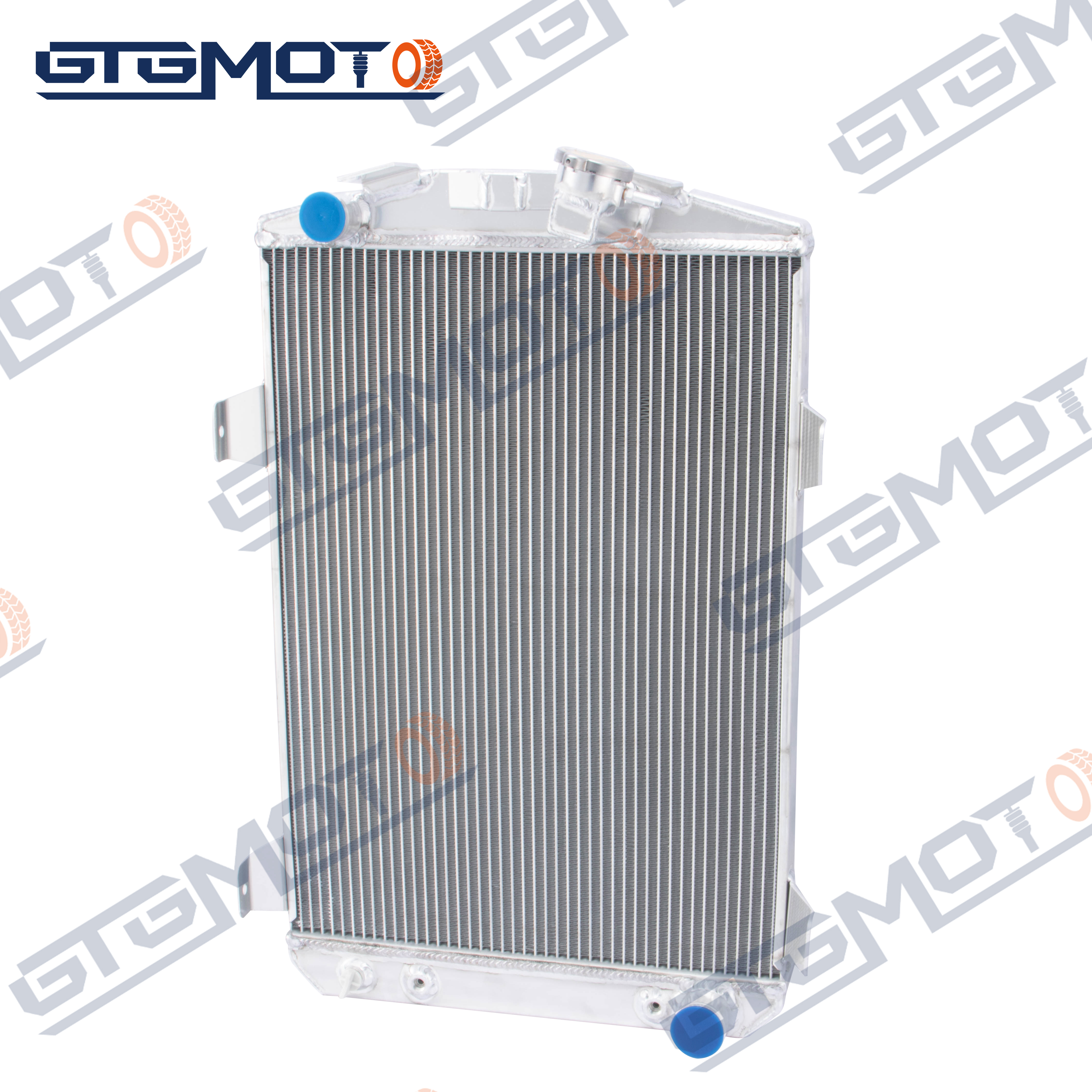
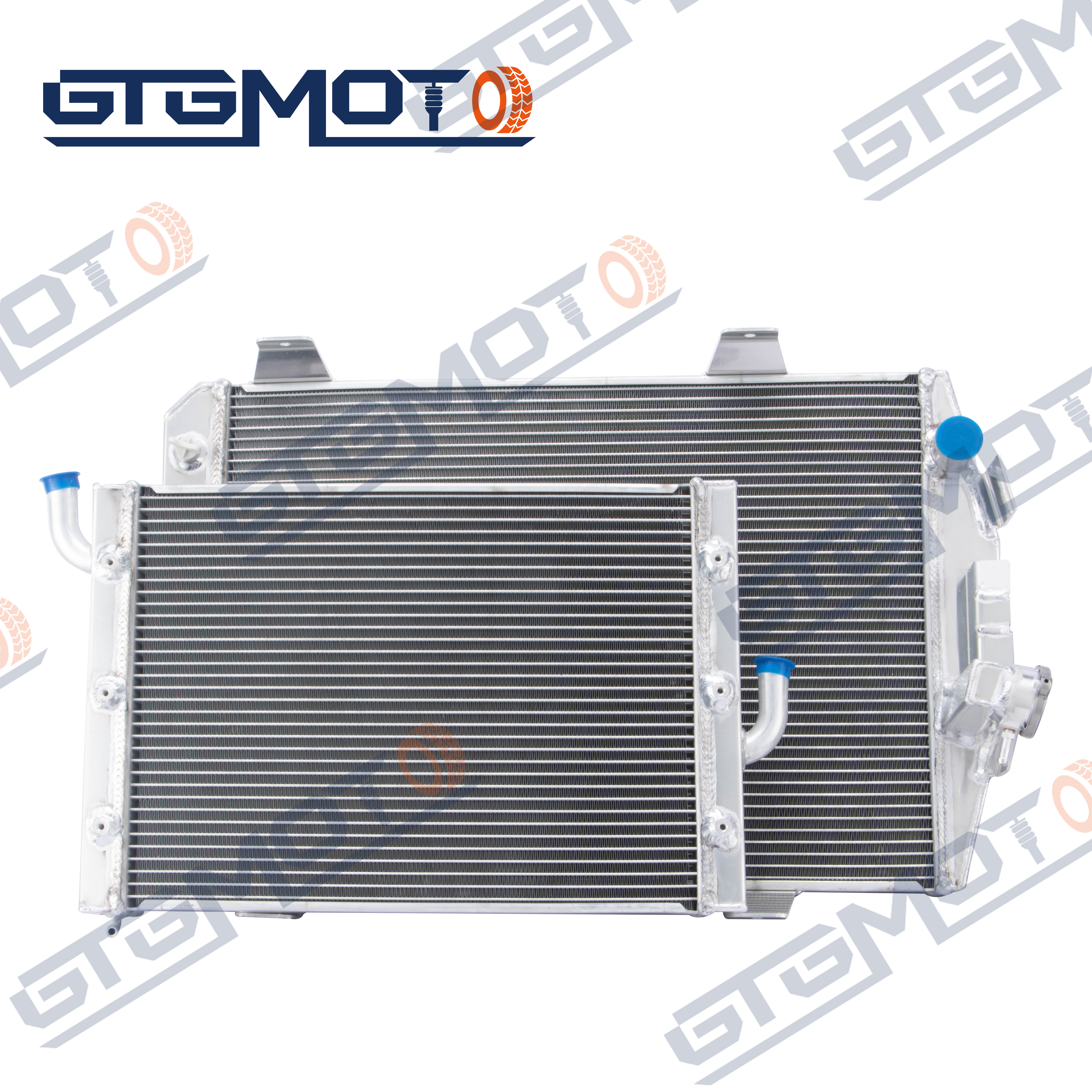
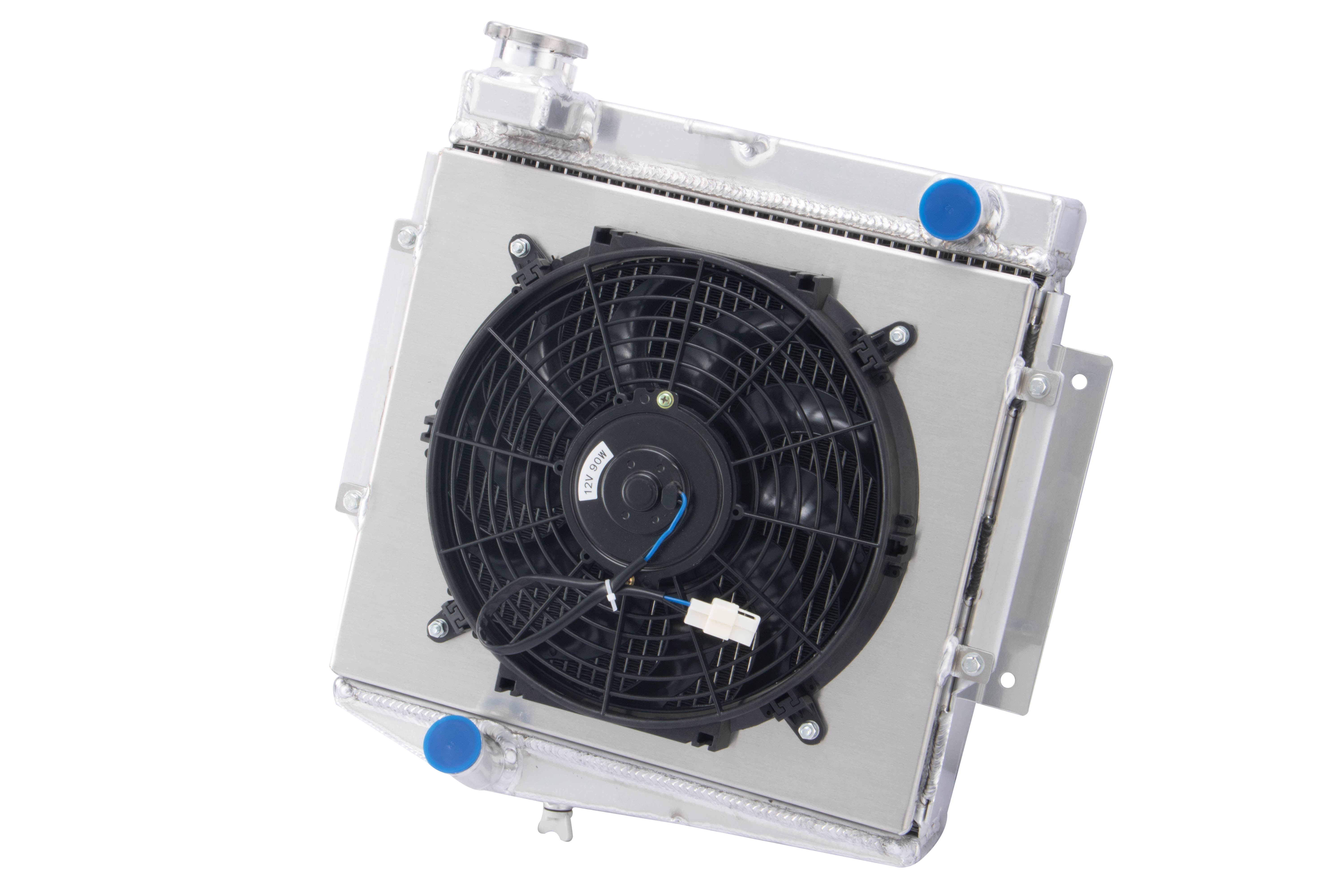
An aluminum radiator for classic cars represents a modern cooling solution designed specifically for vintage and collector vehicles. This advanced component serves as the heart of your classic car's cooling system, efficiently managing engine temperatures through superior heat dissipation technology. Unlike traditional copper-brass radiators that were standard in older vehicles, aluminum radiators utilize lightweight construction combined with enhanced thermal conductivity to keep your engine running at optimal temperatures. The primary function involves circulating coolant through precisely engineered tubes and fins, absorbing heat from the engine block and dissipating it into the surrounding air. These radiators feature welded aluminum tanks and cores that create a robust, leak-resistant structure capable of handling the demands of both daily driving and high-performance applications. The technological design incorporates multiple rows of tubes with strategically placed fins that maximize surface area contact with airflow, creating an efficient heat exchange process. Modern manufacturing techniques ensure each aluminum radiator for classic cars meets exacting specifications while maintaining period-correct appearance options for authenticity-focused restorations. Applications span across various classic car makes and models, from American muscle cars of the 1960s and 1970s to European sports cars and vintage trucks. Whether you own a restored show car, a weekend cruiser, or a modified street machine, an aluminum radiator for classic cars provides reliable cooling performance. The installation process typically involves direct bolt-in fitment, replacing your original radiator without requiring extensive modifications to the vehicle. These radiators accommodate both automatic and manual transmission vehicles, with options for integrated transmission coolers when needed. The versatility extends to various engine configurations, supporting stock powerplants as well as modified engines with increased horsepower output that generate additional heat.

New Products

Choosing an aluminum radiator for classic cars delivers substantial practical benefits that directly impact your driving experience and vehicle maintenance. The weight reduction stands as an immediate advantage, with aluminum construction weighing approximately 50 percent less than comparable copper-brass units. This decreased weight improves your classic car's handling characteristics and reduces stress on mounting points and surrounding components. The cooling efficiency surpasses traditional radiators significantly, with aluminum's superior thermal conductivity allowing faster heat transfer from coolant to air. You will notice more stable engine temperatures during stop-and-go traffic, hot weather driving, and spirited acceleration runs. This improved cooling capacity means your engine operates within ideal temperature ranges, reducing wear on internal components and extending engine life. Durability represents another key advantage, as aluminum construction resists corrosion better than copper-brass alternatives, especially when exposed to modern coolant formulations. The welded tank design eliminates common failure points associated with soldered joints found in older radiator styles. Maintenance becomes simpler because aluminum radiators require less frequent servicing and resist the buildup of scale and deposits that plague traditional units. When repairs become necessary, aluminum radiators prove easier and more cost-effective to fix compared to finding specialized craftsmen for copper-brass work. The performance consistency remains stable over years of use, maintaining cooling efficiency without the degradation that affects older radiator technologies. Your classic car benefits from modern engineering while preserving its vintage character, as manufacturers offer aluminum radiators for classic cars in configurations that match original dimensions and mounting locations. The increased coolant capacity in many designs provides additional thermal mass for heat absorption during demanding conditions. You gain peace of mind knowing your cooling system can handle summer heat, mountain grades, and extended highway cruising without overheating concerns. The investment pays dividends through reduced maintenance costs, eliminated roadside breakdowns due to cooling failures, and protection of your valuable engine from heat-related damage. Modern aluminum radiators for classic cars also support electric fan conversions, allowing you to upgrade your entire cooling system for maximum efficiency. The compatibility with contemporary coolants means you can use readily available products without worrying about chemical reactions that damage older radiator materials.

Latest News

What advantages do sealed hub bearings provide for service fleets?

30

Mar

What advantages do sealed hub bearings provide for service fleets?

Service fleet managers constantly evaluate component choices that can reduce maintenance costs, minimize downtime, and improve operational reliability. Among these critical decisions, the selection of wheel hub bearings plays a significant role in de...
View More
Which core designs affect aluminium intercooler cooling efficiency?

30

Mar

Which core designs affect aluminium intercooler cooling efficiency?

The core design of an aluminium intercooler represents the most critical factor determining cooling efficiency in turbocharged and supercharged engines. Modern automotive applications demand precise understanding of how different core configurations ...
View More
How are intercooler tubes customized for different engine platforms?

21

Apr

How are intercooler tubes customized for different engine platforms?

Engine platform diversity in modern automotive manufacturing requires highly specialized cooling solutions, particularly when it comes to forced induction systems. Intercooler tubes serve as critical pathways for compressed air between turbochargers ...
View More
Top 5 Signs Your Control Arms Need Replacement

26

May

Top 5 Signs Your Control Arms Need Replacement

Control arms are critical suspension components that connect your vehicle's frame to the steering knuckle and wheel assembly, allowing your wheels to move up and down while maintaining proper alignment. These hardworking parts endure constant stress ...
View More

Get a Free Quote

Our representative will contact you soon.
Email
Name
Company Name
WhatsApp
Message
0/1000

aluminum radiator for classic cars

Superior Heat Dissipation Technology

Superior Heat Dissipation Technology

The engineering behind an aluminum radiator for classic cars centers on maximizing heat dissipation through advanced metallurgy and design optimization. Aluminum's thermal conductivity rating exceeds copper by a significant margin when considering the complete radiator assembly's performance characteristics. The tube and fin construction utilizes thin-wall aluminum extrusions that create extensive surface area for heat exchange while maintaining structural integrity under pressure. Each tube channels coolant through the core while surrounded by precisely formed fins that capture and transfer heat to passing air. The fin density and spacing follow calculated specifications that balance airflow resistance against heat transfer efficiency, ensuring your classic car receives optimal cooling without restricting air movement through the radiator. Manufacturing processes employ vacuum brazing or TIG welding to join components, creating joints stronger than the base material itself. This construction method eliminates weak points that traditionally caused radiator failures in older designs. The aluminum radiator for classic cars incorporates internal turbulators within tubes that disrupt laminar coolant flow, promoting turbulent mixing that increases heat transfer rates from fluid to metal surfaces. This technology ensures every drop of coolant releases maximum heat before returning to the engine block. The core thickness options allow customization based on your specific cooling requirements, with two-row, three-row, and four-row configurations available to match engine output and vehicle usage patterns. Thicker cores provide greater cooling capacity for high-performance engines or vehicles operating in extreme conditions. The tank design features smooth internal contours that promote even coolant distribution across all tubes, preventing hot spots and ensuring uniform cooling throughout the core. Inlet and outlet positioning matches original specifications for seamless installation while optimizing flow dynamics. The aluminum radiator for classic cars maintains consistent performance across temperature extremes, from cold morning starts to sustained high-speed operation, without the efficiency losses that affect traditional radiator materials as they age.
Lightweight Construction Benefits

Lightweight Construction Benefits

The weight advantage of an aluminum radiator for classic cars extends far beyond simple numbers on a scale, influencing multiple aspects of your vehicle's performance and longevity. Traditional copper-brass radiators typically weigh between 25 to 35 pounds depending on size, while equivalent aluminum radiators for classic cars weigh just 12 to 18 pounds. This substantial reduction removes unnecessary mass from the front of your vehicle, improving weight distribution and reducing the load on aging suspension components. Classic cars were engineered with specific weight distributions in mind, and decades of wear on springs, shocks, and bushings make every pound of weight reduction meaningful. The lighter radiator decreases stress on radiator support structures, core supports, and mounting brackets that may have weakened over years of vibration and thermal cycling. You will find installation easier as well, with the reduced weight making single-person radiator removal and installation feasible without special lifting equipment. The handling improvements manifest during cornering and braking, where reduced front-end weight allows quicker steering response and decreased nose dive under braking. Performance enthusiasts particularly value this weight reduction when building race-inspired classic cars where every ounce matters for competitive advantage. The aluminum radiator for classic cars contributes to overall vehicle weight reduction strategies that improve acceleration, fuel efficiency, and tire wear patterns. Beyond performance metrics, the lightweight construction reduces shipping costs when ordering replacement radiators and simplifies storage if you maintain spare cooling system components. The structural efficiency of aluminum allows manufacturers to create radiators with larger cooling capacity without proportional weight increases, meaning you can upgrade to a higher-performance unit while still reducing overall weight compared to your original equipment. This weight reduction proves especially valuable for classic cars with marginal cooling capacity in stock form, allowing you to add cooling performance without the handling penalties associated with heavier traditional radiator upgrades. The aluminum radiator for classic cars represents smart engineering that delivers multiple benefits from a single component upgrade.

Long-Term Reliability and Value

Long-Term Reliability and Value

Investing in an aluminum radiator for classic cars provides exceptional long-term value through durability, reduced maintenance requirements, and protection of your vehicle's most expensive component. The corrosion resistance inherent to aluminum construction means your radiator withstands decades of use without the internal deterioration that plagues copper-brass units. Modern coolant formulations contain additives that can accelerate corrosion in traditional radiator materials, but aluminum remains chemically stable with these contemporary fluids. This compatibility ensures you can use the best available coolants without concerns about damaging your cooling system. The welded construction eliminates soldered joints that represent common failure points in older radiator designs, where thermal cycling and vibration eventually cause leaks at tank-to-core connections. An aluminum radiator for classic cars maintains its structural integrity through countless heat cycles, resisting the fatigue failures that require frequent repairs or replacement of traditional units. The cost savings accumulate over years of ownership, as you avoid repeated radiator rebuilds, emergency repairs, and the inconvenience of cooling system failures during drives. Your engine benefits from consistent cooling performance that prevents overheating damage to cylinder heads, head gaskets, and internal engine components. The expense of repairing overheating damage far exceeds the cost of a quality aluminum radiator for classic cars, making this upgrade a form of insurance for your valuable engine. The resale value of your classic car increases with documented cooling system upgrades, as knowledgeable buyers recognize the reliability advantages of modern aluminum radiators. The professional appearance of a well-manufactured aluminum radiator for classic cars enhances engine bay aesthetics while demonstrating your commitment to quality components. Many manufacturers offer lifetime warranties on their aluminum radiators, reflecting confidence in construction quality and providing additional peace of mind for your investment. The availability of replacement parts and repair services for aluminum radiators exceeds that of traditional units, as more shops possess the equipment and expertise to service modern aluminum construction. You gain flexibility in choosing service providers and avoid dependence on specialized radiator shops that may be scarce in your area. The aluminum radiator for classic cars represents a one-time investment that serves your vehicle reliably for decades, eliminating the recurring costs associated with maintaining or repeatedly replacing inferior cooling system components.
Get a Quote Get a Quote Email Email WhatsApp WhatsApp WeChat WeChat
WeChat
TopTop

Get a Free Quote

Our representative will contact you soon.
Email
Name
Company Name
WhatsApp
Message
0/1000

Get a Free Quote

Our representative will contact you soon.
Email
Name
Company Name
WhatsApp
Message
0/1000

Get a Free Quote

Our representative will contact you soon.
Email
Name
Company Name
WhatsApp
Message
0/1000