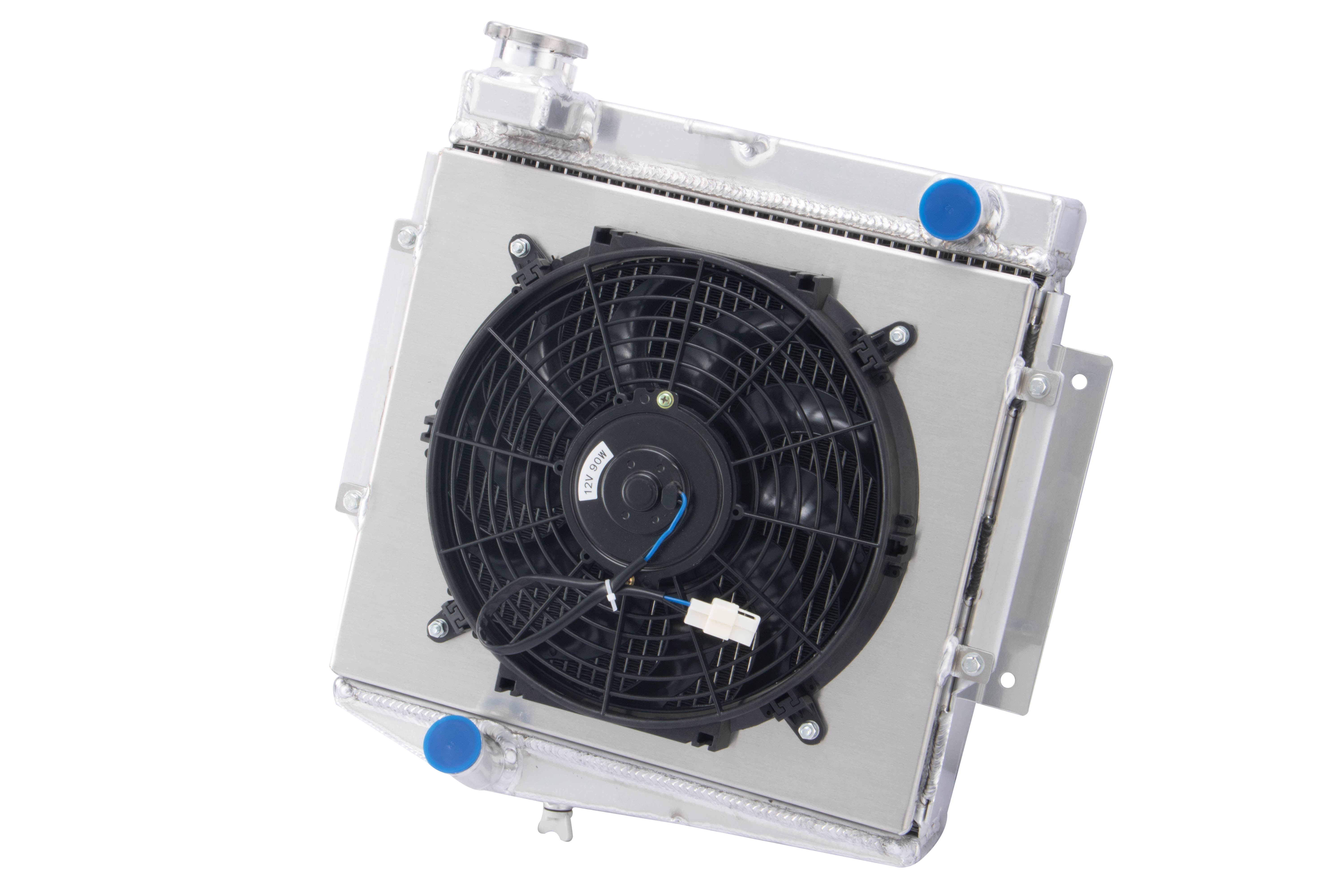
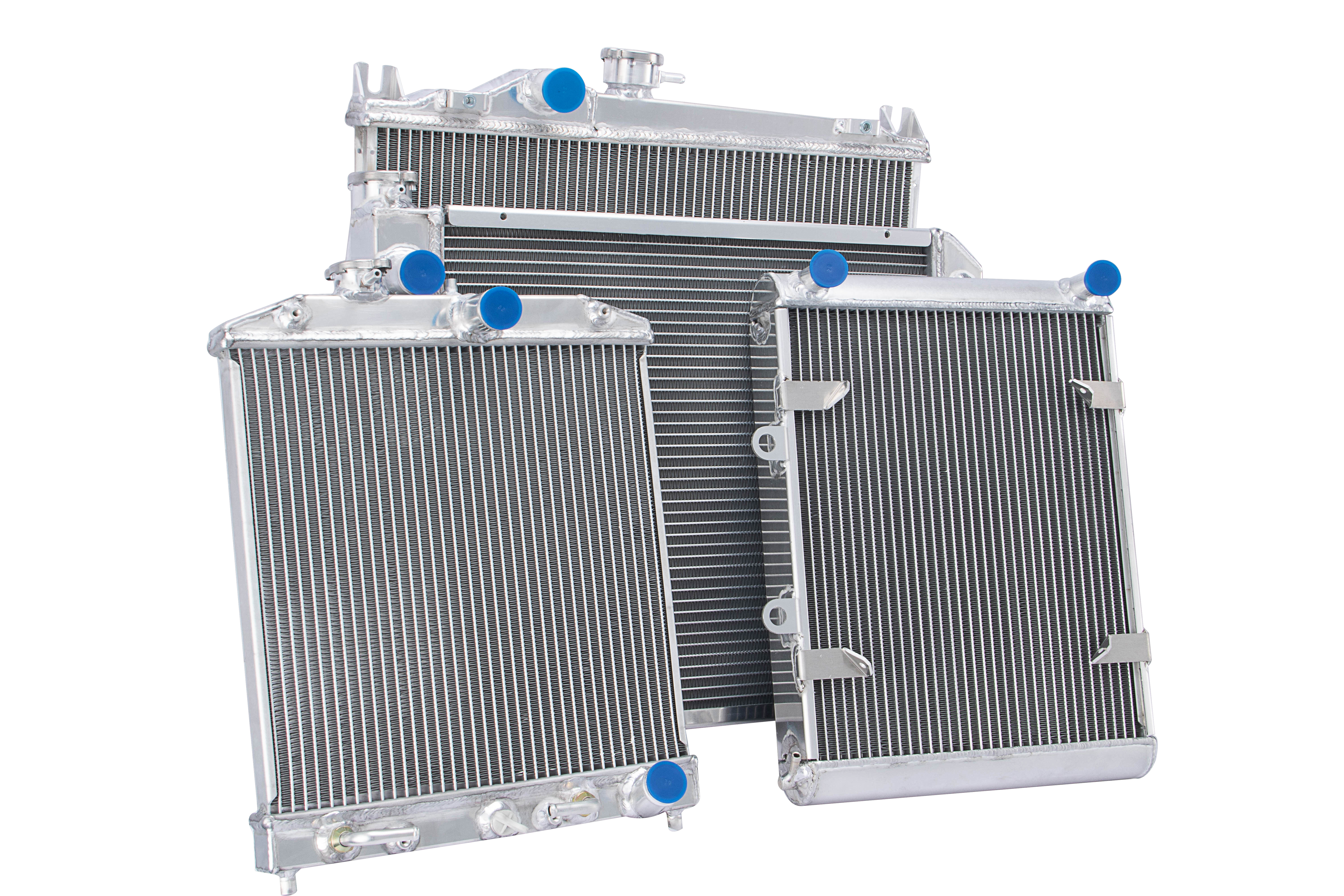
Four-Row Radiator with Electric Fan - High-Performance Cooling Systems for Maximum Heat Dissipation

All Categories

Get a Free Quote

Our representative will contact you soon.
Email
Name
Company Name
WhatsApp
Message
0/1000

four-row radiator with electric fan

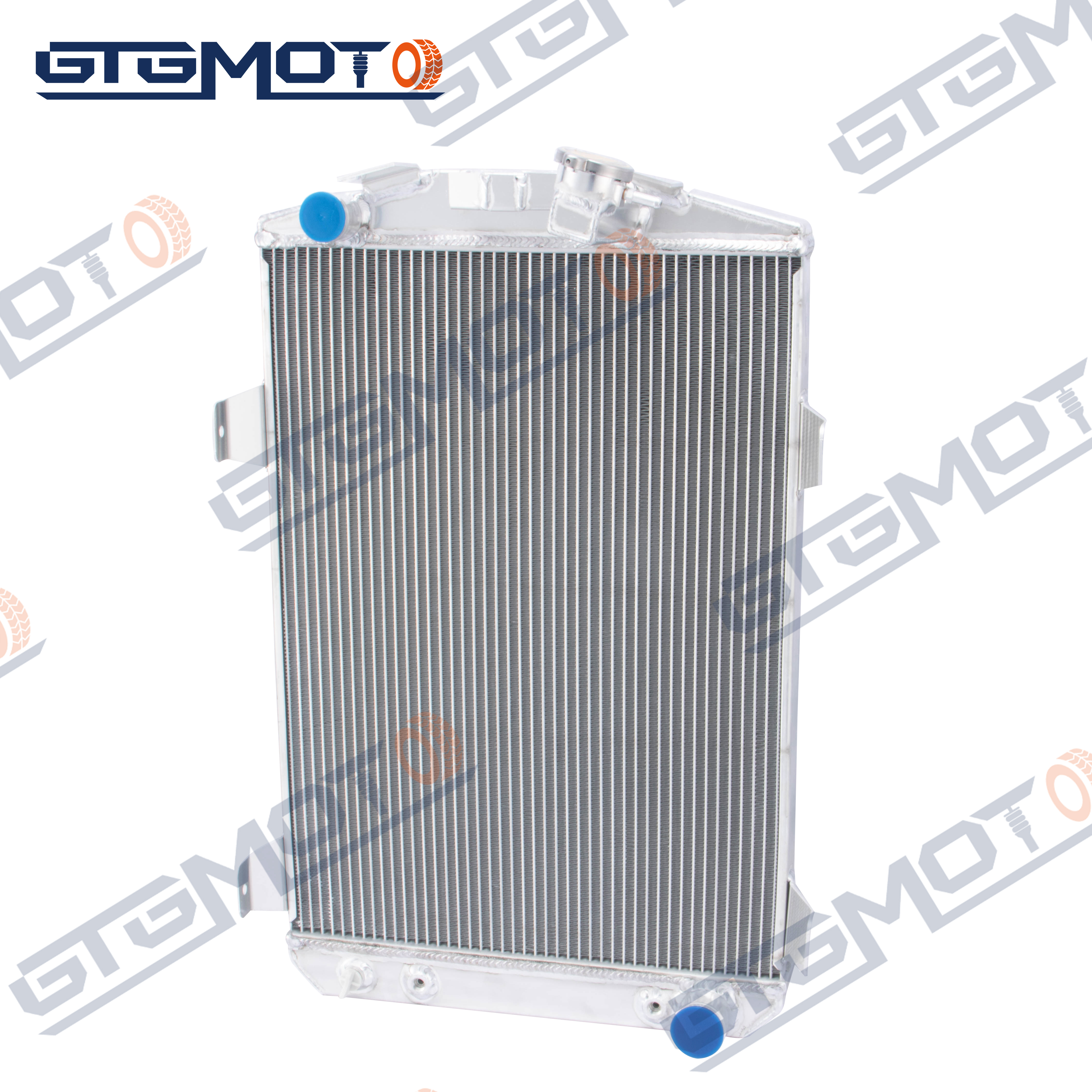
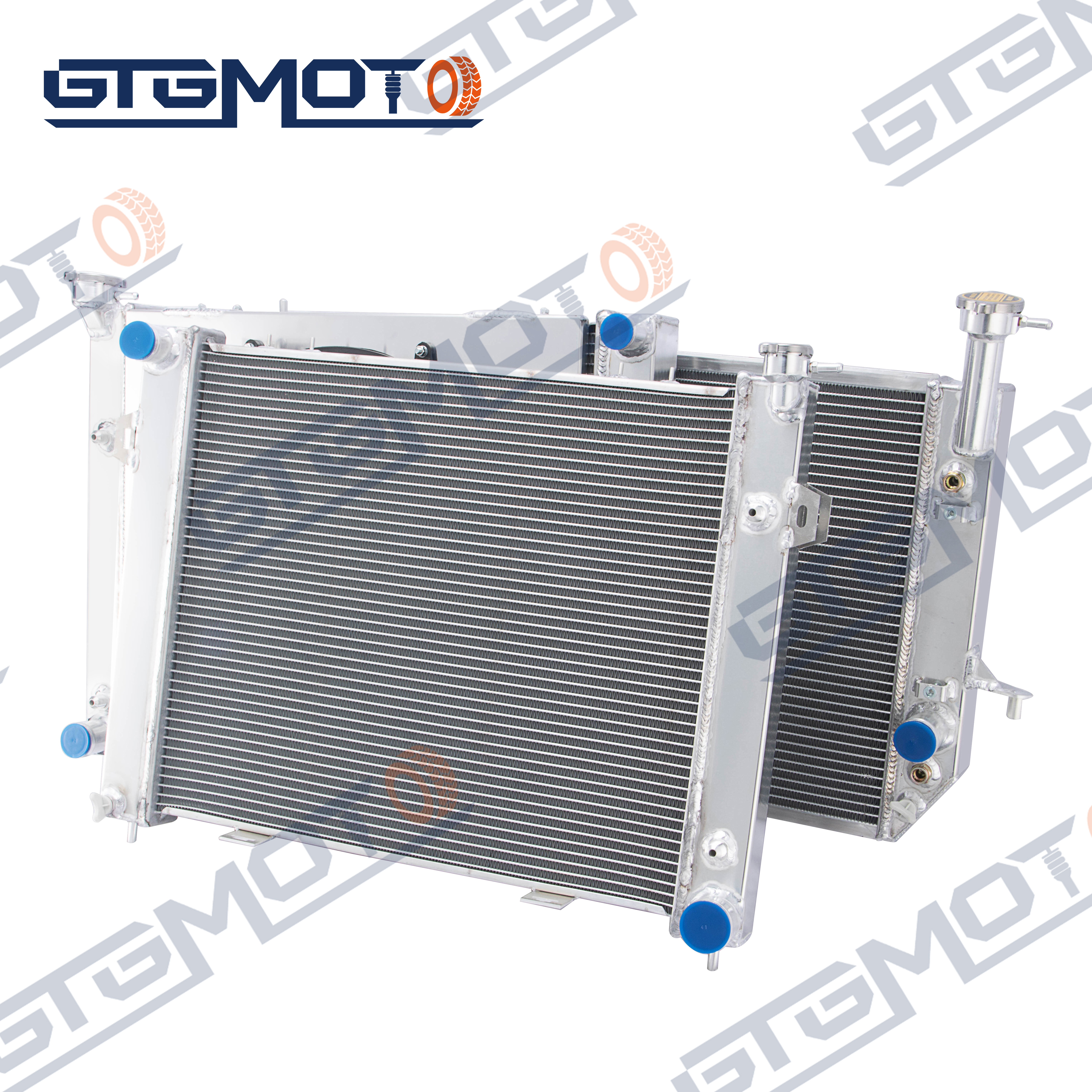
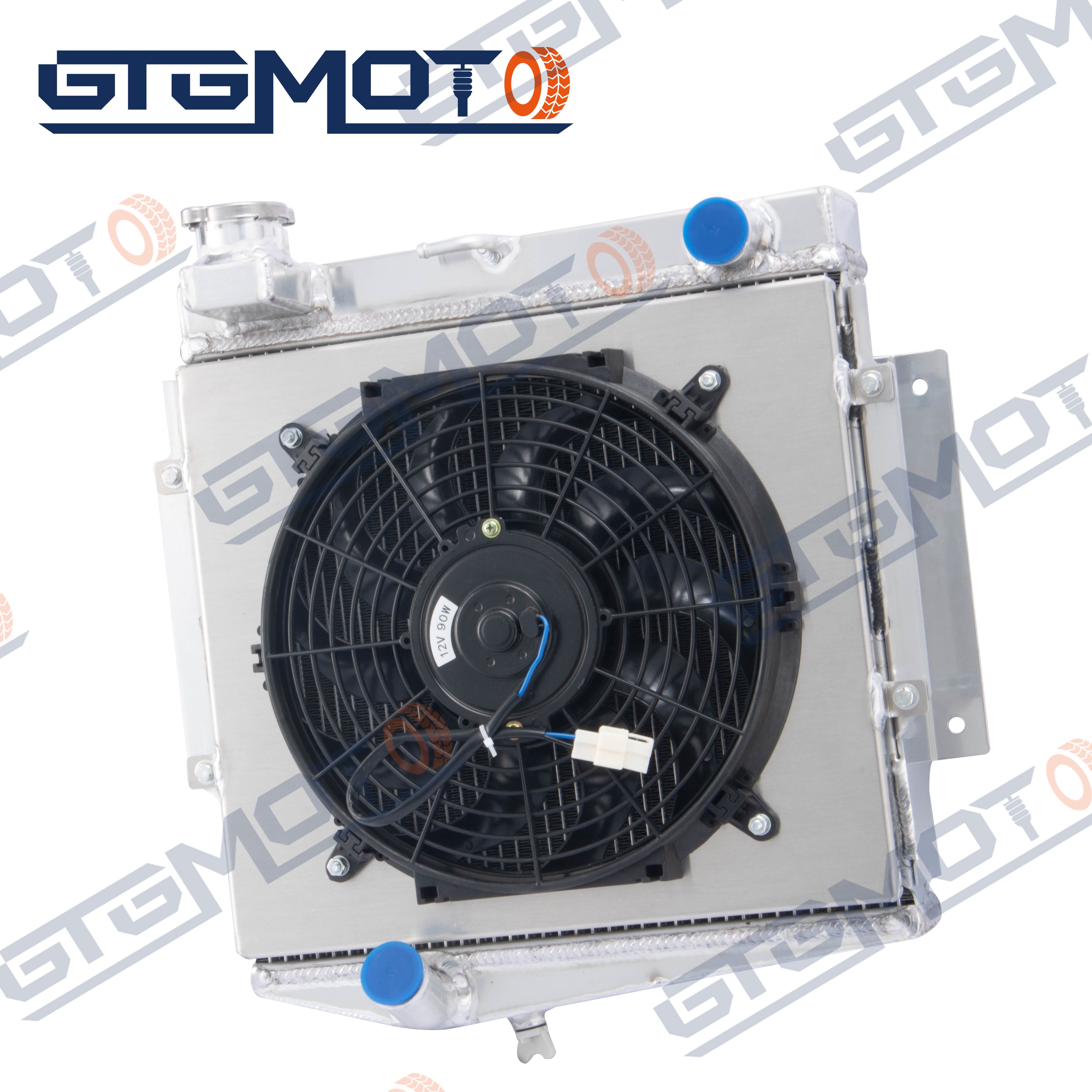
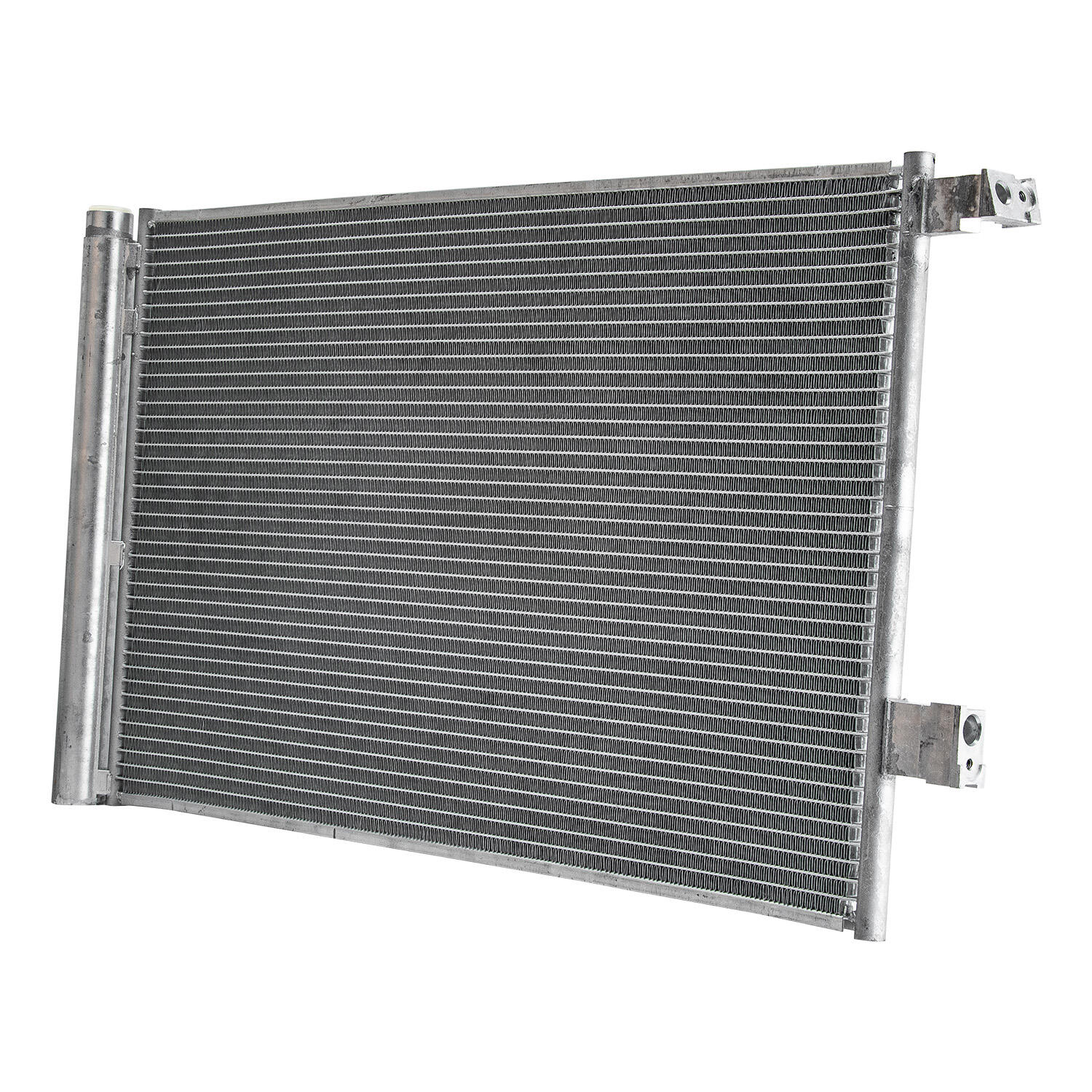
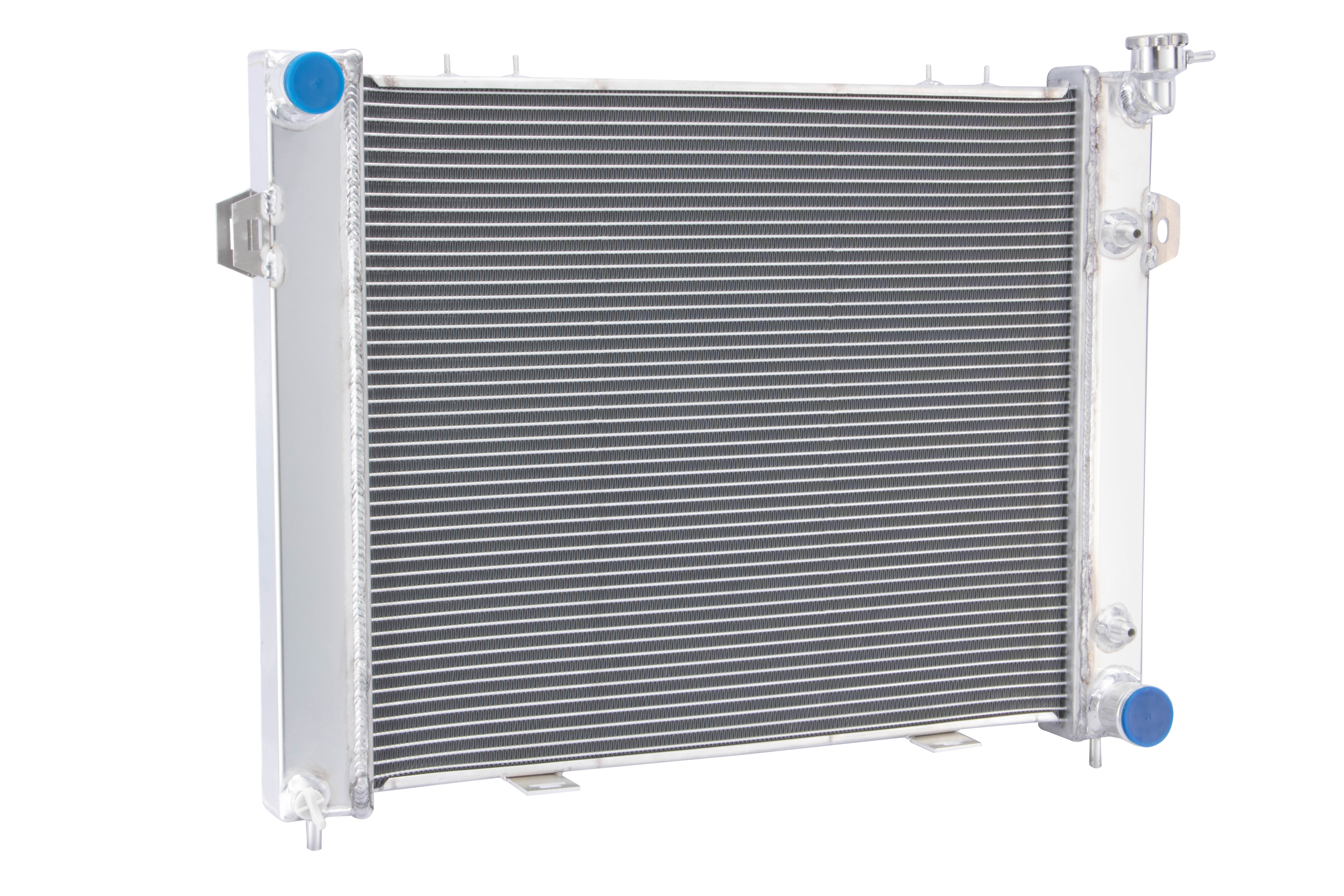
A four-row radiator with electric fan represents an advanced cooling solution designed to manage heat dissipation in high-performance vehicles and heavy-duty applications. This cooling system features four rows of tubes through which coolant flows, significantly increasing the surface area available for heat exchange compared to standard single or dual-row radiators. The integrated electric fan provides on-demand airflow, activating automatically when coolant temperatures reach predetermined thresholds. This combination creates a powerful thermal management system capable of handling extreme operating conditions. The four-row radiator with electric fan construction utilizes aluminum or copper-brass materials, chosen for their excellent thermal conductivity properties. Each row contains multiple tubes that allow coolant to pass through while dissipating heat to the surrounding air. The electric fan mounts directly to the radiator assembly, eliminating the need for mechanical fan connections to the engine. This configuration offers precise temperature control through electronic sensors that monitor coolant temperature continuously. When cooling demands increase during heavy loads, towing, or high ambient temperatures, the electric fan engages to pull air through the dense core. The four-row design proves particularly valuable in modified vehicles with increased horsepower, racing applications, or situations where engine bay space limitations prevent adequate natural airflow. Industries ranging from automotive performance to agricultural equipment rely on this technology. The system operates efficiently across various engine types, including gasoline, diesel, and alternative fuel powerplants. Installation typically requires mounting brackets and electrical connections to the vehicle's power system and temperature sensors. The four-row radiator with electric fan delivers consistent performance regardless of vehicle speed, unlike mechanical fans that depend on engine RPM. This independence allows optimal cooling even during idle periods or slow-speed operation, situations where traditional cooling systems often struggle to maintain proper temperatures.

New Products

The four-row radiator with electric fan delivers substantial cooling capacity improvements over conventional systems, making it an ideal choice for demanding applications. The primary advantage lies in its enhanced heat dissipation capability, which stems from the quadruple-row core design that multiplies the contact surface between coolant and air. This expanded surface area allows more efficient thermal transfer, keeping engine temperatures within optimal ranges even under severe stress. Vehicle owners who tow heavy trailers, operate in hot climates, or have modified their engines for increased power output will find this cooling solution prevents overheating incidents that could lead to costly engine damage. The electric fan component adds another layer of benefits by providing consistent airflow independent of engine speed. Unlike belt-driven mechanical fans that spin faster as engine RPM increases, the electric fan operates based solely on cooling needs. This means your engine receives adequate cooling during traffic jams and low-speed situations when mechanical fans provide minimal airflow. The electric fan also reduces parasitic power loss since it only runs when needed, potentially improving fuel efficiency by several percentage points. Drivers notice quieter operation because the electric fan cycles on and off rather than running continuously. The four-row radiator with electric fan system offers installation flexibility that mechanical setups cannot match. Without requiring connection to engine pulleys or belts, the electric fan simplifies engine bay layouts and accommodates custom configurations. This proves especially valuable in engine swaps or tight installations where belt routing becomes problematic. The system responds rapidly to temperature changes, with the electric fan reaching full speed within seconds of activation. This quick response prevents temperature spikes that occur during sudden load increases. Maintenance requirements decrease because electric fans eliminate wear on belts, pulleys, and water pump bearings associated with mechanical fan drives. The four-row radiator with electric fan construction using modern materials resists corrosion better than older designs, extending service life significantly. Owners appreciate the reliability of electronic controls compared to mechanical thermostats that can fail and cause overheating. The system integrates seamlessly with modern engine management computers, allowing sophisticated temperature control strategies. Performance enthusiasts value the consistent cooling that enables sustained high-RPM operation without heat-related power loss. The four-row radiator with electric fan represents a comprehensive upgrade that addresses cooling challenges across diverse operating conditions while reducing maintenance burdens and improving overall vehicle reliability.

Practical Tips

Which core specifications matter in universal intercooler procurement?

30

Mar

Which core specifications matter in universal intercooler procurement?

When procuring universal intercoolers for automotive applications, understanding the critical specifications that directly impact performance, fitment, and long-term reliability becomes paramount for making informed purchasing decisions. The selectio...
View More
What should importers check when selecting universal intercooler suppliers?

30

Mar

What should importers check when selecting universal intercooler suppliers?

Selecting the right universal intercooler suppliers is a critical decision that can significantly impact import businesses, product quality, and customer satisfaction. Importers face numerous challenges when evaluating potential suppliers, from verif...
View More
How do OEM specifications shape hub bearing procurement practices?

21

Apr

How do OEM specifications shape hub bearing procurement practices?

Original Equipment Manufacturer (OEM) specifications serve as the foundational blueprint that fundamentally shapes hub bearing procurement practices across the automotive industry. These detailed technical requirements establish precise parameters fo...
View More
Top 5 Signs Your Control Arms Need Replacement

26

May

Top 5 Signs Your Control Arms Need Replacement

Control arms are critical suspension components that connect your vehicle's frame to the steering knuckle and wheel assembly, allowing your wheels to move up and down while maintaining proper alignment. These hardworking parts endure constant stress ...
View More

Get a Free Quote

Our representative will contact you soon.
Email
Name
Company Name
WhatsApp
Message
0/1000

four-row radiator with electric fan

Maximum Heat Dissipation Through Advanced Four-Row Core Technology

Maximum Heat Dissipation Through Advanced Four-Row Core Technology

The four-row radiator with electric fan achieves superior cooling performance through its innovative core construction that fundamentally changes how heat moves from your engine to the atmosphere. Traditional single or double-row radiators limit heat transfer capacity because they provide relatively small surface areas for coolant to release thermal energy. The four-row design multiplies this critical surface area by incorporating four separate layers of tubes stacked within the radiator core. As hot coolant enters the radiator from your engine, it distributes across these four rows simultaneously, with each row containing dozens of individual tubes. This parallel flow pattern means coolant spends more time in contact with heat-dissipating surfaces while maintaining efficient flow rates. The tubes feature internal turbulators or fins that create turbulence in the coolant stream, disrupting boundary layers that would otherwise insulate hot fluid from the tube walls. Between each row of tubes, thin aluminum or copper fins extend outward, creating additional surface area exposed to airflow. These fins conduct heat from the tubes and release it to passing air, with the four-row configuration providing exponentially more fin surface than simpler designs. The four-row radiator with electric fan core typically measures thicker than standard radiators, but this increased depth translates directly into cooling capacity gains of fifty to seventy percent in real-world testing. Engineers optimize tube spacing and fin density to balance airflow resistance against heat transfer efficiency, ensuring the electric fan can pull sufficient air through the dense core without excessive power consumption. The materials selected for four-row radiator with electric fan construction play crucial roles in performance. Aluminum cores offer excellent thermal conductivity while remaining lightweight, important for racing applications where every pound matters. Copper-brass cores provide even better heat transfer characteristics and prove more durable in harsh environments, though they add weight. Both materials resist corrosion when properly maintained, ensuring long-term reliability. The four-row radiator with electric fan design accommodates various coolant types, from traditional ethylene glycol mixtures to modern extended-life formulations and even water-based racing coolants. This versatility makes the system adaptable to different operating requirements and maintenance preferences.
Intelligent Electric Fan System for Optimal Temperature Control

Intelligent Electric Fan System for Optimal Temperature Control

The electric fan integrated with a four-row radiator represents a sophisticated thermal management component that operates with precision impossible for mechanical fan systems. Unlike engine-driven fans connected through belts and pulleys, the electric fan receives power directly from your vehicle's electrical system and activates based on actual cooling requirements rather than engine speed. Temperature sensors mounted in the radiator or engine block continuously monitor coolant temperature, sending signals to an electronic control module that determines when fan operation becomes necessary. When temperatures rise above the programmed threshold, typically between 180 and 200 degrees Fahrenheit depending on your engine specifications, the controller energizes the fan motor. The four-row radiator with electric fan responds within milliseconds, spinning up to full speed and pulling large volumes of air through the radiator core. This immediate response prevents the temperature spikes that occur with slower-reacting mechanical systems. The fan continues running until coolant temperature drops below the deactivation point, then shuts off to conserve electrical power and reduce noise. Modern four-row radiator with electric fan systems often incorporate variable-speed controllers that adjust fan RPM proportionally to cooling demands. During moderate heat loads, the fan might run at fifty percent speed, providing adequate airflow while minimizing power consumption and noise. As temperatures climb, the controller increases fan speed progressively until reaching maximum output during extreme conditions. This variable operation optimizes efficiency across the entire operating range. The electric fan mounting position directly against the radiator core ensures all pulled air passes through the cooling fins rather than bypassing around the edges as can happen with engine-mounted mechanical fans. Shrouds integrated into four-row radiator with electric fan assemblies further improve efficiency by channeling airflow precisely where needed. The fan blade design incorporates aerodynamic profiles that move maximum air with minimum noise and vibration. High-quality four-row radiator with electric fan units feature balanced fan assemblies that operate smoothly even at maximum RPM, preventing the wobbling and bearing wear that plague cheaper alternatives. The electrical system powering the fan typically draws between fifteen and thirty amperes depending on fan size, a load easily handled by modern alternators. Wiring harnesses include relays that prevent excessive current from flowing through dashboard switches or computer outputs, protecting sensitive electronics while ensuring reliable fan operation.
Versatile Applications Across Performance and Heavy-Duty Requirements

Versatile Applications Across Performance and Heavy-Duty Requirements

The four-row radiator with electric fan serves diverse applications ranging from high-performance sports cars to commercial trucks, demonstrating remarkable versatility in solving cooling challenges. Performance enthusiasts building modified engines with increased horsepower discover that stock cooling systems cannot handle the additional heat generated by forced induction, nitrous oxide injection, or high-compression naturally aspirated builds. The four-row radiator with electric fan provides the thermal capacity needed to support these power increases without compromising reliability. Racing applications particularly benefit because the system maintains consistent temperatures during sustained high-RPM operation, preventing the power loss that occurs when engines overheat. Drag racers appreciate how the electric fan cools the engine quickly between runs, reducing turnaround time. Road racers rely on the four-row radiator with electric fan to handle the continuous heat loads generated during long sessions at maximum throttle. Off-road vehicles face unique cooling challenges when crawling over obstacles at low speeds where natural airflow proves insufficient. The four-row radiator with electric fan excels in these conditions because the electric fan provides strong airflow regardless of vehicle speed. Rock crawlers, mud trucks, and trail rigs all benefit from this capability. Trucks used for towing heavy trailers generate enormous heat loads that overwhelm factory cooling systems, especially when climbing grades in hot weather. Upgrading to a four-row radiator with electric fan prevents the overheating that forces drivers to pull over and wait for temperatures to drop, eliminating delays and reducing stress on engine components. Commercial applications including delivery trucks, service vehicles, and construction equipment operate under demanding conditions where cooling system failures cause expensive downtime. The four-row radiator with electric fan delivers reliability that keeps these vehicles working. Classic car restoration projects often incorporate four-row radiator with electric fan systems because they provide modern cooling efficiency while fitting within original radiator mounting locations. The electric fan eliminates the need for space-consuming mechanical fans and shrouds, cleaning up engine bay appearance. Street rods and custom builds benefit from the installation flexibility since the four-row radiator with electric fan adapts to non-standard engine positions and tight clearances. Agricultural equipment, generators, and industrial machinery also utilize this cooling technology where reliable temperature control proves essential for continuous operation. The four-row radiator with electric fan handles the sustained loads these applications demand while requiring minimal maintenance.
Get a Quote Get a Quote Email Email WhatsApp WhatsApp WeChat WeChat
WeChat
TopTop

Get a Free Quote

Our representative will contact you soon.
Email
Name
Company Name
WhatsApp
Message
0/1000

Get a Free Quote

Our representative will contact you soon.
Email
Name
Company Name
WhatsApp
Message
0/1000

Get a Free Quote

Our representative will contact you soon.
Email
Name
Company Name
WhatsApp
Message
0/1000