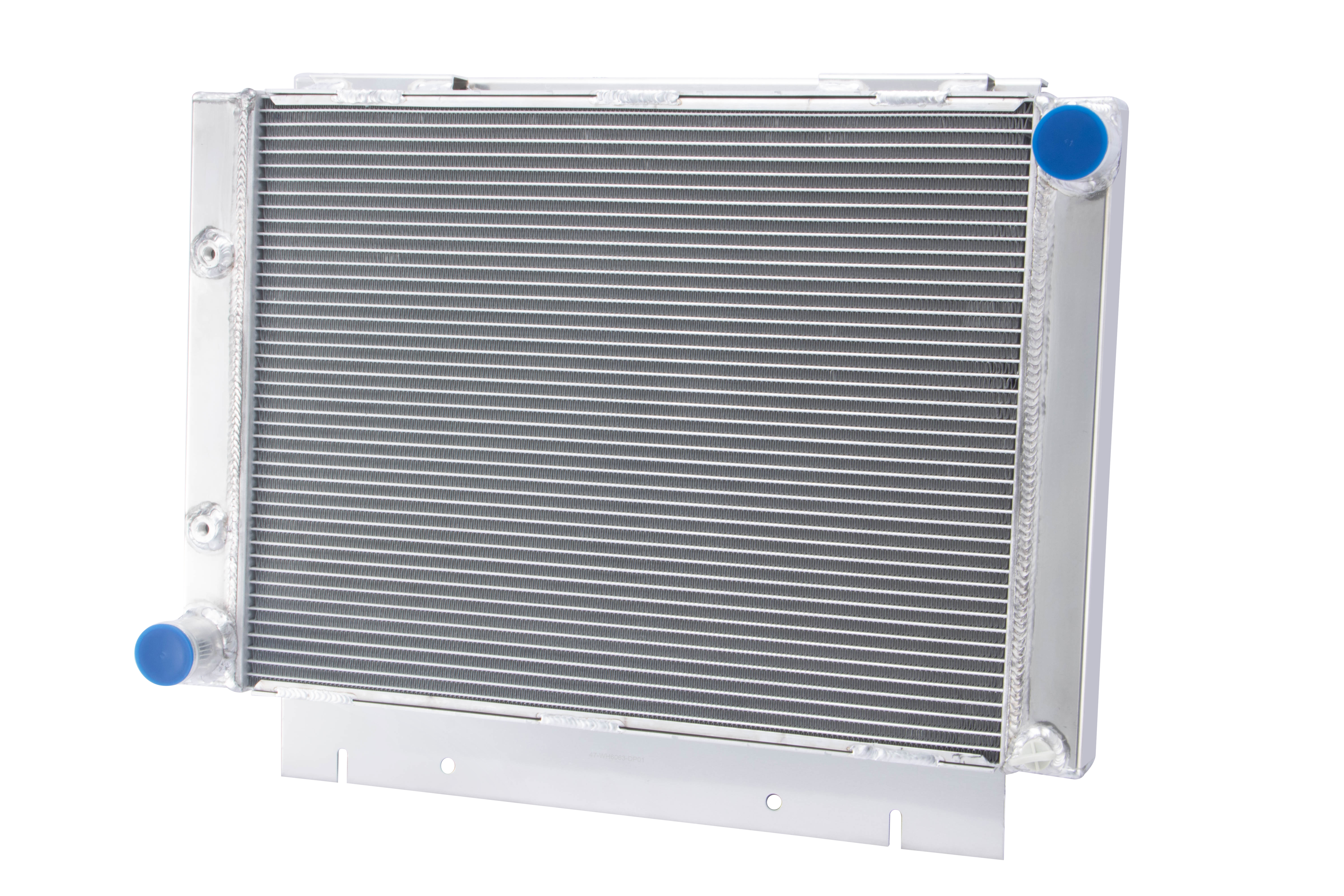
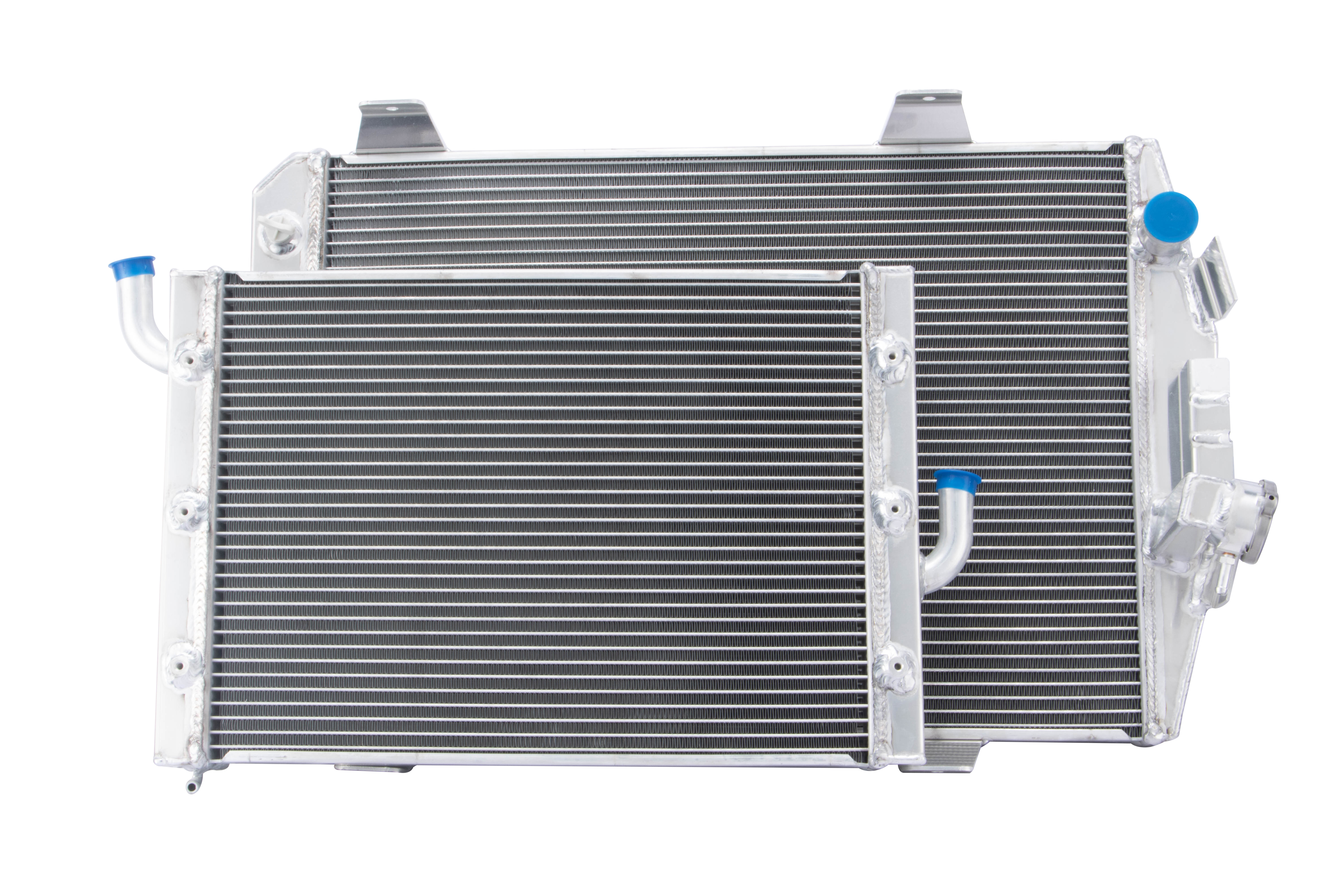
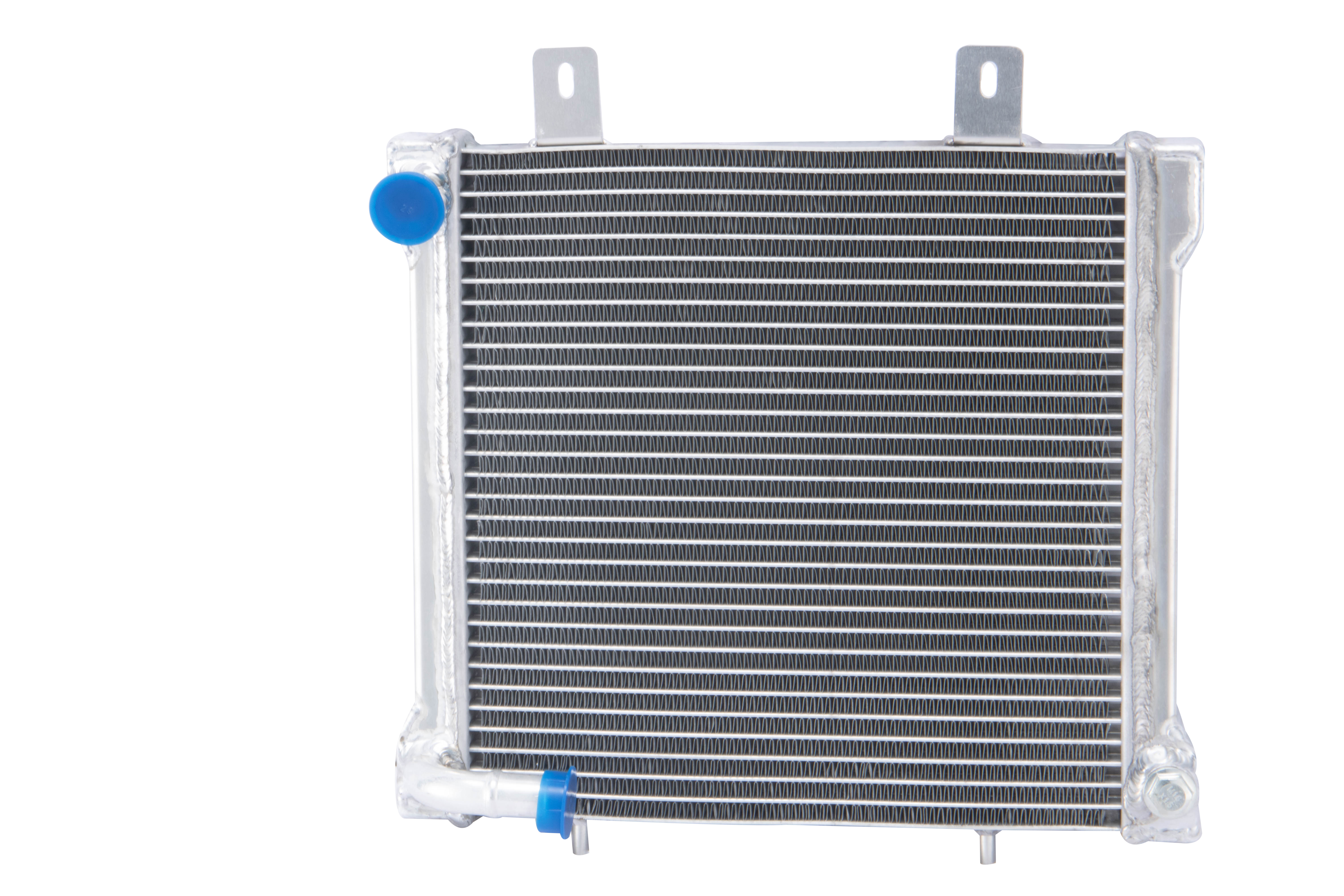
Electric Fan System Delivers Precise Temperature Control and Performance Benefits
The electric fan component of a three-row radiator with electric fan system provides intelligent, responsive cooling that adapts to real-time engine demands. Unlike mechanical fans that remain permanently connected to the engine via belts and pulleys, electric fans operate independently using dedicated motors controlled by temperature sensors and electronic modules. This fundamental difference creates multiple performance advantages that benefit both daily driving and specialized applications. The electric fan activates only when coolant temperature reaches a predetermined threshold, typically programmed between 180 and 200 degrees Fahrenheit depending on your engine specifications and preferences. Once activated, the fan pulls air through the radiator core at high volume, supplementing natural airflow from vehicle movement. When coolant temperature drops below the activation point, the fan shuts off automatically, conserving electrical power and reducing unnecessary noise. This on-demand operation proves especially valuable during idle periods, traffic congestion, or low-speed maneuvering where vehicle movement generates insufficient airflow for adequate cooling. The three-row radiator with electric fan combination ensures your engine never suffers from heat buildup during these challenging conditions. From a performance perspective, eliminating the mechanical fan connection frees up horsepower that was previously consumed by spinning the fan constantly. Mechanical fans can draw between 5 and 20 horsepower depending on fan size and engine speed, representing a significant parasitic loss that reduces available power for acceleration. With an electric fan, this power remains available to the drivetrain, resulting in improved throttle response and potentially quicker acceleration times. Fuel economy also benefits since the engine doesn't work as hard to overcome fan resistance during highway cruising when cooling demands are minimal. Modern electric fan assemblies feature high-efficiency motors with aerodynamically optimized blade designs that maximize airflow while minimizing current draw. Quality units pull between 15 and 25 amps during operation, which most vehicle electrical systems handle easily without requiring alternator upgrades. The fan shroud design is equally important, as a properly fitted shroud ensures that all air pulled by the fan passes through the radiator core rather than recirculating around the edges. When selecting a three-row radiator with electric fan, verify that the shroud provides complete coverage and maintains minimal clearance gaps. Installation flexibility represents another significant advantage, as electric fans can be mounted in push or pull configurations depending on space constraints and airflow requirements. Pull configurations, where the fan mounts between the radiator and engine, typically provide superior cooling performance and are most common in aftermarket applications. The wiring can be configured for manual override switches, adjustable temperature activation points, or integration with factory engine management systems, giving you complete control over cooling behavior based on your specific needs and driving conditions.