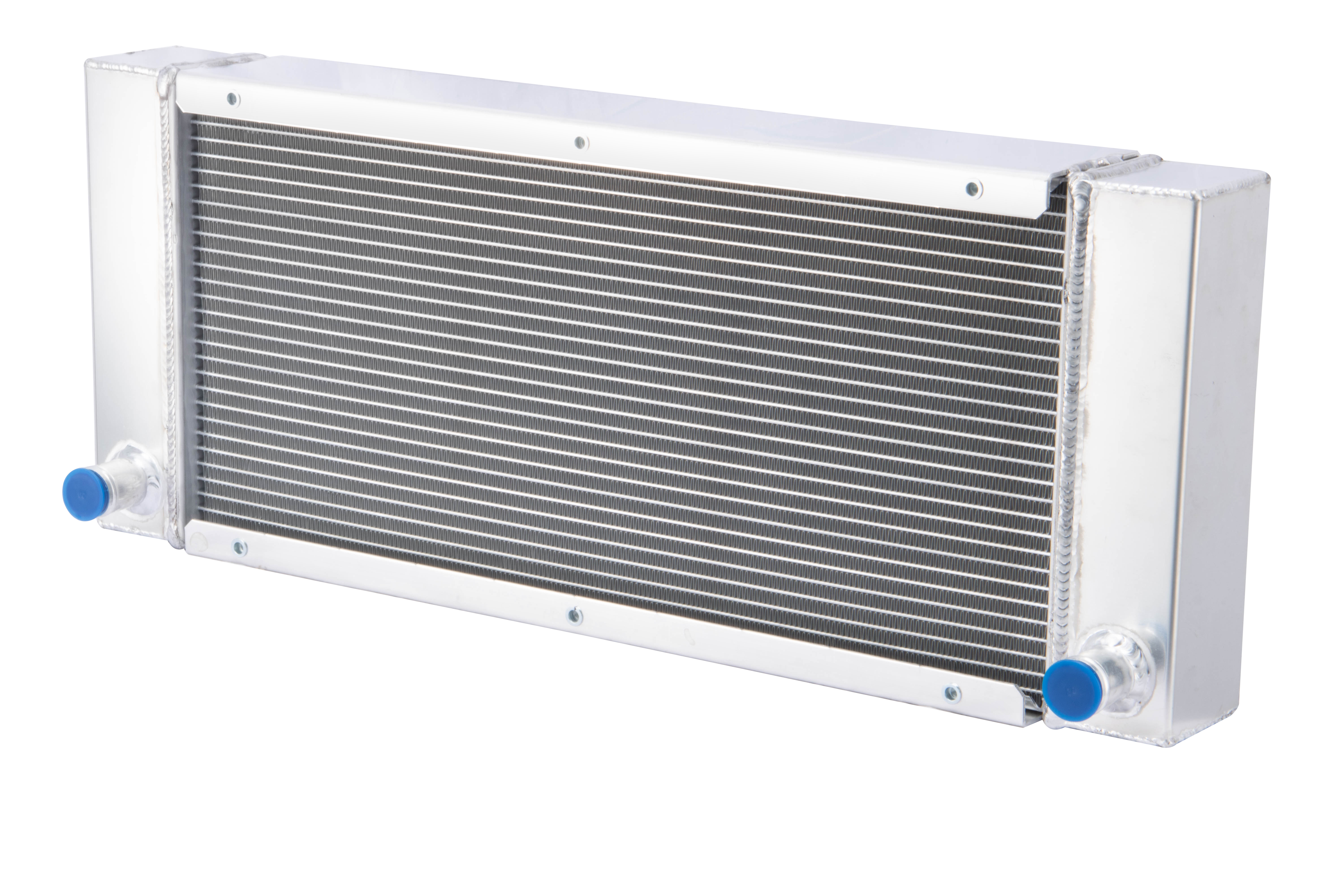
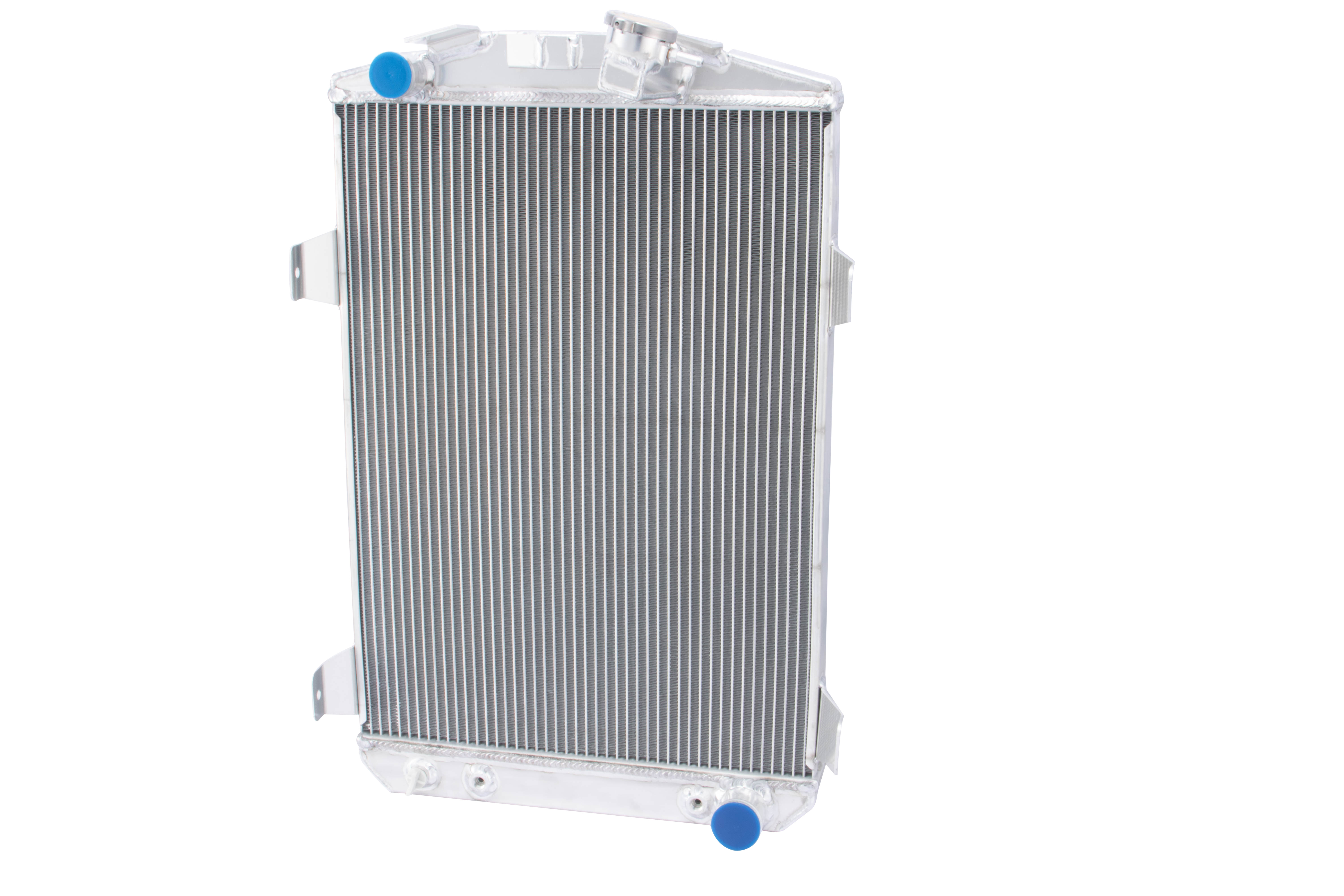
Four-Row Aluminum Radiator with Electric Fan - High-Performance Cooling System for Maximum Heat Dissipation

All Categories

Get a Free Quote

Our representative will contact you soon.
Email
Name
Company Name
WhatsApp
Message
0/1000

four-row aluminum radiator with electric fan

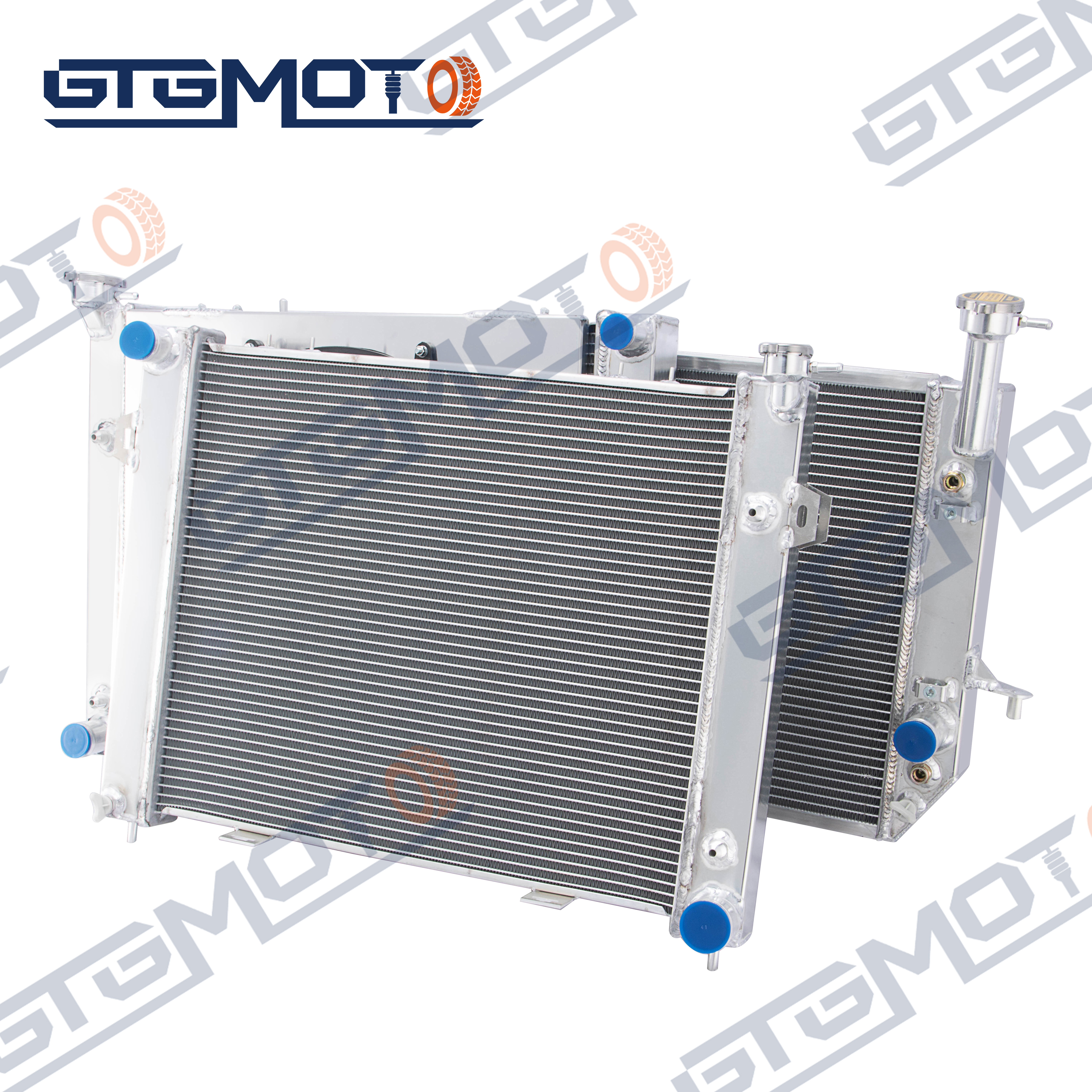
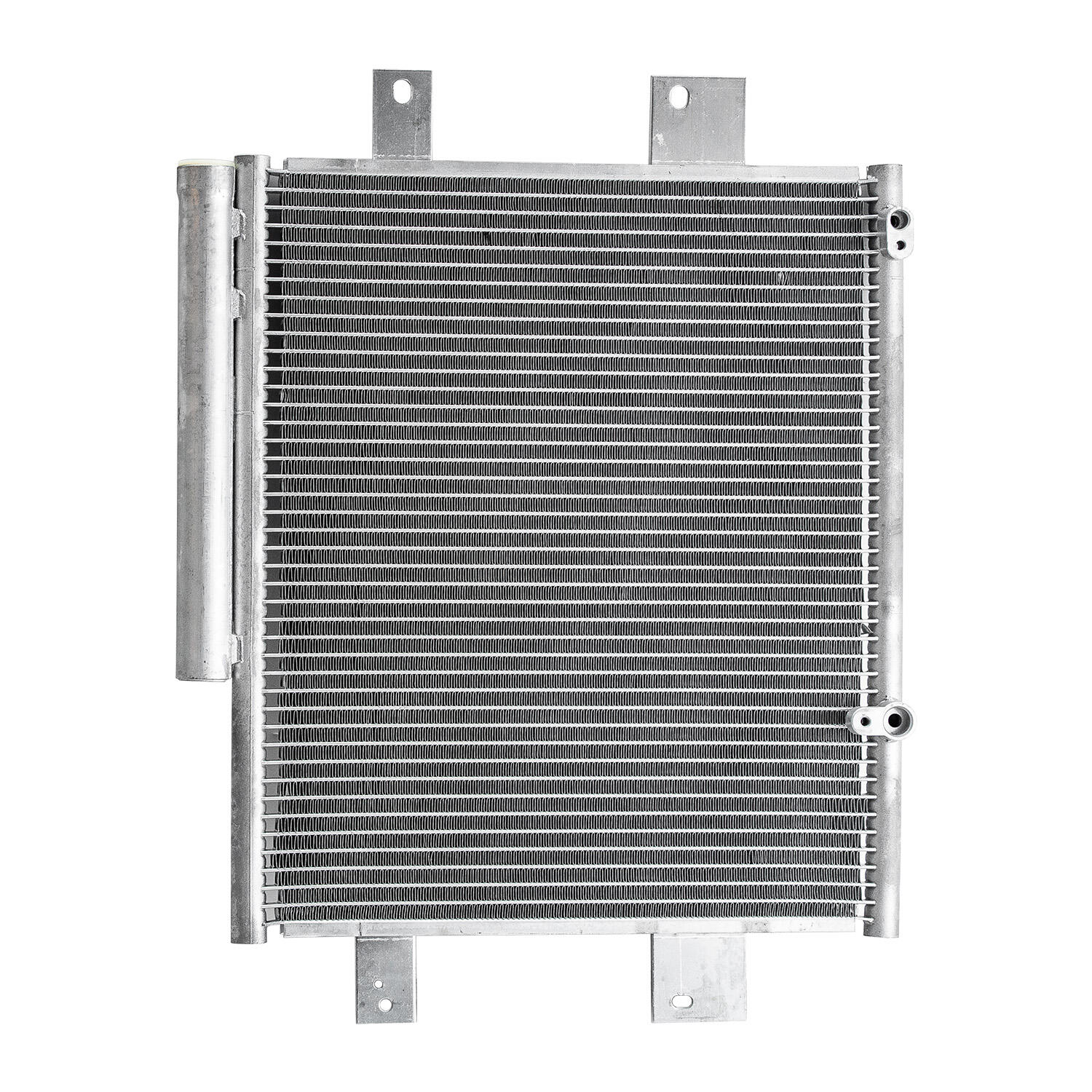
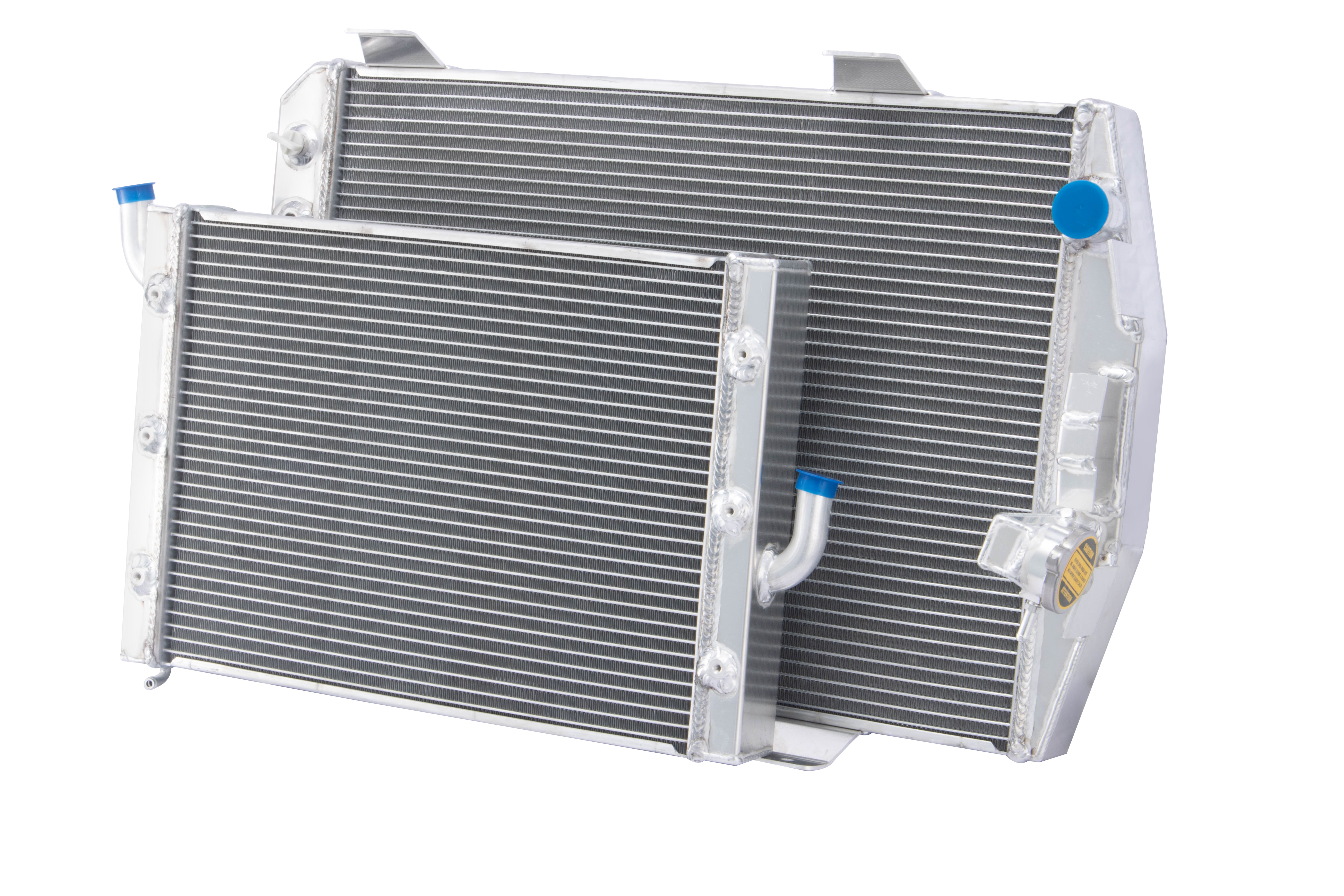
The four-row aluminum radiator with electric fan represents a significant advancement in automotive cooling technology, designed to deliver superior heat dissipation performance for high-performance vehicles, racing applications, and demanding driving conditions. This cooling system combines a multi-row aluminum core construction with an integrated electric fan assembly to create an efficient, reliable solution for managing engine temperatures. The four-row design refers to the internal tube configuration, where coolant flows through four parallel rows of aluminum tubes, dramatically increasing the surface area available for heat transfer compared to standard single or dual-row radiators. Each row contains multiple tubes that allow coolant to pass through while aluminum fins positioned between the tubes facilitate rapid heat dissipation into the surrounding air. The aluminum construction offers exceptional thermal conductivity, allowing heat to transfer quickly from the hot coolant to the metal surfaces and then to the ambient air. The integrated electric fan mounts directly to the radiator assembly, providing consistent airflow regardless of engine speed or vehicle movement. Unlike mechanical fans driven by the engine, electric fans operate independently, drawing power from the vehicle's electrical system and activating based on temperature sensors. This configuration ensures optimal cooling performance during idle periods, slow-speed driving, and stop-and-go traffic situations where natural airflow is insufficient. The four-row aluminum radiator with electric fan finds extensive application in performance vehicles, muscle cars, hot rods, off-road trucks, and racing applications where engine modifications generate increased heat loads. It also serves as an excellent upgrade for older vehicles with inadequate factory cooling systems or for vehicles operating in extreme climates. The system's modular design allows for straightforward installation in most engine bays, with universal fitment options available for various vehicle platforms. Modern manufacturing techniques ensure precise tube spacing, optimal fin density, and leak-free construction, while the aluminum material resists corrosion better than traditional copper-brass radiators, extending service life significantly.

New Products

Choosing a four-row aluminum radiator with electric fan delivers multiple practical benefits that directly impact vehicle performance, reliability, and ownership experience. The most immediate advantage is dramatically improved cooling capacity, with the four-row design providing up to 40 percent greater heat dissipation compared to standard two-row radiators. This enhanced capacity means your engine maintains optimal operating temperatures even under severe stress, whether you are towing heavy loads, driving in hot weather, or pushing your vehicle hard on the track. Better temperature control translates directly to improved engine longevity, as excessive heat is one of the primary causes of premature engine wear and component failure. The aluminum construction offers significant weight savings over traditional copper-brass radiators, typically reducing radiator weight by 30 to 50 percent. This weight reduction improves vehicle handling characteristics and can contribute to better fuel efficiency, particularly noticeable in performance applications where every pound matters. Aluminum also provides superior corrosion resistance, especially important for vehicles exposed to road salt, coastal environments, or extended storage periods. The material naturally forms a protective oxide layer that prevents rust and deterioration, ensuring your cooling system remains effective for years without degradation. The integrated electric fan provides consistent cooling performance independent of engine speed, eliminating the parasitic power loss associated with mechanical fans that can consume several horsepower at high RPM. Electric fans activate only when needed, reducing unnecessary load on the electrical system and improving fuel economy during normal driving. The on-demand operation also reduces engine noise, as the fan runs only during cooling cycles rather than constantly spinning with the engine. Installation flexibility represents another key advantage, as the four-row aluminum radiator with electric fan typically requires no permanent modifications to your vehicle. Most units feature universal mounting provisions that adapt to various chassis configurations, and the electric fan eliminates the need for mechanical fan clearance considerations. The system operates efficiently across a wide temperature range, maintaining consistent performance from cold starts to sustained high-load operation. Maintenance requirements are minimal, with aluminum construction eliminating the need for frequent flushing to prevent corrosion, and the electric fan motor requiring no routine service beyond occasional cleaning. The improved cooling efficiency also protects other engine components, including cylinder heads, gaskets, and oil, all of which benefit from stable operating temperatures. For modified engines producing increased horsepower, the four-row aluminum radiator with electric fan provides the thermal management capacity necessary to support reliable performance without overheating concerns.

Tips And Tricks

What advantages do sealed hub bearings provide for service fleets?

30

Mar

What advantages do sealed hub bearings provide for service fleets?

Service fleet managers constantly evaluate component choices that can reduce maintenance costs, minimize downtime, and improve operational reliability. Among these critical decisions, the selection of wheel hub bearings plays a significant role in de...
View More
What material grades matter in aluminium intercooler manufacturing?

21

Apr

What material grades matter in aluminium intercooler manufacturing?

The choice of material grades in aluminium intercooler manufacturing directly impacts performance, durability, and cost-effectiveness. Unlike generic heat exchangers, automotive intercoolers must withstand extreme temperature variations, pressure cyc...
View More
How Long Do Control Arms Really Last?

26

May

How Long Do Control Arms Really Last?

When vehicle owners notice unusual steering behavior, excessive tire wear, or unsettling clunking noises during turns, worn control arms often emerge as the underlying culprit. Understanding the actual lifespan of control arms requires examining mult...
View More
2025 Guide: How to Choose the Right Intercooler Tube

26

May

2025 Guide: How to Choose the Right Intercooler Tube

Selecting the right intercooler tube for your vehicle is a critical decision that directly impacts engine performance, fuel efficiency, and long-term reliability. As forced induction systems continue to evolve in 2025, the intercooler tube has become...
View More

Get a Free Quote

Our representative will contact you soon.
Email
Name
Company Name
WhatsApp
Message
0/1000

four-row aluminum radiator with electric fan

Advanced Four-Row Core Design Maximizes Heat Transfer Efficiency

Advanced Four-Row Core Design Maximizes Heat Transfer Efficiency

The engineering behind the four-row aluminum radiator with electric fan centers on its sophisticated core construction, which fundamentally transforms how heat moves from your engine coolant to the surrounding atmosphere. Traditional radiators typically feature one or two rows of tubes, limiting the surface area available for heat exchange and restricting cooling capacity. The four-row configuration quadruples the number of coolant passages, creating an extensive network of aluminum tubes through which hot coolant flows. Each tube measures precisely to optimize flow velocity and residence time, ensuring coolant spends sufficient time in the radiator to release its thermal energy while maintaining adequate flow rate to prevent localized hot spots. Between these tubes, manufacturers install thin aluminum fins with carefully calculated spacing and geometry. These fins serve as heat exchangers, absorbing thermal energy from the tubes and presenting a massive surface area to the airflow generated by the electric fan. The fin density balances two competing factors: more fins increase surface area but can restrict airflow, while fewer fins improve airflow but reduce heat transfer area. Engineers optimize this balance to achieve maximum cooling efficiency for the four-row aluminum radiator with electric fan. The aluminum material itself plays a crucial role in this heat transfer process, offering thermal conductivity approximately 50 percent higher than copper, allowing heat to spread rapidly across the entire radiator surface. This rapid heat distribution prevents localized overheating and ensures uniform cooling across all four rows. The tube arrangement follows a parallel flow or cross-flow pattern, directing coolant through the core in a manner that maximizes temperature differential between the coolant and ambient air throughout the cooling cycle. As coolant enters the radiator from the engine, it carries significant thermal energy that must be dissipated before returning to the engine block. The four-row design provides extended contact time and surface area, allowing even heavily heat-soaked coolant to cool effectively. This design proves particularly valuable in high-performance applications where engines generate substantially more heat than stock configurations, or in situations where ambient temperatures are elevated, reducing the temperature differential available for cooling. The structural integrity of the four-row aluminum radiator with electric fan also deserves attention, as the multiple tube rows are precisely brazed together in a manufacturing process that creates leak-proof joints while maintaining optimal thermal transfer properties.
Integrated Electric Fan System Delivers Consistent Airflow Performance

Integrated Electric Fan System Delivers Consistent Airflow Performance

The electric fan component of the four-row aluminum radiator with electric fan represents a critical advancement over traditional mechanical fan systems, providing precise, efficient cooling exactly when your engine needs it most. Mechanical fans attach directly to the engine crankshaft or water pump, spinning constantly whenever the engine runs and consuming horsepower that could otherwise contribute to vehicle performance. These mechanical systems also create cooling inefficiencies, as fan speed correlates directly with engine RPM rather than actual cooling requirements. At idle or low speeds when cooling demand is highest due to minimal natural airflow, mechanical fans spin slowly and provide inadequate air movement. Conversely, at highway speeds when ram air provides substantial cooling, mechanical fans spin rapidly and waste energy moving air unnecessarily. The electric fan solves these problems by operating independently of engine speed, controlled instead by temperature sensors that monitor coolant temperature and activate the fan only when cooling is required. This intelligent operation means the four-row aluminum radiator with electric fan delivers maximum airflow during idle periods, traffic jams, and low-speed driving when overheating risk is greatest. The electric motor driving the fan can generate substantial airflow volumes, typically moving between 2000 and 3500 cubic feet of air per minute depending on fan diameter and blade design. This forced airflow pulls ambient air through the radiator core, accelerating heat transfer from the aluminum fins to the atmosphere. The fan mounts directly to the radiator assembly using a shroud that channels airflow efficiently through the entire core surface, preventing air from bypassing around the edges and ensuring uniform cooling across all four rows. Modern electric fan motors feature brushless designs that provide reliable operation for hundreds of thousands of cycles, with sealed bearings that resist contamination from road debris, water, and engine bay heat. The electrical draw of these fans typically ranges from 15 to 25 amps during operation, a modest load for most vehicle electrical systems, and the on-demand operation means the fan consumes power only during active cooling cycles rather than continuously. Installation of the electric fan system requires connecting power and ground wires to the vehicle's electrical system and integrating with either the factory temperature sensor or an aftermarket controller. Many four-row aluminum radiator with electric fan kits include adjustable thermostatic switches that allow owners to customize activation temperatures based on their specific requirements, whether prioritizing maximum cooling for racing applications or optimizing for quiet operation during street driving.
Durable Aluminum Construction Ensures Long-Term Reliability and Performance

Durable Aluminum Construction Ensures Long-Term Reliability and Performance

The material selection for the four-row aluminum radiator with electric fan reflects careful consideration of thermal properties, structural requirements, weight constraints, and longevity expectations. Aluminum has emerged as the preferred material for high-performance cooling applications due to its exceptional combination of characteristics that directly benefit radiator performance and durability. The thermal conductivity of aluminum exceeds that of steel significantly and approaches that of copper, allowing rapid heat transfer from the coolant to the radiator structure and then to the surrounding air. This efficient heat movement means the four-row aluminum radiator with electric fan can dissipate more thermal energy in a given timeframe compared to radiators constructed from less conductive materials. The lightweight nature of aluminum provides substantial advantages, particularly in performance and racing applications where minimizing vehicle weight improves acceleration, handling, and fuel efficiency. A typical four-row aluminum radiator with electric fan weighs 40 to 60 percent less than an equivalent copper-brass radiator, removing significant mass from the front of the vehicle and improving weight distribution. Despite this weight reduction, aluminum construction maintains excellent structural integrity, with modern manufacturing techniques creating robust tube-to-header joints and fin attachments that withstand vibration, thermal cycling, and pressure fluctuations throughout the radiator's service life. The corrosion resistance of aluminum represents another critical advantage, as the material naturally forms a protective oxide layer when exposed to air and coolant. This passive protection prevents the internal corrosion that plagues copper-brass radiators, particularly when coolant maintenance is neglected or when vehicles operate in harsh environments with road salt exposure. The four-row aluminum radiator with electric fan maintains its cooling efficiency over extended periods without the performance degradation associated with internal scale buildup and corrosion that affects other radiator types. Manufacturing processes for aluminum radiators have advanced significantly, with precision brazing techniques creating leak-proof joints between tubes, fins, and tanks without the need for gaskets or sealants that can deteriorate over time. The tanks themselves, whether aluminum or reinforced plastic, attach securely to the core and feature robust inlet and outlet connections designed to handle the pressure and flow demands of modern cooling systems. The finish applied to aluminum radiators typically includes powder coating or specialized treatments that enhance corrosion resistance and provide an attractive appearance that complements engine bay aesthetics. Maintenance requirements for the four-row aluminum radiator with electric fan are minimal compared to traditional radiators, as the corrosion-resistant construction eliminates the need for frequent flushing and the absence of mechanical components reduces service intervals. The electric fan motor requires no routine maintenance beyond occasional cleaning to remove debris, and the sealed bearing design ensures consistent operation without lubrication requirements.
Get a Quote Get a Quote Email Email WhatsApp WhatsApp WeChat WeChat
WeChat
TopTop

Get a Free Quote

Our representative will contact you soon.
Email
Name
Company Name
WhatsApp
Message
0/1000

Get a Free Quote

Our representative will contact you soon.
Email
Name
Company Name
WhatsApp
Message
0/1000

Get a Free Quote

Our representative will contact you soon.
Email
Name
Company Name
WhatsApp
Message
0/1000