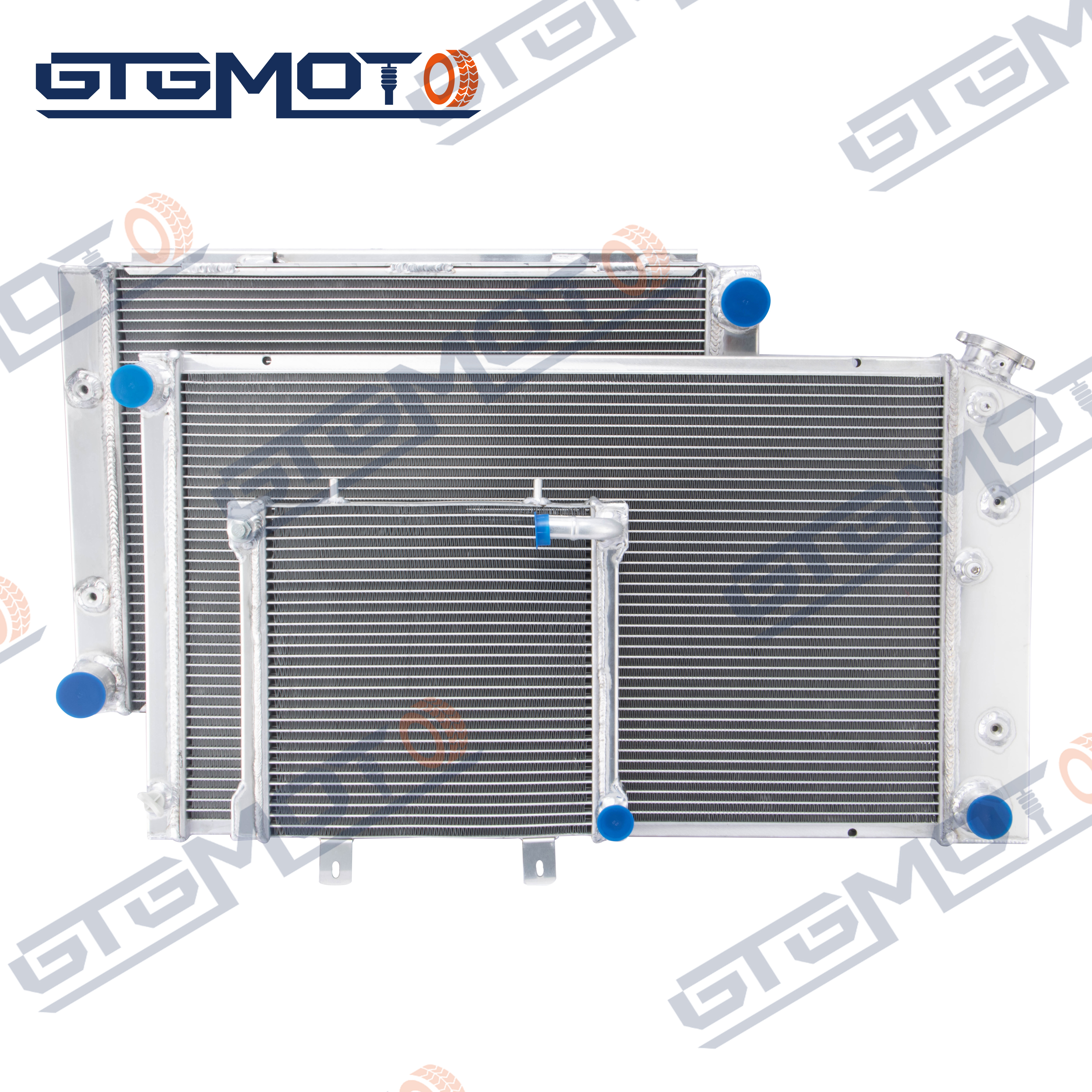
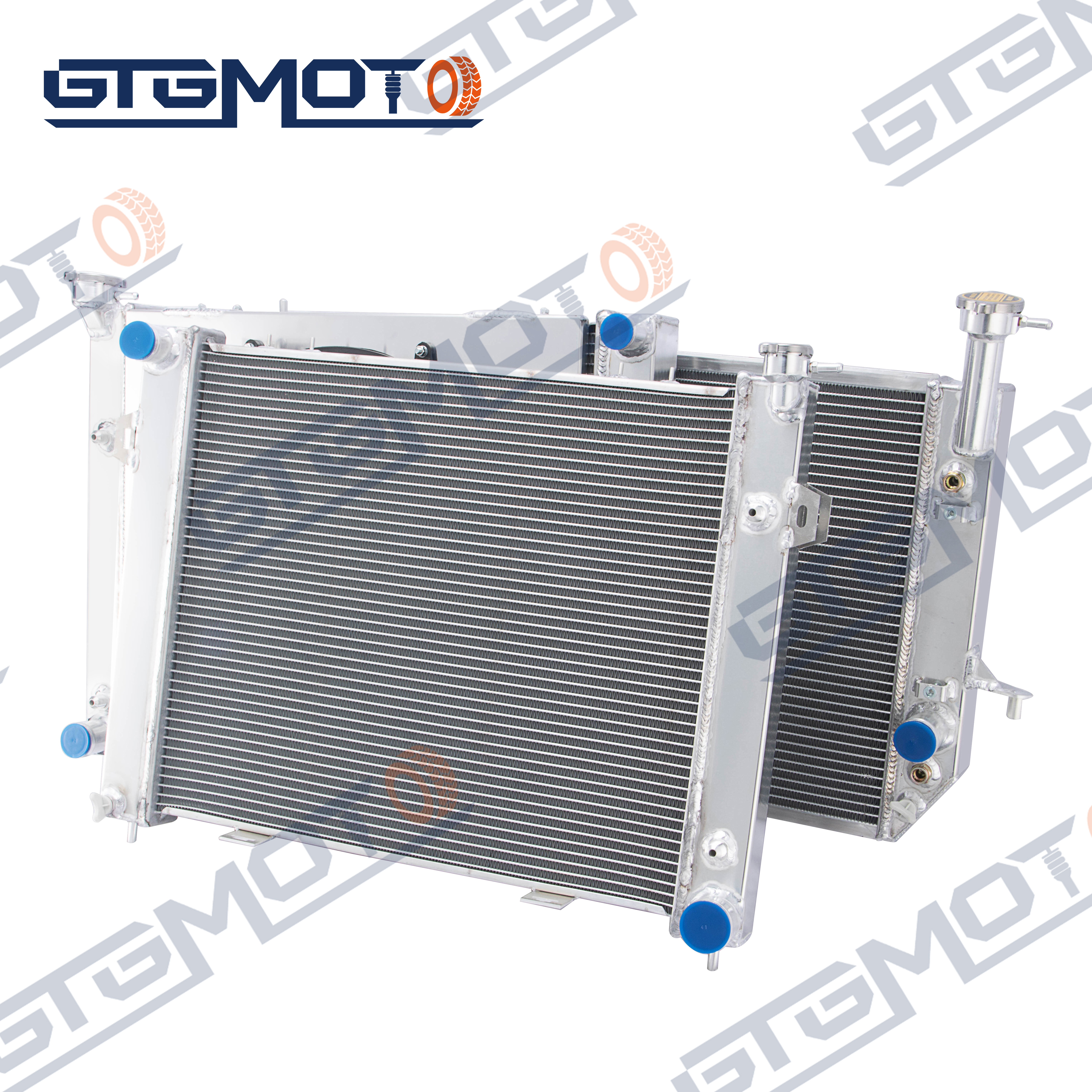
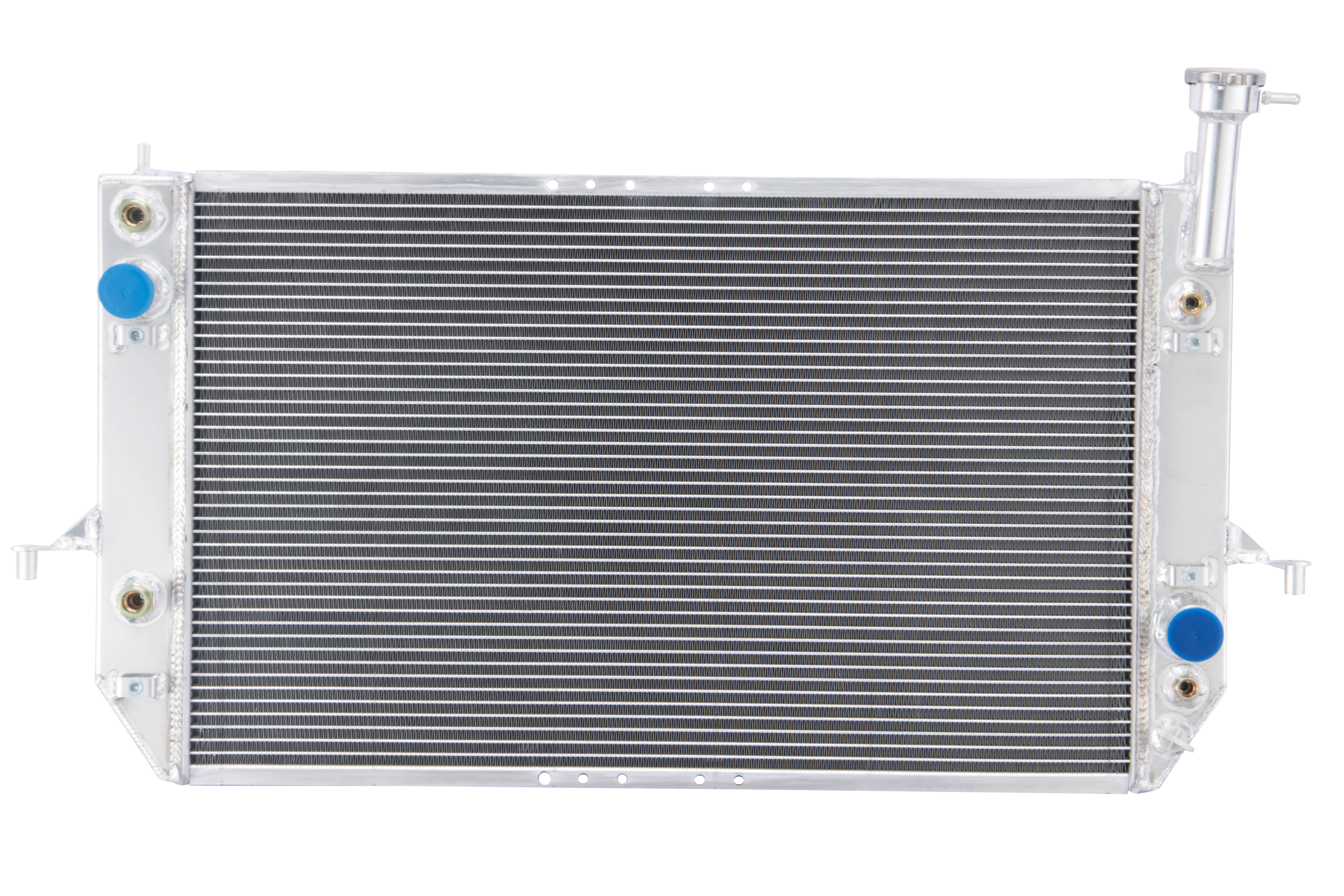
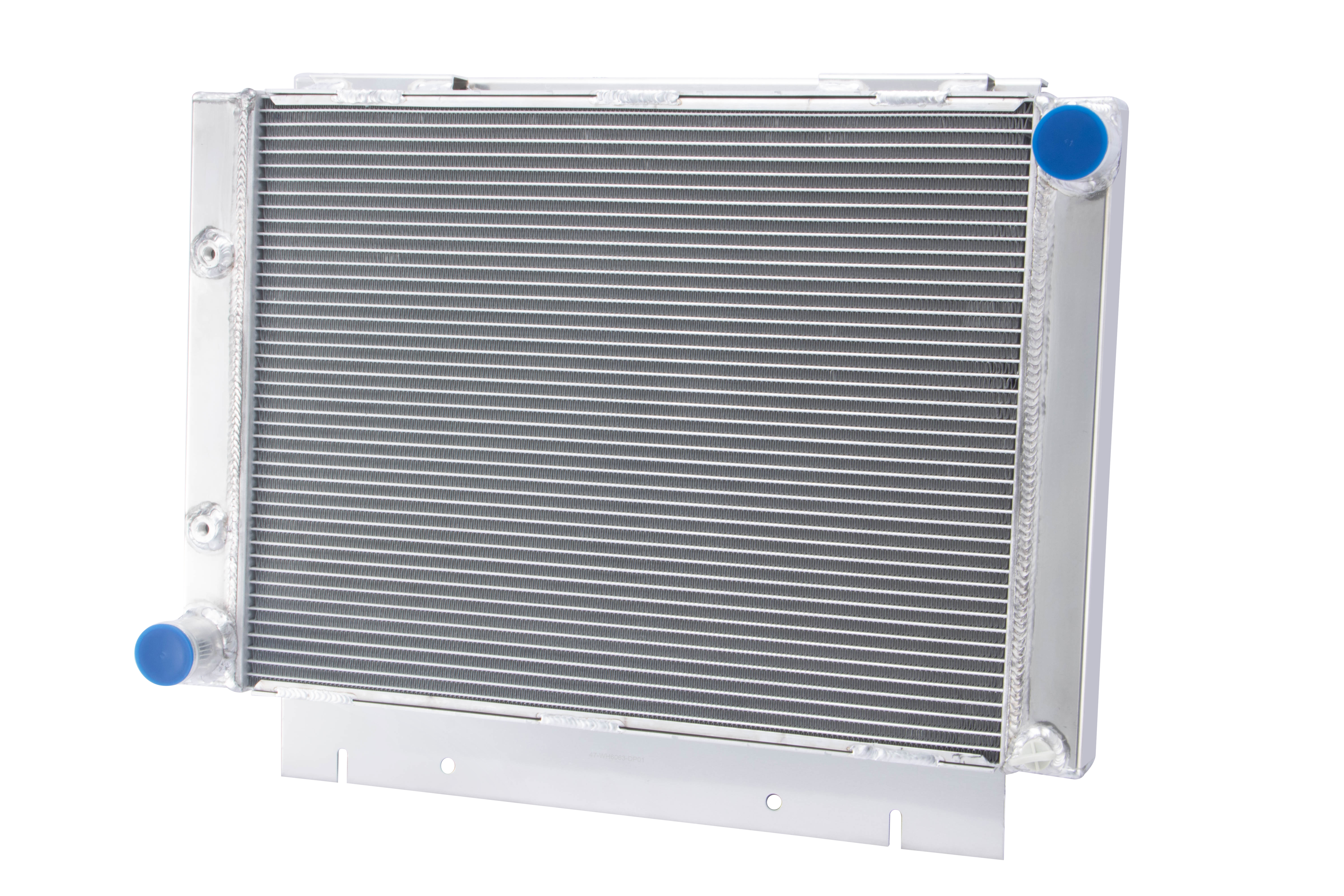
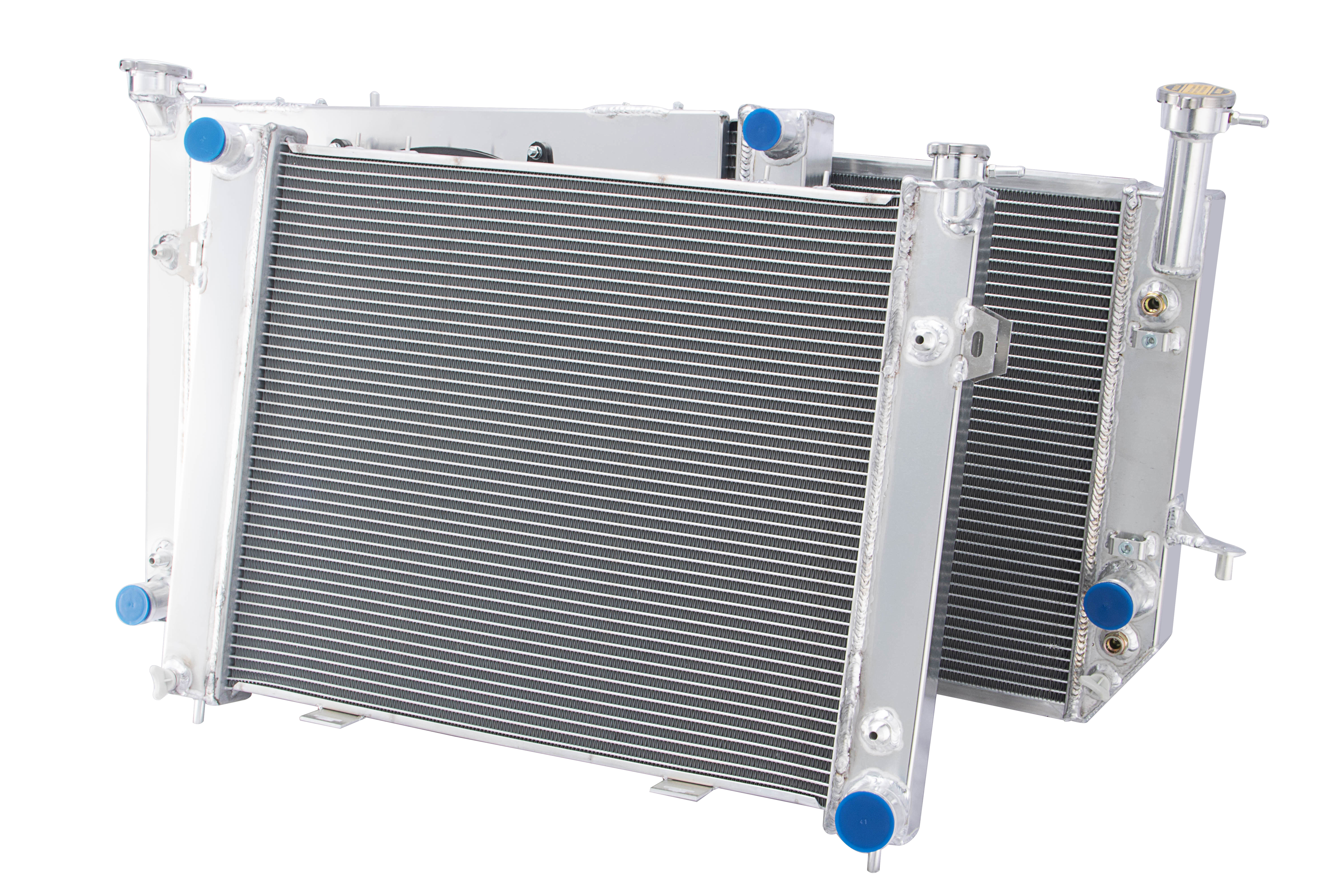
Three-Row Radiator: Superior Cooling Performance for High-Demand Applications

All Categories

Get a Free Quote

Our representative will contact you soon.
Email
Name
Company Name
WhatsApp
Message
0/1000

three-row radiator

A three-row radiator represents an advanced cooling solution designed to manage heat dissipation in high-performance vehicles and heavy-duty machinery. This cooling system features three parallel rows of tubes through which coolant flows, creating an expanded surface area that significantly enhances thermal exchange capabilities. The fundamental purpose of this radiator design is to maintain optimal operating temperatures in engines that generate substantial heat, preventing overheating and ensuring consistent performance under demanding conditions. The three-row configuration distinguishes itself from standard single-row or two-row radiators through its increased cooling capacity, making it particularly valuable for applications requiring superior heat management. Each row contains multiple tubes that allow coolant to circulate efficiently, while aluminum fins positioned between the tubes maximize contact with ambient air, facilitating rapid heat transfer. This design proves essential for vehicles operating in extreme environments, towing heavy loads, or engaging in performance driving where engine temperatures can quickly escalate. The three-row radiator construction typically utilizes durable materials such as aluminum or copper-brass combinations, selected for their excellent thermal conductivity and resistance to corrosion. Modern manufacturing techniques ensure precise tube spacing and fin density, optimizing airflow patterns and cooling efficiency. The radiator integrates seamlessly with existing cooling systems, connecting to the engine block, water pump, and thermostat to create a closed-loop circulation system. Applications span diverse industries, from automotive racing and off-road vehicles to agricultural equipment and industrial machinery. Truck owners who frequently haul trailers benefit from the enhanced cooling capacity, while performance enthusiasts rely on three-row radiators to support modified engines producing increased horsepower. The radiator's robust construction withstands vibration, pressure fluctuations, and temperature extremes, delivering reliable operation across varied operating conditions and extending engine lifespan through effective temperature regulation.

Popular Products

The primary advantage of a three-row radiator lies in its exceptional cooling capacity, which surpasses conventional radiator designs by a significant margin. This enhanced performance stems from the tripled surface area available for heat exchange, allowing the system to dissipate thermal energy more rapidly and effectively. Vehicle owners who upgrade to a three-row radiator immediately notice improved temperature stability, even during strenuous activities such as climbing steep grades, towing heavy trailers, or driving in stop-and-go traffic on hot summer days. The radiator maintains engine temperatures within the optimal range, preventing the performance degradation and potential damage associated with overheating. This temperature control translates directly into better fuel efficiency, as engines operating at proper temperatures burn fuel more completely and require less enrichment to compensate for heat-related issues. Another substantial benefit involves the extended engine lifespan that results from consistent thermal management. Excessive heat accelerates wear on engine components, degrades lubricants, and can cause warping or cracking of critical parts. By keeping temperatures stable, a three-row radiator protects your investment and reduces the likelihood of costly repairs. The radiator's construction quality ensures long-term durability, with corrosion-resistant materials and robust welding techniques that withstand years of operation without leaking or failing. Installation proves straightforward for most applications, as three-row radiators typically mount using existing brackets and connection points, eliminating the need for extensive modifications. The increased cooling capacity also provides a safety margin for future engine modifications, allowing enthusiasts to add performance upgrades without immediately overwhelming the cooling system. Maintenance requirements remain minimal, with periodic inspections and coolant changes sufficient to keep the radiator functioning optimally. The improved cooling efficiency reduces strain on auxiliary components such as cooling fans and water pumps, potentially extending their service life as well. For commercial operators, the reliability of a three-row radiator minimizes downtime and maintenance costs, contributing to better overall operational efficiency. The radiator performs consistently across varying ambient temperatures and altitudes, adapting to different environmental conditions without requiring adjustments. Vehicle resale value may increase with a quality three-row radiator installed, as buyers recognize the benefits of upgraded cooling systems. The peace of mind that comes from knowing your engine stays protected under all operating conditions represents an intangible but valuable advantage that enhances the overall ownership experience.

Latest News

Which core designs affect aluminium intercooler cooling efficiency?

30

Mar

Which core designs affect aluminium intercooler cooling efficiency?

The core design of an aluminium intercooler represents the most critical factor determining cooling efficiency in turbocharged and supercharged engines. Modern automotive applications demand precise understanding of how different core configurations ...
View More
How do OEM buyers select intercooler tubes for bulk production?

21

Apr

How do OEM buyers select intercooler tubes for bulk production?

When OEM manufacturers face the challenge of selecting intercooler tube components for bulk production runs, the decision involves far more complexity than standard aftermarket purchases. The procurement process requires balancing technical specifica...
View More
Control Arms 101: Functions and Maintenance Tips

26

May

Control Arms 101: Functions and Maintenance Tips

Control arms are essential suspension components that connect your vehicle's frame to the steering knuckles and wheel assemblies, acting as the critical link between your chassis and the wheels. These pivotal structural elements allow your wheels to ...
View More
How Long Do Control Arms Really Last?

26

May

How Long Do Control Arms Really Last?

When vehicle owners notice unusual steering behavior, excessive tire wear, or unsettling clunking noises during turns, worn control arms often emerge as the underlying culprit. Understanding the actual lifespan of control arms requires examining mult...
View More

Get a Free Quote

Our representative will contact you soon.
Email
Name
Company Name
WhatsApp
Message
0/1000

three-row radiator

Superior Heat Dissipation Through Triple-Row Engineering

Superior Heat Dissipation Through Triple-Row Engineering

The engineering excellence behind a three-row radiator centers on its innovative triple-row tube configuration, which fundamentally transforms how cooling systems manage thermal energy. Unlike traditional single-row designs that offer limited surface area for heat exchange, the three-row radiator multiplies cooling capacity through parallel tube arrangements that work simultaneously to extract heat from circulating coolant. Each row functions independently yet cooperatively, creating multiple pathways for coolant flow that distribute thermal load evenly across the entire radiator core. This distribution prevents hot spots and ensures uniform cooling throughout the system. The tubes themselves feature optimized internal dimensions that balance flow rate with residence time, allowing coolant to spend sufficient time in contact with tube walls for effective heat transfer while maintaining adequate circulation speed to prevent localized overheating. Between the rows, precisely engineered aluminum fins create an extensive network of surfaces exposed to ambient air, dramatically increasing the total area available for convective cooling. These fins incorporate specific geometries that promote turbulent airflow, disrupting boundary layers and enhancing heat transfer coefficients. The spacing between fins represents a carefully calculated compromise between maximizing surface area and maintaining adequate airflow passages, ensuring that air can penetrate deep into the radiator core rather than simply flowing around the exterior. Manufacturing precision ensures consistent fin density and alignment, eliminating gaps or irregularities that could impede cooling performance. The three-row design proves particularly effective in high-demand scenarios where single-row radiators struggle to maintain acceptable temperatures. During extended uphill climbs with heavy loads, the additional cooling capacity prevents temperature spikes that could trigger engine protection systems or cause damage. In racing applications, where engines operate at elevated RPMs and produce maximum heat output, the three-row radiator provides the thermal management necessary to sustain peak performance lap after lap. The design also accommodates increased coolant capacity, which provides additional thermal mass to buffer against sudden temperature changes and gives the system more time to dissipate accumulated heat during brief periods of extreme demand.
Robust Construction for Long-Term Reliability

Robust Construction for Long-Term Reliability

The construction quality of a three-row radiator directly impacts its longevity and performance consistency, making material selection and manufacturing techniques critical factors in overall value. Premium three-row radiators utilize aircraft-grade aluminum alloys chosen for their optimal combination of thermal conductivity, strength-to-weight ratio, and corrosion resistance. Aluminum transfers heat approximately twice as effectively as steel, enabling more efficient cooling while reducing overall radiator weight compared to older copper-brass designs. The reduced weight benefits vehicle handling and fuel economy while maintaining structural integrity under operating pressures and vibration. Tube construction employs seamless extrusion or precision welding processes that eliminate weak points prone to failure, ensuring each tube withstands the pressure cycling that occurs during normal operation as coolant temperatures and pressures fluctuate. The header tanks, which distribute coolant to the tube rows and collect it after heat exchange, feature reinforced designs with integrated mounting provisions that resist cracking under stress. Welding quality throughout the radiator assembly meets stringent standards, with continuous seams that prevent leaks and maintain structural cohesion even after years of thermal cycling. Corrosion protection involves multiple strategies, including alloy selection, surface treatments, and compatibility with modern coolant formulations containing corrosion inhibitors. The radiator's internal passages resist scale buildup and electrolytic corrosion, maintaining full flow capacity throughout its service life. External surfaces receive protective coatings that withstand exposure to road salt, debris impact, and environmental contaminants without degrading. The fin attachment method ensures permanent bonding between fins and tubes, preventing separation that would create air gaps and reduce cooling efficiency. Quality control during manufacturing includes pressure testing to verify leak-free construction and dimensional inspections to confirm proper fit with mounting locations. The robust construction translates into reliable operation across temperature extremes, from sub-zero winter conditions to desert heat, without performance degradation or structural failure. This durability proves especially valuable for commercial applications where equipment downtime carries significant costs, and for remote operations where radiator failure could strand vehicles far from repair facilities.
Versatile Applications Across Multiple Industries

Versatile Applications Across Multiple Industries

The adaptability of three-row radiator technology extends its benefits across diverse applications, from personal vehicles to industrial equipment, demonstrating remarkable versatility in meeting varied cooling requirements. In the automotive sector, truck owners who regularly tow trailers or haul heavy cargo find three-row radiators essential for maintaining safe operating temperatures under load. The additional cooling capacity compensates for the increased engine work required to move combined vehicle and trailer weight, preventing the overheating that commonly occurs with factory cooling systems during extended highway driving or mountain passes. Off-road enthusiasts operating vehicles in challenging terrain benefit similarly, as low-speed rock crawling and sand driving reduce airflow through the radiator while engines work hard, creating conditions where enhanced cooling capacity proves crucial. Performance vehicle owners modify engines to produce increased horsepower, generating proportionally more heat that stock radiators cannot adequately dissipate. A three-row radiator provides the thermal management necessary to support these modifications safely, preventing heat-related power loss and protecting expensive engine components from damage. Classic car restoration projects often incorporate three-row radiators to improve reliability and performance beyond original specifications, addressing cooling inadequacies in vintage designs while maintaining period-correct appearances. In commercial transportation, delivery trucks, service vehicles, and utility fleets operate under demanding conditions with frequent stops, idling periods, and full-load operation that stress cooling systems. The three-row radiator reduces maintenance incidents and extends vehicle service life, improving fleet reliability and reducing total cost of ownership. Agricultural equipment such as tractors and combines operates in dusty environments with restricted airflow and sustained high-load conditions during harvest seasons. The robust construction and enhanced cooling capacity of three-row radiators suit these demanding applications perfectly, providing reliable operation when equipment downtime could result in significant crop losses. Industrial machinery including generators, compressors, and stationary engines benefit from three-row radiator technology in applications where consistent cooling ensures continuous operation and prevents costly production interruptions. Marine applications utilize three-row radiators in closed-loop cooling systems for inboard engines, where the radiator exchanges heat with raw water rather than air, requiring efficient heat transfer in compact installations. The radiator design accommodates various coolant types and operating pressures, making it compatible with different system configurations and requirements across these diverse applications.

Get a Quote Get a Quote Email Email WhatsApp WhatsApp WeChat WeChat
WeChat
TopTop

Get a Free Quote

Our representative will contact you soon.
Email
Name
Company Name
WhatsApp
Message
0/1000

Get a Free Quote

Our representative will contact you soon.
Email
Name
Company Name
WhatsApp
Message
0/1000

Get a Free Quote

Our representative will contact you soon.
Email
Name
Company Name
WhatsApp
Message
0/1000