High-Performance Radiator Core Solutions - Advanced Cooling Technology for Automotive Applications

All Categories

Get a Free Quote

Our representative will contact you soon.
Email
Name
Company Name
WhatsApp
Message
0/1000

radiator core

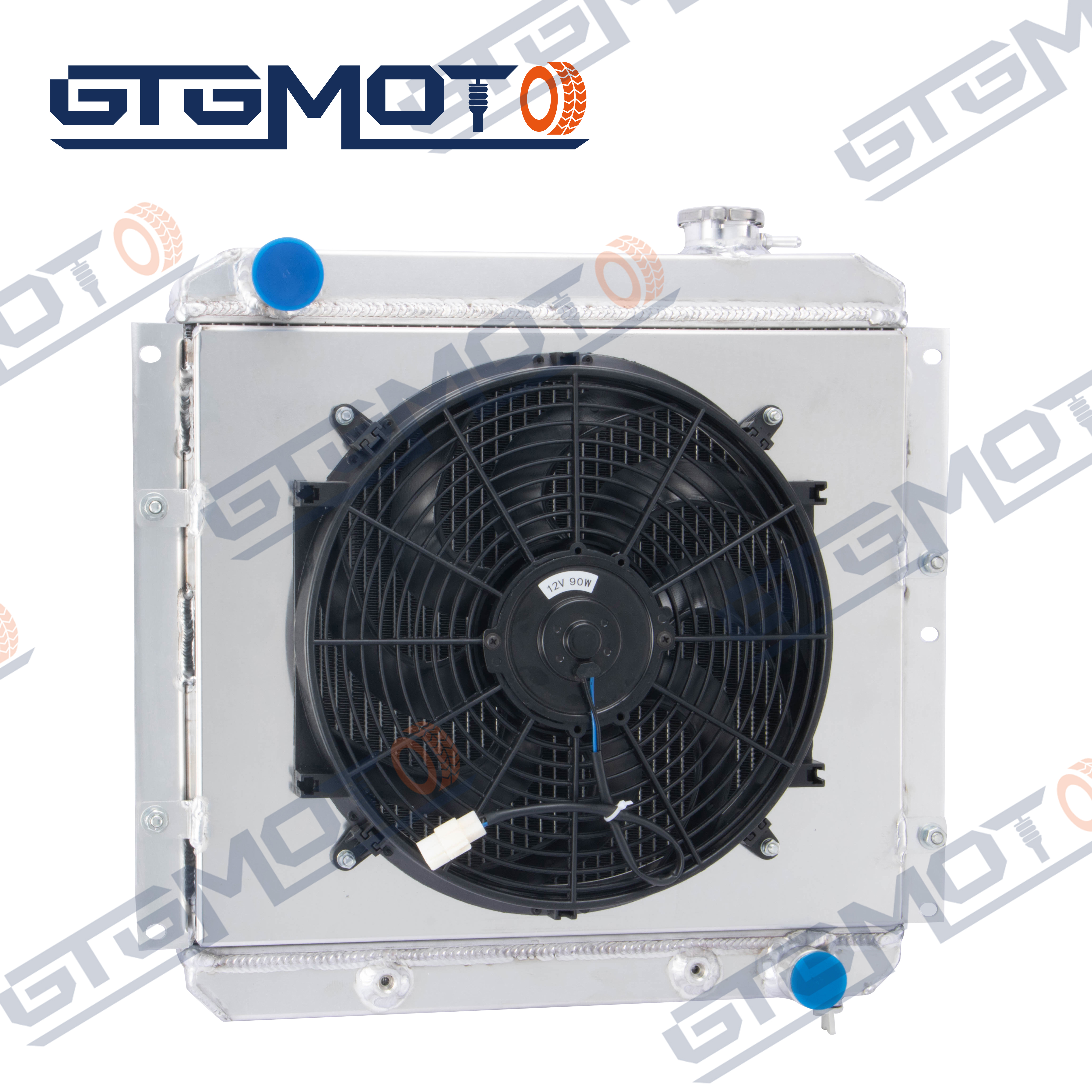
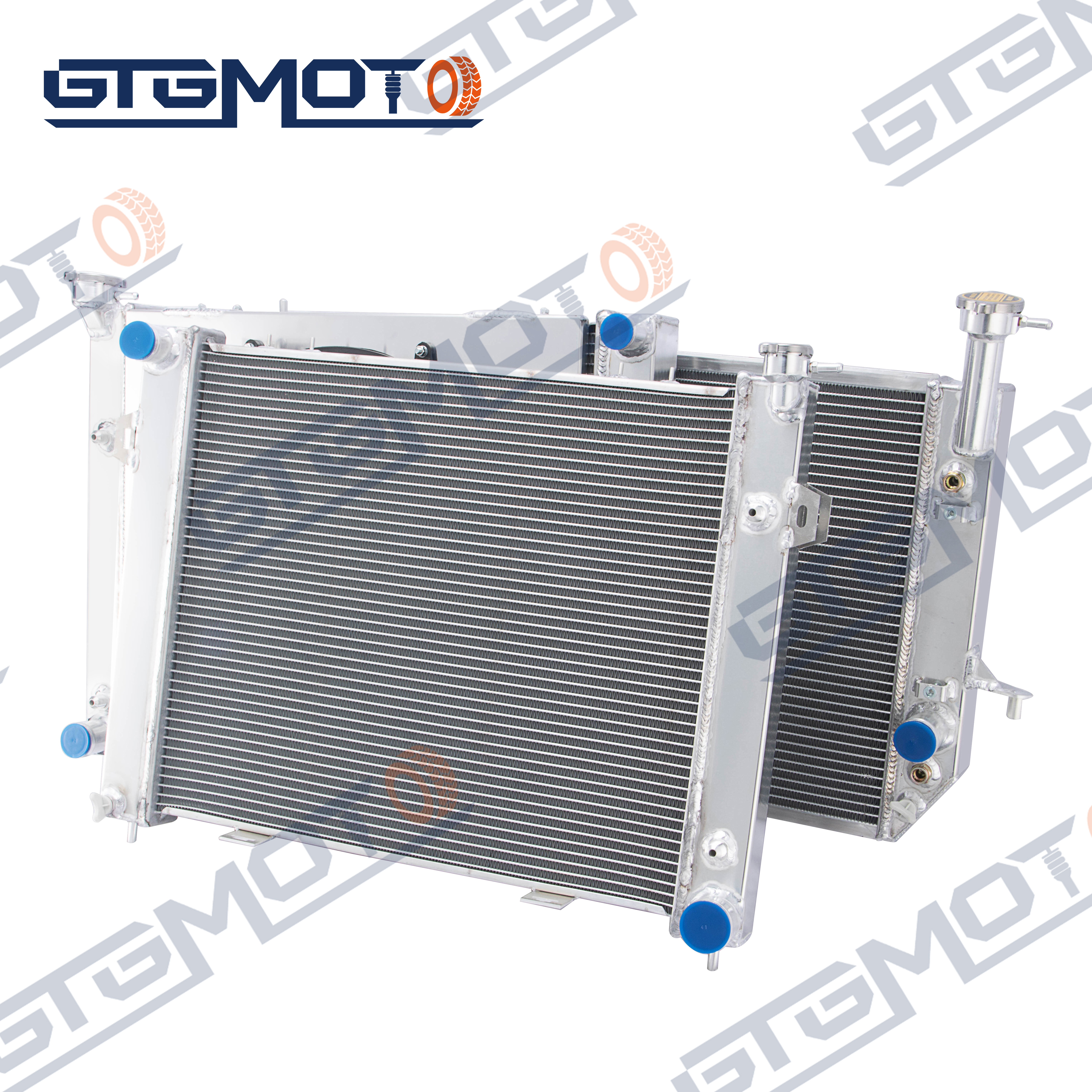
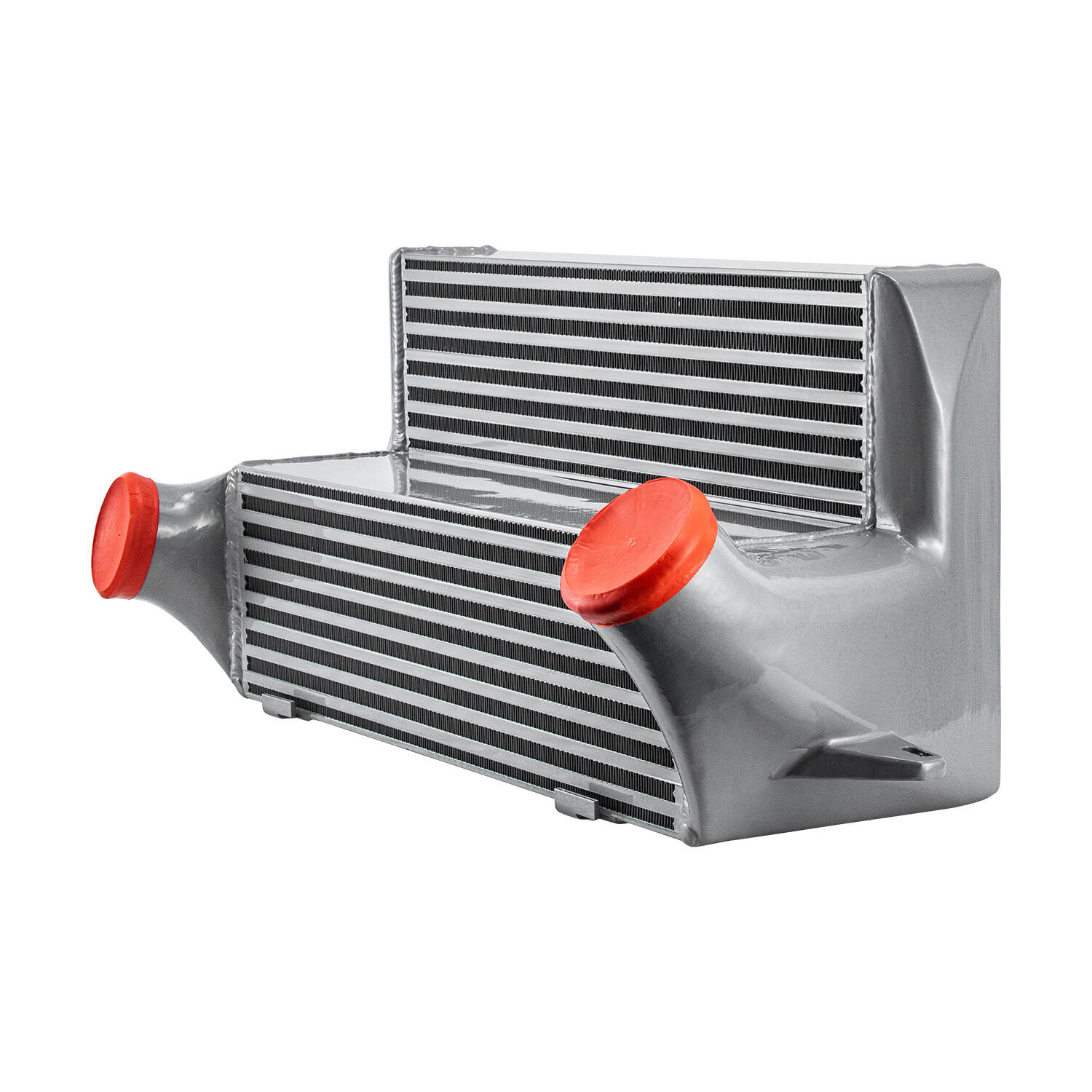
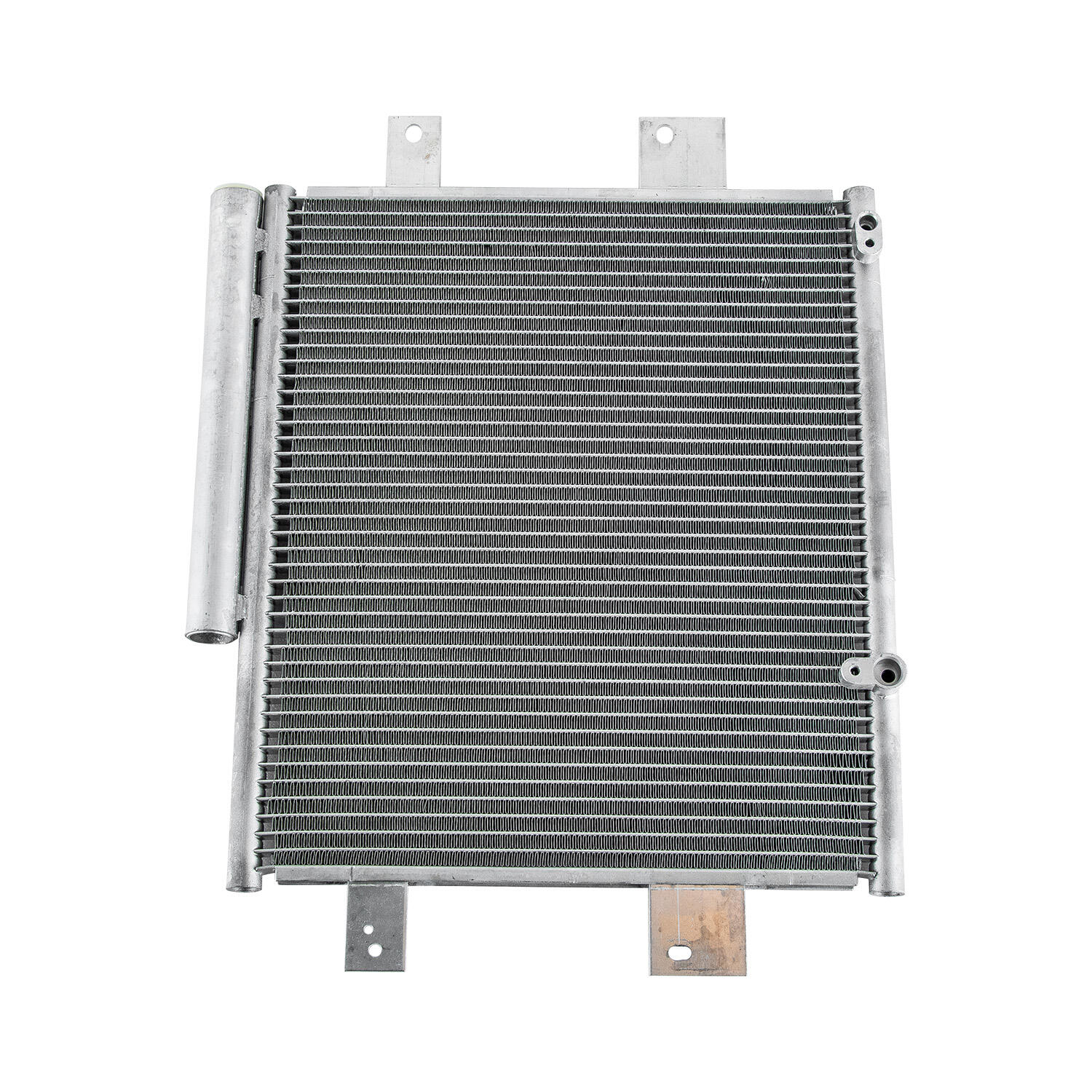
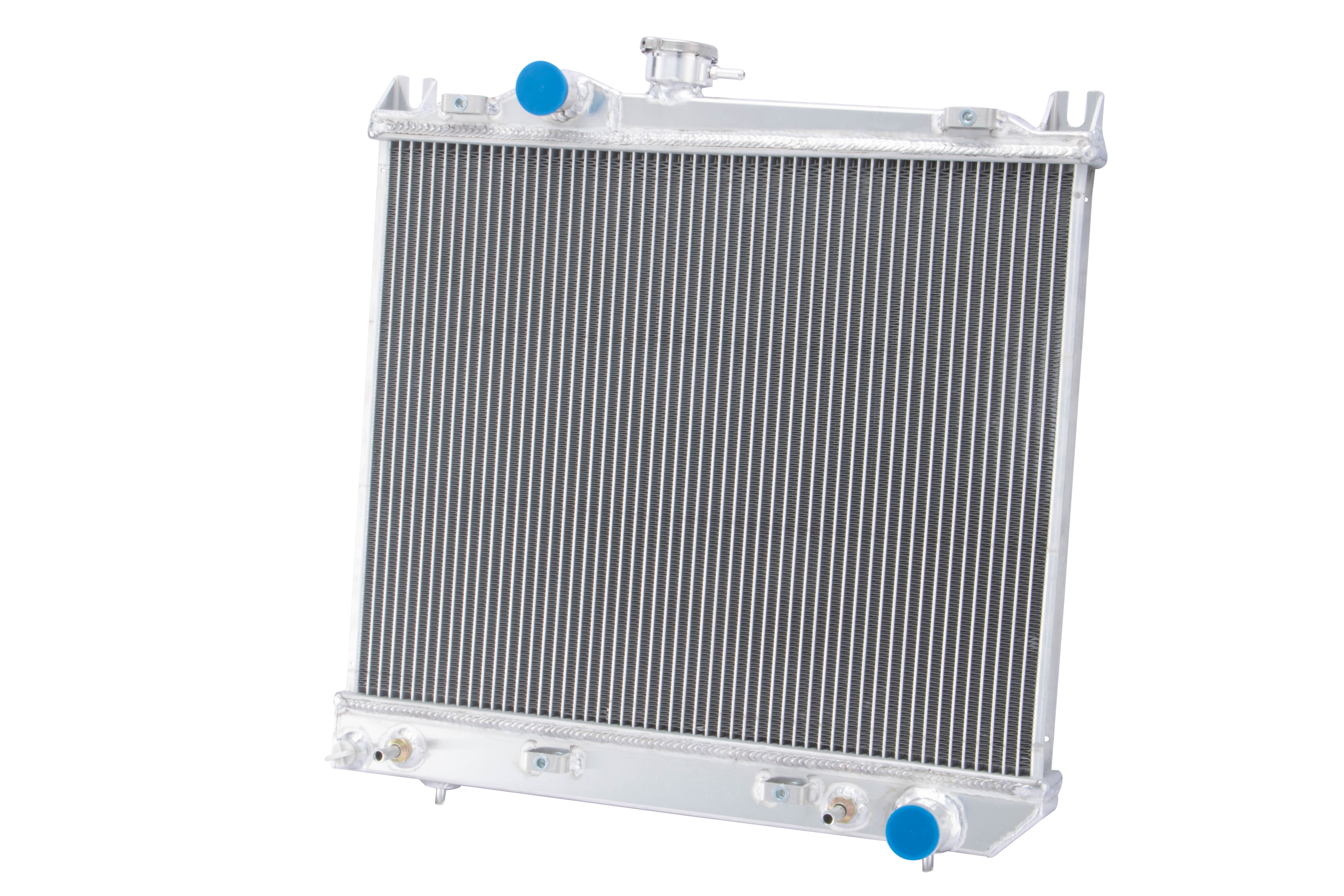
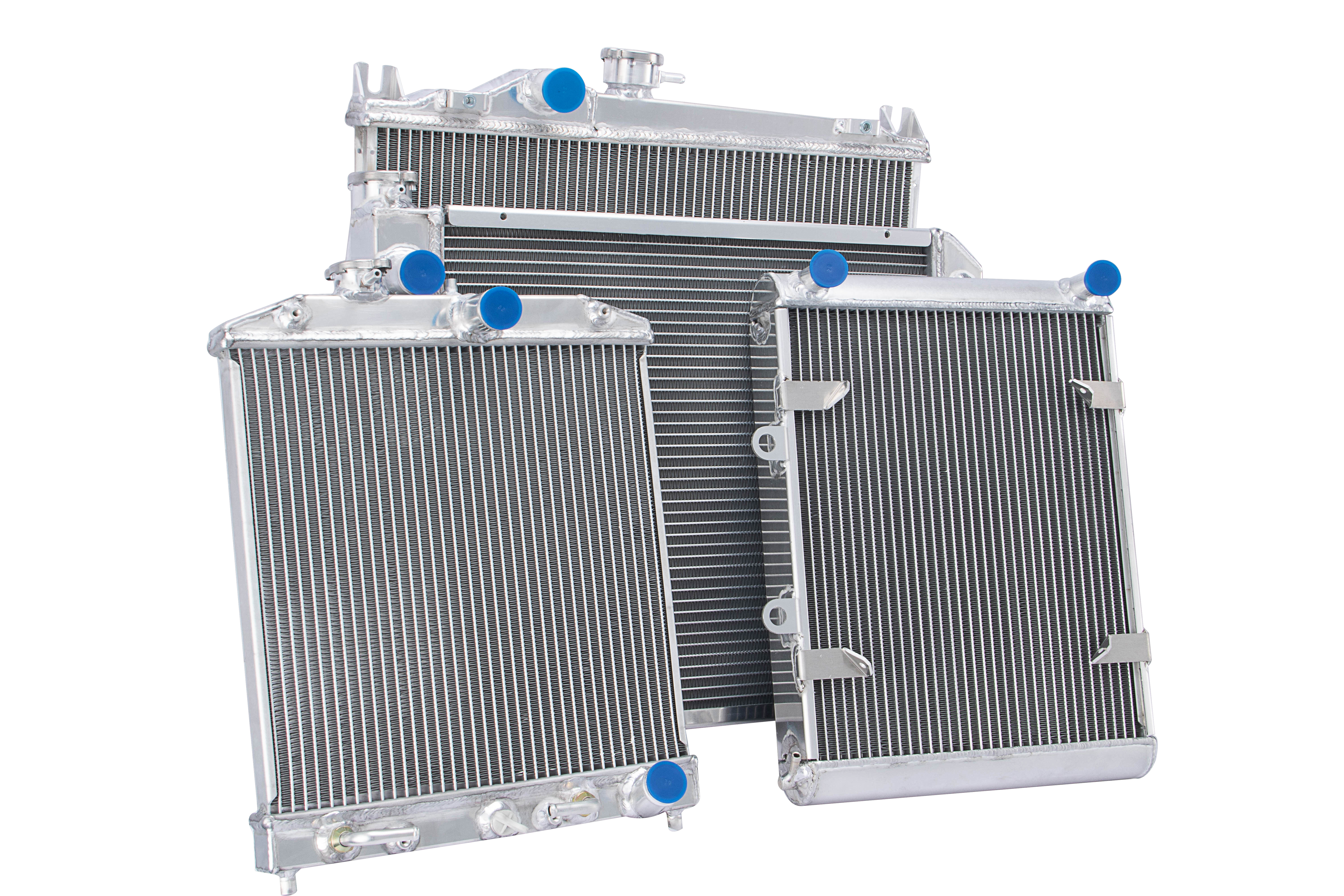
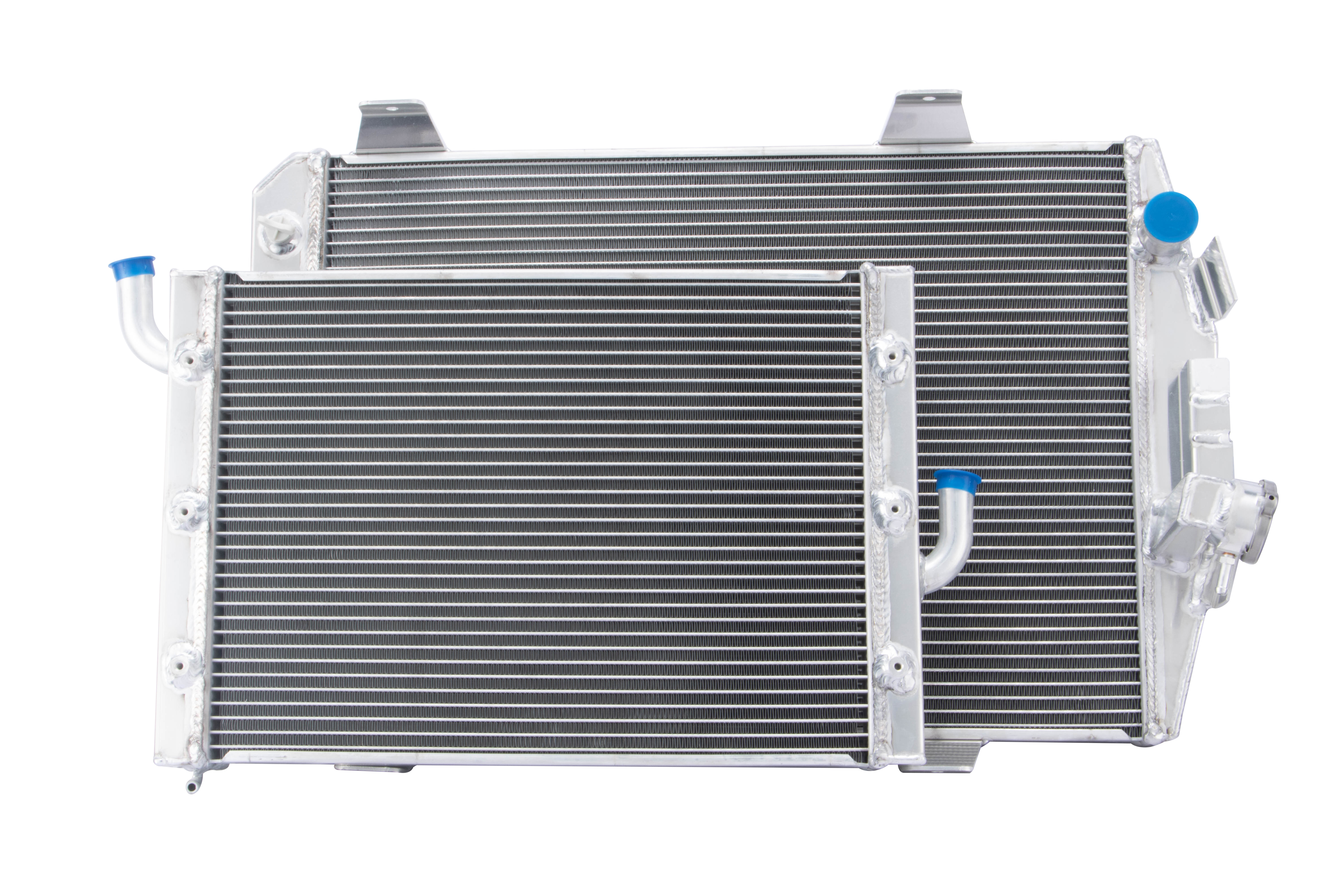
The radiator core stands as the fundamental component within automotive cooling systems, serving as the primary heat exchange mechanism that maintains optimal engine temperatures. This essential element consists of a network of tubes and fins designed to facilitate efficient thermal transfer between hot engine coolant and ambient air. The radiator core operates through convection and conduction principles, allowing heated coolant to flow through internal passages while external airflow removes excess thermal energy. Modern radiator core designs incorporate advanced materials such as aluminum alloys and copper compositions that maximize heat dissipation capabilities while maintaining structural integrity under extreme operating conditions. The core structure features precisely engineered tube configurations that optimize fluid dynamics, ensuring consistent coolant circulation throughout the entire system. These tubes connect to header tanks that distribute coolant evenly across the radiator core surface area. Fin designs vary depending on application requirements, with some cores utilizing straight fins for basic cooling needs while others employ louvered or wavy fin patterns for enhanced heat transfer efficiency. The radiator core dimensions and specifications are carefully calibrated to match specific vehicle requirements, considering factors such as engine displacement, operating temperatures, and available installation space. Manufacturing processes involve sophisticated brazing or welding techniques that create leak-proof connections between tubes and fins, ensuring long-term reliability under thermal cycling conditions. Quality control measures during production verify that each radiator core meets stringent performance standards for pressure resistance, corrosion protection, and thermal efficiency. The integration of the radiator core within complete cooling systems requires precise fitment with mounting brackets, hoses, and thermostatic controls. Regular maintenance of the radiator core involves inspection for physical damage, cleaning of external surfaces, and verification of internal flow characteristics to prevent overheating issues that could compromise engine performance and longevity.

New Product Releases

The radiator core delivers exceptional thermal management capabilities that directly translate to improved engine performance and extended vehicle lifespan. Modern radiator cores achieve superior heat dissipation rates compared to traditional cooling solutions, maintaining consistent engine temperatures even under demanding operating conditions such as heavy towing, stop-and-go traffic, or extreme weather environments. This enhanced cooling efficiency prevents engine overheating scenarios that can cause catastrophic damage to internal components, saving vehicle owners thousands of dollars in potential repair costs. The lightweight construction of contemporary radiator cores reduces overall vehicle weight, contributing to improved fuel economy and reduced emissions output. Advanced manufacturing techniques ensure that each radiator core provides optimal coolant flow distribution, eliminating hot spots that could lead to localized overheating and subsequent engine damage. The corrosion-resistant materials used in radiator core construction extend service life significantly, reducing replacement frequency and associated maintenance expenses. Installation procedures for radiator cores are streamlined and straightforward, allowing for quick replacement when necessary without requiring specialized tools or extensive mechanical expertise. The compact design of modern radiator cores maximizes cooling capacity while minimizing space requirements, making them suitable for a wide range of vehicle applications from compact cars to heavy-duty trucks. Enhanced fin designs increase surface area contact with ambient air, improving heat transfer efficiency without increasing overall core dimensions. The pressure-tested construction ensures leak-free operation throughout the service life, maintaining cooling system integrity and preventing coolant loss that could lead to overheating issues. Quality materials resist degradation from temperature cycling, chemical exposure, and physical stress, providing reliable performance over extended periods. The standardized mounting configurations of radiator cores facilitate easy installation and replacement, reducing labor costs and downtime during maintenance procedures. Improved manufacturing precision ensures consistent performance characteristics across all radiator core units, providing predictable cooling capacity for system designers and end users. The cost-effective nature of radiator core technology makes it an economical solution for maintaining optimal engine temperatures while delivering long-term value through reduced maintenance requirements and extended engine life.

Practical Tips

AI-Assisted Control Arm Diagnostics: 2025 Repair Trends

27

Aug

AI-Assisted Control Arm Diagnostics: 2025 Repair Trends

The Evolution of Automotive Suspension Diagnostics The automotive repair industry stands at the cusp of a revolutionary transformation as artificial intelligence reshapes control arm diagnostics. Traditional methods of identifying suspension issues a...
View More
3D-Printed Intercooler Pipes: The Future of 2025 Performance Mods

19

Oct

3D-Printed Intercooler Pipes: The Future of 2025 Performance Mods

Revolutionizing Automotive Performance Through Advanced Manufacturing The automotive aftermarket industry is witnessing a groundbreaking transformation with the emergence of 3D-printed intercooler pipes. This innovative technology is reshaping how we...
View More
Preventing Intercooler Tube Leaks in 2025 Vehicle Models

19

Oct

Preventing Intercooler Tube Leaks in 2025 Vehicle Models

Understanding the Critical Role of Intercooler Systems in Modern Vehicles The automotive industry continues to evolve with advanced technologies, and the intercooler system remains a crucial component in maintaining optimal engine performance. As we ...
View More
What criteria should fleet buyers use when sourcing AC condensers?

27

Jan

What criteria should fleet buyers use when sourcing AC condensers?

Fleet managers face critical decisions when sourcing automotive components, particularly when it comes to air conditioning systems. The ac condenser represents one of the most essential components in vehicle climate control, directly impacting driver...
View More

Get a Free Quote

Our representative will contact you soon.
Email
Name
Company Name
WhatsApp
Message
0/1000

radiator core

Advanced Heat Transfer Technology

Advanced Heat Transfer Technology

The radiator core incorporates cutting-edge heat transfer technology that maximizes cooling efficiency through innovative design elements and material selection. The sophisticated tube and fin configuration creates an extensive surface area that facilitates rapid thermal exchange between hot engine coolant and surrounding air. Engineers have optimized the internal passage geometry to promote turbulent flow characteristics that enhance heat transfer coefficients while maintaining acceptable pressure drop levels. The fin design utilizes advanced computational fluid dynamics modeling to achieve optimal air flow patterns that maximize convective heat removal from the radiator core surfaces. Specialized manufacturing processes create precise fin spacing and orientation that balances thermal performance with structural durability under vibration and thermal cycling conditions. The radiator core construction employs high-conductivity materials such as aluminum and copper alloys that excel at conducting thermal energy from the hot coolant to the external environment. These materials undergo specific treatments and coatings that enhance corrosion resistance while maintaining excellent thermal conductivity properties. The tube wall thickness is precisely controlled to optimize heat transfer rates while ensuring adequate strength to withstand system pressure requirements. Advanced brazing techniques create metallurgical bonds between tubes and fins that maintain thermal conductivity paths throughout the radiator core structure. The header tank design distributes coolant uniformly across all tube passages, preventing flow maldistribution that could reduce overall thermal performance. Quality control procedures verify that each radiator core meets strict thermal performance specifications through comprehensive testing protocols. The integration of microfin technology within tube interiors increases internal surface area substantially, enhancing heat transfer between coolant and tube walls. Temperature mapping studies confirm that radiator cores achieve uniform heat dissipation across the entire core area, preventing localized hot spots that could compromise cooling effectiveness.
Durable Construction and Longevity

Durable Construction and Longevity

The radiator core demonstrates exceptional durability through robust construction methods and premium material selection that ensure reliable operation under severe automotive operating conditions. The structural integrity of the radiator core withstands extreme temperature variations, pressure fluctuations, and mechanical stresses encountered during normal vehicle operation. Advanced alloy compositions resist corrosion from coolant chemicals, road salt exposure, and environmental contaminants that typically degrade cooling system components over time. The manufacturing process incorporates multiple quality assurance checkpoints that verify dimensional accuracy, joint integrity, and pressure resistance before each radiator core leaves the production facility. Sophisticated welding and brazing techniques create permanent bonds between core components that maintain structural unity throughout repeated thermal cycling events. The fin attachment methods ensure that cooling fins remain securely connected to heat transfer tubes despite vibration loads and thermal expansion stresses. Protective coatings applied to radiator core surfaces provide additional resistance against oxidation, chemical attack, and physical damage from debris impact. The design incorporates generous safety factors that exceed typical automotive cooling system requirements, providing reliability margins that extend service life substantially. Accelerated aging tests demonstrate that radiator cores maintain performance characteristics well beyond standard automotive component lifespans. The material selection prioritizes fatigue resistance properties that prevent crack initiation and propagation under cyclic loading conditions. Internal flow passages resist scale buildup and contamination accumulation through smooth surface finishes and optimal geometry selection. The radiator core construction accommodates thermal expansion differences between dissimilar materials without creating stress concentrations that could lead to failure. Field testing validates that radiator cores perform consistently across diverse operating environments and duty cycles. The modular design approach facilitates repair procedures when necessary, extending overall system service life through component-level maintenance capabilities.
Versatile Applications and Compatibility

Versatile Applications and Compatibility

The radiator core technology adapts seamlessly to diverse automotive applications ranging from passenger vehicles to heavy-duty commercial equipment, demonstrating remarkable versatility in meeting varied cooling requirements. Engineering teams customize radiator core specifications to match specific engine characteristics, operating conditions, and installation constraints across different vehicle platforms. The modular design philosophy enables scalable cooling solutions that accommodate engines from compact four-cylinder units to large displacement V8 and diesel powerplants. Dimensional flexibility allows radiator cores to fit within existing vehicle architecture while maximizing cooling capacity within available space constraints. The standardized mounting interfaces ensure compatibility with established cooling system components such as fans, shrouds, and plumbing connections across multiple vehicle models. Manufacturing processes support both high-volume production for mainstream applications and specialized low-volume requirements for niche markets or custom applications. The radiator core design accommodates various coolant types including traditional ethylene glycol mixtures, extended-life formulations, and environmentally friendly alternatives without compromising performance or durability. Installation procedures remain consistent across different applications, simplifying service procedures and reducing training requirements for maintenance technicians. The electrical compatibility extends to various fan motor configurations, temperature sensor types, and control system interfaces commonly used in automotive cooling applications. Performance characteristics scale appropriately with engine power output and thermal load requirements, ensuring adequate cooling capacity across diverse operating scenarios. The radiator core construction supports both pressurized and atmospheric cooling system designs, providing flexibility for different cooling system architectures. Quality assurance protocols verify compatibility with existing vehicle systems and components before radiator cores enter production. The aftermarket support network provides comprehensive coverage for replacement parts and technical assistance across all supported applications. Field service data confirms successful operation across extreme climate conditions from arctic environments to desert regions, validating the universal applicability of radiator core technology.
Get a Quote Get a Quote Email Email WhatsApp WhatsApp WeChat WeChat
WeChat
TopTop

Get a Free Quote

Our representative will contact you soon.
Email
Name
Company Name
WhatsApp
Message
0/1000

Get a Free Quote

Our representative will contact you soon.
Email
Name
Company Name
WhatsApp
Message
0/1000

Get a Free Quote

Our representative will contact you soon.
Email
Name
Company Name
WhatsApp
Message
0/1000