Versatile Application Range Across Multiple Industries and Systems
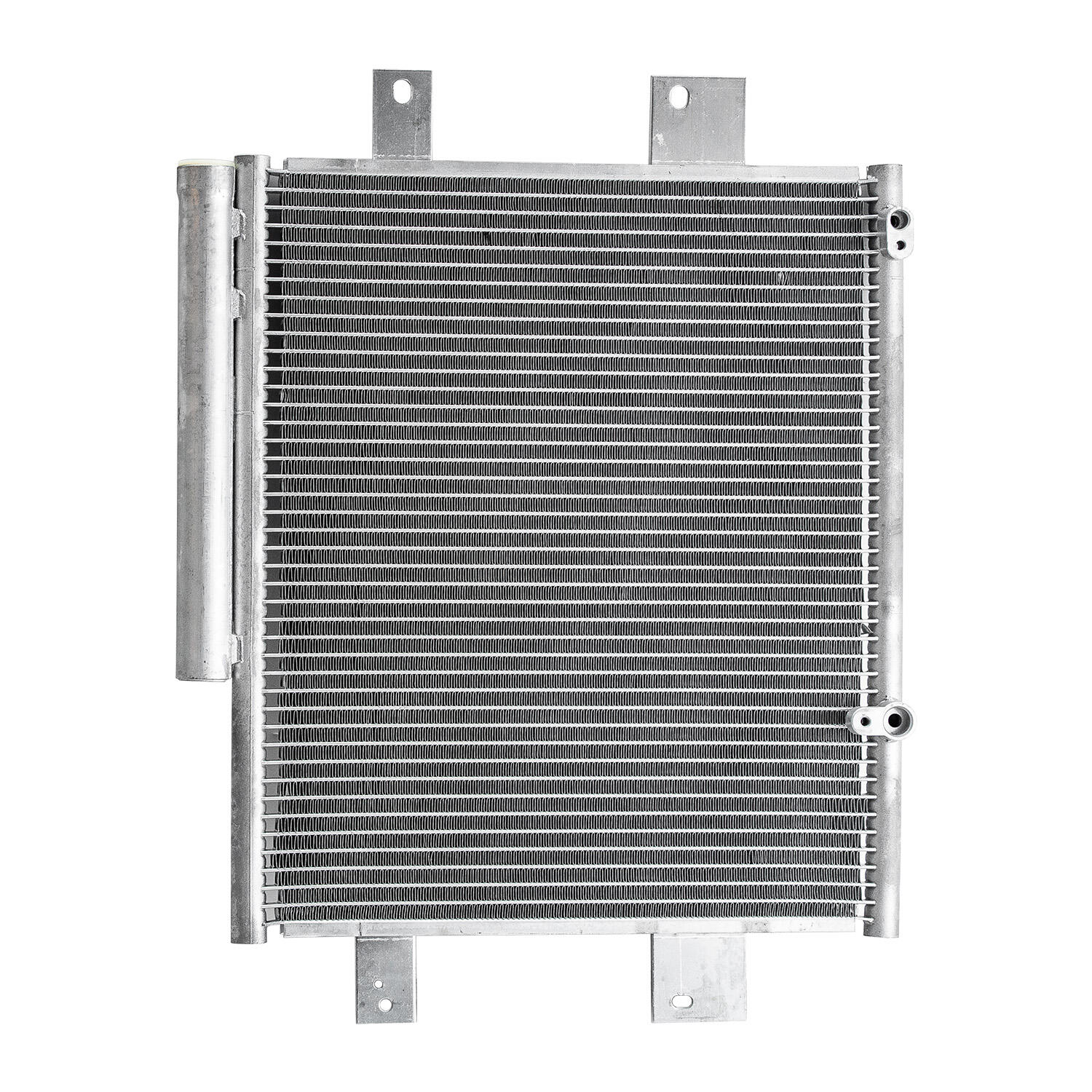
The aluminum alloy radiator serves diverse thermal management needs across numerous industries, demonstrating remarkable versatility in addressing varied cooling requirements. Automotive applications represent a major market segment where aluminum alloy radiators have become the predominant cooling solution for internal combustion engines. The combination of lightweight construction, efficient heat dissipation, and cost-effective manufacturing aligns perfectly with automotive industry demands for fuel efficiency, performance, and affordability. Passenger vehicles, commercial trucks, motorcycles, and off-road equipment all benefit from aluminum alloy radiator technology that maintains optimal engine temperatures under varying load conditions and environmental circumstances. Industrial machinery applications leverage aluminum alloy radiators to manage heat in hydraulic systems, air compressors, generators, and manufacturing equipment where reliable temperature control ensures operational efficiency and prevents costly downtime. The customization capabilities inherent in aluminum alloy radiator manufacturing allow engineers to specify precise dimensions, port configurations, and cooling capacities that integrate seamlessly with existing equipment designs. Power generation facilities utilize aluminum alloy radiators in cooling systems for engines, turbines, and auxiliary equipment, where consistent thermal management contributes to electrical generation reliability and efficiency. The material's resistance to thermal cycling proves particularly valuable in power generation applications that experience frequent start-stop cycles or load variations. Aerospace applications demand the exceptional strength-to-weight ratio that aluminum alloy radiators provide, as every kilogram of aircraft weight directly impacts fuel consumption and payload capacity. Specialized aluminum alloy radiator designs meet stringent aerospace requirements for reliability, vibration resistance, and performance across extreme altitude and temperature ranges. Marine applications benefit from aluminum alloy radiators in both propulsion cooling systems and auxiliary equipment, where the material's corrosion resistance proves essential in harsh saltwater environments. Proper alloy selection and surface treatments ensure marine aluminum alloy radiators withstand the aggressive conditions encountered in maritime service. HVAC systems in residential, commercial, and industrial facilities incorporate aluminum alloy radiators as heat exchangers that efficiently transfer thermal energy for climate control purposes. The material's thermal conductivity and formability enable compact radiator designs that maximize heating or cooling capacity within space-constrained installations. Electronic cooling represents a growing application area where aluminum alloy radiators dissipate heat from processors, power supplies, and telecommunications equipment. The precision manufacturing possible with aluminum alloy materials allows for specialized radiator configurations optimized for electronics cooling, including liquid cooling loops and heat pipe integration. This broad application spectrum demonstrates the fundamental versatility of aluminum alloy radiator technology in addressing thermal management challenges across temperature ranges, operating environments, and performance requirements.