Universal Compatibility and Easy Installation for Diverse Applications
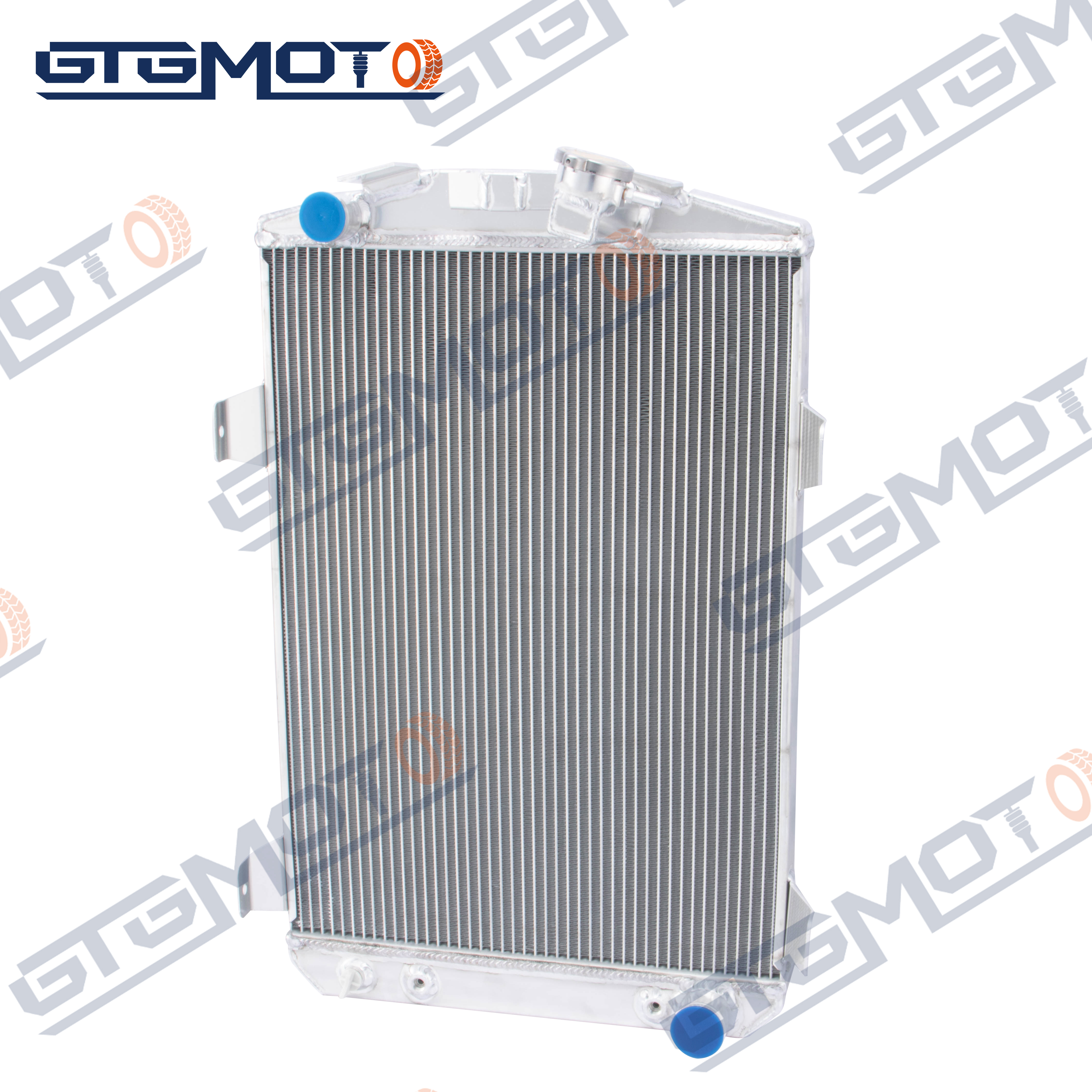
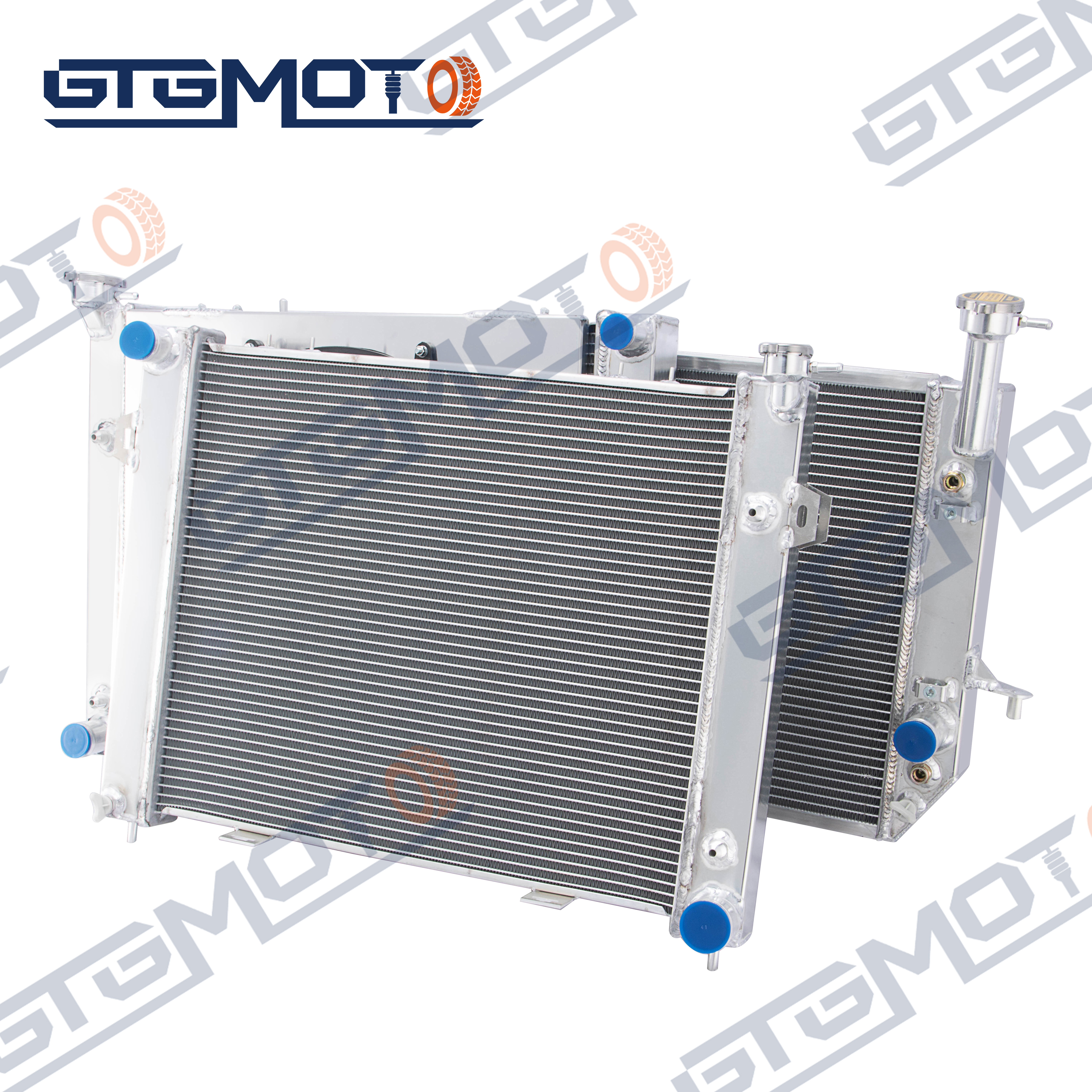
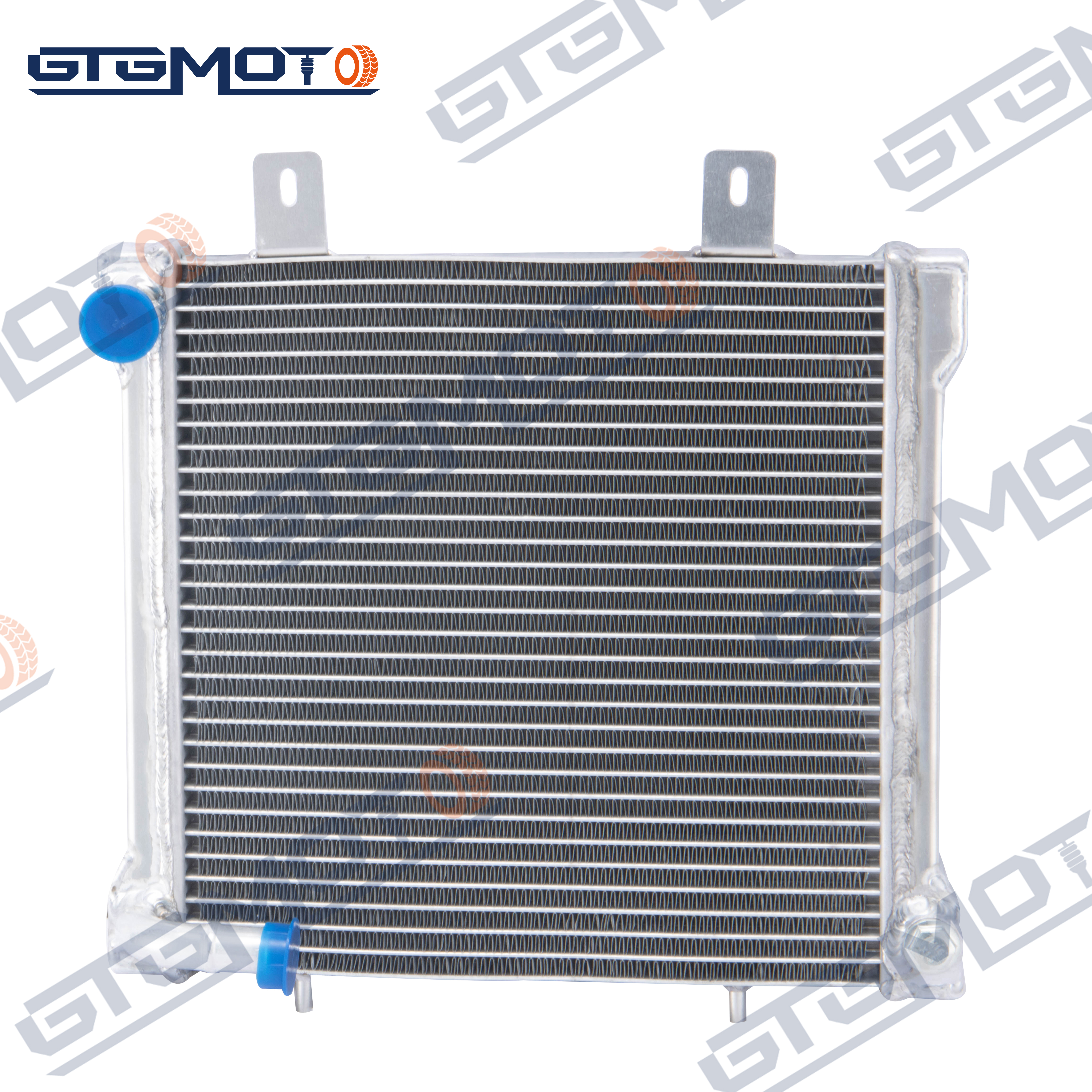
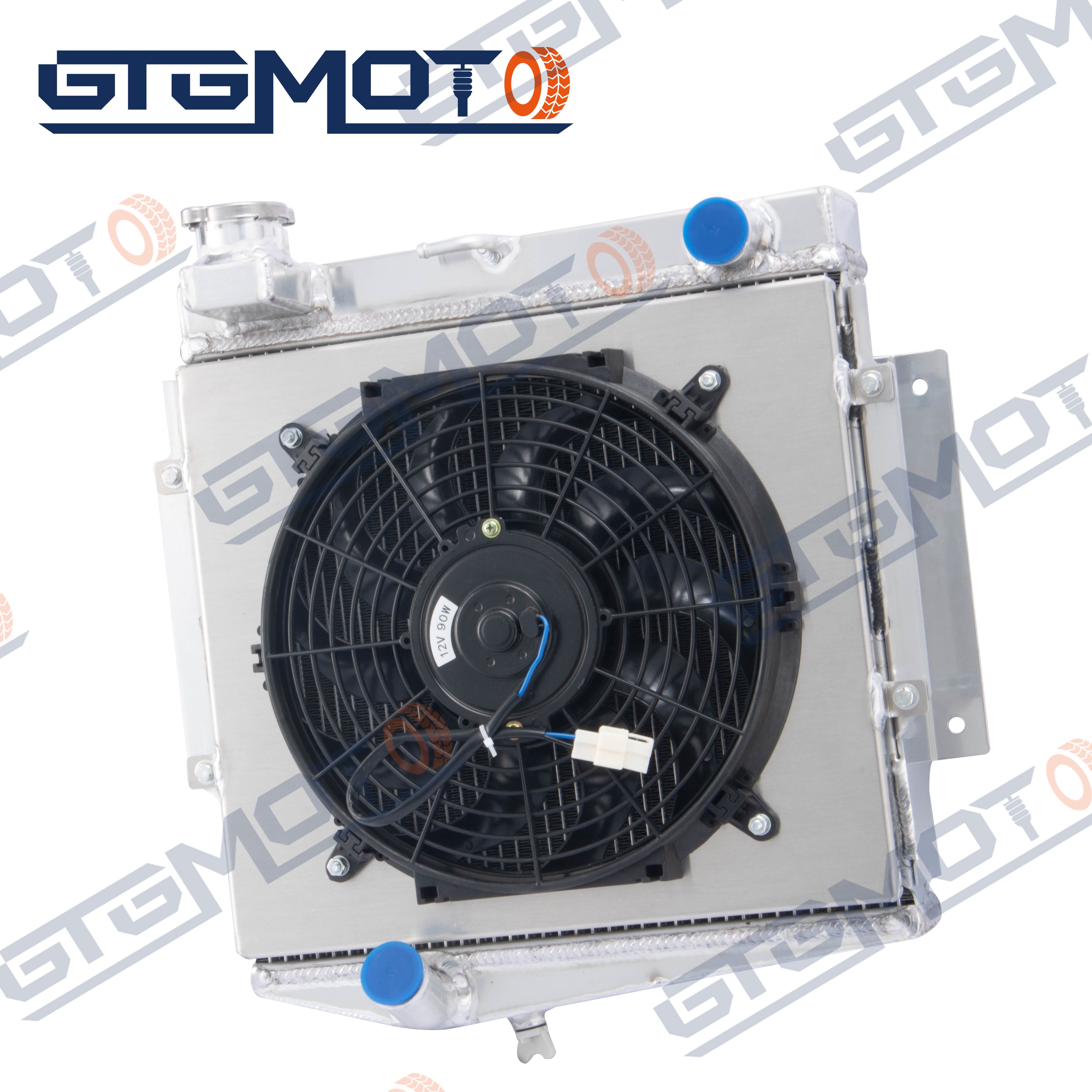
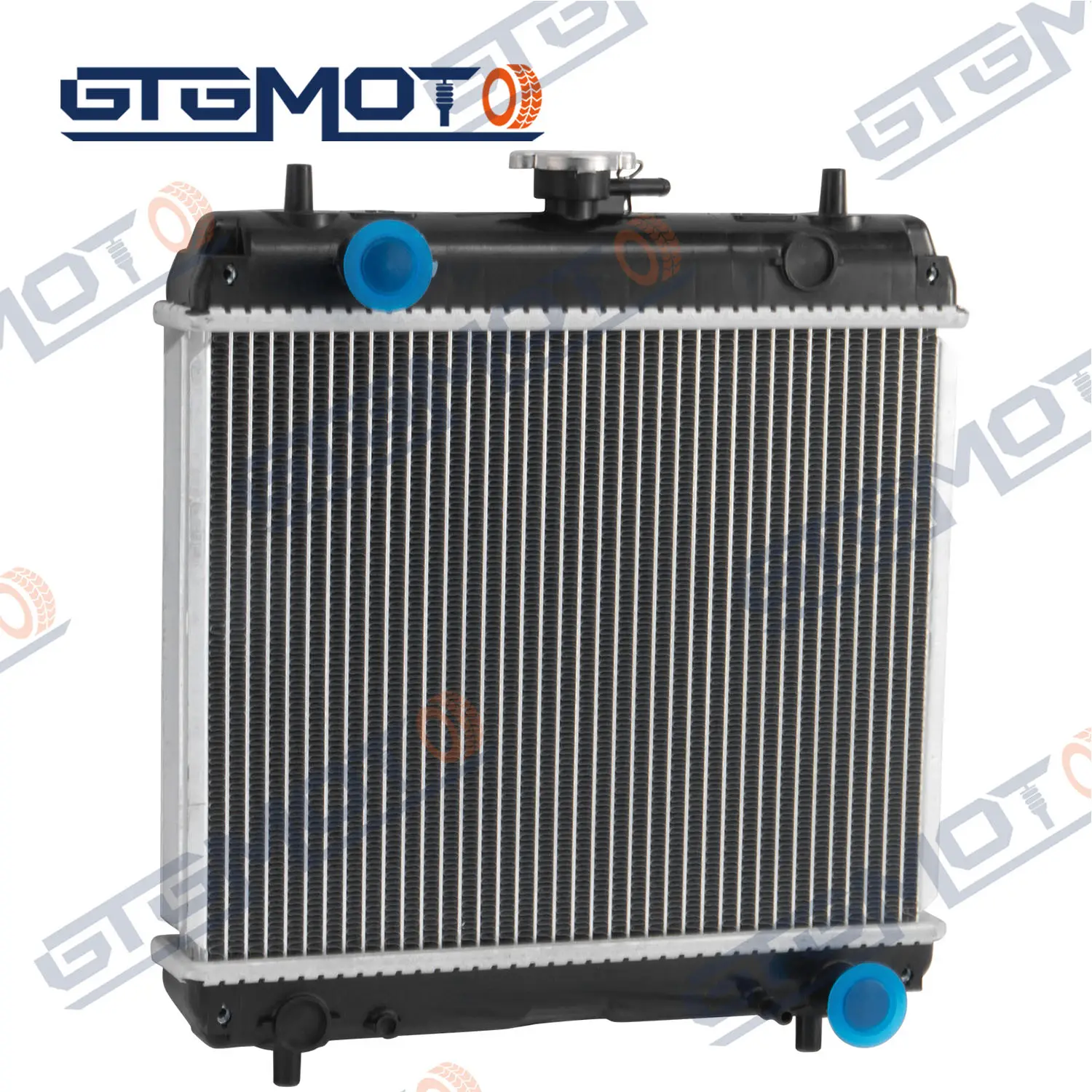
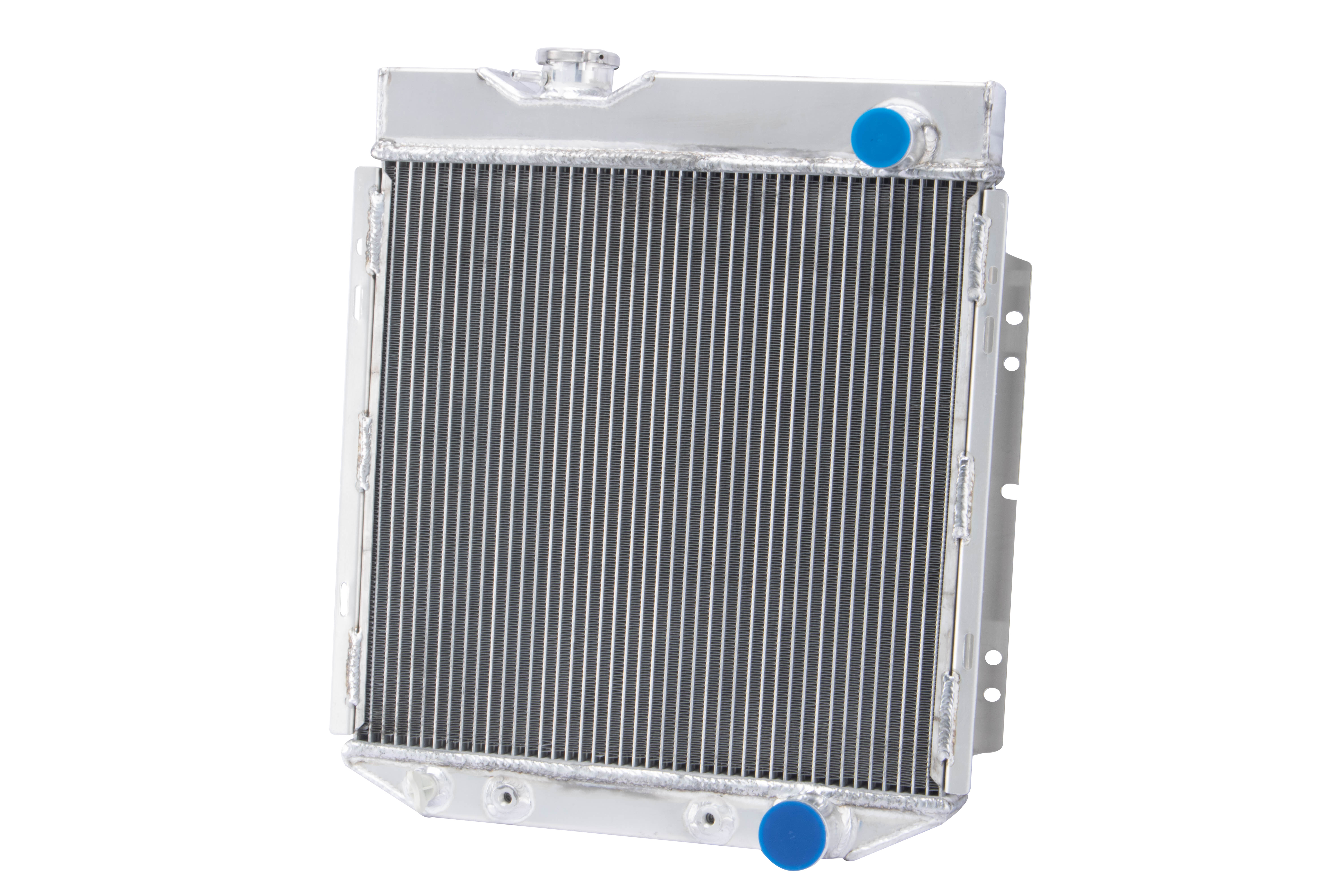
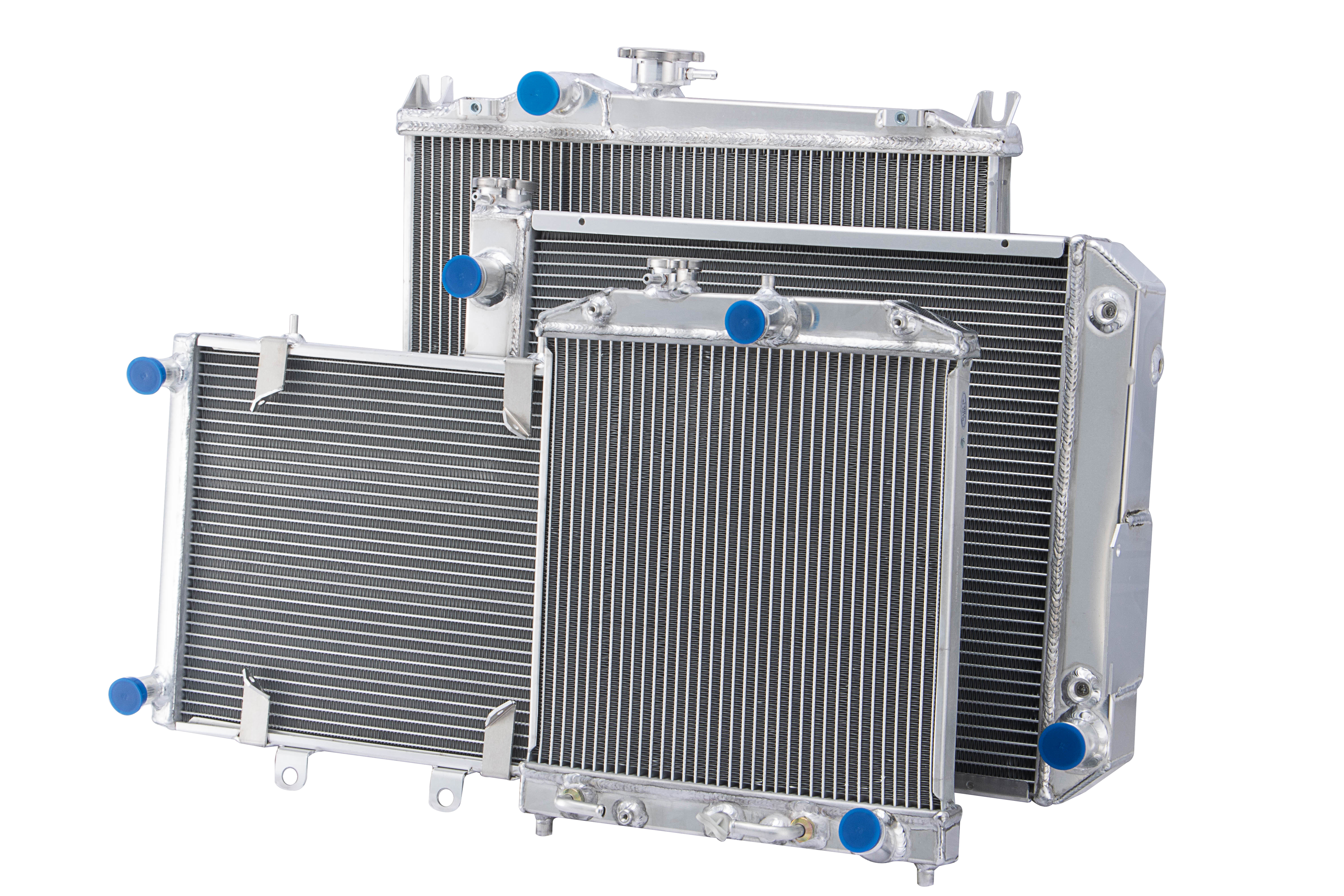
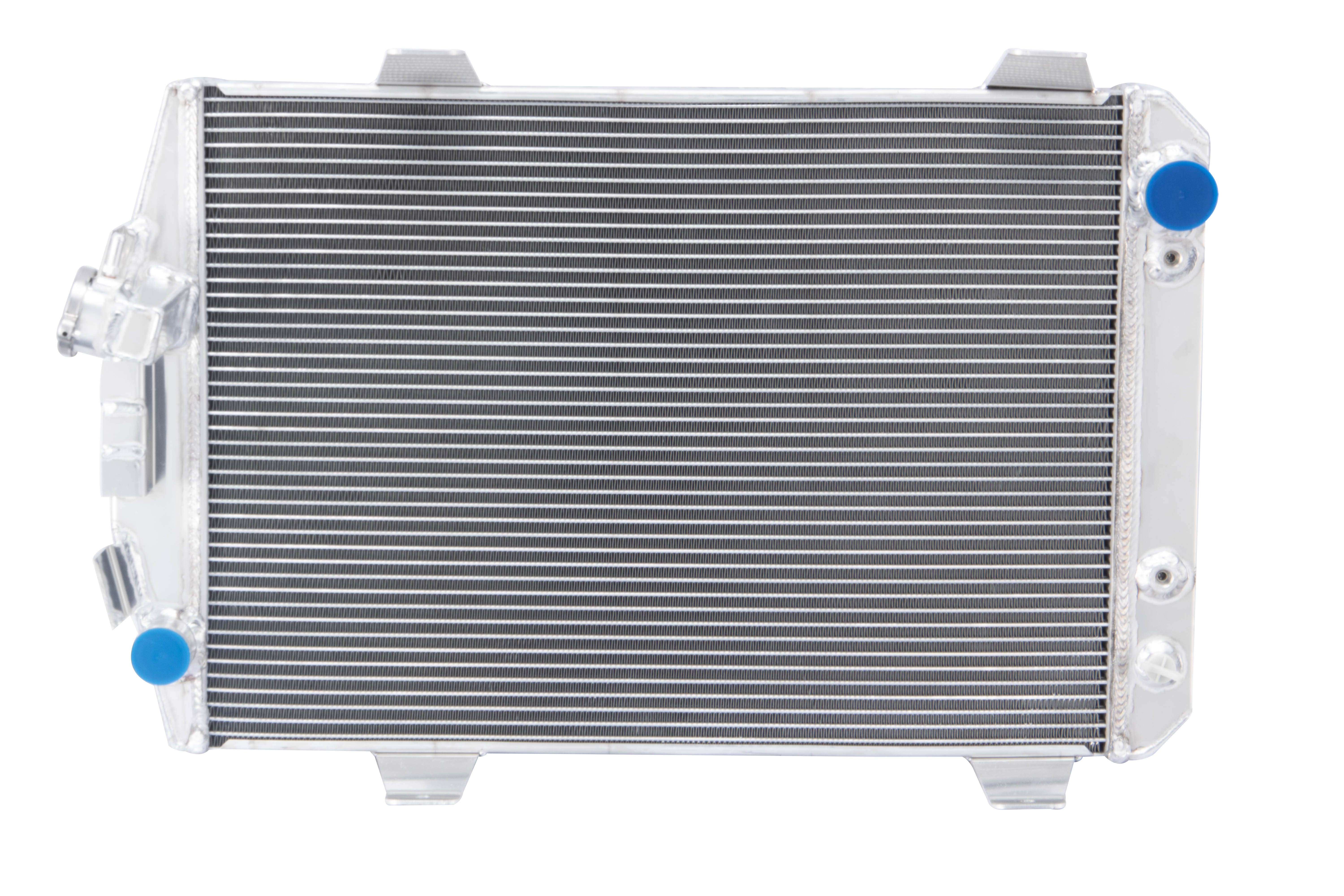
The three-row aluminum radiator is engineered with practical installation considerations that make it accessible to both professional mechanics and skilled do-it-yourself enthusiasts, featuring design elements that ensure compatibility across a wide range of vehicle platforms and applications. Manufacturers produce these radiators in application-specific configurations that match original equipment mounting points, inlet and outlet positions, and overall dimensions, allowing direct replacement without modifications to the vehicle's core support, hoses, or cooling system components. This direct-fit approach eliminates the need for custom fabrication, welding, or adaptation that would otherwise increase installation complexity and cost. The three-row aluminum radiator typically includes all necessary mounting hardware, brackets, and installation instructions that guide users through the replacement process step by step. The radiator's inlet and outlet connections are positioned to align with existing hose routing, and the tube diameters match factory specifications to ensure proper coolant flow rates through the system. Many designs incorporate threaded bungs or provisions for temperature sensors, drain petcocks, and transmission cooler lines, maintaining full functionality of the original cooling system while adding enhanced capacity. The installation process generally requires only basic hand tools and can be completed in a few hours by someone with moderate mechanical skills. The procedure involves draining the existing coolant, disconnecting hoses and mounting hardware, removing the old radiator, positioning the new three-row aluminum radiator, securing mounting points, reconnecting hoses, and refilling the system with fresh coolant. The lightweight aluminum construction makes handling easier during installation, reducing the physical effort required and minimizing the risk of dropping or damaging the component. For custom applications or vehicles with modified engine bays, universal three-row aluminum radiators are available in various core sizes and configurations that can be adapted to fit non-standard installations. These universal designs provide flexibility for hot rod builders, off-road enthusiasts, and engine swap projects where factory radiators are unavailable or inadequate. The three-row aluminum radiator's versatility extends across automotive, marine, industrial, and stationary engine applications, with models designed for specific cooling requirements in each category. The radiator's robust construction tolerates the vibration and shock loads encountered in off-road vehicles, race cars, and heavy equipment without developing leaks or structural failures. Post-installation, the three-row aluminum radiator requires minimal maintenance beyond periodic coolant changes and external cleaning to remove debris from fins, making it a practical long-term cooling solution that delivers consistent performance with minimal ongoing attention or service requirements.