Superior Heat Dissipation Through Triple-Core Engineering
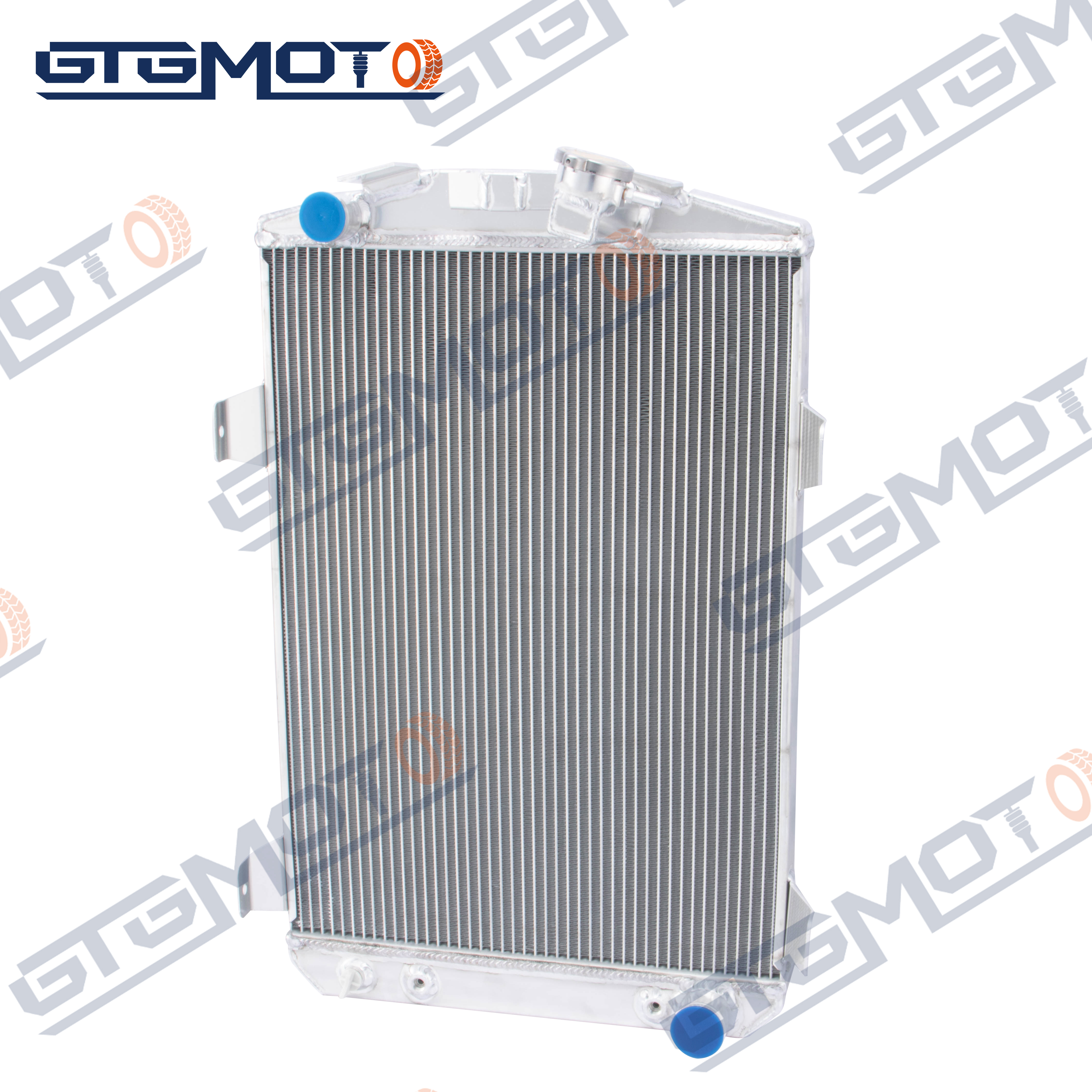
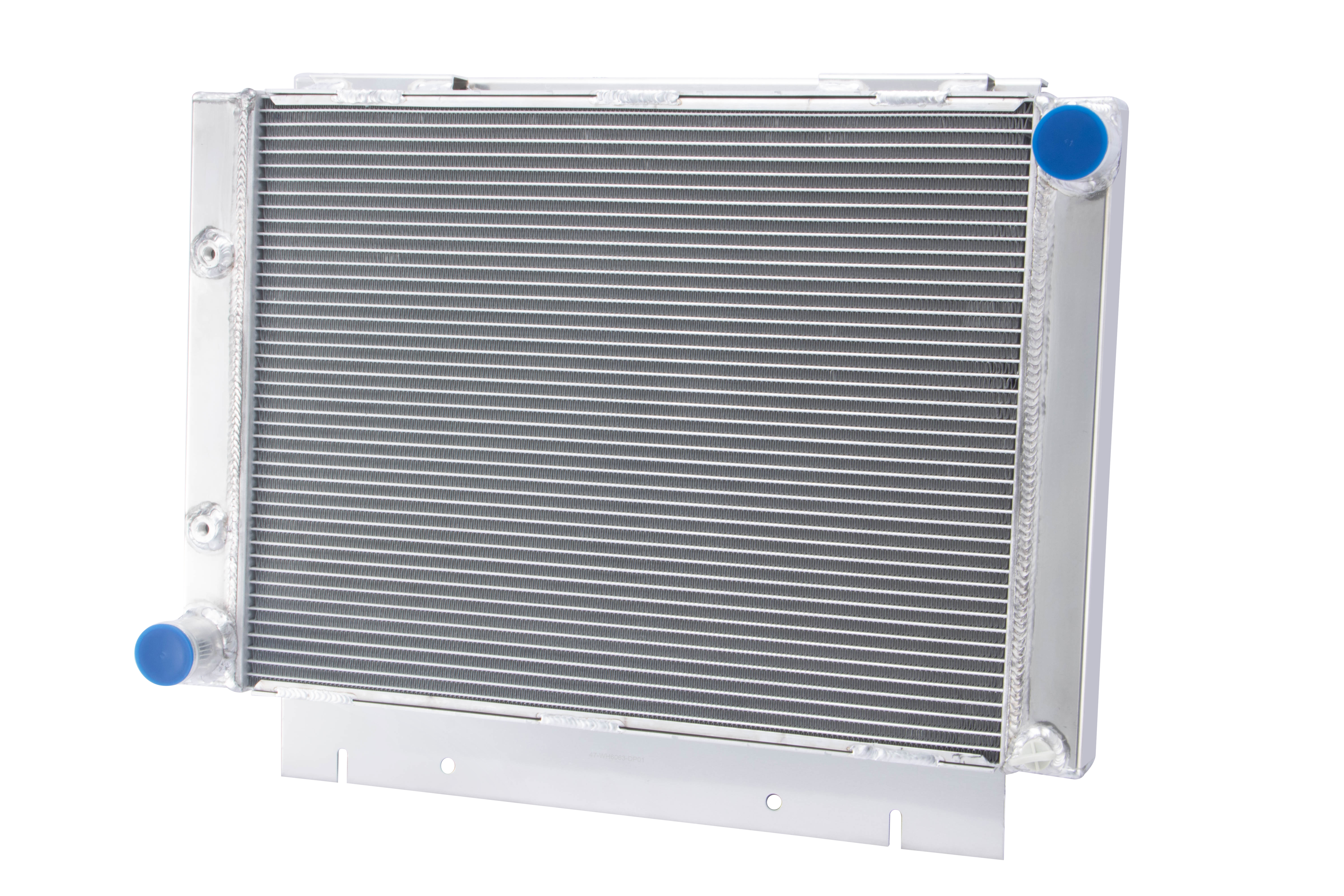
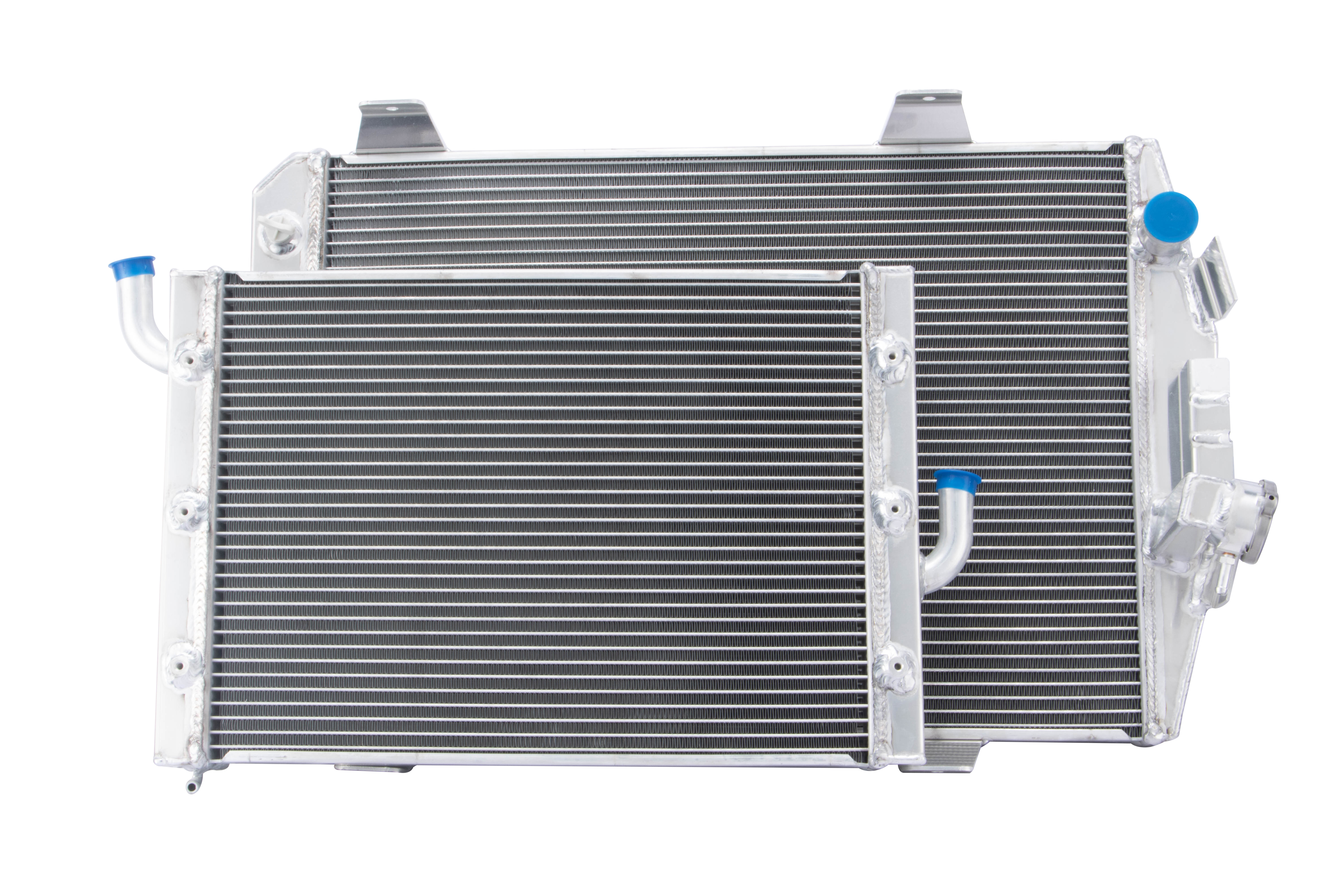
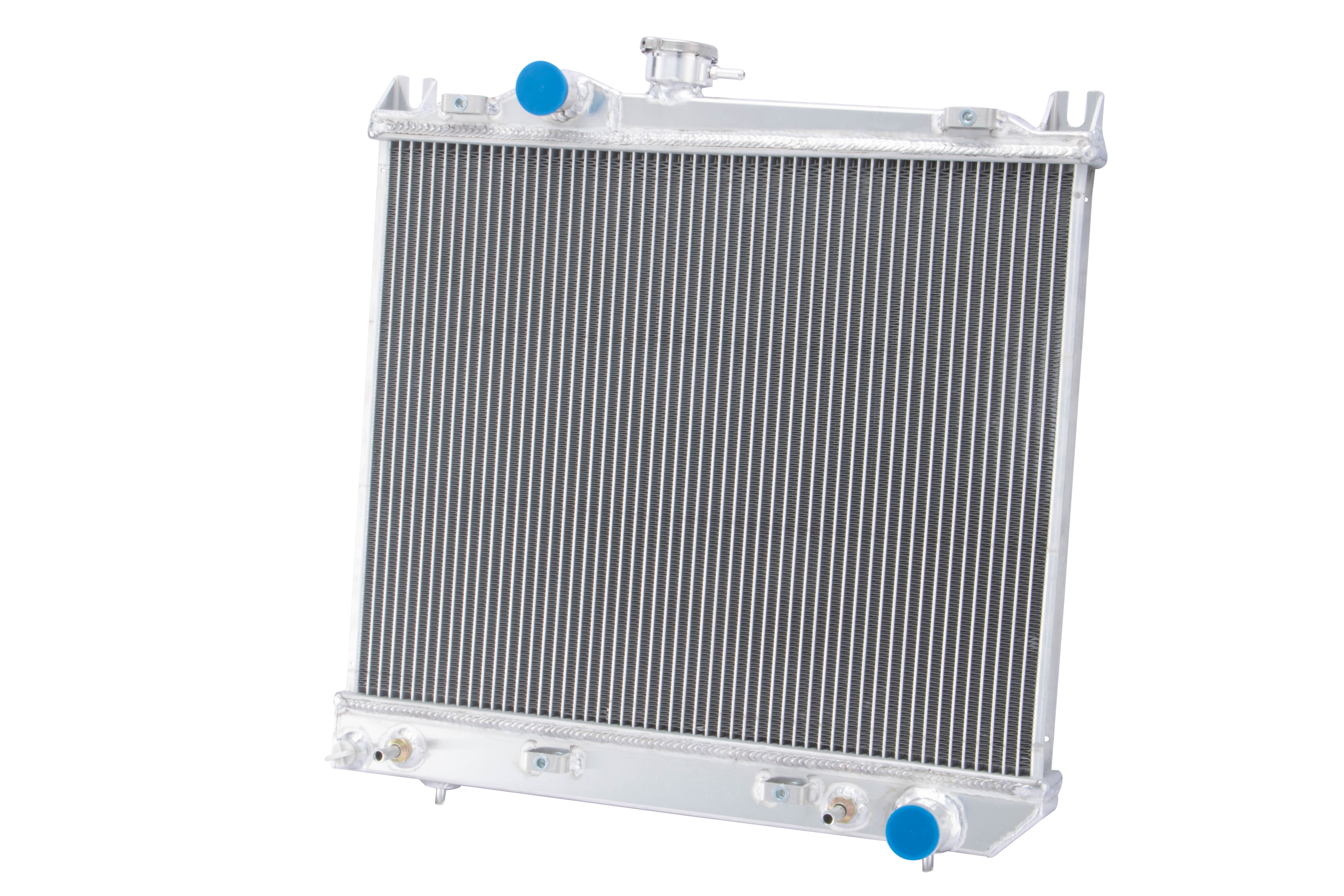
The defining characteristic of a 3 core car radiator lies in its innovative triple-layer tube configuration that fundamentally transforms how heat moves from your engine to the atmosphere. Unlike conventional radiators with one or two rows of tubes, this design incorporates three complete rows stacked together, creating an expansive network of coolant pathways. Each tube row functions as an independent heat exchanger, and when combined, they produce a cumulative cooling effect that far surpasses simpler designs. The engineering principle behind this advantage is straightforward: more surface area in contact with moving air equals more heat removal. As hot coolant enters the top tank and begins its journey downward through the tubes, it encounters three separate opportunities to release thermal energy. The first core initiates the cooling process, dropping the coolant temperature significantly. The second core continues this work, extracting additional heat that the first core could not fully address. The third core provides a final cooling stage, ensuring the coolant returns to the engine at the lowest possible temperature. This staged cooling approach proves especially valuable when your vehicle faces extreme thermal challenges. During mountain driving with heavy cargo, for example, your engine generates tremendous heat from working against gravity and weight. A standard radiator might struggle to keep pace with this heat production, allowing temperatures to creep upward. The 3 core car radiator, however, maintains its cooling effectiveness because it has reserve capacity built into its design. The physical construction also matters greatly. Manufacturers space the three cores precisely to optimize airflow between them, ensuring each core receives adequate air circulation. The fins attached to the tubes are carefully designed to maximize turbulence in the air stream, which improves heat transfer efficiency. Some advanced 3 core car radiator models incorporate louvered fins or offset tube patterns that further enhance cooling performance. This attention to engineering detail means you get a product that does not just add more metal but intelligently arranges that metal for maximum thermal benefit. The result is a cooling system that keeps your engine happy regardless of driving conditions, load requirements, or ambient temperatures.