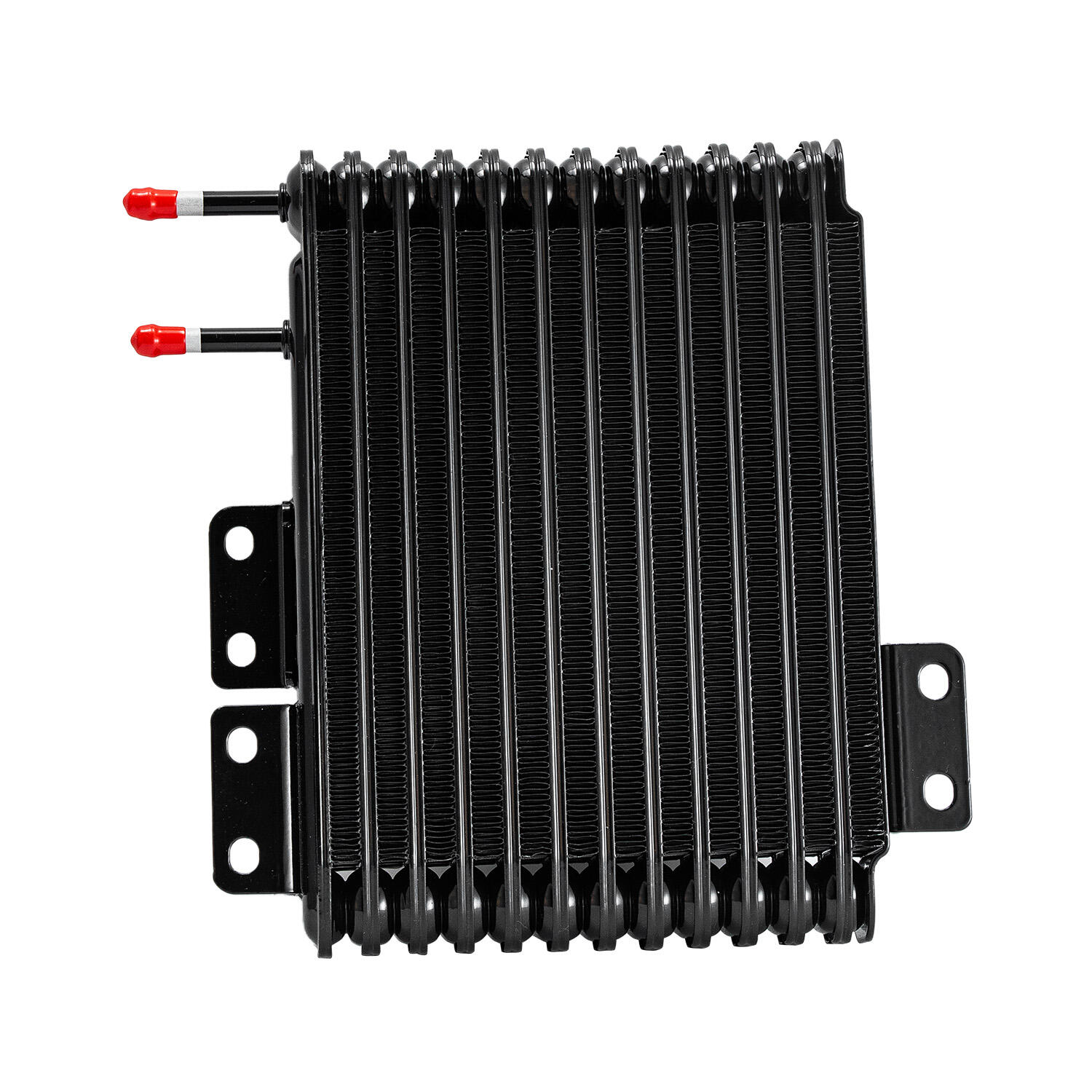
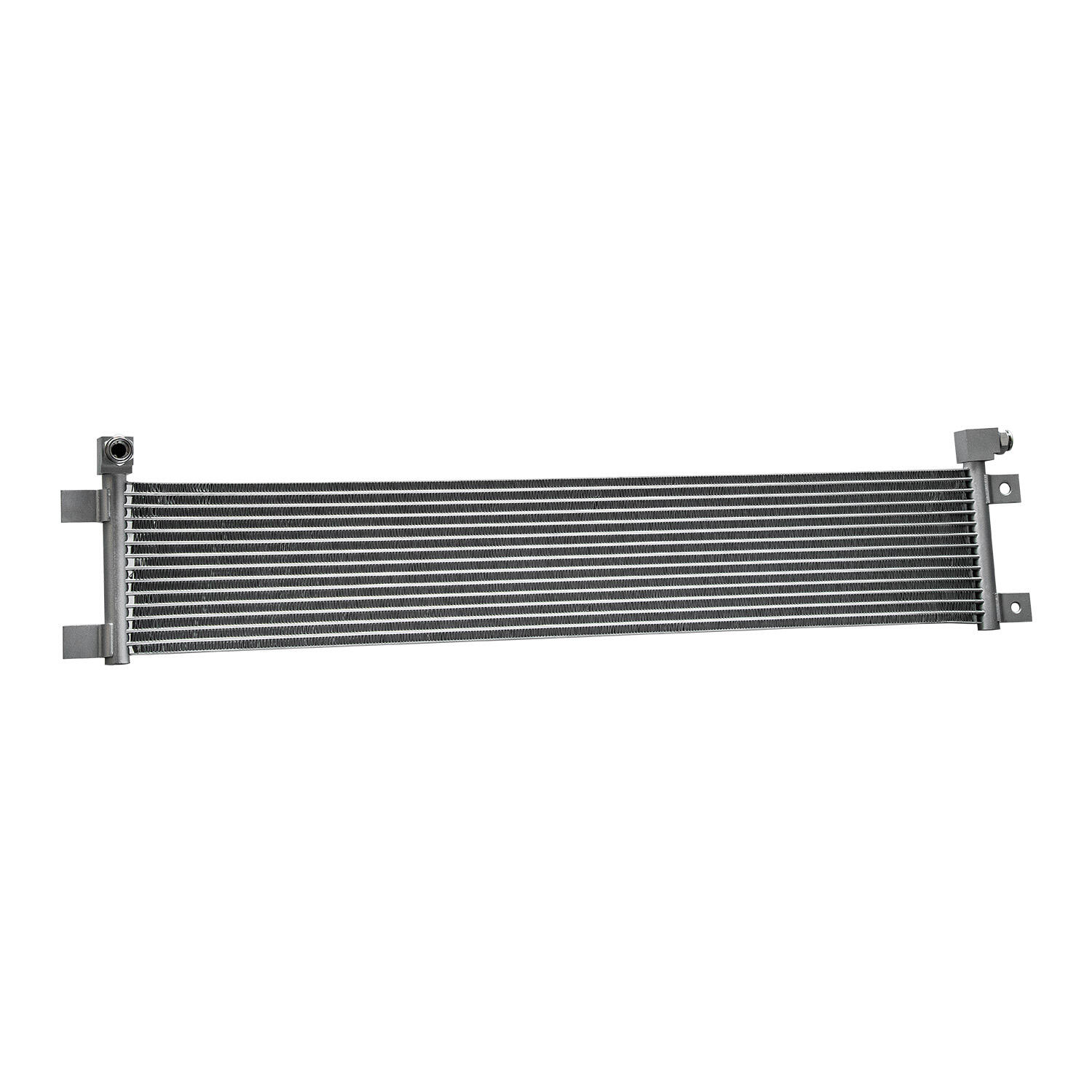
Cost-Effective Prevention Against Expensive Transmission Failures
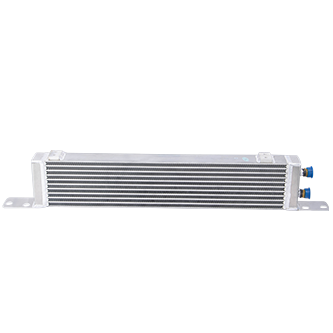
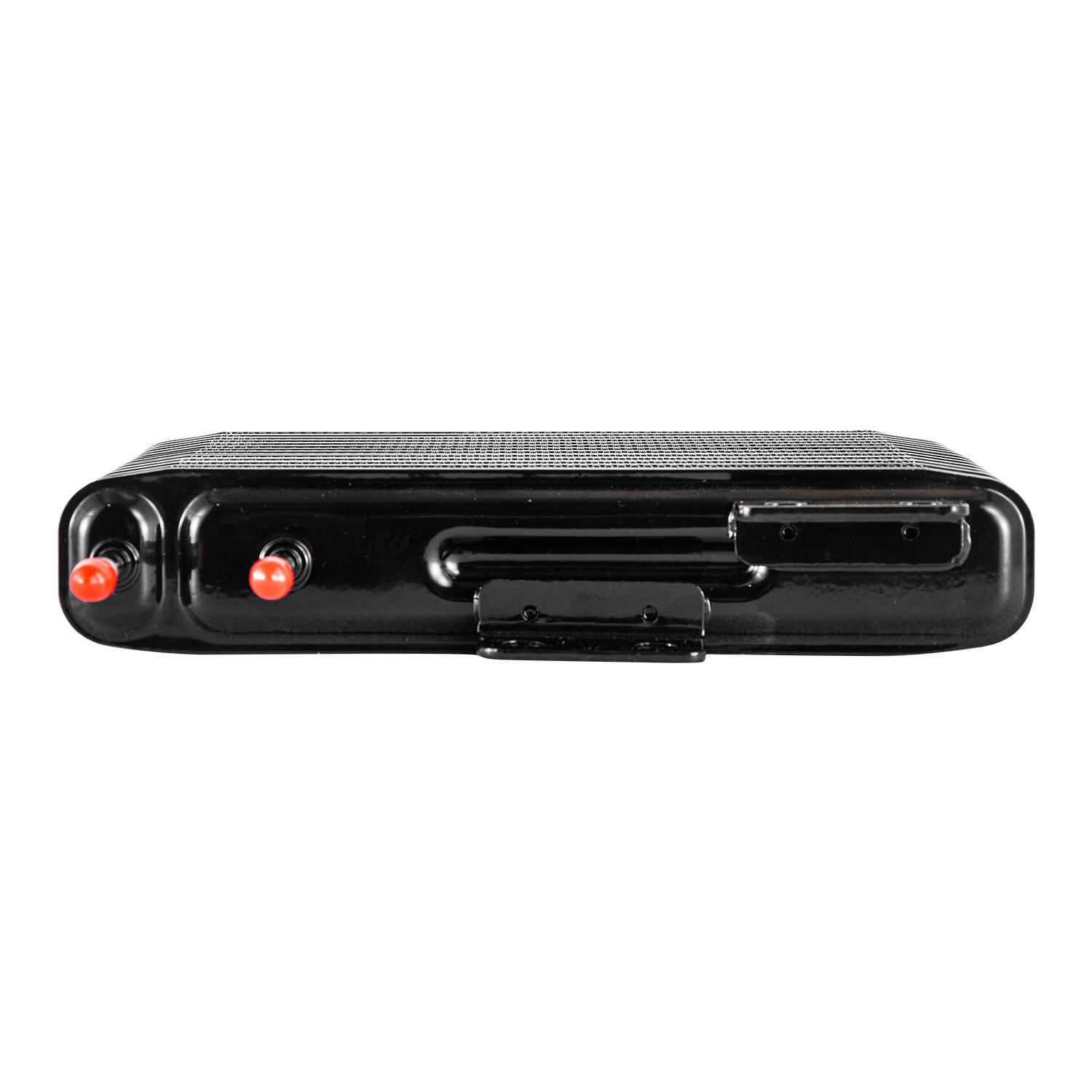
The economic value proposition of a universal transmission cooler becomes compelling when examining the costs associated with transmission problems versus the modest investment required for preventive cooling. Transmission repairs rank among the most expensive automotive services, with rebuild costs typically ranging from two thousand to four thousand dollars for conventional vehicles and even higher for specialized or performance transmissions. Complete transmission replacement can exceed five thousand dollars when factoring in parts and labor. Against these potential expenses, a quality universal transmission cooler represents a fraction of the cost while providing insurance against heat-related transmission failure. The return on investment becomes even more favorable when considering that heat causes the majority of transmission problems. Excessive temperatures break down transmission fluid, causing it to lose viscosity and its ability to lubricate moving parts effectively. As fluid degrades, friction increases between clutch packs, bands, and gears, accelerating wear and eventually leading to slipping, harsh shifts, and complete failure. By maintaining transmission fluid within optimal temperature ranges, a universal transmission cooler preserves fluid properties and protects internal components from heat damage. The extended transmission life that results from proper cooling can add years to the service life of this critical component. For vehicle owners who plan to keep their vehicles long-term, this longevity translates directly into avoided replacement costs and continued reliable transportation. The universal transmission cooler also reduces the frequency of transmission fluid changes because cooler operating temperatures slow the oxidation and thermal breakdown processes that necessitate fluid replacement. While manufacturers typically recommend transmission fluid changes every 30,000 to 60,000 miles, vehicles equipped with universal transmission coolers often extend these intervals, reducing maintenance costs over the vehicle's lifetime. The installation cost of a universal transmission cooler remains reasonable, with most systems requiring only a few hours of labor for professional installation or serving as an accessible DIY project for mechanically inclined owners. The components needed for installation typically include the cooler itself, mounting brackets, hose fittings, and additional transmission line if required. These materials cost significantly less than even a minor transmission repair. For commercial vehicle operators and fleet managers, the business case for universal transmission coolers strengthens further because vehicle downtime carries additional costs beyond repair expenses. A truck sitting in a shop awaiting transmission work generates no revenue while still incurring fixed costs like insurance and financing payments. Preventing transmission failures through proactive cooling keeps vehicles operational and productive. The reliability improvement that universal transmission coolers provide also enhances driver confidence, particularly for those who depend on their vehicles for work or who travel in remote areas where breakdowns create serious inconveniences.