Premium Aluminum Oil Cooler Solutions - Superior Heat Transfer & Durability

All Categories

Get a Free Quote

Our representative will contact you soon.
Email
Name
Company Name
WhatsApp
Message
0/1000

aluminum oil cooler

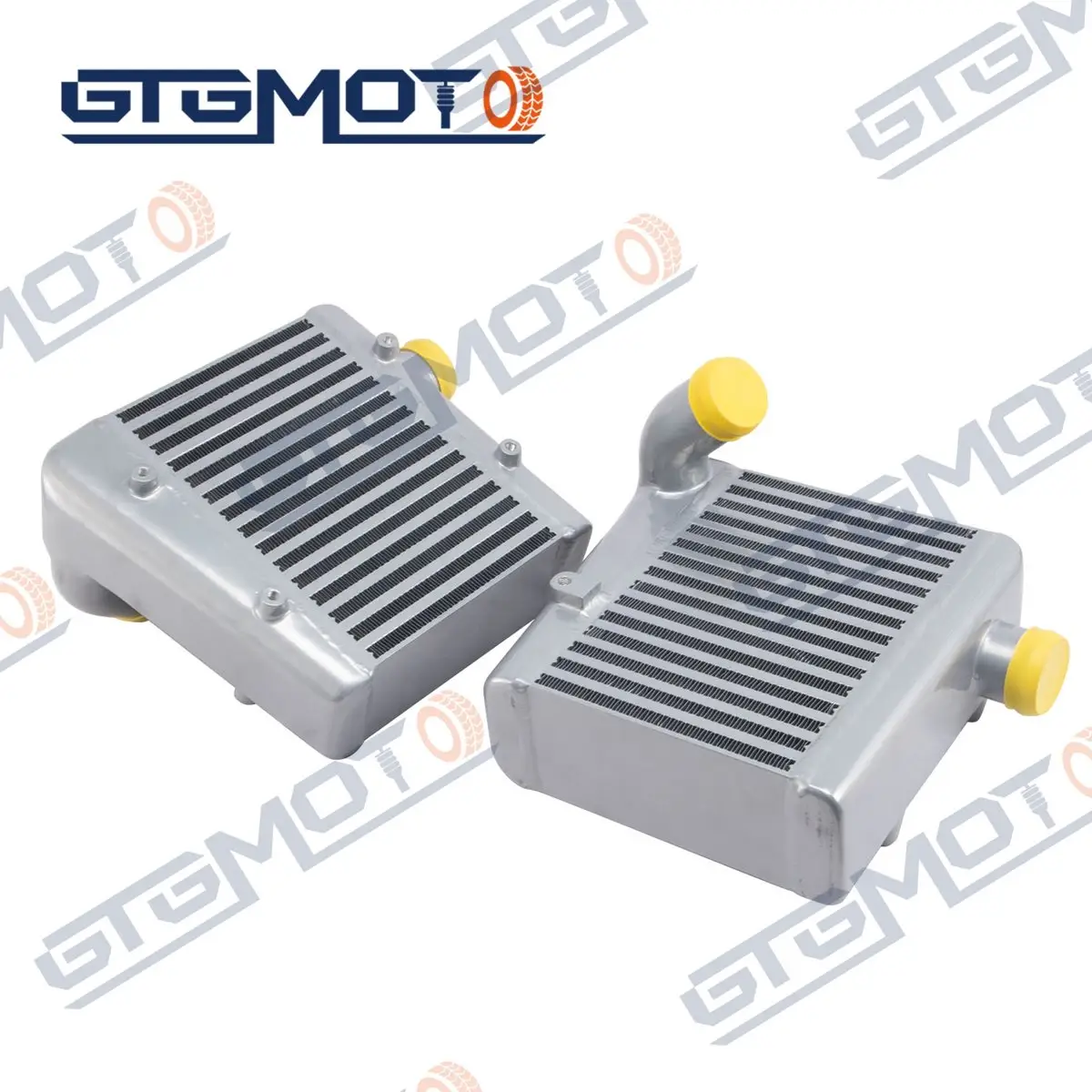
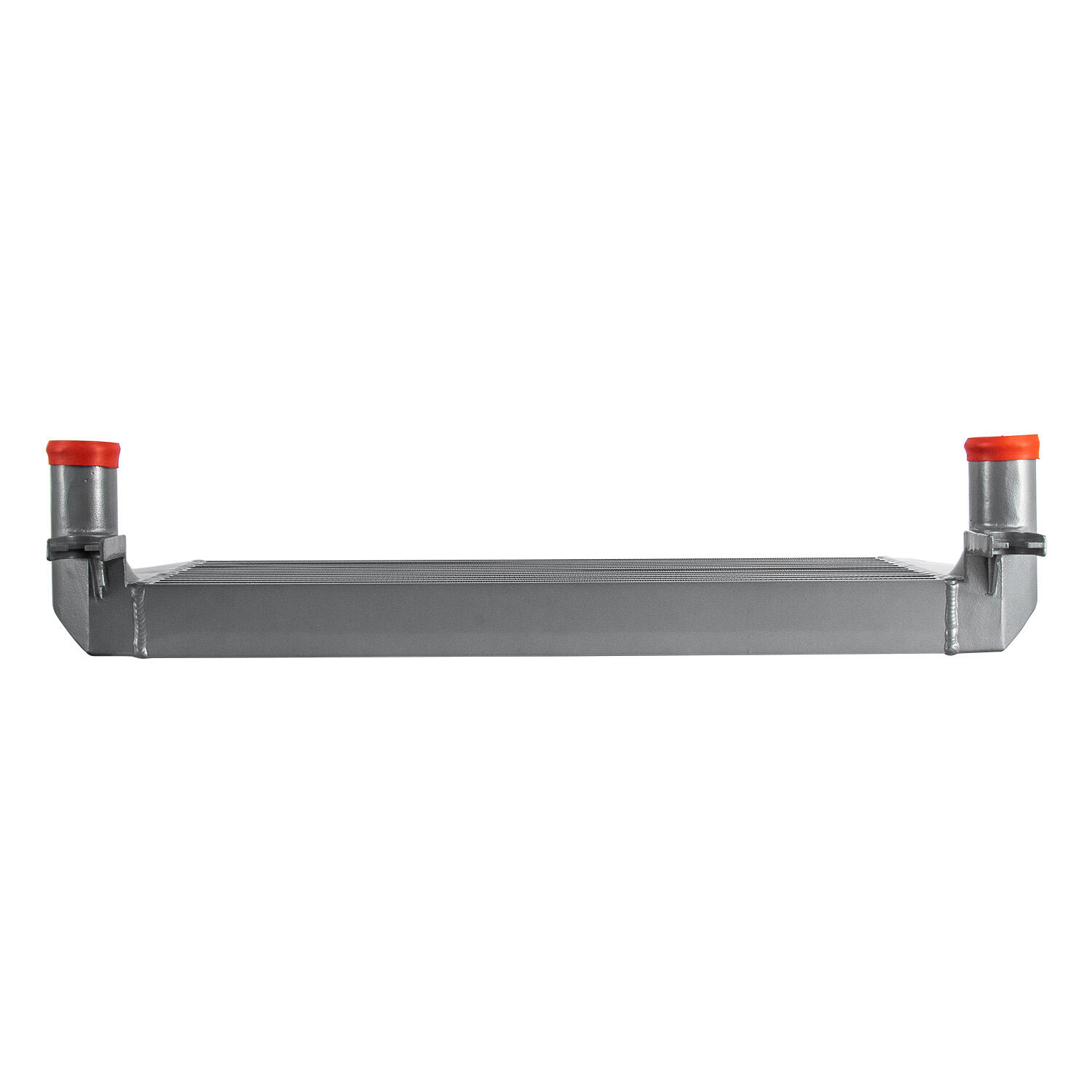
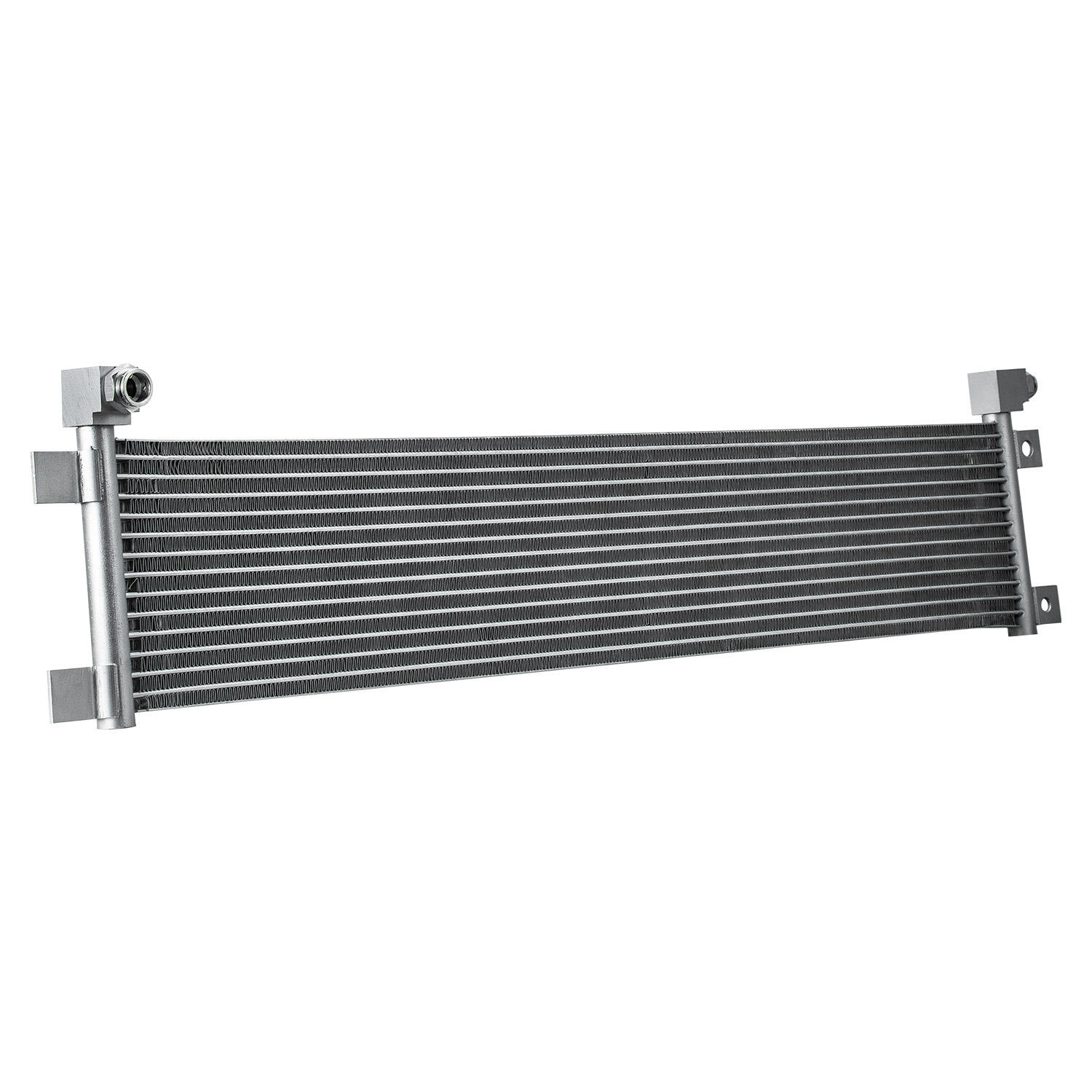
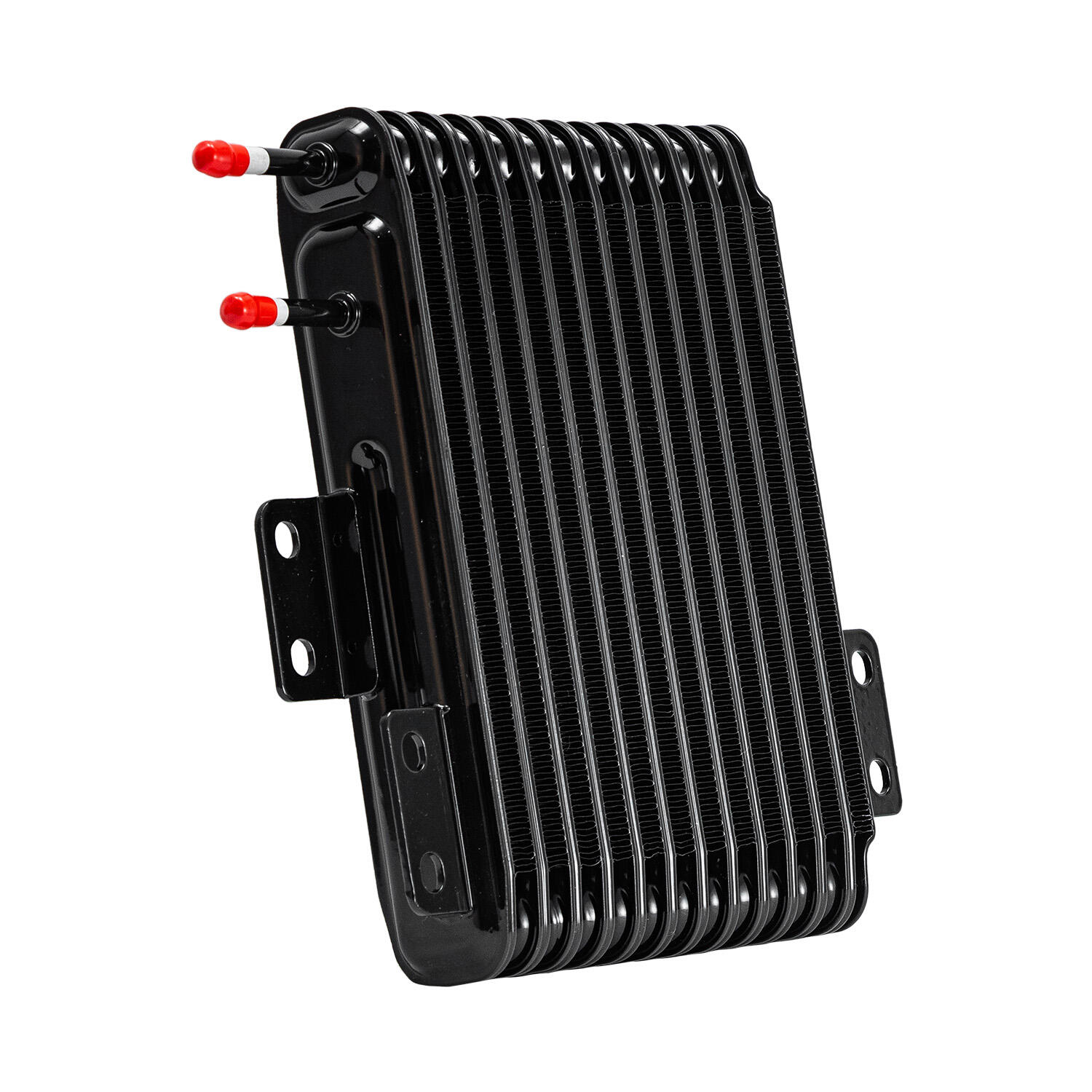
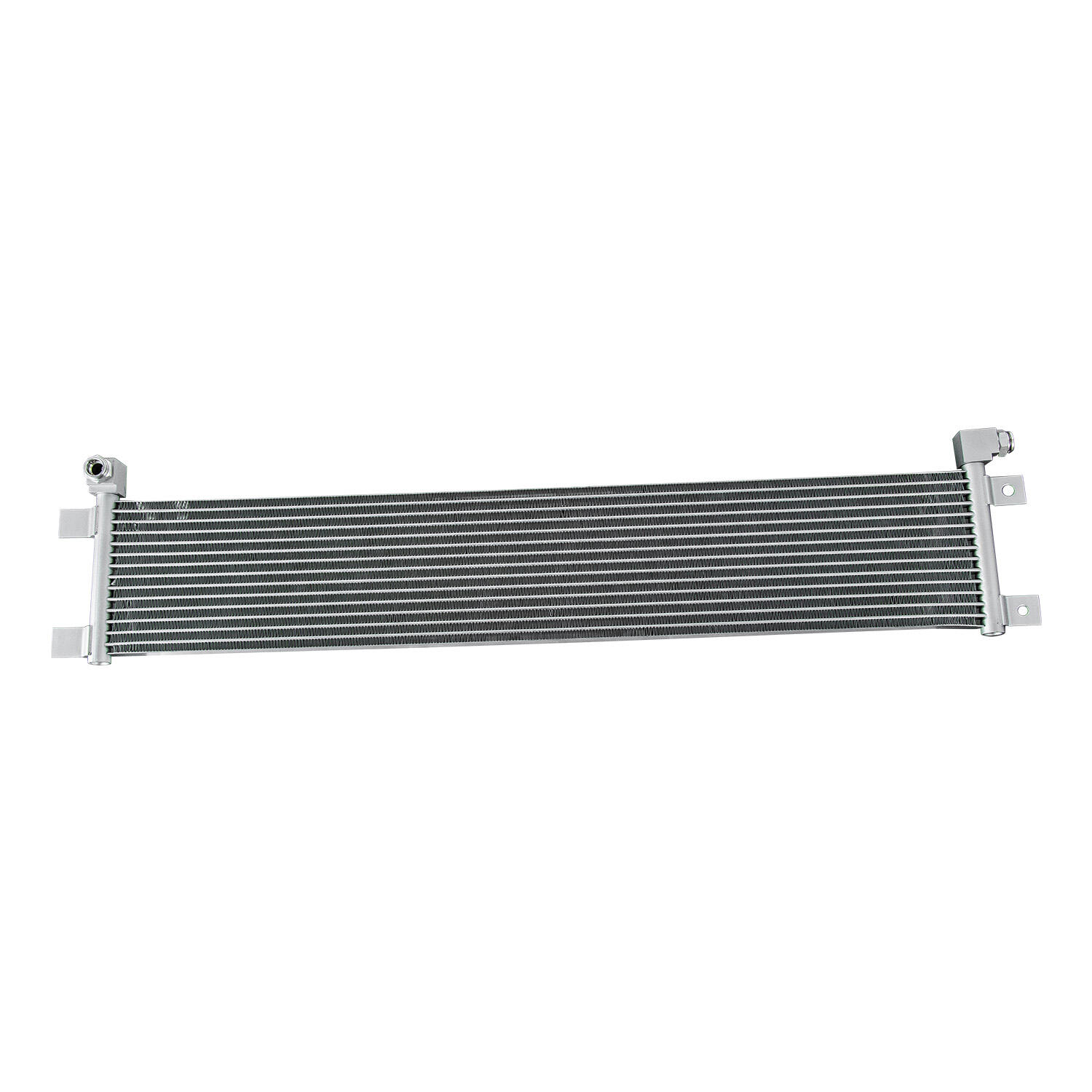
An aluminum oil cooler represents a critical component in modern automotive and industrial cooling systems, designed to maintain optimal oil temperatures for enhanced engine performance and longevity. This specialized heat exchange device utilizes aluminum construction to efficiently dissipate excess heat from lubricating oils, preventing thermal breakdown and ensuring consistent viscosity levels. The aluminum oil cooler functions by circulating hot oil through internal passages while ambient air or coolant flows across external fins, creating effective heat transfer that reduces oil temperatures significantly. The primary function of an aluminum oil cooler centers on temperature regulation, protecting vital engine components from thermal stress and premature wear. These coolers integrate seamlessly into existing cooling circuits, working alongside radiators and other thermal management systems. Technologically, aluminum oil coolers feature advanced fin designs that maximize surface area contact with cooling mediums, promoting rapid heat dissipation through convection and conduction principles. The lightweight aluminum construction provides superior thermal conductivity compared to traditional materials while resisting corrosion in harsh operating environments. Applications span numerous industries including automotive racing, heavy-duty trucking, marine propulsion, industrial machinery, and high-performance vehicles where thermal management proves essential. Modern aluminum oil cooler designs incorporate brazed construction techniques that create leak-proof joints capable of withstanding high pressure and temperature fluctuations. The cooler's internal flow paths optimize oil circulation patterns, minimizing pressure drops while maximizing cooling efficiency. External mounting configurations allow flexible installation options, accommodating various space constraints and airflow requirements. Advanced aluminum oil cooler systems often feature integrated thermostats or bypass valves that regulate cooling based on operating conditions, ensuring rapid warm-up periods while preventing overcooling during low-load scenarios. These sophisticated thermal management solutions contribute significantly to overall system reliability, fuel efficiency, and operational cost reduction across diverse applications requiring precise temperature control of lubricating oils and hydraulic fluids.

New Product Releases

Aluminum oil coolers deliver exceptional performance benefits that directly impact equipment reliability, operational efficiency, and maintenance costs for users across diverse applications. The superior thermal conductivity of aluminum construction enables rapid heat transfer rates, allowing the aluminum oil cooler to reduce oil temperatures more effectively than steel or cast iron alternatives. This enhanced cooling capability translates into extended oil life, reducing the frequency of costly oil changes and minimizing downtime associated with maintenance procedures. Users experience significant cost savings through reduced lubricant consumption and decreased component replacement intervals when utilizing aluminum oil cooler systems. The lightweight nature of aluminum construction reduces overall system weight, improving fuel efficiency in automotive applications while simplifying installation and handling procedures. Corrosion resistance inherent in aluminum materials ensures long-term durability even in challenging environmental conditions, protecting the aluminum oil cooler investment from premature failure due to rust or chemical degradation. The compact design of aluminum oil coolers maximizes cooling capacity within minimal space requirements, allowing integration into tight engine compartments or confined industrial installations where space constraints limit cooling options. Improved heat dissipation provided by aluminum oil cooler systems enables engines and machinery to operate at higher power levels without thermal limitations, unlocking additional performance potential while maintaining safe operating temperatures. The consistent oil temperatures maintained by aluminum oil cooler installations reduce thermal cycling stress on seals, gaskets, and other temperature-sensitive components, extending their service life and reducing leak-related maintenance issues. Users benefit from improved cold-weather starting characteristics as the aluminum oil cooler system helps maintain optimal viscosity levels, reducing wear during critical startup periods when lubrication proves most challenging. The precision manufacturing processes used in aluminum oil cooler production ensure consistent quality and performance across production runs, providing reliable thermal management that users can depend upon for critical applications. Energy efficiency improvements result from reduced parasitic losses when engines operate within optimal temperature ranges, contributing to lower fuel consumption and reduced environmental impact. The aluminum oil cooler's ability to prevent oil oxidation and thermal breakdown preserves lubrication properties longer, maintaining viscosity stability and additive effectiveness throughout extended service intervals.

Practical Tips

How Intercooler Efficiency Impacts 2025 Hybrid Vehicle Performance

26

Sep

How Intercooler Efficiency Impacts 2025 Hybrid Vehicle Performance

The Evolution of Thermal Management in Modern Hybrid Powertrains The automotive industry stands at a pivotal moment as we approach 2025, with intercooler efficiency emerging as a critical factor in hybrid vehicle performance. As manufacturers push th...
View More
What criteria should fleet buyers use when sourcing AC condensers?

27

Jan

What criteria should fleet buyers use when sourcing AC condensers?

Fleet managers face critical decisions when sourcing automotive components, particularly when it comes to air conditioning systems. The ac condenser represents one of the most essential components in vehicle climate control, directly impacting driver...
View More
How can AC condenser design affect overall automotive energy efficiency?

27

Jan

How can AC condenser design affect overall automotive energy efficiency?

Automotive air conditioning systems have become essential components in modern vehicles, directly impacting both passenger comfort and overall vehicle energy efficiency. The design and performance characteristics of an ac condenser play a crucial rol...
View More
What are common installation challenges with AC condensers in service garages?

27

Jan

What are common installation challenges with AC condensers in service garages?

Installing an ac condenser in service garages presents numerous technical challenges that automotive technicians must navigate with precision and expertise. These critical cooling system components require careful handling, proper tools, and extensiv...
View More

Get a Free Quote

Our representative will contact you soon.
Email
Name
Company Name
WhatsApp
Message
0/1000

aluminum oil cooler

Advanced Heat Transfer Technology

Advanced Heat Transfer Technology

The aluminum oil cooler incorporates cutting-edge heat transfer technology that revolutionizes thermal management in demanding applications. The sophisticated fin design utilizes advanced manufacturing techniques to create intricate heat exchange surfaces that maximize contact area between the cooling medium and heated oil. These precision-engineered fins feature optimized spacing and geometry that promotes turbulent airflow patterns, significantly enhancing convective heat transfer coefficients compared to conventional cooling solutions. The aluminum oil cooler's internal flow path design incorporates computational fluid dynamics principles to ensure uniform oil distribution across all heat exchange surfaces, eliminating hot spots that could compromise cooling effectiveness. The brazed construction method employed in aluminum oil cooler manufacturing creates seamless joints that withstand extreme pressure and temperature variations while maintaining structural integrity throughout extended operational cycles. This advanced joining technique eliminates potential leak paths that could reduce cooling efficiency or cause environmental contamination. The aluminum oil cooler's thermal performance benefits from the material's exceptional conductivity properties, transferring heat approximately three times more effectively than steel alternatives. The micro-channel design within the aluminum oil cooler promotes laminar flow characteristics that minimize pressure drops while maximizing residence time for optimal heat exchange. Surface treatments applied to aluminum oil cooler components enhance corrosion resistance and improve heat transfer coefficients, ensuring sustained performance in harsh operating environments. The precision manufacturing tolerances achieved in aluminum oil cooler production guarantee consistent thermal performance across all units, providing predictable cooling capacity that engineers can rely upon for critical system designs. Temperature uniformity throughout the aluminum oil cooler structure prevents thermal stress concentrations that could lead to premature failure, ensuring reliable operation throughout extended service intervals. The innovative design features integrated into modern aluminum oil cooler systems include turbulence promoters that increase heat transfer rates without significantly impacting pressure losses, optimizing the balance between cooling performance and system efficiency.
Superior Durability and Longevity

Superior Durability and Longevity

The aluminum oil cooler demonstrates exceptional durability characteristics that provide long-term value and reliability for users across diverse operating conditions. The inherent corrosion resistance of aluminum construction protects the aluminum oil cooler from degradation caused by moisture, salt exposure, and chemical contaminants commonly encountered in automotive and industrial environments. This natural protection eliminates the need for expensive protective coatings while ensuring sustained performance throughout the component's operational lifespan. The aluminum oil cooler's structural integrity remains stable across wide temperature ranges, withstanding thermal cycling from sub-zero conditions to extreme operating temperatures without dimensional changes that could compromise sealing surfaces or flow characteristics. Fatigue resistance properties of the aluminum oil cooler construction enable the component to endure millions of pressure and temperature cycles without developing stress cracks or joint failures that plague inferior cooling solutions. The precision manufacturing processes used in aluminum oil cooler production create components with exceptional dimensional accuracy and surface finish quality, ensuring proper fit and function throughout extended service intervals. Vibration resistance characteristics of the aluminum oil cooler design prevent resonance frequencies that could cause mechanical failures in high-vibration applications such as racing vehicles or industrial machinery installations. The aluminum oil cooler's robust construction withstands impact forces and mechanical stress that occur during normal operation and maintenance procedures, reducing the likelihood of damage during service intervals. Quality control procedures implemented during aluminum oil cooler manufacturing include pressure testing, leak detection, and thermal cycling verification to ensure each unit meets stringent durability standards before shipment. The aluminum oil cooler's resistance to thermal shock prevents cracking or deformation when subjected to rapid temperature changes that occur during engine startup or emergency cooling scenarios. Field testing data demonstrates that aluminum oil cooler systems maintain original performance specifications throughout service lives exceeding 200,000 miles in automotive applications and equivalent operational hours in industrial installations. The aluminum oil cooler's modular design facilitates easy replacement or repair procedures, minimizing downtime and maintenance costs while extending overall system service life through component serviceability options.
Versatile Installation and Compatibility

Versatile Installation and Compatibility

The aluminum oil cooler offers unmatched installation flexibility and system compatibility that accommodates diverse application requirements across multiple industries and vehicle types. The compact design profile of the aluminum oil cooler enables integration into space-constrained installations where traditional cooling solutions cannot fit, providing thermal management options for applications previously limited by packaging constraints. Multiple mounting configurations available for aluminum oil cooler systems include front-mount, side-mount, and remote-mount options that adapt to specific vehicle layouts and airflow patterns for optimal cooling performance. The aluminum oil cooler's universal fitting options accommodate various hose sizes and connection types, simplifying integration into existing cooling circuits without requiring extensive modifications or custom fabrication. Compatibility testing ensures that aluminum oil cooler systems work seamlessly with different oil types, viscosities, and additive packages commonly used in automotive and industrial applications, preventing chemical reactions that could compromise performance or durability. The aluminum oil cooler's pressure rating specifications exceed typical system requirements, providing safety margins that accommodate pressure spikes and temperature fluctuations without risk of component failure or safety hazards. Installation procedures for aluminum oil cooler systems utilize standard tools and techniques familiar to technicians, reducing installation time and complexity while minimizing the potential for installation errors that could affect performance. The aluminum oil cooler's modular design philosophy enables system expansion or modification as cooling requirements change, providing scalability options that protect initial investments while accommodating future upgrades or performance enhancements. Comprehensive installation documentation provided with aluminum oil cooler systems includes detailed diagrams, specifications, and troubleshooting guidance that ensure proper installation and optimal performance across diverse applications. The aluminum oil cooler's standardized dimensions and connection interfaces facilitate replacement or upgrade procedures, ensuring availability of compatible components throughout the system's operational lifespan. Quality assurance programs verify aluminum oil cooler compatibility with OEM specifications and aftermarket requirements, providing confidence that installations will meet performance expectations and regulatory compliance standards. The aluminum oil cooler's adaptable design accommodates various flow rates and pressure requirements, enabling optimization for specific applications ranging from high-performance racing to heavy-duty industrial equipment where thermal management proves critical for operational success and equipment protection.
Get a Quote Get a Quote Email Email WhatsApp WhatsApp WeChat WeChat
WeChat
TopTop

Get a Free Quote

Our representative will contact you soon.
Email
Name
Company Name
WhatsApp
Message
0/1000

Get a Free Quote

Our representative will contact you soon.
Email
Name
Company Name
WhatsApp
Message
0/1000

Get a Free Quote

Our representative will contact you soon.
Email
Name
Company Name
WhatsApp
Message
0/1000