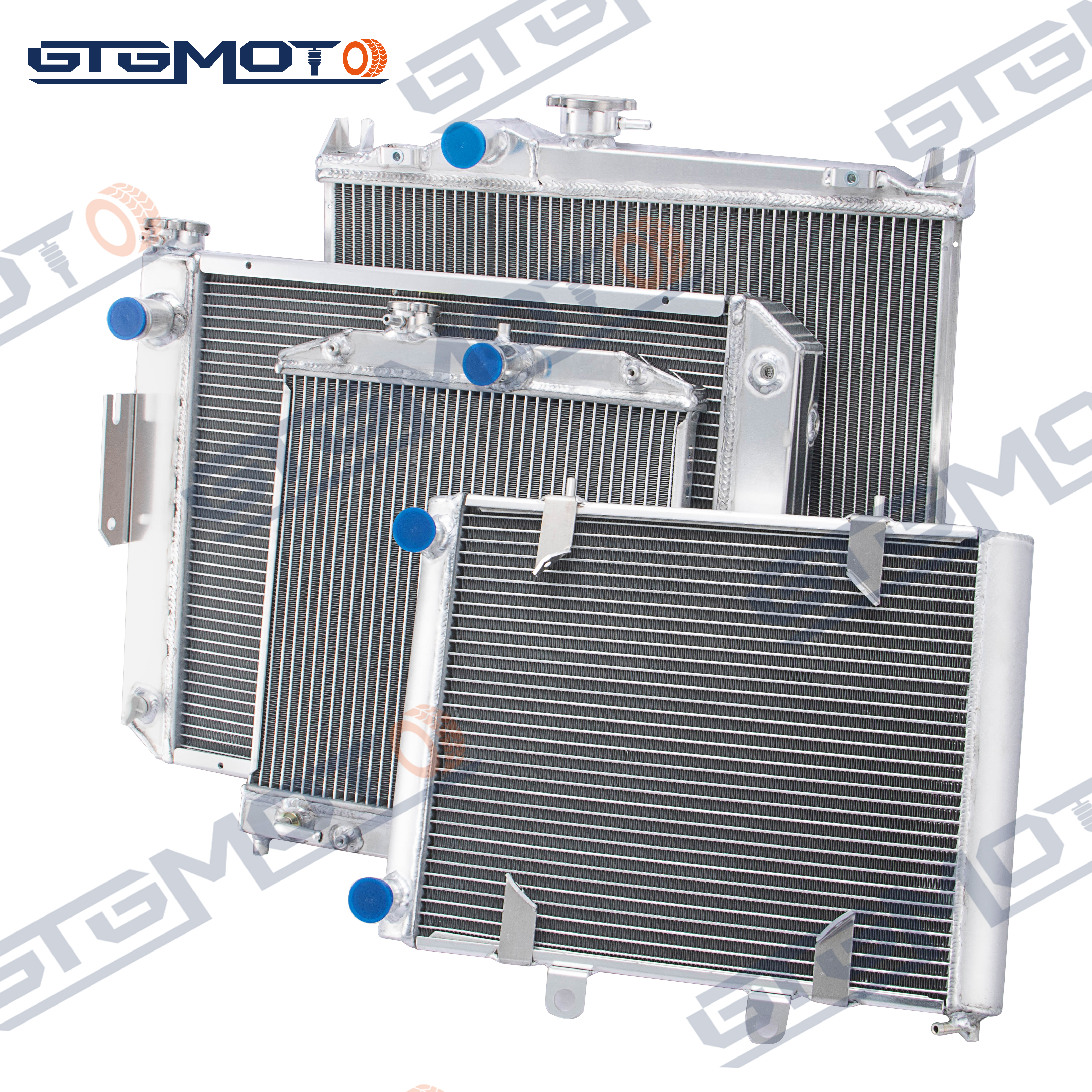
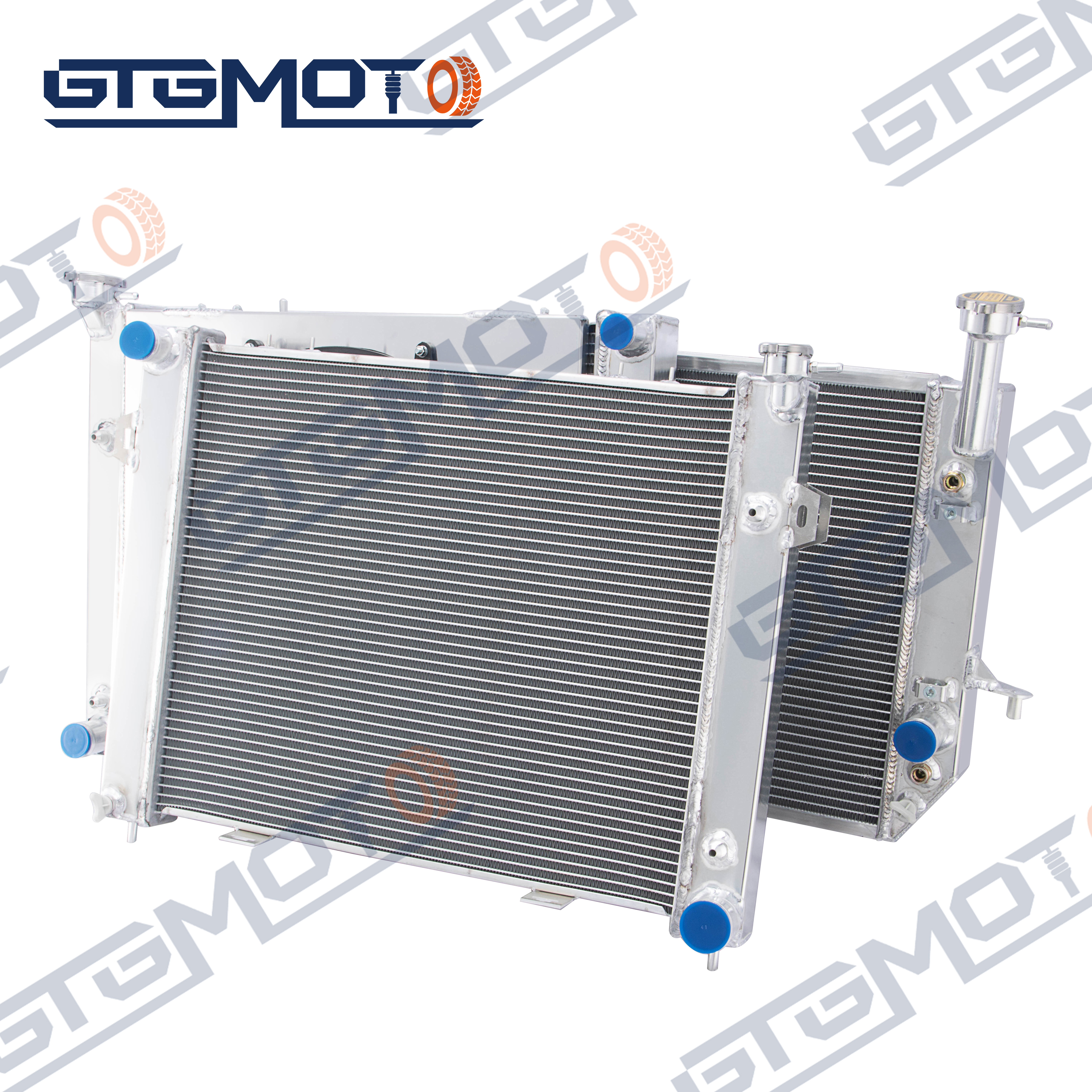
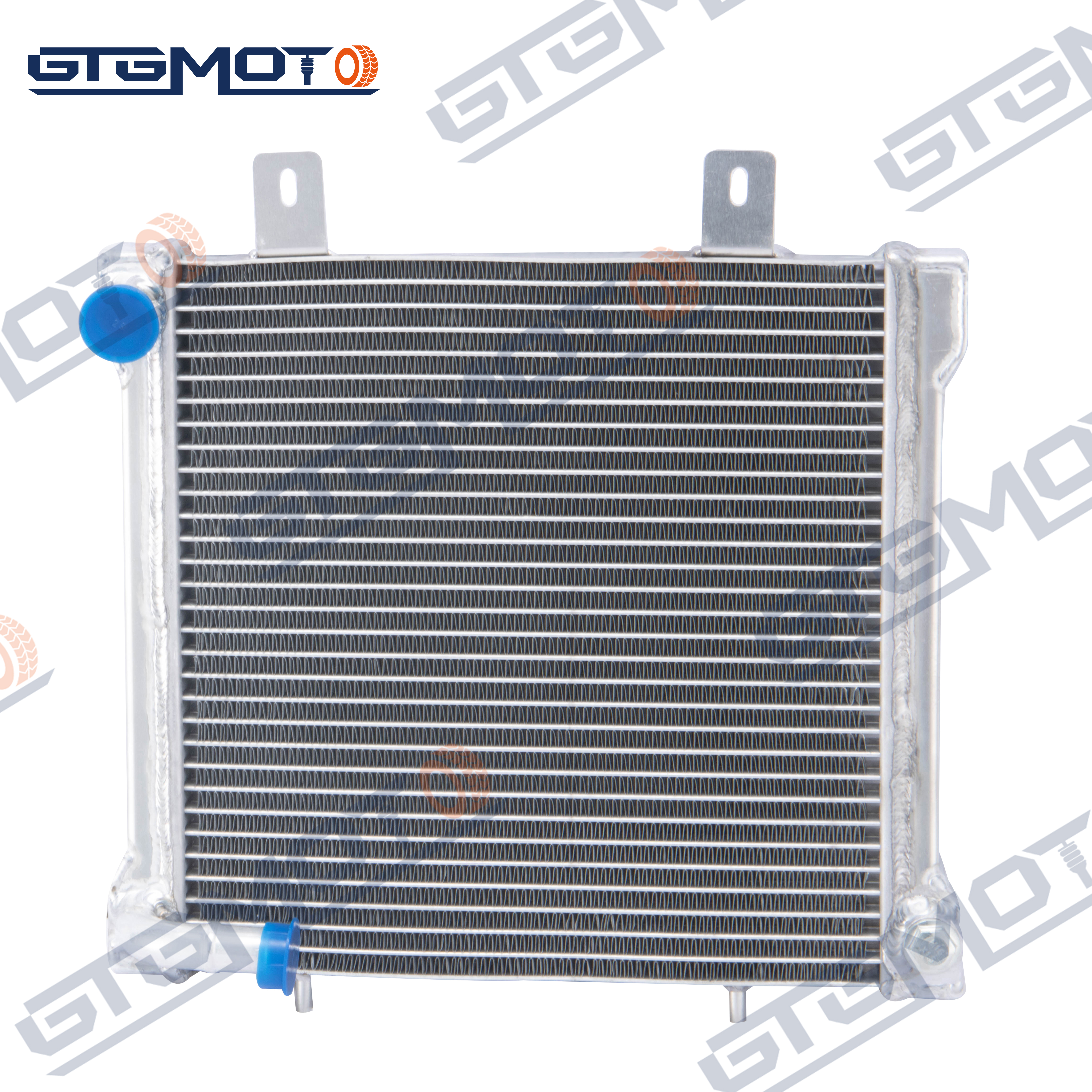
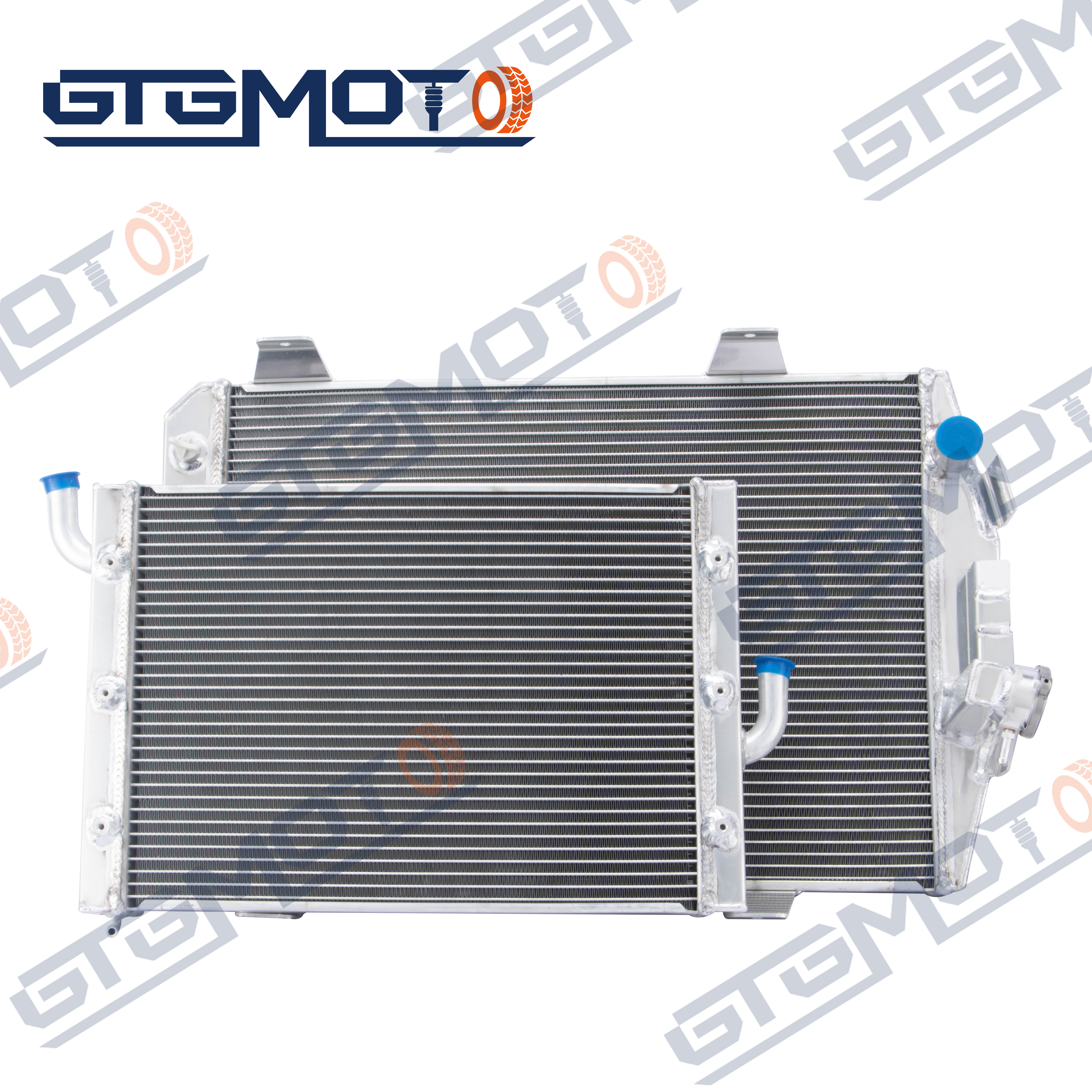
Premium Aftermarket Oil Cooler Systems - Enhanced Engine Protection and Performance

All Categories

Get a Free Quote

Our representative will contact you soon.
Email
Name
Company Name
WhatsApp
Message
0/1000

aftermarket oil cooler

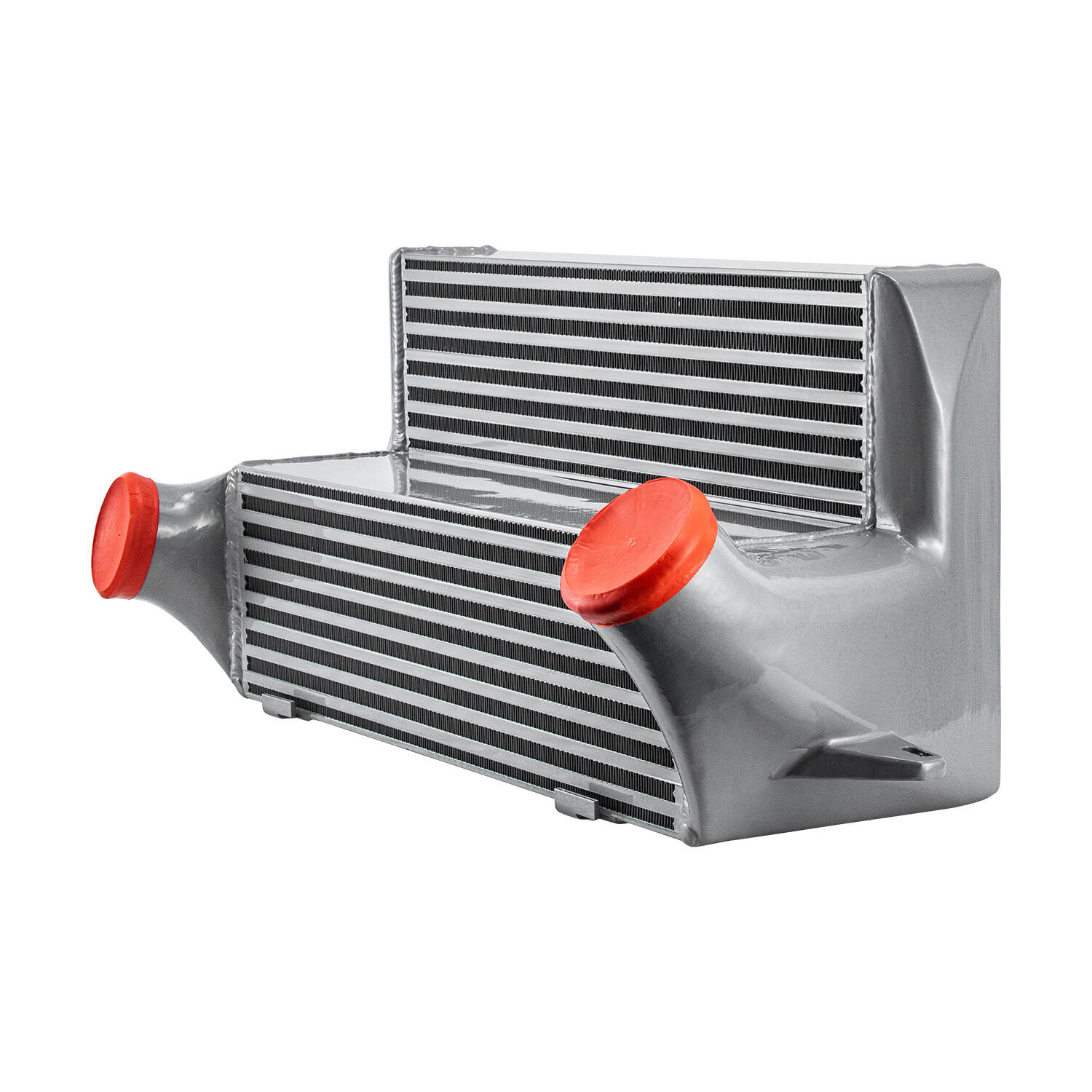
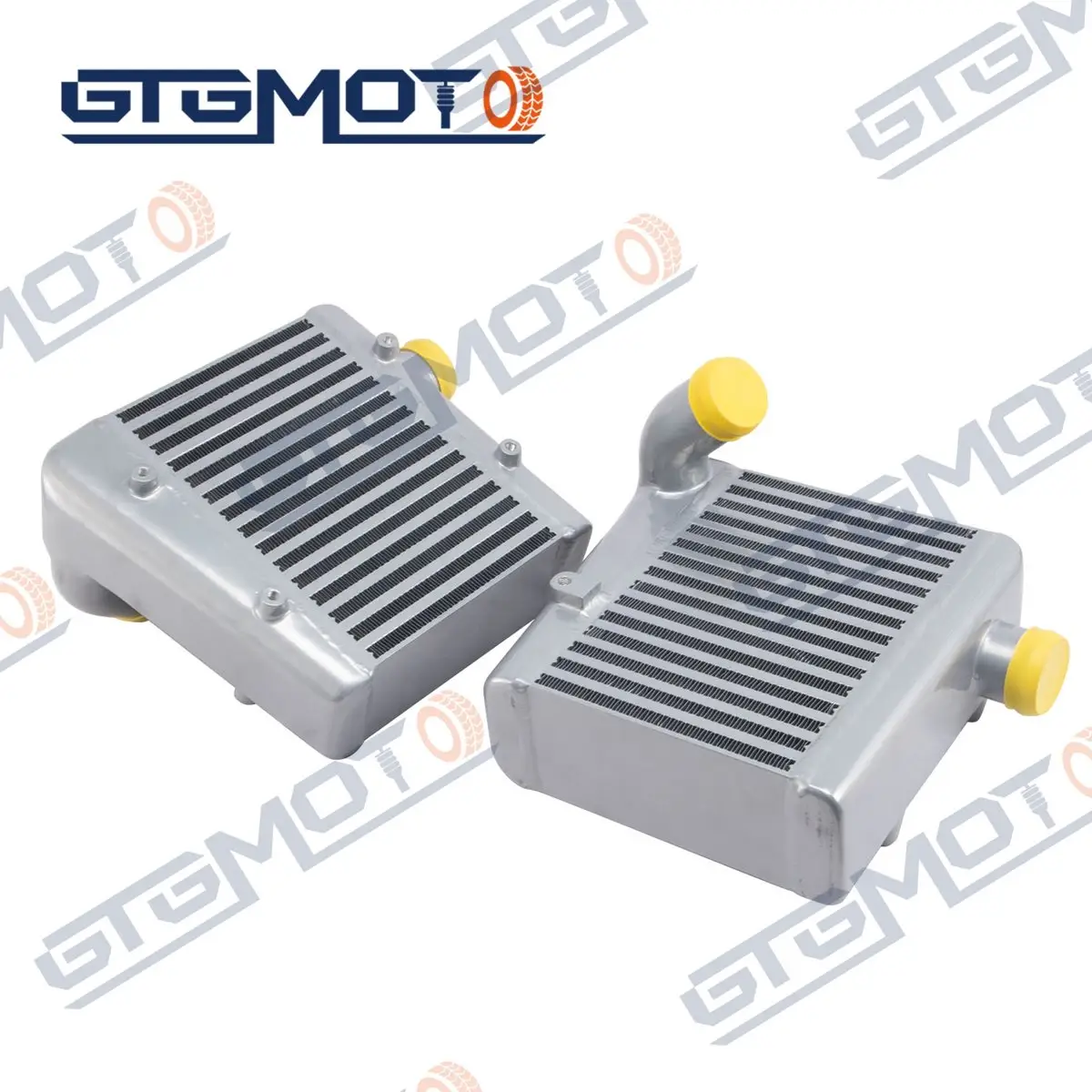
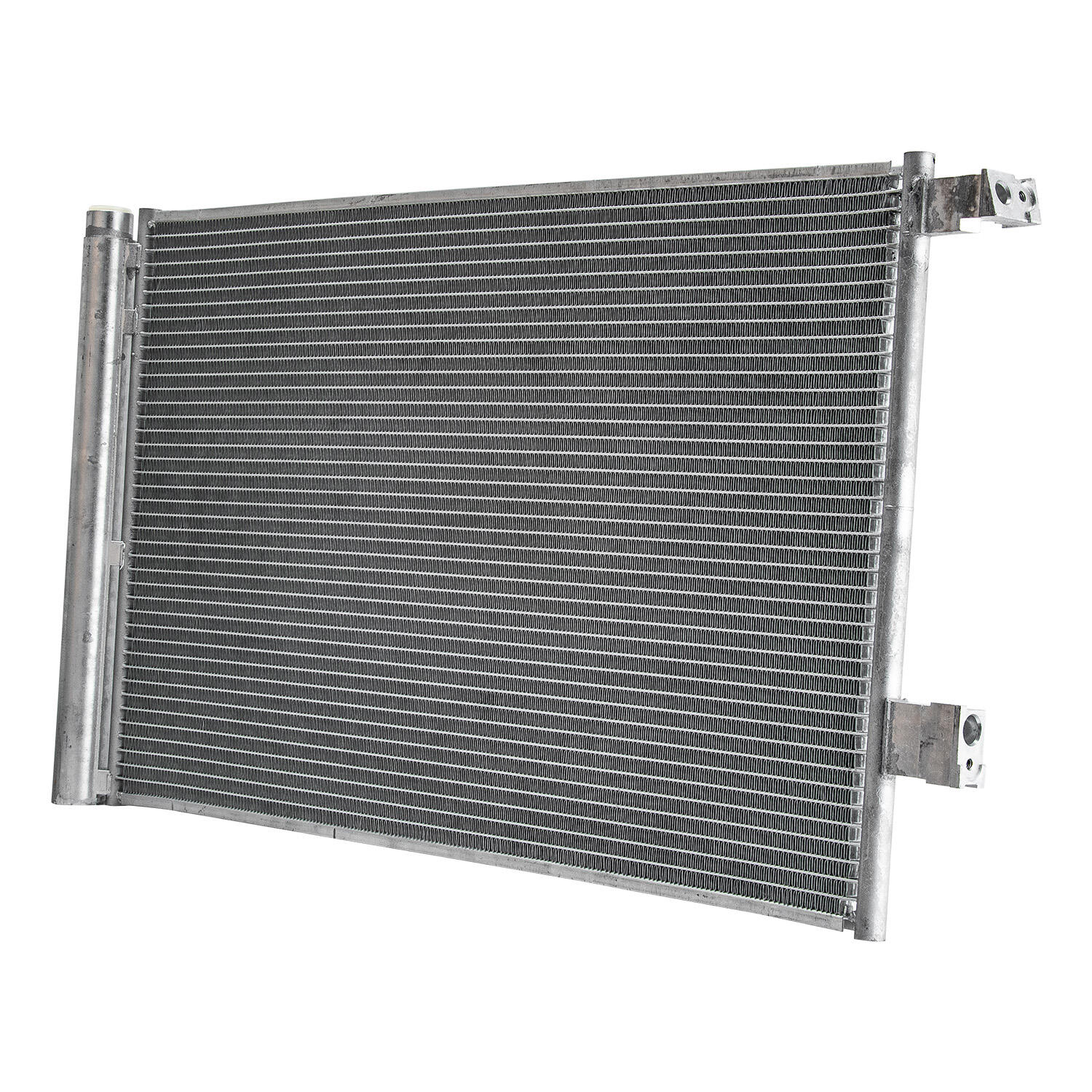
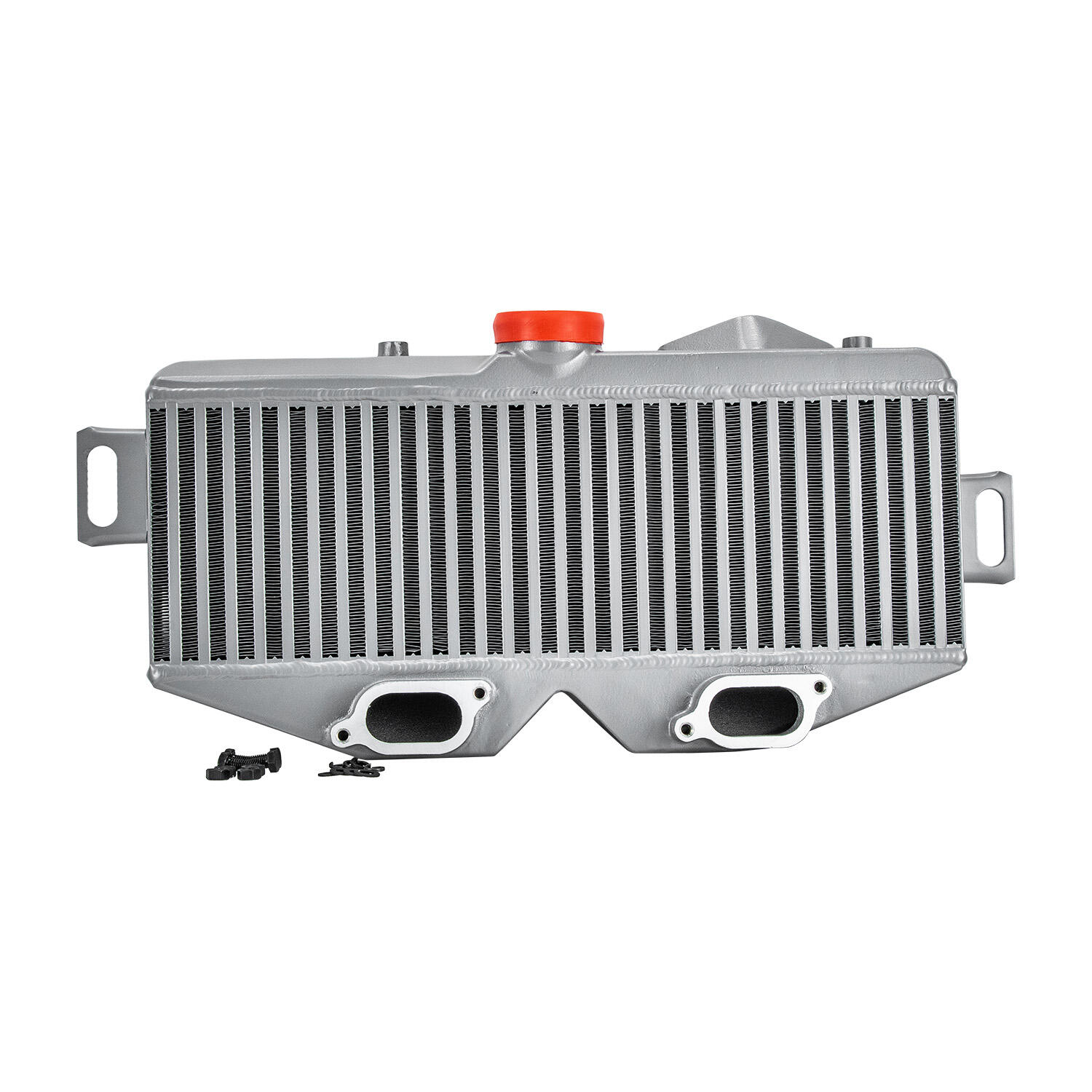
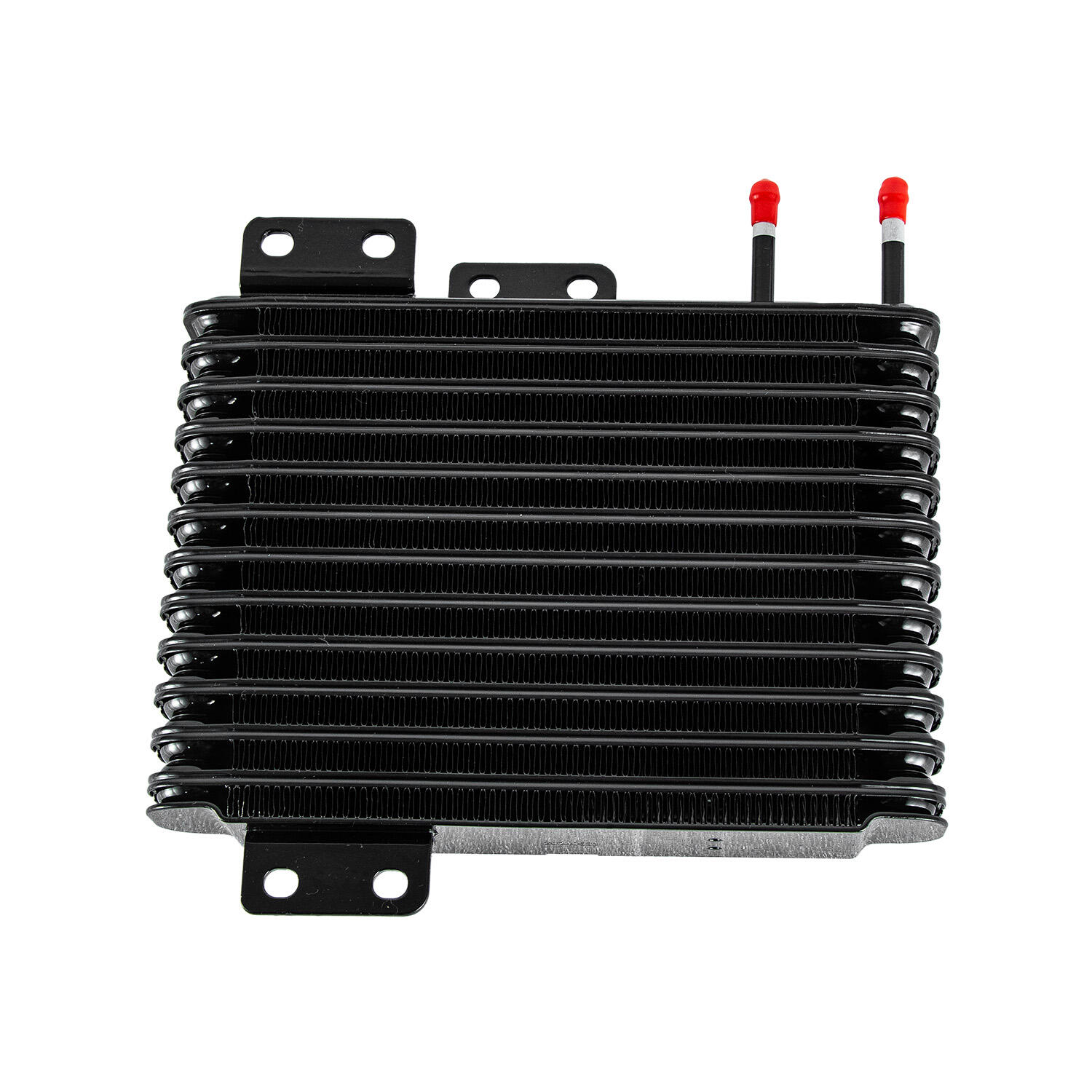
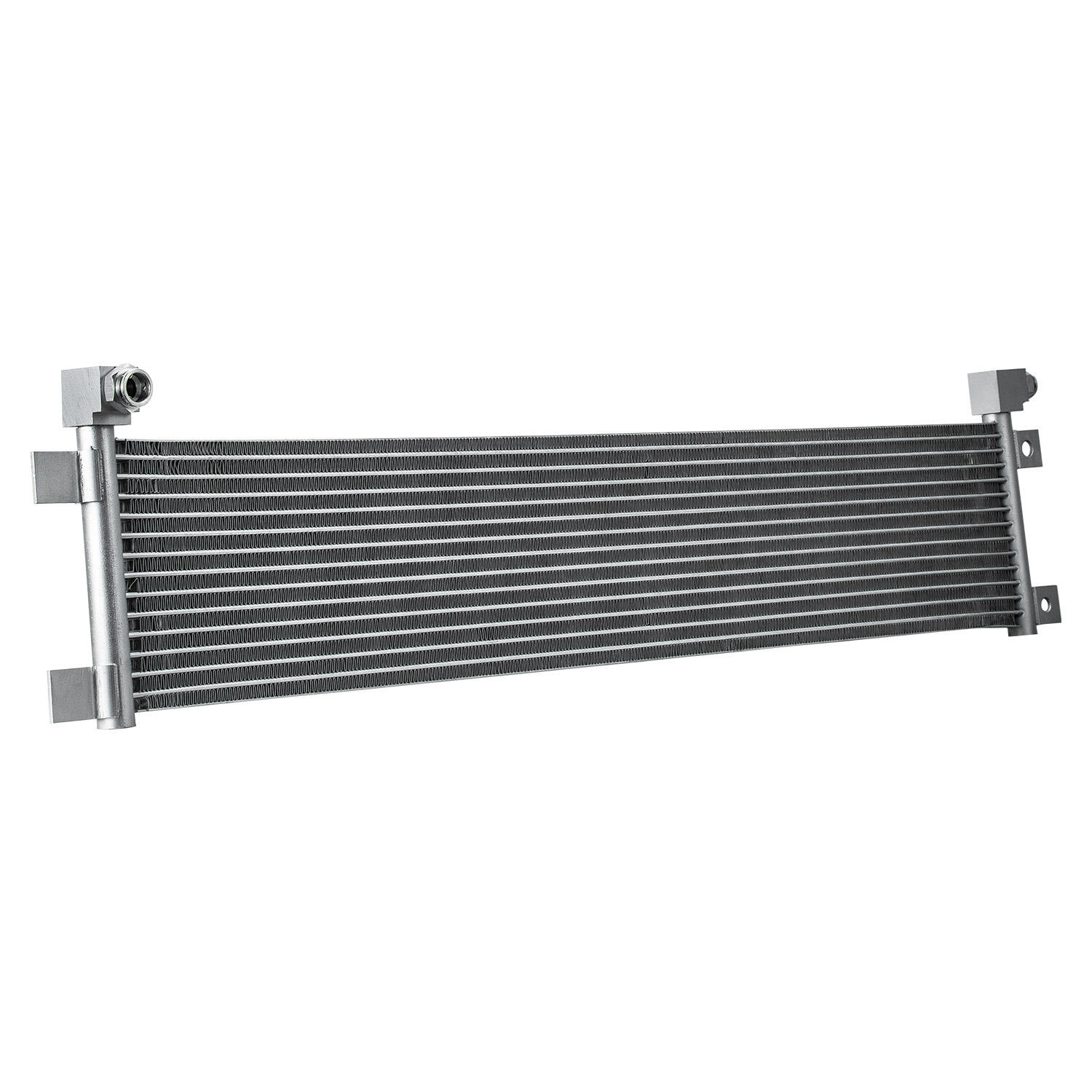
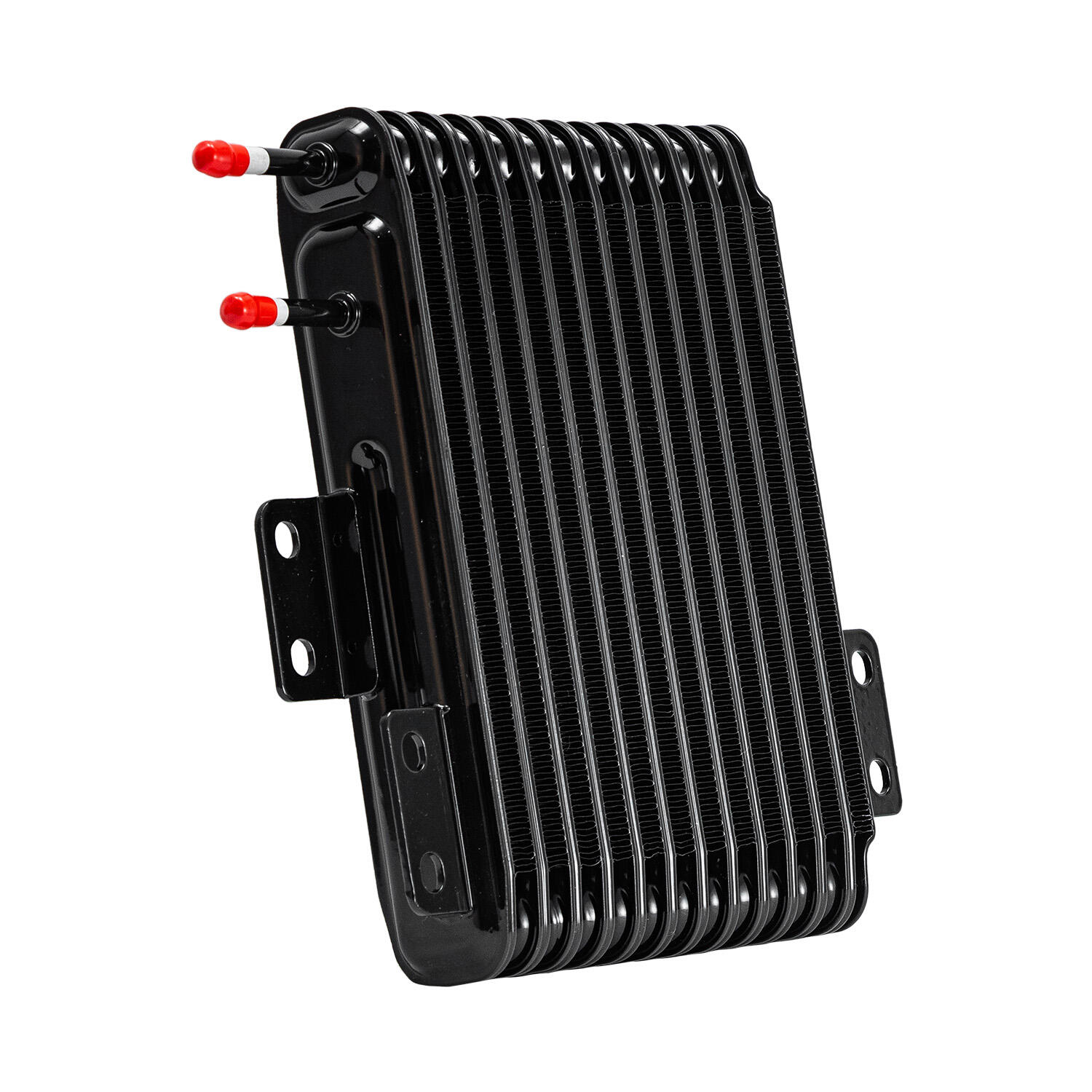
An aftermarket oil cooler represents a crucial upgrade for vehicles requiring enhanced thermal management capabilities beyond factory specifications. These specialized cooling systems function as heat exchangers, designed to reduce engine oil temperatures through efficient heat dissipation mechanisms. The primary purpose of an aftermarket oil cooler involves maintaining optimal oil viscosity and lubrication properties under extreme operating conditions, ensuring prolonged engine life and consistent performance. The core technological framework consists of aluminum or copper-brass construction with multiple cooling fins and internal passages that maximize surface area contact with ambient air or coolant. Advanced aftermarket oil cooler designs incorporate thermostatic bypass valves that regulate oil flow based on temperature thresholds, preventing overcooling during startup phases while maintaining efficient cooling during high-stress operations. These systems typically feature AN fitting connections for secure installation and compatibility with various hose configurations. The heat exchange process occurs through convection and conduction principles, where hot engine oil flows through internal chambers while external airflow or coolant circulation removes excess thermal energy. Modern aftermarket oil cooler units utilize computational fluid dynamics optimization to enhance flow patterns and minimize pressure drops across the system. Installation configurations vary between air-to-oil and oil-to-water designs, with air-cooled systems requiring strategic placement for optimal airflow exposure and water-cooled variants integrating with existing cooling circuits. The technological sophistication extends to pressure testing capabilities exceeding 150 PSI and temperature resistance ratings surpassing 300 degrees Fahrenheit. Applications span across performance vehicles, heavy-duty trucks, racing applications, and industrial equipment where thermal stress exceeds standard cooling capacity. The aftermarket oil cooler serves various automotive segments including street performance modifications, professional motorsports, commercial transportation, and marine applications requiring reliable temperature control under demanding operational parameters.

New Products

The aftermarket oil cooler delivers substantial performance improvements that directly benefit vehicle owners seeking enhanced reliability and longevity. Temperature regulation stands as the primary advantage, keeping engine oil within optimal operating ranges even during aggressive driving or heavy load conditions. This temperature control prevents oil degradation that occurs when lubricants exceed safe thermal limits, maintaining viscosity characteristics essential for proper engine protection. Extended engine life results from consistent oil temperatures, as overheated lubricants lose their protective properties and contribute to accelerated wear patterns on critical internal components. The aftermarket oil cooler reduces maintenance intervals by preserving oil quality longer, allowing owners to maximize service periods while maintaining superior lubrication standards. Performance vehicles experience noticeable power retention during extended high-RPM operations, as cooler oil temperatures prevent power loss associated with thermal breakdown. Fuel economy improvements occur through reduced internal friction when oil maintains proper viscosity across varying temperature conditions. The aftermarket oil cooler installation provides peace of mind for drivers who regularly encounter demanding conditions such as towing heavy trailers, mountain driving, or track day participation. Cost savings accumulate over time through reduced engine wear, fewer oil changes, and prevention of catastrophic failures that result from inadequate cooling capacity. Professional drivers and fleet operators benefit from increased vehicle availability and reduced downtime associated with temperature-related mechanical issues. The system operates automatically without driver intervention, continuously monitoring and adjusting cooling capacity based on real-time temperature conditions. Installation flexibility allows integration with existing cooling systems without major modifications to vehicle architecture. Reliability improvements extend beyond the engine to include transmission and differential applications where aftermarket oil cooler systems provide similar thermal management benefits. The robust construction withstands harsh environmental conditions including road debris, temperature extremes, and corrosive elements that challenge standard cooling components. Quality aftermarket oil cooler systems offer warranty protection and technical support, ensuring long-term satisfaction and performance consistency for discerning vehicle owners.

Tips And Tricks

How Control Arm Technology is Evolving for 2025 SUVs

27

Aug

How Control Arm Technology is Evolving for 2025 SUVs

Next-Generation Suspension Innovations Reshape SUV Performance The automotive industry stands at the cusp of a revolutionary transformation in suspension systems, with control arm technology leading the charge. As 2025 approaches, SUV manufacturers a...
View More
How Intercooler Efficiency Impacts 2025 Hybrid Vehicle Performance

19

Oct

How Intercooler Efficiency Impacts 2025 Hybrid Vehicle Performance

The Evolution of Thermal Management in Modern Hybrid Powertrains As automotive technology races forward into 2025, intercooler efficiency has emerged as a critical factor in determining hybrid vehicle performance. The integration of advanced intercoo...
View More
How does an AC condenser improve vehicle cooling system performance?

27

Jan

How does an AC condenser improve vehicle cooling system performance?

Modern vehicle air conditioning systems rely on several critical components working together to maintain optimal cabin temperatures, with the ac condenser serving as one of the most essential elements in this complex cooling process. Understanding ho...
View More
How do AC condensers support heavy-duty and commercial transport vehicles?

27

Jan

How do AC condensers support heavy-duty and commercial transport vehicles?

Heavy-duty and commercial transport vehicles rely on robust air conditioning systems to maintain optimal operating conditions for both cargo preservation and driver comfort. The ac condenser serves as a critical component in these demanding applicati...
View More

Get a Free Quote

Our representative will contact you soon.
Email
Name
Company Name
WhatsApp
Message
0/1000

aftermarket oil cooler

Advanced Thermal Management Technology

Advanced Thermal Management Technology

The aftermarket oil cooler incorporates cutting-edge thermal management technology that revolutionizes engine protection through precise temperature control mechanisms. This sophisticated system utilizes high-efficiency heat exchanger designs with optimized fin configurations that maximize heat dissipation while minimizing airflow restriction. The core construction features premium aluminum alloy materials with enhanced thermal conductivity properties, ensuring rapid heat transfer from engine oil to ambient air. Advanced manufacturing techniques create internal flow paths that promote turbulent mixing, increasing heat exchange efficiency while maintaining consistent pressure characteristics throughout the operating range. The aftermarket oil cooler integrates thermostatic control valves that automatically regulate oil flow based on temperature sensors, preventing overcooling during startup phases while ensuring maximum cooling capacity under high-stress conditions. This intelligent temperature regulation maintains optimal oil viscosity across varying operational parameters, preserving lubrication effectiveness and engine protection capabilities. The system design incorporates computational fluid dynamics optimization that eliminates hot spots and ensures uniform temperature distribution throughout the cooling matrix. Multi-pass cooling configurations within the aftermarket oil cooler create extended residence time for heat exchange, maximizing thermal energy removal efficiency. The technology includes pressure relief mechanisms that protect against system overpressurization while maintaining consistent flow rates under varying operating conditions. Advanced coating technologies applied to cooling surfaces enhance corrosion resistance and maintain long-term thermal transfer efficiency. The aftermarket oil cooler features modular design elements that allow customization for specific application requirements, ensuring optimal performance across diverse vehicle platforms and usage patterns.
Superior Construction and Durability

Superior Construction and Durability

The aftermarket oil cooler demonstrates exceptional construction quality through premium materials selection and advanced manufacturing processes that ensure long-term reliability under extreme operating conditions. High-grade aluminum construction provides optimal thermal conductivity while maintaining lightweight characteristics that minimize vehicle weight impact. The core assembly utilizes precision-welded joints that withstand thermal cycling and pressure variations without compromising structural integrity or sealing effectiveness. Advanced brazing techniques create permanent bonds between cooling elements, eliminating potential failure points that compromise system reliability. The aftermarket oil cooler incorporates corrosion-resistant treatments that protect against environmental degradation from road salt, chemicals, and moisture exposure. Heavy-duty mounting brackets and reinforcement structures ensure secure installation that withstands vibration, impact forces, and thermal expansion stresses. The internal passage design features smooth surfaces that resist debris accumulation and maintain consistent flow characteristics throughout the service life. Quality control processes include pressure testing procedures that verify system integrity at pressures exceeding normal operating conditions, ensuring reliable performance under demanding applications. The aftermarket oil cooler utilizes premium sealing materials that maintain leak-proof operation across temperature ranges from sub-zero conditions to extreme heat scenarios. Protective coatings applied to external surfaces provide UV resistance and maintain appearance while preventing oxidation and weathering damage. The construction methodology includes stress-relief processes that eliminate internal tensions created during manufacturing, ensuring dimensional stability and preventing premature failure. Compatibility testing ensures proper fitment and function across multiple vehicle applications without requiring extensive modifications. The aftermarket oil cooler design incorporates serviceability features that allow maintenance access while maintaining system performance throughout extended service intervals.
Versatile Installation and Compatibility Options

Versatile Installation and Compatibility Options

The aftermarket oil cooler offers exceptional installation versatility and compatibility across diverse vehicle platforms through innovative design features and comprehensive mounting solutions. Universal mounting configurations accommodate various installation locations including front-mounted, side-mounted, and remote-mounted applications based on specific vehicle requirements and space constraints. The system includes comprehensive hardware packages with multiple bracket options, allowing professional installers to achieve optimal positioning for maximum cooling efficiency and accessibility. Flexible hose routing capabilities enable installation in challenging spaces while maintaining proper oil flow characteristics and system pressure integrity. The aftermarket oil cooler features standardized AN fitting connections that ensure compatibility with high-performance plumbing systems and aftermarket accessories. Adapter provisions accommodate different thread specifications and port configurations found across various engine platforms and oil system designs. The installation process integrates seamlessly with existing cooling circuits through carefully engineered connection points that maintain system pressure balance and flow distribution. Thermostatic bypass integration allows the aftermarket oil cooler to function harmoniously with engine management systems while providing temperature-based flow control. The compact design footprint maximizes installation flexibility without compromising cooling capacity or requiring extensive vehicle modifications. Professional installation support includes detailed instructions and technical assistance that ensure proper system integration and optimal performance outcomes. The aftermarket oil cooler accommodates both air-cooled and liquid-cooled configurations, providing installation options that suit different vehicle architectures and performance requirements. Compatibility extends across multiple fluid types including conventional oils, synthetic lubricants, and specialty racing formulations without compromising cooling effectiveness. The system design anticipates future modifications and upgrades, incorporating expansion capabilities that allow integration with additional cooling components or performance enhancements. Quality assurance programs ensure consistent fitment and function across production batches, providing reliable installation experiences for professional technicians and performance enthusiasts.
Get a Quote Get a Quote Email Email WhatsApp WhatsApp WeChat WeChat
WeChat
TopTop

Get a Free Quote

Our representative will contact you soon.
Email
Name
Company Name
WhatsApp
Message
0/1000

Get a Free Quote

Our representative will contact you soon.
Email
Name
Company Name
WhatsApp
Message
0/1000

Get a Free Quote

Our representative will contact you soon.
Email
Name
Company Name
WhatsApp
Message
0/1000