Auto Transmission Cooler: Essential Cooling Solutions for Extended Transmission Life and Performance

All Categories

Get a Free Quote

Our representative will contact you soon.
Email
Name
Company Name
WhatsApp
Message
0/1000

auto transmission cooler

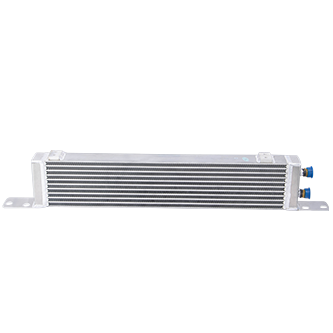
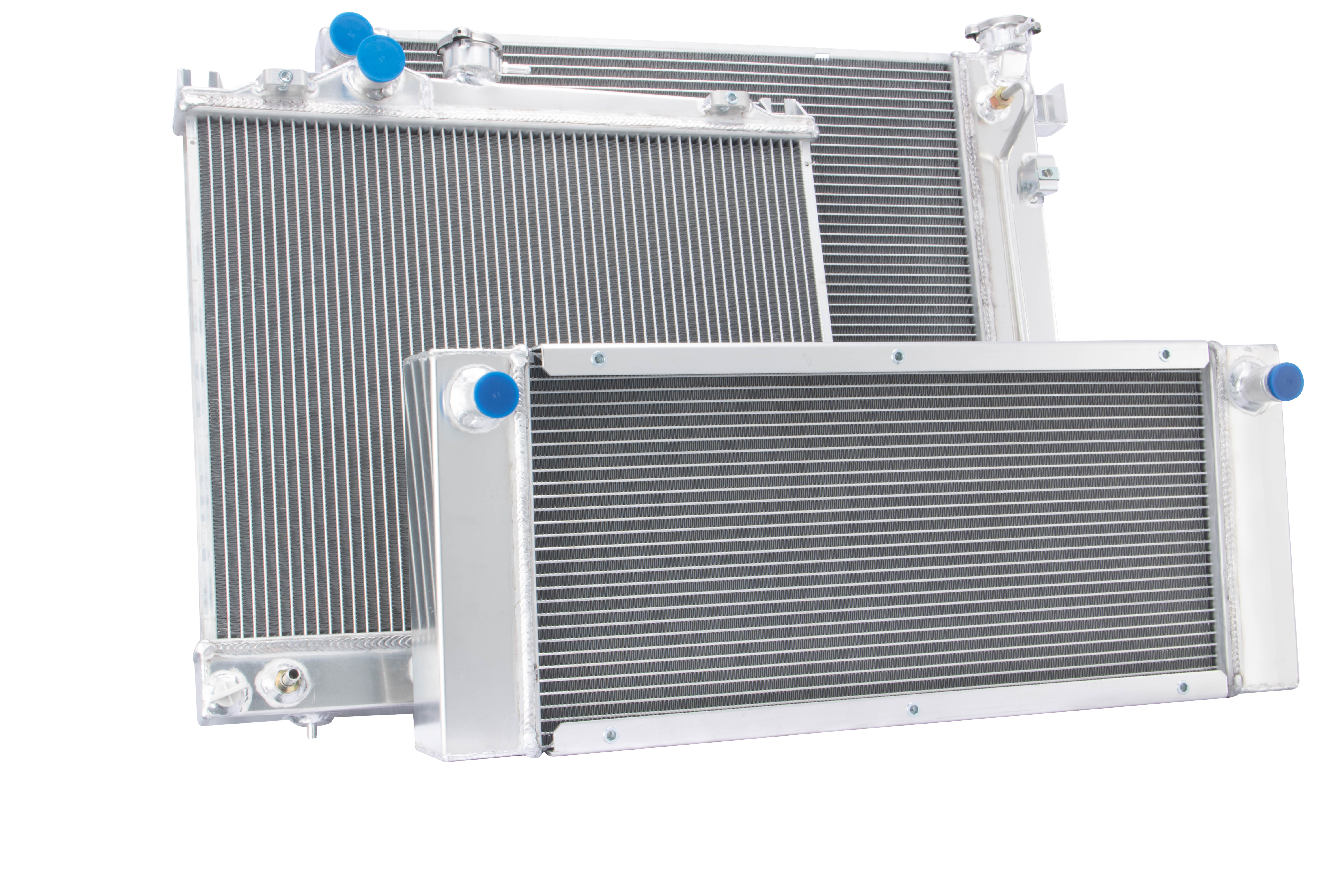
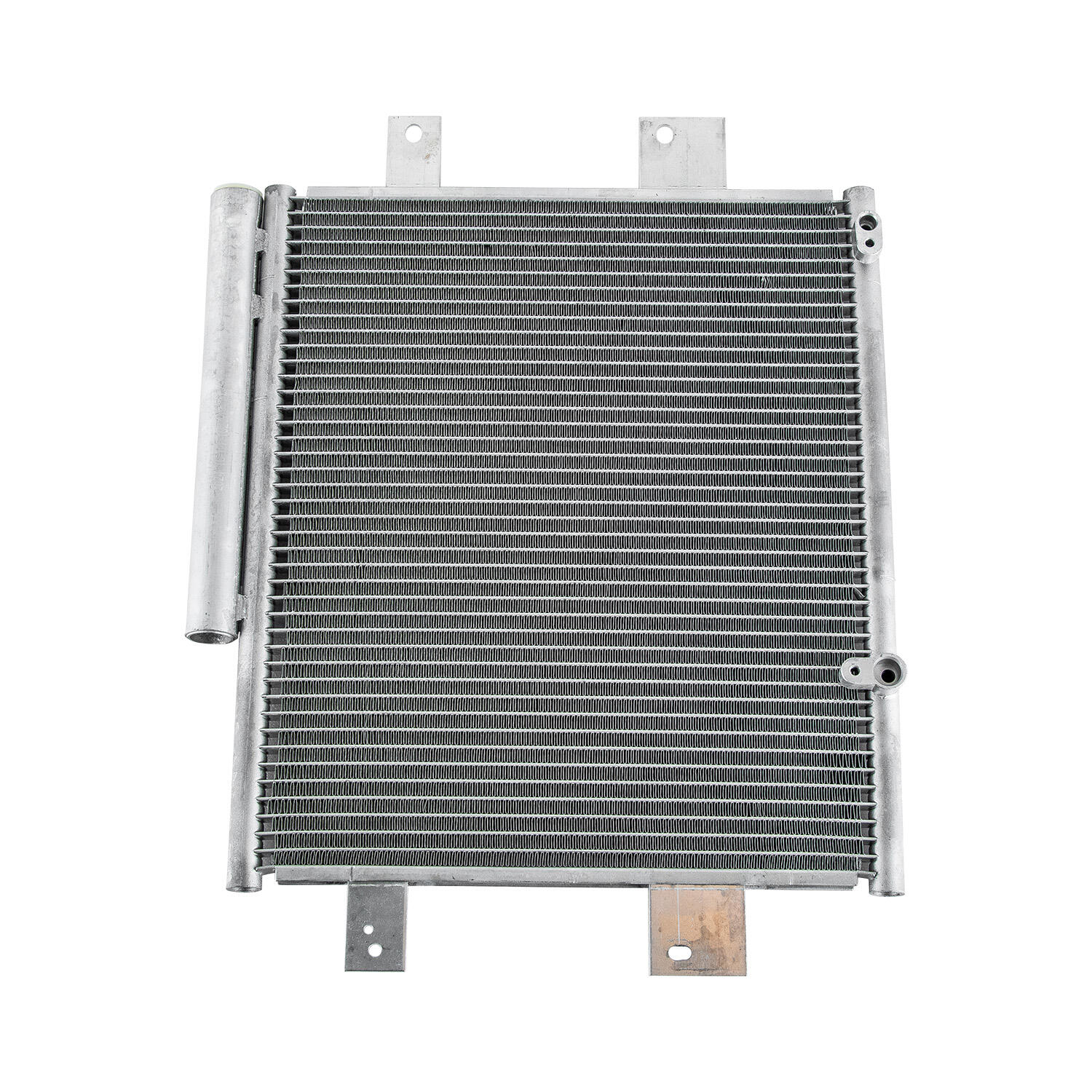
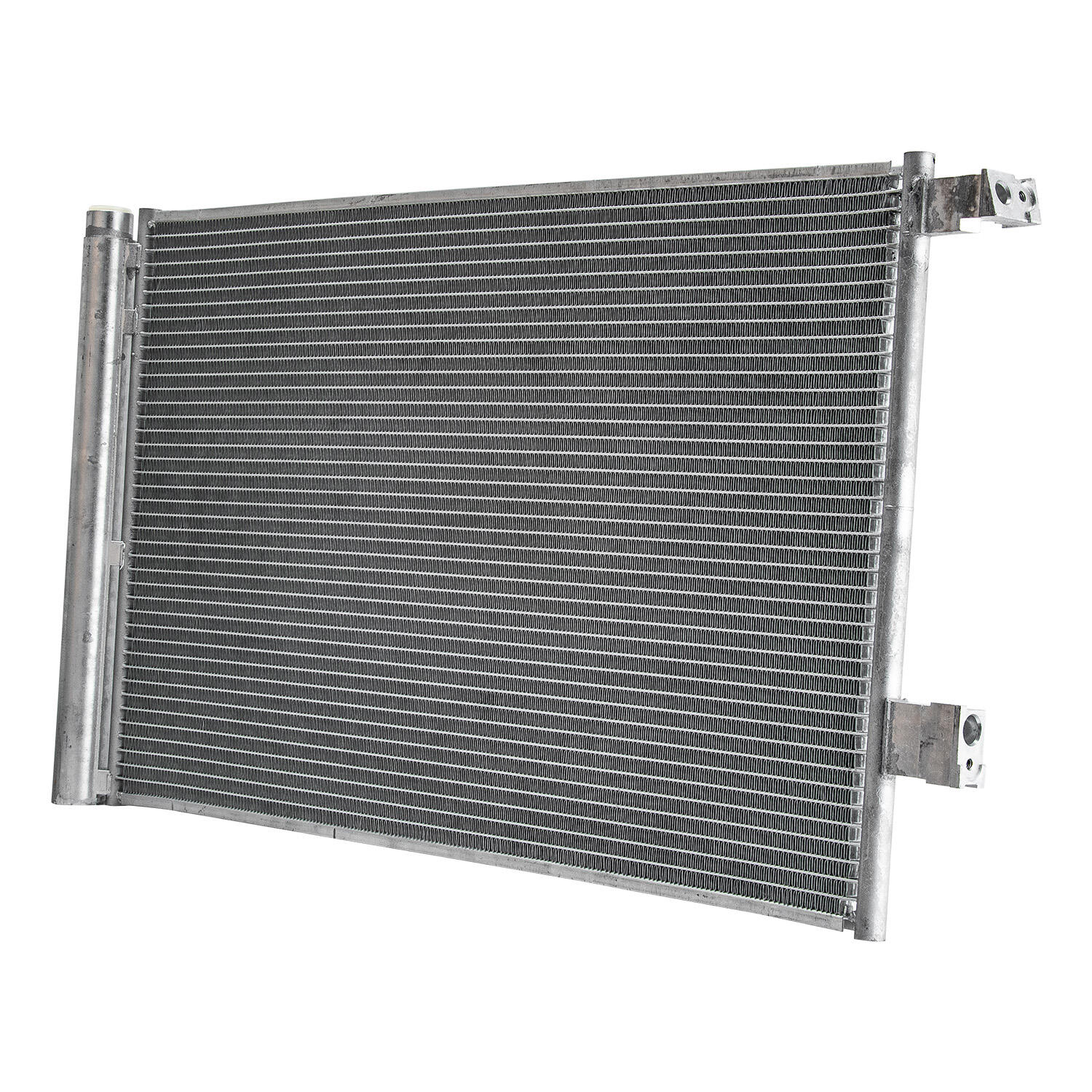
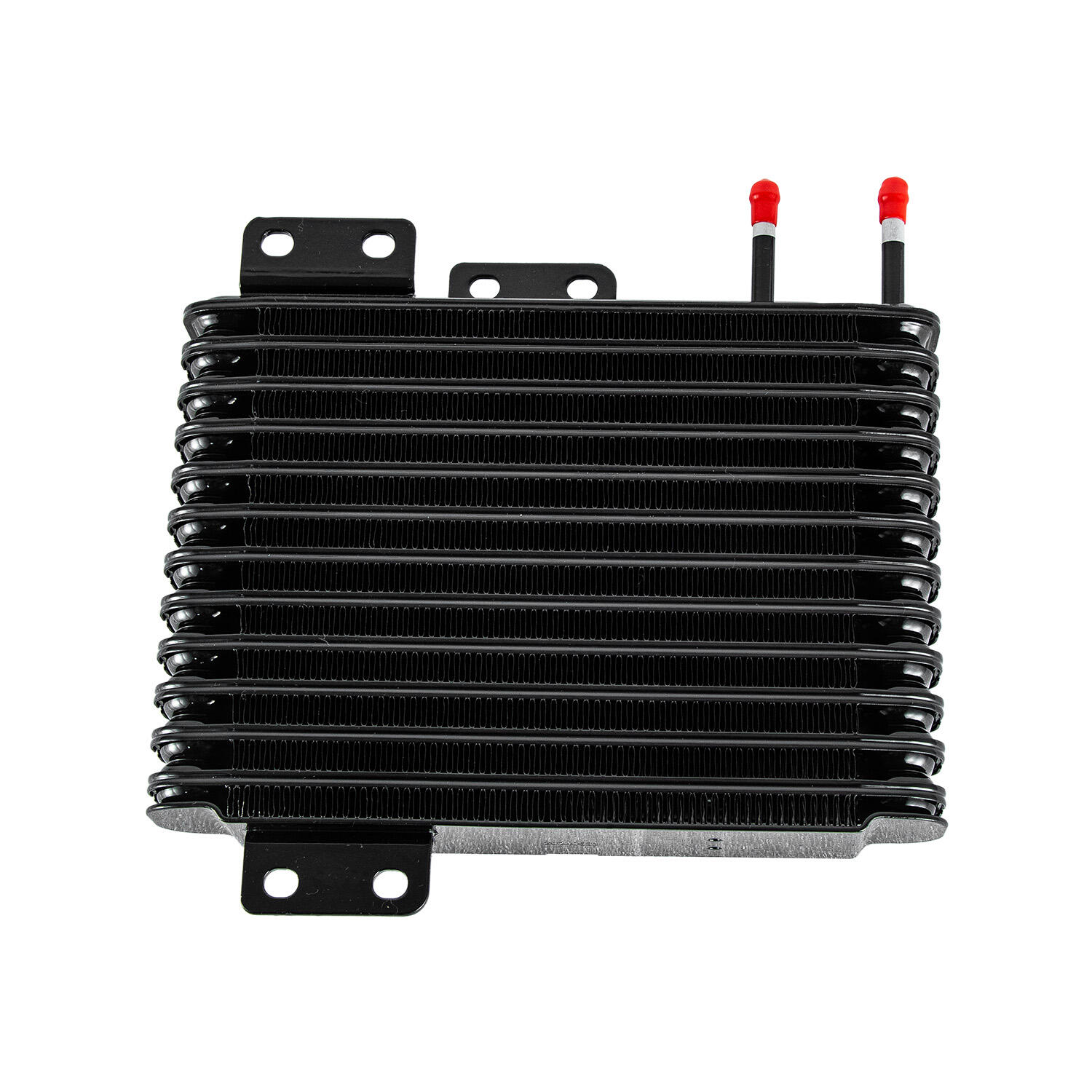
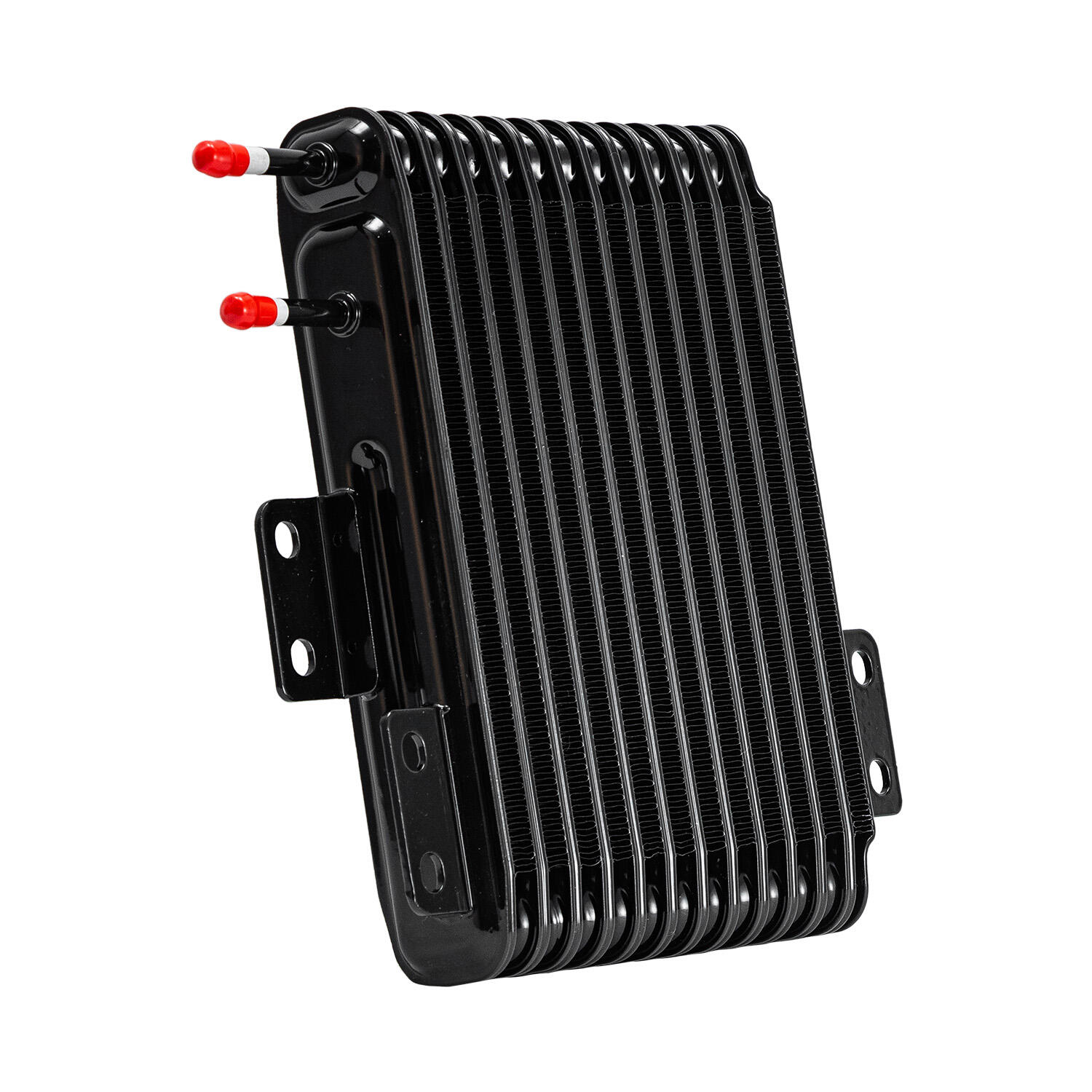
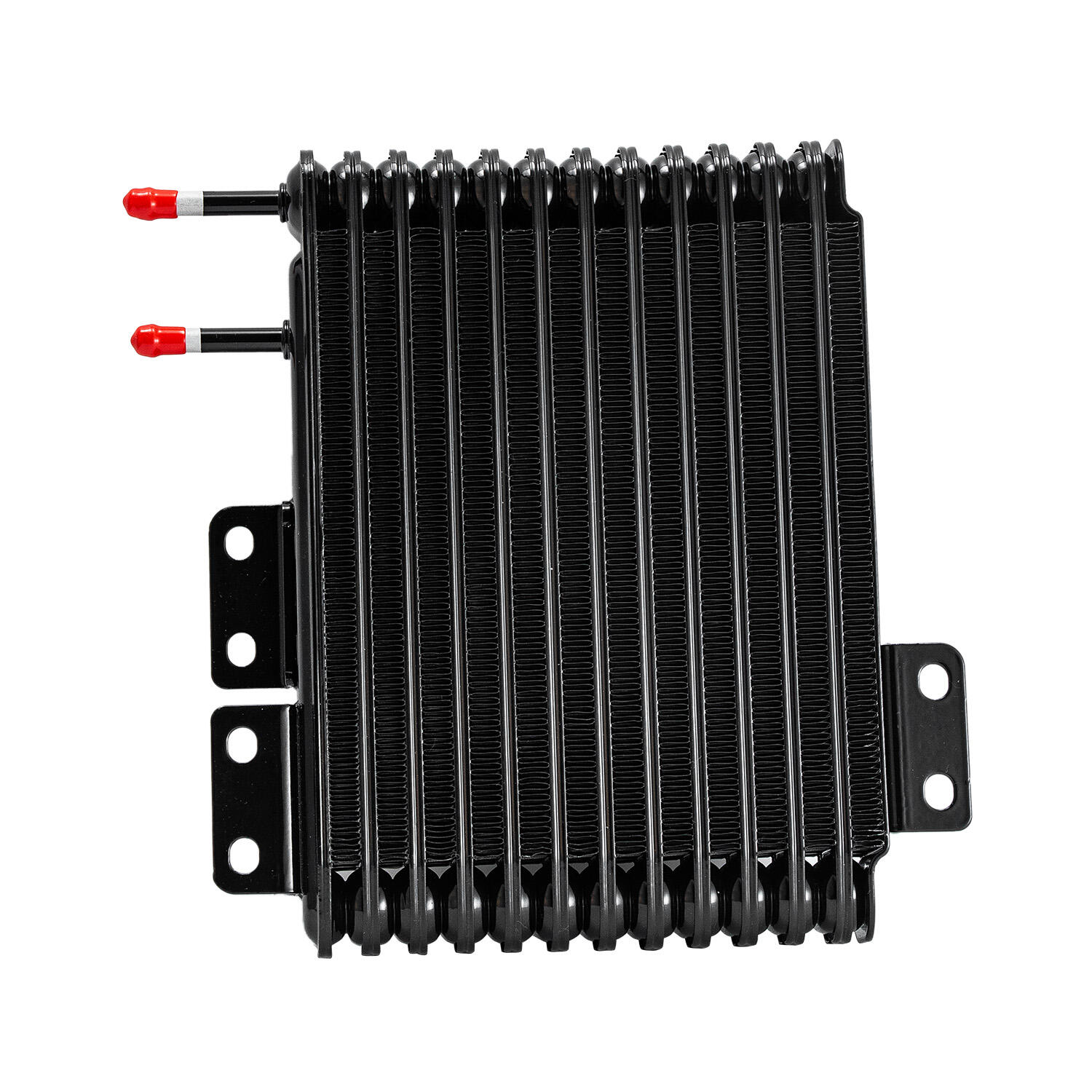
An auto transmission cooler serves as a critical thermal management component designed to regulate and reduce the operating temperature of automatic transmission fluid. This specialized heat exchanger works by circulating hot transmission fluid through a series of cooling fins or tubes, where ambient air or engine coolant absorbs excess heat before the fluid returns to the transmission system. Modern vehicles equipped with automatic transmissions generate substantial heat during operation, particularly under demanding conditions such as towing heavy loads, driving in stop-and-go traffic, or navigating steep inclines. Without proper cooling, transmission fluid can degrade rapidly, losing its lubricating properties and ability to facilitate smooth gear changes. The auto transmission cooler addresses this challenge by maintaining fluid temperatures within optimal ranges, typically between 175 and 225 degrees Fahrenheit. Most factory-installed systems integrate the auto transmission cooler within the vehicle's radiator, using engine coolant as the cooling medium. However, aftermarket solutions often employ standalone units mounted in front of the radiator or air conditioning condenser, maximizing airflow exposure for enhanced cooling efficiency. These auxiliary coolers feature aluminum construction with tube-and-fin or plate-and-fin designs that maximize surface area for heat dissipation. The cooling process begins when hot fluid exits the transmission through dedicated lines, passes through the cooler's internal passages where heat transfers to the surrounding air or coolant, and returns to the transmission at reduced temperatures. This continuous cycle prevents overheating, extends transmission lifespan, and maintains consistent performance across various driving conditions. Advanced auto transmission cooler designs incorporate turbulators or internal fins that create turbulent flow patterns, increasing contact between fluid and cooling surfaces for improved heat transfer rates. Installation typically requires mounting brackets, appropriate fittings, and reinforced transmission lines capable of handling system pressures. The auto transmission cooler represents an essential investment for vehicle owners seeking to protect their transmission systems from heat-related damage and premature failure.

New Products

Installing an auto transmission cooler delivers multiple practical benefits that directly impact vehicle performance, longevity, and ownership costs. The primary advantage centers on temperature reduction, which prevents transmission fluid from breaking down under extreme heat conditions. When fluid maintains proper viscosity and chemical stability, it continues lubricating internal components effectively, reducing friction and wear on clutch packs, planetary gears, and valve bodies. This protection translates to smoother shifting, improved acceleration response, and extended transmission service life. Vehicle owners who frequently tow trailers, haul heavy cargo, or drive in mountainous terrain experience the most significant benefits, as these activities generate excessive heat that factory cooling systems struggle to manage. By adding supplemental cooling capacity, an auto transmission cooler keeps fluid temperatures within safe operating ranges even during sustained high-load operation. Another substantial advantage involves cost savings through preventive maintenance. Transmission repairs or replacements rank among the most expensive automotive services, often exceeding several thousand dollars. The relatively modest investment in an auto transmission cooler provides insurance against catastrophic transmission failure caused by overheating. Cooler fluid also maintains its protective additives longer, extending drain intervals and reducing maintenance frequency. Performance enthusiasts appreciate how an auto transmission cooler enables more aggressive driving without thermal limitations. Racing applications, off-road adventures, and spirited driving sessions all benefit from consistent transmission temperatures that prevent power loss, slipping, or protective mode activation. The cooling system works silently and automatically, requiring no driver intervention while continuously safeguarding transmission health. Installation flexibility represents another practical advantage, as auto transmission cooler units accommodate various mounting locations and vehicle configurations. Compact designs fit within tight engine compartments, while larger capacity coolers suit heavy-duty applications. Universal fitment options with adjustable brackets simplify installation across different makes and models. The cooling efficiency gains become immediately noticeable through transmission temperature gauge readings, providing tangible confirmation of improved thermal management. Fluid longevity increases substantially when operating temperatures remain controlled, as heat accelerates oxidation and varnish formation that compromise lubrication quality. Vehicles operating in hot climates or desert environments gain particular advantages from supplemental transmission cooling, as ambient temperatures compound internal heat generation. The auto transmission cooler functions as a passive system requiring no electrical power, eliminating concerns about additional battery drain or electrical system complexity. Maintenance requirements remain minimal, typically involving periodic inspection for leaks, damage, or debris accumulation on cooling fins. The durability of quality auto transmission cooler units ensures years of reliable service, with corrosion-resistant materials withstanding harsh environmental exposure. Overall system efficiency improves as transmissions operating at optimal temperatures require less energy for hydraulic pump operation and clutch engagement, potentially contributing to modest fuel economy gains during highway driving.

Latest News

How do hub bearings differ between passenger and heavy-duty vehicles?

30

Mar

How do hub bearings differ between passenger and heavy-duty vehicles?

Hub bearings serve as critical components in automotive wheel assemblies, enabling smooth rotation while supporting the vehicle's weight. However, the engineering requirements and design specifications for hub bearings vary dramatically between passe...
View More
What materials affect durability in universal intercooler bulk orders?

30

Mar

What materials affect durability in universal intercooler bulk orders?

When procuring universal intercooler bulk orders for commercial applications, material selection serves as the fundamental determinant of long-term durability and operational reliability. The materials used in intercooler construction directly influe...
View More
How do OEM specifications shape hub bearing procurement practices?

21

Apr

How do OEM specifications shape hub bearing procurement practices?

Original Equipment Manufacturer (OEM) specifications serve as the foundational blueprint that fundamentally shapes hub bearing procurement practices across the automotive industry. These detailed technical requirements establish precise parameters fo...
View More
2025 Guide: How to Choose the Right Intercooler Tube

26

May

2025 Guide: How to Choose the Right Intercooler Tube

Selecting the right intercooler tube for your vehicle is a critical decision that directly impacts engine performance, fuel efficiency, and long-term reliability. As forced induction systems continue to evolve in 2025, the intercooler tube has become...
View More

Get a Free Quote

Our representative will contact you soon.
Email
Name
Company Name
WhatsApp
Message
0/1000

auto transmission cooler

Superior Heat Dissipation Technology for Maximum Protection

Superior Heat Dissipation Technology for Maximum Protection

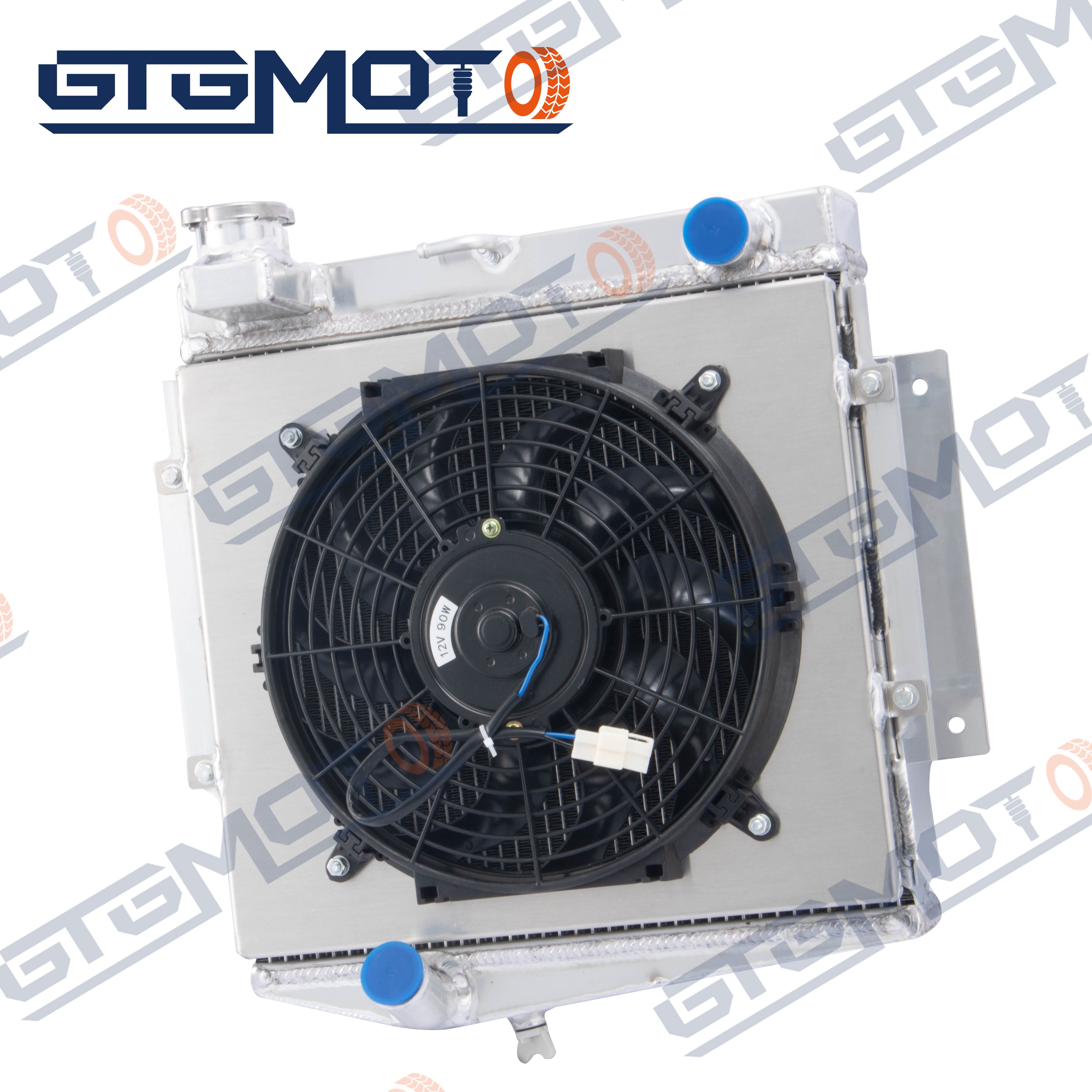
The engineering behind modern auto transmission cooler designs focuses on maximizing heat dissipation efficiency through advanced thermal transfer principles and optimized construction methods. High-performance units utilize aluminum alloy materials selected for exceptional thermal conductivity properties, allowing rapid heat transfer from hot transmission fluid to external cooling surfaces. The tube-and-fin architecture employed in premium auto transmission cooler models creates extensive surface area contact between fluid passages and ambient air, with precisely calculated fin spacing that balances airflow resistance against cooling capacity. Internal turbulators disrupt laminar fluid flow patterns, forcing transmission fluid into turbulent motion that increases contact with cooler walls and accelerates heat extraction. This sophisticated approach to thermal management delivers cooling capacity that can reduce transmission operating temperatures by 30 to 50 degrees Fahrenheit compared to factory systems alone. The temperature reduction proves particularly critical during extended towing sessions, where transmission fluid temperatures can spike dangerously high within minutes of sustained load. An auto transmission cooler equipped with high-density fin arrays and multi-pass fluid routing ensures consistent cooling performance regardless of ambient conditions or driving demands. The brazed construction techniques used in quality coolers create leak-proof joints capable of withstanding transmission system pressures exceeding 300 PSI while maintaining structural integrity through thermal cycling and vibration exposure. Protective coatings applied to external surfaces resist corrosion from road salt, moisture, and chemical exposure, preserving cooling efficiency throughout the product lifespan. Strategic mounting positions in front of radiators or condensers capture maximum airflow during vehicle operation, with some installations incorporating electric fans for additional cooling capacity during idle or low-speed conditions. The auto transmission cooler operates most effectively when integrated properly into existing transmission cooling circuits, either in series with factory coolers for combined capacity or as standalone units for complete thermal management control. Temperature differential measurements between inlet and outlet ports provide quantifiable evidence of cooling performance, with effective units achieving 40-degree reductions during single-pass operation. This level of thermal management protects expensive transmission components from heat-induced damage while maintaining fluid properties essential for smooth operation and long service life.
Extended Transmission Lifespan Through Proactive Temperature Control

Extended Transmission Lifespan Through Proactive Temperature Control

The relationship between transmission temperature and component longevity follows well-documented engineering principles that demonstrate how each 20-degree increase in operating temperature can reduce transmission life expectancy by approximately 50 percent. This exponential degradation pattern makes the auto transmission cooler an essential investment for protecting one of the vehicle's most expensive and complex mechanical systems. Excessive heat accelerates multiple failure mechanisms simultaneously, including fluid oxidation that creates varnish deposits on valve bodies and clutch surfaces, seal degradation that leads to pressure loss and fluid leaks, and metallurgical changes in friction materials that reduce holding capacity and cause slippage. By maintaining transmission fluid within the optimal temperature range of 175 to 200 degrees Fahrenheit, an auto transmission cooler prevents these destructive processes from initiating. The cooling effect extends to all transmission components bathed in circulating fluid, including planetary gear sets, torque converters, and hydraulic control modules. Cooler operating temperatures preserve the molecular structure of synthetic transmission fluids, maintaining their carefully engineered viscosity characteristics and additive packages that provide wear protection, oxidation resistance, and friction modification. The auto transmission cooler essentially functions as a lifespan multiplier, potentially doubling or tripling transmission durability compared to uncooled operation under severe service conditions. Fleet operators and commercial vehicle owners recognize this value proposition, routinely specifying supplemental transmission cooling for vehicles subjected to continuous heavy-duty operation. The financial analysis strongly favors cooler installation when comparing modest upfront costs against transmission replacement expenses that easily exceed five thousand dollars for modern electronically controlled units. Beyond pure component protection, the auto transmission cooler maintains consistent shift quality throughout the transmission's service life by preventing the gradual performance degradation associated with heat-damaged clutch materials and degraded fluid properties. Drivers experience crisp, responsive shifts even after hundreds of thousands of miles when transmission temperatures remain controlled. The cooling system also protects electronic components within the transmission, as modern units incorporate solenoid packs, speed sensors, and control modules sensitive to excessive heat exposure. Warranty protection represents another consideration, as some manufacturers void transmission coverage when evidence of overheating appears during failure analysis. Installing an auto transmission cooler demonstrates proactive maintenance commitment while providing documented temperature control that supports warranty claims if mechanical failures occur despite proper thermal management.
Versatile Applications Across Diverse Driving Conditions and Vehicle Types

Versatile Applications Across Diverse Driving Conditions and Vehicle Types

The auto transmission cooler delivers value across an remarkably broad spectrum of vehicle applications and operating environments, from daily commuter cars to heavy-duty work trucks and high-performance sports vehicles. Towing represents perhaps the most demanding application, as trailer weight creates sustained load on the transmission that generates extreme heat during grade climbing and highway cruising. Recreational vehicle owners towing travel trailers, boat haulers transporting watercraft, and contractors moving equipment trailers all benefit substantially from supplemental transmission cooling that prevents overheating during extended towing sessions. The auto transmission cooler proves equally valuable for vehicles operating in extreme climate conditions, where desert heat or mountainous terrain creates thermal challenges beyond factory cooling system capabilities. Off-road enthusiasts driving through sand, mud, or rock crawling scenarios subject transmissions to continuous high-load operation at low speeds where airflow-dependent cooling becomes ineffective, making auxiliary coolers essential for preventing heat buildup. Performance vehicle owners modify their cars with auto transmission cooler installations to support aggressive driving styles, drag racing launches, and track day sessions that push transmissions beyond normal operating parameters. Commercial applications including delivery vans, service trucks, and taxi fleets accumulate high mileage under stop-and-go conditions that generate significant transmission heat, making coolers cost-effective investments for extending vehicle service life and reducing maintenance expenses. The auto transmission cooler adapts to various installation scenarios through universal mounting hardware and flexible line routing options that accommodate different vehicle architectures and space constraints. Compact vehicles with limited underhood space can utilize slim-profile coolers mounted in front of radiators, while trucks with open chassis frames may install larger capacity units in protected locations beneath the vehicle. The cooling system integrates seamlessly with existing transmission plumbing through appropriate adapter fittings and reinforced hoses rated for transmission fluid compatibility and system pressure requirements. Installation complexity varies from straightforward bolt-on procedures requiring basic hand tools to more involved custom fabrication for specialized applications, with most installations completing within two to four hours. The auto transmission cooler requires no ongoing operational input from drivers, functioning automatically whenever the transmission circulates fluid through the cooling circuit. Maintenance demands remain minimal, typically limited to periodic visual inspections for physical damage, leak detection, and fin cleaning to remove debris accumulation that could restrict airflow and reduce cooling efficiency.

Get a Quote Get a Quote Email Email WhatsApp WhatsApp WeChat WeChat
WeChat
TopTop

Get a Free Quote

Our representative will contact you soon.
Email
Name
Company Name
WhatsApp
Message
0/1000

Get a Free Quote

Our representative will contact you soon.
Email
Name
Company Name
WhatsApp
Message
0/1000

Get a Free Quote

Our representative will contact you soon.
Email
Name
Company Name
WhatsApp
Message
0/1000