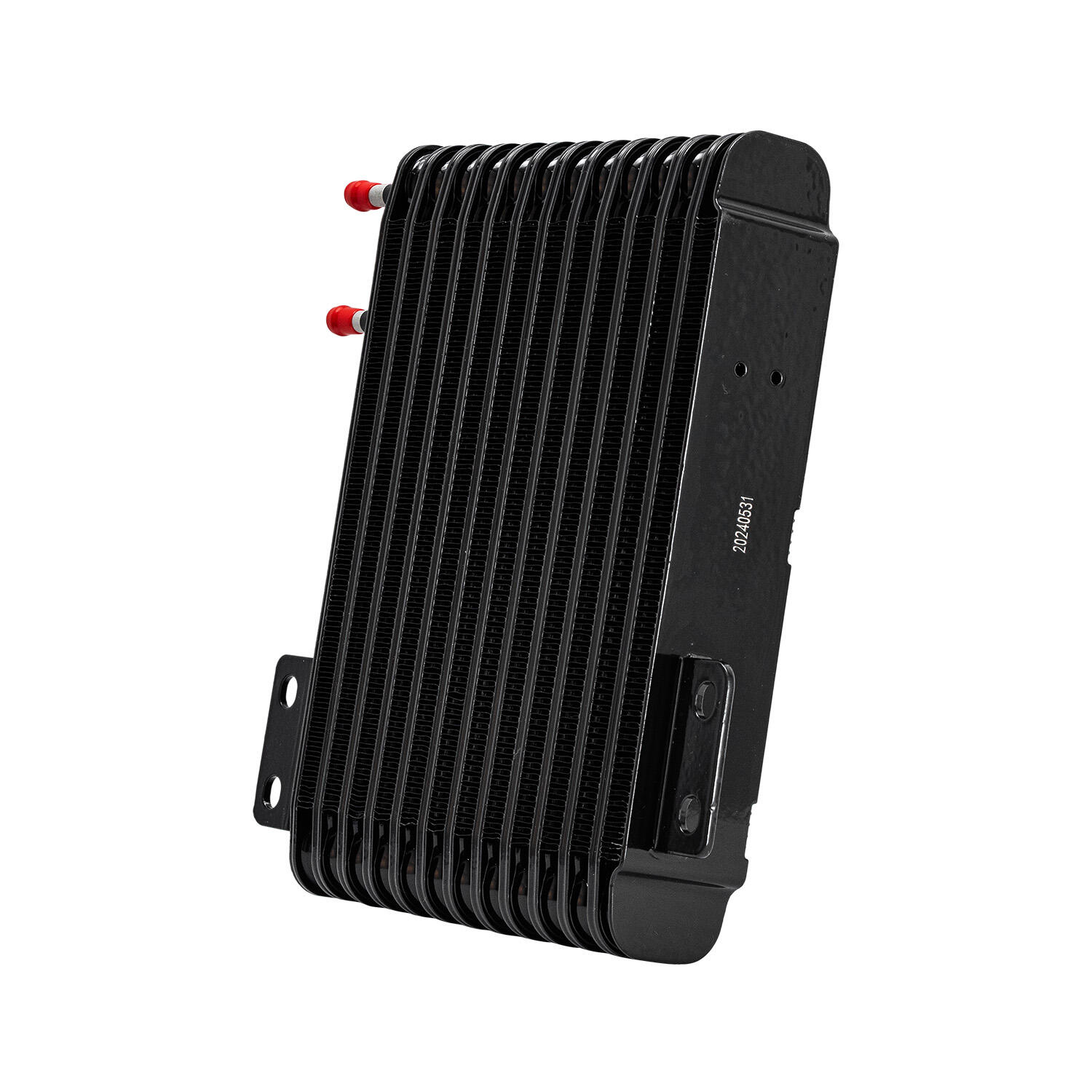
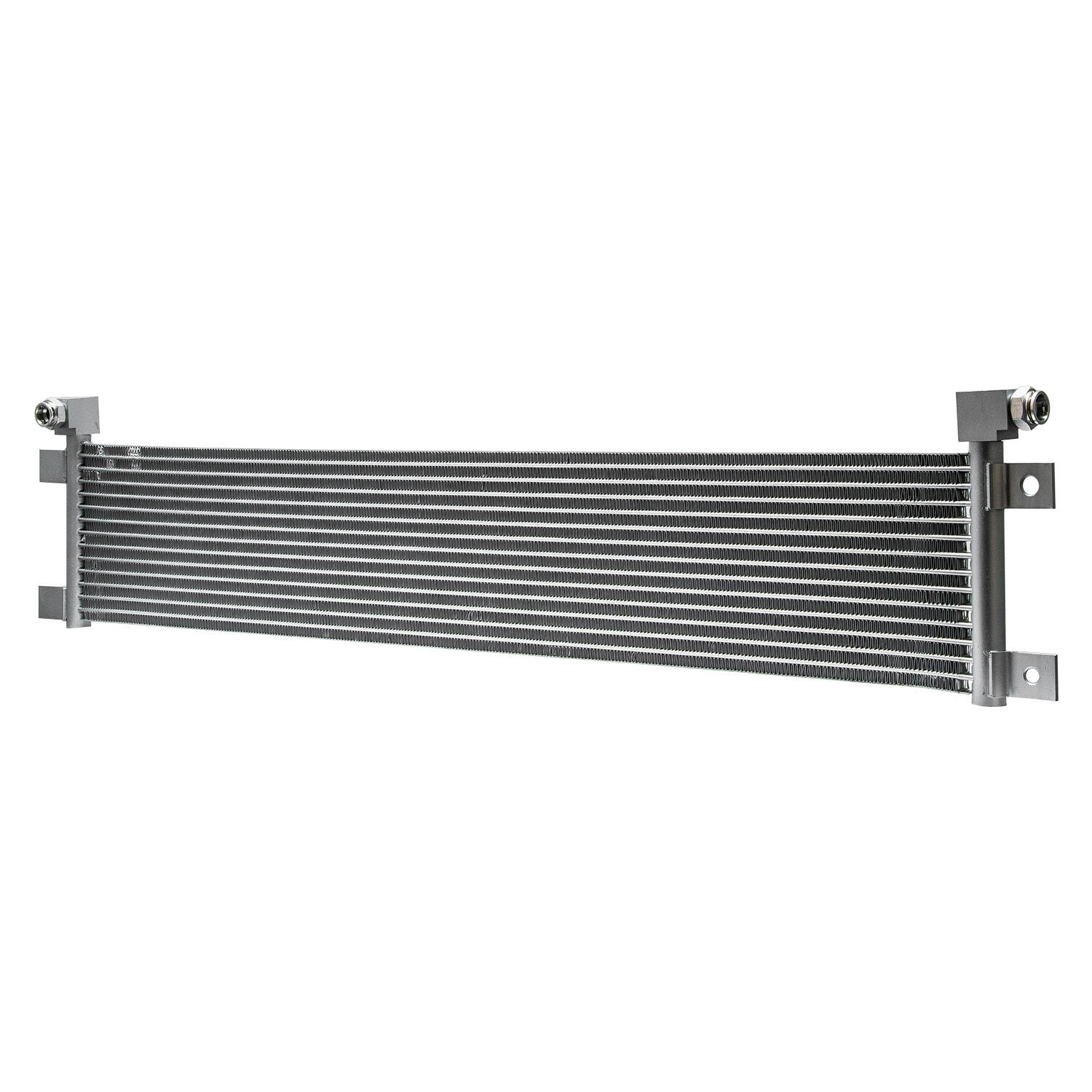
Extended Equipment Lifespan Through Consistent Temperature Control
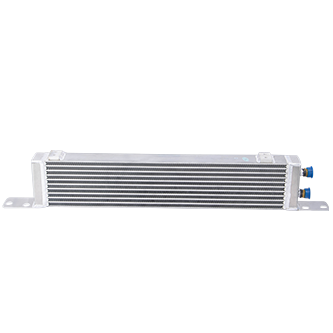
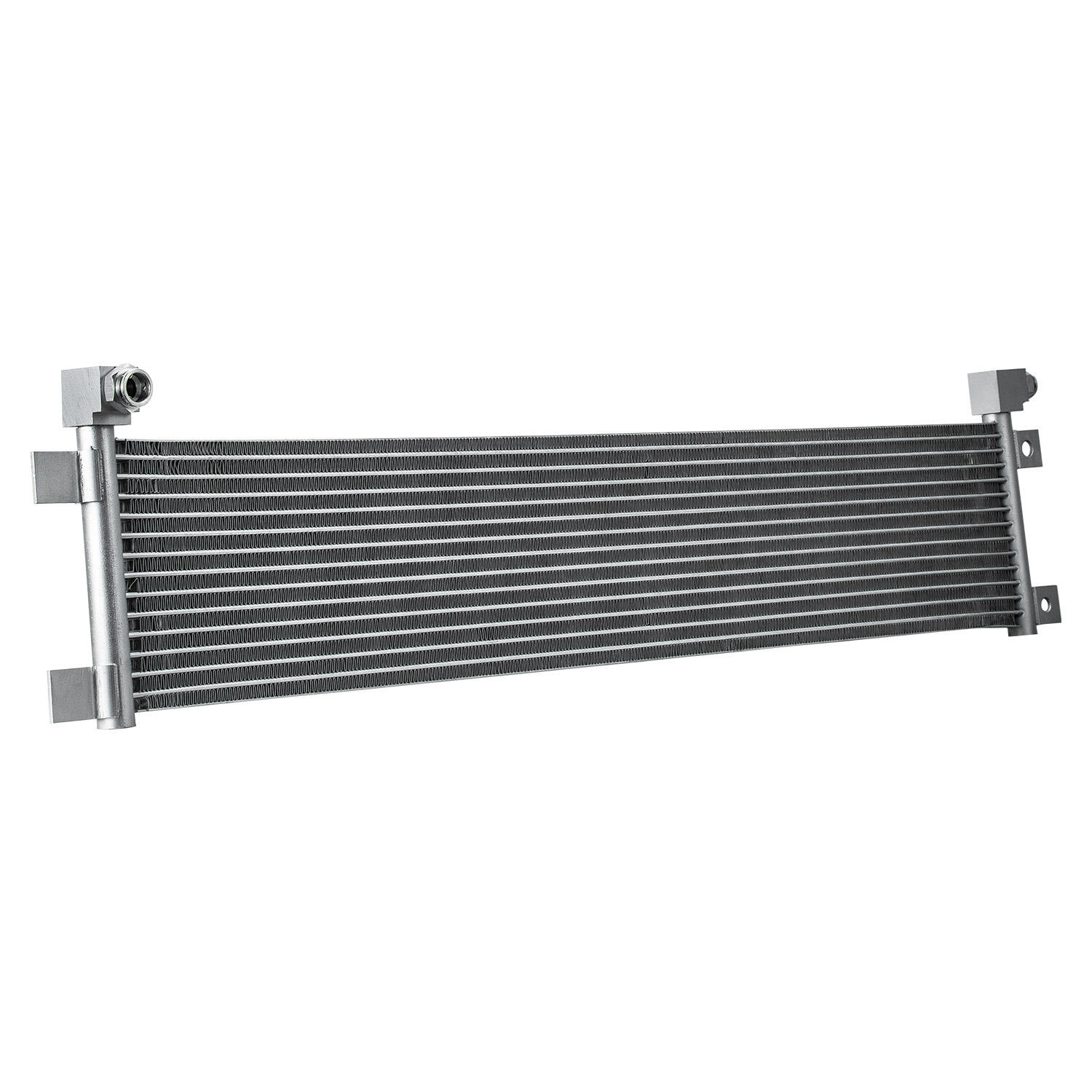
The long-term value proposition of a mini oil cooler centers on its ability to preserve expensive mechanical components through precise thermal regulation. Oil serves multiple critical functions within engines, transmissions, and hydraulic systems, acting simultaneously as lubricant, coolant, seal conditioner, and contaminant carrier. Each of these functions degrades rapidly when oil temperatures exceed design parameters, triggering a cascade of detrimental effects that accelerate wear and reduce reliability. Excessive heat causes oil molecules to break down through oxidation, a chemical process that permanently alters lubricant properties and creates acidic byproducts that corrode metal surfaces. This degradation manifests as darkening oil color, increased viscosity from polymerization, and formation of sludge deposits that restrict oil passages and starve components of lubrication. A mini oil cooler interrupts this destructive process by maintaining oil within its optimal temperature window, typically between one hundred eighty and two hundred twenty degrees Fahrenheit for most automotive applications. Within this range, oil maintains its designed viscosity grade, ensuring proper film strength between moving parts while flowing freely through galleries and passages. The consistent lubrication film prevents metal-to-metal contact that generates wear particles, reduces friction losses that waste power as heat, and maintains seal integrity by preventing hardening or swelling from temperature extremes. Bearing surfaces particularly benefit from controlled oil temperatures, as these precision components rely on hydrodynamic lubrication where oil pressure creates a separating film between journal and bearing material. Temperature spikes thin this protective layer, allowing contact that scores surfaces and introduces clearance that leads to noise, vibration, and eventual failure. Transmission clutch packs demonstrate similar sensitivity to thermal conditions, with friction material bonding agents degrading under heat and causing slippage, harsh engagement, or complete failure. The mini oil cooler extends clutch life significantly by preventing the temperature excursions that damage these components during towing, performance driving, or stop-and-go traffic operation. Hydraulic systems gain reliability improvements from stable oil temperatures, as viscosity consistency ensures predictable actuator response and prevents seal leakage that occurs when thermal expansion exceeds design tolerances. The cumulative effect of proper oil cooling manifests in measurably extended service intervals, with many users reporting doubled or tripled component lifespans compared to uncooled systems operating under identical conditions. This longevity translates into substantial cost savings over equipment lifetime, as major repairs and rebuilds occur less frequently and routine maintenance becomes more predictable. The investment in a quality mini oil cooler typically recovers within the first prevented failure, with all subsequent operation representing pure economic benefit through avoided downtime, reduced parts consumption, and maintained resale value of well-maintained equipment.