Professional Gearbox Oil Cooler Systems - Advanced Transmission Cooling Solutions

All Categories

Get a Free Quote

Our representative will contact you soon.
Email
Name
Company Name
WhatsApp
Message
0/1000

gearbox oil cooler

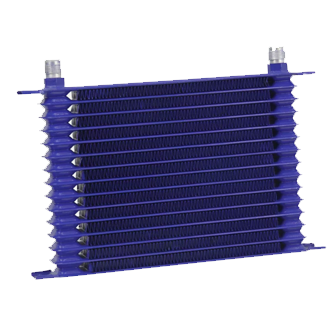
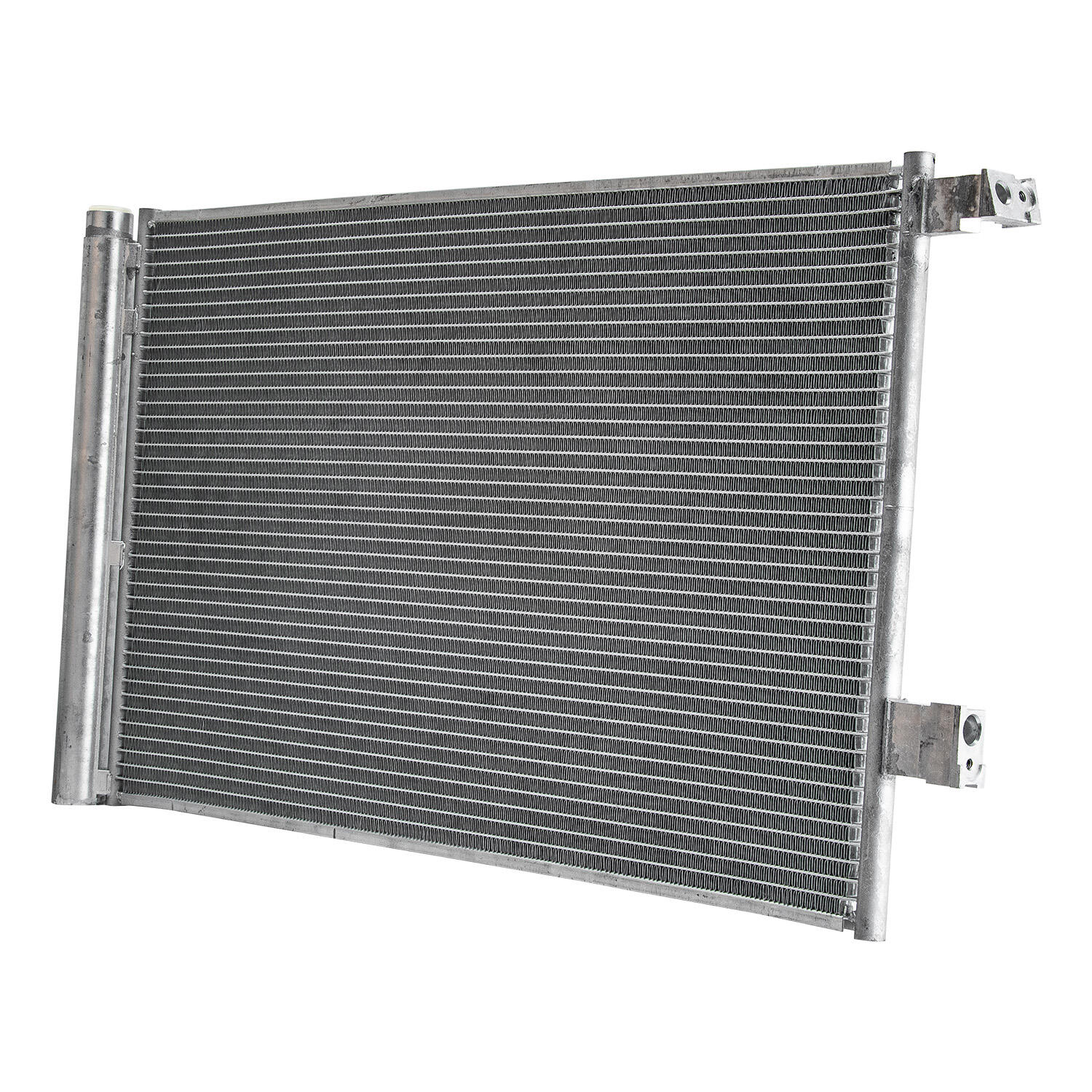
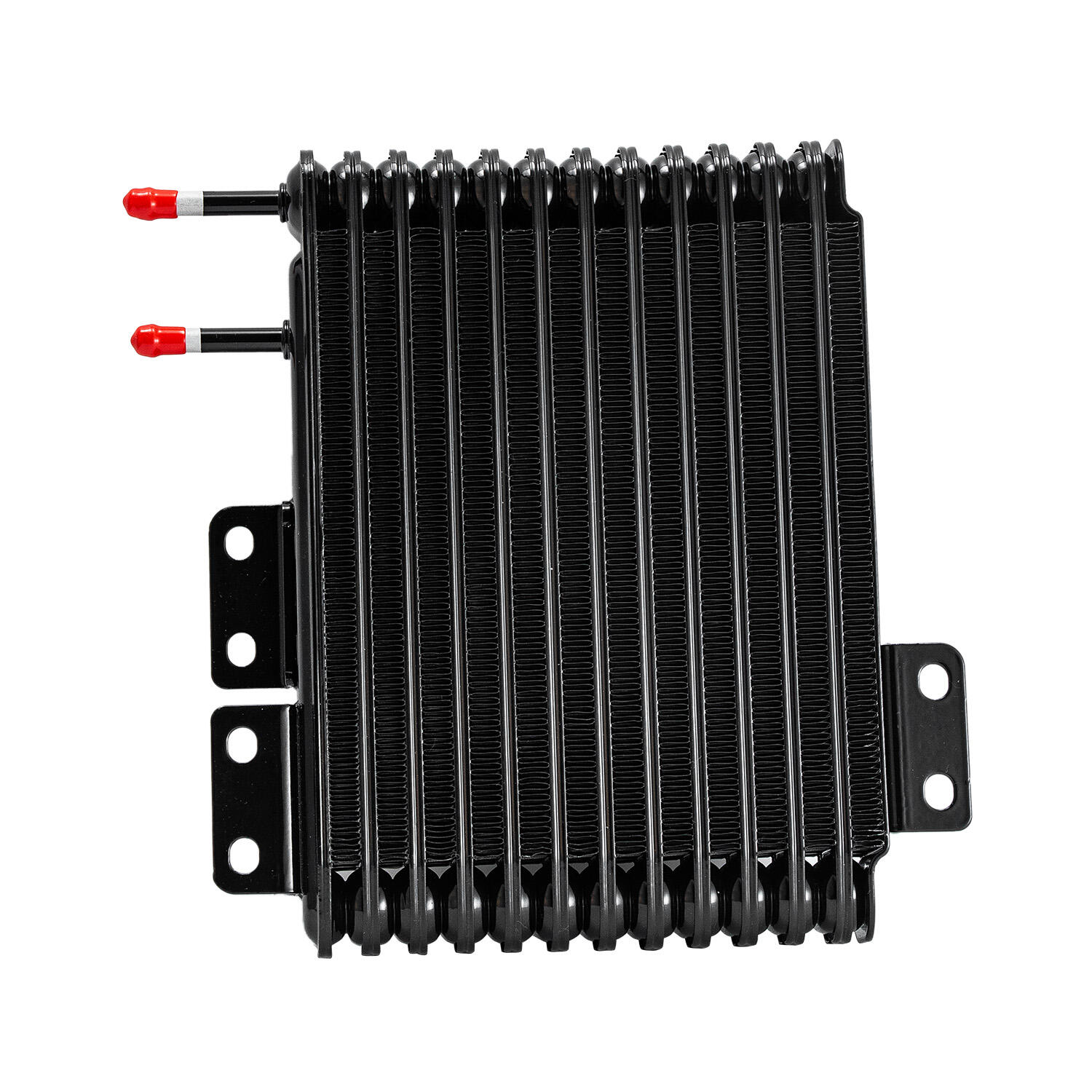
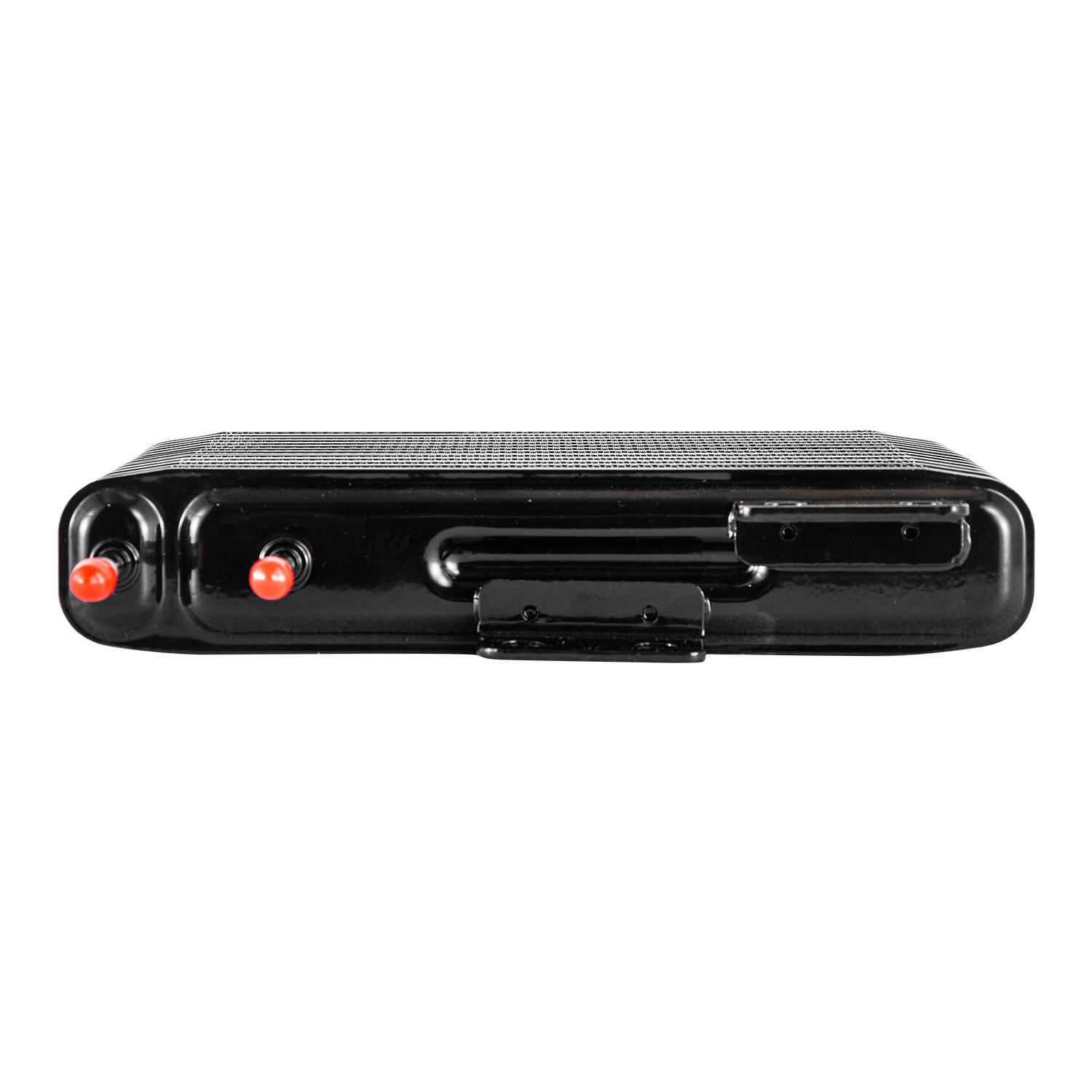
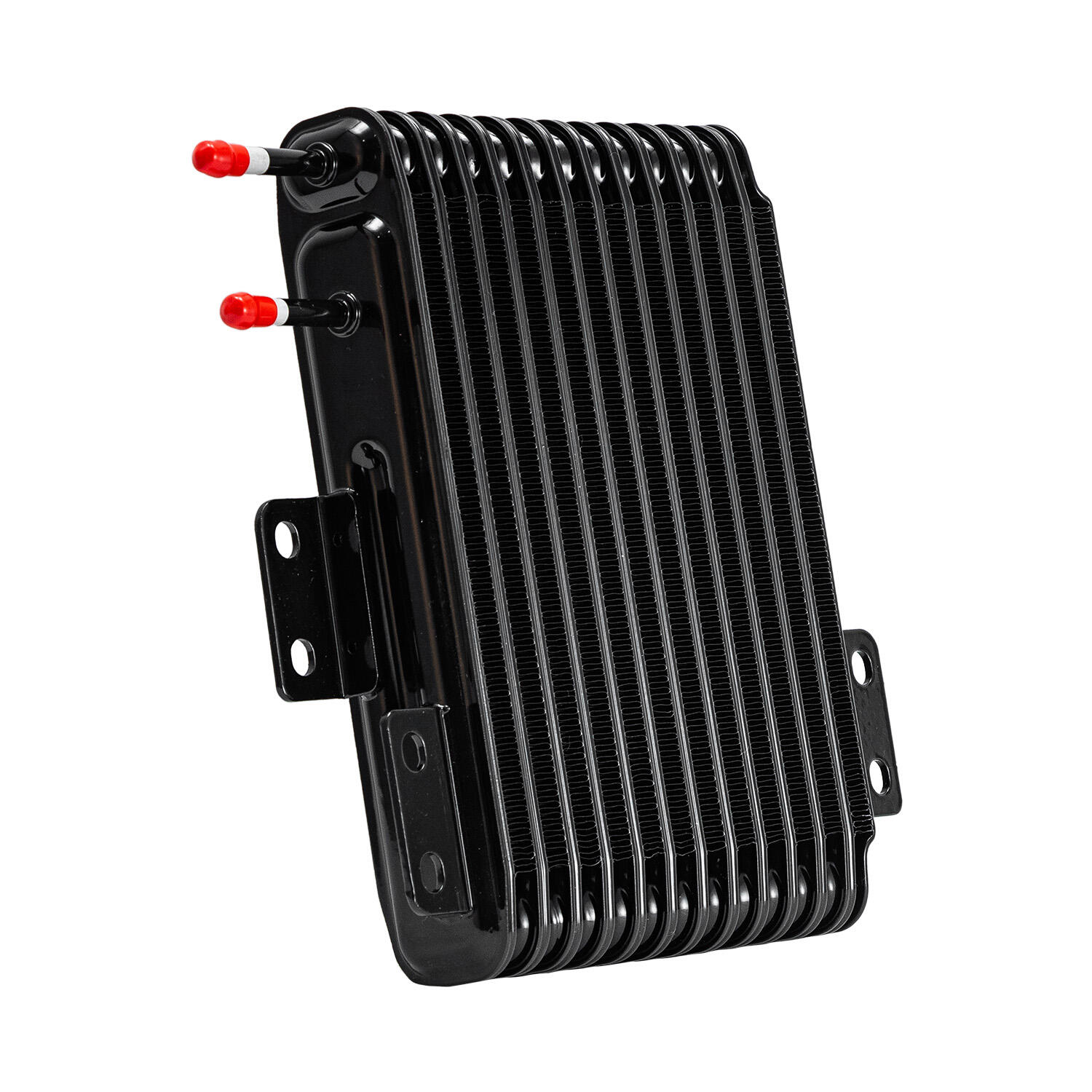
A gearbox oil cooler represents an essential thermal management component designed to regulate transmission fluid temperatures in automotive, industrial, and marine applications. This sophisticated cooling system prevents transmission overheating by maintaining optimal operating temperatures, thereby extending equipment lifespan and ensuring reliable performance under demanding conditions. The gearbox oil cooler functions as a heat exchanger, transferring excess thermal energy from transmission fluid to ambient air or coolant systems through advanced engineering principles. Modern gearbox oil cooler designs incorporate aluminum construction with enhanced fin configurations that maximize surface area for superior heat dissipation. These units feature precision-engineered flow paths that create turbulent mixing patterns, promoting efficient thermal transfer while minimizing pressure drop across the system. The technological architecture of contemporary gearbox oil cooler systems includes integrated mounting brackets, reinforced inlet and outlet connections, and corrosion-resistant coatings that withstand harsh operating environments. Advanced manufacturing techniques ensure consistent wall thickness and optimal flow distribution throughout the gearbox oil cooler core structure. Temperature regulation capabilities typically range from maintaining fluid temperatures between 160-200 degrees Fahrenheit, preventing both overheating and excessive cooling that could affect transmission performance. Applications span across heavy-duty trucks, construction equipment, agricultural machinery, racing vehicles, and industrial gear systems where thermal management proves critical. The gearbox oil cooler integrates seamlessly with existing transmission systems through standardized fitting configurations and flexible installation options. Quality gearbox oil cooler units undergo rigorous testing procedures including pressure testing, thermal cycling, and vibration resistance evaluation to ensure reliability. Environmental considerations drive modern gearbox oil cooler development, with manufacturers focusing on recyclable materials and energy-efficient designs that reduce overall system power consumption while maintaining superior cooling performance standards.

New Product Releases

The primary advantage of installing a gearbox oil cooler lies in its ability to significantly extend transmission service life by maintaining consistent operating temperatures. When transmission fluid operates within optimal temperature ranges, it retains its lubricating properties longer, reducing internal component wear and preventing costly repairs. A quality gearbox oil cooler prevents fluid breakdown that occurs when temperatures exceed manufacturer specifications, saving vehicle owners thousands in potential transmission replacement costs. Enhanced fuel efficiency represents another compelling benefit, as cooler transmission fluid maintains proper viscosity, reducing internal friction and allowing the transmission to operate more efficiently. This improved efficiency translates directly into reduced fuel consumption and lower operating costs over the vehicle's lifetime. The gearbox oil cooler installation process typically requires minimal modifications to existing systems, making it an accessible upgrade for most applications. Performance enthusiasts particularly benefit from gearbox oil cooler systems during high-stress driving conditions such as towing heavy loads, mountainous terrain navigation, or competitive racing scenarios where standard cooling may prove inadequate. Reliability improvements become evident through reduced transmission slippage, smoother shifting operations, and extended service intervals between fluid changes. The gearbox oil cooler design prevents thermal shock damage that can occur during rapid temperature fluctuations, maintaining consistent performance regardless of external conditions. Maintenance requirements remain minimal, with most gearbox oil cooler systems requiring only periodic inspection and cleaning to maintain peak performance. Commercial fleet operators report significant cost savings through reduced downtime and extended component lifecycles after implementing gearbox oil cooler solutions. The technology proves particularly valuable in extreme climate conditions where ambient temperatures stress cooling systems beyond normal capacity. Installation flexibility allows for custom mounting configurations that accommodate various vehicle layouts without compromising accessibility for routine maintenance procedures. Modern gearbox oil cooler units feature durable construction materials that resist corrosion, vibration, and impact damage common in demanding operational environments. The investment in a quality gearbox oil cooler system typically pays for itself through reduced maintenance costs and improved equipment reliability within the first year of operation.

Practical Tips

AC Condenser Maintenance Guide 2025: Extend Your Unit's Lifespan

27

Aug

AC Condenser Maintenance Guide 2025: Extend Your Unit's Lifespan

Essential Guide to Maintaining Your Air Conditioning System's Heart The condenser unit is the beating heart of your air conditioning system, working tirelessly to keep your space cool and comfortable. Regular AC condenser maintenance isn't just about...
View More
Best Intercooler Upgrades for 2025 Performance Modifications

26

Sep

Best Intercooler Upgrades for 2025 Performance Modifications

Maximizing Engine Performance Through Advanced Cooling Technology The automotive performance landscape is witnessing a revolutionary transformation in 2025, with intercooler upgrades taking center stage in the quest for optimal engine efficiency. As ...
View More
How Intercooler Efficiency Impacts 2025 Hybrid Vehicle Performance

19

Oct

How Intercooler Efficiency Impacts 2025 Hybrid Vehicle Performance

The Evolution of Thermal Management in Modern Hybrid Powertrains As automotive technology races forward into 2025, intercooler efficiency has emerged as a critical factor in determining hybrid vehicle performance. The integration of advanced intercoo...
View More
How does an AC condenser improve vehicle cooling system performance?

27

Jan

How does an AC condenser improve vehicle cooling system performance?

Modern vehicle air conditioning systems rely on several critical components working together to maintain optimal cabin temperatures, with the ac condenser serving as one of the most essential elements in this complex cooling process. Understanding ho...
View More

Get a Free Quote

Our representative will contact you soon.
Email
Name
Company Name
WhatsApp
Message
0/1000

gearbox oil cooler

Advanced Heat Dissipation Technology

Advanced Heat Dissipation Technology

The sophisticated heat dissipation technology incorporated in modern gearbox oil cooler systems represents a breakthrough in thermal management engineering that delivers unprecedented cooling efficiency. This advanced technology utilizes multi-pass flow configurations combined with optimized fin density patterns that maximize heat transfer surface area while maintaining compact dimensions suitable for various installation requirements. The gearbox oil cooler employs turbulated internal passages that create controlled fluid mixing, dramatically increasing heat transfer coefficients compared to traditional smooth-tube designs. Advanced computational fluid dynamics modeling guides the development of these internal geometries, ensuring optimal thermal performance across varying flow rates and temperature differentials. The innovative fin design features precisely calculated spacing and height ratios that promote enhanced air circulation while minimizing pressure drop penalties that could affect system performance. Specialized alloy compositions used in gearbox oil cooler construction provide superior thermal conductivity properties, enabling rapid heat transfer from transmission fluid to the cooling medium. The technology incorporates multi-layer brazing techniques that create seamless thermal paths throughout the gearbox oil cooler core, eliminating hot spots and ensuring uniform temperature distribution. Advanced surface treatments applied to internal passages reduce friction losses while preventing deposit formation that could impair long-term cooling effectiveness. This cutting-edge heat dissipation technology proves particularly beneficial in high-performance applications where traditional cooling methods fail to maintain adequate temperature control. The gearbox oil cooler design integrates seamlessly with existing thermal management systems, providing supplemental cooling capacity without requiring extensive system modifications. Quality assurance protocols validate thermal performance through comprehensive testing procedures that simulate real-world operating conditions across temperature extremes. The result is a gearbox oil cooler system that consistently maintains transmission fluid within optimal operating ranges, regardless of external stress factors or ambient conditions.
Robust Construction and Durability Features

Robust Construction and Durability Features

The exceptional construction quality and durability features of professional-grade gearbox oil cooler systems ensure reliable performance throughout extended service lifecycles, even under the most demanding operational conditions. Premium gearbox oil cooler units utilize aerospace-grade aluminum alloys that provide optimal strength-to-weight ratios while delivering superior corrosion resistance properties essential for long-term reliability. The manufacturing process employs precision welding techniques that create leak-proof joints capable of withstanding extreme pressure differentials and thermal cycling stresses common in transmission applications. Advanced gearbox oil cooler designs incorporate reinforced mounting tabs and structural supports that prevent vibration-induced fatigue failures, ensuring secure installation across various vehicle platforms and industrial equipment configurations. The internal construction features carefully engineered flow distributors that eliminate pressure concentration points while promoting uniform fluid distribution throughout the gearbox oil cooler core matrix. Quality control measures include comprehensive pressure testing protocols that verify structural integrity under conditions exceeding normal operating parameters, guaranteeing reliability in critical applications. The external protective coatings applied to gearbox oil cooler surfaces provide enhanced resistance against environmental factors including salt spray, chemical exposure, and abrasive conditions that commonly affect cooling system components. Integrated debris guards and protective screens prevent foreign material contamination that could compromise cooling efficiency or cause internal damage to sensitive heat transfer surfaces. The modular design approach enables straightforward replacement or upgrading procedures without requiring complete system overhaul, reducing maintenance complexity and associated downtime costs. Professional-grade gearbox oil cooler systems undergo accelerated lifecycle testing that simulates years of operation within compressed timeframes, validating long-term performance expectations. The robust construction methodology ensures consistent thermal performance throughout the service life, maintaining efficiency ratings even after extended exposure to harsh operating environments. This superior durability translates directly into reduced total cost of ownership through extended service intervals and decreased replacement frequency compared to standard cooling solutions.
Versatile Application Compatibility

Versatile Application Compatibility

The remarkable versatile application compatibility of modern gearbox oil cooler systems enables seamless integration across diverse industries and equipment types, making thermal management solutions accessible for virtually any transmission cooling requirement. This comprehensive compatibility stems from standardized connection interfaces and flexible mounting configurations that accommodate everything from compact passenger vehicles to massive industrial machinery installations. The gearbox oil cooler design philosophy emphasizes adaptability, featuring adjustable mounting brackets and multiple inlet/outlet orientations that simplify installation procedures regardless of space constraints or existing system layouts. Advanced gearbox oil cooler models include comprehensive fitting kits with various adapter configurations, enabling direct replacement of existing cooling components without requiring extensive system modifications or custom fabrication work. The scalable design approach allows for multiple gearbox oil cooler units to be connected in series or parallel configurations, providing enhanced cooling capacity for high-demand applications such as heavy-duty commercial vehicles or industrial processing equipment. Automotive applications benefit from gearbox oil cooler systems specifically designed to integrate with factory cooling circuits, maintaining warranty compliance while providing superior thermal management capabilities. Marine applications utilize specialized gearbox oil cooler configurations that resist saltwater corrosion while providing reliable cooling performance in challenging maritime environments. The agricultural sector relies on robust gearbox oil cooler solutions that withstand exposure to dust, debris, and extreme temperature variations common in farming operations. Racing and high-performance applications demand gearbox oil cooler systems capable of managing extreme thermal loads while maintaining compact dimensions that minimize weight penalties. Industrial equipment manufacturers specify gearbox oil cooler components that integrate seamlessly with automated control systems, enabling precise temperature regulation and monitoring capabilities. The modular approach facilitates custom configurations tailored to specific application requirements, ensuring optimal performance across varied operational parameters. This extensive compatibility reduces inventory requirements for service facilities while simplifying specification processes for equipment manufacturers and end-users seeking reliable thermal management solutions.
Get a Quote Get a Quote Email Email WhatsApp WhatsApp WeChat WeChat
WeChat
TopTop

Get a Free Quote

Our representative will contact you soon.
Email
Name
Company Name
WhatsApp
Message
0/1000

Get a Free Quote

Our representative will contact you soon.
Email
Name
Company Name
WhatsApp
Message
0/1000

Get a Free Quote

Our representative will contact you soon.
Email
Name
Company Name
WhatsApp
Message
0/1000