
 EN
EN
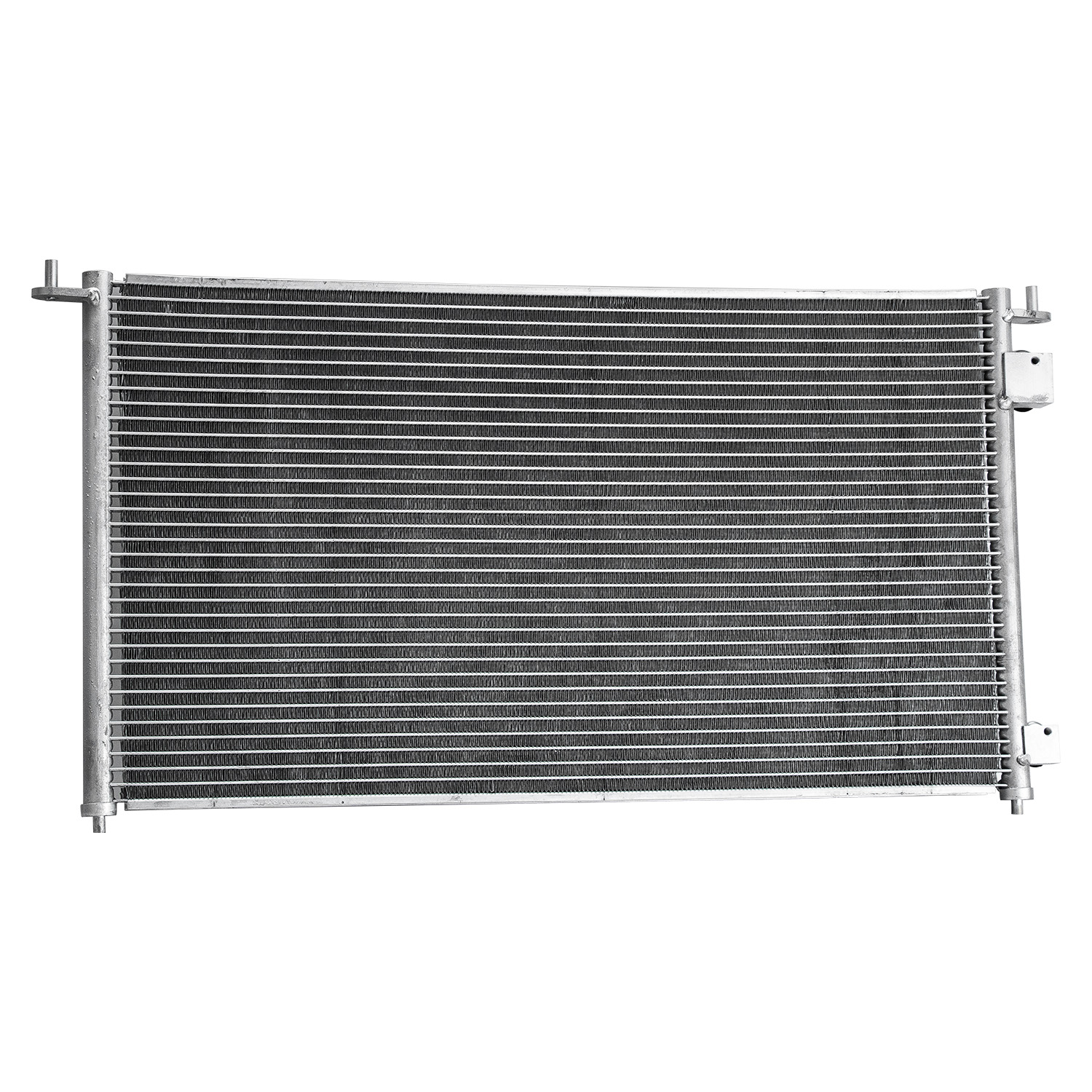
Modern vehicle air conditioning systems rely on several critical components working together to maintain optimal cabin temperatures, with the ac condenser serving as one of the most essential elements in this complex cooling process. Understanding how an ac condenser functions within your vehicle's cooling system can help you appreciate its importance and recognize when maintenance or replacement might be necessary. The ac condenser plays a pivotal role in transforming refrigerant from a high-pressure gas into a liquid state, enabling the entire cooling cycle to operate efficiently and effectively throughout your driving experience.
Understanding AC Condenser Fundamentals in Vehicle Cooling Systems
Basic Operating Principles of Automotive AC Condensers
The ac condenser operates on fundamental thermodynamic principles that involve heat transfer and phase changes of refrigerant materials. When hot, high-pressure refrigerant gas enters the condenser from the compressor, it encounters a network of tubes and fins designed to maximize surface area for heat dissipation. The condenser's aluminum construction provides excellent thermal conductivity, allowing heat to transfer efficiently from the refrigerant to the surrounding air. As the refrigerant releases heat energy, its temperature drops and it begins to condense from a gaseous state into a liquid form, which is essential for the cooling cycle to continue effectively.
The positioning of the ac condenser at the front of the vehicle, typically behind the grille and in front of the radiator, ensures maximum airflow exposure during vehicle operation. This strategic placement allows ambient air to flow through the condenser's fins and tubes, carrying away the heat absorbed from the refrigerant. The condenser's design incorporates multiple parallel tubes with serpentine paths that increase the time refrigerant spends within the heat exchange zone, maximizing the cooling effect and ensuring complete phase transition from gas to liquid state.
Heat Exchange Mechanisms and Refrigerant Flow Dynamics
Within the ac condenser, refrigerant follows a carefully engineered path that optimizes heat transfer efficiency while maintaining proper pressure levels throughout the system. The high-pressure refrigerant gas enters through the inlet connection and travels through a series of parallel tubes, each surrounded by thin aluminum fins that increase surface area exponentially. These fins act as heat sinks, absorbing thermal energy from the refrigerant and transferring it to the surrounding air through convection and conduction processes.
The flow dynamics within an ac condenser are designed to create turbulence that enhances heat transfer rates while preventing pressure drops that could compromise system performance. Modern condensers incorporate multi-pass designs where refrigerant changes direction several times, ensuring thorough heat exchange before exiting as a high-pressure liquid. This liquid refrigerant then flows to the receiver-drier or accumulator, where any remaining moisture is removed before continuing to the expansion valve or orifice tube for the next phase of the cooling cycle.
Performance Enhancement Through Advanced Condenser Design
Aluminum Construction Benefits and Thermal Efficiency
Modern ac condenser units utilize advanced aluminum alloys that provide superior thermal conductivity compared to traditional copper-brass constructions while offering significant weight savings and corrosion resistance. The aluminum tubes and fins are typically manufactured using specialized forming processes that create optimal internal geometries for refrigerant flow and external surfaces for air heat transfer. These design improvements result in condensers that can handle higher refrigerant pressures while maintaining excellent heat dissipation capabilities across various operating conditions.
The micro-channel design found in contemporary ac condenser units represents a significant advancement in heat exchanger technology, featuring numerous small parallel channels that increase surface area while reducing refrigerant volume requirements. This configuration allows for more efficient heat transfer per unit volume, enabling manufacturers to create more compact condensers that still deliver superior cooling performance. The reduced refrigerant charge also contributes to environmental benefits while maintaining system effectiveness across different ambient temperature ranges.
Integration with Vehicle Cooling System Components
The ac condenser must work harmoniously with other vehicle cooling system components to achieve optimal overall performance, including proper integration with the radiator, cooling fans, and air ducting systems. Strategic positioning ensures that airflow patterns complement rather than compete with radiator cooling requirements, preventing thermal interference between these critical systems. Modern vehicles often incorporate dedicated condenser cooling fans or dual-purpose fans that serve both the ac condenser and engine radiator, optimizing electrical power consumption while maintaining adequate cooling capacity.
Proper mounting and vibration isolation of the ac condenser ensures long-term reliability while preventing stress-related failures that could compromise cooling system performance. The condenser mounting system must accommodate thermal expansion and contraction cycles while maintaining proper alignment with connecting refrigerant lines and airflow passages. Additionally, integration with vehicle crash management systems requires condensers to be designed with specific crush characteristics that protect occupants while minimizing refrigerant system damage during collision events.
Impact on Overall Vehicle Climate Control Performance
Cabin Temperature Regulation and Comfort Enhancement
An efficiently functioning ac condenser directly impacts cabin comfort by ensuring consistent refrigerant condensation that enables steady evaporator performance and reliable temperature control throughout the passenger compartment. When the condenser operates at peak efficiency, it maintains proper refrigerant pressure differentials that allow the expansion valve or orifice tube to meter refrigerant flow precisely, resulting in stable evaporator temperatures and consistent cooling output. This stability prevents the temperature fluctuations and inadequate cooling that can occur when condenser performance is compromised by debris, damage, or wear.
The capacity of an ac condenser to handle varying heat loads directly affects the system's ability to maintain desired cabin temperatures under different driving conditions and ambient weather scenarios. During highway driving, increased airflow through the condenser enhances its heat rejection capacity, allowing the system to operate more efficiently and potentially reducing compressor workload. Conversely, in stop-and-go traffic or extreme heat conditions, the condenser must rely more heavily on auxiliary cooling fans and its inherent thermal design to maintain adequate performance levels.
Energy Efficiency and Fuel Economy Considerations
A properly functioning ac condenser contributes significantly to overall system energy efficiency by ensuring that the compressor operates under optimal conditions with appropriate refrigerant pressures and temperatures. When the condenser effectively rejects heat and maintains proper refrigerant condensation, the compressor experiences reduced workload and operates more efficiently, consuming less engine power and improving fuel economy. Inefficient condenser operation forces the compressor to work harder, increasing fuel consumption and potentially leading to premature component wear throughout the air conditioning system.
Modern ac condenser designs incorporate features specifically aimed at reducing parasitic power losses while maintaining or improving cooling performance, including optimized fin geometries that reduce airflow resistance and advanced tube designs that minimize refrigerant pressure drops. These efficiency improvements can result in measurable fuel economy benefits, particularly during extended periods of air conditioning operation. The reduced electrical load on cooling fans due to improved condenser efficiency also contributes to overall vehicle electrical system optimization and battery life extension in hybrid and electric vehicles.
Maintenance Requirements and Performance Optimization
Cleaning and Inspection Procedures for Maximum Efficiency
Regular cleaning of the ac condenser is essential for maintaining optimal heat transfer performance, as accumulated debris, dirt, and insects can significantly reduce airflow and thermal efficiency over time. The condenser's front-mounted position makes it particularly susceptible to contamination from road debris, leaves, and other environmental factors that can block air passages between fins and reduce overall cooling capacity. Professional cleaning procedures typically involve carefully removing debris using compressed air or specialized cleaning solutions while avoiding damage to the delicate aluminum fins that are crucial for heat dissipation.
Visual inspection of the ac condenser should include checking for physical damage such as bent fins, cracked tubes, or corrosion that could compromise performance or lead to refrigerant leaks. Bent fins can be carefully straightened using appropriate tools, but extensive damage may require condenser replacement to restore proper airflow patterns. Regular inspection also involves checking refrigerant line connections for signs of leakage, wear, or corrosion that could affect system integrity and performance over time.
Signs of Condenser Problems and Performance Degradation
Several symptoms can indicate ac condenser problems that may be affecting overall cooling system performance, including reduced cooling capacity, increased compressor cycling frequency, and higher than normal refrigerant pressures during system operation. When the condenser cannot adequately reject heat, refrigerant temperatures and pressures remain elevated, forcing the compressor to work harder and potentially triggering protective systems that limit air conditioning operation. These symptoms often become more pronounced during hot weather or when the vehicle is operating under heavy load conditions.
Physical signs of ac condenser deterioration include visible corrosion, oil stains indicating refrigerant leaks, and damaged fins or tubes that compromise heat transfer efficiency. Unusual noises during air conditioning operation may also indicate problems with condenser mounting or interference with cooling fans that could affect performance. Early detection and correction of these issues can prevent more extensive system damage and maintain optimal cooling performance throughout the vehicle's service life.
FAQ
How often should an AC condenser be replaced in a vehicle
An ac condenser typically lasts between 8 to 12 years or 100,000 to 150,000 miles under normal operating conditions, though this can vary significantly based on driving environment, maintenance practices, and exposure to road debris or corrosive conditions. Vehicles operated primarily in dusty, sandy, or coastal environments may require more frequent condenser replacement due to accelerated corrosion or debris accumulation. Regular maintenance including cleaning and inspection can extend condenser life significantly, while neglect or damage from road debris may necessitate earlier replacement to maintain proper cooling system performance.
What are the main differences between aluminum and copper AC condensers
Aluminum ac condenser units offer superior corrosion resistance, lighter weight, and better recyclability compared to traditional copper-brass designs, while copper condensers historically provided better thermal conductivity and were easier to repair. Modern aluminum condensers have largely overcome the thermal conductivity disadvantage through advanced fin and tube designs that maximize surface area and optimize heat transfer coefficients. The weight reduction achieved with aluminum construction can improve fuel economy and reduce stress on mounting components, making aluminum the preferred choice for most contemporary vehicle applications.
Can a damaged AC condenser affect engine cooling performance
A damaged ac condenser can potentially impact engine cooling performance if debris from condenser failure blocks airflow to the radiator or if refrigerant leaks create contamination issues within the cooling system airflow path. However, under normal circumstances, the condenser and radiator operate independently with the condenser positioned in front to take advantage of cooler ambient air before it reaches the radiator. Proper system design ensures that condenser operation enhances rather than compromises overall vehicle thermal management, though severe condenser damage requiring emergency shutdown of the air conditioning system may reduce available cooling fan capacity in some vehicle configurations.
What role does the AC condenser play in refrigerant pressure regulation
The ac condenser serves as a critical pressure regulation component by providing the heat rejection necessary to condense high-pressure refrigerant gas into liquid form, which directly affects system pressure relationships throughout the cooling cycle. Efficient condenser operation maintains proper pressure differentials between the high-pressure and low-pressure sides of the system, enabling optimal refrigerant flow through expansion valves or orifice tubes. When condenser performance is compromised, elevated high-side pressures can trigger protective systems, reduce cooling capacity, and potentially cause compressor damage if not addressed promptly through proper maintenance or component replacement.