Automatic Transmission Oil Cooler: Essential Guide to Performance, Protection & Longevity

All Categories

Get a Free Quote

Our representative will contact you soon.
Email
Name
Company Name
WhatsApp
Message
0/1000

automatic transmission oil cooler

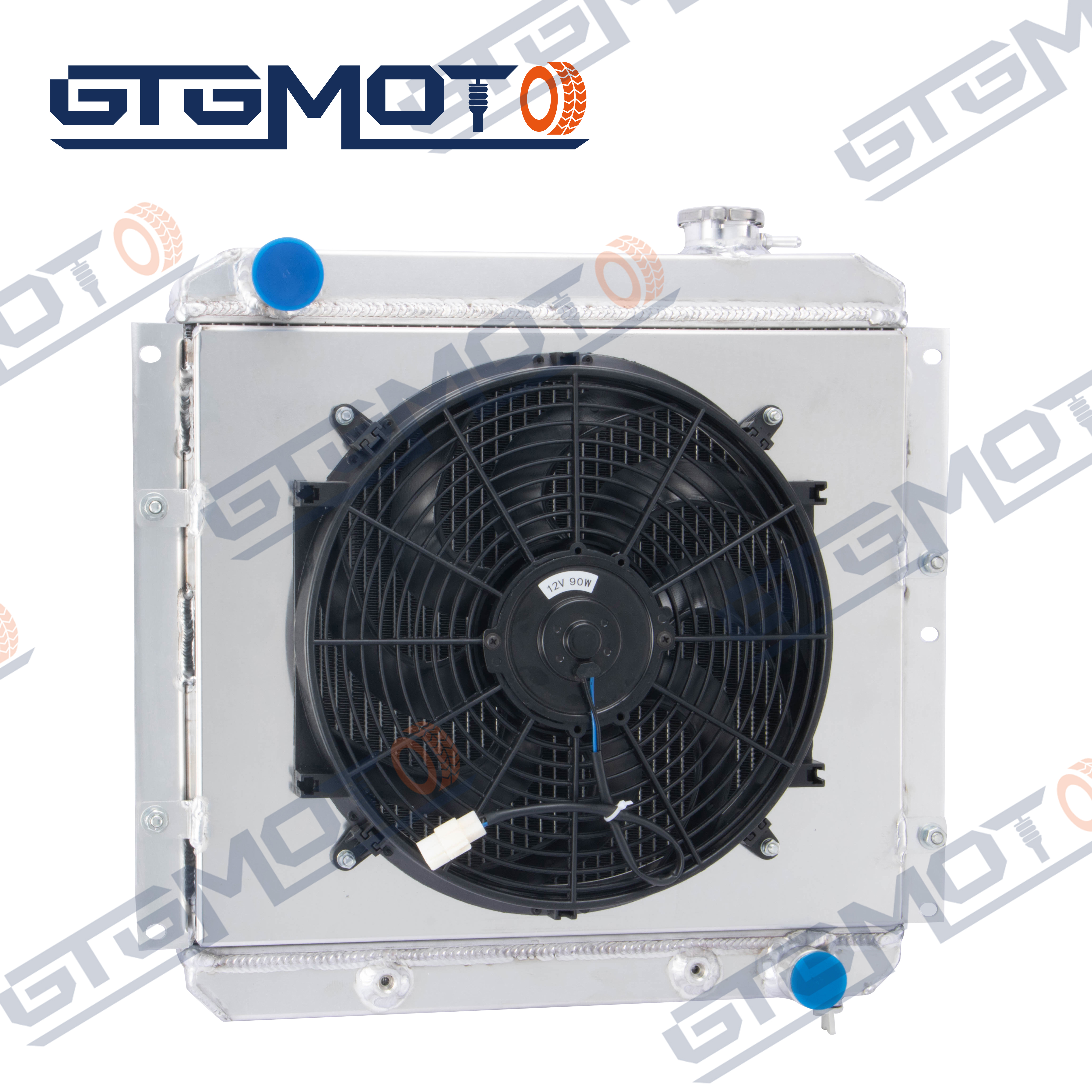
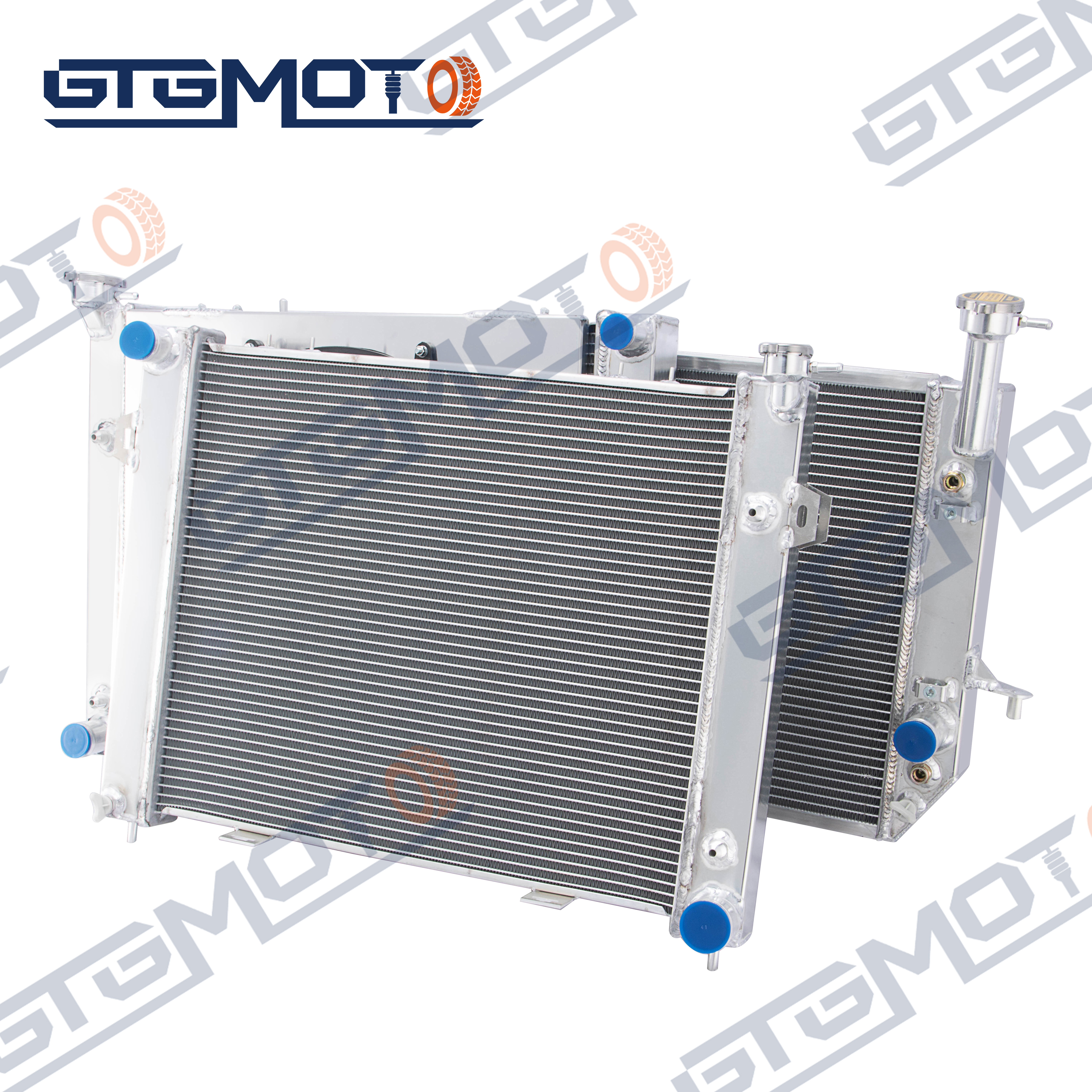
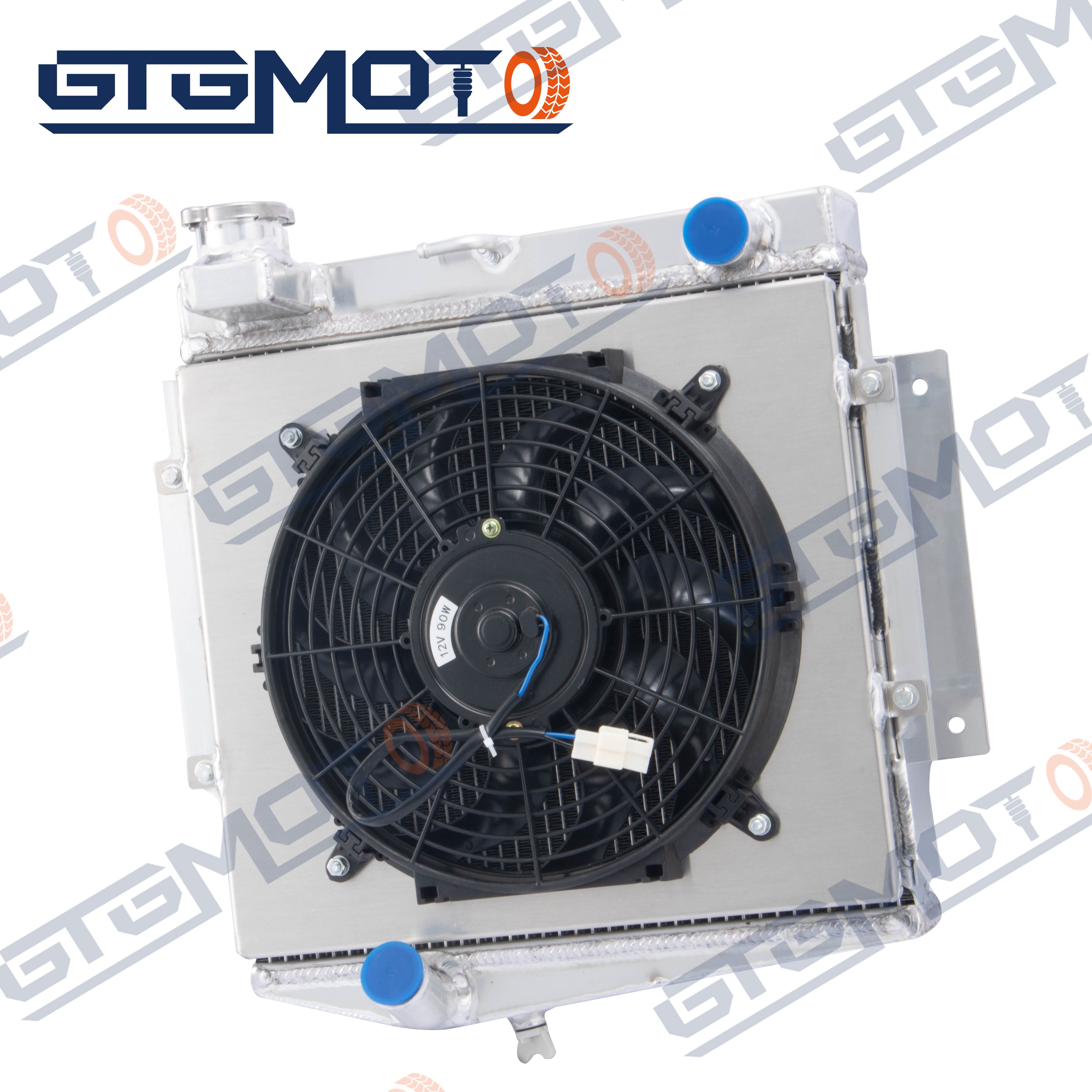
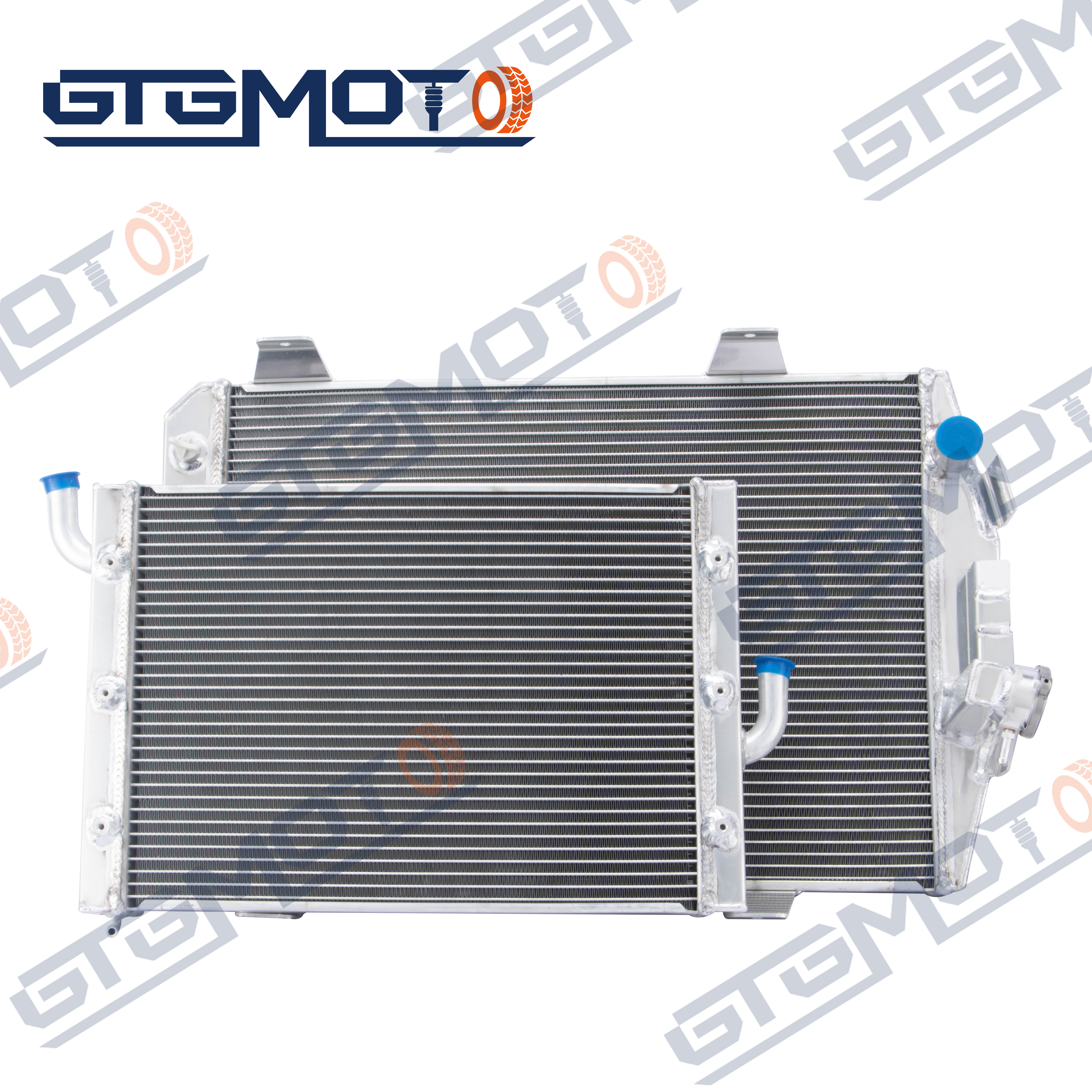
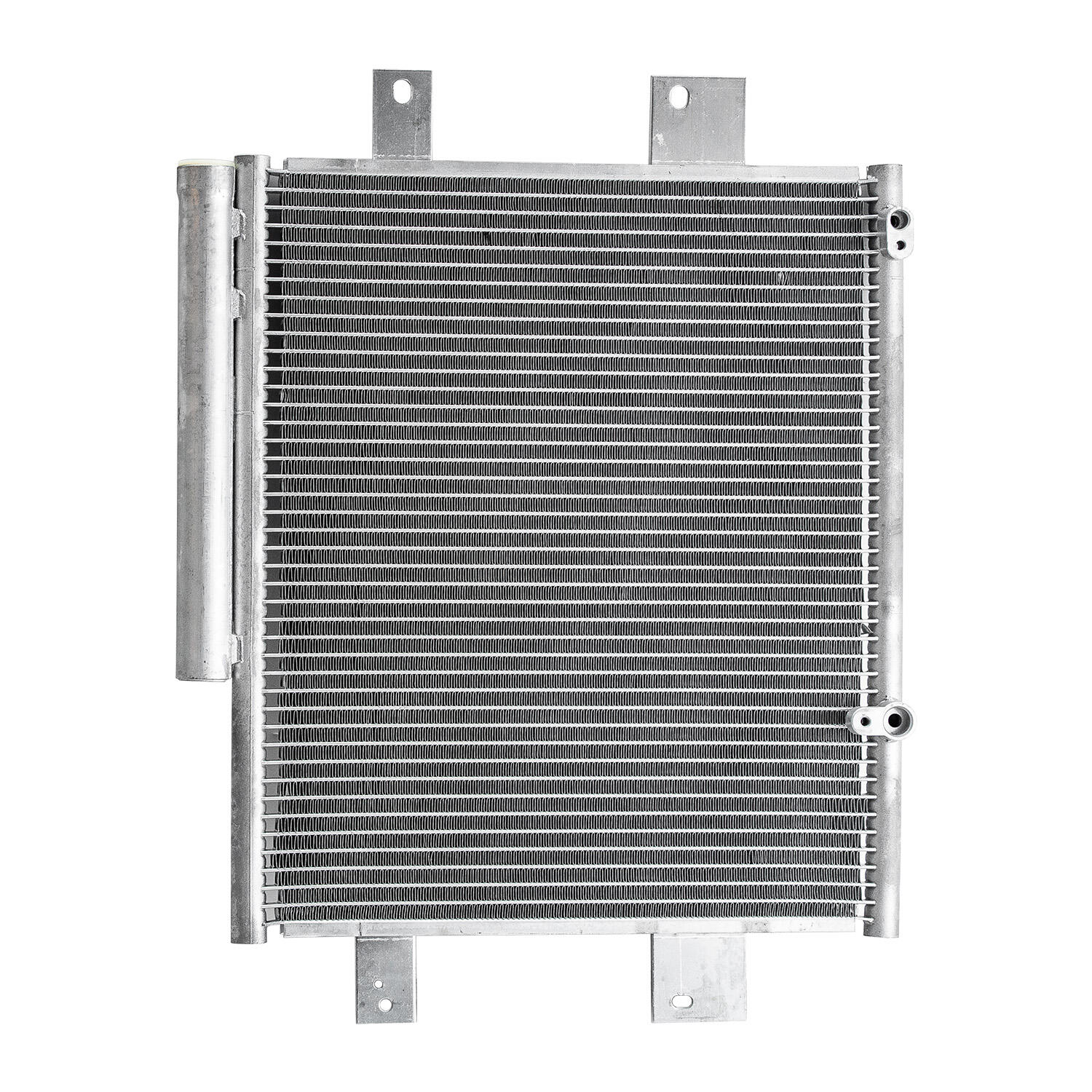
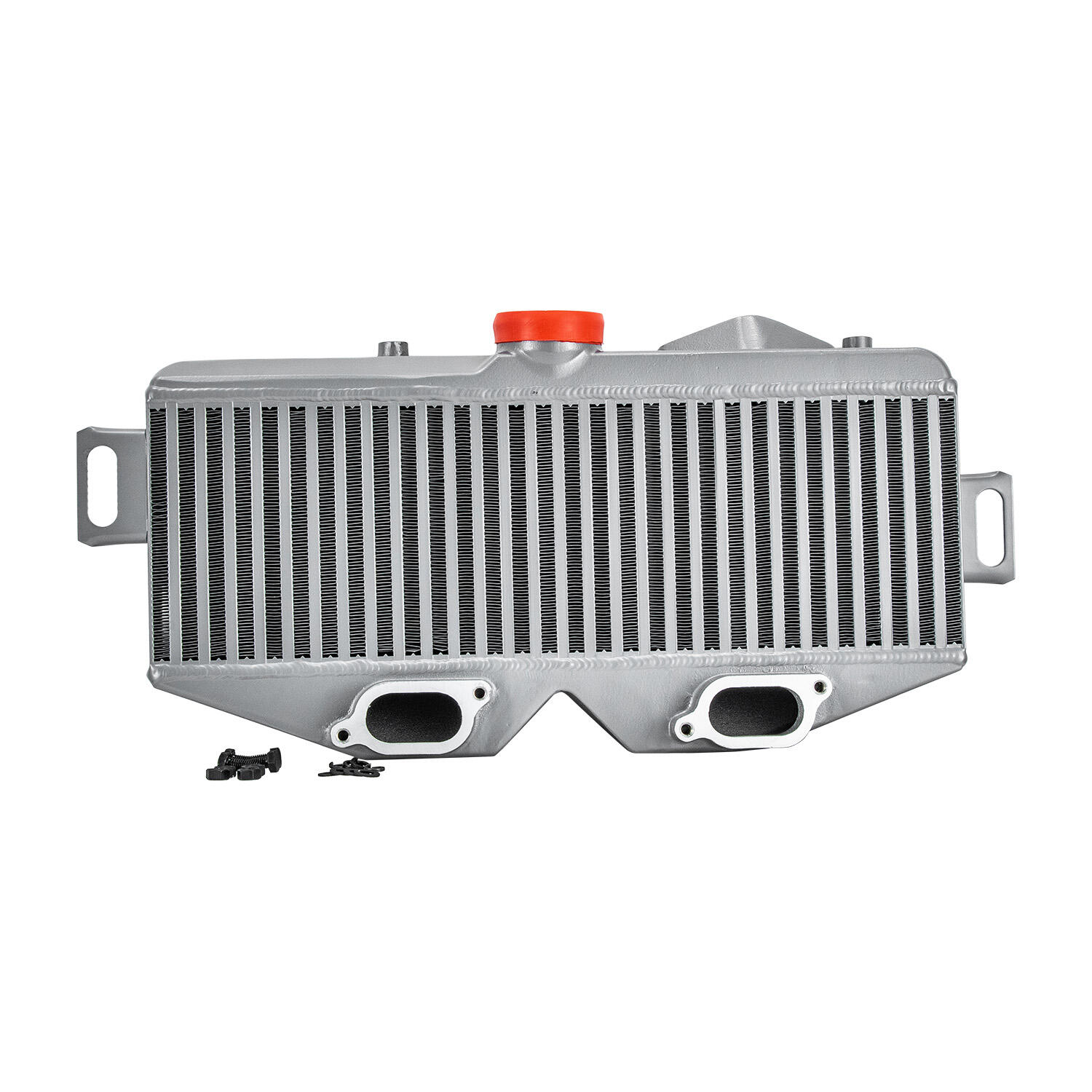
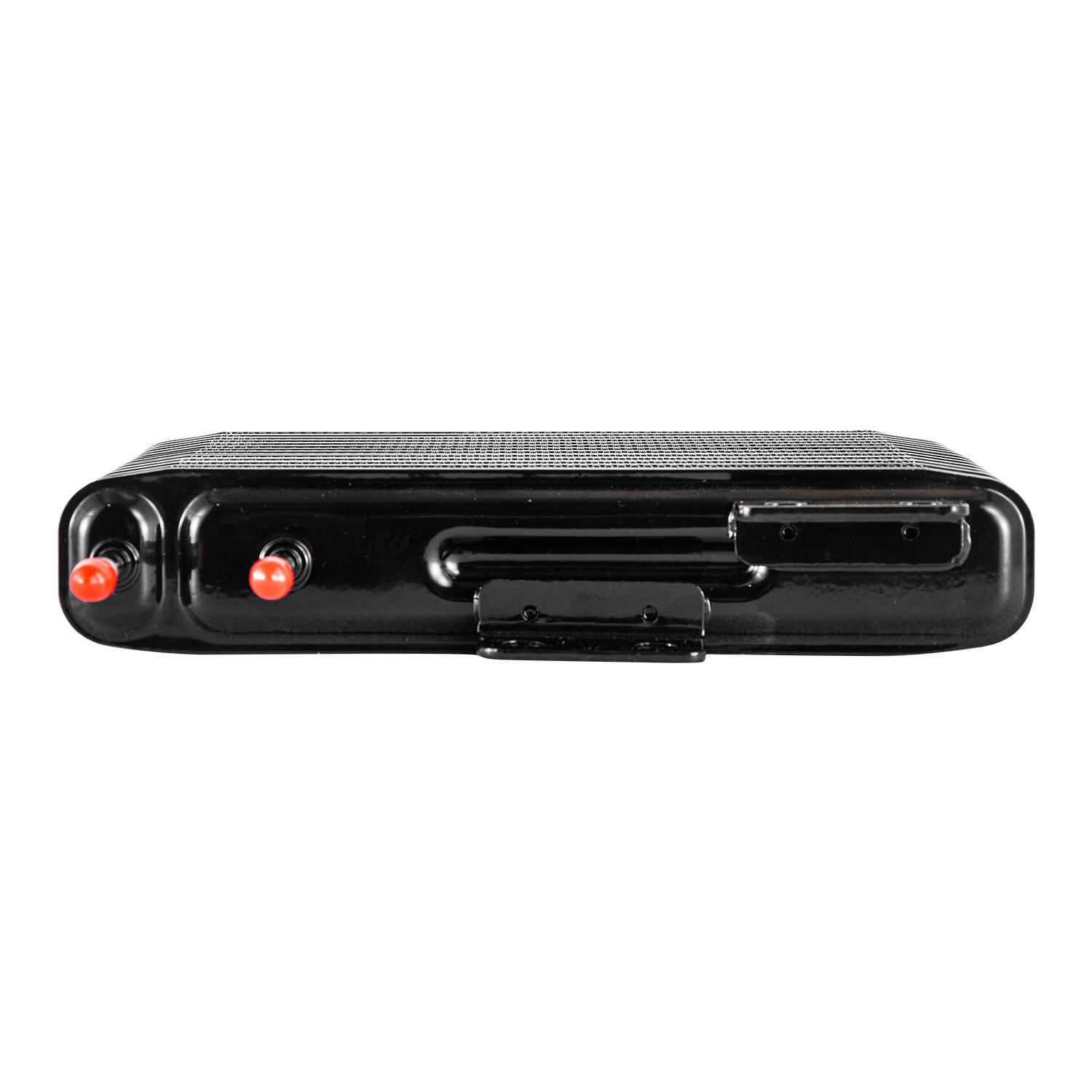
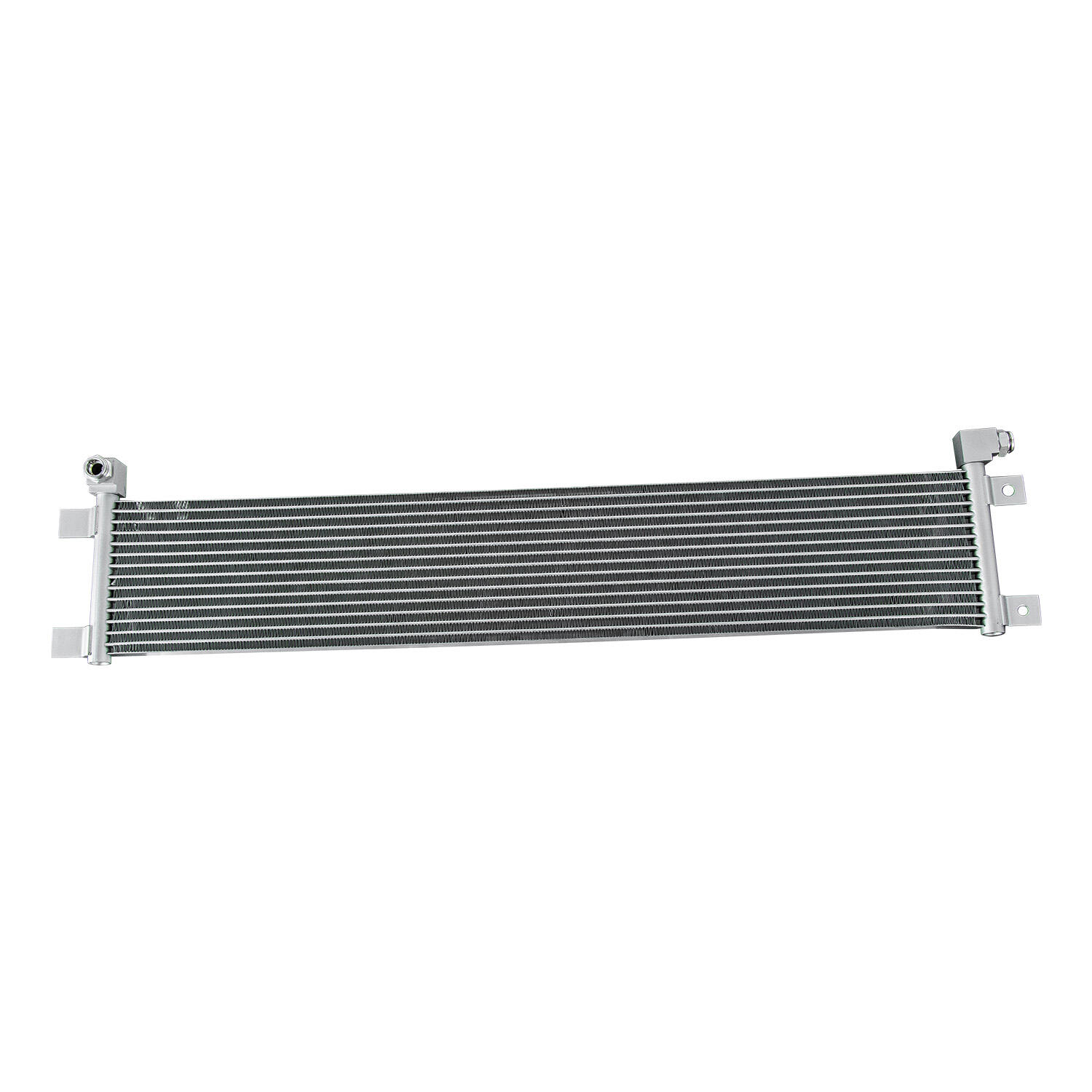
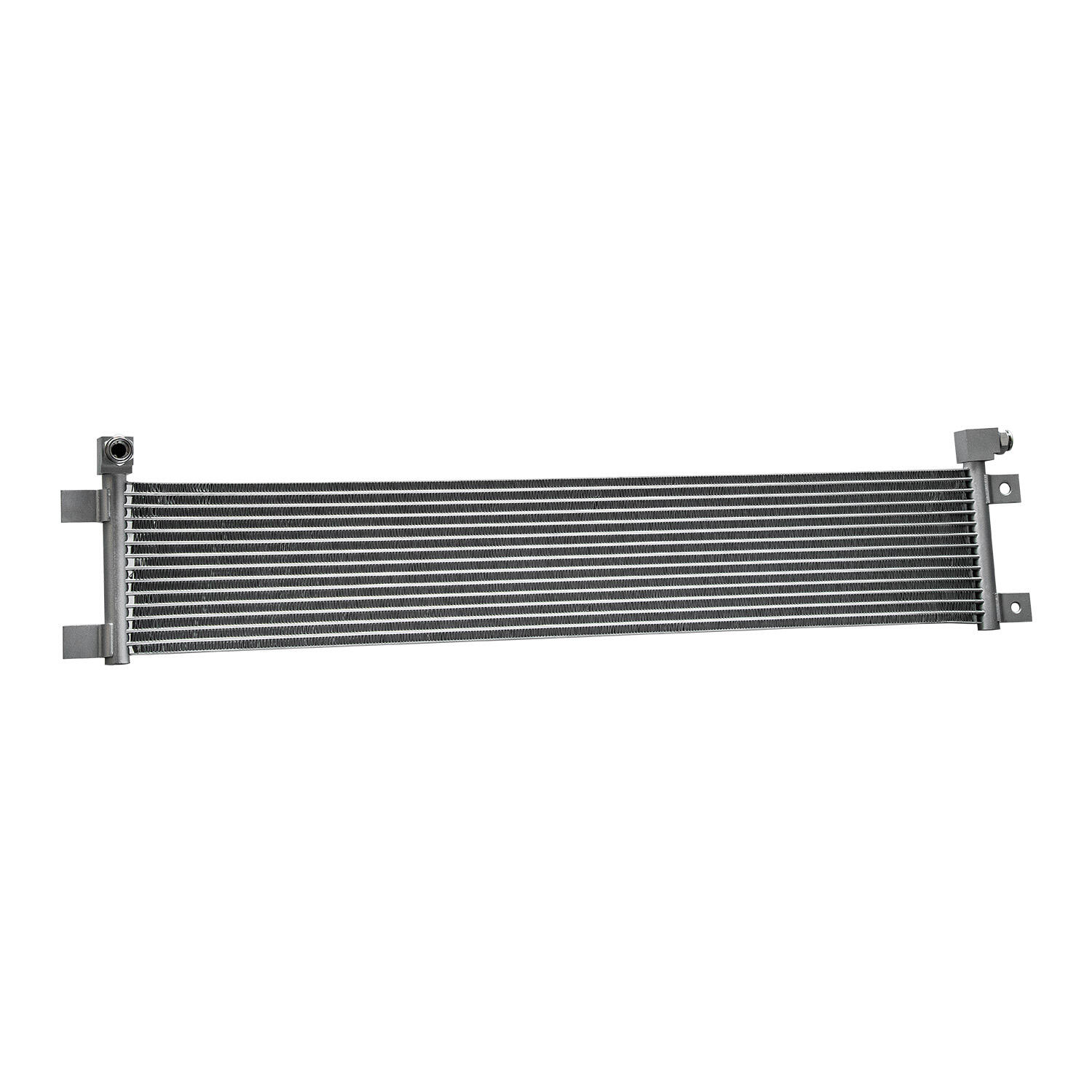
An automatic transmission oil cooler serves as a critical thermal management component designed to regulate and maintain optimal operating temperatures within automatic transmission systems. This specialized heat exchanger works by circulating transmission fluid through a series of cooling passages, effectively dissipating excess heat generated during normal vehicle operation. The primary function centers on preventing transmission fluid from reaching temperatures that could compromise its lubricating properties and protective capabilities. Modern automatic transmission oil coolers typically integrate into the vehicle's existing cooling infrastructure, often positioning within or alongside the radiator assembly to maximize cooling efficiency. The technological design incorporates aluminum or copper tubing configured in serpentine patterns to increase surface area contact with cooling air or coolant. Advanced models feature turbulator inserts within tubes to enhance fluid turbulence and improve heat transfer rates. The automatic transmission oil cooler operates continuously during vehicle operation, with transmission fluid pumped through inlet connections, flowing through the cooler core, and returning via outlet ports at reduced temperatures. This constant circulation maintains fluid viscosity within manufacturer-specified ranges, ensuring consistent shift quality and component protection. Applications span across passenger vehicles, commercial trucks, recreational vehicles, and performance automobiles, with sizing and capacity varying according to transmission type, vehicle weight, and intended use conditions. Heavy-duty applications such as towing, hauling, or sustained high-speed driving generate substantially more heat, necessitating larger capacity automatic transmission oil coolers with enhanced cooling capabilities. The component proves particularly valuable in hot climates where ambient temperatures compound internal heat generation, and in vehicles equipped with high-performance transmissions that operate under increased stress levels. Installation configurations include factory-integrated systems built into radiator end tanks, as well as aftermarket auxiliary units mounted externally for supplemental cooling capacity.

New Product Recommendations

The automatic transmission oil cooler delivers substantial benefits that directly impact vehicle longevity, performance reliability, and ownership costs. Temperature regulation stands as the foremost advantage, with the cooler maintaining transmission fluid within the ideal operating range of 175 to 200 degrees Fahrenheit. This precise temperature control prevents fluid breakdown that occurs when temperatures exceed 220 degrees, where each additional 20-degree increase can cut fluid life in half. By keeping temperatures stable, the automatic transmission oil cooler preserves the fluid's ability to lubricate moving parts, maintain hydraulic pressure for smooth shifts, and protect internal components from wear. Vehicle owners experience noticeably improved transmission responsiveness, with shifts occurring more smoothly and predictably across all driving conditions. The cooling effect reduces internal friction between clutch packs, planetary gears, and valve body components, minimizing wear rates and extending the service life of these expensive parts. Financial benefits become apparent through reduced maintenance requirements and delayed replacement costs. Transmissions operating with proper cooling can easily surpass 200,000 miles with routine fluid changes, while overheated units often fail before reaching 100,000 miles. The automatic transmission oil cooler proves especially valuable during demanding driving situations such as trailer towing, mountain driving, or stop-and-go traffic where heat buildup accelerates rapidly. Drivers hauling heavy loads gain confidence knowing their transmission receives adequate cooling protection against the extreme temperatures generated during sustained load conditions. Performance enthusiasts appreciate how the cooler enables consistent transmission behavior during spirited driving or track use, eliminating the power loss and erratic shifting that accompanies overheating. The component also protects against costly repairs by preventing seal degradation, clutch material deterioration, and valve body scoring that result from excessive heat exposure. Installation of an automatic transmission oil cooler represents a proactive investment that pays dividends through enhanced reliability, maintained resale value, and peace of mind during challenging driving conditions. The relatively modest upfront cost pales in comparison to transmission rebuild expenses that can exceed several thousand dollars, making the cooler one of the most cost-effective protective modifications available to vehicle owners.

Tips And Tricks

What material grades matter in aluminium intercooler manufacturing?

21

Apr

What material grades matter in aluminium intercooler manufacturing?

The choice of material grades in aluminium intercooler manufacturing directly impacts performance, durability, and cost-effectiveness. Unlike generic heat exchangers, automotive intercoolers must withstand extreme temperature variations, pressure cyc...
View More
How do factories test aluminium intercoolers for performance consistency?

21

Apr

How do factories test aluminium intercoolers for performance consistency?

Manufacturing facilities employ rigorous testing protocols to ensure aluminium intercoolers deliver consistent performance across production batches. These comprehensive evaluation procedures combine thermal analysis, pressure testing, and flow rate ...
View More
How are intercooler tubes customized for different engine platforms?

21

Apr

How are intercooler tubes customized for different engine platforms?

Engine platform diversity in modern automotive manufacturing requires highly specialized cooling solutions, particularly when it comes to forced induction systems. Intercooler tubes serve as critical pathways for compressed air between turbochargers ...
View More
Top 5 Signs Your Control Arms Need Replacement

26

May

Top 5 Signs Your Control Arms Need Replacement

Control arms are critical suspension components that connect your vehicle's frame to the steering knuckle and wheel assembly, allowing your wheels to move up and down while maintaining proper alignment. These hardworking parts endure constant stress ...
View More

Get a Free Quote

Our representative will contact you soon.
Email
Name
Company Name
WhatsApp
Message
0/1000

automatic transmission oil cooler

Extended Transmission Lifespan Through Superior Heat Management

Extended Transmission Lifespan Through Superior Heat Management

The automatic transmission oil cooler fundamentally transforms transmission longevity by addressing the primary cause of premature failure: excessive heat accumulation. Transmission fluid serves multiple critical functions including lubrication, hydraulic actuation, and heat transfer, but these capabilities deteriorate rapidly when temperatures climb beyond optimal ranges. Without adequate cooling, fluid oxidizes and forms varnish deposits that clog passages, stick valves, and impair clutch operation. The automatic transmission oil cooler interrupts this destructive cycle by continuously extracting heat from circulating fluid before temperatures reach damaging levels. This thermal management proves particularly crucial because automatic transmissions generate substantial heat through friction during torque converter operation and clutch engagement cycles. Each gear change involves controlled slippage that converts mechanical energy into thermal energy, with this heat absorbed by the surrounding fluid. In vehicles lacking supplemental cooling, this heat accumulates faster than the transmission pan and case can dissipate it naturally, leading to temperature spikes that accelerate component wear. The automatic transmission oil cooler provides a dedicated heat rejection pathway that dramatically increases the system's thermal capacity. By routing fluid through external cooling passages exposed to airflow or integrated with the engine cooling system, the cooler removes heat at rates far exceeding passive dissipation methods. This active cooling approach maintains fluid temperatures within the narrow band where viscosity, lubricity, and chemical stability remain optimal. The result manifests as transmission components operating under ideal conditions throughout their service life, with clutch materials maintaining proper friction characteristics, seals retaining flexibility and sealing capability, and metal surfaces protected by consistent fluid film thickness. Vehicle owners benefit from transmissions that shift smoothly after years of service, maintain fuel efficiency through reduced internal friction, and avoid the sudden failures that strand motorists and necessitate expensive emergency repairs. The automatic transmission oil cooler essentially functions as an insurance policy against the most common and costly transmission problems, delivering value that compounds over the vehicle's lifetime.
Enhanced Performance Consistency During Demanding Operations

Enhanced Performance Consistency During Demanding Operations

The automatic transmission oil cooler enables vehicles to maintain peak performance levels during challenging driving conditions that would otherwise compromise transmission function. Towing heavy trailers, navigating steep mountain grades, or enduring extended highway cruising in hot weather all generate heat loads that quickly overwhelm standard transmission cooling capacity. As fluid temperatures rise, viscosity decreases, reducing hydraulic pressure available for clutch pack engagement and causing shifts to become delayed or harsh. Drivers experience this as sluggish acceleration, transmission hunting between gears, or complete loss of certain gear ranges until temperatures subside. The automatic transmission oil cooler eliminates these performance degradations by maintaining stable operating temperatures regardless of external demands. When towing a boat or camper, the cooler handles the additional heat generated by increased torque converter activity and more frequent gear changes required to manage the extra weight. Mountain driving benefits similarly, with the automatic transmission oil cooler preventing temperature spikes during prolonged uphill climbs while also managing heat from engine braking on descents. Performance driving scenarios gain substantial advantages as well, with the cooler allowing sustained high-speed operation or repeated acceleration runs without the power loss and erratic behavior that accompanies overheating. Racing applications particularly value this consistency, as lap times remain stable throughout extended sessions rather than degrading as temperatures climb. The automatic transmission oil cooler also protects during urban commuting where stop-and-go traffic creates a worst-case thermal scenario with minimal airflow for cooling combined with constant transmission activity. By maintaining optimal fluid temperatures, the cooler ensures that shift points occur precisely as programmed, torque converter lockup engages smoothly, and power delivery remains consistent. This performance consistency translates to improved driver confidence, better fuel economy through optimized shift patterns, and reduced stress on drivetrain components. Vehicle owners can utilize their full towing capacity without anxiety, tackle challenging terrain without hesitation, and enjoy spirited driving without concern for transmission damage, all thanks to the thermal management provided by the automatic transmission oil cooler.
Cost-Effective Protection Against Expensive Transmission Repairs

Cost-Effective Protection Against Expensive Transmission Repairs

Installing an automatic transmission oil cooler represents one of the most financially prudent decisions vehicle owners can make, offering exceptional return on investment through prevention of catastrophically expensive transmission failures. Modern automatic transmissions rank among the most complex and costly components in vehicles, with replacement or rebuild expenses routinely exceeding four thousand dollars for standard passenger cars and climbing substantially higher for trucks and performance vehicles. These failures rarely occur suddenly without warning; instead, they result from cumulative damage caused by repeated exposure to excessive temperatures that degrade internal components over months or years. The automatic transmission oil cooler interrupts this damage progression by maintaining the thermal environment that transmission engineers intended during the original design process. Every transmission receives factory specifications for maximum operating temperatures, with these limits established through extensive testing to ensure reliable service life. However, factory cooling provisions often represent minimum adequate capacity under ideal conditions, leaving no safety margin for real-world variables like hot climates, heavy loads, or aggressive driving styles. The automatic transmission oil cooler provides this crucial safety margin, keeping temperatures well below critical thresholds even during worst-case scenarios. This protective effect preserves the transmission's internal components in near-new condition, preventing the seal hardening, clutch glazing, and bearing wear that necessitate expensive overhauls. The financial calculation becomes compelling when comparing the modest cost of an automatic transmission oil cooler installation against the substantial expense of transmission repair or replacement. Even accounting for professional installation labor, the total investment typically amounts to less than one-tenth the cost of a transmission rebuild. This favorable cost ratio means the cooler pays for itself by preventing just a single major repair event. Beyond the direct repair cost savings, the automatic transmission oil cooler also preserves vehicle value by maintaining transmission condition, an important consideration for owners planning to sell or trade their vehicles. Prospective buyers and dealers recognize well-maintained transmissions as valuable assets, often reflected in higher resale prices or trade-in values. The cooler also reduces ongoing maintenance costs by extending fluid change intervals, as cooler-running fluid degrades more slowly and retains its protective properties longer. For fleet operators managing multiple vehicles, the automatic transmission oil cooler delivers compounding benefits through reduced downtime, lower maintenance budgets, and extended vehicle service life, making it a standard specification for commercial applications where reliability directly impacts profitability.

Get a Quote Get a Quote Email Email WhatsApp WhatsApp WeChat WeChat
WeChat
TopTop

Get a Free Quote

Our representative will contact you soon.
Email
Name
Company Name
WhatsApp
Message
0/1000

Get a Free Quote

Our representative will contact you soon.
Email
Name
Company Name
WhatsApp
Message
0/1000

Get a Free Quote

Our representative will contact you soon.
Email
Name
Company Name
WhatsApp
Message
0/1000