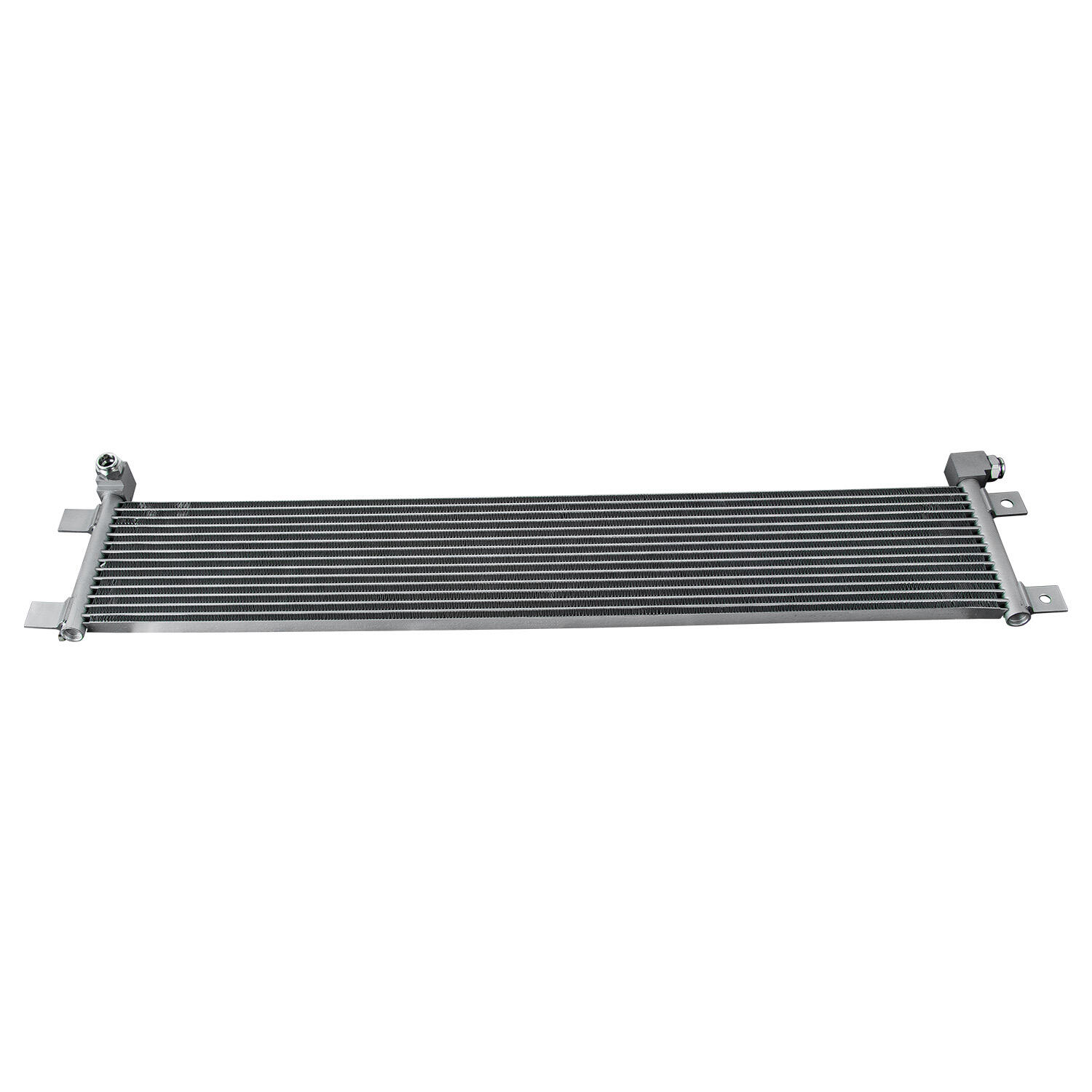
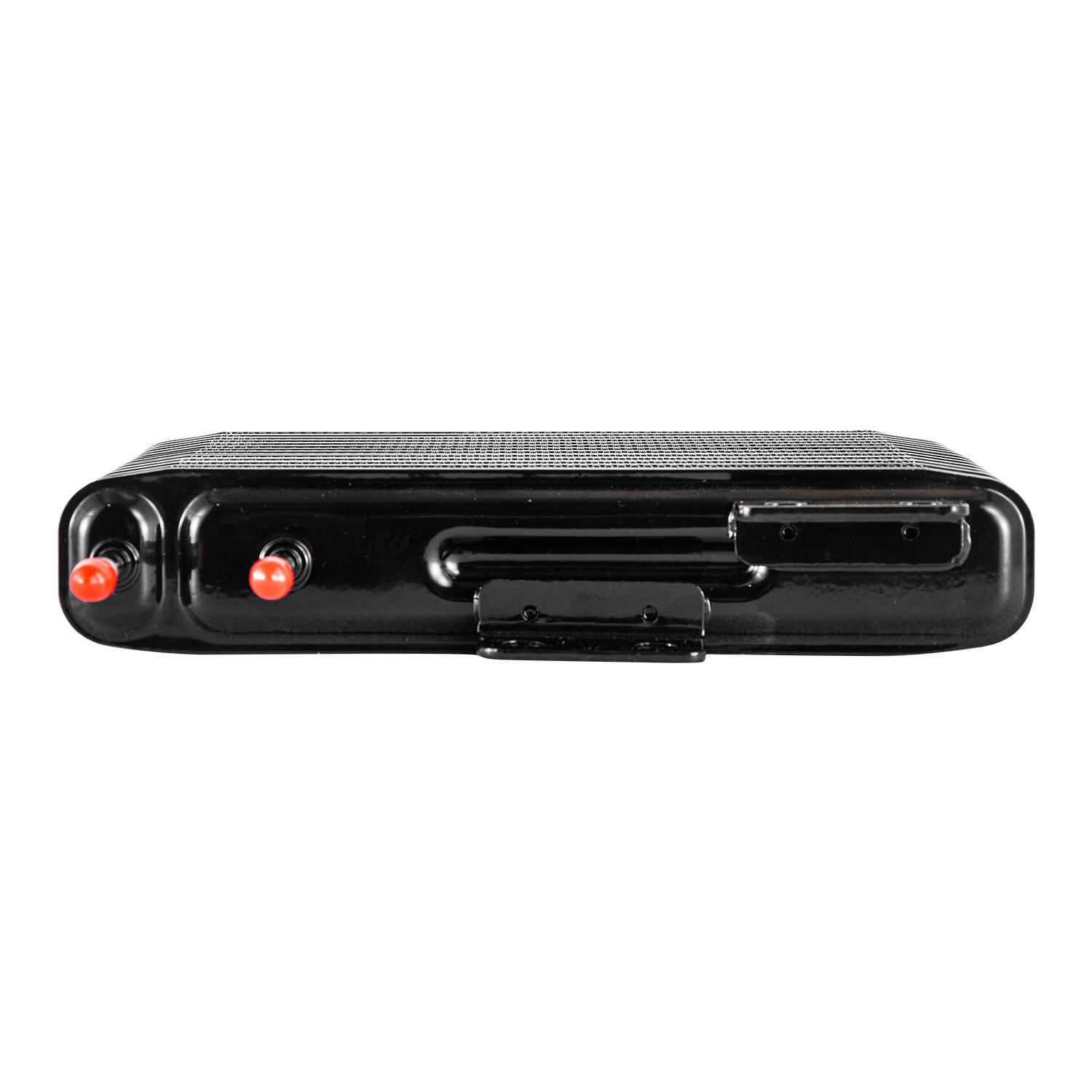
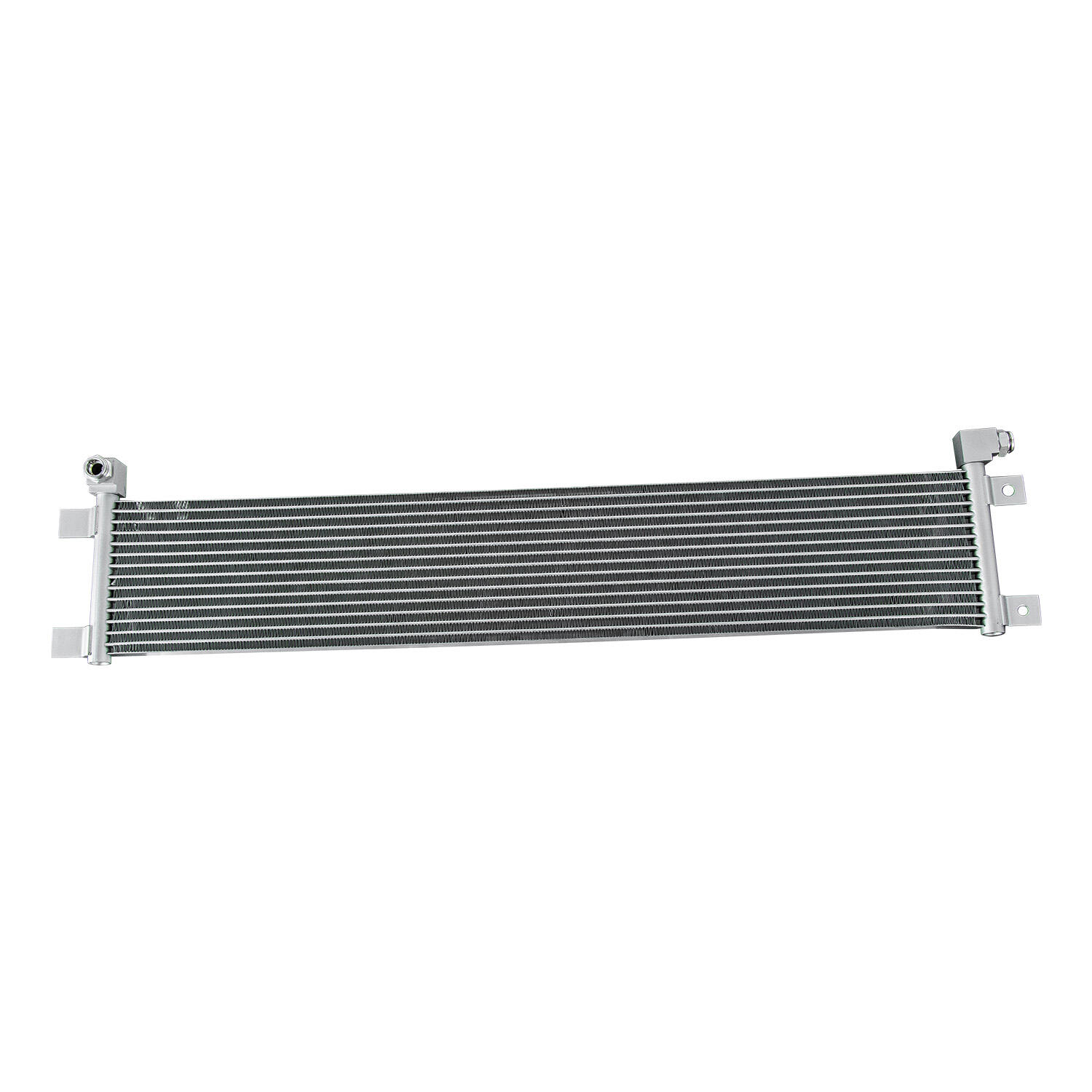
auto transmission oil cooler
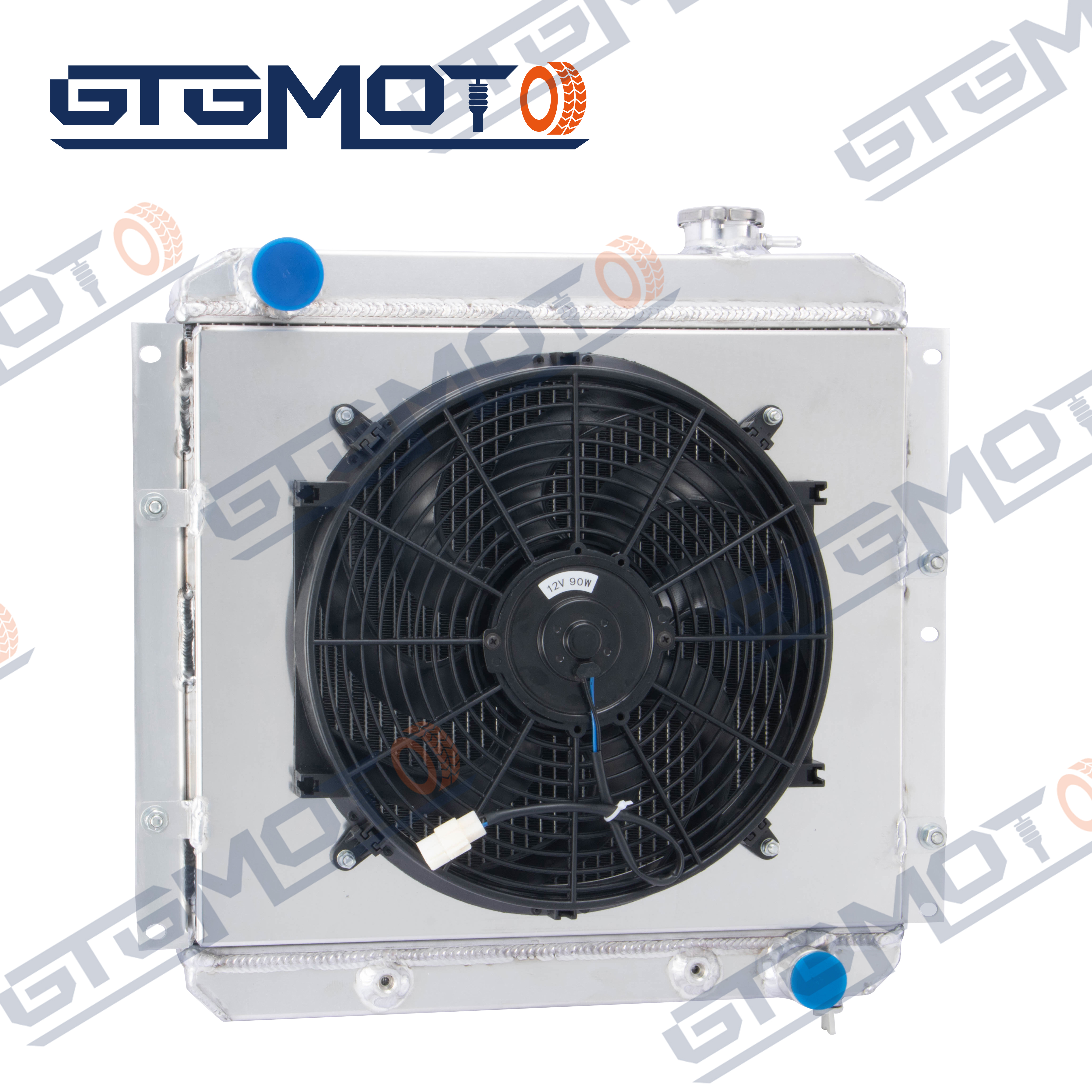
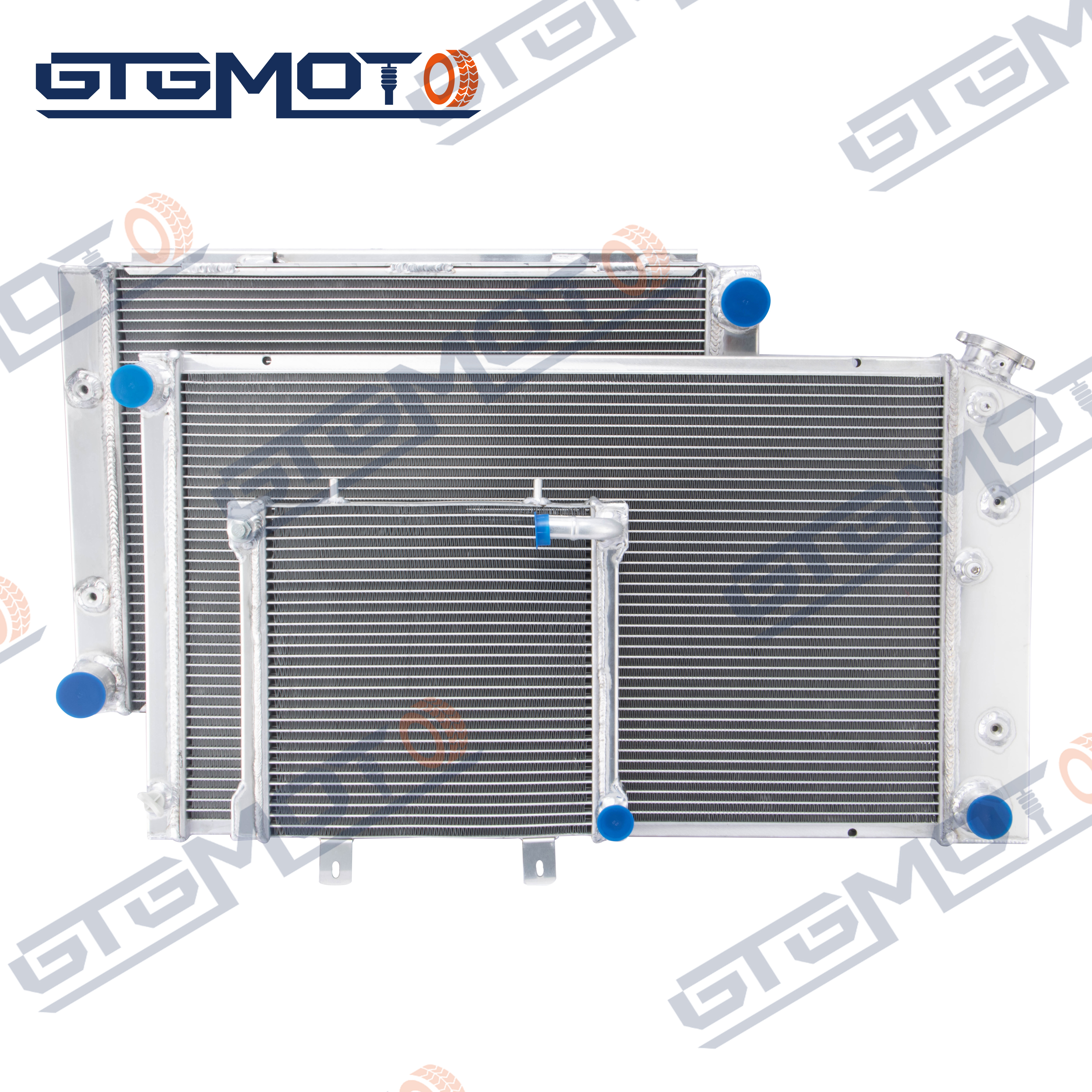
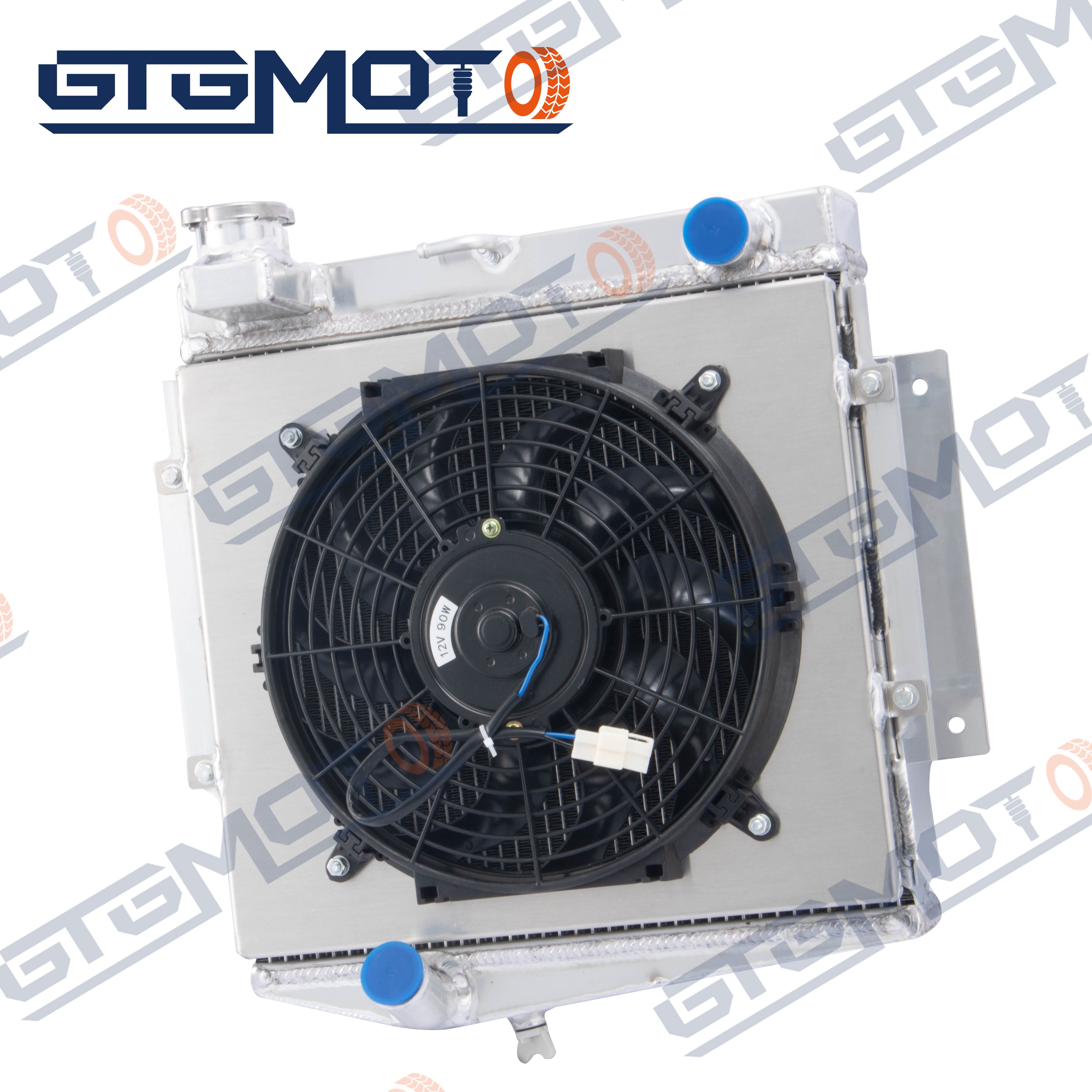
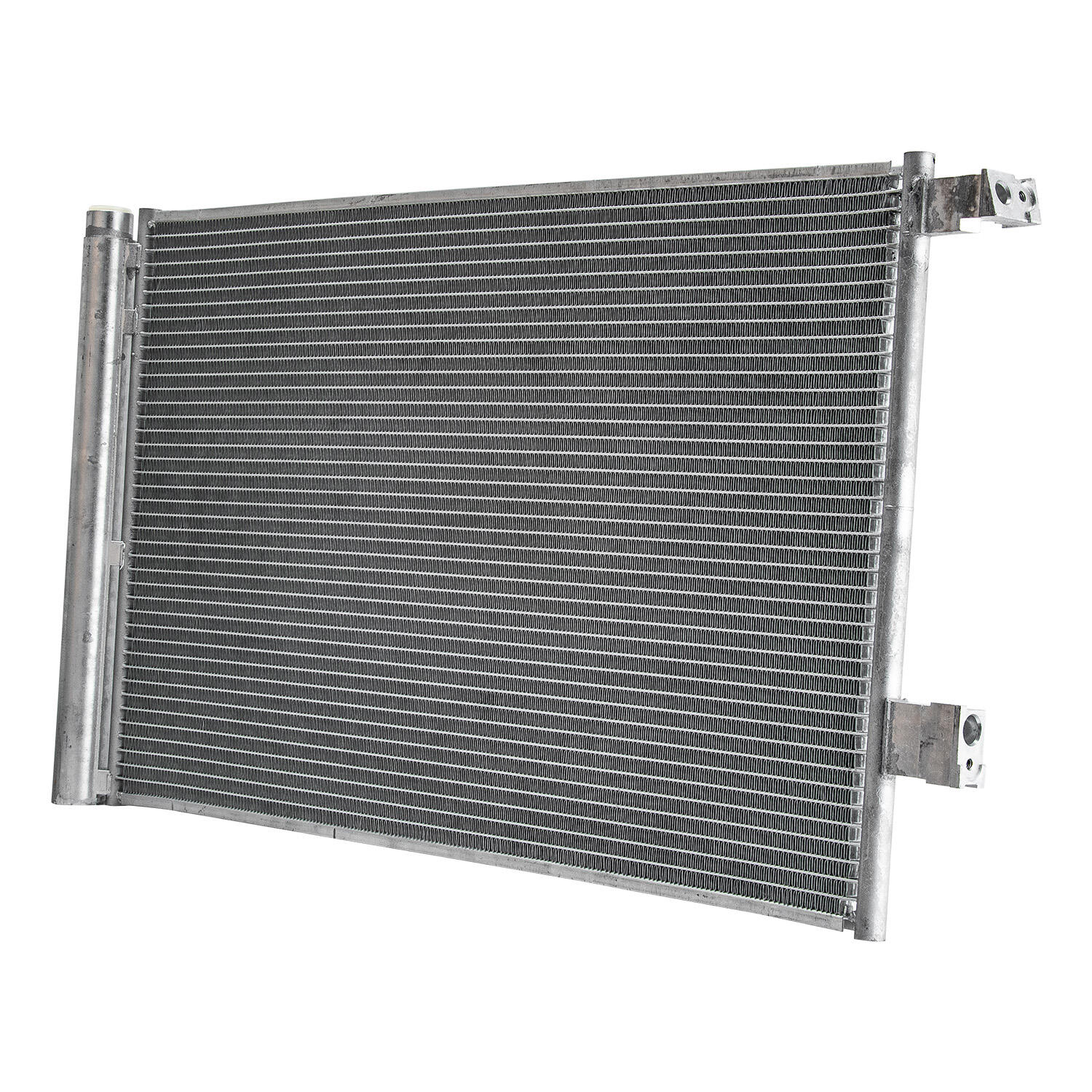
An auto transmission oil cooler serves as a critical thermal management component designed to regulate the operating temperature of automatic transmission fluid within vehicles. This specialized heat exchanger works by circulating hot transmission fluid through a series of cooling fins or tubes, where ambient air or engine coolant absorbs excess heat before the fluid returns to the transmission system. The primary function of an auto transmission oil cooler centers on maintaining optimal fluid temperatures between 175 and 200 degrees Fahrenheit, preventing the transmission fluid from overheating during demanding driving conditions such as towing heavy loads, climbing steep grades, or operating in high-temperature environments. Modern auto transmission oil coolers incorporate advanced aluminum construction with precisely engineered tube-and-fin designs that maximize surface area contact for efficient heat dissipation. These cooling systems integrate seamlessly with existing vehicle cooling infrastructure, often mounting in front of the radiator to capture maximum airflow or connecting directly to the radiator's internal cooling circuit. The technological evolution of auto transmission oil coolers has produced variants including plate-and-fin designs, tube-and-fin configurations, and stacked-plate models, each optimized for specific vehicle applications and performance requirements. Heavy-duty vehicles, performance cars, and trucks used for towing particularly benefit from aftermarket auto transmission oil coolers that provide enhanced cooling capacity beyond factory specifications. The application scope extends across passenger vehicles, commercial trucks, recreational vehicles, and off-road equipment where transmission longevity depends on consistent temperature control. By preventing thermal breakdown of transmission fluid, these coolers protect internal transmission components from premature wear, maintain proper fluid viscosity for smooth gear changes, and extend overall transmission service life significantly.