Premium Oil Cooler Heat Exchangers - Advanced Thermal Management Solutions for Industrial & Automotive Applications

All Categories

Get a Free Quote

Our representative will contact you soon.
Email
Name
Company Name
WhatsApp
Message
0/1000

oil cooler heat exchanger

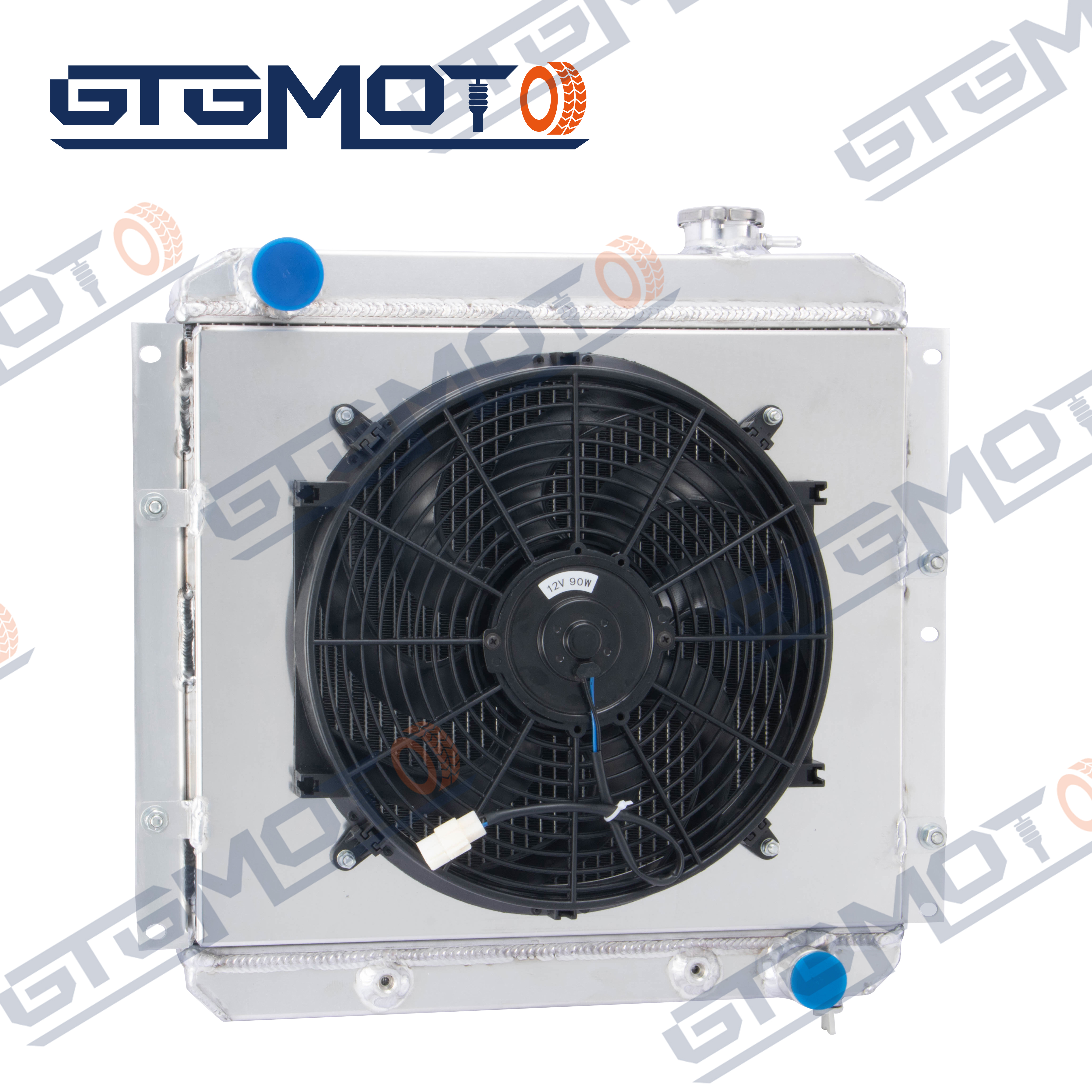
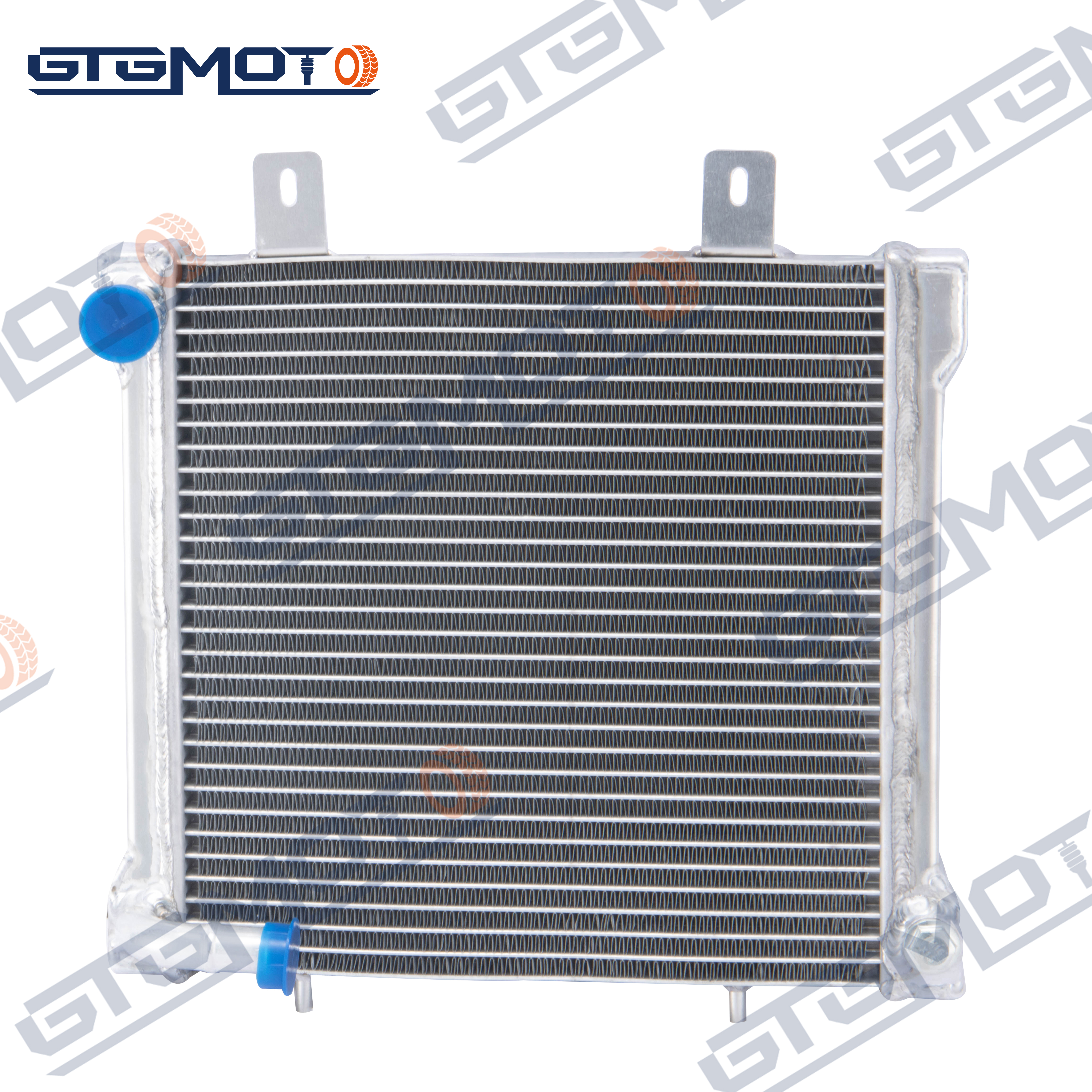
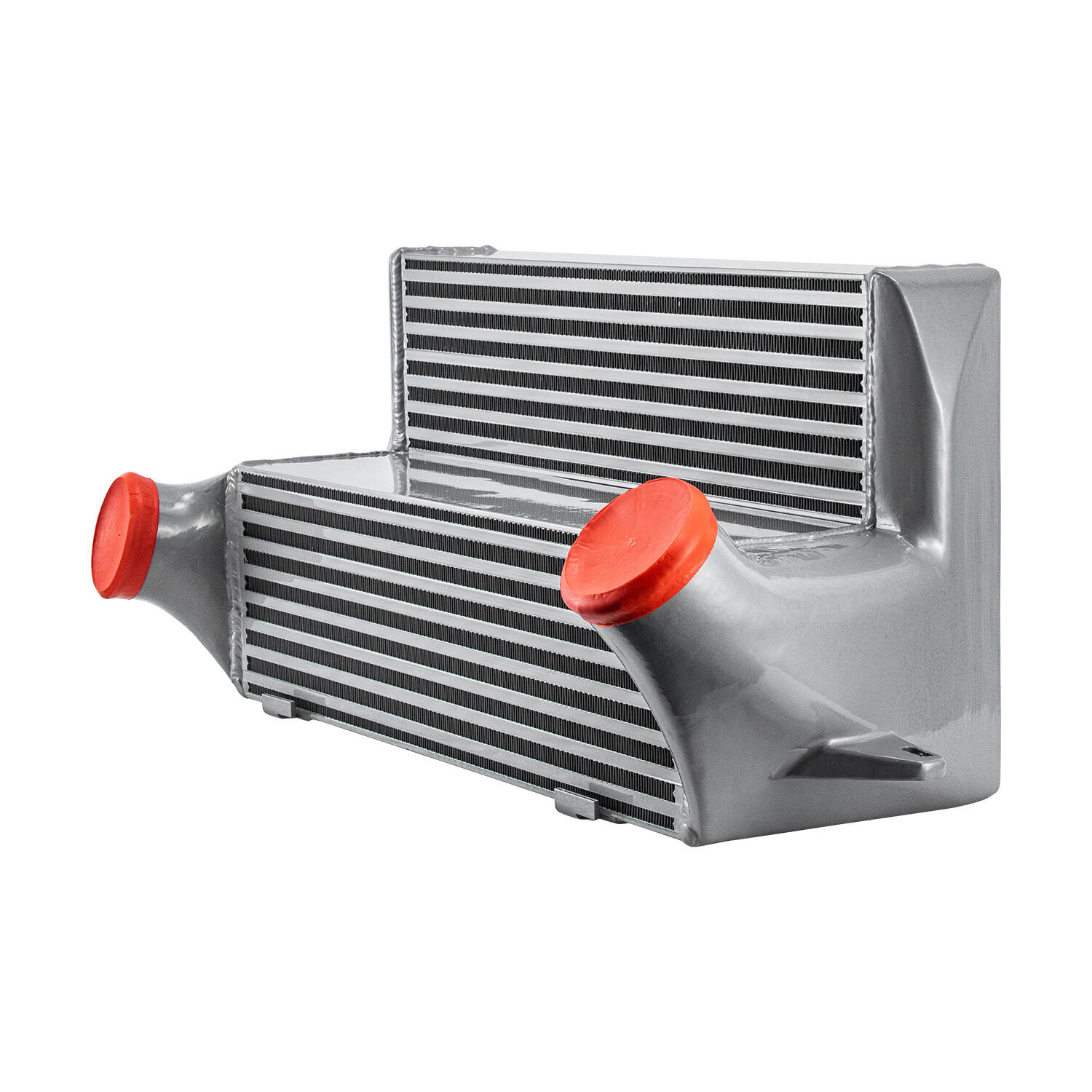
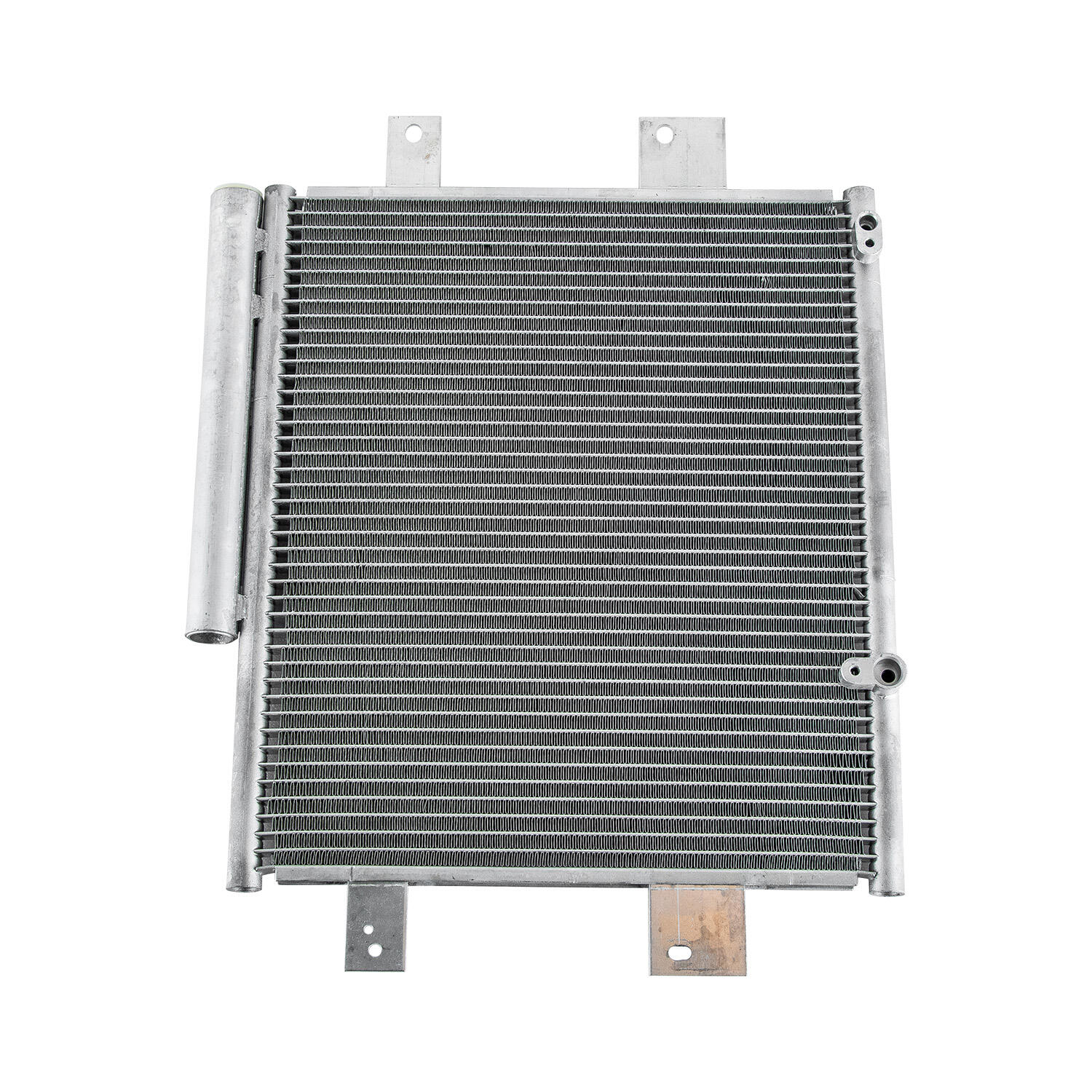
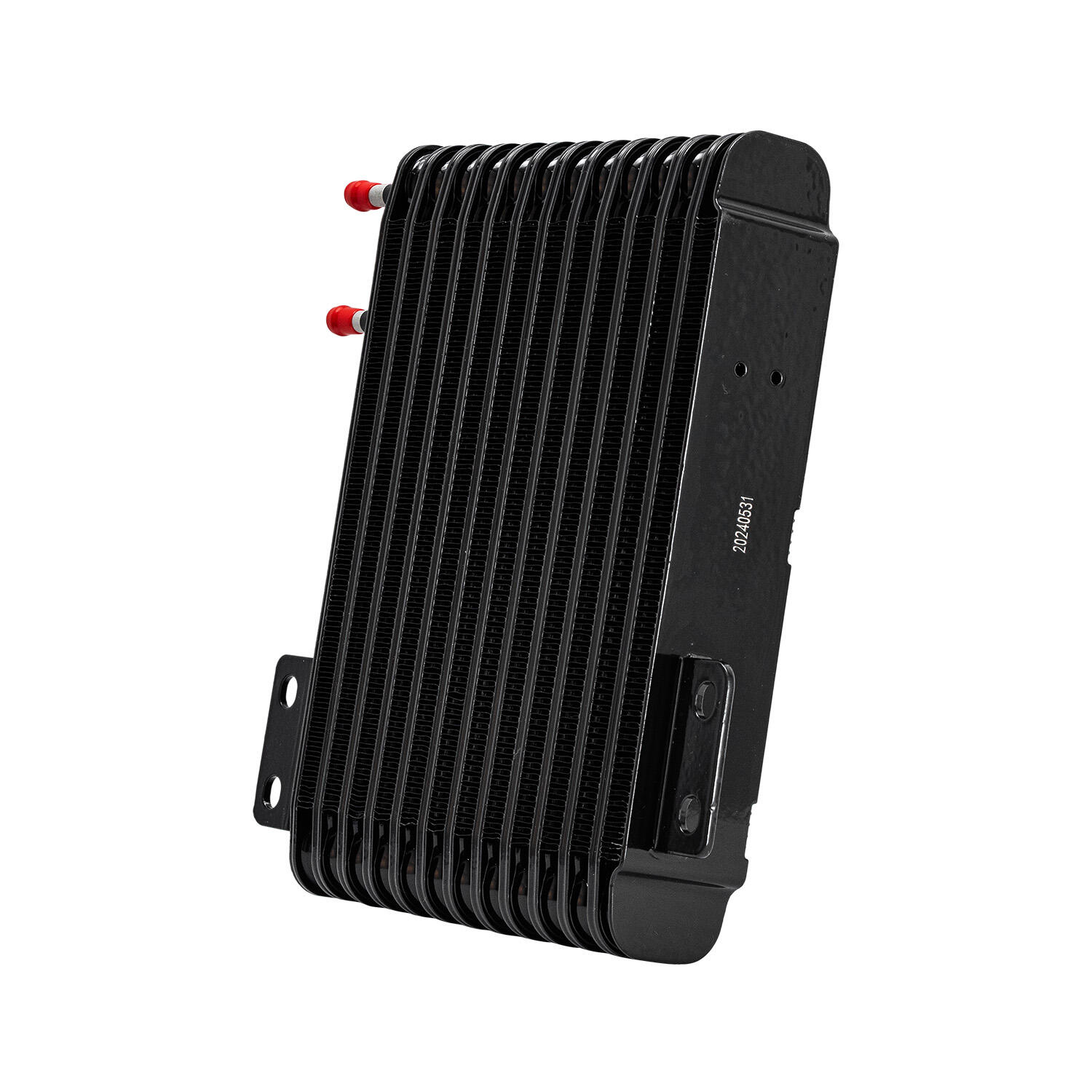
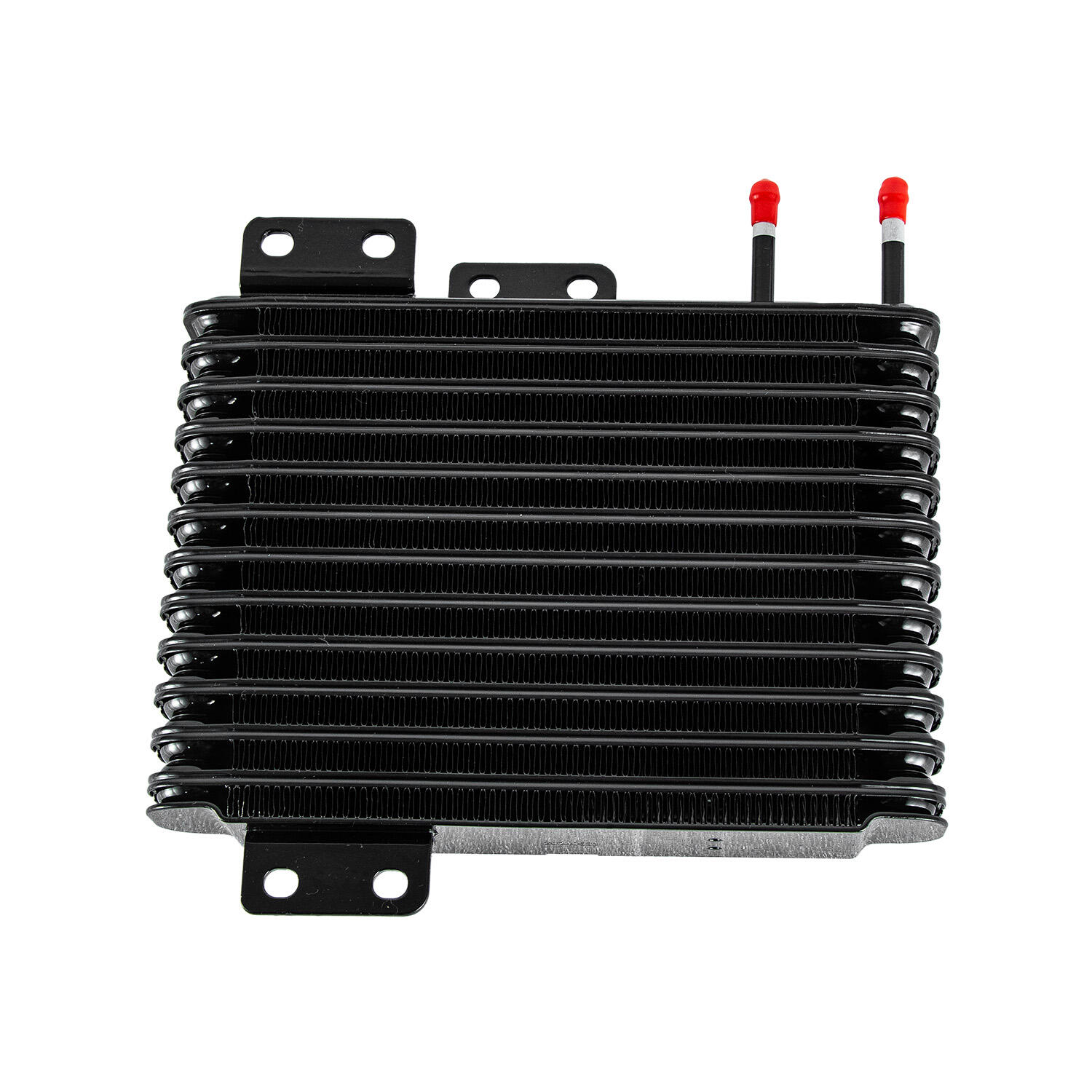
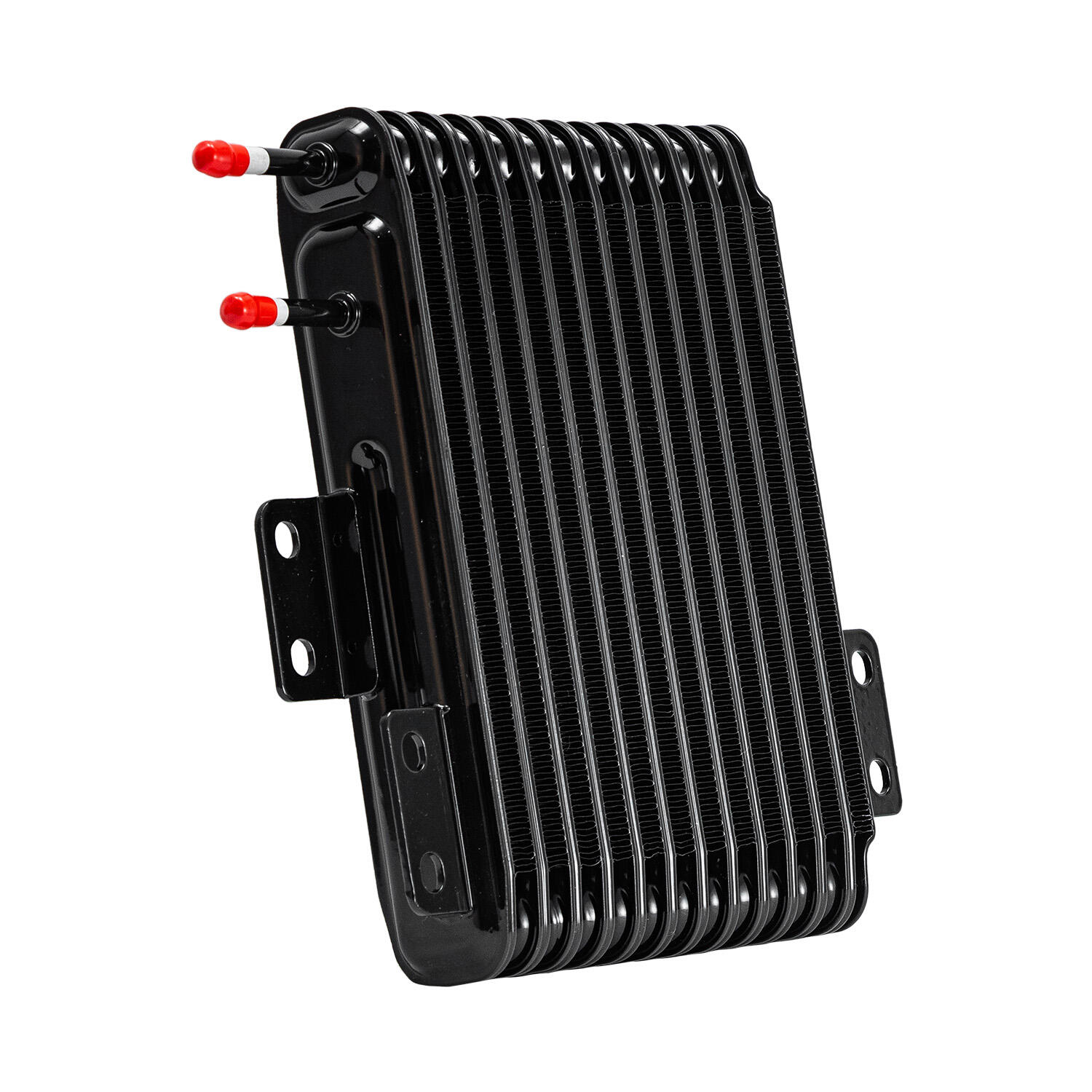
An oil cooler heat exchanger represents a critical thermal management component designed to regulate lubricating oil temperatures in various industrial and automotive applications. This sophisticated device operates by transferring excess heat from circulating oil to a cooling medium, typically air or coolant, ensuring optimal operational temperatures throughout mechanical systems. The primary function of an oil cooler heat exchanger involves maintaining lubricant viscosity within acceptable parameters, preventing thermal breakdown of oil molecules, and extending equipment lifespan through effective temperature control. The technological architecture of modern oil cooler heat exchangers incorporates advanced materials such as aluminum alloy cores, copper-brass construction, or stainless steel elements, depending on specific application requirements. These units feature precisely engineered fin designs that maximize surface area contact between hot oil and cooling medium, enhancing thermal transfer efficiency. Internal flow patterns are optimized through computational fluid dynamics, creating turbulent mixing that improves heat dissipation rates while minimizing pressure drops across the system. Contemporary oil cooler heat exchanger designs integrate various cooling methodologies including air-cooled configurations with fan-assisted airflow, liquid-cooled systems utilizing engine coolant or dedicated cooling circuits, and hybrid solutions combining multiple cooling approaches. Advanced models incorporate thermostat-controlled bypass valves that regulate oil flow based on temperature readings, ensuring rapid warm-up periods while preventing overcooling during operation. Applications for oil cooler heat exchangers span numerous industries including automotive powertrains, marine propulsion systems, industrial hydraulics, power generation equipment, construction machinery, and aerospace applications. These devices prove essential in high-performance engines, transmission systems, hydraulic power units, compressors, and any application where lubricating oil experiences significant thermal loading during operation.

New Products

Oil cooler heat exchangers deliver substantial operational benefits that directly impact equipment performance, maintenance costs, and system reliability. These devices significantly extend oil life by maintaining optimal operating temperatures, preventing thermal degradation that causes lubricant breakdown and contamination. When oil operates within proper temperature ranges, its molecular structure remains stable, preserving viscosity characteristics and additive effectiveness for extended periods. This temperature control translates into reduced oil change intervals, lowering maintenance expenses and minimizing environmental impact through decreased waste oil generation. Equipment longevity represents another major advantage of implementing oil cooler heat exchangers in mechanical systems. Excessive oil temperatures accelerate wear on moving components, cause seal deterioration, and promote oxidation that creates harmful deposits throughout lubrication systems. By maintaining consistent oil temperatures, these heat exchangers reduce friction between mechanical components, minimize thermal stress on engine internals, and preserve seal integrity across the entire system. This protection results in fewer unexpected breakdowns, reduced repair costs, and extended intervals between major overhauls. Performance enhancement emerges as a key benefit when oil cooler heat exchangers maintain optimal lubricant conditions. Properly cooled oil flows more efficiently through narrow passages, provides superior lubrication film strength, and maintains pressure consistency across varying operational demands. This improved lubrication quality enables equipment to operate at peak efficiency levels, delivering maximum power output while consuming less energy. Enhanced performance characteristics become particularly noticeable in high-stress applications such as racing engines, heavy-duty construction equipment, and industrial machinery operating under continuous load conditions. Reliability improvements through temperature management create predictable operational parameters that allow for better planning and scheduling of maintenance activities. Consistent oil temperatures reduce the likelihood of thermal-related failures, enable more accurate condition monitoring, and provide early warning indicators of potential system issues. This reliability translates into improved uptime, reduced emergency repairs, and better overall equipment availability for critical applications.

Practical Tips

How Control Arm Technology is Evolving for 2025 SUVs

27

Aug

How Control Arm Technology is Evolving for 2025 SUVs

Next-Generation Suspension Innovations Reshape SUV Performance The automotive industry stands at the cusp of a revolutionary transformation in suspension systems, with control arm technology leading the charge. As 2025 approaches, SUV manufacturers a...
View More
How Intercooler Efficiency Impacts 2025 Hybrid Vehicle Performance

19

Oct

How Intercooler Efficiency Impacts 2025 Hybrid Vehicle Performance

The Evolution of Thermal Management in Modern Hybrid Powertrains As automotive technology races forward into 2025, intercooler efficiency has emerged as a critical factor in determining hybrid vehicle performance. The integration of advanced intercoo...
View More
Intercooler Maintenance Guide for 2025 High-Performance Models

19

Oct

Intercooler Maintenance Guide for 2025 High-Performance Models

Mastering Modern Intercooler Care for Peak Engine Performance The evolution of high-performance vehicles continues to push the boundaries of engineering excellence, and at the heart of these powerful machines lies a critical component - the intercool...
View More
What are common installation challenges with AC condensers in service garages?

27

Jan

What are common installation challenges with AC condensers in service garages?

Installing an ac condenser in service garages presents numerous technical challenges that automotive technicians must navigate with precision and expertise. These critical cooling system components require careful handling, proper tools, and extensiv...
View More

Get a Free Quote

Our representative will contact you soon.
Email
Name
Company Name
WhatsApp
Message
0/1000

oil cooler heat exchanger

Advanced Thermal Management Technology

Advanced Thermal Management Technology

Modern oil cooler heat exchangers incorporate cutting-edge thermal management technology that revolutionizes how industrial and automotive systems handle temperature control. The core technology utilizes multi-pass heat transfer designs with optimized flow channels that create maximum surface contact between hot oil and cooling medium. Advanced computational fluid dynamics modeling ensures optimal flow patterns that eliminate hot spots while maintaining uniform temperature distribution throughout the cooling process. The thermal management system features precision-engineered aluminum or copper-brass cores with micro-fin technology that dramatically increases heat transfer surface area without significantly impacting overall system size or weight. These fins are strategically positioned to create controlled turbulence that enhances heat dissipation while minimizing pressure losses across the oil cooler heat exchanger. Temperature sensors integrated into advanced models provide real-time monitoring capabilities, allowing for dynamic adjustment of cooling parameters based on actual operating conditions. Smart thermostatic controls automatically regulate oil flow through the cooling circuit, ensuring rapid warm-up during startup while preventing overcooling during normal operation. This intelligent temperature management prevents oil from becoming too viscous in cold conditions or too thin during high-temperature operation. The thermal management technology also incorporates bypass valving systems that redirect oil flow when cooling is not required, optimizing energy efficiency and reducing unnecessary heat loss. Advanced materials science plays a crucial role in thermal management effectiveness, with modern oil cooler heat exchangers utilizing specialized alloys that resist corrosion while maintaining excellent thermal conductivity properties. These materials withstand extreme temperature cycling without fatigue failure, ensuring long-term reliability in demanding applications. The integration of advanced thermal management technology results in superior temperature control precision, enabling equipment to operate within tighter temperature tolerances that maximize performance while minimizing wear rates.
Exceptional Durability and Longevity

Exceptional Durability and Longevity

Oil cooler heat exchangers are engineered for exceptional durability and longevity, incorporating robust construction methods and premium materials that ensure reliable operation under the most demanding conditions. The durability advantage stems from precision manufacturing processes that create leak-proof joints, corrosion-resistant surfaces, and structurally sound assemblies capable of withstanding high pressures and temperature extremes. Advanced brazing techniques join core components at the molecular level, creating bonds stronger than traditional welding methods while eliminating potential failure points that could compromise system integrity. The construction utilizes marine-grade aluminum alloys or specialized copper-brass combinations that resist oxidation, chemical attack, and thermal fatigue throughout extended service intervals. Surface treatments including anodizing, powder coating, or specialized chemical coatings provide additional protection against environmental factors such as salt exposure, industrial chemicals, and extreme weather conditions. Internal components feature smooth, polished surfaces that resist deposit formation and facilitate easy cleaning during maintenance procedures. The exceptional durability of oil cooler heat exchangers translates into reduced total cost of ownership through extended service intervals and minimal replacement requirements. Rigorous testing protocols subject each unit to pressure cycling, thermal shock testing, and vibration analysis that simulate decades of real-world operation before products reach market. Quality assurance measures include pressure testing at levels exceeding normal operating parameters, ensuring safety margins that prevent unexpected failures during critical operations. The longevity aspect becomes particularly valuable in applications where replacement costs include significant downtime expenses, such as marine vessels, industrial production lines, or remote construction projects. Extended warranty coverage reflects manufacturer confidence in durability engineering, providing customers with long-term protection against premature failure. The combination of superior materials, precision manufacturing, and comprehensive testing creates oil cooler heat exchangers that consistently deliver reliable performance throughout their intended service life, often exceeding original design specifications for operational longevity.
Versatile Application Compatibility

Versatile Application Compatibility

The versatile application compatibility of oil cooler heat exchangers makes them invaluable across diverse industries and operational environments, providing effective thermal management solutions for virtually any system requiring lubricant temperature control. This compatibility stems from modular design approaches that allow customization of core dimensions, mounting configurations, and connection types to match specific installation requirements. Standard units accommodate common oil viscosities and flow rates found in automotive, marine, and industrial applications, while specialized versions handle unique requirements such as high-viscosity hydraulic fluids, synthetic lubricants, or extreme temperature operating conditions. The versatile design accommodates both air-cooled and liquid-cooled installations, providing flexibility in system integration regardless of available cooling medium sources. Mounting options include vertical, horizontal, and angled orientations that optimize space utilization while maintaining proper oil flow characteristics. Connection varieties encompass standard pipe threads, SAE flare fittings, quick-disconnect couplings, and custom connection types that integrate seamlessly with existing plumbing systems. Application compatibility extends across engine oil cooling in automotive and marine powertrains, hydraulic oil cooling in construction and agricultural equipment, transmission oil cooling in heavy-duty vehicles, compressor oil cooling in industrial air systems, and specialized cooling requirements in power generation equipment. The versatility includes compatibility with various oil types including conventional petroleum-based lubricants, synthetic oils, bio-based lubricants, and specialized industrial fluids with unique thermal properties. Size options range from compact units suitable for small engines to large-capacity systems designed for industrial machinery requiring substantial oil flow rates. Pressure ratings accommodate low-pressure hydraulic systems through high-pressure applications exceeding 3000 PSI operating pressures. Temperature compatibility spans sub-zero cold weather operation through extreme high-temperature industrial processes, ensuring reliable performance across the complete operational spectrum. Installation versatility includes remote mounting capabilities that position the oil cooler heat exchanger in optimal locations for airflow access while maintaining efficient oil circulation through extended line runs.
Get a Quote Get a Quote Email Email WhatsApp WhatsApp WeChat WeChat
WeChat
TopTop

Get a Free Quote

Our representative will contact you soon.
Email
Name
Company Name
WhatsApp
Message
0/1000

Get a Free Quote

Our representative will contact you soon.
Email
Name
Company Name
WhatsApp
Message
0/1000

Get a Free Quote

Our representative will contact you soon.
Email
Name
Company Name
WhatsApp
Message
0/1000