
 EN
EN
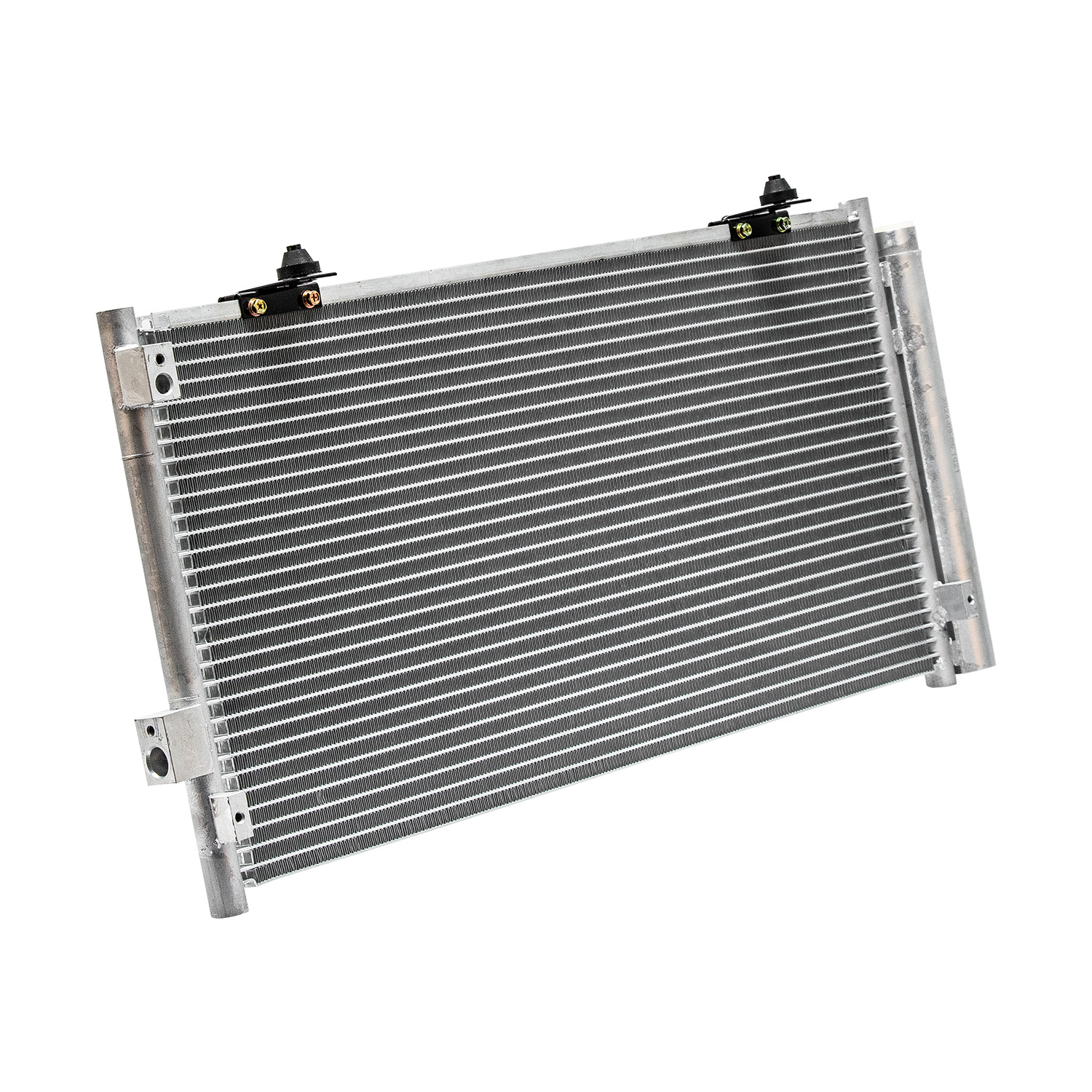
Installing an ac condenser in service garages presents numerous technical challenges that automotive technicians must navigate with precision and expertise. These critical cooling system components require careful handling, proper tools, and extensive knowledge of vehicle-specific installation procedures. Service garage professionals often encounter complex situations that can significantly impact installation timelines, costs, and overall system performance. Understanding these challenges beforehand enables technicians to prepare adequately and deliver superior service quality to their customers.
Physical Access and Workspace Limitations
Restricted Engine Bay Configurations
Modern vehicles feature increasingly compact engine bay designs that create significant accessibility challenges when replacing an ac condenser. Engineers prioritize aerodynamics and fuel efficiency over serviceability, resulting in condensers positioned behind multiple components such as radiators, cooling fans, and structural reinforcements. Technicians must remove substantial portions of the front-end assembly to gain adequate access, transforming what should be straightforward installations into complex disassembly procedures.
Contemporary automotive designs often integrate the ac condenser with other cooling system components, creating interdependent assemblies that complicate individual component replacement. Service garages must allocate additional labor hours and workspace to accommodate these extended disassembly requirements. The confined spaces also limit technician mobility and tool accessibility, increasing the likelihood of accidental damage to surrounding components during installation processes.
Vehicle-Specific Mounting Configurations
Each vehicle manufacturer employs unique mounting systems and hardware configurations for their ac condenser assemblies. European vehicles often utilize specialized clips and brackets that require specific removal tools, while domestic manufacturers may incorporate welded mounting points that demand cutting and fabrication techniques. Asian automotive brands frequently employ intricate multi-point mounting systems that necessitate precise alignment during reassembly to prevent vibration and performance issues.
Service garages must maintain extensive tool inventories and technical documentation to address these varied mounting configurations effectively. Technicians require comprehensive training on different manufacturer specifications to avoid installation errors that could compromise system integrity. The complexity of these mounting systems also extends installation timeframes, impacting garage productivity and customer satisfaction levels throughout the service process.
Refrigerant System Complexity and Safety Protocols
Environmental Regulations and Recovery Procedures
Installing a replacement ac condenser requires complete refrigerant system evacuation following strict environmental protection guidelines. Service garages must employ EPA-certified recovery equipment to capture and properly dispose of existing refrigerant without atmospheric release. These regulatory requirements add significant time and cost factors to every condenser installation, as technicians must complete thorough system purging before beginning physical component replacement procedures.
Modern refrigerant formulations such as R-134a and R-1234yf demand specialized handling procedures and safety equipment to protect technician health and comply with federal regulations. Service facilities must invest in appropriate ventilation systems, leak detection equipment, and personal protective gear to maintain safe working environments. The complexity of these safety protocols often requires additional technician certification and ongoing training to ensure compliance with evolving industry standards.
System Contamination and Cleaning Requirements
Ac condenser failures frequently result from system contamination that can damage new components if not properly addressed during installation. Metal debris from compressor failures, moisture infiltration, and acidic refrigerant breakdown products require comprehensive system cleaning before new condenser installation. Service garages must perform extensive flushing procedures using specialized cleaning solvents and equipment to eliminate contaminants that could compromise new component longevity.
Identifying contamination sources and implementing appropriate cleaning protocols demands significant technical expertise and diagnostic capabilities. Technicians must evaluate the entire refrigerant circuit, including expansion valves, evaporators, and connecting lines, to ensure complete contamination removal. Insufficient cleaning procedures can result in premature ac condenser failure and costly warranty claims that impact garage profitability and reputation.
Electrical Integration and Control System Compatibility
Sensor Integration and Calibration
Contemporary vehicles integrate multiple sensors and electronic controls within their air conditioning systems that must interface properly with replacement ac condenser assemblies. Pressure sensors, temperature monitoring devices, and flow measurement systems require precise calibration after installation to ensure optimal system performance. Service garages need advanced diagnostic equipment and software access to perform these calibration procedures accurately.
Vehicle manufacturers frequently update control system software and sensor specifications, creating compatibility challenges with aftermarket ac condenser assemblies. Technicians must verify electronic compatibility before installation and may require specialized programming tools to integrate new components with existing vehicle systems. These technical requirements demand ongoing training and equipment investment to maintain service capabilities across diverse vehicle platforms.
Wiring Harness Modifications and Connections
Replacing an ac condenser often involves modifying or replacing associated wiring harnesses that connect cooling fans, pressure switches, and temperature sensors. Corrosion, heat damage, and physical deterioration frequently affect these electrical connections, requiring repair or replacement during condenser installation. Service garages must stock various connector types and possess soldering capabilities to address wiring system complications effectively.
Modern vehicles employ complex multiplexed electrical systems where air conditioning components communicate with multiple vehicle control modules. Installation errors or incompatible connections can trigger fault codes and system malfunctions that extend diagnostic and repair timeframes. Technicians require comprehensive electrical system knowledge and diagnostic capabilities to resolve these integration challenges successfully.
Quality Control and Performance Verification
Leak Detection and System Testing
Verifying proper ac condenser installation requires comprehensive leak detection procedures using electronic sensors, fluorescent dyes, and pressure testing equipment. Service garages must perform multiple verification stages including initial pressure testing, refrigerant charging, and extended operation monitoring to ensure installation integrity. These quality control procedures demand significant time investment but prevent costly comebacks and warranty claims.
Modern refrigerant systems operate at high pressures that magnify the importance of leak-free connections and proper component sealing. Even minor installation defects can result in gradual refrigerant loss and reduced cooling performance over time. Service garages must implement rigorous testing protocols and maintain detailed documentation to verify proper ac condenser installation and system performance standards.
Performance Benchmarking and Customer Expectations
Customers expect immediate cooling performance restoration after ac condenser replacement, creating pressure for service garages to achieve optimal system operation quickly. However, newly installed systems may require extended operation periods to reach peak efficiency as components settle and refrigerant distribution stabilizes. Technicians must educate customers about these break-in requirements while ensuring systems meet manufacturer performance specifications.
Service garages must establish clear performance benchmarks and testing procedures to validate successful ac condenser installations. Temperature measurements, pressure readings, and cooling capacity evaluations provide objective verification of system performance. Proper documentation of these measurements protects service facilities from warranty disputes and demonstrates professional installation standards to customers.
Cost Management and Customer Communication
Labor Time Estimation and Pricing Accuracy
Accurate labor time estimation for ac condenser installations challenges service garages due to variable complexity factors and unforeseen complications. Standard industry guides may not account for vehicle-specific access difficulties, system contamination issues, or electrical integration requirements that extend installation timeframes. Service facilities must develop comprehensive pricing structures that account for these variables while remaining competitive in their local markets.
Customer price sensitivity regarding air conditioning repairs creates additional pressure for accurate initial estimates and transparent communication about potential additional costs. Service garages must balance thorough diagnostic procedures with customer expectations for prompt, affordable service delivery. Effective communication strategies help manage customer expectations while protecting garage profitability throughout complex ac condenser installation projects.
Warranty Considerations and Long-term Support
Providing meaningful warranties on ac condenser installations requires careful consideration of component quality, installation procedures, and potential failure modes. Service garages must balance competitive warranty terms with realistic expectations about component longevity and system performance. Proper documentation and quality control procedures support warranty claims while protecting facilities from unreasonable customer demands.
Long-term customer relationships depend on successful ac condenser installations that provide reliable cooling performance throughout their service life. Service garages must select quality components, implement proper installation procedures, and provide ongoing maintenance support to ensure customer satisfaction. These relationship-building efforts contribute to repeat business and positive referrals that sustain garage profitability over time.
FAQ
How long does a typical ac condenser installation take in a service garage
A standard ac condenser installation typically requires 4-8 hours depending on vehicle complexity, access requirements, and system contamination levels. Modern vehicles with integrated cooling systems may require additional time for component removal and reassembly. Service garages should factor in refrigerant recovery, system cleaning, leak testing, and performance verification when estimating total project duration for customer scheduling purposes.
What tools and equipment are essential for professional ac condenser installation
Professional ac condenser installation requires refrigerant recovery equipment, vacuum pumps, leak detection devices, torque wrenches, and vehicle-specific removal tools. Service garages need EPA-certified recovery systems, manifold gauge sets, electronic leak detectors, and appropriate safety equipment including ventilation systems and protective gear. Advanced diagnostic equipment and programming tools may be necessary for vehicles with integrated electronic control systems.
Can service garages install aftermarket ac condensers with the same reliability as OEM components
High-quality aftermarket ac condensers can provide comparable reliability to OEM components when properly selected and installed using correct procedures. Service garages should verify component specifications, mounting compatibility, and warranty coverage before recommending aftermarket alternatives. Professional installation techniques, proper system cleaning, and thorough quality control procedures are more critical factors for long-term reliability than component origin alone.
What are the most common mistakes that lead to ac condenser installation failures
Common ac condenser installation failures result from inadequate system cleaning, improper refrigerant charging, leak-prone connections, and electrical integration errors. Insufficient contamination removal can damage new components, while incorrect refrigerant quantities reduce cooling performance and component longevity. Service garages must implement comprehensive quality control procedures, proper technician training, and thorough system testing to prevent these costly installation mistakes.
Table of Contents
- Physical Access and Workspace Limitations
- Refrigerant System Complexity and Safety Protocols
- Electrical Integration and Control System Compatibility
- Quality Control and Performance Verification
- Cost Management and Customer Communication
-
FAQ
- How long does a typical ac condenser installation take in a service garage
- What tools and equipment are essential for professional ac condenser installation
- Can service garages install aftermarket ac condensers with the same reliability as OEM components
- What are the most common mistakes that lead to ac condenser installation failures